
As a local chiropractor, I understand that back pain can be a frustrating and persistent challenge for many individuals. Finding the right relief can sometimes feel overwhelming, especially if you’re not familiar with the various options available. While over-the-counter medications might provide quick, temporary fixes, they often do not address the root cause of the pain.
This is where chiropractic care comes into play. Unlike traditional approaches, chiropractic focuses on natural healing by aligning the spine and improving overall body function. Many patients find that physical therapy can offer long-term benefits, but chiropractic adjustments can enhance these results by restoring proper alignment and mobility.
In addition to chiropractic care, considering alternative treatments such as acupuncture or massage therapy, along with making lifestyle changes, can significantly contribute to your overall well-being. Each of these solutions comes with its own advantages and potential drawbacks, and it’s essential to understand them to make an informed choice.
Let’s work together to explore the best options tailored for your specific situation. Your journey to relief and a healthier back starts with understanding the holistic approaches available to you.
Understanding the Causes of Back Pain
As a local chiropractor, I believe it’s crucial for you to understand the causes of your back pain in order to find effective relief. Back pain can stem from a variety of factors, including muscle strain, poor posture, or even underlying medical conditions that you may not be aware of.
For instance, you may have lifted something heavy the wrong way, or perhaps you’ve been sitting at your desk for long periods without proper support, both of which can lead to muscle tension and misalignment of the spine.
Injuries from sports or accidents can also take a toll on your back, causing discomfort that may linger. Additionally, conditions like herniated discs or arthritis could be contributing to chronic pain, serving as a signal from your body that something needs attention.
Interestingly, even stress can play a role, as it often leads to muscle tightness and increased tension in the back.
The key to addressing your pain lies in identifying the root cause. By understanding these factors, you can take proactive steps toward relief. This may involve making lifestyle changes, incorporating exercises, or seeking physical therapy.
As a chiropractor, I can guide you through natural healing methods that promote spinal alignment and overall wellness, helping you to not only find relief from current pain but also to prevent future episodes.
Over-the-Counter Medications
As a local chiropractor, I want to emphasize that when it comes to managing back pain, many individuals often turn to over-the-counter medications for quick relief. Common options like ibuprofen and acetaminophen can indeed help alleviate discomfort.
However, it’s crucial to understand the appropriate dosages and how to properly administer these medications to ensure your safety.
While these medications can offer temporary relief, I encourage you to be mindful of their potential side effects. Relying solely on medication may not address the root cause of your back pain.
In chiropractic care, we focus on natural healing methods that can provide long-term relief and improve your overall well-being. By incorporating adjustments, stretches, and lifestyle changes, we can work together to create a personalized plan that supports your health without solely depending on medication.
Common Over-the-Counter Options
As a local chiropractor, I want to share some effective methods for managing back pain that many of my patients find helpful. One common approach is the use of over-the-counter (OTC) medications. Nonsteroidal anti-inflammatory drugs (NSAIDs) like ibuprofen and naproxen are popular choices. They work by reducing inflammation and can provide significant pain relief.
Another option is acetaminophen, which is effective for pain relief but doesn’t address inflammation directly.
In addition to oral medications, topical analgesics can be beneficial. These are creams or gels that contain ingredients like menthol or capsaicin, which can be applied to the skin for localized relief.
For those interested in more natural remedies, herbal supplements such as turmeric and ginger have gained attention for their anti-inflammatory properties. Many of my patients have experienced positive results with these options.
It’s important to remember that while these methods can be helpful, they aren’t a substitute for comprehensive care. If you’re considering starting a new medication or supplement, I always recommend consulting with your healthcare provider. This is especially crucial if you have existing health conditions or are taking other medications.
At our chiropractic office, we also focus on holistic approaches to healing, which can complement these treatments and help you achieve lasting relief from back pain.
Dosage and Administration Tips
As a local chiropractor, I want to guide you through using over-the-counter options for back pain relief effectively and safely.
First and foremost, it’s crucial to adhere to the dosage recommendations found on the packaging or those provided by your healthcare provider. Avoid exceeding the maximum daily limit, as this can lead to unwanted complications.
When it comes to pain relievers, I recommend taking them with food to help minimize any stomach irritation. To ensure you maintain consistent pain relief, space your doses evenly throughout the day.
If you’re considering topical treatments, apply a thin layer to the affected area and remember to wash your hands afterward.
It’s also important to be mindful of any potential interactions with other medications you may be taking. Staying hydrated can further enhance the effectiveness of the medication while supporting your overall recovery.
As you explore these options, remember that chiropractic care can also play a vital role in your healing journey by addressing the root causes of your discomfort.
Potential Side Effects
As a local chiropractor, I want to help you understand the options available for managing your back pain, especially when considering the use of over-the-counter medications.
While these medications, such as ibuprofen or acetaminophen, may offer temporary relief, it’s important to be aware of their potential side effects.
Many people don’t realize that these common pain relievers can lead to stomach issues, liver damage, or even allergic reactions, particularly if taken in high doses or over a long period.
You might also encounter side effects like dizziness, nausea, or gastrointestinal bleeding. Additionally, if you’re on other medications, there could be interactions that might pose further risks.
I encourage you to read the labels carefully and, if you have any concerns, to discuss your options with a healthcare professional who understands your individual needs.
While these medications can be helpful, they aren’t without their risks.
At our practice, we focus on natural healing methods and chiropractic care as effective alternatives.
We believe in addressing the root cause of pain rather than just masking the symptoms.
It’s essential to listen to your body and adjust your approach to pain relief as needed.
Your safety and health are our top priorities, and we’re here to support you on your journey to wellness.
Prescription Medications
When it comes to managing back pain, many people often think of prescription medications as the first line of defense. While these medications can provide temporary relief by targeting pain and inflammation, it’s important to consider a holistic approach to healing that includes chiropractic care and natural remedies.
As a chiropractor, I want to emphasize that there are several options available to help you regain your mobility and comfort without relying solely on medications. Here are some common strategies to consider:
- Nonsteroidal Anti-Inflammatory Drugs (NSAIDs): While medications like ibuprofen or naproxen can help reduce inflammation and relieve pain, they may only address the symptoms rather than the underlying issues. Chiropractic adjustments can help realign the spine and alleviate pressure on nerves, addressing the root cause of your discomfort.
- Muscle Relaxants: These medications may ease muscle spasms temporarily, but they don’t promote long-term healing. In contrast, chiropractic adjustments, massage therapy, and stretching exercises can help relax tense muscles naturally and improve overall function.
- Opioids: While opioids may be prescribed for severe pain, they come with significant risks, including dependency. Instead, I encourage you to explore natural pain management techniques such as spinal manipulation, physical therapy, and lifestyle changes that can provide sustainable relief.
Always consult with your healthcare provider, and consider incorporating chiropractic care into your pain management plan.
Physical Therapy
As a local chiropractor, I want to introduce you to the various techniques we use to address specific back pain issues.
Chiropractic care offers numerous benefits, including enhanced mobility and muscle strengthening, all aimed at promoting your body’s natural healing process.
Treatment plans are tailored to meet your individual needs and can vary in duration, ensuring you receive the right support for effective and lasting relief.
Embracing chiropractic care can be a pivotal step towards a healthier, pain-free life.
Techniques Used in Therapy
As a local chiropractor, I want to share some effective techniques that can significantly alleviate back pain and improve your mobility through natural healing methods. Understanding these approaches can empower you on your journey to better health.
Here are three key techniques I often use in chiropractic care:
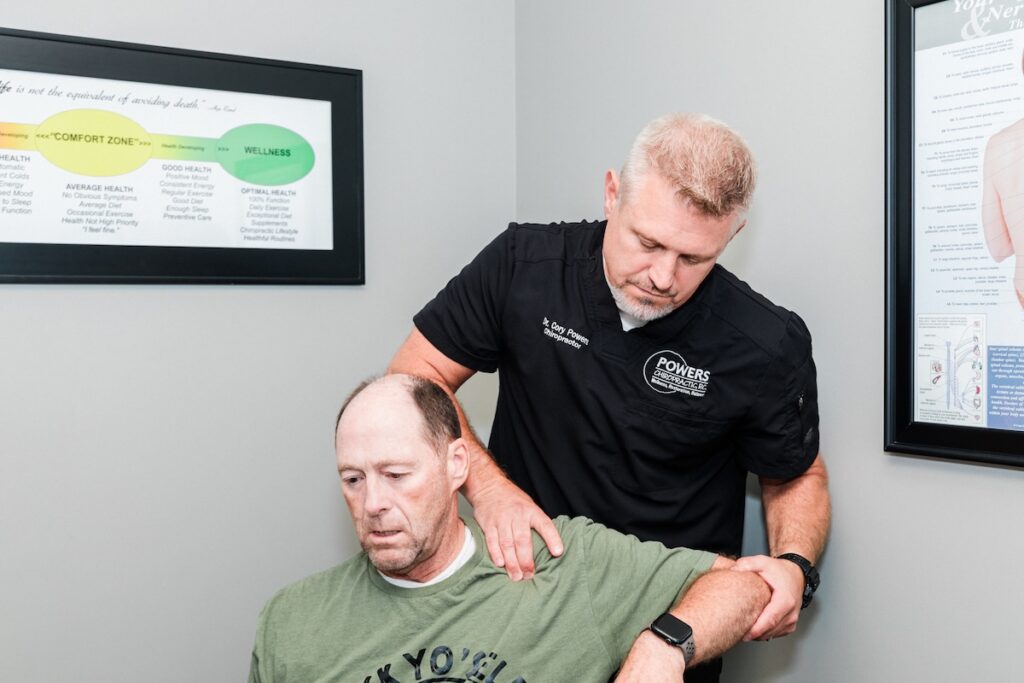
- Manual therapy: This hands-on technique focuses on the gentle manipulation and mobilization of the spine and surrounding muscles. By improving movement and relieving tension, we can help restore balance to your body.
- Exercise therapy: I design personalized exercise programs that target core muscles, enhance posture, and boost flexibility. These elements are essential for providing the support your back needs to function optimally.
- Electrotherapy: We may utilize methods like TENS (Transcutaneous Electrical Nerve Stimulation), which involves applying electrical impulses to reduce pain and promote healing by stimulating the nerves and muscles.
By combining these techniques, we can create a comprehensive treatment plan tailored to your specific needs, guiding you toward recovery and improved well-being.
Embracing chiropractic care can lead you to a healthier and more active life!
Benefits of Physical Therapy
As a local chiropractor, I want to share with you that chiropractic care isn’t just about recovering from injuries; it provides a multitude of benefits that can significantly enhance your overall wellness.
By engaging in chiropractic treatments, you can improve your strength, flexibility, and posture, all of which are vital in preventing future discomfort, especially in your back. You’ll gain valuable insights into proper body mechanics, enabling you to avoid unnecessary strain during your daily activities.
Moreover, chiropractic care can also boost your confidence. With the knowledge and skills you acquire, you’ll be empowered to manage pain and discomfort effectively.
This holistic approach promotes relaxation and helps to alleviate stress, which is essential for maintaining good mental health. By committing to a personalized chiropractic program, you’re not only addressing any existing issues but also investing in a healthier, more active lifestyle for the long term.
Embracing natural healing through chiropractic care can lead to a life filled with vitality and well-being.
Duration of Treatment Plans
When embarking on your journey towards relief from back pain, it’s important to understand the duration of treatment plans in chiropractic care. Typically, these plans can range from a few weeks to several months, depending on your individual needs and how your body responds to treatment.
Several key factors can influence how long your treatment may take:
- Severity of Pain: If your pain is more intense, it might require a longer course of treatment to achieve relief.
- Type of Injury: Different types of injuries respond to chiropractic adjustments in varying timeframes, affecting recovery.
- Your Engagement: Actively participating in your recommended care plan, including exercises and lifestyle changes, can help accelerate your healing process.
Regular check-ins with your chiropractor will ensure that your treatment plan is tailored to your progress and needs.
Maintaining open communication and staying engaged in your healing journey will maximize the benefits of your chiropractic experience, guiding you towards effective pain relief and improved overall health.
Alternative Treatments: Acupuncture and Chiropractic Care
As a local chiropractor, I want to take a moment to explain how alternative treatments like chiropractic care, along with acupuncture, can provide effective relief for those dealing with back pain.
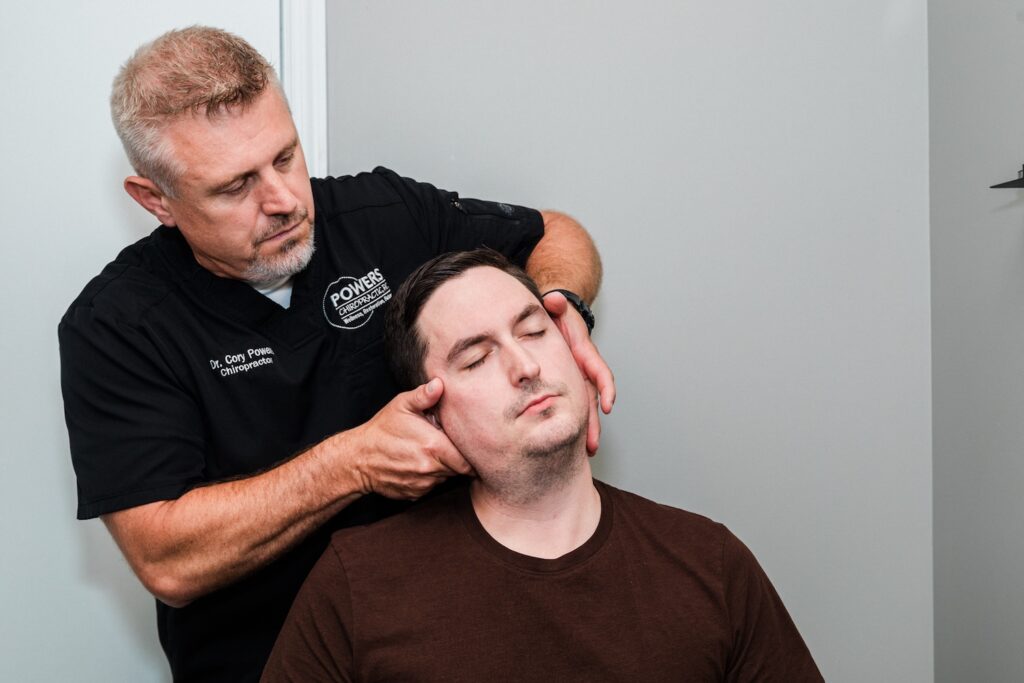
Chiropractic care is centered around the alignment of your spine and the overall health of your musculoskeletal system. Through hands-on manipulation, I adjust your spine to alleviate pressure on your nerves and reduce discomfort. This technique not only helps relieve pain but can also improve your range of motion and decrease inflammation throughout your body.
Acupuncture is another complementary option that many find beneficial. This method involves the insertion of thin needles into specific points on your body, which can activate your nervous system and encourage natural healing processes. Many of my patients have reported that acupuncture helps to reduce their pain levels and enhances their mobility, often with very few side effects.
Both chiropractic care and acupuncture can be effectively used to address various types of back pain, whether you’re dealing with chronic issues or acute injuries.
In many cases, I’ve seen that combining these treatments with traditional medical methods leads to the best outcomes for my patients.
If you’re considering exploring these natural healing options, I encourage you to consult with me or another healthcare professional. We can work together to determine the best approach tailored to your individual needs and help you on your journey to recovery and improved well-being.
Lifestyle Changes and Home Remedies
As a local chiropractor, I want to share with you some valuable insights on how lifestyle changes and home remedies can significantly boost your efforts in relieving back pain. While treatments like chiropractic care and acupuncture are essential, integrating simple adjustments into your daily routine can make a world of difference.
First and foremost, staying active is crucial. Engaging in low-impact exercises such as walking, swimming, or yoga not only helps to strengthen your back muscles but also enhances your overall flexibility. It’s important to find activities that you enjoy, as this will encourage you to stay consistent.
Next, let’s talk about maintaining good posture. Many of us may not realize how our daily habits can contribute to back pain. Being mindful of how you sit and stand can have a profound impact. I recommend considering ergonomic furniture, which is designed to provide support and reduce strain on your back throughout the day.
Another effective method for managing pain is to apply heat or cold to the affected areas. Using a heating pad can help relax tight muscles, while an ice pack can reduce inflammation. Both methods can be very soothing and help you find relief.
By incorporating these lifestyle changes and home remedies into your routine, you can create a holistic approach to managing your back pain.
When to Seek Professional Help
As a local chiropractor, I want to help you understand when it might be time to seek professional help for your back pain. If you’ve been experiencing discomfort for more than a few weeks or if your pain seems to be worsening despite trying home treatments, it’s important to consider consulting with a healthcare professional like myself.
Be mindful of any additional symptoms such as numbness, tingling, or weakness in your legs—these can signal a more serious underlying issue that needs attention. If you experience sudden and severe pain following an injury or a fall, please don’t wait; seek immediate care.
Furthermore, if your back pain is starting to interfere with your daily activities or affecting your quality of sleep, that’s a clear sign that it’s time to get expert advice.
At our chiropractic clinic, we focus on natural healing methods that can address your specific condition and help you regain your quality of life.
Remember, early intervention is key to preventing chronic problems down the line. Trust your instincts; if something feels off, it’s always better to get it checked out. Your health is paramount, and I’m here to provide personalized solutions tailored to your needs.
Don’t wait until the pain becomes overwhelming—let’s take action together now for a healthier future.
Conclusion
As a local chiropractor, I want to help you understand the various options available for back pain relief. It’s important to recognize that effective relief often comes from a combination of approaches tailored to your individual needs. While over-the-counter medications may provide quick relief, they only address the symptoms and not the underlying issues.
Chiropractic care focuses on restoring proper alignment and function to your spine and nervous system, which can lead to long-term benefits. Our treatments may include spinal adjustments, exercises, and stretches that strengthen your back and improve your posture, ultimately promoting natural healing.
In addition to chiropractic adjustments, I encourage you to adopt lifestyle changes that support your back health, such as maintaining good posture and staying active. If your pain continues, seeking professional guidance is crucial. We can work together to develop a personalized treatment plan that targets the root cause of your discomfort, steering you toward lasting relief. Remember, taking proactive steps today can lead to a healthier, pain-free tomorrow.