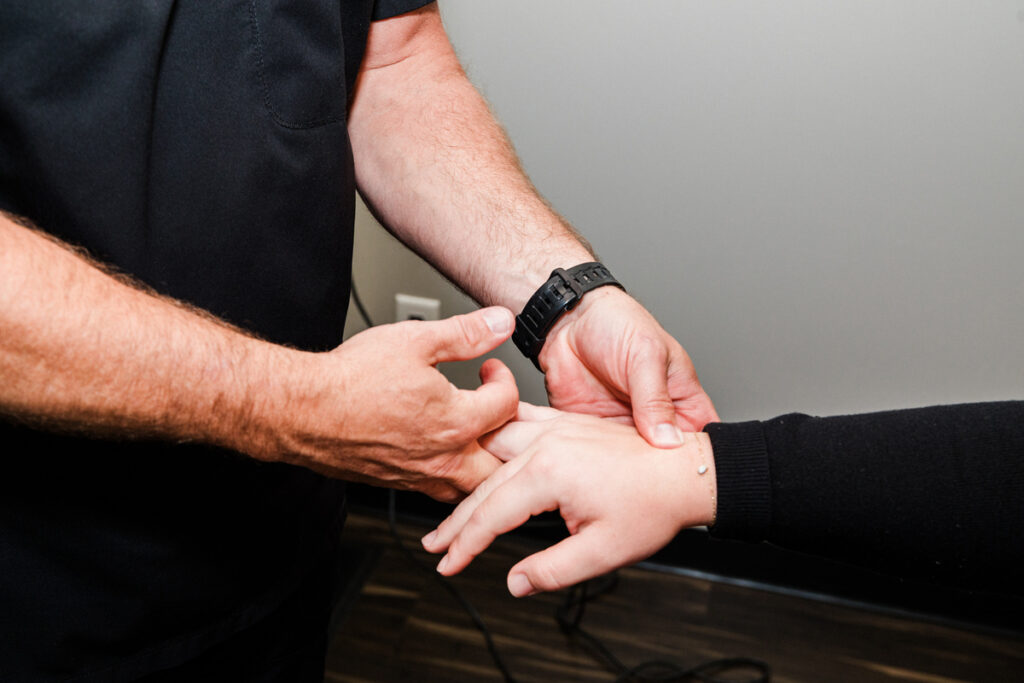

As a local chiropractor, I understand that many of you may frequently deal with headaches or migraines, and you’re not alone in this struggle. A significant number of people seek natural remedies to alleviate their discomfort without the need for medication. In our practice, we often explore options like herbal teas and essential oils, which can be beneficial in managing pain.
It’s important to recognize that lifestyle changes and specific techniques, including chiropractic care, can play a crucial role in both prevention and relief. By addressing the underlying issues contributing to your headaches, such as spinal misalignments or tension in the muscles, we can help you find lasting relief.
Let’s delve into these effective natural remedies and discuss how they can work in conjunction with chiropractic care to enhance your overall well-being. Together, we can discover the best approach tailored to your individual needs.
Herbal Teas for Headache Relief
As a local chiropractor, I often see patients struggling with headaches, and I always recommend natural remedies that can complement our chiropractic care. One of the simplest yet effective ways to find relief is through herbal teas. Varieties such as chamomile, peppermint, and ginger have unique properties that can help ease headache symptoms.
Chamomile tea is particularly beneficial as it can help relax tight muscles and reduce tension, which is essential for those whose headaches are triggered by stress. On the other hand, peppermint tea, containing menthol, can help open up your sinuses and enhance blood flow, providing relief from pain.
Ginger tea is another excellent option, as it boasts anti-inflammatory properties that may help ease headache symptoms, especially for those who experience migraines.
I encourage you to brew a cup of your preferred herbal tea, allowing it to steep for a few minutes. Adding a touch of honey can provide a bit of sweetness, enhancing the experience.
As you sip your tea, focus on deep breathing and consciously relaxing your body. This mindful practice can transform a painful headache into a more manageable situation, offering you a moment of tranquility amidst your busy life.
Essential Oils to Soothe Migraines
As a local chiropractor dedicated to holistic health, I want to share some valuable insights on how essential oils can be a supportive tool in managing migraines. Many of my patients have found relief through natural remedies, and essential oils are a wonderful addition to that approach.
Peppermint oil is particularly effective; by applying a diluted mixture to your temples and gently massaging it in, you can experience its cooling sensation, which helps to alleviate tension and promote better blood circulation. This can be especially beneficial for tension-related headaches.
Lavender oil is another fantastic option due to its renowned calming properties. Its soothing aroma can help ease migraine symptoms significantly. You might consider inhaling the scent directly or adding a few drops to a warm bath to create a relaxing environment.
For those who experience sinus-related headaches, eucalyptus oil can offer relief by opening up nasal passages. You can use a diffuser to disperse its aroma or simply inhale it directly from the bottle for quick relief.
Lastly, rosemary oil may assist in improving circulation and alleviating pain. As with any essential oil, it’s crucial to dilute it with a carrier oil before applying it to your skin to avoid irritation.
Incorporating these essential oils into your routine can be a natural way to soothe your migraines, complementing the chiropractic adjustments and care I provide.
If you have any questions about how to use these oils effectively, feel free to ask during your next visit!
Dietary Changes to Prevent Headaches
As a local chiropractor, I want to share how your diet can play an essential role in preventing headaches. Many of my patients are surprised to learn that what they eat can significantly affect their overall well-being, including headache frequency and intensity.
Staying well-hydrated is crucial, as dehydration can often trigger headaches. Additionally, being mindful of certain foods that may act as triggers for you can lead to fewer headaches.
Incorporating nutrient-rich foods into your diet can also provide your body with the vitamins and minerals it needs to function optimally, which can contribute to headache relief.
Hydration and Headache Prevention
As a local chiropractor, I want to emphasize the importance of staying properly hydrated for overall wellness and headache prevention. Many people don’t realize that even mild dehydration can lead to discomfort and headaches. Your daily fluid intake is crucial for maintaining your health.
Here are some hydration tips I recommend to help keep headaches at bay:
- Drink water regularly: Strive for at least eight 8-ounce glasses of water each day. This will help ensure you stay adequately hydrated and support your body’s natural functions.
- Add electrolytes: Incorporating coconut water or electrolyte tablets into your routine can enhance fluid retention, which is particularly helpful if you’re active or live in a hot climate.
- Eat water-rich foods: Snacking on fruits and vegetables such as cucumbers, watermelon, and oranges is a delicious way to increase your hydration levels while also providing essential nutrients.
- Limit caffeine and alcohol: Both substances can contribute to dehydration. It’s best to consume them in moderation to help maintain optimal hydration.
Trigger Foods to Avoid
As a local chiropractor, I often see patients who are dealing with headaches, and I want to share some insights on how certain foods might be contributing to your discomfort.
While many of us love indulging in a variety of foods, it’s important to be aware that some of them can trigger headaches. Common offenders include aged cheeses, processed meats, and foods containing MSG. Additionally, items like chocolate, caffeine, and alcohol can also lead to headaches for many individuals.
Listening to your body is key. If you notice that a certain food seems to be linked to your headaches, it might be wise to consider removing it from your diet.
Furthermore, artificial sweeteners, particularly aspartame, can provoke headaches in sensitive individuals.
To help pinpoint your personal triggers, I recommend keeping a food diary. This simple practice can make a significant difference in identifying which foods may be affecting your well-being.
By avoiding these known triggers, you may find that the frequency and intensity of your headaches decrease, leading to a more comfortable and enjoyable life.
Nutrient-Rich Foods to Include
As a local chiropractor, I want to highlight the importance of nutrition in managing headaches and overall wellness. While identifying trigger foods is essential, incorporating nutrient-rich foods into your diet can significantly enhance your body’s ability to prevent headaches.
By nourishing yourself with the right nutrients, you can help minimize both the frequency and severity of headaches.
Here are four foods I recommend including in your diet:
- Leafy Greens: Vegetables like spinach and kale are rich in magnesium, a mineral that has been shown to help decrease the occurrence of headaches.
- Fatty Fish: Fish like salmon and mackerel are excellent sources of omega-3 fatty acids, known for their anti-inflammatory benefits, which can play a role in headache relief.
- Nuts and Seeds: Almonds and flaxseeds are full of magnesium and healthy fats that contribute to optimal brain health, making them a great addition to your diet.
- Berries: Blueberries and strawberries are packed with antioxidants that can help protect your body from oxidative stress, which is often linked to headache triggers.
By incorporating these nutrient-rich foods into your daily routine, you can support your body’s natural healing processes and improve your headache management.
Hydration and Its Role in Headache Management
As a chiropractor, I often see patients who reach for pain relievers at the first sign of a headache. Before you grab that bottle, let’s talk about something fundamental: hydration. Many people don’t realize that dehydration can be a significant trigger for headaches and migraines. When your body is lacking water, your brain can actually shrink temporarily, which can lead to discomfort and pain.
I recommend aiming for at least eight 8-ounce glasses of water each day, but it’s essential to listen to your body. If you’re active or live in a warmer climate, you may need to drink even more. Keeping a water bottle with you throughout the day can serve as a great reminder to stay hydrated.
Additionally, incorporating hydrating foods into your diet, such as cucumbers, watermelon, and oranges, can help you meet your hydration needs.
Acupressure Techniques for Pain Relief
Staying hydrated is just one component of managing headaches effectively. As a chiropractor, I often recommend exploring acupressure as a natural method for relief by targeting specific pressure points throughout your body.
Let me introduce you to some acupressure techniques that can be particularly beneficial for headaches:
- Yintang: This point is located right between your eyebrows. By applying gentle pressure with your fingers here, you can induce a calming effect that may help alleviate headache discomfort.
- LI4 (Hegu): Found in the webbing between your thumb and index finger, applying firm pressure to this area can be quite effective in reducing pain.
- PC6 (Neiguan): This point is located on your inner forearm, about two inches from your wrist. Pressing this point can help reduce both nausea and headaches, making it a great option for migraine relief.
- GB20 (Fengchi): Situated at the base of your skull, applying pressure here can relieve tension and promote better circulation, which is essential for alleviating headache symptoms.
I encourage you to try these techniques during a headache or migraine episode. You may discover that they provide the relief you’re seeking.
This approach is a simple, natural way to ease discomfort without solely relying on medication, and it aligns perfectly with the holistic philosophy of chiropractic care.
Mindfulness and Meditation Practices
As a local chiropractor, I want to share with you how mindfulness and meditation can be powerful allies in managing headaches and promoting overall wellness. When headaches occur, incorporating mindfulness practices can be a natural way to find relief. By focusing on your breath, you can calm your mind and alleviate tension, which often contributes to headaches.
Additionally, guided visualization exercises can transport you to a serene environment, helping to distract from pain and promote relaxation. These techniques not only ease discomfort but also support your body’s natural healing processes.
Let’s delve into how integrating mindfulness and meditation into your routine can complement chiropractic care and enhance your well-being.
Breathing Techniques for Relief
As a local chiropractor, I often see patients who are seeking relief from headaches. One of the simplest yet most effective methods to alleviate this discomfort is through breathing techniques. By focusing on your breath, you can activate a calming response in your body that may help reduce the pain.
Here are four breathing techniques that I recommend:
- Diaphragmatic Breathing: This involves inhaling deeply through your nose, allowing your abdomen to expand fully. Then, exhale slowly through your mouth. This technique promotes relaxation and can help reduce muscle tension in your neck and shoulders, which are often contributing factors to headaches.
- 4-7-8 Breathing: Inhale through your nose for 4 seconds, hold your breath for 7 seconds, and then exhale slowly through your mouth for 8 seconds. This method helps to release built-up tension and can calm your nervous system.
- Box Breathing: This structured method involves inhaling for 4 counts, holding your breath for another 4 counts, exhaling for 4 counts, and then pausing for another 4 counts before repeating. It’s a great way to center yourself and can be particularly helpful during stressful moments.
- Nasal Breathing: Close one nostril and inhale deeply through the other, then switch to exhale through the opposite nostril. This technique not only encourages relaxation but also helps to balance your body’s energy.
I encourage you to try these techniques the next time you feel a headache coming on. Incorporating these breathing exercises into your routine can complement chiropractic care and contribute to overall wellness.
Guided Visualization Exercises
As a chiropractor, I often encounter patients who experience headaches that can be quite debilitating. One effective, natural approach I recommend is guided visualization exercises. These exercises can serve as a powerful tool to help alleviate your discomfort.
When you engage in guided visualization, you immerse yourself in calming imagery, which helps shift your focus away from the pain and promotes relaxation. I encourage you to find a quiet space, close your eyes, and take a few deep breaths. Imagine a serene landscape—perhaps a tranquil beach, where you can hear the gentle waves lapping at the shore, or a peaceful forest, filled with the soothing sounds of rustling leaves.
As you visualize this calming scene, try to engage all your senses. Feel the warmth of the sun on your skin or the coolness of a gentle breeze. Allow the vivid details of this imagery to transport you, easing tension and stress throughout your body.
Incorporating this practice into your routine, especially at the onset of a headache, can strengthen your mind’s ability to combat discomfort. With consistent practice, many of my patients have found that these visualization exercises significantly reduce the intensity and frequency of their headaches.
Embracing such natural healing techniques can complement the chiropractic care we provide, leading to improved overall wellness.
Lifestyle Modifications for Migraine Prevention
As a local chiropractor dedicated to helping our community find natural relief from migraines, I want to emphasize the importance of lifestyle modifications in your journey toward prevention.
By making some simple adjustments to your daily routine, you can significantly reduce the frequency and intensity of your migraines. Here are four essential changes to consider:
1. Stay Hydrated: It’s crucial to drink at least eight glasses of water each day. Dehydration is a common trigger for headaches, so I encourage you to keep a water bottle handy throughout the day.
Proper hydration supports overall health and can help in reducing migraine occurrences.
2. Regular Sleep Schedule: Establishing a consistent sleep routine—going to bed and waking up at the same time each day—can greatly benefit your body’s internal clock.
This consistency is key to minimizing migraines, as irregular sleep patterns can exacerbate headache issues.
3. Limit Caffeine and Alcohol: For some individuals, caffeine and alcohol can act as triggers for migraines.
I recommend monitoring your consumption of these substances and making adjustments as needed. By identifying your personal triggers, you can take proactive steps to avoid them.
4. Manage Stress: Stress is a significant contributor to migraines, and incorporating relaxation techniques into your daily life can be incredibly beneficial.
Techniques such as deep breathing exercises, meditation, or even gentle chiropractic adjustments can help keep your stress levels in check and promote overall well-being.
As your chiropractor, I’m here to support you in exploring these lifestyle changes and how they can complement your care.
Together, we can work towards a healthier, migraine-free life.
The Benefits of Regular Exercise
As a local chiropractor, I want to share how regular exercise can significantly impact your health, particularly in managing headaches and enhancing your overall well-being.
When you commit to a consistent workout routine, you improve blood circulation, which can alleviate tension and decrease the frequency of headaches. Engaging in physical activity also stimulates the release of endorphins—your body’s natural painkillers—leading to improved mood and reduced stress, both of which are common triggers for headaches.
Moreover, regular exercise can help regulate your sleep patterns and increase your energy levels, further contributing to fewer headaches. Whether you prefer a brisk walk, yoga, or hitting the gym, it’s essential to find activities that you enjoy to keep you motivated.
I recommend aiming for at least 30 minutes of physical activity on most days of the week, while also tuning into your body to avoid overexertion.
Incorporating exercise into your daily routine isn’t just a way to relieve headaches; it’s an investment in your overall health and well-being.
If you’re curious about how chiropractic care can complement your exercise regimen and support your journey to better health, feel free to reach out. Together, we can work towards a healthier, headache-free life!
Sleep Hygiene and Its Impact on Headaches
As your chiropractor, I want to emphasize that getting enough quality sleep is crucial for managing headaches, just as staying active is. If you experience headaches or migraines, enhancing your sleep hygiene could have a profound impact on your overall well-being.
Here are four practical tips to improve your sleep environment and routine, which can complement the chiropractic care you’re receiving:
- Establish a Consistent Sleep Schedule: Aim to go to bed and rise at the same time every day, including weekends. This consistency helps regulate your body’s internal clock, promoting better sleep quality.
- Craft a Relaxing Sleep Environment: Create a calming atmosphere by dimming the lights, keeping your bedroom cool, and minimizing noise. A peaceful environment can significantly enhance your ability to relax and fall asleep.
- Reduce Screen Exposure Before Bed: Try to avoid screens for at least an hour before bedtime. The blue light emitted from phones, tablets, and computers can disrupt your natural sleep patterns, making it harder to drift off.
- Watch Your Evening Meals and Beverages: Be mindful of what you consume close to bedtime. Heavy meals, caffeine, and alcohol can interfere with your sleep cycle, so it’s best to avoid them in the hours leading up to sleep.
By incorporating these tips into your daily routine, you may find that not only do your sleep quality and overall health improve, but you also experience a reduction in headache frequency and intensity.
Natural Supplements for Headache Relief
As a local chiropractor, I understand that headaches can be a frustrating and disruptive experience for many of my patients. While chiropractic care can provide significant relief, I also want to share the potential benefits of natural supplements that may serve as effective alternatives or complementary options for headache relief.
One supplement I often recommend is magnesium. Research indicates that magnesium can play a vital role in reducing the frequency and intensity of migraines. Incorporating magnesium into your daily routine might even help prevent headaches altogether.
Another supplement worth considering is butterbur, which has anti-inflammatory properties and has been shown to decrease the occurrence of migraines for some individuals.
Feverfew is another herb that could be beneficial; it may help to lessen both the severity and frequency of headaches. Riboflavin, or Vitamin B2, is also worth looking into, as it has demonstrated promise in reducing migraines when taken daily.
Additionally, omega-3 fatty acids, found in fish oil, can help decrease inflammation and support overall brain health, which may be beneficial for those prone to headaches.
However, it’s important to remember that, as with any supplement, you should consult with your healthcare provider before starting, particularly if you’re taking other medications.
Conclusion
As a local chiropractor, I want to share how incorporating natural remedies into your daily routine can significantly help manage headaches and migraines. Simple practices such as sipping herbal teas and using essential oils can provide unique relief for many of my patients. Additionally, it’s crucial to stay hydrated and consider making dietary changes that support overall wellness.
I also encourage the importance of mindfulness and regular exercise, which can play a vital role in reducing stress and tension that often contribute to headaches. By actively taking charge of your health and well-being through these natural approaches, you can foster a more balanced lifestyle. This not only helps prevent headaches but also enhances your overall quality of life. Remember, chiropractic care can complement these methods by addressing any underlying spinal issues that may be contributing to your discomfort. Let’s work together to find a holistic approach that suits your needs!