

Prenatal Chiropractic Care in Omaha: Benefits, Safety, and What to Expect
Pregnancy is an incredible season of change—physically, emotionally, and biomechanically. As your body adapts to support your growing baby, your spine and pelvis take on new loads and movement patterns. At Powers Chiropractic here in Omaha, we help expectant moms stay comfortable, mobile, and confident from the first trimester through postpartum. In this article, you’ll learn how prenatal chiropractic care supports a healthy pregnancy, what to expect during a visit, and when it’s a good idea to schedule an evaluation.
Table of Contents
What Is Prenatal Chiropractic Care?
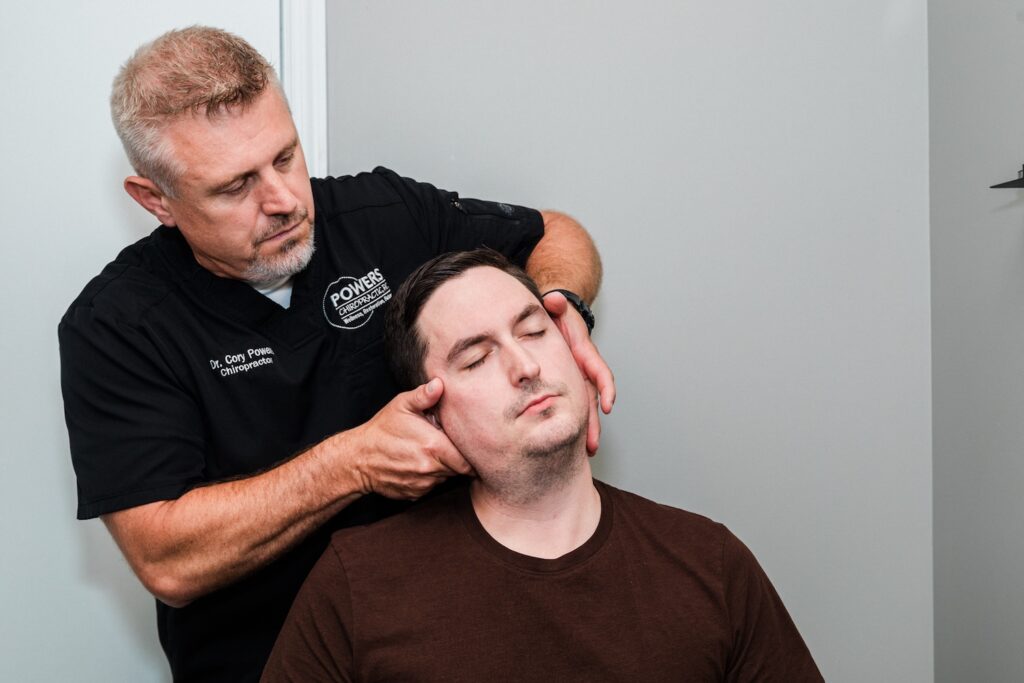
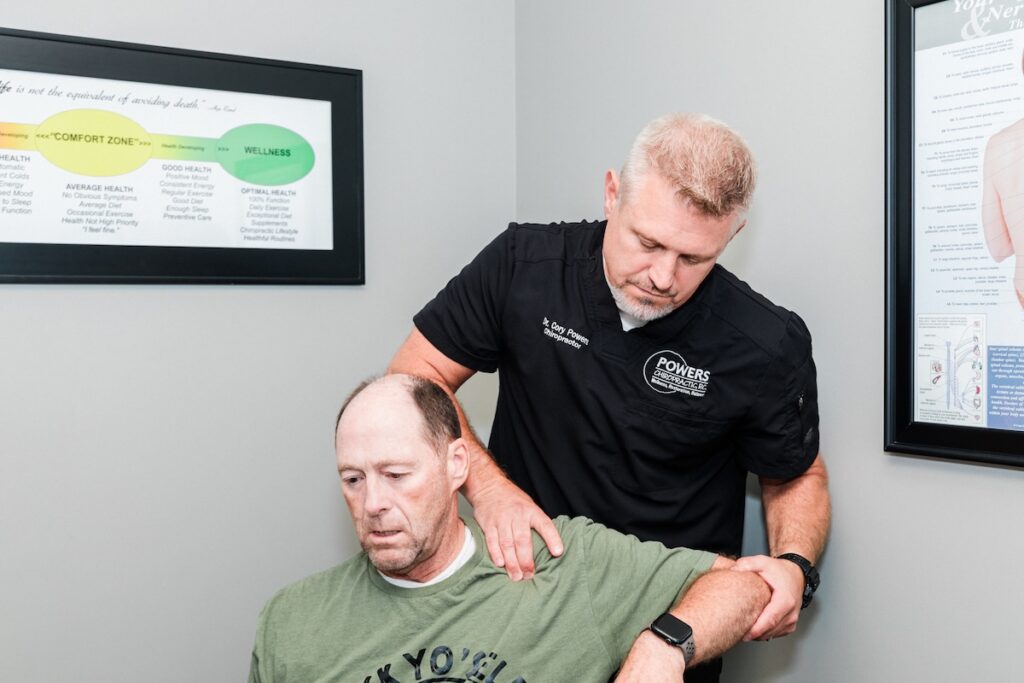
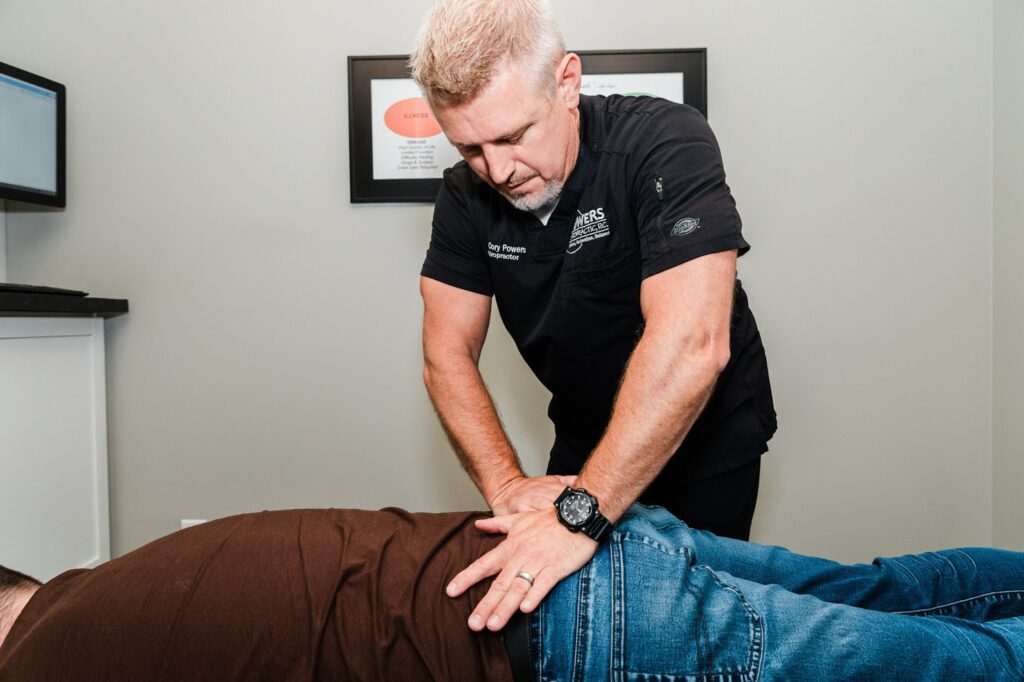
Prenatal chiropractic care focuses on gentle, pregnancy-specific adjustments and conservative, hands-on care to keep the spine and pelvis moving well. The goal is to ease common pregnancy discomforts, support balanced biomechanics, and help you stay active and comfortable throughout your pregnancy.
Why Spinal Health Matters During Pregnancy
Your spine and pelvis form the foundation for movement, posture, and daily comfort. During pregnancy, that foundation works overtime. Balanced spinal alignment and pelvic mobility help distribute changing loads more evenly, reduce stress on joints and muscles, and support efficient, comfortable movement. When the spine or pelvis becomes restricted or imbalanced, the body often compensates, which can lead to pain, tightness, or nerve irritation.
Chiropractic care keeps this foundation strong by improving joint motion, calming irritated tissues, and supporting the nervous system’s ability to coordinate movement. Many Omaha moms tell us they can walk farther, sleep better, and move with more ease when their spine and pelvis are moving well.
How Pregnancy Changes Your Biomechanics (Explained Simply)
Pregnancy changes how you stand, move, and carry weight. Three big shifts typically occur:
- Center of gravity moves forward: As your belly grows, your posture naturally adapts—often increasing the curve in your lower back (lumbar lordosis). This can place extra demand on the low back, hips, and mid-back.
- Hormonal changes affect ligaments: Hormones like relaxin help soften ligaments to prepare the pelvis for delivery. While helpful, this can also allow joints to move differently than they’re used to, sometimes creating instability or irritation.
- Load and gait changes: Extra weight, swelling, and foot changes can alter your stride. You might notice new foot, knee, or hip discomfort as your body works to balance each step.
Chiropractic adjustments and pregnancy-specific techniques are designed to work with these changes—keeping joints moving correctly, reducing muscle guarding, and promoting better alignment as your body adapts week to week.
Common Pregnancy Discomforts Chiropractic Addresses
Every pregnancy is unique, but certain musculoskeletal patterns are very common. We frequently evaluate and care for:
- Low back pain and pelvic girdle pain: Often due to increased lumbar curve, sacroiliac joint stress, and changes in pelvic mechanics.
- Sciatica-like leg pain: Irritation from tight gluteal or deep hip muscles and altered pelvic motion can refer pain into the leg.
- Mid-back and rib tightness: As the ribcage adapts and posture shifts, breathing mechanics and mid-back mobility can be affected.
- Neck and shoulder tension: Postural changes and increased lifting demands can create upper-back and neck strain.
- Pubic symphysis discomfort: The front of the pelvis can become irritated when the sacrum or SI joints aren’t moving well.
While these issues are common, they’re not “just part of pregnancy” you have to push through. Conservative chiropractic care is a frontline way to address the mechanical causes and help you stay comfortable and active.
How Chiropractic Care Supports a Healthy Pregnancy
Chiropractic care is designed to restore healthy motion in the spine and pelvis. For pregnant patients, that means gentle, specific techniques that match your trimester and comfort level. Here’s how this helps:
- Improved pelvic alignment: When the sacrum and pelvic joints move the way they should, it can reduce strain on surrounding muscles and ligaments. Many moms notice easier walking, standing, and turning in bed.
- Reduced muscle guarding: Tense or protective muscles relax as joint mechanics improve. This often eases pressure around the low back, hips, and ribs.
- Better load sharing: Balanced alignment lets your body distribute weight and movement more evenly, helping decrease “hot spots” of pain or irritation.
- Nervous system support: Gentle adjustments can reduce joint irritation that may be contributing to nerve-related discomfort, like sciatica-like symptoms.
- Quarterbacking your movement health: During pregnancy, your needs can shift quickly. As your primary musculoskeletal provider, your chiropractor monitors changes visit to visit, adapts care to each trimester, and gives clear advice on posture, lifting, and daily movement so you can keep doing what you love safely.
Techniques we commonly use include pregnancy-adapted spinal and pelvic adjustments, mobilization, soft-tissue work, and positioning strategies. Many chiropractors also use pelvic balance methods (such as Webster analysis and adjustments) to address sacral and pelvic alignment. The focus is comfort and function—not force.
What does the research say?
Evidence supports spinal manipulation and mobilization for low back pain in adults, and growing research suggests manual approaches may help with pregnancy-related back and pelvic pain. As always, care is individualized and results vary. (For context: see summaries from the National Center for Complementary and Integrative Health on spinal manipulation for low-back pain and Cochrane reviews on pregnancy-related back/pelvic pain.)
Safety and What to Expect at Powers Chiropractic
Your safety—and your baby’s—is always our priority. At Powers Chiropractic in Omaha, prenatal care includes:
- Pregnancy-specific evaluation: We assess posture, joint motion, muscle tone, and movement patterns while avoiding positions or pressures that aren’t comfortable for you.
- Gentle techniques: We use light, controlled forces; side-lying and supported positions; and pregnancy pillows or drop tables to keep you comfortable. We avoid abdominal pressure.
- No routine X-rays during pregnancy: Imaging is not part of standard prenatal chiropractic care. If there’s ever a question that warrants imaging or medical co-management, we’ll discuss it with you and coordinate appropriately.
- Clear communication: We explain each step, check your comfort throughout, and adapt as your pregnancy progresses.
- Omaha-specific note: Our weather can change fast, and icy sidewalks or hot summer walks can add extra strain. We’ll tailor your advice to your daily environment—whether you’re navigating downtown parking, neighborhood trails, or school drop-off lines.
Practical Tips for Comfort Between Visits
- Sleep smart: Side-sleep with a pillow between your knees and another supporting your belly to reduce pelvic and low back strain.
- Move regularly: Short, frequent walks and gentle movement breaks help circulation and reduce stiffness.
- Mind your stance: Keep feet hip-width apart and distribute weight evenly; avoid “locking” your knees when standing.
- Lift with care: Keep items close to your body, hinge at the hips, and avoid twisting while lifting.
- Footwear matters: Supportive, non-slip shoes help with balance as your center of gravity shifts—especially helpful during Omaha’s icy months.
- Hydrate and nourish: Staying hydrated supports tissue health and can ease muscle tightness.
- Work setup: If you sit at a desk, keep screens at eye level, use a small lumbar support, and change positions often.
When to See a Chiropractor in Omaha
If you’re pregnant and noticing new aches or stiffness, don’t wait for it to become “part of the deal.” The earlier we address imbalances, the easier it is to stay comfortable. Consider scheduling a visit if:
- You’re experiencing low back, pelvic, hip, or mid-back pain that’s lingering beyond a few days or affecting sleep, walking, or daily tasks.
- Turning in bed, getting in/out of the car, or standing from a chair has become painful or awkward.
- Neck and shoulder tension or headaches are becoming frequent as your posture changes.
- You simply want to be proactive—many moms choose periodic prenatal check-ins each trimester to stay ahead of issues.
We tailor care to every stage of pregnancy, from early changes to late third-trimester support.
When to Seek Medical Care Immediately
Chiropractic care focuses on musculoskeletal health and is not emergency care. Contact your obstetric provider or seek urgent medical attention if you experience any of the following:
- Vaginal bleeding, fluid leakage, fever, or signs of infection
- Severe or sudden abdominal pain or persistent, intense headaches
- Decreased fetal movement after viability
- Chest pain, shortness of breath, or signs of a blood clot (e.g., calf swelling with warmth/redness)
- Numbness or weakness in a limb that worsens or does not resolve
If you are unsure whether something is urgent, err on the side of caution and contact your obstetric team. We’re always happy to coordinate care and ensure you’re in the right place.
Myths vs. Facts About Chiropractic in Pregnancy
| Myth | Fact |
|---|---|
| Chiropractic adjustments are too forceful for pregnant patients. | Prenatal chiropractic uses gentle, pregnancy-specific techniques, positions, and supports. Comfort and safety guide every step. |
| Back pain is just part of pregnancy—you have to live with it. | While common, many musculoskeletal discomforts respond well to conservative, hands-on chiropractic care and movement advice. |
| Chiropractic isn’t relevant until the third trimester. | Care can be helpful in any trimester. Early attention to posture and pelvic alignment often prevents issues from escalating. |
| Chiropractors only treat the lower back. | We assess the whole spine and pelvis, plus related muscle and joint function—from feet to neck—because it all works together. |
Caring for Omaha Families: Final Thoughts
Pregnancy should be a time of anticipation, not frustration with daily pain. At Powers Chiropractic, we see prenatal care as foundational—not an add-on—because spinal and pelvic health directly influence how you move, sleep, and feel each day. If you live in Omaha or the surrounding communities, our team is here to help you stay comfortable and confident through each trimester and into postpartum recovery.
Have questions about prenatal chiropractic care, pelvic alignment, or whether a gentle adjustment could help you feel better? Reach out. We’re honored to care for growing families in our Omaha community.
FAQs
Is chiropractic care safe during pregnancy?
When provided by a trained chiropractor using pregnancy-specific techniques, chiropractic care is generally considered safe for most healthy pregnancies. Your visit and techniques are tailored to your trimester and comfort level. If you have a high-risk pregnancy or specific medical concerns, we’ll coordinate with your obstetric provider.
When should I start prenatal chiropractic care?
Any time. Many moms start early to stay proactive, while others begin when discomfort appears. We adapt care to each trimester and your individual goals.
How often should I get adjusted while pregnant?
Frequency depends on your symptoms, activity, and stage of pregnancy. Some patients benefit from periodic check-ins (e.g., every 2–4 weeks), while others need short, focused series during flare-ups. We’ll outline a plan after your evaluation.
Can chiropractic help with sciatica in pregnancy?
It can help many patients. By improving pelvic and hip mechanics and reducing soft-tissue irritation, chiropractic care may ease leg pain related to nerve irritation. Results vary by individual.
Do you take X-rays during pregnancy?
No. Routine imaging is not part of prenatal chiropractic care. If imaging is ever considered for another reason, we would coordinate with your medical team.
What will my adjustment look like while pregnant?
We use gentle techniques, supportive pillows, and side-lying or modified positions. There’s no abdominal pressure, and we check comfort at every step.
TL;DR
- Prenatal chiropractic care keeps the spine and pelvis moving well, helping many moms feel more comfortable and mobile throughout pregnancy.
- Gentle, pregnancy-specific techniques reduce joint irritation and muscle tension, supporting posture, balance, and day-to-day function.
- Care is individualized for each trimester at Powers Chiropractic in Omaha—no routine X-rays and no abdominal pressure.
- See a chiropractor if aches persist or limit activity; seek medical care immediately for urgent symptoms like bleeding, severe headache, or decreased fetal movement.
- Staying proactive with posture, movement, and periodic check-ins can make a meaningful difference in your pregnancy comfort.