Share this episode:
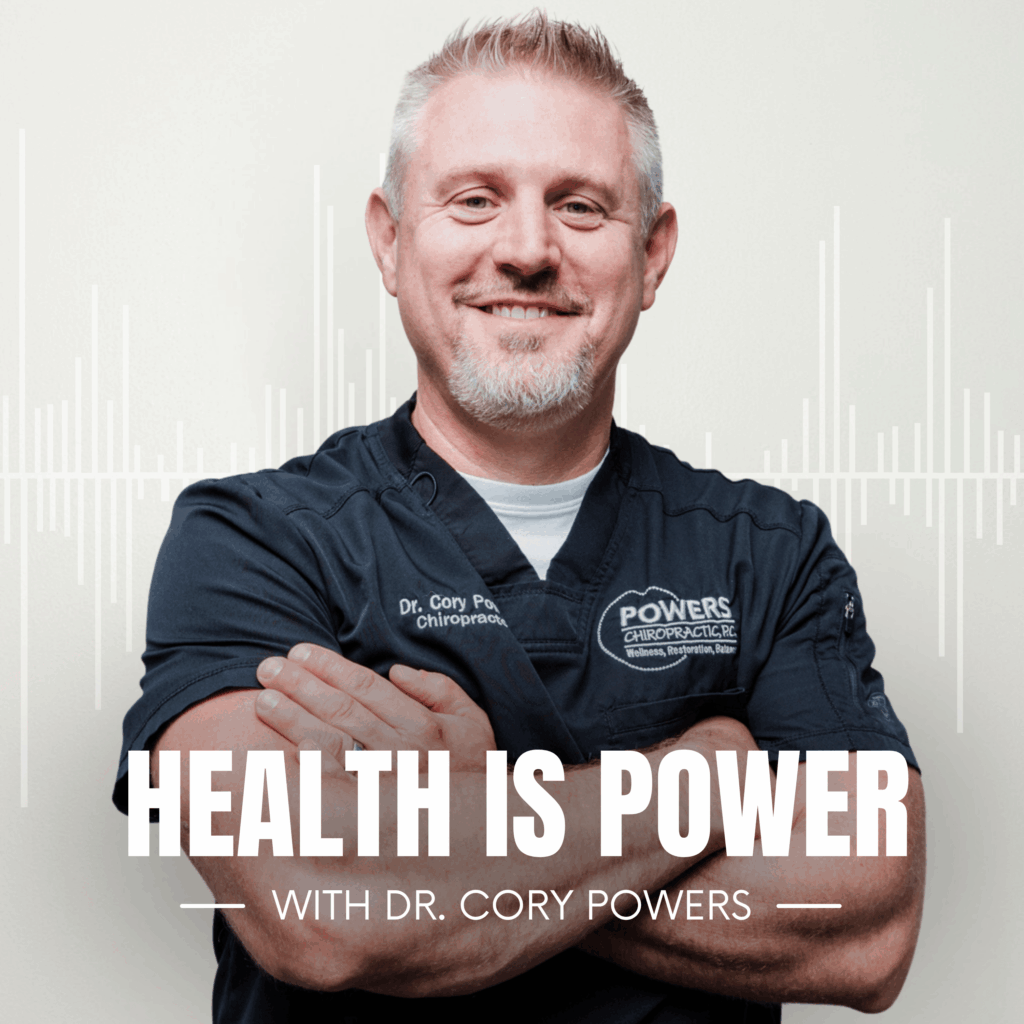
In this episode, Dr. Cory Powers from Powers Chiropractic in Omaha breaks down carpal tunnel syndrome—a condition he sees nearly every week in his practice.
If you’ve experienced tingling, numbness, or pain in your hands and fingers, especially at night or when gripping objects, this episode is for you. Dr. Powers explains what’s actually happening in the carpal tunnel and shares practical insights on causes, relief options, and prevention strategies.
Whether you’re dealing with carpal tunnel symptoms now or want to prevent them in the future, you’ll find actionable information to help you understand and address this common condition.
Hey there, this is Doctor Cory Powers from Powers Chiropractic here in Omaha. Thanks for tuning in today.
So, let’s talk about something I see nearly every single week in my practice… carpal tunnel syndrome. You know that tingling, numbness, or pain in your hand and fingers? Maybe it wakes you up at night, or your hand feels weak when you’re trying to grip your coffee mug in the morning. If that sounds familiar, you’re definitely not alone.
Here’s what’s actually happening. The carpal tunnel is a narrow passageway in your wrist… think of it like a tunnel made of bones and ligaments. Running through that tunnel is your median nerve, along with tendons that help your fingers move. When that tunnel gets too tight, or when things inside get inflamed and swollen, your median nerve gets squeezed. And that’s when you start feeling those symptoms.
Now, what causes this? Well, repetitive hand motions are a big one. If you’re typing all day, using tools, or doing assembly work… your hands are making the same movements over and over. That repetition can cause irritation and swelling. But here’s what a lot of people don’t realize… the problem often starts further up the chain. Your neck, your shoulder, even your elbow… if you’ve got nerve irritation or poor posture up there, it can contribute to what’s happening down at your wrist.
So what can you do about it? First, take breaks. If you’re at a computer, every thirty minutes, stop and move. Shake out your hands, roll your shoulders back, stretch your wrists gently in different directions. Second, check your workspace setup. Your keyboard should be at elbow height, and your wrists should stay in a neutral position… not bent up or down while you type.
Here’s another tip… ice and rest during flare-ups can really help bring down inflammation. And pay attention to your sleeping position. A lot of people sleep with their wrists curled up, which makes symptoms worse at night. Try keeping your wrists straight, maybe even with a simple brace while you sleep.
Now, here’s the thing. If you’re dealing with carpal tunnel symptoms, it’s worth getting evaluated by a professional. As a chiropractor, I look at the whole picture… not just your wrist, but your neck alignment, your shoulder mechanics, your posture. Sometimes we can take pressure off that nerve through adjustments, soft tissue work, and rehab exercises. And we can help you figure out what’s driving the problem in the first place.
Don’t ignore those symptoms and hope they’ll just go away. The earlier you address it, the better your outcome is going to be.
If you’re here in the Omaha area and you’d like to get checked out, we’d love to help you at Powers Chiropractic. Give us a call or stop by. And hey, even if you’re not local, find a chiropractor near you who understands nerve and musculoskeletal issues.
Thanks so much for listening today. Take care of those hands, and I’ll catch you on the next episode.

I am so grateful to have found Cory and his team. It has been challenging to find someone that is attentive to my needs and remembers my previous visits. As I get older, work out and run my remodeling company, I am finding that my body needs more than just a "gentle" adjustment and Cory knows this. I have visited many different practices and feel blessed to have settled in here.

Dr Powers has been my chiropractor for several years. He's helped me sort thru options for surgery/ chiropractor care/physical therapy. I've had hip surgery, but he has continued to help my lower back and neck. I would highly recommend him

Friendly and Professional Staff and no wait time for my appointment.

I have a three generation household and Powers take care of all of us. Nicole is so warm and friendly. Dr.Powers is a very good listener and goes above and beyond to help make us feel better. I highly recommend their office. I have been to many other chiropractors. So far they're the BEST.

Thanks Dr. Powers for being my chiropractor for over 25 years. You are the best!

From my first visit, I was impressed with Nicole and the Dr. Powers, who took the time to make me feel comfortable with this process and provided an additional level of self care routines between visits. Initially visited because of a sciatic nerve pinch. I had a trip overseas in 5 weeks. By the time I had to get on that 14 hour flight, I was well mended, no pain and was able to enjoy the vacation time. Overall great place to go.

I have been a patient of Dr. Powers for many years.<br>He is a kind and understanding man who genuinely cares about your health and well-being.<br>His skills to correct the issues with your body are nothing short of excellent.<br>The staff is great and very responsive to assist you in setting appointments that work with your schedule.<br>I highly recommend Dr. Powers to help you find healthy pathways to living.

I appreciate the calm manner in which Dr. Powers addresses my back issues. Having your back "go out" can feel so scary but he does everything he can to alleviate the pain & develops a follow up plan to get you back on track. I get adjusted on a regular basis now & my back problems are not as frequent or severe as they used to be.<br>The office is a warm & inviting space with Nicole & Lauren greeting you with a smile.<br>I can't recommend this office enough!

Highly recommend Powers Chiropractic! They’ve taken very good care of myself and my family- super knowledgeable at helping me manage my neck and back pain. And the staff is always friendly and accommodating.

1st time going to this place was Great! Everyone was very nice and it just felt a little homie. Mr Powers was great! He told me a couple things about my body from the x rays he took. It made more sense now to me. I think this place will be great for me and my family.

I have been seeing Dr. Powers since the very early 2000's. No intensions of ever switching. He not only treats your aches and pains but he educates you and puts a plan together to you healthy again. He truly cares about his patients and what is going on with each of us. Nicole is a ROCKSTAR. Very good at her job and always happy to see you. She will help you with amy question you might have. The office is always immaculate and beautifully decorated. I recommend Dr. Powers to anyone that I talk to that is hurting or looking.

Dr. Powers was great. Got me in right away took the time to review everything with me and then provided treatment.

I had my first visit at Powers Chiropractic yesterday and I couldn’t be happier with the experience! My appointment went great, and I’m already feeling a sense of relief in my neck. The care and professionalism were excellent, and I’m really looking forward to my next treatment. Highly recommend!

Total lifesaver! I threw my back out and was in rough shape, but just two sessions later I was back to moving and living life. The staff is incredibly welcoming and the atmosphere is so relaxing. Highly professional and effective—I trust Dr. Powers with my entire family.

Dr Powers has really helped me with my Verdigo problem and continues to help with adjustments on my neck. He is very considerate and knowledgeable. I also enjoy talking to him!!

I highly recommend Dr. Powers. I’ve felt a real improvement since starting care, especially with my neuropathy. He truly listens and provides thoughtful, effective treatment. Nichole is always welcoming, and it’s clear the whole team genuinely cares about their patients. I this is the place if you are looking for compassionate chiropractic care.

I have been using Dr Corey Powers for spine issues over many years. Dr. Powers listens intently to the patient's needs and addresses each one thoroughly. His office manager, Nicole, is always pleasant and easy to work with. I highly recommend this team.

Dr. Powers and his staff were very knowledgeable, helpful and friendly. He took extra time taking x-rays and tests to set up the perfect treatment plan. I recommend them highly!

From my experience, Powers Chiropractic is one of the best. I really appreciate the care and attention they are giving me. Thank you so much, you guys are great.

Dr. Powers and Nicole are amazing. So personable and caring. Dr Powers listens to your concerns and genuinely cares about your wellbeing. My husband and I have b en seeing him for almost 15 yrs. They greet you personally every visit. Flexibility for us with hectic schedules. 10/10 for sure!

Excellent and effective treatment and customer service.

First your x-ray exam to revealing underlying discomfort, prior to adjustment(s.) After initial adjustment your file is updated each and every time. If, I would have some discomfort say: knee, calf Cory will manipulate and again file enter into your file. I and my spouse have been attended for a few years are completely comfortable with our chiropractic care.

Powers Chiropractic is hands down the most personable, caring, and kind office in town. The ease of access via text messaging ensures I can make an appointment on my schedule. Dr. Powers really cares about each person he sees, and his office staff is second to none.

Been coming here for a few years now. Nicole always greets me with a huge smile. It's very rare I have to wait to see Dr Powers. I appreciate the personal interest he shows in his patients. I always feel better when I leave. Highly recommend to anyone who is looking for relief.

I came to Dr Powers' office with chronic neck and back pain that because of fibromyalgia I assumed I would just have to live with. Doc assured me that things could get better and they have! I am now doing regular maintenance treatments and so grateful for Dr Powers' caring practice. I can keep up with the great grandkids (most of the time haha)

Powers Chiropractic cares about their patients. If you are in pain they want to help and see you all the way through to healing .<br>They are so friendly and kind and treat you like family.<br><br>Definitely recommend. 10/10

Pleasant environment, clean.<br>Great care was given by Dr. Powers, and Nicole at the front desk is smart, kind, and efficient.

Dr. Powers is the best! He takes time to diagnose your source of pain originally and then treats you to help relieve your pain. The whole staff makes you feel welcome and help you from setting up appointments to billing. Dr. Powers is always flexible! The whole office treats you so well and make you feel comfortable!

My husband and I have been coming to Dr. Powers for a little over 2 years. We were recommended to him from one of our great friends, and we are beyond thankful for that. I had my arm and hand go completely numb while driving long distance and it was because my neck was extremely tight and needed adjustment. It was scary but Dr. Powers (and Nicole) made us feel comfortable, relaxed, and like we were in the right hands. With regular treatment from Dr. Powers, I haven’t had that issue any longer. My husband had a very physical job and Dr. Powers has always compassionately helped with all of our concerns, including shoulders, feet, ears, wrists, and so on. Dr. Powers does adjustments on pregnant people also, which is especially helpful for low back and hip pain. Nicole is always so warm and friendly, and we have always been greeted with a smile. We always feel welcome, and usually feel better after leaving. We feel confident in the care being provided. The kind, accommodating, professional demeanor of Dr. Powers and Nicole keep us coming back. Highly recommend Powers Chiropractic!

Dr. Powers has been my chiropractor since 1999. He has always been thorough and effective in dealing with my various injuries. I wouldn’t go anywhere else.

Dr Powers is a blessing not only to me but to everyone who goes to him. I have been seeing him for 20+ years. As we age our body and needs change. From sports to weekend warrior to yard work , my body takes a beating and Dr Powers is always available. Check him out, you wont be disappointed.

Can't say enough good things your greeted personally I have had nothing but relief and improved mobility

Dr. Powers has always treated me as one of his own. I've never felt like I was only a cash cow to him. Whether was the spine, knee, shoulder, ears, sinuses, a muscle tear or an ankle, he's treated or counseled me on it.<br>There are some chiropractors out there who don't care that much, but he's one of the good ones.

Always friendly and interested in helping you to feel better physically and mentally

They are always very accommodating and easy to get into most of the time. I have been going there for years and they are close to being like family to me at this point.

I have been a patient of Dr. Powers now for almost three months. I was referred from a good friend.<br>I have a history of lower back problems but hadn't had any for a few years. Around Middle of August I had to go to the ER because of excruciating pain and couldn't use my left leg properly. They gave me a bunch of pain pills and a CAT scan and an appointment with a neurosurgeon. My primary had scheduled a MRI.<br>I called Powers chiropractic and Nicole scheduled me to come in the next day. From the moment I met Dr. Powers I instantly got good vibes from him and could tell he was a caregiver. He took some x-rays, gave me tens therapy and some direction. It took a few weeks to get the MRI and then a few more to meet the neurosurgeon, all the while Dr. Powers was keeping me grounded during this very confusing time.<br>Between waiting for appointments with doctors and surgeons and waiting for insurance to approve injections Dr. Powers kept adjusting me regularly and I kept walking and doing my own PT.<br>According to the MRI, my l3 disc is herniated and compressing one of the nerve roots that controls my left leg, thing is though, 3 months later and most of my pain is gone and I have regained mobility and a good deal of the strength without any injections or surgery.<br>My journey with this situation is far from over, we are still waiting to find the right surgeon. Powers chiropractic has been my rock and my guiding light through this entire ordeal!<br>I've been trying to decide for a few weeks how to properly give a review, today I just decided to tell it like it has happened. In the past I've had good and bad experiences with chiropractors. I just want to say that my experience with Powers chiropractic has been 100% positive! Dr. Powers is the real deal, he is a true caregiver! Nicole is the most polite, authentic and helpful person. I look forward to my visits. I can't thank them enough for the help they've given me!!

We have been going to Powers Chiropractic for many years. Dr. Powers is the best and Nicole is always so friendly and helpful.

Dr. Powers is an excellent chiropractor and is interested in your overall health. I recently inquired about some symptoms I’ve been having and he took the time to locate a specialist in that area that he would stand behind. They are very flexible with scheduling and Nicole is awesome at sending reminders about your appointments. Highly recommend this team!

I found Dr. Powers from Google reviews and I'm glad that I did. I've been seeing him for about two years, and it has made a major improvement on my daily routine without having back pain all the time. I would recommend him to anyone.

Awesome staff and amazing doctor that create a family atmosphere. Started there with chronic lower back pain, and am now pain free. Would highly recommend to anyone looking for a great chiropractic experience with a doctor that legitimately cares about you and your well being.

Doctor Powers is fantastic. Very friendly and tailors his care to my family’s individual needs. I’d recommend Powers Chiropractic to anyone!

Powers Chiropractic is the best!!!<br>You’re not just a number here. They treat you like true friends. Nicole is always willing to get me on the schedule even with just 5 minutes notice! Cory is so knowledgeable, he truly listens, and does everything he can to fix the issue. I’ve gone in for many things but the main thing I go for is my migraines. I use to have a migraine for 5 days out of the week. Since I started seeing Cory I only get a couple a month! Life changing!! 🧡

I’ve been seeing Dr Powers for over 10 years. He is amazing!! I know without a doubt that Dr Powers and chiropractic care has helped me avoid spinal surgery over the years. His assistant, Nicole, is so helpful and always so kind. I’ve recommended Dr Powers to several friends & they all rave about the great experiences they have at Powers Chiropractic. Thank you for everything!

Dr Powers is the best chiropractor! He listens to your needs and gives recommendations for long term comfort and progress. Nicole is always welcoming and makes every appointment smooth and stress free. She keeps you updated and on schedule for visits which helps with everyday life. They treat you like family which makes visits 10x better, couldn’t have found a better office for my chiro treatment. 1000000/10 recommend.

Kind, empathetic, and understanding. They really listen to your concerns and are very helpful. I've always had great service here!

My husband and I have been seeing Dr Powers on and off for over 10 yrs. Always feel welcomed in the office, very tentative to our needs. We recommend Dr. Powers to everyone that needs that special attention.

Dr. Power’s has been taking caring of me and family members for years. He treats us like family with great care! Thanks to you, Nicole, and your mom! 👍

I highly recommend Powers Chiropractic! I could barely walk across the parking lot the first day. Cory got my back in line and feeling great ever since. Nicole always welcomes me in and is a joy to talk to if there is any wait time. God people!


