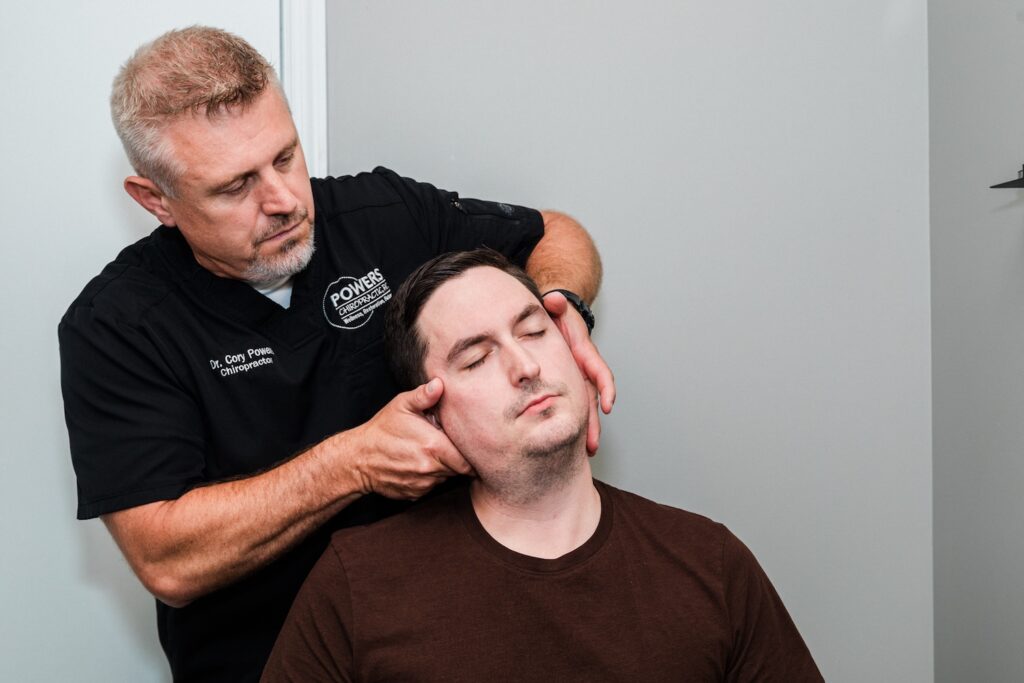

As a local chiropractor, I often encounter patients who struggle with getting a good night’s sleep. You’re not alone in this; many individuals experience difficulties in achieving restful slumber. The good news is that there are practical care tips rooted in natural healing that can significantly enhance your sleep quality.
By focusing on holistic approaches, such as establishing a consistent sleep schedule and optimizing your sleep environment, you can make small yet impactful changes. Additionally, chiropractic care can play a vital role in alleviating discomfort and stress that might be hindering your ability to relax at night.
Are you ready to explore some effective strategies that will help you feel more rested and rejuvenated? Together, we can work towards achieving better sleep and overall well-being.
Establish a Consistent Sleep Schedule
As a local chiropractor dedicated to your overall well-being, I want to emphasize the importance of establishing a consistent sleep schedule for your health. When you create a regular sleep routine, you help set your body’s internal clock. This can make it easier for you to fall asleep at night and wake up feeling refreshed in the morning.
I recommend aiming to go to bed and wake up at the same time every day, even on weekends. This consistency supports your body’s natural rhythms and can help you feel more alert during the day and ready for rest at night.
To start, consider how much sleep you need to feel your best. Most adults typically require between 7-9 hours of sleep. Once you’ve identified your ideal amount of sleep, count backward from your desired wake-up time to determine your perfect bedtime.
It’s important to avoid making sudden changes to your sleep schedule. Instead, gradually adjust your bedtime by 15-30 minutes each night until you reach your goal.
Pay attention to how your body responds to these changes. If you begin to feel more energized and focused during the day, you’re on the right track!
Create a Relaxing Bedtime Routine
As a local chiropractor, I want to emphasize the importance of creating a relaxing bedtime routine for your overall well-being. After a long day, it’s crucial to wind down properly for both your body and mind. Establishing a consistent sleep schedule can help regulate your body’s natural rhythms, making it easier to fall asleep and wake up refreshed.
I recommend limiting screen time before bed, as the blue light emitted from devices can interfere with your sleep quality. Instead, consider incorporating soothing activities into your routine, such as reading a book or practicing gentle stretching exercises.
These techniques can help alleviate tension in your muscles and promote relaxation, setting the stage for a restorative night’s sleep.
Set a Consistent Schedule
As a local chiropractor, I often emphasize the importance of establishing a consistent sleep schedule to my patients. This practice not only aids your body in regulating its internal clock but also lays the groundwork for a soothing bedtime routine that can enhance your overall well-being.
I encourage you to go to bed and wake up at the same time each day, including weekends. This consistency sends a powerful signal to your body about when to unwind and when to rise, which can make it easier for you to fall asleep and wake up feeling rejuvenated.
To further reinforce this schedule, consider creating a calming pre-sleep ritual. Activities such as reading, gentle stretching, or enjoying a warm bath can be incredibly beneficial.
Limit Screen Time
As a local chiropractor, I often emphasize the importance of a holistic approach to health, which includes not just physical adjustments, but also lifestyle choices that can significantly impact your well-being.
One key area I encourage my patients to consider is their screen time, especially before bed. Winding down after a busy day can be tough, but limiting your exposure to screens in the evening is crucial for establishing a relaxing bedtime routine.
The blue light emitted by devices like smartphones, tablets, and computers can interfere with your body’s natural sleep-wake cycle, making it more difficult to fall asleep and potentially affecting your overall health.
I recommend turning off all screens at least an hour before you plan to go to bed. Instead of scrolling through your device, use this time to engage in calming activities that promote relaxation and prepare your body for rest. Options like reading a book, journaling your thoughts, or listening to soothing music can be incredibly beneficial.
Creating a tech-free environment in your bedroom serves as a signal to your brain that it’s time to wind down, fostering a peaceful atmosphere that’s conducive to better sleep.
By making this small adjustment to your evening routine, you’re not only improving the quality of your sleep but also supporting your body’s natural healing processes.
Incorporate Relaxation Techniques
As your chiropractor, I want to emphasize the importance of a healthy bedtime routine for overall wellness, particularly in supporting your spine and nervous system. After reducing your screen time, it’s essential to incorporate relaxation techniques that signal to your body that it’s time to unwind.
Start by dimming the lights in your space; this not only creates a calming atmosphere but also helps regulate your body’s natural circadian rhythm.
Consider integrating deep breathing exercises or gentle stretching into your routine. These practices can help release tension in your muscles and promote better alignment, which is crucial for your spine’s health.
You may also find joy in reading a book or listening to soothing music, both of which can help calm your mind and prepare your body for restorative sleep.
Aromatherapy can be a powerful ally in your relaxation efforts. Using lavender essential oil, for example, is known to promote tranquility and can enhance your overall sense of well-being.
Establishing a consistent bedtime ritual sends a signal to your brain that it’s time to sleep, reinforcing good sleep hygiene.
By weaving these relaxation techniques into your nightly routine, you aren’t only creating a serene environment but also supporting your body’s natural healing processes.
A well-rested body is better equipped to handle the stresses of the day and aids in your journey toward improved health and vitality.
Optimize Your Sleep Environment
As your local chiropractor, I want to emphasize the importance of optimizing your sleep environment for better health and well-being.
Quality sleep is essential for your body to heal and function properly. Begin by managing light levels in your bedroom; keeping the space dark during your rest period can significantly enhance your sleep quality.
Additionally, it’s crucial to maintain a comfortable temperature in your sleeping area, as this helps your body relax and fall asleep more effortlessly.
Control Light Levels
As a local Chiropractor, I want to share the importance of controlling light levels in your sleep environment, as it can significantly enhance your overall well-being and quality of rest.
When your surroundings are darker, it signals your body that it’s time to relax, which promotes the production of melatonin—the hormone essential for sleep. If you live in a bustling area, I recommend investing in blackout curtains or shades to block out any disruptive outside light.
If complete darkness isn’t achievable, a comfortable sleep mask can help create a calm atmosphere conducive to sleep.
Additionally, during the day, it’s beneficial to allow natural light into your space. This helps regulate your circadian rhythm, which is crucial for a healthy sleep-wake cycle.
As the evening approaches, consider dimming your lights and steering clear of screens at least an hour before bedtime; the blue light emitted by devices can interfere with your sleep cycle and overall recovery process.
Maintain Comfortable Temperature
As a local chiropractor dedicated to promoting natural healing and overall well-being, I want to emphasize the importance of creating an optimal sleep environment, particularly when it comes to temperature. A comfortable sleep setting is crucial for restorative rest and can significantly impact your recovery and health.
Ideally, aim for a cooler temperature in your bedroom, around 60 to 67 degrees Fahrenheit (15 to 19 degrees Celsius). This temperature range helps lower your body’s core temperature, which naturally signals that it’s time to sleep. When your body is at a comfortable temperature, it can better relax and heal, which is essential for maintaining optimal spinal health and overall wellness.
Consider using breathable bedding and pajamas made from natural fibers to enhance your comfort during sleep. If you find yourself feeling too warm at night, it may be helpful to use a fan or adjust your thermostat to create a more comfortable atmosphere.
On those colder nights, cozy blankets can provide the warmth you need without causing you to overheat.
Keep in mind that everyone has different preferences when it comes to sleep temperature, so it’s important to find what works best for you. By optimizing your sleep temperature, you can enjoy deeper, more restful sleep, leading to improved physical health and increased vitality.
Limit Exposure to Screens Before Bed
As a local chiropractor, I want to share some important tips about how limiting your exposure to screens before bed can significantly improve your sleep quality. Many people aren’t aware that the blue light emitted by smartphones, tablets, and computers can disrupt your body’s natural production of melatonin, the hormone that helps regulate sleep. This disruption can lead to difficulties in falling asleep and a lack of restorative rest.
To foster a more restful environment, I recommend putting away your devices at least an hour before bedtime. Instead of scrolling through screens, consider picking up a good book or engaging in relaxation techniques. These activities can help signal to your mind that it’s time to wind down and prepare for sleep.
If you find it necessary to use screens in the evening, try enabling night mode or using blue light filters. This can help reduce the negative effects on your sleep cycle. Establishing a regular time to turn off your devices each night can also create a consistent bedtime routine that promotes better sleep.
By prioritizing your screen time management, you may discover it’s easier to drift off to sleep, wake up feeling refreshed, and enjoy a more restorative night’s rest.
As your chiropractor, I’m here to support your journey toward better health and well-being, and that includes understanding the importance of quality sleep.
Be Mindful of Food and Drink Choices
As a local chiropractor dedicated to promoting overall wellness, I want to emphasize how your food and drink choices can significantly influence your sleep quality. After you’ve put away your screens for the night, it’s crucial to think about what you’re consuming. Eating a heavy meal right before bedtime can cause discomfort and disrupt your sleep, which can ultimately affect your body’s alignment and recovery.
Instead, if you find yourself hungry, consider opting for lighter snacks such as yogurt or fruit.
Additionally, be mindful of caffeine and alcohol consumption. Many people believe that a nightcap can help them relax, but in reality, it can interfere with your sleep cycle and the restorative processes your body undergoes while you rest. To promote better sleep, I recommend limiting caffeine intake in the afternoon and evening.
Hydration is also key to maintaining good health, but drinking too much liquid right before bed can lead to frequent bathroom trips, interrupting your sleep. It’s best to stay well-hydrated throughout the day instead.
Lastly, consider adding sleep-friendly foods to your diet, such as almonds, turkey, or bananas. These foods are known to promote better sleep and can support your body’s natural healing processes.
Incorporate Relaxation Techniques
As a chiropractor dedicated to your overall well-being, I want to share how incorporating relaxation techniques into your nighttime routine can greatly enhance your sleep quality.
It’s important to create a calming environment in your bedroom. Consider dimming the lights, playing soft music, or using essential oils like lavender to foster a soothing atmosphere.
One effective technique I recommend is deep breathing exercises. Begin by inhaling slowly through your nose, holding the breath for a few seconds, and then exhaling gently through your mouth. This practice can help quiet your mind and alleviate any anxiety that may have built up throughout the day.
Progressive muscle relaxation is another beneficial method. Start from your toes and work your way up, tensing each muscle group for a few seconds before releasing. This not only helps reduce physical tension but also allows your body to signal that it’s time to relax.
In addition to these techniques, consider incorporating meditation or gentle yoga into your routine. These practices not only promote a sense of peace but also prepare your body for restful sleep.
By dedicating just a few minutes each night to these relaxation methods, you can effectively signal to your body that it’s time to unwind, ultimately improving your overall sleep experience and supporting your chiropractic care journey.
Embracing these natural healing practices can lead to a healthier, more restful night.
Stay Active During the Day
As a chiropractor, I want to emphasize the importance of staying active throughout your day, as it can significantly enhance the quality of your sleep at night. Engaging in regular physical activity not only helps to regulate your body’s internal clock but also alleviates anxiety, making it easier for you to drift off to sleep.
I recommend aiming for at least 30 minutes of moderate exercise on most days—whether that’s a brisk walk, cycling, or even enjoying some dancing in your living room.
It’s important to consider when you schedule your workouts. Exercising too close to bedtime can leave you feeling energized, making it challenging to wind down for the night. Pay attention to your body’s signals; if you’re feeling fatigued, don’t hesitate to take a break or opt for a gentle stroll.
Incorporating movement into your daily routine doesn’t have to be daunting. Simple adjustments, like opting for stairs over elevators or taking a few moments to stretch during breaks, can lead to significant improvements in your overall health.
Conclusion
As your local chiropractor, I want to share some valuable care tips that can significantly enhance your sleep quality. First and foremost, it’s essential to establish a consistent sleep schedule; going to bed and waking up at the same time each day can help regulate your body’s internal clock.
Creating a calming bedtime routine is also beneficial. This could include gentle stretches or relaxation techniques, which I often recommend to my patients as part of a holistic approach to health. Additionally, optimizing your sleep environment—such as ensuring a comfortable mattress and minimal noise—can greatly impact how well you rest.
Be mindful of your screen time before bed; the blue light emitted by devices can interfere with your ability to fall asleep. It’s also wise to pay attention to your diet—what you eat and drink can affect your sleep quality. Incorporating physical activity into your daily routine can further support your overall well-being and promote better sleep.
By making these simple adjustments, you’re not just working towards better sleep; you’re embracing a natural approach to health that aligns with chiropractic principles. With a little effort, you’ll be on the path to achieving more restful and restorative sleep.