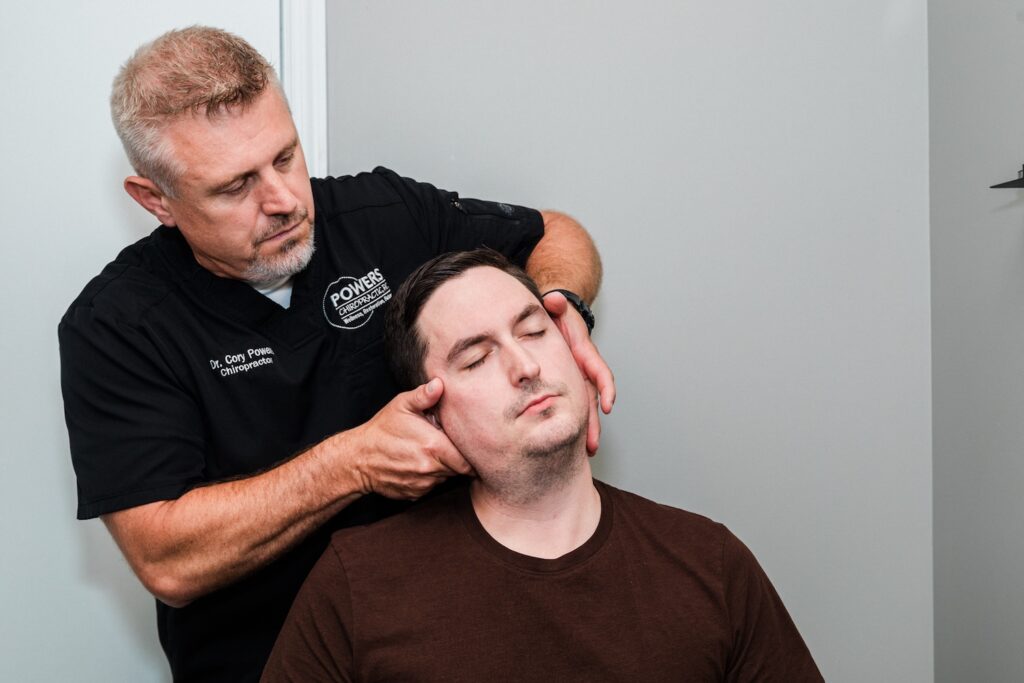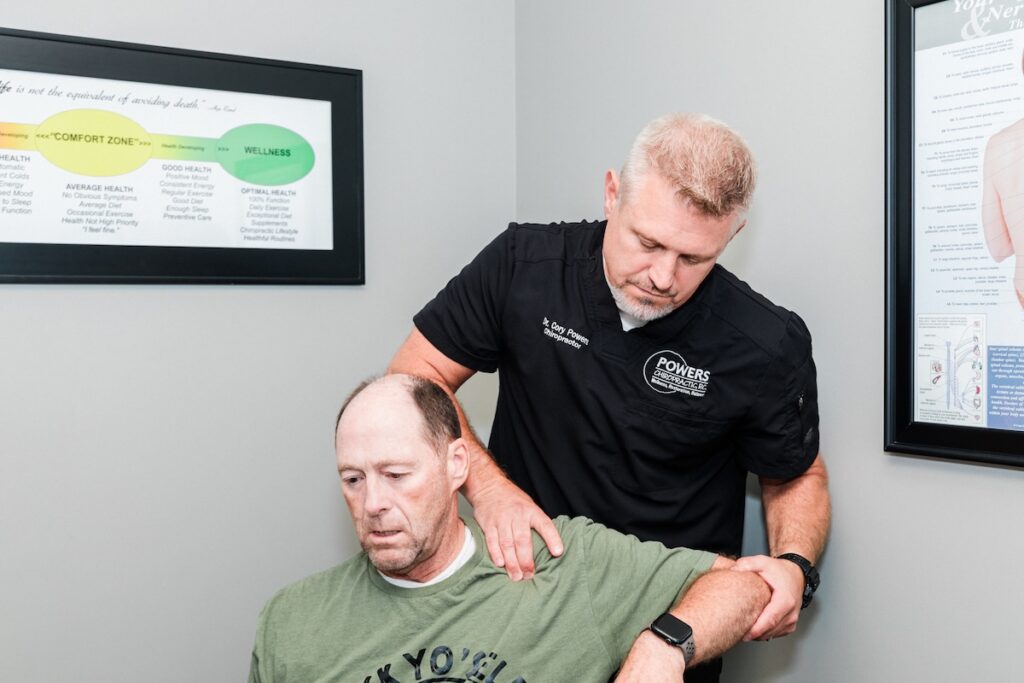

If you’re looking to enhance your athletic performance, I encourage you to consider the benefits of chiropractic care and other natural healing techniques. As a chiropractor, I often see how mindfulness practices can improve focus and mental clarity, essential components of peak athletic performance. Additionally, incorporating cross-training into your routine not only helps prevent injuries but also enhances your overall physical fitness.
Moreover, proper nutrition and quality sleep are crucial for recovery and maintaining energy levels. However, there’s so much more you can do to truly unlock your athletic potential. Let’s discuss how chiropractic adjustments, combined with these holistic approaches, can transform your training regimen and support your journey toward optimal performance.
Mindfulness and Meditation Practices
How can mindfulness and meditation improve your athletic performance? As a local chiropractor, I often see the benefits of incorporating these practices into training routines for athletes.
By embracing mindfulness, you can enhance your focus, resilience, and overall well-being. This practice encourages you to stay present, allowing you to better connect with your body and movements. Such awareness can lead to improved decision-making during competitions.
Meditation plays a complementary role by helping to clear mental clutter, which can significantly reduce anxiety and stress. A calm mind enables you to handle pressure situations more effectively. Research indicates that athletes who engage in meditation often experience better emotional regulation, helping them maintain composure in high-stakes moments.
Furthermore, regular mindfulness and meditation can aid in recovery by promoting relaxation and improving sleep quality—both crucial for optimal physical performance.
Visualization Techniques for Success
Imagine being able to mentally prepare for your success, whether it’s in sports or everyday life. As a chiropractor, I often emphasize the importance of holistic approaches, and one effective method you mightn’t be familiar with is visualization. This technique allows you to create clear mental images of your desired outcomes, helping to set the groundwork for achievement.
Picture this: before you step onto the field or into a challenging situation, you take a moment to envision yourself performing at your best. Visualize each movement, feel the energy coursing through your body, and hear the encouraging cheers of those around you. This practice not only builds your confidence but can also alleviate anxiety, which is crucial for maintaining overall well-being.
To incorporate this into your routine, find a calm space where you can unwind. Close your eyes and picture your ideal performance, paying attention to every detail—the sounds, the sensations, and even the environment around you. The more vivid and specific your visualization, the more powerful it will be.
Nutritional Strategies for Peak Performance
As a local chiropractor, I want to share some important insights on how proper nutrition can support your overall health and enhance your performance, whether in daily activities or physical pursuits.
It’s crucial to focus on balanced nutrition, as the right blend of macronutrients can greatly impact your well-being. Additionally, timing your meals and snacks can help maximize your energy levels, allowing your body to function optimally.
Staying properly hydrated is another key factor. Dehydration can lead to fatigue and reduced performance, so it’s important to drink enough fluids throughout the day.
By understanding and implementing these nutritional strategies, you can significantly improve your physical capabilities and overall vitality.
Let’s work together to explore these concepts further and how they can complement your chiropractic care for a healthier, more active lifestyle.
Macronutrient Balance Importance
As a local chiropractor, I want to emphasize the importance of macronutrient balance in supporting your overall health and wellness. Just like how a well-aligned spine is crucial for your body’s function, the right blend of carbohydrates, proteins, and fats is essential for optimal energy and recovery, especially if you’re active.
Carbohydrates serve as the primary fuel for your body, providing the energy needed for daily activities and exercise. Proteins play a significant role in repairing and building your muscles, which is especially important if you’re engaging in physical activities.
And let’s not forget about healthy fats—they are crucial for hormone production and maintaining overall health.
It’s important to find a macronutrient ratio that suits your lifestyle and wellness goals. For example, if you’re involved in endurance activities, you might need a higher intake of carbohydrates. Conversely, if strength training is your focus, you may benefit from more protein.
By paying attention to macronutrient balance, you can enhance your energy levels, improve recovery times, and support your body’s natural healing processes.
I encourage you to prioritize whole, nutrient-dense foods in your diet. This won’t only support your athletic pursuits but also contribute to your overall well-being.
Timing of Nutrient Intake
As a local chiropractor, I want to emphasize the importance of nutrition timing in maximizing not just your athletic performance, but also your overall health and wellness.
Understanding when to fuel your body can significantly influence how well you feel and function, especially if you’re engaging in physical activities.
It’s crucial to nourish your body with a balanced meal composed of carbohydrates and protein about three to four hours before you exercise. This allows your body ample time to digest and effectively utilize those nutrients, which in turn can enhance your performance and recovery.
Additionally, after your workout, it’s beneficial to prioritize a recovery meal or snack within 30 minutes. This timeframe is essential for replenishing your glycogen stores and aiding in muscle repair.
Quick sources of protein and carbohydrates, such as a smoothie or yogurt with fruit, can be very effective during this recovery phase.
By being mindful of when you eat, you not only optimize your energy levels but also support your overall health and well-being.
This is an integral part of a holistic approach to health, which is at the heart of chiropractic care. Together, we can work towards achieving your health goals more efficiently.
Hydration and Performance
As a local chiropractor, I want to emphasize the vital role hydration plays in your overall health and athletic performance. Proper hydration is crucial because it directly affects your energy levels, endurance, and bodily functions.
When you’re well-hydrated, it helps regulate your body temperature, lubricates your joints, and ensures that essential nutrients are efficiently transported to your muscles.
On the other hand, dehydration can lead to fatigue, decreased coordination, and even impair your cognitive function, all of which can significantly hinder your performance, whether in sports or daily activities.
To optimize your hydration, I encourage you to drink water consistently throughout the day—not just when you’re exercising. Listen to your body; if you feel thirsty, that’s your cue to hydrate.
If you’re engaged in intense training or long-duration activities, incorporating electrolyte drinks can help replenish lost minerals and keep you functioning at your best.
A good rule of thumb is to aim for clear urine, which is a sign of proper hydration. Remember, even a slight level of dehydration can negatively impact your performance, so make hydration a priority in your daily routine.
The Role of Sleep in Athletic Recovery
As a local chiropractor, I want to emphasize that sleep isn’t merely a luxury; it’s a crucial component of your recovery process, especially for those engaged in athletic activities.
The duration and quality of your sleep can significantly influence not just your performance but also your overall health and well-being.
By making sleep a priority, you can enhance your body’s natural healing processes and recover more effectively, allowing you to return to your sport stronger and more resilient.
Sleep Duration Importance
As a local chiropractor, I often see athletes who are dedicated to their training and nutrition, yet many overlook a crucial element of their recovery: sleep duration.
Understanding the importance of sleep is vital for your body to repair and rejuvenate, ensuring you can perform at your best. Here’s why you should prioritize sleep duration in your wellness routine:
- Muscle Repair: When you sleep adequately, your body enhances protein synthesis, which is essential for recovering and building muscles after intense workouts. This is particularly important for athletes who put their bodies through strenuous activities.
- Hormonal Balance: Sleep plays a significant role in regulating hormones, such as cortisol and testosterone. These hormones are key players in muscle development and managing stress levels, which can impact your overall performance.
- Cognitive Function: A well-rested mind is sharper and more focused. Quality sleep improves your decision-making abilities and reaction times, both of which are critical for peak athletic performance.
Neglecting sleep duration can impede your progress and increase the risk of injuries.
As a chiropractor, I encourage you to make sleep a priority in your training routine. By allowing your body the time it needs to rest and recover, you can enhance your overall performance and wellbeing.
Sleep Quality Enhancement
As a local chiropractor, I want to emphasize that achieving adequate sleep duration is just the starting point; the quality of your sleep is crucial for effective athletic recovery and overall well-being. High-quality sleep plays a vital role in repairing muscle tissue, restoring energy levels, and regulating important hormones in your body.
To enhance your sleep quality, I recommend establishing a consistent bedtime routine. This can help signal to your body that it’s time to wind down. Ensure your sleeping environment is a cool, dark space free of distractions; this can significantly improve your sleep quality.
It’s also essential to limit your screen time before bed, as the blue light emitted by devices can disrupt melatonin production and interfere with your ability to fall asleep. Incorporating relaxation techniques such as deep breathing exercises or meditation can also help you unwind and prepare for a restful night.
Additionally, be mindful of your diet; try to avoid heavy meals, caffeine, and alcohol in the hours leading up to bedtime, as these can negatively impact your sleep quality.
By prioritizing these factors, you can achieve deeper, more restorative sleep. This will allow you to wake up feeling refreshed and ready to tackle your next training session, ultimately helping you maximize your athletic performance.
Unconventional Recovery Methods
As a local chiropractor, I often encounter athletes looking to enhance their performance and speed up recovery.
It’s important to explore various recovery methods that promote healing naturally. Some unconventional recovery techniques have recently gained attention for their potential benefits. Here are three worth considering:
1. Cryotherapy: This method involves exposing your body to extremely cold temperatures, which can significantly reduce inflammation and alleviate pain. A brief session in a cryotherapy chamber may help accelerate your recovery process, allowing you to get back to your training routine quicker.
2. Float Therapy: Sensory deprivation tanks offer a unique experience where you float in warm, buoyant water, free from external distractions. This can promote deep relaxation, reduce stress, and enhance mental clarity.
It’s an excellent way to support your body’s recovery while also calming your mind, which is essential for overall wellness.
3. Infrared Sauna: Utilizing infrared heat provides a gentle, yet effective way to detoxify your body, soothe sore muscles, and enhance circulation. Regular sessions in an infrared sauna can leave you feeling rejuvenated and ready to tackle your next workout.
I encourage you to consider these unconventional methods as part of your recovery journey. Each individual responds differently, so experimenting with these techniques can provide valuable insights into what works best for your body.
Strengthening Mental Resilience
As a local chiropractor, I want to emphasize that enhancing your overall well-being is just as crucial as physical health, and one key aspect of that’s strengthening mental resilience. It’s important to foster a mindset that can handle life’s challenges and setbacks effectively. Start by establishing realistic goals that encourage growth but are also attainable. This approach not only builds confidence but also enhances mental toughness.
Incorporating visualization techniques can be beneficial as well; imagine yourself succeeding in various situations, whether in sports or daily life. This mental rehearsal prepares you for real-world challenges by reinforcing a positive mindset.
Furthermore, positive self-talk can be a powerful tool. When faced with difficulties, remind yourself of past achievements and the effort you’ve invested in your journey.
Mindfulness practices, such as meditation or deep breathing, can also play a significant role in improving focus and alleviating stress.
Surrounding yourself with a supportive network, including friends, family, or coaches, can foster resilience. Remember, experiencing setbacks is a natural part of growth. Learning to recover from disappointments not only strengthens your mental fortitude but also contributes to your overall health and wellness.
At our chiropractic clinic, we focus on holistic healing, recognizing that mental resilience is intertwined with physical health. Together, we can work on strategies that support your journey toward a more resilient and balanced life.
Incorporating Technology in Training
As a local chiropractor, I often see athletes who are dedicated to their physical training routines. However, many of them may not realize how incorporating technology can enhance their performance and overall well-being.
By using the right tools, you can gain insights that not only improve your training but also support your body’s natural healing processes. Here are three ways to integrate technology into your fitness journey:
- Wearable Devices: These gadgets can track important metrics like heart rate, calories burned, and activity levels. Understanding this data helps you fine-tune your training intensity and recovery, which is crucial for preventing injuries and promoting overall health.
- Training Apps: Utilizing apps can help you create customized workout plans tailored to your needs. They also allow you to monitor your progress and hold yourself accountable. Many apps feature video demonstrations, ensuring you maintain proper form and reduce the risk of strain or injury.
- Virtual Coaching: With access to experienced coaches online, you can receive personalized feedback and guidance. This enables you to make real-time adjustments to your technique and strategy, all while ensuring you’re respecting your body’s limits and enhancing your natural healing abilities.
By embracing these technologies, you not only gain a competitive edge in your workouts but also support your body’s health and recovery.
The Benefits of Cross-Training and Alternative Sports
As a local chiropractor, I want to emphasize the importance of incorporating cross-training and alternative sports into your fitness routine. While technology can certainly aid in your training, diversifying your physical activities can offer substantial benefits for your overall health and well-being.
Engaging in a variety of exercises not only enhances your fitness but also plays a crucial role in reducing the risk of injury. When you mix different types of movements, you effectively target various muscle groups, which helps improve your strength, flexibility, and endurance.
This balanced approach to fitness not only keeps your body in optimal condition but also supports your spinal health, a key focus in chiropractic care. Cross-training can also help alleviate the monotony of a repetitive routine, keeping you motivated and mentally engaged.
You may discover that alternative sports, such as swimming or cycling, provide enjoyable ways to develop skills that can enhance your performance in your primary sport. Furthermore, cross-training allows your body to recover while still remaining active, which is vital for maintaining a healthy spine and preventing injuries.
Conclusion
To truly enhance your athletic performance, I encourage you to consider a holistic approach that incorporates chiropractic care alongside mindfulness, nutrition, and innovative training techniques. As a chiropractor, I believe that proper alignment of the spine and musculoskeletal system can significantly impact your physical abilities and overall well-being.
Integrating practices such as meditation and visualization can help improve your mental focus and resilience, which are crucial for any athlete. Additionally, cross-training can help prevent injuries and promote balanced muscle development.
Don’t underestimate the importance of recovery; chiropractic adjustments can aid in relieving tension and improving mobility, allowing your body to heal and perform at its best. Utilizing technology, such as biofeedback and performance tracking, can also help optimize your training.
Remember, it’s about finding what works best for you and staying committed to your health journey. Keep pushing your limits while taking care of your body, and enjoy the process of becoming a better athlete!