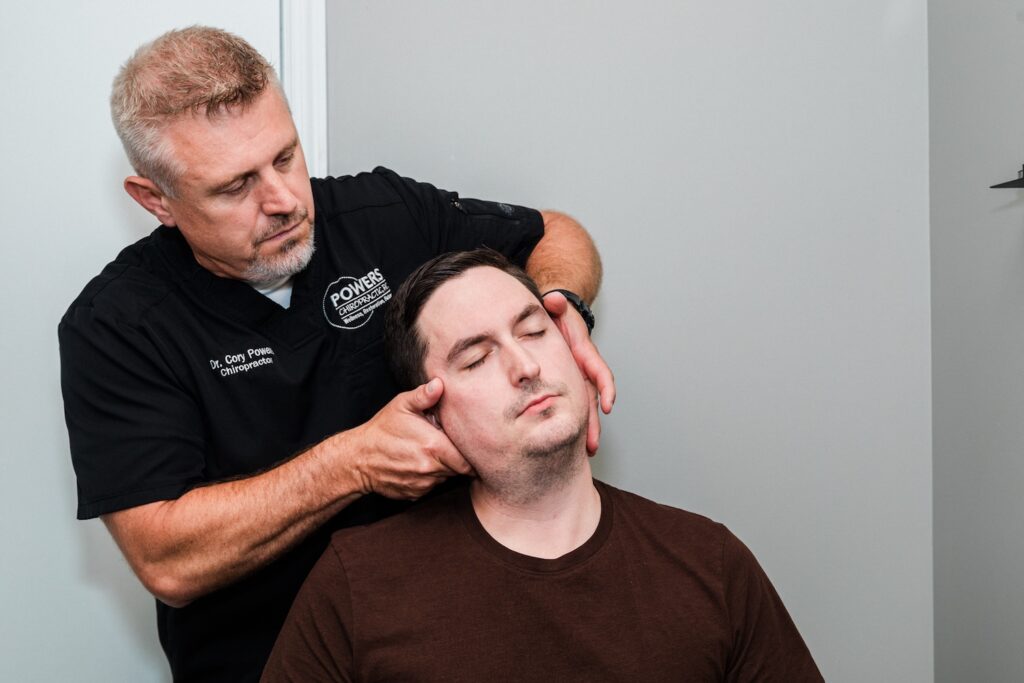

As a chiropractor, I want to share with you how crucial your posture at your desk job is for your overall health and productivity. Many people underestimate the impact of their workspace setup, but even small adjustments can lead to significant improvements in your comfort and well-being. By taking a closer look at your current posture and making some ergonomic changes, you could experience a notable difference in your daily work life.
So, what specific adjustments should you consider to ensure your workspace promotes your health? Here are some effective strategies that I often recommend to my patients:
- Chair Height: Your chair should allow your feet to rest flat on the floor while supporting your lower back. This helps maintain the natural curve of your spine.
- Monitor Position: Your computer monitor should be at eye level, about an arm’s length away. This prevents you from straining your neck and eyes throughout the day.
- Keyboard and Mouse Placement: Keep your keyboard and mouse close enough to avoid reaching, and ensure your wrists are straight and level to prevent strain.
- Frequent Breaks: It’s important to take regular breaks to stand, stretch, and move around. This can help alleviate tension and prevent discomfort.
- Posture Awareness: Pay attention to how you sit. Keep your shoulders relaxed and your back against the chair to support your spine properly.
By implementing these adjustments, you can create a workspace that not only supports your posture but also enhances your overall health. Remember, I’m here to help guide you on your journey to better well-being through natural healing practices. If you’re experiencing discomfort, don’t hesitate to reach out for a consultation. Together, we can find solutions that work for you!
Assessing Your Current Posture
Before we can help you improve your posture, it’s essential to take a moment to assess where you currently are. Start by observing your body while sitting or standing. Are your shoulders rounded or is your head pushed forward? These are common indicators of poor posture. A great way to get a clearer picture is to snap a quick selfie or use a mirror to examine your alignment. Ideally, your ears should align with your shoulders, and your hips should be in line with your knees and ankles.
Next, take note of how you’re feeling. Are you experiencing any discomfort or tension in your back, neck, or shoulders? These sensations often signal that your posture could use some attention.
I also recommend keeping a journal for a week, tracking how frequently you notice yourself slouching or adopting other poor posture habits. This heightened self-awareness is a crucial first step in making effective changes to enhance your overall posture and well-being.
Ergonomic Workspace Setup
As a local chiropractor, I want to emphasize the importance of an ergonomic workspace for maintaining good posture and preventing discomfort, especially if you spend long hours sitting or standing. One of the first steps is adjusting your desk height. When you sit down to work, your elbows should form a 90-degree angle while typing. This simple adjustment can help reduce strain on your back and shoulders.
Additionally, it’s crucial to position your monitor at eye level, about an arm’s length away. This will help prevent neck strain, keeping your head aligned with your spine and reducing the risk of tension headaches and other discomforts.
Your keyboard and mouse should be within easy reach to avoid excessive stretching. Consider using a wrist rest to provide extra support, which can alleviate pressure on your wrists.
When sitting, your feet should be flat on the floor or on a footrest, and your knees should be slightly lower than your hips to promote better circulation and spinal alignment.
Lastly, maintaining a clutter-free workspace can significantly reduce distractions and contribute to a more organized environment.
The Importance of Chair Selection
As a chiropractor, I can’t emphasize enough the importance of selecting the right chair for your overall health and well-being.
The chair you choose plays a crucial role in maintaining proper posture and ensuring your comfort, especially during those long hours of sitting.
It’s vital to look for ergonomic features that provide adequate support for your body and allow for adjustability to meet your specific needs.
A thoughtfully chosen chair can significantly impact how you feel, reducing strain on your spine and muscles, and ultimately contributing to a healthier lifestyle.
Ergonomic Features Matter
As a chiropractor, I often see the consequences of poor chair selection in my patients. Many underestimate how crucial it’s to choose the right chair for their work environment. A well-designed ergonomic chair isn’t just a luxury; it’s essential for maintaining good posture and overall comfort, especially during those long hours of sitting that many of us endure.
Ergonomic chairs are specifically crafted to support the natural curves and movements of your body, which helps to alleviate strain on important areas like your back, neck, and shoulders. When selecting a chair, look for key features such as lumbar support to maintain the natural curve of your lower back, a comfortable seat cushion to reduce pressure points, and adjustable armrests that promote a relaxed and neutral posture.
It’s also vital to consider the chair’s seat height. Your feet should rest flat on the floor, which aids in promoting better circulation and reducing fatigue.
When you invest in an ergonomic chair, you’re not just enhancing your comfort; you’re also supporting your overall health and well-being, which can lead to improved productivity in your daily tasks.
Remember, your chair is more than just a place to sit; it’s a critical tool for your health. Making the right choice can have a profound impact on your body and your quality of life.
If you’re experiencing discomfort or pain, I encourage you to explore how your seating arrangement might be contributing to those issues. Together, we can create a strategy that supports your spine and enhances your overall wellness.
Adjustability and Comfort
As a chiropractor, I often emphasize the importance of a chair that aligns with your body and work habits, as it can have a profound impact on your comfort and overall well-being.
When you’re choosing a chair, it’s essential to look for features that allow for adjustability, such as seat height, backrest angle, and armrest position. These adjustments help you create a personalized seating experience that caters to your specific needs, promoting good posture and minimizing strain on your body.
I also recommend considering materials that offer both comfort and support, like breathable fabrics and adequate cushioning.
A chair designed with movement in mind is crucial, as it encourages you to shift positions rather than remain stationary for long periods, which can lead to discomfort and tension.
Investing in a high-quality chair is an investment in your health. By prioritizing adjustability, you ensure that you can work efficiently and comfortably, which ultimately enhances your focus and productivity throughout the day.
Don’t overlook the significant role a well-designed chair plays in your overall health and wellness!
Desk Height and Monitor Position
As a local chiropractor, I want to emphasize the importance of proper desk height and monitor positioning for your overall well-being and productivity. Ensuring that your desk is set at the right height is crucial; it helps align your seating position, which can significantly reduce strain on your body.
I often see patients who experience discomfort due to poor ergonomics in their workspace.
One key aspect to focus on is the position of your monitor. It should be at eye level to promote a natural posture. This simple adjustment can help prevent neck discomfort and encourage a healthier alignment of your spine.
Optimal Desk Height
As a local chiropractor, I often emphasize the importance of finding the right desk height to support your overall health and well-being, especially for those of you who spend long hours working at a computer.
A properly adjusted desk can play a significant role in maintaining your comfort and preventing musculoskeletal issues.
When you sit at your desk, aim for your elbows to be at a 90-degree angle while typing. This position minimizes strain on your wrists and shoulders, which is crucial for avoiding discomfort or injury over time.
Your feet should rest flat on the floor, and your knees should be slightly lower than your hips to promote healthy circulation and posture.
If you find that your desk is too high, consider incorporating a keyboard tray or investing in an adjustable desk to help you achieve the ideal height.
On the other hand, if your desk is too low, you might benefit from using desk risers or even transitioning to a standing desk, which can encourage better alignment and reduce fatigue.
Remember, a well-fitted desk height isn’t just about comfort; it can also enhance your posture and boost your focus and energy levels throughout the day.
Take the time to adjust your workspace as needed to ensure you’re working at your best. Your body will thank you!
Monitor Eye Level
As a local chiropractor, I want to emphasize the importance of proper monitor placement for your health. Ensuring that your monitor is at eye level is crucial for maintaining good posture and minimizing strain on your neck and eyes.
Ideally, the top of your monitor screen should be positioned at or just below eye level, allowing you to look slightly downward while viewing it. This alignment helps keep your neck in a neutral position, which can significantly reduce discomfort and promote better spinal health.
If you find your monitor is too low, don’t hesitate to use a monitor riser or a stack of books to elevate it to the right height. Additionally, maintaining an arm’s length distance between your eyes and the screen can help prevent eye strain.
It’s also important to adjust your monitor’s angle to eliminate glare from windows or overhead lights. Glare can lead to squinting and fatigue, which can further strain your neck and back.
A well-placed monitor not only enhances your comfort while working but also supports your overall well-being. Remember, small adjustments in your workspace can lead to significant improvements in your posture and health.
Seating Position Alignment
As a local chiropractor, I want to emphasize the importance of proper seating alignment at your desk for both your comfort and overall health. When you sit down to work, the way you position yourself in relation to your chair and monitor can significantly impact your well-being.
Start by adjusting your chair so that your feet rest flat on the floor and your knees are at a right angle. This position not only promotes good circulation but also helps prevent strain on your lower back.
Your desk height is equally important; it should enable your elbows to bend comfortably at your sides, forming another right angle when you’re typing.
Next, consider your monitor’s placement. Ideally, it should be about an arm’s length away from you, with the top of the screen positioned at or just below eye level. This arrangement minimizes neck strain and encourages proper spinal alignment, which is essential for reducing discomfort over long periods of work.
Take the time to make these adjustments; they can have a profound effect on your focus and overall productivity.
Incorporating Movement and Breaks
As a local chiropractor, I want to emphasize the importance of maintaining good posture and overall well-being through regular movement and breaks.
Many of my patients come in complaining of stiffness and discomfort from sitting for extended periods. It’s crucial to keep your body engaged to prevent these issues.
Here are three effective strategies to incorporate movement into your daily routine:
- Set a Timer: Aim to take a short break every 30-60 minutes. Use a timer as a reminder to stand up, stretch, or take a brisk walk around your workspace. These small breaks can significantly reduce the risk of developing musculoskeletal problems.
- Desk Exercises: You don’t need to leave your desk to stay active! Simple movements such as calf raises or shoulder rolls can be done right at your workstation. These exercises help relieve tension and enhance circulation, which is vital for your spinal health.
- Walking Meetings: Whenever feasible, consider holding walking meetings instead of gathering in a conference room. Not only does this encourage movement, but it can also stimulate creativity and improve collaboration among team members.
By incorporating these practices into your routine, you can support your body’s natural healing processes and maintain a healthier, more active lifestyle.
Stretching and Strengthening Exercises
As a local chiropractor, I want to emphasize the importance of incorporating regular movement breaks along with stretching and strengthening exercises into your daily routine. These practices can significantly improve your posture and overall health, which is essential for your well-being.
Begin with simple stretches, such as neck rolls and shoulder shrugs, to help relieve tension that often builds up from prolonged sitting. These gentle movements can counteract the stiffness and discomfort that many experience in their daily lives.
Next, it’s crucial to focus on strengthening your core and back muscles. Exercises like planks and bridges are fantastic for enhancing stability and supporting your spine. I recommend performing a few sets of these exercises several times a week to build strength and resilience.
Don’t overlook your hips! Incorporating hip flexor stretches and glute bridges into your routine is vital for maintaining flexibility and balance.
Remember, consistency is key. By routinely integrating these exercises into your day, you’ll not only alleviate discomfort but also promote better posture, ultimately enhancing your productivity throughout your workday.
As your chiropractor, I’m here to guide you on this journey toward better health through natural healing methods. Let’s work together to create a regimen that supports your body and keeps you feeling your best!
Conclusion
As a local chiropractor, I want to emphasize the importance of realigning your desk job through effective posture solutions for better health and comfort. It’s vital to regularly assess your posture and make the necessary adjustments to your workspace. Investing in an ergonomic chair is a great start, and ensuring that your desk and monitor are positioned at the appropriate heights can significantly impact your well-being.
In addition to these adjustments, please remember to incorporate movement and stretching breaks throughout your workday. These simple changes not only enhance your productivity but also create a healthier and more enjoyable work environment. By prioritizing your posture and making these adjustments, you’re taking a proactive step toward natural healing and overall wellness. Your body will thank you!