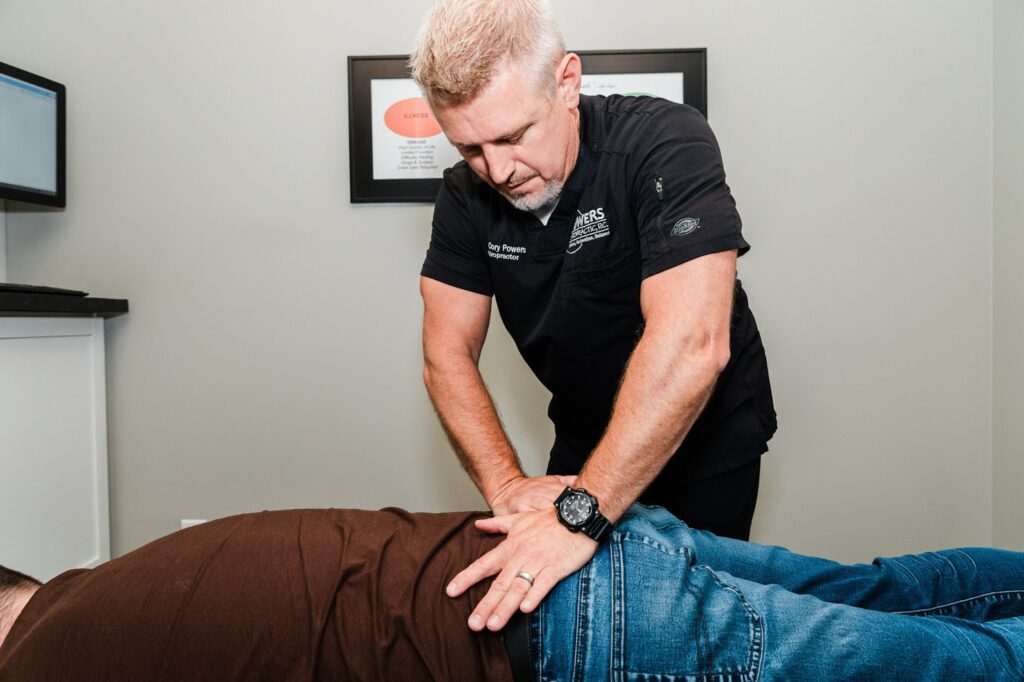

As a local chiropractor, I understand that living with fibromyalgia can present significant challenges when it comes to managing your symptoms. Many individuals are unaware that a holistic approach, which focuses not only on alleviating physical pain but also on addressing emotional and nutritional aspects, can be instrumental in finding relief.
In our practice, we emphasize the importance of a balanced lifestyle, where we explore various natural healing strategies tailored to your unique needs. Chiropractic care can play a vital role in this journey, as it helps to restore proper alignment and function to the body, potentially reducing pain and enhancing overall well-being.
What if I told you that incorporating a few simple changes into your daily routine could lead to considerable improvements in your quality of life? Together, we can uncover those possibilities and empower you to take charge of your health through holistic care. Let’s work together to explore these options and find the relief you deserve.
Understanding Fibromyalgia: Symptoms and Challenges
As a local chiropractor, I understand that navigating fibromyalgia can be quite overwhelming, especially when faced with its diverse symptoms and challenges. Many people experience widespread pain, fatigue, and sleep disturbances that can significantly impact their day-to-day lives.
Additionally, cognitive difficulties, often referred to as “fibro fog,” can make focusing or recalling information a struggle. This combination of symptoms can understandably lead to feelings of frustration and isolation.
You might also find that your sensitivity to pain, temperature changes, and even stress is heightened. These factors can contribute to emotional difficulties, such as anxiety and depression, which often accompany fibromyalgia.
It’s important to recognize that fibromyalgia is unique to each individual, and there isn’t a universal solution that works for everyone.
As a chiropractor, I encourage you to understand your unique symptoms, as this knowledge can empower you to explore effective treatment options and support systems. Chiropractic care focuses on holistic healing and can play a significant role in managing fibromyalgia symptoms.
By addressing your specific needs and experiences, you can take meaningful steps towards improving your quality of life and regaining a sense of control over your health.
The Role of Mindfulness in Pain Management
As a local chiropractor, I want to share how mindfulness can be an effective approach to managing fibromyalgia pain. By cultivating a focus on the present moment, mindfulness allows you to become more aware of your body and its sensations without judgment. This awareness helps you detach from the emotional responses that often accompany pain. Rather than resisting discomfort, mindfulness teaches you to observe it, which can lead to a reduction in its intensity.
Incorporating mindfulness into your daily routine doesn’t have to be complicated. You can start with short meditation sessions, engage in deep breathing exercises, or even practice mindful walking. As you continue to practice, you may notice a shift in your perception of pain. Many of my patients report a decrease in anxiety and an improvement in overall well-being.
Additionally, mindfulness can enhance your resilience, allowing you to cope more effectively with the challenges of fibromyalgia. By making mindfulness a regular part of your life, you empower yourself to manage pain in a more constructive way.
This holistic approach, combined with chiropractic care, can pave the way toward greater relief and balance. If you’re looking for natural healing methods, I encourage you to explore how mindfulness can complement your journey to wellness.
Nutritional Strategies for Fibromyalgia Relief
As a local chiropractor dedicated to your health and well-being, I want to share some nutritional strategies that can play a significant role in managing fibromyalgia. While the condition can be challenging, incorporating specific dietary changes can greatly alleviate your symptoms and support your overall wellness.
Start by focusing on whole, unprocessed foods in your diet. Incorporating a variety of fruits, vegetables, lean proteins, and whole grains can help reduce inflammation and provide your body with essential nutrients. These nutrient-dense foods aren’t only beneficial for your physical health but can also enhance your energy levels.
I recommend incorporating omega-3 fatty acids, which are found in fish and flaxseeds, as they may help ease pain and stiffness associated with fibromyalgia. Staying well-hydrated is equally important, so be sure to drink plenty of water throughout the day to support your body’s functions.
Additionally, I suggest limiting refined sugars and processed foods, as they can often worsen your symptoms. Instead, consider adding anti-inflammatory spices like turmeric and ginger to your meals—they can provide natural relief and enhance the flavor of your dishes.
Lastly, keeping a food diary can be invaluable. By tracking what you eat, you can identify potential triggers linked to your symptoms. This awareness can empower you to make informed dietary choices that support your health.
Exploring the Benefits of Physical Activity
As a local chiropractor, I want to emphasize the significant role that physical activity can play in managing fibromyalgia symptoms.
Engaging in various forms of exercise not only strengthens your body but also fosters a deeper mind-body connection. By establishing a consistent routine, you can regain a sense of control over your health and improve your overall well-being.
Incorporating safe and tailored physical activity into your daily life can complement chiropractic care and enhance your journey towards natural healing.
Types of Physical Activities
As a local chiropractor dedicated to educating my patients about natural healing and well-being, I want to emphasize the importance of engaging in various types of physical activities to alleviate fibromyalgia symptoms. Incorporating low-impact exercises into your routine, such as walking, swimming, or cycling, can significantly enhance your cardiovascular health while being gentle on your muscles and joints.
In addition to aerobic activities, strength training plays a vital role in your overall fitness. Utilizing light weights or resistance bands can help build muscle strength without the risk of overexertion, which is crucial for those dealing with fibromyalgia.
It’s also worth exploring practices like yoga and Pilates, which focus on flexibility and core strength. These gentle movements can help soothe tension and promote relaxation.
Don’t overlook the power of stretching; it can be an effective way to relieve stiffness and improve your range of motion. Consistency is key, so even short sessions of physical activity can yield positive results over time.
Always listen to your body and adjust your routine as necessary. Remember, finding activities you enjoy will increase the likelihood of maintaining these practices long-term, contributing to your overall health and wellness.
As your chiropractor, I’m here to support you in your journey towards natural healing and a healthier lifestyle.
Mind-Body Connection Benefits
As a local chiropractor, I want to share with you the incredible benefits of the mind-body connection, especially when it comes to enhancing your overall well-being. Embracing physical activity is a key component of this connection, and I encourage you to incorporate regular exercise into your routine. Not only does physical activity help boost your mood and reduce stress, but it also promotes relaxation—essential elements for anyone looking to improve their health.
When you engage in movement, your body releases endorphins, which are natural mood enhancers. This is particularly important for individuals dealing with conditions like fibromyalgia, as it can help alleviate feelings of anxiety and depression.
Additionally, as you become more active, you develop greater body awareness. This means you’ll be better equipped to listen to your body’s needs and make adjustments to your activities as necessary.
This increased awareness can foster a sense of control over your symptoms, which is empowering on your healing journey. By prioritizing physical activity, you’re not only working on your physical health but also nurturing your mental and emotional well-being.
This holistic approach is essential in managing fibromyalgia and improving your quality of life. As your chiropractor, I’m here to support you in discovering the natural healing potential within your body through movement and chiropractic care.
Creating a Routine
As a local chiropractor, I want to emphasize the importance of establishing a routine that includes physical activity, especially for those managing conditions like fibromyalgia.
Incorporating regular movement into your day can significantly enhance your overall well-being. It can help boost your energy levels, elevate your mood, and alleviate discomfort.
I recommend focusing on low-impact exercises such as walking, swimming, or yoga. These activities are gentle on the body while still providing incredible benefits.
Remember, chiropractic care and natural healing go hand in hand with physical activity, as they work together to promote a healthier, more balanced lifestyle.
Alternative Therapies: Acupuncture and Massage
If you’re seeking relief from fibromyalgia symptoms, I want to introduce you to some effective alternative therapies, such as acupuncture and massage, that can complement chiropractic care.
These holistic methods not only target pain but also foster relaxation and improve your overall well-being.
Many of my patients have found that integrating these therapies with chiropractic adjustments enhances their results significantly, leading to a more comprehensive approach to healing.
As your local chiropractor, I encourage you to explore these options as part of your journey towards better health.
Benefits of Acupuncture
As a local chiropractor, I want to share with you the incredible benefits of acupuncture, especially for those dealing with fibromyalgia symptoms. This holistic approach focuses on stimulating specific points in your body to help alleviate pain and discomfort.
Many of my patients have found that acupuncture not only reduces their pain but also enhances their sleep quality and boosts their energy levels.
In addition to physical relief, acupuncture can significantly improve emotional health by decreasing feelings of anxiety and depression. This therapy may also support your immune system, helping you fend off illnesses more effectively.
I’ve seen how regular acupuncture sessions can enhance your body’s ability to manage stress, making daily challenges feel more manageable.
Incorporating acupuncture into your overall wellness plan can be a transformative experience. It complements chiropractic care and offers a comprehensive approach to improving your quality of life while effectively managing fibromyalgia symptoms.
If you’re curious about how acupuncture can benefit you, I invite you to explore this natural healing method with me!
Massage Techniques for Relief
As a local chiropractor dedicated to your holistic health, I want to share how massage techniques can significantly contribute to managing fibromyalgia symptoms, alongside chiropractic care.
Incorporating various styles of massage into your wellness routine can help alleviate pain, reduce tension, and enhance your overall wellbeing. Here are some techniques you might consider:
- Swedish Massage: This gentle and flowing technique is designed to promote relaxation and improve circulation, which can be particularly beneficial for easing muscle soreness and tension.
- Deep Tissue Massage: This approach targets the deeper layers of muscle and connective tissue, making it effective for relieving chronic pain and reducing tension in areas that may be difficult to reach.
- Trigger Point Therapy: Focusing on specific knots in the muscles, this method can help release tight areas, providing targeted relief where you need it most.
By exploring these massage techniques, you can enhance your comfort and support your journey in managing fibromyalgia symptoms.
Integrating these practices with chiropractic adjustments can lead to a more comprehensive approach to your health.
Combining Therapies Effectively
As a local chiropractor, I want to share the benefits of integrating acupuncture and massage therapy in managing fibromyalgia symptoms, especially for those who may not be familiar with these natural healing practices.
This powerful combination addresses both the physical and emotional aspects of pain relief, helping you feel more balanced and comfortable.
Acupuncture works by stimulating specific points in the body to promote energy flow and reduce inflammation, which can be particularly beneficial for fibromyalgia sufferers.
On the other hand, massage therapy focuses on relaxing tense muscles and improving circulation, further enhancing your body’s ability to heal.
What’s fascinating is how acupuncture can prepare your body for a deeper state of relaxation during a massage.
This means that the combination of these therapies can lead to more effective treatment outcomes.
Additionally, addressing stress—which is a common trigger for fibromyalgia flare-ups—can be managed through these therapies, helping you regain control over your symptoms.
By scheduling acupuncture and massage therapy together, you can experience a more holistic approach to your care.
I encourage you to consult with your healthcare provider to discuss how these therapies can be tailored to meet your specific needs and goals for optimal results.
Embracing a natural healing journey can truly make a difference in your well-being!
The Power of Herbal Remedies and Supplements
As a local chiropractor dedicated to holistic health, I want to share the potential benefits of herbal remedies and supplements in managing fibromyalgia symptoms. Many patients I see often struggle with conventional treatments, and that’s where natural options can come into play.
You might be surprised to learn that certain herbs and supplements can help alleviate pain, enhance sleep quality, and increase energy levels, offering a gentle yet effective approach to symptom relief.
- Turmeric: This powerful herb is well-known for its anti-inflammatory properties. Many of my patients have found that incorporating turmeric into their diet helps reduce pain and inflammation associated with fibromyalgia.
- Magnesium: As an essential mineral, magnesium is crucial for muscle relaxation and improved sleep. Given that restful sleep is vital for managing fibromyalgia, I often recommend considering magnesium supplements.
- St. John’s Wort: Commonly recognized for its mood-enhancing effects, this herb may also help alleviate feelings of depression and anxiety that often accompany fibromyalgia.
Before starting any new supplement regimen, I always encourage my patients to consult with a healthcare professional.
Emotional Well-Being: Addressing Mental Health
As a local chiropractor, I want to emphasize the importance of emotional well-being in your overall health, especially if you’re dealing with fibromyalgia. Chronic pain can often lead to feelings of overwhelm, anxiety, and depression, which can, in turn, exacerbate your physical symptoms. This creates a challenging cycle that can be difficult to break.
In my practice, I recognize that addressing mental health is just as crucial as managing physical discomfort. I encourage my patients to incorporate mindfulness practices into their daily routines. Techniques such as meditation or deep-breathing exercises can significantly reduce stress and help you feel more grounded.
Additionally, I recommend connecting with supportive friends or joining a local support group. Sharing your experiences in a safe environment can be incredibly healing and provide you with valuable insights from others who understand what you’re going through.
If you find yourself struggling with these emotional challenges, don’t hesitate to seek professional help. A therapist can work with you to develop personalized coping strategies that align with your healing journey.
Creating a Personalized Holistic Care Plan
As a local Chiropractor, I want to emphasize the importance of creating a personalized holistic care plan for managing fibromyalgia symptoms. This approach is all about tailoring strategies to fit your unique needs, allowing you to find relief and enhance your overall well-being.
It’s essential to start by assessing your physical, emotional, and social health to pinpoint areas that may need more focus.
Here are some key elements you might consider incorporating into your holistic care plan:
- Mindfulness Practices: Techniques such as meditation, yoga, or deep-breathing exercises can be incredibly beneficial. They help reduce stress and build emotional resilience, which is crucial for managing chronic pain.
- Nutritional Adjustments: A balanced diet that emphasizes whole foods, vitamins, and minerals can significantly support your body’s natural healing processes. I often recommend working with a nutritionist to ensure you’re fueling your body appropriately.
- Physical Activity: Gentle exercises, like swimming or walking, can be tailored to your energy levels while helping to alleviate pain. As your chiropractor, I can guide you on safe ways to incorporate movement into your daily routine.
It’s also important to regularly review and adjust your care plan based on your progress.
By taking an active role in your health and wellness journey, you can empower yourself to manage fibromyalgia symptoms more effectively.
Conclusion
As a local chiropractor, I want to share how incorporating holistic care into your fibromyalgia management can significantly enhance your quality of life. By embracing mindfulness practices, nourishing your body with healthy foods, and engaging in regular physical activity, you can empower yourself to effectively manage your symptoms.
I encourage you to explore alternative therapies, including chiropractic adjustments, which can help alleviate pain and improve your overall function. Additionally, herbal supplements may offer supplementary relief, but it’s crucial to consult with a healthcare professional before starting any new regimen.
A personalized care plan, tailored to your specific needs, is vital in your journey toward better health. By taking an active role in your wellness, you can build resilience and elevate your overall well-being. Remember, you don’t have to face fibromyalgia alone—let’s work together to find the best approach for you.