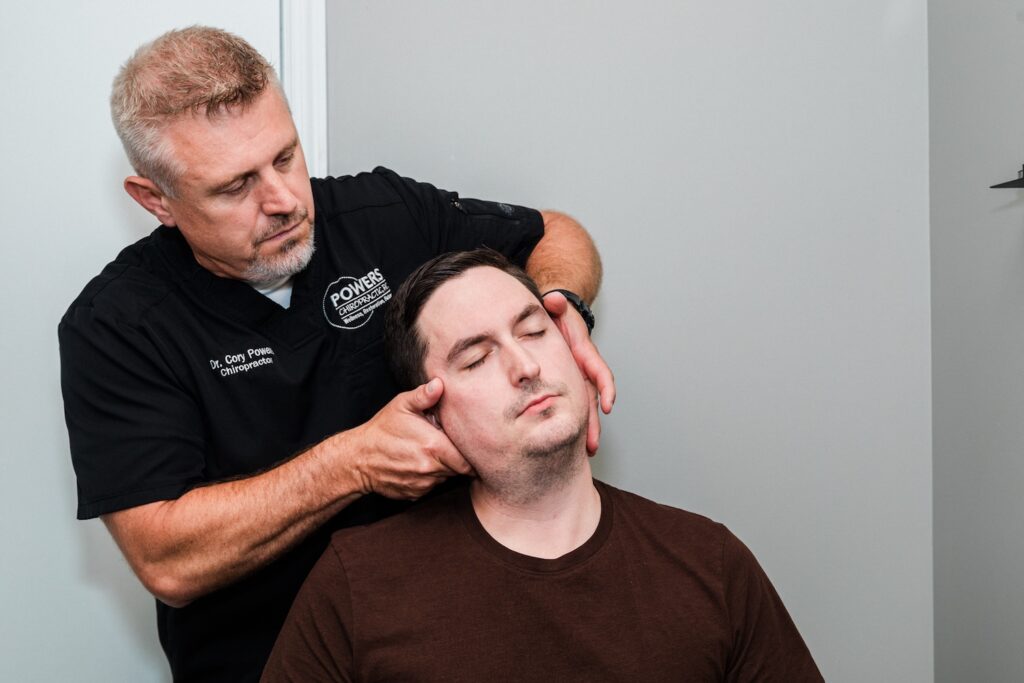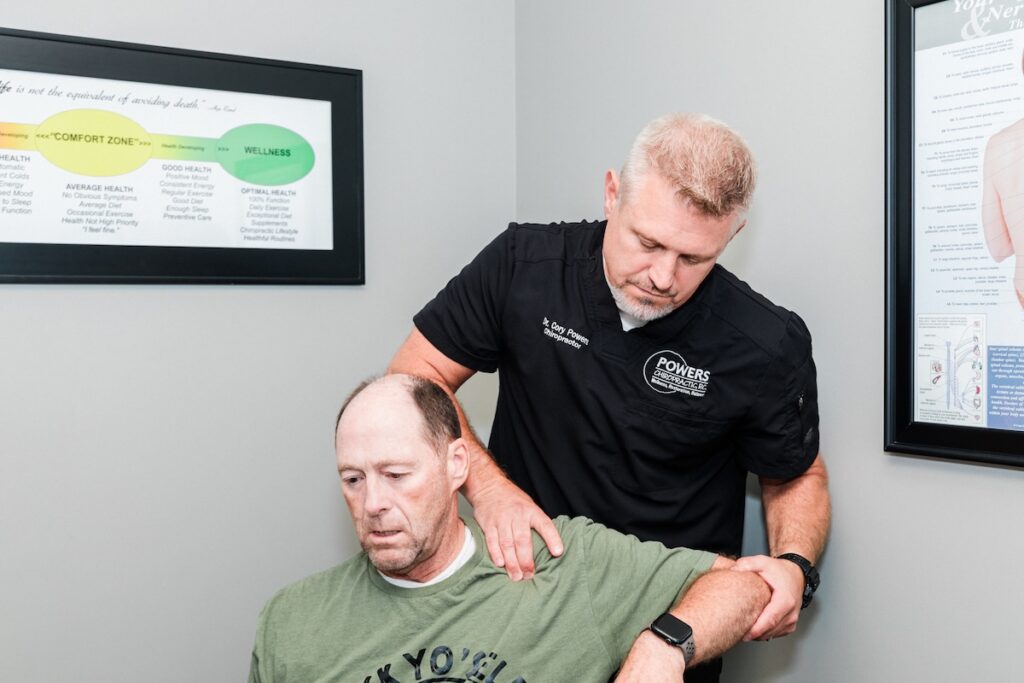

If you’re finding it difficult to manage anxiety, I want to share how chiropractic adjustments can provide more than just physical relief. As a chiropractor, I believe that focusing on your posture, improving your breathing, and creating a calming routine can significantly enhance your overall well-being. Each of these components plays an essential role in effectively managing stress.
Let’s dive deeper into how you can incorporate these practices into your daily life for maximum benefit. By addressing your posture, we can help alleviate tension that contributes to anxiety. Improving your breathing techniques can also promote relaxation and reduce stress. Additionally, establishing a calming routine can create a sense of stability and peace in your life.
Through these strategies, you can find the balance you’re looking for, and I’m here to guide you on this journey toward better health. If you have any questions or would like to learn more about how chiropractic care can support your mental wellness, please don’t hesitate to reach out.
Improve Your Posture
As a local chiropractor, I want to share how good posture can significantly impact your anxiety levels. When you sit or stand tall, you send strong signals to your brain, which can enhance your confidence and alleviate stress. Conversely, slouching tends to increase feelings of anxiety, while maintaining an upright position fosters a sense of control and well-being.
To enhance your posture, it’s essential to cultivate awareness of how you carry yourself throughout the day. When seated, ensure your back is straight, your shoulders are relaxed, and your feet are flat on the floor. If you spend long hours at a desk, adjusting your chair and monitor to support a neutral spine is crucial.
While standing, aim to distribute your weight evenly across both feet and engage your core muscles. Incorporating simple stretches into your routine can also be beneficial.
I recommend integrating posture checks into your daily activities; this practice will gradually increase your awareness and contribute to lasting improvements. Remember, with consistent practice, good posture will become second nature, and can play a vital role in managing anxiety effectively.
As always, if you have any questions or need personalized guidance, feel free to reach out to my office!
Focus on Your Breathing
Breathing is an essential and powerful tool for managing anxiety, and as your local chiropractor, I want to emphasize how focusing on your breath can significantly enhance your overall well-being.
When you direct your attention to your breathing, you activate your body’s natural relaxation response, which is crucial for both physical and mental health.
To begin, find a comfortable position—preferably one that supports your spine, as proper alignment is key in chiropractic care. Inhale deeply through your nose for a count of four, allowing your abdomen to expand fully.
Pause for just a moment to hold that breath, then exhale slowly through your mouth for a count of six. This technique not only helps to calm your nervous system but also aids in reducing feelings of panic and stress.
If you find your mind drifting, gently redirect your focus back to your breath. This practice can be done anywhere—at home, during a lunch break at work, or even when you’re out in public.
Regularly concentrating on your breathing can provide immediate relief and help you regain control during anxious moments.
Incorporating breathwork into your routine can complement the benefits of chiropractic care, which focuses on the alignment of your spine and overall health.
Establish a Calming Routine
Creating a calming routine can significantly enhance the benefits of chiropractic care and natural healing methods. As your chiropractor, I encourage you to establish a consistent daily practice that fosters relaxation and stress relief, complementing the adjustments and therapies you receive in our office.
Start by reserving a specific time each day for this routine—whether it’s in the morning, during your lunch break, or before you go to bed. This dedicated time allows your body to prepare for relaxation and recovery.
Incorporate soothing activities that resonate with you, such as gentle stretching to promote flexibility and ease tension in your muscles. Journaling can help clear your mind, while sipping on herbal tea can provide comfort and warmth. You may also want to include mindfulness exercises or meditation to further deepen your relaxation, aligning your mind and body.
Creating a comfortable and inviting environment is essential. Consider dimming the lights, playing soft music, or lighting a calming candle to enhance the atmosphere for your routine.
Remember, it’s important to be flexible with your routine. If you find that certain activities aren’t resonating with you, feel free to modify them to better suit your needs.
Consistency is key; over time, this calming routine will send signals to your mind and body that it’s time to unwind. This practice can significantly aid in managing anxiety and promoting overall well-being, complementing the holistic approach of chiropractic care.
Conclusion
As a local chiropractor, I want to share some valuable insights on how you can relieve anxiety through simple adjustments in your daily habits. By focusing on your posture, practicing deep breathing, and establishing a calming routine, you can tap into the benefits of chiropractic care to help manage anxiety.
Maintaining a straight back and relaxed shoulders is not just about physical health; it significantly impacts your mental state as well. Good posture promotes better alignment, which can ease tension and stress in the body. When you incorporate these practices into your life, you’re enhancing the positive effects of your chiropractic visits, making it easier to navigate stress and support your overall well-being.
I encourage you to take these steps to feel more in control and at ease. Remember, chiropractic care is not just about adjustments; it’s about fostering a holistic approach to your health that includes mindful practices for a calmer mind and body.