
As a local chiropractor dedicated to your health, I want to emphasize the crucial role of recovery in athletic performance, which is often overlooked. Many people push themselves hard during workouts but forget about the vital steps needed for proper recovery. It’s important to understand how nutrition, hydration, and various recovery techniques work in harmony to enhance your body’s healing process.
Whether you’re a seasoned athlete or someone who enjoys weekend activities, optimizing your recovery can significantly speed up your return to peak performance. Are you interested in learning more about specific strategies that can improve your recovery? Let’s delve into the key components that can lead to faster results and overall better health through natural healing methods.
The Importance of Recovery in Athletic Performance
As a local chiropractor, I want to emphasize the critical role recovery plays in your overall health and athletic performance. When you push your body to its limits, it’s essential to understand that recovery is just as important as the training itself. This is the time when your muscles repair and grow stronger, ultimately enhancing your performance. Neglecting this vital phase can lead to fatigue, decreased performance, and even injuries that could sideline you for longer than you’d like.
By prioritizing recovery, you allow your body to adapt to the stresses of training, ensuring that you’re ready for your next challenge. Incorporating rest days into your routine isn’t just a luxury; it’s a necessity for your well-being. You’ll likely notice improvements in your endurance, strength, and overall athleticism when you give your body the time it needs to heal.
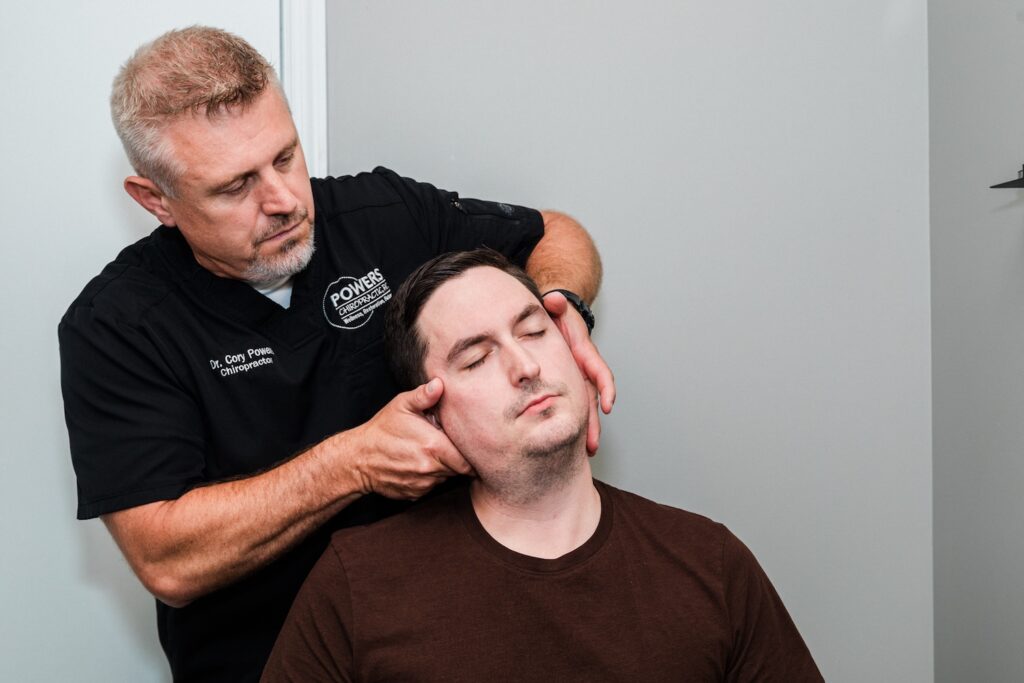
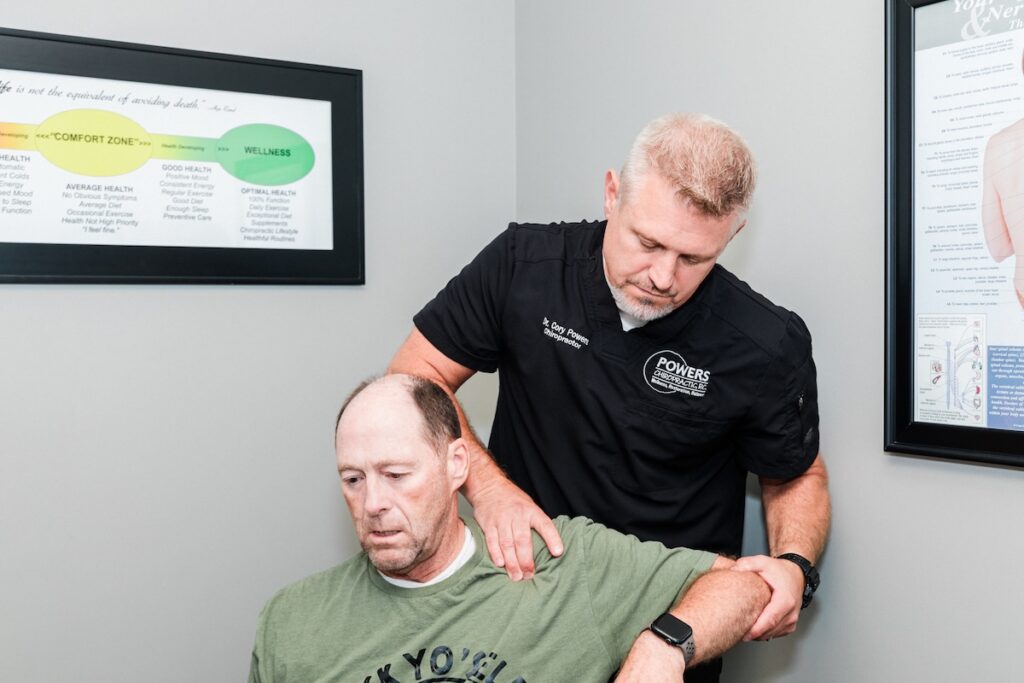
Techniques like light stretching, low-intensity exercises, or even chiropractic adjustments can help alleviate soreness and enhance blood flow to your muscles, promoting a more effective recovery process.
Remember, it’s not solely about how hard you train; it’s equally about how well you recover. Listening to your body and embracing recovery practices can lead to remarkable improvements in your performance. As your chiropractor, I’m here to help guide you through this process, ensuring you bounce back stronger than ever.
Let’s work together to support your recovery and elevate your athletic journey!
Nutrition Strategies for Optimal Recovery
As a local chiropractor, I want to emphasize the importance of nutrition strategies for your recovery process. Effective recovery isn’t just about rest; it’s also about what you put into your body.
Balancing your macronutrients—proteins, fats, and carbohydrates—is crucial for healing and rebuilding your muscles. Staying properly hydrated is equally important, as water plays a key role in maintaining your body’s functions and aiding recovery.
Additionally, the timing of your nutrient intake can significantly impact how quickly you recover from any physical strain. By nourishing your body with the right nutrients at the right times, you can enhance your healing process and support your overall health.
Let’s dive deeper into how these nutritional elements can complement your chiropractic care and promote optimal recovery.
Essential Macronutrient Balance
As a local chiropractor, I want to share with you the importance of maintaining a proper balance of macronutrients for your recovery after intense physical activities.
Understanding how nutrition plays a role in your overall health can significantly enhance your healing process.
– Carbohydrates: These are crucial for replenishing glycogen stores in your muscles, providing the energy you need for optimal performance and recovery.
I recommend focusing on complex carbohydrates, such as whole grains and fruits, as they offer sustained energy and promote better recovery.
– Proteins: Essential for muscle repair, proteins help in the recovery of tissues after exertion.
Incorporating lean protein sources like chicken, fish, or plant-based options into your meals can greatly support your healing journey.
– Fats: Don’t overlook the importance of healthy fats!
Foods like avocados and nuts not only nourish your body but also help reduce inflammation, which is vital for recovery and overall health.
Hydration’s Critical Role
As a local chiropractor, I want to emphasize the importance of hydration in your overall health and recovery, especially if you’re engaging in physical activities or dealing with injuries.
While many people often concentrate on macronutrients—like proteins, fats, and carbohydrates—it’s crucial to understand that hydration is just as vital for optimizing your athletic performance and healing process.
Staying well-hydrated helps your body regulate temperature, maintain joint lubrication, and transport essential nutrients to your muscles, all of which are fundamental for optimal function.
When you’re dehydrated, you may experience fatigue, decreased endurance, and a higher risk of injury, which can hinder your progress and recovery.
To support your healing journey, I recommend drinking water consistently throughout the day rather than only during workouts.
If you’ve participated in prolonged or intense activities, consider incorporating electrolyte-rich beverages to help replenish lost minerals and maintain balance in your body.
It’s also important to listen to your body’s signals; if you find yourself feeling thirsty or notice dark urine, these are clear indicators that you need to increase your fluid intake.
Remember, prioritizing hydration can significantly enhance your recovery and overall performance.
As your chiropractor, I’m here to help you understand the interconnectedness of hydration with your physical health and guide you on a path to natural healing.
Timing Your Nutrient Intake
As a local chiropractor, I want to emphasize the importance of not just what you eat, but when you eat, especially if you’re focused on boosting your recovery after physical activity.
Timing your nutrient intake can significantly influence how effectively you bounce back from your workouts.
To help you recover more efficiently, here are some essential tips:
- Post-Workout Window: It’s beneficial to consume a mix of protein and carbohydrates within 30 minutes after exercising. This helps to replenish your glycogen stores and aids in repairing muscle tissue, which is crucial for recovery.
- Frequent Small Meals: Instead of having large meals, try to eat smaller, balanced meals throughout the day. This strategy can help maintain your energy levels and support continuous recovery, which is vital for overall wellness.
- Hydration with Nutrients: Don’t overlook the importance of staying hydrated. Consuming electrolyte-rich beverages can enhance muscle function and contribute to your recovery process.
By integrating these timing strategies into your nutrition, you can support your body’s natural healing processes and improve your overall physical performance.
If you have any questions about how nutrition and chiropractic care can work together for your health, feel free to reach out!
Hydration: The Key to Faster Recovery
As a local chiropractor, I want to emphasize the critical role hydration plays in your recovery process. Proper hydration is fundamental to your body’s ability to repair and regenerate, especially after physical activity or injury. When you’re adequately hydrated, your muscles operate more efficiently, which can help reduce fatigue and soreness. This means you’re likely to recover more quickly after intense workouts or chiropractic adjustments.
Water is vital for transporting nutrients to your cells, flushing out toxins, and regulating your body temperature. If you find yourself dehydrated, you might experience cramping, decreased performance, and longer recovery times. These issues can hinder your overall well-being and the benefits of your chiropractic care.
To improve your hydration, I recommend sipping water consistently throughout the day. It’s also important to consider your hydration needs before, during, and after any exercise. For prolonged or intense activities, electrolyte-rich beverages can be especially helpful, as they replenish essential minerals lost through sweat.
Be mindful of your body’s signals. Signs like thirst, dark urine, and fatigue can indicate that you need to increase your fluid intake.
Foam Rolling Techniques for Muscle Relief
As a local chiropractor, I want to share with you the benefits of foam rolling for relieving muscle tension and enhancing recovery after your workouts.
Foam rolling is a simple yet effective technique that can help you address specific muscle groups, break down knots, and improve blood circulation and flexibility.
Here are some key techniques to keep in mind:
- Focus on major muscle groups: It’s essential to pay attention to areas such as your quads, hamstrings, and back. These muscle groups often hold tension and can significantly benefit from foam rolling.
- Roll slowly: When using a foam roller, take your time. Move at a steady pace and pause on any tight spots for about 20-30 seconds. This allows the muscle to relax and helps release any built-up tension.
- Combine with stretching: After you’ve finished foam rolling, I recommend incorporating static stretches. This combination can further enhance your muscle recovery and flexibility.
Incorporating foam rolling into your post-workout routine can lead to reduced soreness and improved performance.
I encourage you to make it a regular practice, as many of my patients have experienced quicker recovery times and better results in their training when they do.
The Benefits of Contrast Baths
As a local chiropractor, I’m here to share a valuable recovery technique that can complement your chiropractic care: contrast baths. This method is particularly beneficial after addressing muscle tension through practices like foam rolling.
Contrast baths involve alternating between hot and cold water, a process that can significantly enhance your recovery. When you immerse yourself in hot water, it increases blood flow and promotes muscle relaxation. In contrast, the cold water helps reduce inflammation and numb any soreness you may be experiencing.
This rapid temperature change not only stimulates your circulatory system but also accelerates the delivery of essential nutrients to your muscles. This can aid in the healing of micro-tears that often occur after intense workouts.
Additionally, engaging in contrast baths can improve your mental resilience, which is crucial for pushing through challenging training sessions.
To incorporate contrast baths into your routine, you’ll need two tubs—one filled with hot water and the other with cold. I recommend spending about three minutes in the hot tub followed by one minute in the cold.
Repeat this cycle for 15-20 minutes for optimal results. After your session, you should feel invigorated and ready to tackle your next challenge!
Active Recovery: Low-Intensity Workouts
As a local chiropractor, I want to emphasize that recovery isn’t solely about resting; integrating low-intensity workouts into your routine can significantly enhance your healing journey.
Active recovery is a valuable approach that promotes blood flow, minimizes muscle soreness, and helps you maintain your fitness levels while being gentle on your body.
Here are some key benefits of incorporating low-intensity workouts into your recovery regimen:
- Enhanced blood circulation: Improved circulation delivers essential nutrients to your muscles, which can speed up the healing process.
- Decreased muscle stiffness: Gentle movement can alleviate tightness and boost your flexibility, making it easier for your body to recover.
- Mental rejuvenation: Engaging in light activities can uplift your mood and provide a sense of energy and motivation.
I encourage you to explore activities such as walking, swimming, or cycling at a leisurely pace.
These forms of exercise can be an effective way to promote recovery while keeping your body active without overexertion.
It’s crucial to find the right balance, so always listen to your body and give it the attention and care it deserves.
Sleep: The Unsung Hero of Recovery
Active recovery through low-intensity workouts is an essential part of your healing journey, but as a local chiropractor, I want to emphasize the often-overlooked role of sleep in this process.
Quality sleep is crucial for muscle repair and growth. During the deep stages of sleep, your body releases growth hormones that aid in rebuilding tissues and reducing inflammation, which is vital for recovery.
If you’re not getting enough sleep, you may be compromising your recovery efforts. Aiming for 7 to 9 hours of restful sleep each night can significantly enhance your performance and overall well-being.
I recommend establishing a calming bedtime routine—this can include dimming the lights and avoiding screens before you hit the pillow, as these small changes can make a big difference.
It’s also important to create a sleep-friendly environment. A cool, dark room with minimal noise can greatly improve the quality of your rest.
Additionally, don’t underestimate the power of napping, especially after intense workouts. Short naps can increase your alertness and energy levels, further aiding your recovery process.
As you focus on your training regimen, remember that prioritizing sleep is a key component of natural healing.
Conclusion
As a local chiropractor, I want to share some valuable recovery strategies that can significantly improve your athletic performance. It’s important to focus on nutrition and hydration, as they play a crucial role in how your body recovers after physical activity. Incorporating techniques like foam rolling and active recovery workouts can help alleviate soreness and speed up your recovery process.
Additionally, never underestimate the importance of quality sleep. It is vital for muscle repair and overall health, allowing your body to regenerate effectively. By integrating these practices into your routine, you not only enhance your recovery time but also strengthen your resilience as an athlete. Embracing these holistic approaches will prepare your body to take on your next challenge with confidence. As your chiropractor, I’m here to support you on this journey towards optimal health and performance.