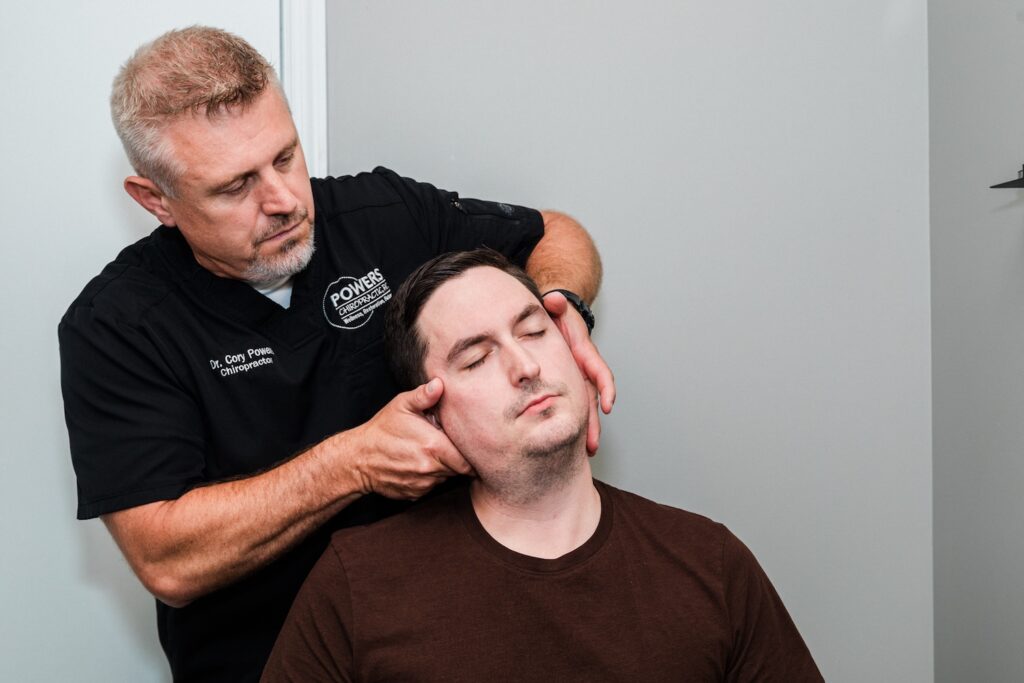

As a local chiropractor, I want to share with you that improving your sleep quality doesn’t have to feel overwhelming. By making a few simple adjustments, you can create an environment that encourages better rest, which is essential for your overall health and well-being. Establishing a consistent sleep schedule and optimizing your sleep surroundings can have a significant impact on the quality of your sleep. Each of these changes can lead to a more rejuvenating night, helping your body recover and heal naturally. If you’re curious about specific steps you can take to enhance your sleep, let’s dive into these effective strategies together.
Establish a Consistent Sleep Schedule
As a local chiropractor, I want to emphasize the importance of establishing a consistent sleep schedule for your overall health and well-being. By adhering to a regular sleep routine, you can help regulate your body’s internal clock, making it easier to fall asleep and wake up feeling rejuvenated.
It’s crucial to go to bed and wake up at the same time every day, even on weekends. This practice reinforces your body’s natural rhythm, allowing you to enjoy better sleep quality.
I recommend setting a bedtime that allows for at least seven to nine hours of restorative sleep. If you find it challenging to rise in the morning, try to resist the temptation to hit the snooze button. Instead, get up as soon as your alarm goes off. This fosters a positive association with your wake-up time and can set a productive tone for your day.
Additionally, be mindful of your caffeine intake and avoid heavy meals close to bedtime, as these can interfere with your sleep cycle.
By prioritizing a consistent sleep schedule, you may experience significant improvements in your overall health, mood, and energy levels, which can enhance the efficacy of chiropractic care and natural healing practices.
Create a Relaxing Bedtime Routine
A consistent sleep schedule is essential for achieving quality rest, but as a chiropractor, I want to share with you how a calming bedtime routine can significantly enhance your sleep experience and overall well-being.
Establishing a relaxing routine signals to your body that it’s time to wind down, which can help ease tension and prepare your mind and body for restorative sleep. Here are some activities to consider incorporating into your nightly ritual:
- Dim the lights: Lowering the lights in your environment can help cue your brain that it’s time to relax. This is important as a relaxed mind aligns with a balanced nervous system, which is crucial for overall health.
- Limit screen time: It’s beneficial to step away from screens at least 30 minutes before bed. The blue light emitted by devices can disrupt melatonin production, the hormone responsible for regulating sleep. Reducing this exposure can lead to more restorative sleep, which is vital for your body’s healing processes.
- Engage in calming activities: Consider reading a book, listening to soothing music, or practicing gentle stretches. These activities can help release tension in your body and promote spinal health, which is essential for a good night’s sleep.
- Practice mindfulness or meditation: Taking a few minutes to focus on your breath or visualize a peaceful scene can help quiet your mind and reduce stress. This mindfulness practice can enhance your body’s ability to relax and improve your overall sleep quality.
By incorporating these elements into your bedtime routine, you can create a peaceful environment that encourages deeper, more restorative sleep.
As you prioritize your sleep health, remember that chiropractic care can also play a vital role in supporting your overall wellness journey.
Optimize Your Sleep Environment
As a local Chiropractor, I want to emphasize the importance of creating an optimal sleep environment for your overall health and well-being. Achieving a restful night’s sleep is essential, and it starts with your surroundings.
Begin by finding a room temperature that feels comfortable for you—ideally, a cooler room can promote better sleep quality.
Additionally, the materials you choose for your bedding can significantly impact your comfort. Look for options that provide proper support and allow your body to relax fully.
These seemingly minor adjustments can lead to significant improvements in your sleep quality, which in turn can positively affect your spinal health and overall wellness.
Ideal Room Temperature
As a local chiropractor, I understand how important it’s for your overall well-being, including the quality of your sleep.
Did you know that the right room temperature can significantly enhance your rest and recovery? A cooler environment often leads to deeper, more restorative sleep, which is essential for your body to heal and function optimally.
Ideally, you should aim for a temperature between 60 to 67 degrees Fahrenheit for the best sleep quality. Here are some tips to help you create that ideal environment:
- Invest in a thermostat: A programmable thermostat can help maintain a steady temperature throughout the night, ensuring your body remains comfortable as you rest.
- Utilize fans: Whether it’s a ceiling fan or a portable one, circulating air can create a cooler atmosphere in your room, making it easier to drift off to sleep.
- Choose breathable fabrics: Opt for lightweight sheets and pajamas made from breathable materials to help regulate your body temperature while you sleep.
- Block out heat sources: During the day, keep your curtains or blinds closed to prevent sunlight from heating up your room. This simple step can maintain a cooler, darker sleeping environment.
By adjusting your room temperature, you can create a more conducive atmosphere for restful sleep, which is vital for your body’s natural healing processes.
Comfortable Bedding Materials
As a chiropractor, I often emphasize the importance of a good night’s sleep in maintaining overall health and wellness. Choosing the right bedding materials can significantly impact your sleep quality, which in turn affects your spinal health and overall well-being.
Soft, breathable fabrics like cotton or bamboo not only feel wonderful against your skin but also help regulate your body temperature, allowing you to stay comfortable throughout the night. When you’re cozy, you’re more likely to relax and drift into a deeper, restorative slumber.
It’s crucial to select a mattress that supports your body type and sleeping position. Options like memory foam or latex can provide the ideal combination of comfort and support, helping to maintain proper spinal alignment.
Don’t overlook the importance of your pillows as well; they should keep your neck aligned comfortably without being too firm or too soft to prevent strain.
When it comes to sheets and blankets, I recommend hypoallergenic materials, especially if you have sensitivities. Investing in quality bedding not only enhances your sleep environment but also contributes to better spinal health, leading to more restful nights.
Limit Screen Time Before Bed
As a local Chiropractor, I want to share an important insight that many may overlook: the blue light emitted from screens can significantly impact your sleep quality.
Disrupted sleep can lead to a cascade of issues, including increased tension in your body and misalignment, which I often see in my practice. By limiting your screen time before bed, you can create a calming evening routine that not only helps signal to your body that it’s time to wind down but also supports your overall wellness.
Consider engaging in alternative activities that promote relaxation, such as gentle stretching, reading a book, or practicing mindfulness.
These activities can help prepare your body and mind for a restful night’s sleep, ultimately enhancing your chiropractic care and natural healing journey. Your body will thank you for it!
Effects of Blue Light
As the evening approaches, many of us find ourselves glued to our screens, whether it’s our smartphones, tablets, or computers.
However, the blue light emitted by these devices can significantly impact your sleep quality, which is crucial for overall health and well-being. This disruptive light interferes with your body’s natural production of melatonin, the hormone responsible for regulating sleep.
As a chiropractor, I want to share some practical tips to help improve your sleep quality naturally:
- Limit screen time at least an hour before bedtime to allow your body to wind down.
- Use blue light filters or apps on your devices. These can help reduce the amount of blue light exposure, making it easier for your body to prepare for sleep.
- Opt for dim lighting in your home during the evening. Softer, warmer lights can create a relaxing atmosphere conducive to winding down.
- Engage in calming activities such as reading a book, practicing yoga, or meditating. These activities not only help reduce stress but also encourage better sleep, unlike the stimulating effect of scrolling through your phone.
By incorporating these simple lifestyle changes, you can enhance your sleep quality, which is essential for your overall health and vitality.
Establishing a Routine
As a chiropractor dedicated to promoting overall well-being, I want to emphasize the importance of establishing a calming nighttime routine for better sleep quality. One key aspect of this is limiting screen time before bed. The blue light emitted from screens can interfere with your body’s natural sleep-wake cycle, making it challenging to fall asleep and stay rested.
I recommend turning off all electronic devices at least an hour before bedtime. Instead, create a tranquil atmosphere in your home by dimming the lights and participating in relaxing activities. Consider reading a book, practicing meditation, or enjoying a warm bath. These alternatives not only help in winding down but also signal to your mind and body that it’s time to relax and prepare for sleep.
By consistently reducing screen time and incorporating these calming practices into your evening routine, you can enhance your sleep quality. A good night’s sleep is essential for your overall health, allowing your body to heal and rejuvenate, ensuring you wake up feeling refreshed and ready to tackle the day.
Alternative Evening Activities
Creating a peaceful evening environment is vital not just for relaxation, but also for supporting your overall health, which is a key focus in chiropractic care. As a chiropractor, I often see how stress and poor sleep can impact musculoskeletal health.
One of the best ways to prepare your body for restorative sleep is by limiting screen time before bed. This helps your mind unwind and reduces tension in your body. Here are some alternative activities that can promote relaxation and enhance your overall well-being:
- Read a Book: Engaging with a good story can distract your mind from the stresses of the day, allowing your body to relax in preparation for sleep.
- Practice Yoga: Gentle stretches not only relieve physical tension but also help to calm your mind, creating a holistic approach to relaxation that aligns with the principles of chiropractic care.
- Meditate: Taking a few minutes to focus on your breath can help calm racing thoughts, promoting a sense of peace that’s essential for quality sleep and recovery.
- Journaling: Writing down your thoughts or expressing gratitude can help clear your mind, reducing mental clutter and allowing for a more restful night.
Incorporating these activities into your evening routine not only decreases screen time but also supports your body’s natural healing processes, leading to improved sleep quality and overall health.
Your well-being is interconnected, and these practices can complement your chiropractic care, helping you achieve a more balanced lifestyle.
Be Mindful of Food and Drink
As a chiropractor dedicated to your overall health and wellness, I want to emphasize the importance of being mindful about your food and drink choices, especially when it comes to getting a good night’s sleep. What you consume can significantly influence your rest and recovery.
I recommend steering clear of heavy meals close to bedtime. These can lead to discomfort and disrupt your sleep cycle, which is crucial for your body’s healing processes. Instead, if you find yourself hungry, consider lighter snacks such as yogurt or a piece of fruit that are easier on the digestive system.
Caffeine is another factor that can negatively impact your sleep quality. It’s wise to limit your intake of coffee, tea, and sodas in the afternoon and evening to help ensure that you can fall asleep more easily.
Alcohol might seem like a good way to wind down, but it can actually interfere with REM sleep, which is vital for restorative rest, so remember that moderation is key.
Hydration is important, but be mindful of how much you drink right before bed to avoid those inconvenient trips to the bathroom during the night.
Additionally, consider incorporating foods rich in magnesium, like nuts and leafy greens, as they can promote relaxation and enhance your overall sleep quality.
By making these small adjustments to your diet and hydration habits, you can significantly improve your sleep, which in turn supports your chiropractic care and overall well-being.
Let’s work together to create a lifestyle that fosters better rest and recovery for your body!
Incorporate Physical Activity
As a local chiropractor, I want to share how closely your daily habits, particularly physical activity, are linked to achieving a restful night’s sleep. Incorporating regular exercise into your routine can significantly enhance your sleep quality and support your overall well-being.
Here are four practical ways to get active:
- Morning Walks: Begin your day with a brisk 30-minute walk. This gentle exercise not only energizes your body but also helps set a positive tone for the day, promoting better alignment and reducing tension.
- Strength Training: Aim to include strength workouts at least twice a week. Building muscle strength not only improves your overall fitness but also supports your spine and joints, leading to enhanced sleep quality.
- Yoga or Stretching: Consider adding yoga or stretching sessions in the evening. These practices can help calm your mind and body, relieve stress, and improve flexibility, all of which contribute to a more restful night’s sleep.
- Limit Late Workouts: It’s essential to finish any vigorous exercise a few hours before bedtime. While staying active is crucial, intense workouts close to bedtime can elevate your heart rate and energy levels, making it harder to wind down.
By integrating these activities into your lifestyle, you can improve not just your sleep but also your overall health.
Manage Stress and Anxiety
As a chiropractor, I often see patients struggling with stress and anxiety, particularly when it’s time to relax at the end of the day. It’s important to understand that managing these feelings can significantly enhance your overall well-being and improve your sleep quality.
First, let’s talk about identifying your stressors. Whether it’s related to work, relationships, or personal challenges, recognizing what triggers your stress is the first step in addressing it. This knowledge empowers you to find effective solutions.
Incorporating relaxation techniques into your daily routine can also be beneficial. Practices such as deep breathing, meditation, or gentle yoga can help calm your mind and prepare your body for a restful night. As a chiropractor, I emphasize the importance of a balanced nervous system, which these techniques can support.
Establishing a wind-down period before bedtime is crucial. During this time, it’s best to disconnect from screens and engage in calming activities. Whether it’s reading a book or listening to soft music, these practices can help shift your focus away from daily stressors and create a more serene environment.
Additionally, consider the benefits of journaling before sleep. Writing down your thoughts can serve as a powerful tool to clear your mind and alleviate anxiety. By actively managing your stress, you can foster a more peaceful atmosphere that promotes restful sleep.
Conclusion
As a local chiropractor, I want to share some valuable insights on how making simple adjustments can significantly enhance your sleep quality. Establishing a consistent sleep schedule is key; your body thrives on routine. I also recommend creating a calming bedtime routine that prepares your mind and body for restful sleep.
Optimizing your sleep environment is crucial as well—consider factors like mattress support and room temperature, which can profoundly impact your rest. Additionally, limiting screen time before bed allows your mind to unwind, while being mindful of food and drink choices can prevent disruptions in your sleep cycle.
Incorporating regular physical activity into your day not only promotes overall health but also helps you fall asleep faster and enjoy deeper sleep. Finally, managing stress is essential—practices like deep breathing or gentle stretching can help ease tension. By embracing these strategies, you’ll not only improve your sleep but also wake up feeling refreshed and ready to take on the day! Remember, a well-rested body is fundamental to achieving optimal health and wellness.