
Making lifestyle changes to prevent back pain is essential for your overall well-being and can significantly enhance your quality of life. Many people are unaware of how their daily habits can lead to discomfort. By making simple adjustments, such as improving your posture and staying active, you can effectively reduce the strain on your back.
So, what should you focus on? First and foremost, it’s important to understand the common causes of back pain. Poor posture, lack of physical activity, and improper lifting techniques can contribute to discomfort. By adopting effective strategies, you can take charge of your health and move towards a pain-free life.
Here are a few practical tips to help you prevent back pain:
- Maintain Good Posture: Whether you’re sitting at a desk or standing, keep your back straight and shoulders relaxed. Consider ergonomic furniture that promotes a healthy spine alignment.
- Stay Active: Regular physical activity strengthens your back muscles and improves flexibility. Simple exercises like walking, swimming, or yoga can be incredibly beneficial.
- Practice Proper Lifting Techniques: Always lift with your legs, not your back. Bend at your knees and keep your load close to your body to reduce strain.
- Incorporate Stretching: Gentle stretching throughout your day can keep your muscles flexible and reduce tension in your back.
- Stay Hydrated: Drinking plenty of water is essential for maintaining the health of your spinal discs, which act as cushions between the vertebrae.
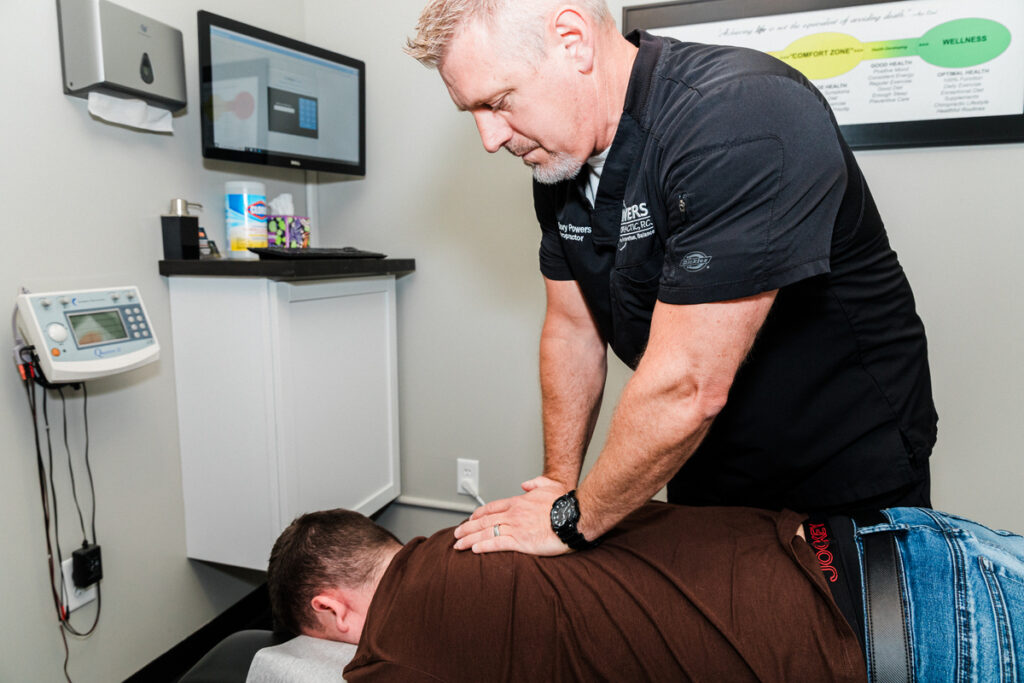
Chiropractic care is an excellent choice for achieving optimal health and pain relief. By visiting a chiropractor, you can receive personalized assessments and treatments that focus on spinal alignment, helping to alleviate pain naturally without the use of medications or invasive procedures.
Embracing these lifestyle changes and considering chiropractic care can put you on the path to a healthier, more vibrant life, free from the limitations of back pain. Remember, your spine is the foundation of your health, and taking care of it is one of the best investments you can make for your well-being.
Key Takeaways
Why Make Lifestyle Changes to Prevent Back Pain?
Making simple lifestyle changes can significantly improve your back health and overall well-being. Here are some key areas to focus on:
- Regular Exercise: Engaging in regular physical activity helps to strengthen your core muscles, which are essential for supporting your spine. When your core is strong, you’re less likely to suffer from injuries and back pain. Consider activities like walking, swimming, or gentle yoga, which can be beneficial for maintaining a strong back.
- Posture and Ergonomics: Paying attention to your posture can make a world of difference. Whether you’re sitting at a desk or doing household chores, ensuring that you maintain good posture can alleviate pressure on your spine. Small adjustments, like using a chair that supports your lower back or positioning your computer screen at eye level, can enhance your comfort during daily activities.
- Anti-Inflammatory Diet: What you eat plays a crucial role in your body’s healing processes. Incorporating an anti-inflammatory diet, rich in fruits, vegetables, whole grains, and healthy fats, can help reduce inflammation and discomfort in your back. Foods like fatty fish, nuts, and leafy greens are great choices for supporting your spine’s health.
- Stress Management: Learning to manage stress is vital for your overall health and can significantly contribute to back wellness. Techniques such as mindfulness meditation, deep breathing exercises, or gentle stretching can help reduce muscle tension and promote relaxation, which is beneficial for your back.
- Quality Sleep: Never underestimate the power of a good night’s sleep! Quality sleep is essential for recovery and helps ensure that your spine remains healthy and resilient. Create a sleep-friendly environment by maintaining a regular sleep schedule and using a supportive mattress and pillows.
Remember, chiropractic care is a holistic approach that can support these lifestyle changes and enhance your journey toward optimal health. Regular visits to your chiropractor can help ensure that your spine is aligned and functioning properly, making it easier for you to adopt and maintain these healthy habits. Prioritizing your back health through these lifestyle changes can lead to a happier, pain-free life!
Understanding the Causes of Back Pain
Understanding the causes of back pain is essential for taking proactive steps toward prevention and achieving optimal health. One of the most common culprits is muscle strain, often resulting from improper lifting techniques or sudden movements. It’s important to be mindful of how you lift and move to avoid unnecessary stress on your back.
Another factor that contributes to back pain is poor physical conditioning or lack of flexibility. When your muscles are weak or tight, it can create imbalances that lead to discomfort. A sedentary lifestyle can further weaken your core muscles, making your back more vulnerable to injury. Incorporating gentle exercises and stretches into your daily routine can help strengthen these muscles and improve your flexibility.
Repetitive activities, such as prolonged sitting or standing, can also put a strain on your spine. To combat this, try to take regular breaks and change your position throughout the day.
Additionally, stress and emotional factors can manifest as muscle tension, contributing to back pain. Practicing relaxation techniques, like deep breathing or meditation, can help alleviate this tension.
By identifying these causes and recognizing patterns in your daily habits, you can make simple lifestyle changes that significantly reduce your risk of back pain. Regular chiropractic care is a natural and effective way to promote spinal health and well-being. A chiropractor can help address any misalignments and provide guidance on exercises and stretches tailored to your needs.
The Importance of Good Posture
Good posture is vital for maintaining a healthy spine and minimizing the risk of back pain. As a chiropractor, I can tell you that when your spine is properly aligned, not only do you feel better, but you can also improve your daily activities—whether you’re sitting at a desk or lifting objects.
It’s amazing how simple adjustments to your posture can make a world of difference in your overall well-being.
Here are some practical tips to help you maintain good posture throughout your day:
- Mind Your Sitting Position: When sitting, ensure that your back is straight, shoulders relaxed, and feet flat on the floor. Consider using a chair that supports your lower back.
- Stand Tall: Keep your head up and shoulders back when standing. Your ears should be aligned with your shoulders, and your weight should be evenly distributed on both feet.
- Be Cautious with Lifting: When lifting objects, bend at your knees rather than your waist. Hold the object close to your body to reduce strain on your back.
- Take Breaks: If you sit for long periods, take regular breaks to stretch and walk around. This helps to relieve tension and reset your posture.
- Stay Active: Regular exercise strengthens your core muscles, which are essential for supporting your spine. Activities like yoga or Pilates can be particularly beneficial for promoting good posture.
Remember, chiropractic care is a natural and effective way to achieve optimal health and relieve pain.
Regular adjustments can help keep your spine aligned, enhance your posture, and support your overall wellness journey.
If you’re experiencing discomfort or simply want to maintain a healthy spine, don’t hesitate to consult with a chiropractor who can guide you on the path to better health.
Benefits of Proper Alignment
Maintaining proper alignment is crucial for your overall health, especially when it comes to preventing back pain. As a chiropractor, I know firsthand how good posture supports your spine’s natural curves, helping to evenly distribute weight across your body. This balance reduces the strain on your muscles and ligaments, allowing them to function efficiently and keeping you feeling great.
When you practice proper alignment, you’re not just protecting your back; you’re also enhancing your breathing and circulation. Better oxygen flow means more energy and improved focus throughout your day. Plus, good posture can give you a confidence boost, making you feel more self-assured in both social and professional situations.
To help you prioritize alignment, here are some simple tips you can incorporate into your daily routine:
- Be Mindful of Your Posture: Whether sitting, standing, or walking, aim to keep your shoulders back and your head aligned with your spine.
- Invest in Ergonomic Furniture: If you spend a lot of time at a desk, consider using a chair that supports your lower back and keeps your feet flat on the ground.
- Take Frequent Breaks: If you’re sitting for long periods, stand up, stretch, and move around every hour to keep your muscles engaged.
- Stay Active: Regular exercise, especially activities that strengthen your core, can help maintain proper alignment and support your spine.
By focusing on proper alignment and incorporating these tips into your daily life, you’re setting yourself up for a healthier, pain-free future. Chiropractic care can be a fantastic way to achieve and maintain this alignment, providing you with natural relief and promoting overall wellness.
Impact on Daily Activities
Your posture plays a crucial role in how you navigate your daily activities, and as a chiropractor, I want to share how maintaining proper alignment can lead to better health and wellness.
Good posture boosts your energy levels, productivity, and overall comfort. When you sit or stand correctly, you minimize strain on your back and muscles, allowing you to focus on your tasks without discomfort.
On the flip side, poor posture can lead to fatigue and distractions, which can hinder your performance at work or during leisure activities.
Whether you’re working at a desk, exercising, or simply walking, keeping your body aligned is key to functioning effectively. By prioritizing your posture, you can’t only prevent back pain but also enhance your quality of life, enabling you to engage fully in everything you do.
Here are some simple tips to improve your posture and support your spinal health:
- Sit Smart: Use a chair that supports your lower back. Keep your feet flat on the floor and your knees at a right angle.
- Stand Tall: When standing, distribute your weight evenly on both feet and keep your shoulders back.
- Take Breaks: If you’re sitting for long periods, take short breaks to stretch and move around. This helps reduce tension in your back and neck.
- Practice Good Ergonomics: Ensure your workspace is set up to promote good posture. Your computer screen should be at eye level, and your keyboard should be within easy reach.
- Stay Active: Regular physical activity strengthens your muscles and supports good posture. Consider activities that promote flexibility and strength, such as yoga or Pilates.
Remember, small adjustments can lead to significant improvements in your posture and overall well-being.
Chiropractic care can be an excellent resource for achieving and maintaining optimal spinal health, helping you feel your best every day. By focusing on your posture, you can enjoy a more vibrant and active lifestyle without the burden of pain.
The Role of Physical Activity in Back Health
Engaging in regular physical activity is vital for maintaining a healthy back, and it plays a significant role in your overall well-being. As a chiropractor, I can tell you that strengthening your muscles, improving flexibility, and enhancing your posture are all key components of back health.
Incorporating exercises like walking, swimming, or yoga into your daily routine not only helps you feel better but also promotes proper spinal alignment and reduces tension in your back.
A strong core is especially important. These muscles support your spine and can help prevent injuries. By focusing on core-strengthening exercises, you can give your back the support it needs to stay healthy.
Plus, staying active increases blood flow, which is essential for delivering nutrients to your spinal discs and tissues. This helps with recovery and can reduce discomfort.
If you’ve been less active, don’t worry—start slowly and gradually build up your activity levels. Begin with simple stretches, which can alleviate tightness and improve your mobility.
Remember, listening to your body is key. If something doesn’t feel right, it’s always a good idea to consult with your chiropractor for personalized advice.
Incorporating chiropractic care into your wellness routine is an excellent way to support your back health naturally. Regular adjustments can enhance your body’s ability to function optimally, reducing pain and promoting healing.
Nutrition and Its Impact on Musculoskeletal Health
Nutrition plays a vital role in supporting your musculoskeletal health, especially when it comes to maintaining a strong and healthy spine. The right foods can provide the essential nutrients your body needs for robust bones and muscles. A well-balanced diet that includes calcium, vitamin D, and magnesium is crucial for bone density and strength.
Consider adding leafy greens, dairy products, and fatty fish like salmon to your meals to help meet these nutritional needs. Protein is equally important, as it supports muscle repair and growth. Incorporate lean meats, legumes, and nuts into your diet to ensure you’re getting enough protein.
Additionally, healthy fats found in avocados and olive oil can help reduce inflammation, which is beneficial for overall joint health. Don’t overlook the importance of hydration! Staying well-hydrated helps maintain the elasticity of connective tissues, which is essential for spinal health. Aim to drink plenty of water throughout the day to support your body’s natural functions.
It’s also wise to minimize your intake of excessive sugar and processed foods, as these can contribute to inflammation and potentially lead to discomfort or pain. By focusing on nutritious choices, you can strengthen your musculoskeletal system and support your spine, helping to alleviate pain and improve your overall well-being.
Remember, chiropractic care can be a powerful ally in your journey toward optimal health. Regular adjustments can help enhance your body’s function, reduce pain, and promote natural healing.
Ergonomics: Creating a Back-Friendly Environment
Creating a back-friendly environment is crucial for preventing pain and discomfort, especially if you find yourself sitting or standing for long periods. As a chiropractor, I want to emphasize that optimizing your workspace and daily habits can significantly reduce strain on your back.
Here are some simple ergonomic adjustments you can make to promote a healthier back:
| Adjustment | Benefit |
|---|---|
| Chair Height | Adjust your chair so your feet rest flat on the floor. This helps support your lower back and reduces pressure. |
| Monitor Position | Position your screen at eye level to keep your neck in a neutral position, minimizing strain as you look at your computer. |
| Desk Setup | Arrange your desk so that your elbows are at a comfortable 90-degree angle. This promotes better posture and reduces tension. |
| Foot Support | Use a footrest if needed to provide stability and alleviate tension in your lower back. |
Implementing these changes can boost your comfort and productivity, but they are just the beginning. Remember, a few simple tweaks can make a world of difference in how your back feels during the day.
As you consider these adjustments, I encourage you to think about the benefits of chiropractic care in your journey toward optimal health. Regular chiropractic adjustments can help ensure your spine is aligned and functioning properly, supporting your overall well-being. Prioritize your ergonomics and seek chiropractic care to keep your back healthy and strong. Your body will thank you!
Stress Management and Its Connection to Back Pain
Creating an ergonomic workspace is a crucial step in preventing back pain, but it’s equally important to acknowledge the impact of stress on your physical well-being. When stress creeps in, it often causes our muscles, particularly those in the back and neck, to tighten up, leading to discomfort and pain. This muscle tension can worsen any existing issues, highlighting the need for effective stress management.
One of the best ways to alleviate this tension is by incorporating relaxation techniques into your daily routine. Simple practices like deep breathing exercises, meditation, or mindfulness can significantly reduce stress levels. These techniques not only help your mind but also promote relaxation in your muscles, providing relief from tightness.
Additionally, remember to take regular breaks during your workday. Standing up, stretching, and moving around not only gives your mind a refreshing reset but also helps relieve muscle strain.
Chiropractic care can also play a vital role in managing stress and tension in your body. By addressing spinal alignment and ensuring that your nervous system is functioning optimally, chiropractic adjustments can help reduce muscle tightness and improve overall well-being.
Embrace these tips and consider chiropractic care as a natural way to achieve pain relief and enhance your health. Your body will thank you!
The Benefits of Regular Stretching and Strengthening Exercises
Incorporating regular stretching and strengthening exercises into your daily routine can significantly improve your flexibility and core stability, which are essential for overall health.
These exercises not only enhance your mobility but also equip you with effective strategies to alleviate pain, particularly in the back and neck areas. When you make stretching and strengthening a habit, you’ll find yourself not only feeling stronger but also leading a more active lifestyle.
As a chiropractor, I want to emphasize that these exercises complement chiropractic care perfectly. Together, they can help you achieve optimal health without the need for invasive surgeries or medications.
Here are some simple tips you can incorporate into your routine:
- Start with Simple Stretches: Gentle stretches for the neck, shoulders, and back can help release tension. Just a few minutes a day can make a difference.
- Focus on Core Strengthening: Exercises like planks and bridges strengthen your core, supporting your spine and reducing the risk of back pain.
- Consistency is Key: Aim to stretch and strengthen at least three times a week. Consistency will yield the best results.
- Listen to Your Body: Pay attention to how your body feels during and after exercises. If something doesn’t feel right, consult with your chiropractor for personalized advice.
- Stay Hydrated: Keeping your body well-hydrated aids in muscle recovery and overall health.
By integrating these practices into your life, you can enhance your well-being, reduce pain, and enjoy the benefits of a healthier lifestyle.
Improved Flexibility and Mobility
Flexibility and mobility are crucial for maintaining a healthy back and preventing discomfort. As a chiropractor, I encourage you to incorporate regular stretching and strengthening exercises into your daily routine. These simple practices can significantly enhance your body’s ability to move freely and comfortably.
When your muscles and joints are flexible, they work more efficiently, which reduces the risk of strains and injuries. You may notice that everyday activities, such as bending or twisting, become easier and less painful. Improved mobility also helps to distribute stress evenly across your back, preventing overuse in specific areas that can lead to pain.
To help you get started, here are a few tips:
- Daily Stretching: Spend just a few minutes each day stretching your back, hips, and legs. This can greatly improve your range of motion and overall back health.
- Strengthening Exercises: Focus on exercises that strengthen your core muscles. A strong core supports your spine and helps maintain good posture, which is essential for back health.
- Proper Posture: Pay attention to your posture throughout the day. Whether you’re sitting at a desk or standing, keeping your spine aligned can reduce strain on your back.
- Frequent Movement: If you find yourself sitting for long periods, make it a habit to stand up and move around every hour. This simple action can prevent stiffness and promote mobility.
By dedicating a little time to these exercises and habits, you can greatly improve your back health and make daily tasks feel much more manageable.
Enhanced Core Stability
Building core stability is essential for preventing back pain and enhancing your overall body function. A strong core provides a supportive foundation for your spine, which can significantly reduce strain during everyday activities. Incorporating regular stretching and strengthening exercises, such as planks and bridges, can greatly improve your core stability. These exercises not only target your abdominal muscles but also engage your back, hips, and pelvic floor.
As you work towards a stronger core, you’ll notice it’s easier to maintain good posture—something that’s crucial for spinal health. A stable core not only helps you stay upright but also allows you to perform physical tasks with greater efficiency and a lower risk of injury.
Here are a few simple tips to help you on your journey to core stability:
- Start Slow: If you’re new to core exercises, begin with basic movements and gradually increase the intensity as you get stronger.
- Focus on Form: Proper form is key to preventing injury. Consider consulting with a chiropractor who can guide you on the correct way to perform these exercises.
- Incorporate Variety: Mix different exercises into your routine to engage all parts of your core and keep things interesting.
- Stay Consistent: Make core exercises a regular part of your routine. Consistency is vital for building strength and stability over time.
Remember, chiropractic care plays a crucial role in supporting your journey to optimal health. By addressing any misalignments or issues in your spine, a chiropractor can help enhance your overall well-being and ensure that your body functions at its best.
Prioritize your core stability exercises, and consider regular visits to your chiropractor for a holistic approach to a pain-free back and healthier living.
Pain Reduction Strategies
When it comes to reducing back pain, many people often think about core stability, but there’s much more to it. Regular stretching and strengthening exercises are also crucial for keeping your back healthy. By adding these practices to your routine, you can improve your flexibility and build muscle strength, both of which are essential for supporting your spine.
Stretching can help relieve tension in tight muscles, while strengthening exercises focus on your back, abdomen, and legs. When these muscle groups work together effectively, they provide better support for your spine, which can lead to less discomfort. By committing to a balanced routine that incorporates both stretching and strengthening exercises several times a week, you can enhance your posture and significantly reduce the risk of injury.
Chiropractic care is a fantastic way to complement these exercises. As your local chiropractor, I can help assess your specific needs and create a personalized plan that focuses on natural healing and overall wellness.
Together, we can work on improving your mobility, which can lead to a decrease in pain, allowing you to engage in daily activities with greater ease.
Remember, it’s all about taking small steps toward a healthier lifestyle. Incorporate stretches into your morning routine or take short breaks throughout the day to do some strengthening exercises.
These little changes can make a big difference in how you feel. Embrace chiropractic care as a key part of your journey to optimal health, and let’s work together to achieve lasting pain relief and wellness!
Developing a Long-Term Plan for Back Pain Prevention
To effectively prevent back pain over the long term, it’s important to adopt a holistic approach that encompasses various aspects of your lifestyle, with a strong emphasis on chiropractic care. Regular chiropractic adjustments can play a vital role in maintaining spinal health and preventing pain. By ensuring your spine is aligned, you can promote better mobility and overall well-being.
Incorporating regular exercise into your routine is key. Focus on activities that strengthen your core and enhance flexibility, such as yoga or Pilates. Aim for at least 30 minutes of physical activity most days of the week. Not only does exercise support a healthy spine, but it also releases endorphins that can help reduce pain.
Pay close attention to your posture, especially if you find yourself sitting for long periods. Invest in ergonomic furniture and make it a habit to take breaks to stretch and move around. This can help alleviate pressure on your spine and prevent discomfort.
Nutrition is another important factor in spinal health. A balanced diet rich in anti-inflammatory foods, such as fruits, vegetables, and healthy fats, can support your body’s natural healing processes and promote overall wellness.
Managing stress is crucial as well, as tension can lead to muscle tightness and discomfort. Consider incorporating relaxation techniques like deep breathing, meditation, or gentle stretching into your daily routine. These practices can help calm your mind and relieve stress on your body.
Lastly, prioritize sleep by establishing a consistent sleep schedule and investing in a supportive mattress. Quality sleep is essential for your body to recover and repair itself, contributing to a healthier spine.
By integrating these lifestyle changes and prioritizing chiropractic care, you can create a sustainable approach to back pain prevention. This commitment to your health not only helps you avoid discomfort but also enhances your overall quality of life.
Conclusion
Incorporating lifestyle changes to prevent back pain is not just a good idea; it’s vital for your overall health and well-being. Understanding what causes back pain and taking steps to improve your posture, stay physically active, and maintain proper nutrition are key to achieving long-term wellness.
As a chiropractor, I believe that embracing ergonomic practices in your daily life can make a significant difference. Simple adjustments, like using a supportive chair or ensuring your workspace is set up correctly, can help reduce strain on your back. Additionally, managing stress through relaxation techniques can support your spine’s health and aid in overall healing.
Remember, chiropractic care is an excellent option for addressing back pain naturally. It focuses on aligning your spine and improving your body’s function without the need for medications or surgery. Regular chiropractic adjustments can help keep your spine healthy and reduce discomfort, allowing you to enjoy a more active and pain-free life.
Start making these proactive changes today. Your spine will thank you, and you’ll find that living a healthier, more vibrant life is within your reach!