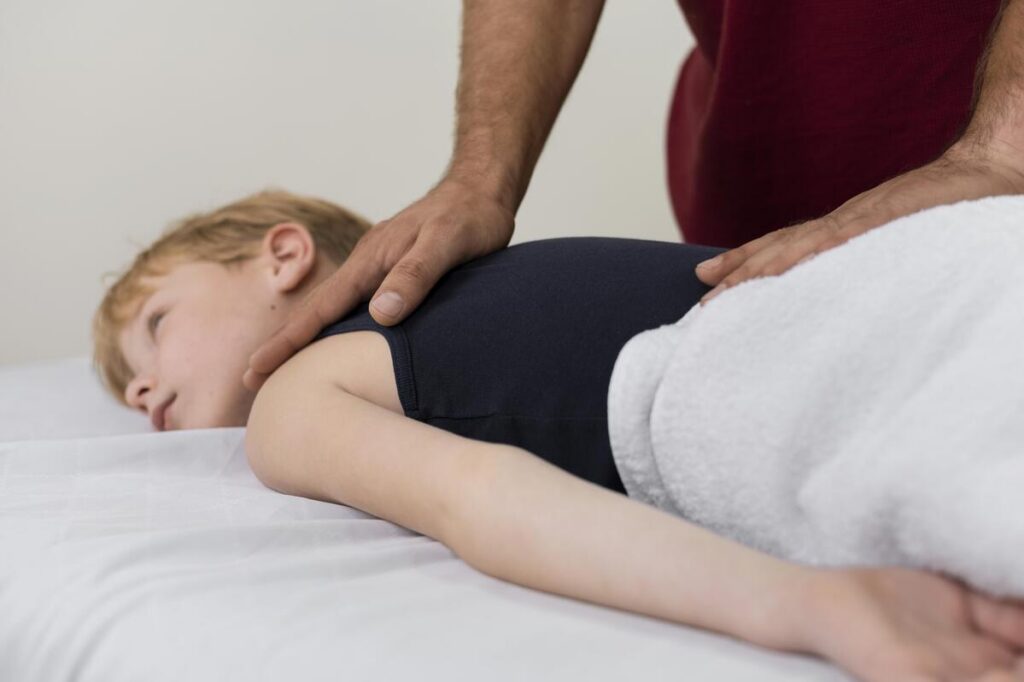

If you’re a parent in Omaha, you’ve probably heard more and more people talking about pediatric chiropractic care. Maybe a friend mentioned it, or your child’s coach brought it up, or you’ve simply been searching for gentle, drug-free ways to support your child’s health and development. Whatever brought you here, you’re asking the right questions — and that’s exactly what we want to help with. At Powers Chiropractic in Omaha, NE, we work with families every day, and one of the most common things we hear from parents is, “I didn’t even know kids could see a chiropractor.” The truth is, pediatric chiropractic care is a well-established, safe, and thoughtful approach to supporting children as they grow, and understanding it can help you make the most informed decisions for your family.
What Is Pediatric Chiropractic Care?
Pediatric chiropractic care refers to chiropractic evaluation and treatment that is specifically adapted for infants, children, and adolescents. Rather than applying adult techniques, pediatric chiropractic uses gentle, age-appropriate adjustments to assess and support the spine and nervous system during a child’s development. The goal is not to treat disease, but to identify and address areas of spinal stress or dysfunction that may interfere with the body’s natural ability to function well.
Why Children See Chiropractors
Most people associate chiropractic care with adults dealing with back pain or neck stiffness. But children’s spines go through an enormous amount of stress and change from the very beginning of life. The birthing process itself — whether vaginal or via cesarean section — can place significant mechanical forces on a newborn’s delicate spine and neck. As children grow, they learn to hold their head up, crawl, walk, run, and eventually carry heavy backpacks and spend hours hunched over screens. Each of these stages introduces new physical demands on a developing musculoskeletal system.
Here in Omaha, many parents bring their children to Powers Chiropractic for a wide variety of reasons. Some are parents of infants who are struggling with feeding difficulties, fussiness, or head tilting — issues that may sometimes be related to tension in the neck and upper spine. Others come in with school-age children who are experiencing headaches, poor posture, growing pains, or discomfort from sports. And some families simply want a proactive wellness check to make sure their child’s spine is developing normally.
It’s important to understand that chiropractic care does not claim to cure any disease or condition. What it does is evaluate the spine and nervous system for areas of dysfunction — often called subluxations — and gently address them to support the body’s natural function. The nervous system controls and coordinates every system in the body, so ensuring the spine is moving and functioning well during development is a reasonable and thoughtful goal for growing children.

What to Expect During a Pediatric Chiropractic Visit
One of the biggest concerns parents have before their child’s first visit is simply not knowing what to expect. Will it hurt? Is it the same as an adult adjustment? Will my child be scared? These are completely understandable questions, and we love answering them.
When you bring your child to Powers Chiropractic in Omaha, Dr. Cory Powers will begin with a thorough health history and consultation. This conversation is an important part of the process — understanding your child’s birth history, developmental milestones, any falls or injuries, sleep habits, and current concerns helps Dr. Powers build a complete picture of your child’s health. There’s no guessing. There’s a thoughtful, individualized evaluation that takes your child’s age, size, and unique needs into account.
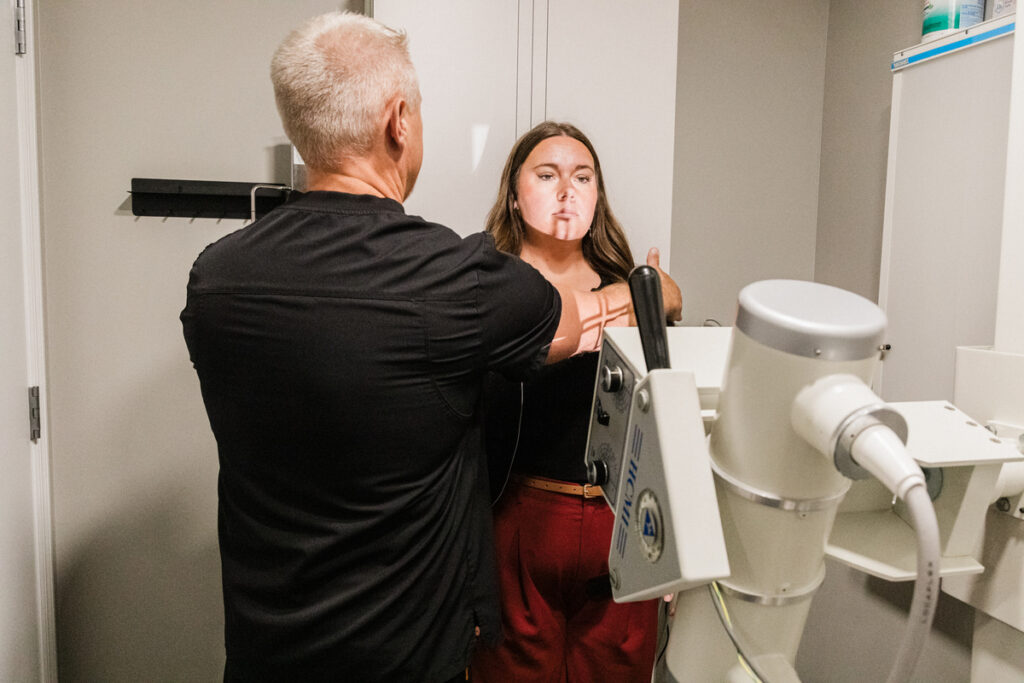
The physical examination for a child is gentle and non-invasive. Dr. Cory Powers will assess spinal alignment, range of motion, posture, and neurological function in ways that are appropriate for the child’s age. For infants, this might look like a light hands-on assessment while the baby rests in a parent’s arms. For older children, it may involve simple posture checks and range of motion tests that feel more like a regular checkup than anything intimidating.
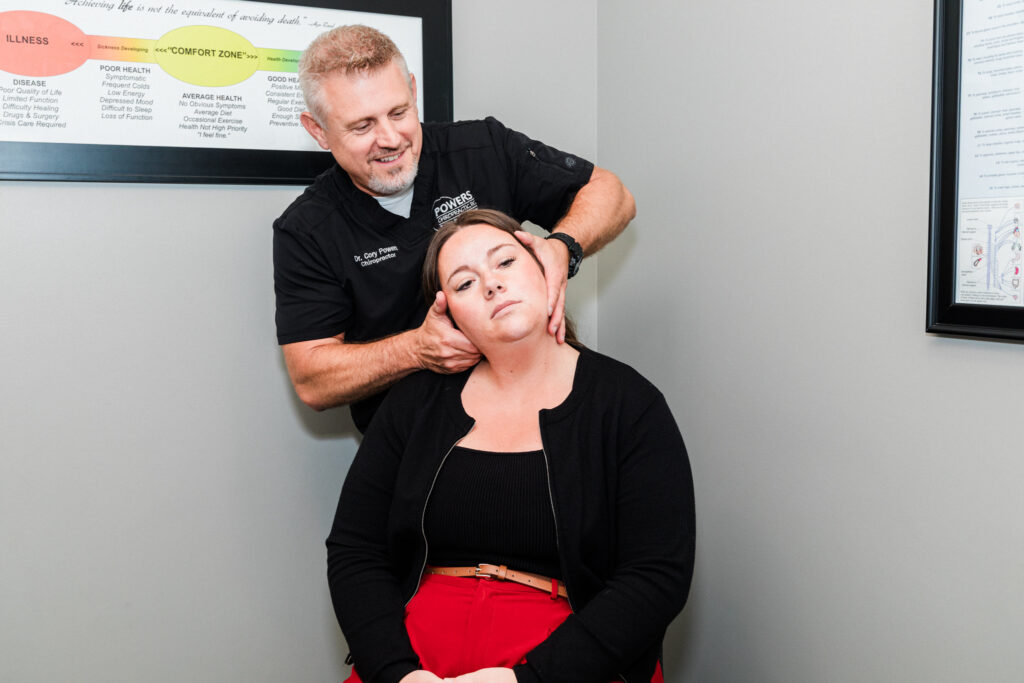
When adjustments are appropriate, they look very different from adult chiropractic care. For infants and young children, the pressure used is extremely light — often described as similar to the gentle pressure you might use to test the ripeness of a tomato. There are no forceful manipulations for young children. Techniques are tailored entirely to the child’s developmental stage. Many children actually enjoy their visits and feel relaxed afterward.
Common Concerns Parents Have (and What the Evidence Says)
It’s natural to approach any healthcare decision for your child with a healthy degree of skepticism. Here are some of the concerns we hear most often at Powers Chiropractic, along with an honest, evidence-informed perspective.
Is pediatric chiropractic safe? Research published in reputable journals, including work cited by the International Chiropractic Pediatric Association, suggests that when performed by a trained and experienced chiropractor, pediatric chiropractic care has a strong safety profile. Serious adverse events are considered very rare. The techniques used for children are far gentler than those used for adults, and a skilled chiropractor always adjusts technique to the individual child.
Is there evidence that it helps? The evidence base for pediatric chiropractic continues to grow, though it is still an evolving field. Research suggests that chiropractic care may offer benefit for musculoskeletal issues in children and adolescents, including neck and back discomfort, sports-related strains, and postural concerns. Evidence in other areas — such as colic or ear infections — is more limited and mixed, and it would be irresponsible to make broad claims. What we can say is that chiropractic care offers a gentle, non-invasive option worth exploring in consultation with your child’s full healthcare team.
Should chiropractic replace my child’s pediatrician? Absolutely not, and Dr. Cory Powers would be the first to say so. Chiropractic care is meant to complement — not replace — your child’s primary medical care. We work collaboratively within the broader healthcare community here in Omaha, and if we ever see something that warrants a referral or a second opinion from another provider, we will tell you directly.
How Chiropractic Care Fits Into Your Child’s Wellness
Think of pediatric chiropractic care as a piece of a larger wellness puzzle. Just as you take your child to the dentist to support healthy teeth even when nothing hurts, chiropractic checkups can be a proactive way to monitor spinal health and catch developing issues before they become bigger problems.
The spine houses and protects the spinal cord, which is the major pathway of the nervous system. The nervous system, in turn, coordinates everything from movement and reflexes to digestion and immune function. When the spine is developing normally and moving well, the nervous system can communicate efficiently throughout the body. When there is tension, restriction, or misalignment — even without pain — that communication can be subtly affected. Addressing these areas early, during the years when a child is growing rapidly, may help set a stronger foundation for lifelong health and function.
At Powers Chiropractic in Omaha, Dr. Cory Powers takes a whole-body, holistic approach. That means conversations about nutrition, sleep, activity levels, screen time posture, and backpack habits are all part of the discussion. Chiropractic care doesn’t happen in a vacuum — it’s woven into an overall commitment to helping your child thrive.
Practical Tips for Parents Supporting Spinal Health at Home
As a parent, there are meaningful things you can do every day to support your child’s spinal and postural health. These aren’t complicated — they’re simple habits that make a real difference over time.
Backpack weight is one of the most overlooked factors in childhood spinal health. A child’s backpack should generally not exceed 10–15% of their body weight. Encourage your child to use both shoulder straps and to wear the pack close to their body. A heavy, poorly fitting backpack worn day after day places significant stress on a developing spine.
Screen time posture deserves serious attention, especially here in Omaha where so many kids are doing remote learning, gaming, and spending hours on tablets and phones. Encourage your child to hold devices at eye level rather than looking down, take regular movement breaks, and avoid lying on their stomach while using a screen — a position that puts a lot of strain on the neck and upper back.
Active play and movement are among the best things for a child’s musculoskeletal development. Running, climbing, swimming, and general outdoor play help build strong muscles, healthy joints, and good coordination. A sedentary lifestyle — something we’re seeing more and more in children — increases the risk of postural problems and musculoskeletal discomfort at younger ages than ever before.
Sleep position and pillow support also matter. Children should sleep on a supportive mattress with a pillow appropriate for their size. Stomach sleeping is generally the least favorable position for spinal alignment, particularly for the neck. If your child consistently wakes up with a stiff neck or complains of morning headaches, it may be worth evaluating their sleep setup.

When to See a Pediatric Chiropractor in Omaha
There is no single “right” age or trigger for bringing your child to a chiropractor. Some parents choose to have their newborn evaluated shortly after birth. Others wait until a specific concern arises, such as chronic headaches in a teenager or a sports injury in a young athlete. Both approaches are valid, and the team at Powers Chiropractic in Omaha is here to guide you regardless of where you’re starting.
That said, there are certain signs and situations that make a chiropractic evaluation especially worth considering. Persistent neck stiffness or head tilting in an infant, recurring headaches that aren’t explained by other causes, back or neck pain after a sports injury, poor posture that’s worsening over time, complaints of pain or discomfort following a fall or accident, and difficulty with certain movements are all reasonable reasons to schedule a visit with Dr. Cory Powers.
It’s equally important to know when chiropractic care is not the right first step. If your child has experienced significant trauma, shows neurological symptoms such as weakness, numbness, or coordination problems, or has a fever alongside spinal pain, those situations warrant immediate evaluation by a medical doctor or emergency care provider. Dr. Cory Powers is committed to making appropriate referrals and will always prioritize your child’s safety above all else.
|
Situation |
Chiropractic Appropriate? |
Notes |
|---|---|---|
|
Infant with head tilt or neck stiffness |
Often yes, with gentle evaluation |
Rule out medical causes first; coordinate with pediatrician |
|
Child with recurring headaches |
Yes, worth evaluating |
Cervicogenic headaches may respond to chiropractic care |
|
Sports injury (mild strain/sprain) |
Yes, conservative care is a good first step |
Imaging may be recommended to rule out fracture |
|
Postural concerns / rounded shoulders |
Yes, excellent time to intervene |
Lifestyle and ergonomic coaching included |
|
Growing pains in legs |
Possibly, depending on evaluation |
Rule out other causes; may benefit from musculoskeletal assessment |
|
Neurological symptoms (numbness, weakness) |
Refer to medical provider first |
Needs medical workup before chiropractic care |
|
Fever with back pain |
No — seek medical care immediately |
May indicate infection or other medical condition |
Myths vs. Facts About Pediatric Chiropractic Care
Myth: Chiropractic adjustments are too rough for children.
Fact: Pediatric chiropractic adjustments are entirely different from adult adjustments. The force used for infants and young children is extremely light — no cracking, no forceful manipulation. Techniques are always adapted to the child’s age, size, and health status. Most children tolerate adjustments very well and often find them relaxing.
Myth: Children don’t need chiropractic care because they’re young and resilient.
Fact: Youth and resilience don’t make children immune to spinal stress. The physical demands of birth, learning to walk, falls during play, sports, and hours of screen time all place real mechanical stress on developing spines. Catching and addressing minor imbalances early is far easier than correcting long-standing problems later in life.
Myth: Pediatric chiropractic is only for children with serious problems.
Fact: Many families choose pediatric chiropractic as part of a proactive wellness routine, not just crisis care. Just as you don’t wait for tooth decay to visit the dentist, regular spinal checkups can help identify and address minor issues before they become significant concerns. Wellness-based chiropractic care is a growing and valid approach to family health.
Myth: If my child doesn’t complain of pain, their spine is fine.
Fact: Pain is often a late indicator of a problem, not an early one. Children may not recognize or communicate spinal discomfort clearly, and many postural or alignment issues develop silently over time. A professional evaluation by a trained chiropractor like Dr. Cory Powers can identify things that aren’t yet causing noticeable symptoms but may benefit from attention.
Myth: Chiropractic care can cure my child’s ear infections or colic.
Fact: Chiropractic care does not cure disease. While some parents report that their children seem more comfortable after chiropractic care during periods of colic or ear infection, the evidence in these areas is limited and mixed. We will never promise outcomes we cannot guarantee, and we always encourage coordination with your child’s pediatrician for medical conditions.
Final Thoughts from Powers Chiropractic in Omaha
Parenting is full of big decisions, and choosing healthcare for your child is one of the most personal ones you’ll make. At Powers Chiropractic in Omaha, NE, our goal has never been to pressure families or make promises we can’t keep. It’s to offer honest, compassionate, evidence-informed care that genuinely supports your child’s wellbeing.
Dr. Cory Powers has worked with children and families throughout the Omaha community and understands that every child is different. Whether you’re a parent of a newborn wondering if a chiropractic check is worthwhile, or a parent of a teenager dealing with chronic headaches from too many hours at a desk, we’re here to listen, evaluate, and help you make the best decision for your family — without pressure and without guesswork.
If you have questions about pediatric chiropractic care, we genuinely encourage you to reach out to us at Powers Chiropractic. You deserve clear answers and a practitioner who treats your child with the same care they would give their own. We’re proud to serve the families of Omaha, and we look forward to being a trusted part of your child’s health journey.
Frequently Asked Questions
At what age can a child start seeing a chiropractor?
Children can be evaluated by a chiropractor at any age, including as newborns. Of course, techniques used for infants are dramatically different from those used for older children or adults — they are extremely gentle and specifically adapted for a baby’s delicate structure. Many parents choose to have their newborn evaluated after birth, while others wait until specific concerns arise. Dr. Cory Powers will tailor every evaluation and approach to your child’s age and developmental stage.
Will my child’s adjustment be painful?
For most children, chiropractic adjustments are not painful. The techniques used for children involve very light, controlled pressure — nothing like the more forceful adjustments sometimes used for adults. Many children are relaxed, comfortable, or even playful during their visits. If a child does experience any discomfort, it is typically very brief, and Dr. Cory Powers always adjusts the approach based on the child’s comfort level.
Do I need a referral from my pediatrician to bring my child to a chiropractor?
In most cases, you do not need a referral to schedule a visit at Powers Chiropractic in Omaha. Parents can contact our office directly to set up an initial consultation. That said, we always encourage open communication with your child’s pediatrician, as collaborative care generally leads to the best outcomes for your child.
How many visits will my child need?
There is no one-size-fits-all answer, because every child is different. After the initial evaluation, Dr. Cory Powers will discuss findings with you and make recommendations based on your child’s specific needs. Some children benefit from a short series of visits to address a particular concern, while others are seen periodically as part of ongoing wellness care. You will never be pushed into a care plan that doesn’t feel right for your family.
Is pediatric chiropractic care safe?
Research and clinical experience both support a strong safety profile for pediatric chiropractic care when performed by a trained, experienced practitioner. Serious adverse events are considered very rare. The techniques used for children are gentle, non-invasive, and adapted to each child’s age and condition. As with any healthcare decision, it’s always wise to choose a qualified and experienced provider.
Can chiropractic care help with my child’s sports injuries?
Yes, chiropractic care can be a valuable part of managing and recovering from minor sports-related musculoskeletal injuries in children, such as sprains, strains, and postural imbalances that develop from training. Dr. Cory Powers will conduct a thorough evaluation and, when necessary, recommend imaging or referral to ensure nothing more serious is missed. Chiropractic offers a conservative, drug-free approach that is often a sensible first step for many sports-related concerns.
TL;DR — Key Takeaways
-
Pediatric chiropractic care is a gentle, age-appropriate approach to supporting spinal and nervous system health in children from infancy through adolescence.
-
Techniques used for children are far gentler than adult adjustments and are always tailored to the child’s size, age, and health status.
-
Dr. Cory Powers at Powers Chiropractic in Omaha evaluates each child individually and coordinates care with your child’s existing healthcare team.
-
Common reasons parents seek pediatric chiropractic care include postural concerns, headaches, sports injuries, and general wellness monitoring — not just pain relief.
-
Chiropractic care complements but does not replace your child’s pediatrician, and red flags such as neurological symptoms or fever with back pain should always be evaluated by a medical provider first.