
If you’ve been dealing with back pain, you’ve probably wondered whether chiropractic care is actually worth it — and more importantly, whether it’s safe. Maybe you’ve tried stretching routines you found online, taken over-the-counter pain relievers, or even gone through a round of physical therapy, only to find that the relief didn’t last as long as you hoped. You’re not alone, and your questions are completely valid. Back pain is one of the most common reasons people miss work, skip family activities, and lose sleep — and finding a solution that’s both safe and effective matters deeply. Here at Powers Chiropractic in Omaha, NE, Dr. Cory Powers hears these questions every single week, and this article is here to give you honest, straightforward answers.
Is chiropractic care safe and effective for back pain? For most people with common back pain conditions, yes — chiropractic care is widely considered a safe, non-invasive, and effective option for managing and relieving back pain. It is recognized by major health organizations as a first-line conservative treatment, meaning it’s often recommended before considering surgery or long-term medication use.
What Is Chiropractic Care, Really?
A lot of people have a vague idea of what a chiropractor does — they’ve heard about “getting adjusted” or maybe they picture someone getting their back cracked. But chiropractic care is much more than that, and understanding what it actually involves can help ease any anxiety you might have about trying it.
Chiropractic care is a form of conservative, hands-on healthcare that focuses on the relationship between your spine, your nervous system, and the overall function of your body. Chiropractors are trained to identify areas where joints — particularly in the spine — may be restricted in movement or misaligned in a way that causes pain, muscle tension, or dysfunction. These areas are often referred to as “subluxations” or joint restrictions, and they can affect not only how you feel, but how well your body moves and heals.
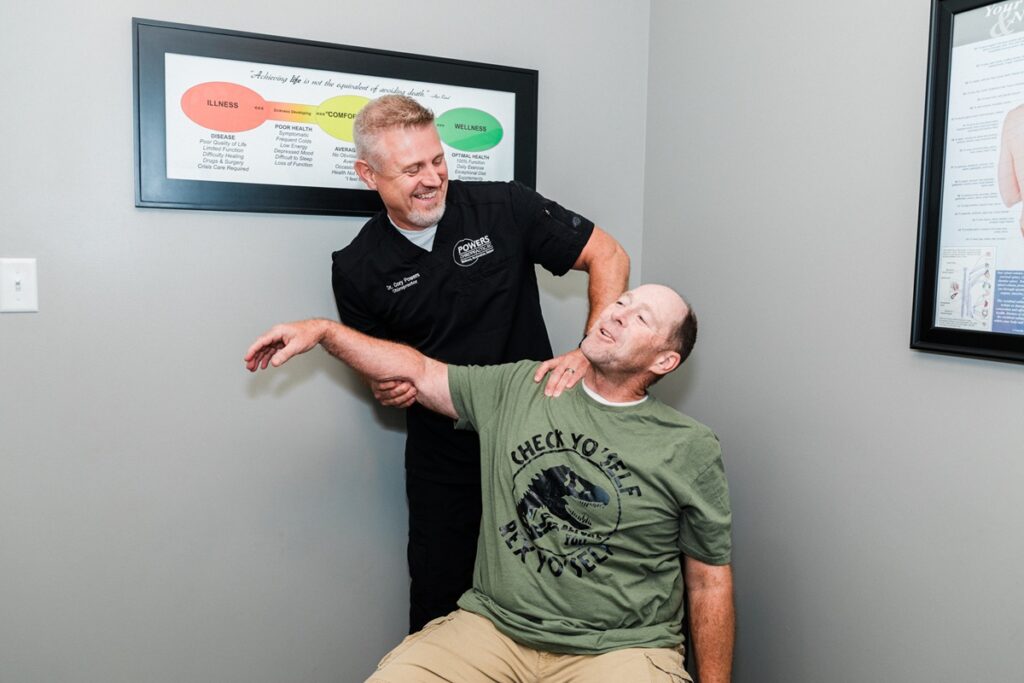
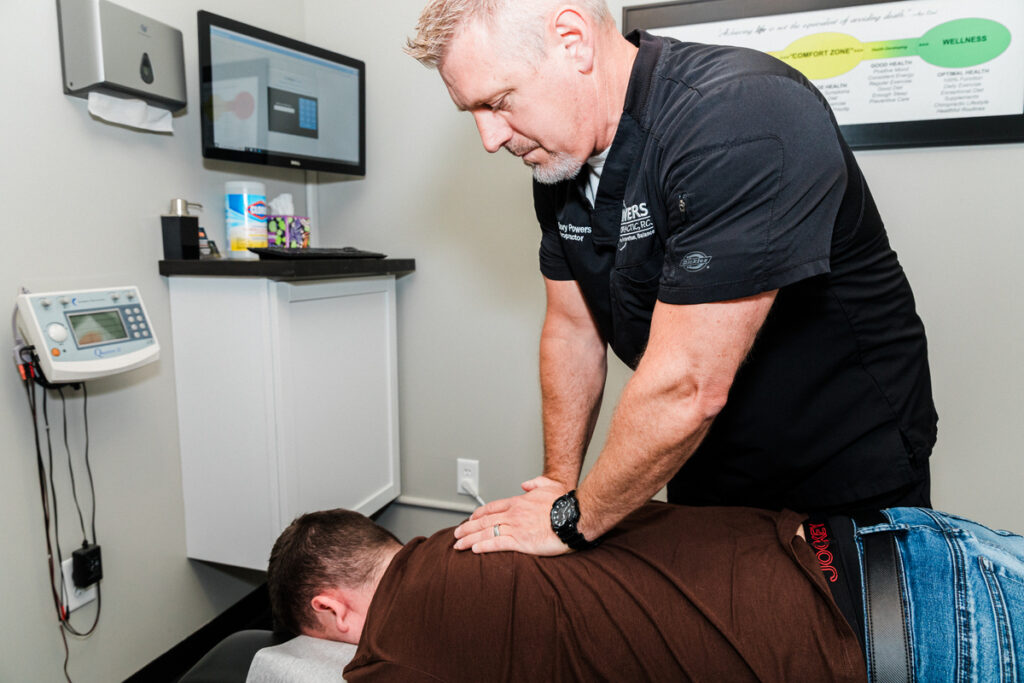
The core technique chiropractors use is called a spinal adjustment (or spinal manipulation). This involves applying a precise, controlled force to a specific joint to restore normal movement, reduce nerve irritation, and relieve pain. In many cases, you’ll hear a popping sound during an adjustment — that’s simply gas being released from the joint, much like the sound you get when you crack your knuckles. It’s harmless, and for most people, it actually comes with an immediate sense of relief.
Beyond adjustments, a chiropractor like Dr. Cory Powers may also incorporate soft tissue work, therapeutic exercises, posture guidance, and lifestyle recommendations into your care plan. The goal is never just to mask your symptoms — it’s to find the root cause of your discomfort and address it in a way that supports your long-term health.
Common Causes of Back Pain Chiropractic Can Help With
Back pain isn’t one-size-fits-all. It can come on suddenly after lifting something heavy, or it can build gradually over months of sitting at a desk. Understanding what’s behind your pain helps determine whether chiropractic care is the right fit for you.
Some of the most common back pain conditions that respond well to chiropractic care include muscle strains and ligament sprains, which are typically caused by overexertion, awkward movements, or poor posture. These are incredibly common — and they’re often very treatable without medication or surgery.
Mechanical low back pain is another major category. This type of pain originates from the structures of the spine itself: the joints, discs, muscles, and nerves. When spinal joints aren’t moving properly, they can create localized pain, stiffness, and even radiating discomfort down the legs. Herniated or bulging discs are also frequently seen in chiropractic offices. While severe disc herniations may require a team approach, many people find significant relief from chiropractic care when the condition is managed conservatively.
Here in Omaha, many of the patients who walk through the doors at Powers Chiropractic describe back pain that flares up after long hours at a desk, heavy yard work, or simply bending down to pick something up. Postural stress from sedentary lifestyles — something that’s become extremely common in recent years — is one of the leading contributors to the kind of chronic, nagging back pain that chips away at your quality of life over time.
Sacroiliac joint dysfunction is also worth mentioning. The sacroiliac (SI) joints connect your lower spine to your pelvis, and when they’re not moving correctly, they can produce deep, aching pain in the lower back and buttocks. Chiropractic adjustments targeting the SI joints can often bring meaningful relief for this condition.
What the Evidence Says About Chiropractic and Back Pain
You deserve to know what the research actually says — not just what sounds good. The good news is that chiropractic care for back pain has a meaningful body of evidence behind it, and that evidence continues to grow.
The American College of Physicians (ACP) updated its clinical guidelines to recommend spinal manipulation as one of the first-line, non-pharmacologic treatments for both acute and chronic low back pain. This is significant — the ACP is one of the most respected medical organizations in the country, and their recommendation signals broad acceptance of chiropractic care as a legitimate, evidence-based option.
The Cochrane Library — known for producing some of the most rigorous systematic reviews in medicine — has published reviews indicating that spinal manipulative therapy provides meaningful improvements in pain and function for people with low back pain. The evidence suggests outcomes that are comparable to other established treatments like supervised exercise and conventional medical care.
In terms of safety, research consistently shows that chiropractic care — particularly spinal manipulation for back pain — is associated with a very low risk of serious adverse events. Minor, temporary soreness after an adjustment is the most commonly reported side effect, and it typically resolves within a day or two. Serious complications are rare, especially when care is provided by a licensed, trained chiropractor like Dr. Cory Powers.
It’s also worth noting that the World Health Organization (WHO) recognizes chiropractic as a safe and effective conservative care option for musculoskeletal conditions. When trusted global health bodies are on board, that adds meaningful weight to what many patients have already experienced firsthand.
How Chiropractic Care Fits Into Your Back Pain Relief Plan
One of the things that sets chiropractic care apart is its philosophy of treating the whole person — not just the painful spot. At Powers Chiropractic in Omaha, Dr. Cory Powers takes time to truly understand what’s going on with your back, where the pain started, and how it’s affecting your daily life. That kind of personalized attention makes a real difference in outcomes.
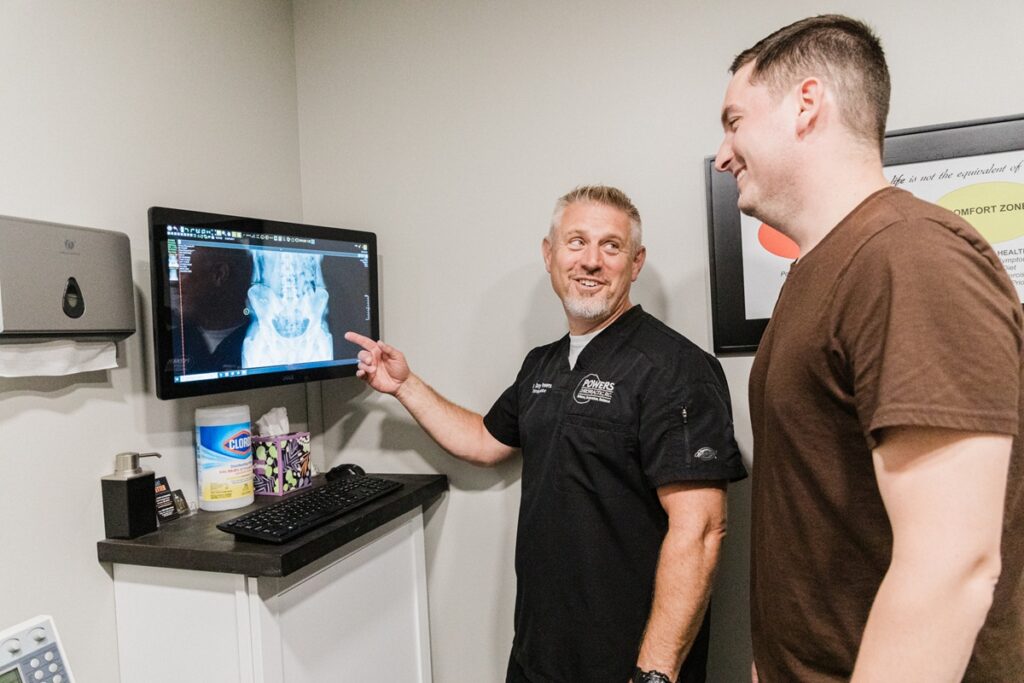
During your first visit, you can expect a thorough health history review and a physical examination that looks at your posture, range of motion, spinal alignment, and muscle function. If imaging like X-rays is needed to better understand what’s happening in your spine, that will be discussed with you clearly. Nothing is done without explanation and consent.

From there, Dr. Cory Powers will work with you to develop an individualized care plan. For some people, this means a short series of adjustments to address an acute flare-up. For others dealing with chronic pain, a longer-term plan that includes adjustments, supportive therapies, and home care recommendations makes more sense. The plan is always tailored to you — your condition, your goals, and your life.
Chiropractic care works beautifully alongside other conservative approaches. Many patients find that combining chiropractic adjustments with improved sleep habits, gentle movement, and ergonomic changes at work accelerates their progress and helps prevent the pain from coming back.
Practical Tips for Supporting Your Back Health at Home
Chiropractic care works best when it’s supported by healthy daily habits. Here are some gentle, realistic recommendations that Dr. Cory Powers often shares with patients in Omaha who are working through back pain.
Movement is medicine. One of the most important things you can do for your back is to avoid staying in one position for too long. If you work at a desk, make a habit of standing up and moving briefly every 30 to 45 minutes. Even a short walk down the hallway can make a meaningful difference in how your back feels by the end of the day.
Pay attention to your sleep position. Sleeping on your side with a pillow between your knees is often the most supportive position for the lower back. If you prefer sleeping on your back, a pillow under your knees can help reduce strain on the lumbar spine. Avoid sleeping on your stomach if you can — it tends to put unnecessary stress on the neck and lower back.
Be mindful of how you lift. Bending at the knees, keeping the object close to your body, and avoiding twisting while lifting are all simple habits that protect your spine from unnecessary strain. It sounds basic, but so many back injuries happen during everyday lifting tasks that people don’t think twice about.
Hydration matters more than most people realize. The discs in your spine are made up largely of water, and staying well hydrated throughout the day helps keep them healthy and resilient. It’s a small habit with a real impact over time.
When to See a Chiropractor for Back Pain
If your back pain has lasted more than a few days without improvement, or if it keeps coming back, that’s a good sign it’s worth having a professional take a look. Chiropractic care is particularly well-suited for back pain that limits your movement, affects your sleep, or keeps you from doing the activities you enjoy.
You don’t have to be in severe pain to see a chiropractor. In fact, many people find that addressing back discomfort early — before it becomes a chronic problem — leads to faster recovery and fewer recurrences. Think of it like seeing your dentist before a cavity becomes a root canal. Early, proactive care saves you a lot of trouble down the road.
That said, there are situations where back pain warrants immediate medical attention rather than chiropractic care. If your pain follows a significant trauma like a car accident or a fall, if you’re experiencing loss of bladder or bowel control, if you have numbness or weakness in both legs, or if the pain is accompanied by unexplained fever or weight loss, please go to an emergency room or contact your medical doctor right away. These may be signs of something more serious that needs urgent evaluation. A good chiropractor will always refer you out when the situation calls for it — and at Powers Chiropractic, your safety always comes first.
Chiropractic vs. Other Common Back Pain Treatments
|
Treatment Option |
Invasive? |
Addresses Root Cause? |
Common Side Effects |
Evidence for Back Pain? |
|---|---|---|---|---|
|
Chiropractic Care |
No |
Yes — focuses on spinal function and mechanics |
Mild, temporary soreness |
Yes — supported by ACP, Cochrane, and others |
|
Over-the-Counter Pain Medication |
No |
No — manages symptoms only |
GI upset, potential long-term organ stress |
Short-term relief; does not address cause |
|
Prescription Opioids |
No |
No — pain suppression only |
Dependence risk, drowsiness, constipation |
Limited for chronic back pain; significant risks |
|
Physical Therapy |
No |
Partially — strengthening and movement-based |
Temporary muscle soreness |
Yes — effective, works well alongside chiropractic |
|
Spinal Surgery |
Yes — significantly |
Depends on condition |
Surgical risks, recovery time, possible complications |
Reserved for cases where conservative care has failed |
Myths vs. Facts About Chiropractic Care
Myth: Chiropractic adjustments are dangerous.
Fact: Research consistently shows that chiropractic care — particularly for back pain — carries a very low risk of serious adverse events. Minor temporary soreness is the most common reaction. When performed by a licensed chiropractor like Dr. Cory Powers, spinal adjustments are considered safe for the vast majority of patients with back pain.
Myth: Once you start going to a chiropractor, you’ll have to go forever.
Fact: This is one of the most common misconceptions out there. The length and frequency of care depends entirely on your condition and your goals. Some people come in for a few visits to address an acute problem and are done. Others choose to continue with periodic wellness visits — much like seeing a dentist for cleanings — because they value maintaining their spinal health long term. That choice is always yours.
Myth: Chiropractic care is just for back and neck pain.
Fact: While back and neck pain are the most common reasons people seek chiropractic care, the scope of what chiropractors address is broader. Joint pain in the hips, shoulders, and knees, as well as tension headaches and postural issues, are frequently treated with great success. The spine-centered approach also supports overall nervous system function, which can have wide-ranging benefits for how you feel day to day.
Myth: Chiropractic adjustments hurt.
Fact: Most people are pleasantly surprised by how comfortable chiropractic adjustments actually are. Many patients report feeling immediate relief after an adjustment. There can be some mild muscle soreness afterward — similar to how you might feel after a workout — but the adjustment itself is generally not painful. Dr. Cory Powers and the team at Powers Chiropractic always work gently and within your comfort level.
Myth: You should just rest and wait for back pain to go away on its own.
Fact: While some mild back pain does resolve on its own with rest, chronic or recurring back pain rarely improves without addressing the underlying cause. Extended bed rest can actually make certain back conditions worse by weakening the supporting muscles. Getting a professional evaluation sooner rather than later leads to better outcomes and helps prevent short-term pain from becoming a long-term problem.
Final Thoughts from Powers Chiropractic in Omaha
Living with back pain can feel discouraging — especially when you’ve already tried other things and haven’t found the lasting relief you were looking for. But here at Powers Chiropractic in Omaha, NE, we believe that most people don’t have to just live with it. Your body has an incredible ability to heal when it’s given the right support, and chiropractic care is one of the most powerful natural tools available to help it do exactly that.
Dr. Cory Powers is genuinely passionate about helping Omaha families get back to doing what they love — whether that’s keeping up with grandkids, sleeping through the night without pain, or simply getting through a workday without that familiar ache in your lower back. The approach at Powers Chiropractic goes beyond temporary symptom management to find and address the root cause of what’s bothering you, so the relief you feel actually lasts.
If you’ve been wondering whether chiropractic care might be right for you, the best first step is a conversation. You deserve clear answers, a caring environment, and a plan that fits your life. We’d love to be part of your journey back to health — naturally, gently, and with your long-term wellbeing in mind.
Frequently Asked Questions
How many chiropractic visits does it take to feel relief from back pain?
This varies from person to person depending on the severity and duration of the condition. Some people notice improvement after just one or two visits, while others with more chronic issues may need several weeks of care before experiencing significant changes. Dr. Cory Powers will give you a realistic, personalized timeline during your initial evaluation.
Is chiropractic care safe for older adults with back pain?
Yes, chiropractic care can be very appropriate for older adults, and techniques are always adapted to suit the individual’s age, health status, and comfort level. Gentle, low-force approaches are commonly used when needed. Many seniors in the Omaha area find chiropractic care to be a valuable part of maintaining their mobility and independence.
Can chiropractic care help with a herniated disc?
In many cases, yes. Chiropractic care is often effective as part of a conservative management plan for herniated discs, helping to reduce nerve irritation and improve function. However, each case is different, and a thorough evaluation is needed to determine whether chiropractic care is appropriate for your specific situation.
Will my back pain come back after chiropractic treatment?
Chiropractic care addresses the root causes of back pain rather than just masking symptoms, which helps reduce the likelihood of recurrence. That said, maintaining good posture habits, staying active, and following through with your chiropractor’s recommendations at home all play an important role in keeping your back healthy long term.
Is it okay to see a chiropractor if I’ve already had back surgery?
In many situations, yes — though this depends on the type of surgery, when it occurred, and your current condition. It’s important to share your full surgical history with Dr. Cory Powers so he can evaluate your situation carefully and determine the safest, most appropriate approach for your care.
How is chiropractic different from physical therapy for back pain?
Both are conservative, non-invasive approaches that can be very effective for back pain, and they work well together. Chiropractic care focuses primarily on restoring proper joint movement and spinal alignment through hands-on adjustments, while physical therapy tends to emphasize strengthening and movement rehabilitation. Many patients benefit from incorporating both into their care plan.
TL;DR — Key Takeaways
-
Chiropractic care is widely considered a safe, effective, non-invasive first-line treatment for most types of back pain, supported by organizations like the American College of Physicians and the Cochrane Library.
-
Common causes of back pain — including muscle strains, mechanical low back pain, disc issues, and SI joint dysfunction — can often be effectively addressed through chiropractic adjustments and supportive care.
-
The most common side effect of chiropractic treatment is mild, temporary soreness. Serious complications are rare when care is provided by a licensed chiropractor.
-
Simple daily habits like moving regularly, sleeping in a supportive position, and staying hydrated can meaningfully support your back health between visits.
-
If your back pain has lasted more than a few days, keeps coming back, or is limiting your daily activities, it’s worth consulting with a chiropractor — and Powers Chiropractic in Omaha, NE is here to help.