Top Causes for Neck Pain Issues
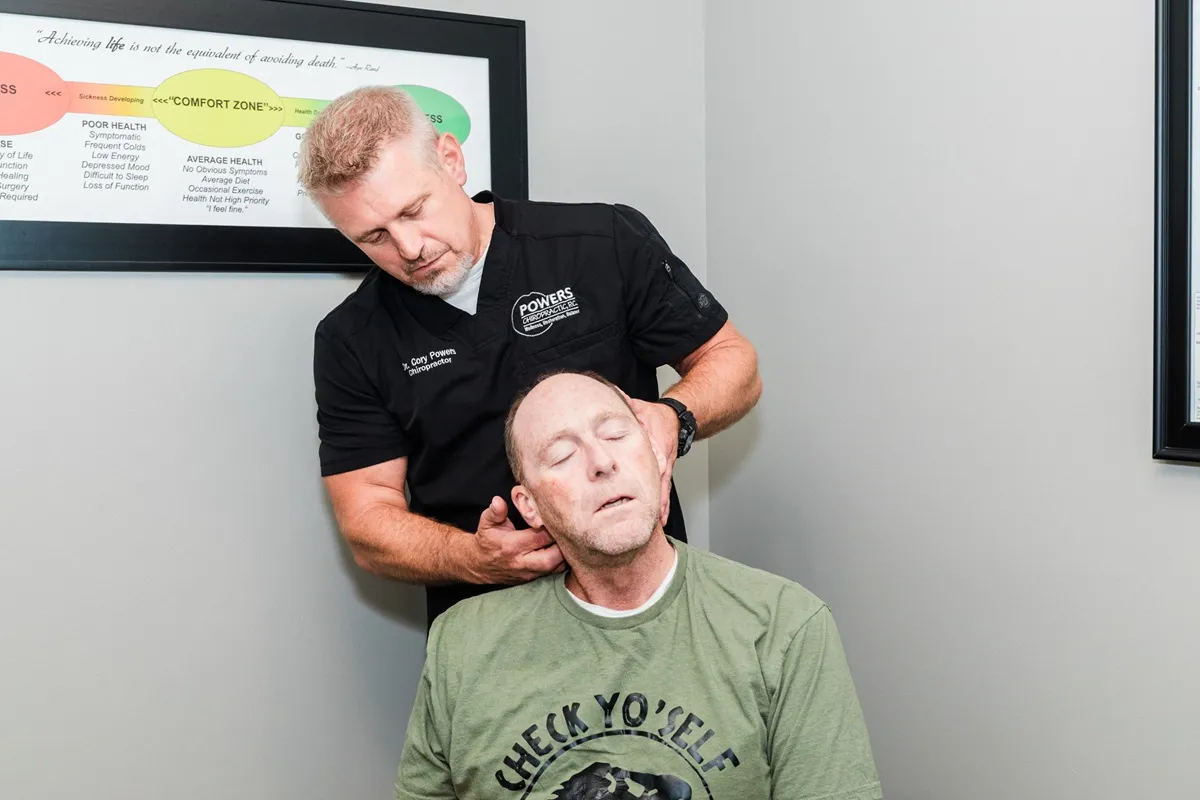
Neck pain is one of those things that can sneak up on you. One day you wake up and simply can’t turn your head without that familiar ache, stiffness, or sharp pull that stops you in your tracks. If you’ve been dealing with this, you’re not alone — neck pain is one of the most common complaints we hear about here at Powers Chiropractic in Omaha, NE. Whether it’s been bothering you for a few days or has been a recurring issue for months or years, understanding why your neck hurts is the first and most important step toward finding real, lasting relief.
Dr. Cory Powers works with patients every week who are frustrated, exhausted, and sometimes a little anxious about their neck pain. The good news? Most neck pain has identifiable, addressable causes — and when you understand what’s driving your discomfort, you’re already ahead of the game. Let’s walk through what neck pain actually is, what causes it, and what you can do about it.
What Exactly Is Neck Pain?
Neck pain is discomfort, stiffness, or soreness in any of the structures that make up the cervical spine — including the vertebrae, muscles, ligaments, discs, and nerves. It can range from a mild, nagging ache to sharp, radiating pain that travels into the shoulders or arms. For some people, it also brings along headaches, reduced range of motion, or a general sense of tension that makes it hard to focus on everyday life.
- What Exactly Is Neck Pain?
- Top Causes for Neck Pain Issues
- The Posture and Technology Connection
- How Chiropractic Care Can Help
- Practical Tips to Protect Your Neck
- When to See a Chiropractor
- Neck Pain: Common Causes at a Glance
- Myths vs. Facts About Neck Pain
- Final Thoughts from Powers Chiropractic
- Frequently Asked Questions
- TL;DR Summary
Top Causes for Neck Pain Issues
Neck pain rarely comes from just one thing. In most cases, it’s a combination of habits, physical stressors, and sometimes structural changes that build up over time. Here are the most common causes Dr. Cory Powers sees in patients throughout the Omaha area.
Muscle Strain and Tension
This is by far the most common culprit. The muscles in your neck work hard all day long, holding up a head that weighs somewhere between 10 and 12 pounds. When those muscles are overworked, held in awkward positions, or never given a chance to fully relax, they become tight, inflamed, and painful. This often shows up as that heavy, aching feeling across the back of the neck and into the upper shoulders.
Muscle strain can come from something as simple as sleeping in a funny position, spending too long at a desk, or carrying a heavy bag on one shoulder. Even emotional stress can cause the neck and shoulder muscles to tighten without you realizing it.
Poor Posture
Posture plays a massive role in neck health, and it’s something Dr. Cory Powers addresses with nearly every patient who walks through the door at Powers Chiropractic. When your head juts forward — a position sometimes called “forward head posture” — the weight your neck has to support increases dramatically. Research suggests that for every inch your head moves forward from its natural position, the effective load on your cervical spine can increase significantly. Over time, this puts chronic stress on the muscles, joints, and discs of your neck.
Herniated or Degenerated Discs
Between each vertebra in your neck sits a soft, cushioning disc that absorbs shock and allows movement. These discs can become compressed, worn down, or herniated over time — especially with age, repetitive strain, or injury. When a disc bulges or degenerates, it can put pressure on nearby nerves, causing pain, numbness, tingling, or weakness that travels down into the arms and hands. This type of neck pain can feel very different from muscle-related pain, often described as sharp, burning, or electric.
Cervical Joint Dysfunction
The joints of the cervical spine — called facet joints — allow your neck to bend and rotate. When these joints become restricted, misaligned, or irritated, they can cause localized pain, stiffness, and reduced range of motion. This is an area where chiropractic care can be particularly helpful, as gentle spinal adjustments are specifically designed to address joint restriction and restore normal movement. Many patients who come to see us at Powers Chiropractic in Omaha find significant relief once these joint restrictions are properly identified and treated.
Injury and Trauma (Including Whiplash)
Traumatic injuries to the neck — particularly whiplash from a car accident — are another frequent cause of neck pain. Whiplash occurs when the head is suddenly forced backward and then forward, stretching and straining the soft tissues of the neck beyond their normal range. Even relatively minor accidents can cause whiplash, and symptoms sometimes don’t appear until a day or two after the event. Without proper care, whiplash injuries can become chronic sources of pain and stiffness.
Nerve Irritation and Cervical Radiculopathy
When a nerve in the cervical spine becomes irritated or compressed — whether from a herniated disc, bone spur, or narrowed spinal canal — it can cause radiating symptoms that extend beyond the neck itself. This condition, known as cervical radiculopathy, can include pain, tingling, numbness, or weakness that travels down one or both arms. It’s one of the reasons why getting a thorough evaluation is so important — not all neck pain stays in the neck.
Lifestyle Factors
Sedentary habits, lack of regular movement, poor sleep positions, dehydration, and even high levels of ongoing stress can all contribute to neck pain. These factors may seem small on their own, but over months and years they can add up in meaningful ways. Many patients in Omaha who visit Powers Chiropractic discover that some fairly simple lifestyle adjustments — combined with chiropractic care — make a noticeable difference in how their neck feels day to day.
The Posture and Technology Connection
It’s worth taking a closer look at the relationship between modern technology and neck pain, because it’s become an increasingly significant issue over the last decade. The term “tech neck” — sometimes called “text neck” — refers to the strain placed on the cervical spine from spending long hours looking down at phones, tablets, and computer screens.
When you look down at your phone, your neck bends forward. That forward bend increases the mechanical load on your spine considerably. If you’re doing this for hours each day — which many of us are — the cumulative effect is very real. The muscles in the back of the neck have to work overtime to hold that position, eventually leading to chronic tightness, fatigue, and pain.
This is something Dr. Cory Powers sees regularly here in Omaha, and it’s not just affecting adults. Parents are often surprised to learn that teenagers and even younger children can develop neck issues related to screen time and device use. Building better habits around screen posture can go a long way toward preventing problems down the road.
How Chiropractic Care Can Help
Chiropractic care takes a natural, non-invasive approach to neck pain that focuses on identifying and addressing the root cause — not just managing symptoms. At Powers Chiropractic in Omaha, Dr. Cory Powers takes the time to understand each patient’s history, lifestyle, and specific pattern of pain before recommending any course of care.
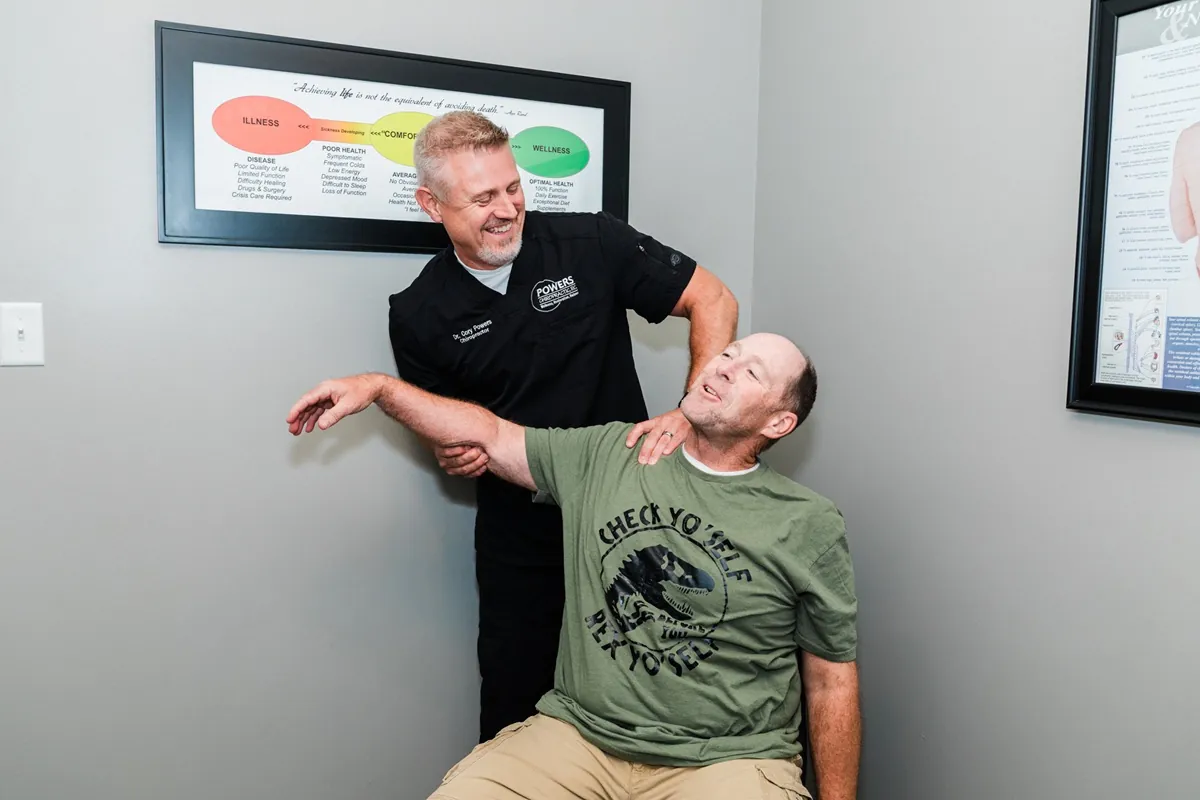
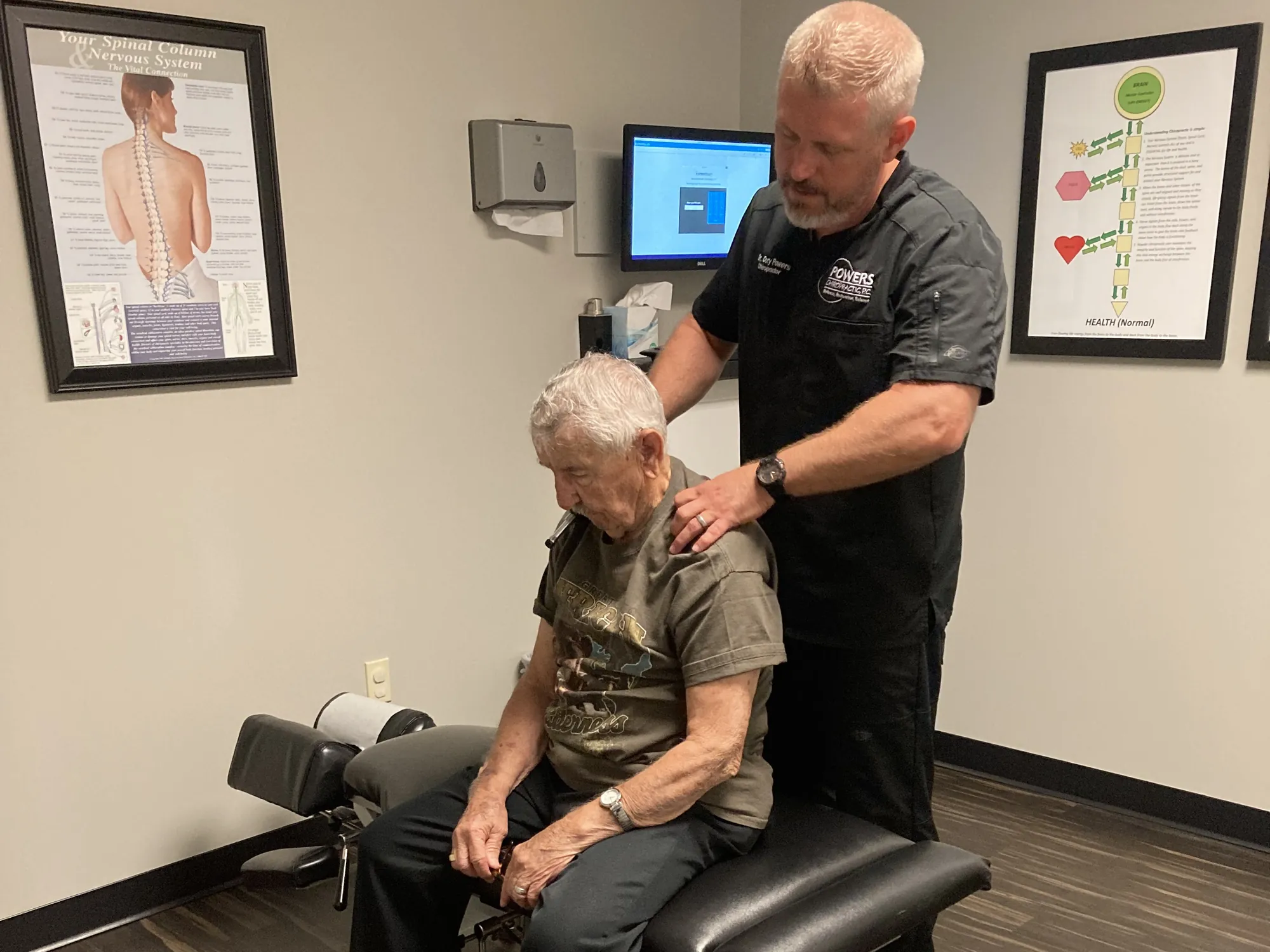
Chiropractic adjustments to the cervical spine are designed to restore proper joint movement, reduce nerve irritation, and help the surrounding muscles relax. When the joints of the neck move the way they’re supposed to, the entire region tends to function better. Evidence from organizations like the National Center for Complementary and Integrative Health (NCCIH) suggests that spinal manipulation can be a helpful option for certain types of neck pain, particularly when combined with other supportive care.
Beyond adjustments, chiropractic care may also include soft tissue therapy, postural correction guidance, stretching recommendations, and ergonomic advice — all tailored to your specific situation. The goal is never just to get you through the day with less pain. The goal is to help your body move, function, and heal the way it’s designed to.
Practical Tips to Protect Your Neck
While professional care is important for persistent or significant pain, there are meaningful things you can do every day to support your neck health. These are recommendations Dr. Cory Powers frequently shares with patients at Powers Chiropractic.
Pay close attention to your workstation setup. If you work at a computer, your screen should be at or just below eye level so you’re not constantly looking down. Your chair should support your lower back, and your shoulders should be relaxed — not hunched up toward your ears. Even small ergonomic improvements can reduce the strain on your neck substantially over the course of a workday.
Be mindful of how you hold your phone. Try to bring your device up toward eye level rather than dropping your head down to look at it. It sounds like a small thing, but it makes a real difference when you’re consistent about it.
Your sleep position matters, too. Sleeping on your stomach places a lot of rotational stress on the cervical spine. If possible, sleeping on your back or side with a supportive pillow that keeps your head in a neutral position is generally better for your neck. A pillow that’s too thick or too flat can both cause problems.
Keep moving throughout the day. If you sit for long periods, make a habit of standing, stretching, and gently moving your neck through its natural range of motion every hour or so. Movement helps maintain circulation and prevents the kind of stiffness that builds up with prolonged static posture.
When to See a Chiropractor
Not every stiff neck needs professional care right away — sometimes a little rest and mindful movement is all that’s needed. But there are clear signs that it’s time to have your neck properly evaluated by a chiropractor.
If your neck pain has lasted more than a week or two without improvement, it’s worth getting checked out. The same applies if your pain is recurring — meaning it goes away for a while and then comes back. Recurrent pain is often a sign that there’s an underlying issue that hasn’t been addressed yet.
If you’re experiencing numbness, tingling, or weakness in your arms or hands along with neck pain, that’s particularly important to have evaluated promptly. These symptoms may indicate nerve involvement that benefits from early, appropriate care.
There are also certain red-flag symptoms that should lead you directly to your medical doctor or emergency care — such as neck pain following a significant trauma or accident, pain accompanied by fever or unexplained weight loss, or severe pain that comes on suddenly without any obvious cause. Dr. Cory Powers and the team at Powers Chiropractic will always refer patients to other healthcare providers when their situation calls for it. Your safety always comes first.
Neck Pain: Common Causes at a Glance
| Cause | Common Triggers | Typical Symptoms | Chiropractic Relevance |
|---|---|---|---|
| Muscle Strain | Poor posture, overuse, sleeping awkwardly, stress | Dull ache, tightness, shoulder tension | High — soft tissue care and adjustments often helpful |
| Forward Head Posture | Screen use, desk work, phone habits | Chronic neck fatigue, headaches, stiffness | High — postural correction is a key focus |
| Disc Herniation / Degeneration | Age, repetitive strain, injury | Sharp or burning pain, radiating arm symptoms | Moderate — evaluation needed to determine approach |
| Cervical Joint Dysfunction | Injury, repetitive movement, misalignment | Stiffness, limited range of motion, localized pain | High — spinal adjustments directly address this |
| Whiplash / Trauma | Car accidents, falls, sports injuries | Pain, stiffness, delayed-onset soreness | High — early conservative care is recommended |
| Cervical Radiculopathy | Nerve compression from disc or bone changes | Numbness, tingling, weakness in arm/hand | Moderate — thorough evaluation is essential |
Myths vs. Facts About Neck Pain
Myth: Neck pain always means something is seriously wrong.
Fact: While neck pain should absolutely be evaluated when it’s persistent or severe, the vast majority of neck pain cases are musculoskeletal in origin — meaning they involve muscles, joints, discs, or nerves rather than serious disease. Most cases respond well to conservative, non-invasive care like chiropractic treatment, and do not require surgery or long-term medication.
Myth: Rest is the best treatment for neck pain.
Fact: Extended bed rest or complete inactivity is generally not recommended for most types of neck pain. In fact, gentle movement is usually encouraged, as it helps maintain circulation, reduce muscle tightening, and support recovery. The key is knowing what kind of movement is appropriate for your specific situation — which is why a professional evaluation is so valuable.
Myth: Cracking your own neck is the same as getting adjusted.
Fact: Self-manipulation of the neck is not the same as a chiropractic adjustment. A trained chiropractor like Dr. Cory Powers assesses the specific joints that need attention and applies a precise, controlled force in a targeted direction. Habitually self-cracking your neck can actually lead to increased joint laxity over time and may mask underlying issues that need proper care.
Myth: Neck pain is just a natural part of getting older.
Fact: While some degenerative changes in the spine are a normal part of aging, chronic pain and significant functional limitation are not inevitable. Many older adults find meaningful relief through chiropractic care and are able to maintain an active, full quality of life well into their later years. Aging doesn’t have to mean accepting pain as normal.
Myth: If the pain goes away on its own, there’s nothing to worry about.
Fact: Pain that disappears without treatment can be deceiving. If the underlying cause — such as joint dysfunction or postural imbalance — hasn’t been addressed, the pain is likely to return. Addressing the root issue is what creates lasting relief rather than a temporary break from symptoms.
Final Thoughts from Powers Chiropractic
Living with neck pain can be genuinely exhausting. It affects your sleep, your concentration, your mood, and your ability to show up fully for the people and activities you care most about. Here in Omaha, we see this every day, and we know how much it means to finally have a path toward real relief.
At Powers Chiropractic, Dr. Cory Powers and our caring team are committed to helping you understand what’s going on with your neck, addressing it at the root level, and supporting your body’s natural ability to heal. We believe you deserve more than a temporary fix — you deserve the kind of care that helps you get back to living freely, moving confidently, and feeling like yourself again.
If neck pain has been holding you back, we’d love to be part of your healing journey. Powers Chiropractic is here for Omaha families who are ready to stop managing pain and start moving past it. Book your appointment today — your neck will thank you.
Frequently Asked Questions
How long does neck pain usually last?
The duration of neck pain depends on its cause and how it’s addressed. Acute neck pain from a strain or awkward sleeping position often improves within a few days to two weeks. Pain that persists beyond a few weeks or keeps coming back may indicate an underlying issue that benefits from professional evaluation and care.
Can a chiropractor help with neck pain from a car accident?
Yes, chiropractic care is commonly used as part of recovery from whiplash and other soft tissue injuries sustained in car accidents. Dr. Cory Powers evaluates each patient’s specific injury and designs a care plan appropriate to their condition. Early conservative care is generally encouraged following these types of injuries.
Is chiropractic care for neck pain safe?
When performed by a licensed, trained chiropractor, cervical spinal manipulation is considered a generally safe approach for appropriate patients. Dr. Cory Powers conducts a thorough assessment before any care is provided to ensure it’s the right fit for your situation. As with any healthcare, your chiropractor will discuss your options and address any concerns you may have.
What does a chiropractic adjustment for neck pain feel like?
Most patients find cervical adjustments to be comfortable and often experience immediate improvement in mobility or a sense of relief following their session. You may hear or feel a gentle popping sensation, which is simply the release of gas from the joint — not bones cracking. Dr. Cory Powers uses a gentle approach tailored to each patient’s needs and comfort level.
Can stress really cause neck pain?
Absolutely. Emotional and psychological stress often manifests physically as muscle tension, particularly in the neck, shoulders, and upper back. When you’re stressed, the muscles in this region tend to tighten and guard, which over time can lead to pain, reduced movement, and even headaches. Addressing both the physical and lifestyle contributors to neck pain is part of a well-rounded approach to care.
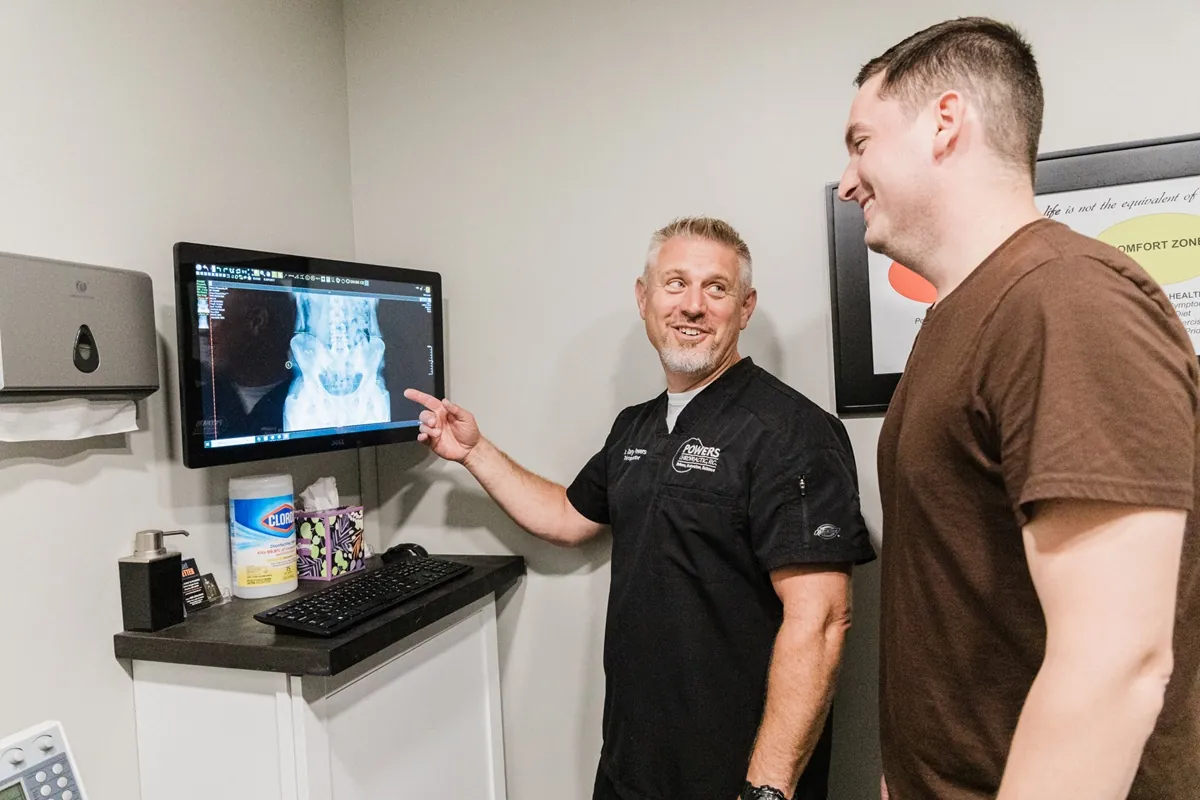
Do I need an X-ray or MRI before seeing a chiropractor?
Not always. Many cases of neck pain can be assessed and effectively managed without imaging. However, if Dr. Cory Powers determines during your evaluation that imaging would provide important information about your condition, a referral for X-rays or other diagnostics may be recommended. Your care plan is always based on what’s most appropriate for your individual situation.
TL;DR Summary
- Neck pain is extremely common and usually has identifiable, treatable causes — including muscle strain, poor posture, disc issues, joint dysfunction, injury, and lifestyle factors.
- Modern technology habits like looking down at phones and screens for extended periods are a growing contributor to neck pain across all age groups.
- Chiropractic care takes a natural, non-invasive approach that focuses on finding and addressing the root cause of your neck pain, not just the symptoms.
- Simple daily habits — like improving your workstation setup, adjusting phone posture, and moving regularly — can meaningfully support your neck health between visits.
- If your neck pain is persistent, recurring, or accompanied by arm symptoms, it’s worth having it properly evaluated — Dr. Cory Powers and the team at Powers Chiropractic in Omaha, NE are here to help.

Chiropractic has been an important part of my life since I was born. I was probably 10 years old when I decided that I would follow in the footsteps of my grandpa and my uncle and be a chiropractor– Growing up in our family, it was understood that a properly functioning spine and nervous system were crucial to the body functioning at it’s best. Chiropractic adjustments were always the first response to injuries or illnesses. Medicine had it’s place, but we understood that sometimes it had it’s limitations. Health comes from inside out and not the other way around.