

Back pain has a way of showing up at the worst possible moments: Right when you were planning to spend the weekend outside with your kids, just as you were getting back into your exercise routine, or smack in the middle of a busy workweek. If you’ve been dealing with persistent discomfort, you’re far from alone. Back pain is one of the most common reasons people visit a healthcare provider, and here in Omaha, it’s something Dr. Cory Powers and the team at Powers Chiropractic see and help address every single day. Understanding the causes of back pain is one of the most powerful steps you can take toward feeling better, because when you understand what’s driving your discomfort, you can finally start doing something meaningful about it.
What Is Back Pain, Exactly?
Back pain refers to discomfort, achiness, stiffness, or sharp sensation anywhere along the spine — from the base of your skull to your tailbone. It can affect the upper back, mid-back, or lower back, and it ranges from a mild, nagging ache to severe pain that limits your ability to move. It may come on suddenly after an injury, or it may develop gradually over months or years.
Common Causes of Back Pain
Back pain isn’t a single condition; it’s a symptom that can have many different underlying causes. That’s exactly why Dr. Cory Powers takes the time to understand the full picture before developing a care plan. Getting to the root cause is what separates lasting relief from temporary fixes. Here are the most well-established contributors to back pain:
Muscle and Ligament Strains
One of the most frequent causes of back pain is a muscle or ligament strain. This can happen from lifting something heavy with poor form, making a sudden awkward movement, or even sleeping in an unusual position. The muscles and connective tissues that support your spine can become overstretched or mildly torn, leading to stiffness, tenderness, and pain that often worsens with movement. Most strains heal well with proper care, but recurring strains can signal an underlying imbalance that needs attention.
Spinal Joint Dysfunction
The spine is made up of individual vertebrae that move in coordination with one another. When one or more of those joints loses its normal range of motion — whether from poor posture, a past injury, or accumulated stress — it can affect the surrounding nerves, muscles, and tissues. This type of dysfunction is something Dr. Cory Powers evaluates carefully, as restoring proper spinal movement is a cornerstone of chiropractic care.
Disc-Related Issues
Between each vertebra sits a cushioning disc that absorbs shock and allows flexibility. Over time or as a result of injury, these discs can bulge or herniate, meaning the soft inner material pushes outward and may press on nearby nerves. This can cause local back pain as well as radiating pain, numbness, or tingling that travels down the leg (a condition commonly called sciatica). Disc issues are more common than many people realize, and they don’t always require surgery to manage effectively.
Degenerative Changes
As we age, the structures of the spine naturally undergo some wear and tear. The discs may lose some of their height and hydration, and the joints may develop changes commonly associated with osteoarthritis. This doesn’t mean pain is inevitable — many people have significant degenerative changes on imaging with little to no symptoms. However, these changes can make the spine more sensitive to stress, poor posture, and overuse.
Postural and Structural Imbalances
Poor posture over many years places uneven loads on the spine. Sitting for long hours, carrying a heavy bag on one shoulder, or consistently standing with your weight shifted to one side all contribute to muscular imbalances that pull the spine out of its ideal alignment. Over time, these patterns can create chronic tension, joint stress, and persistent back pain that feels like it came out of nowhere even though it was quietly building for a long time.
How Your Daily Habits May Be Contributing
Here in Omaha, many patients who come through the doors of Powers Chiropractic are surprised to learn that everyday habits play a significant role in their back pain. It’s not always about one dramatic injury. Sometimes, it’s the accumulation of small, repetitive stressors over time.
Sedentary behavior is a major contributor. When we sit for hours on end without breaks, the muscles that support the lumbar spine become fatigued and weakened. The hip flexors tighten, the glutes become underactive, and the lower back compensates, often painfully. This is incredibly common among office workers, drivers, and anyone who spends most of their day in a chair.
Sleep position also matters more than most people think. Sleeping on your stomach, for example, forces the neck into rotation for hours at a time and can increase lumbar extension in a way that strains the spine. Worn-out mattresses and unsupportive pillows compound the problem. Poor-quality sleep itself, regardless of position, has been associated with increased pain sensitivity, which can make existing back issues feel worse.
Stress is another factor that often gets overlooked. When we’re under chronic stress, our bodies tend to hold tension in the muscles, particularly around the neck, shoulders, and lower back. This persistent muscular guarding can contribute to pain that feels both physical and deeply exhausting at the same time.
Signs and Symptoms Worth Paying Attention To
Back pain presents differently from person to person. Some people describe a dull, persistent ache that makes it hard to sit or stand for long. Others experience sharp, stabbing pain that takes their breath away with certain movements. Some feel stiffness first thing in the morning that loosens up throughout the day, while others find that their pain worsens as the day goes on.
Pain that radiates into the buttocks, down the leg, or even into the foot may suggest nerve involvement, such as sciatica or nerve root compression. Numbness, tingling, or weakness in the legs alongside back pain should always be evaluated promptly. These symptoms don’t automatically mean something catastrophic is happening, but they do mean it’s time to get a professional assessment.
Back pain accompanied by fever, unexplained weight loss, bladder or bowel changes, or pain that is severe and unrelenting (especially at night) should be evaluated by a medical doctor right away, as these can be indicators of more serious conditions that fall outside the scope of chiropractic care.
How Chiropractic Care Fits Into Your Recovery
Chiropractic care offers a natural, non-invasive approach to addressing many of the most common causes of back pain. At Powers Chiropractic in Omaha, Dr. Cory Powers focuses on identifying and treating the root cause of your discomfort — not just covering up the symptoms.
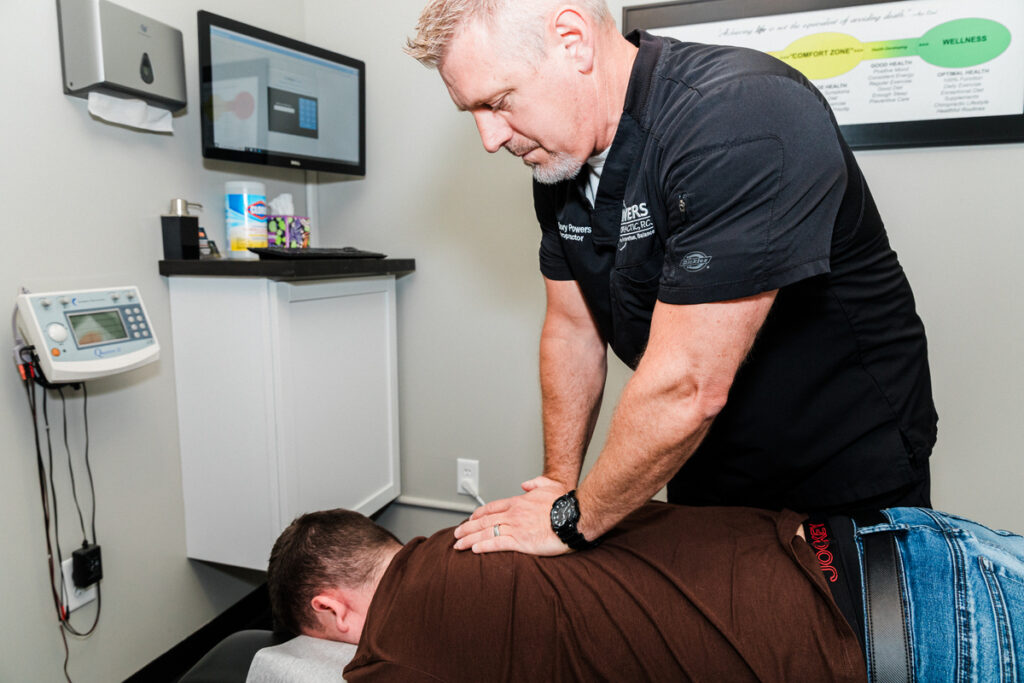
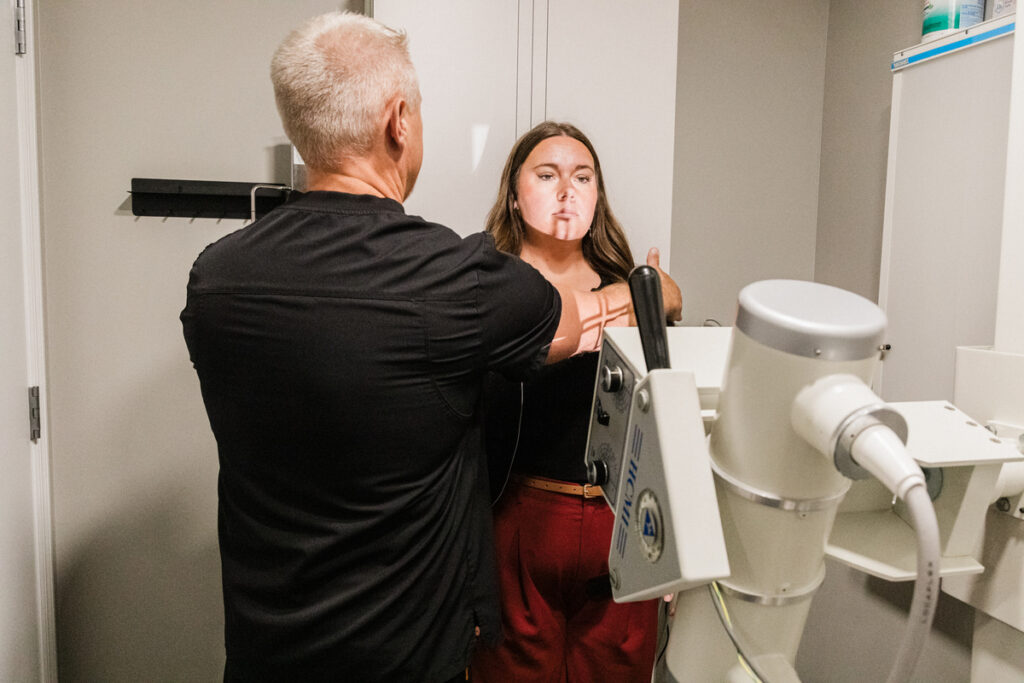
A chiropractic evaluation typically begins with a thorough history and physical examination. Dr. Powers will assess your posture, range of motion, spinal alignment, and muscle function to get a complete picture of what’s happening in your body. From there, a personalized care plan is developed based on your specific needs and goals.
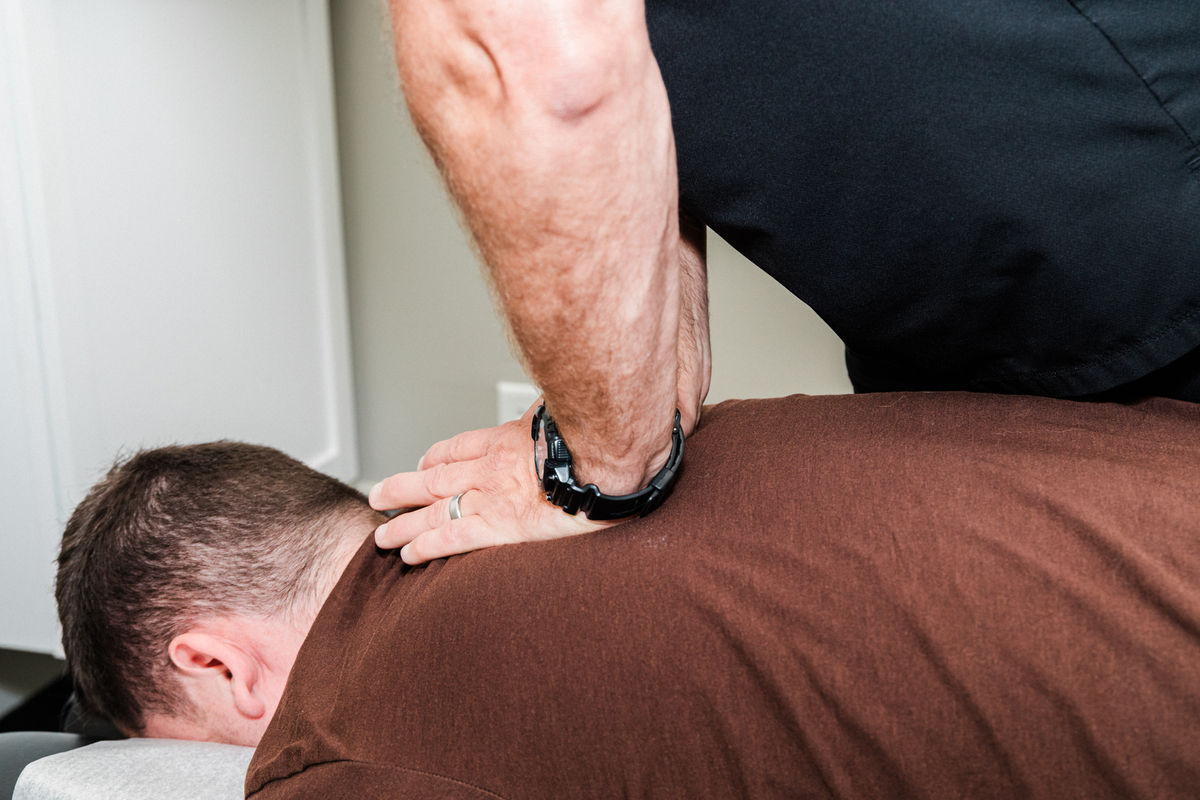
Chiropractic adjustments — gentle, precise movements applied to the spine — are designed to restore proper joint mobility and reduce nerve irritation. Research published through organizations like the National Institutes of Health’s National Center for Complementary and Integrative Health (NCCIH) and the American College of Physicians (ACP) indicates that spinal manipulation is a reasonable first-line option for managing acute and chronic low back pain. Many patients appreciate having a conservative, drug-free option that supports the body’s own healing processes.
Depending on what Dr. Cory Powers finds, care may also include soft tissue therapy, rehabilitative stretches, postural correction guidance, and ergonomic recommendations. The goal at Powers Chiropractic is always to help patients move freely, feel strong, and build the kind of lasting health that keeps them active with the people they love.
Practical Tips for Managing Back Pain Day to Day
While professional care is important, there’s a lot you can do between appointments to support your recovery and protect your spine. Here are some realistic, evidence-informed suggestions that align with a natural approach to healing:
Move gently and consistently. Staying still for too long is rarely the answer. Gentle movement, such as short walks, easy stretching, and changing positions frequently throughout the day, helps maintain circulation, reduce stiffness, and support tissue healing. Think of movement as medicine for your back.
Be mindful of how you lift. Whether you’re picking up groceries, a laundry basket, or a grandchild, bend at your hips and knees rather than rounding your lower back. Keeping the object close to your body reduces the mechanical load on your spine significantly.
Support your lower back when sitting. If your chair doesn’t provide adequate lumbar support, a small rolled towel or lumbar cushion placed at the curve of your lower back can make a meaningful difference. Adjust your workstation so your feet are flat on the floor and your screen is at eye level.
Prioritize sleep quality. Try sleeping on your side with a pillow between your knees to reduce spinal stress. Investing in a supportive mattress that doesn’t sag in the middle is one of the best things you can do for your back long-term.
Tend to your stress levels. Whatever helps you decompress — whether that’s a walk in one of Omaha’s beautiful parks, time with family, or quiet moments to breathe — make it a regular part of your routine. Reducing tension in the body starts with reducing tension in the mind.
When to See a Chiropractor
A good general rule of thumb: if your back pain has lasted more than a few days, is interfering with your daily life, or keeps coming back, it’s worth getting evaluated. Many people in Omaha wait far too long before seeking care, hoping the pain will simply go away on its own. Sometimes it does. But often, unaddressed back pain can become more entrenched and harder to resolve the longer it goes untreated.
You should strongly consider booking an appointment if your back pain is affecting your sleep, making it difficult to work or exercise, preventing you from playing with your kids or grandkids, or if you’ve been relying heavily on over-the-counter pain medications just to get through the day. These are signs your body is asking for real support, not just short-term relief.
As mentioned earlier, certain symptoms require immediate medical attention rather than chiropractic care. If your back pain is accompanied by bowel or bladder dysfunction, loss of sensation in the groin or inner thighs, severe trauma, or unexplained fever and weight loss, please seek emergency medical care right away. Dr. Cory Powers and the team at Powers Chiropractic will always refer patients to the appropriate providers when needed. Your safety and wellbeing come first.
Common Back Pain Triggers vs. Chiropractic Considerations
|
Trigger or Cause |
What It Affects |
How Chiropractic May Help |
|---|---|---|
|
Muscle strain or overuse |
Muscles, tendons, ligaments |
Soft tissue therapy, joint mobilization, rehabilitative guidance |
|
Spinal joint dysfunction |
Vertebral joints, nerve roots |
Spinal adjustments to restore normal movement |
|
Disc bulge or herniation |
Intervertebral discs, nearby nerves |
Gentle decompression techniques, posture correction |
|
Poor posture / sedentary habits |
Muscles, alignment, joint loading |
Postural correction, ergonomic coaching, movement strategies |
|
Age-related degenerative changes |
Discs, facet joints, spinal canal |
Gentle adjustments, mobility support, pain reduction |
|
Stress and muscular tension |
Paraspinal muscles, overall pain sensitivity |
Soft tissue release, relaxation-focused care, lifestyle guidance |
Myths vs. Facts About Back Pain
Myth: You Should Stay in Bed Until Back Pain Goes Away
Fact: Extended bed rest is not recommended for most types of back pain. Evidence consistently shows that staying gently active — even with some discomfort — leads to better and faster recovery than prolonged rest. Movement promotes healing, reduces stiffness, and helps prevent the kind of muscular deconditioning that makes pain worse over time.
Myth: Back Pain Always Means Something Is Seriously Wrong
Fact: The vast majority of back pain episodes are musculoskeletal in nature and not caused by serious structural damage or disease. While it’s always wise to get evaluated, most people with back pain have conditions that respond well to conservative care like chiropractic treatment, exercise, and lifestyle modifications.
Myth: Imaging Like X-Rays or MRIs Always Explain the Pain
Fact: Imaging findings and pain levels don’t always correlate. Many people have findings like disc bulges or degenerative changes on MRI without any pain at all, while others experience significant pain with minimal findings. Clinical evaluation, not just imaging, is essential for understanding what’s truly driving discomfort.
Myth: Chiropractic Adjustments Are Dangerous for the Back
Fact: When performed by a licensed chiropractor, spinal adjustments are widely considered a safe and effective approach for managing back pain. Organizations including the American College of Physicians recommend spinal manipulation as a first-line, non-pharmacologic treatment option for acute and chronic low back pain.
Myth: If You Have Back Pain, You Should Just Avoid All Exercise
Fact: Appropriate movement and exercise are among the most effective tools for managing and preventing back pain. The key is choosing the right type and intensity of movement for your specific condition, which is something Dr. Cory Powers can help guide you through as part of a comprehensive care plan.
Final Thoughts from Powers Chiropractic
Back pain doesn’t have to be something you just live with. Whether your discomfort comes from years of sitting at a desk, a recent strain, or the gradual wear that life puts on all of us, there is hope — and there is help available right here in Omaha.
At Powers Chiropractic, Dr. Cory Powers genuinely cares about helping you get back to the moments that matter most. That might be hiking one of Nebraska’s trails, tossing a ball with your grandkids in the backyard, or simply sleeping through the night without waking up in pain. Whatever your goal, the approach here is always rooted in understanding your unique situation and working with your body’s natural healing ability, not against it.
You deserve care that goes beyond a temporary fix. If you’ve been searching for a trusted chiropractor near you in the Omaha area, we invite you to take that first step. Your best, most active life is still ahead of you, and we’d be honored to help you get there.
Frequently Asked Questions
What are the most common causes of lower back pain?
The most common causes of lower back pain include muscle strains, spinal joint dysfunction, disc issues, and postural imbalances from prolonged sitting or poor ergonomics. In many cases, a combination of factors is involved rather than a single cause. A professional evaluation is the best way to identify what’s specifically driving your discomfort.
Can a chiropractor help with chronic back pain?
Yes — chiropractic care is commonly used to manage both acute and chronic back pain. Evidence from organizations like the NCCIH and the American College of Physicians supports spinal manipulation as a non-drug option for chronic low back pain. Dr. Cory Powers at Powers Chiropractic in Omaha can evaluate your condition and discuss whether chiropractic care is a good fit for you.
How long does it take for back pain to improve with chiropractic care?
The timeline varies depending on the cause, severity, and duration of your back pain, as well as your overall health. Some patients notice meaningful improvement within a few visits, while others with longer-standing conditions may require a more extended course of care. Dr. Cory Powers will provide you with a realistic expectation based on your specific evaluation findings.
Is it normal for back pain to come and go?
Yes, recurring or episodic back pain is very common. Pain that comes and goes often signals an underlying structural or functional issue that flares up under stress, overuse, or poor posture. Addressing the root cause rather than just managing each episode is the most effective long-term strategy.
Should I see a chiropractor or a medical doctor for back pain?
For most common back pain that is musculoskeletal in nature, a chiropractor is a well-qualified first contact. If your symptoms include red flags, such as fever, bowel or bladder changes, or severe unexplained weight loss, a medical doctor should be seen promptly. Many patients benefit from a collaborative approach between providers.
Can poor posture really cause back pain?
Absolutely. Poor posture places uneven mechanical stress on the spine, muscles, and joints over time, and is one of the most common contributors to chronic back discomfort. The good news is that postural habits can be improved with guidance, awareness, and the right supportive care — all things the team at Powers Chiropractic can help with.
TL;DR Summary
-
Back pain is one of the most common health complaints and can stem from muscle strains, spinal joint dysfunction, disc issues, poor posture, degenerative changes, or everyday lifestyle habits.
-
Daily habits like prolonged sitting, poor sleep positions, and chronic stress are often significant contributors to back pain even when there’s no single injury to point to.
-
Chiropractic care, as supported by evidence from organizations like the ACP and NCCIH, is a safe, non-invasive option for managing both acute and chronic back pain by addressing root causes.
-
Simple lifestyle adjustments, like mindful movement, proper lifting, ergonomic support, and stress management, can meaningfully reduce back pain and support recovery.
-
If your back pain is persistent, recurring, or affecting your quality of life, Dr. Cory Powers and the team at Powers Chiropractic in Omaha are here to help you find natural, lasting relief.