
Back pain can be a significant hindrance to your daily activities, but there are effective lifestyle changes you can adopt to lessen your chances of experiencing discomfort. As a chiropractor, I believe that by incorporating simple yet powerful habits into your routine, you can greatly improve your spinal health and overall well-being.
One of the most effective ways to combat back pain is through regular exercise. Engaging in activities that strengthen your core muscles, such as yoga or Pilates, can provide essential support for your spine. Additionally, it’s crucial to pay attention to your posture throughout the day. Whether you’re sitting at a desk or lifting objects, maintaining proper alignment helps reduce strain on your back.
Ergonomic adjustments can also make a world of difference. Consider investing in a supportive chair or adjusting your workspace to promote a healthy posture. Small changes like positioning your computer screen at eye level can prevent unnecessary strain.
But don’t overlook the importance of nutrition and stress management in your journey toward a pain-free life. A balanced diet rich in anti-inflammatory foods can support your body’s natural healing processes. Meanwhile, finding effective ways to manage stress, such as mindfulness or deep breathing exercises, can help alleviate tension that may contribute to back pain.
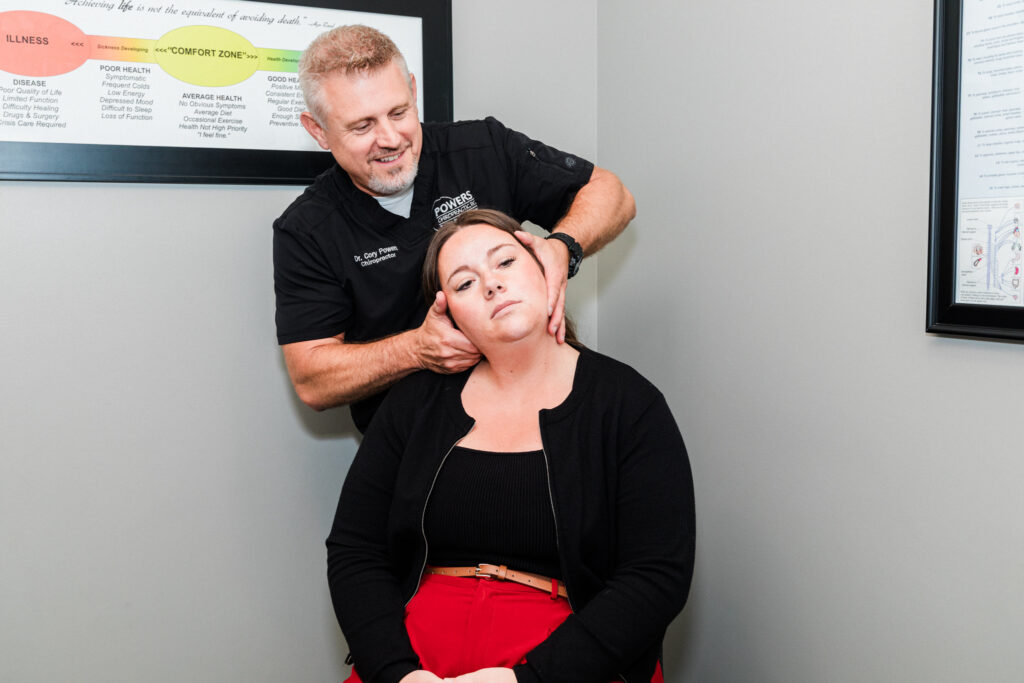
At the heart of these lifestyle changes is chiropractic care, which focuses on natural healing and maintaining proper spinal alignment. Regular chiropractic adjustments can not only relieve pain but also enhance your overall health, allowing you to live a more vibrant and active life.
By implementing these strategies and prioritizing your spinal health, you can take significant steps toward preventing back pain and promoting a healthier, more fulfilling lifestyle. Remember, your spine is the foundation of your body—treat it well, and it will serve you better!
Key Takeaways
As a local chiropractor dedicated to your health and wellness, I want to share some effective lifestyle changes that can help prevent back pain and support your spinal health naturally. Here are some simple, actionable tips to keep you feeling great:
- Stay Active: Regular physical activity, like walking or practicing yoga, is crucial for maintaining your fitness and supporting the health of your spine. These activities help strengthen your muscles and improve your flexibility, which are key to preventing pain.
- Mind Your Posture: Maintaining proper posture is essential in reducing strain on your spine. When working at a desk, ensure your workspace is ergonomic. This means your chair supports your lower back, and your computer screen is at eye level to prevent slouching.
- Healthy Weight Management: Keeping a balanced diet and staying hydrated can prevent unnecessary pressure on your spine. When you maintain a healthy weight, you reduce the strain on your back and enhance your overall well-being.
- Daily Stretching: Incorporate stretching into your daily routine. Simple stretches can enhance your flexibility and help prevent injuries. It’s a great way to unwind and keep your muscles loose.
- Stress Relief Techniques: Practice stress management techniques, such as deep breathing exercises and mindfulness meditation. These practices can alleviate muscle tension and promote relaxation, which is beneficial for your spine.
Remember, chiropractic care is an excellent option for achieving optimal health and pain relief. By incorporating these lifestyle changes, you can support your spine and enjoy a more active, pain-free life. Your journey to wellness starts with small, consistent steps!
The Importance of Regular Exercise
When it comes to preventing back pain, regular exercise isn’t just beneficial—it’s absolutely essential for your overall health and well-being. As a chiropractor, I can tell you that engaging in physical activity helps strengthen the muscles that support your spine, maintaining its alignment and stability.
You don’t need to join a fancy gym; simple activities like walking, swimming, or practicing yoga can make a significant difference. Aim for at least 30 minutes of moderate exercise most days of the week.
Strength training is also a key component of a healthy routine, as it helps build the core muscles that protect your back. Incorporating exercises that specifically target your abdomen and lower back can enhance your stability and support spinal health.
Additionally, don’t overlook the importance of stretching. Stretching improves flexibility and reduces muscle tension, which can help prevent discomfort.
Remember, consistency is critical. By making exercise a regular part of your daily routine, not only will you reduce your risk of back pain, but you’ll also improve your overall health.
If you’re experiencing pain, chiropractic care can be an excellent natural solution to help you achieve optimal health and wellness. So, lace up your sneakers, get moving, and consider visiting your chiropractor for personalized advice on maintaining a healthy spine!
Maintaining Proper Posture
Maintaining proper posture is crucial for your overall health and well-being, especially when it comes to preventing back pain. Good posture not only helps distribute your body weight evenly but also reduces strain on your spine and the surrounding muscles.
As a chiropractor, I want to share some simple tips to help you maintain proper posture throughout your day, promoting natural healing and optimal health without the need for medications or surgeries.
- Sit Up Straight: When you’re sitting, make sure your back is straight against the chair, and your shoulders are relaxed. Keep your feet flat on the floor to support your body properly. This position helps keep your spine aligned.
- Align Your Head: Make sure your ears are in line with your shoulders. Avoid leaning forward or tilting your head down, as this can put unnecessary stress on your neck and spine. Imagine a string gently pulling the top of your head toward the ceiling to help you maintain alignment.
- Strengthen Your Core Muscles: Engaging your core muscles is essential for supporting your spine. Simple exercises like planks, bridges, and abdominal crunches can help strengthen this area. A strong core is key to maintaining good posture and reducing back pain.
- Take Breaks: It’s important to take breaks throughout your day. Stand up, stretch, and move around at least every hour. This not only helps relieve tension but also encourages better alignment of your spine. Consider setting a timer as a reminder to get up and move.
Incorporating these tips into your daily routine can significantly improve your posture and overall spinal health.
Remember, chiropractic care is an excellent choice for maintaining a healthy spine and achieving natural wellness. If you’re experiencing pain or discomfort, consider visiting your local chiropractor for personalized care that focuses on your unique needs.
Together, we can help you achieve optimal health and well-being!
Ergonomic Workspaces and Daily Habits
Creating an ergonomic workspace is vital for maintaining a healthy spine and preventing back pain. As a chiropractor, I want to emphasize the importance of setting up your desk in a way that supports your body. Start by adjusting your chair height so that your feet are flat on the floor, and your knees are at a right angle. Your computer screen should be at eye level to help avoid straining your neck.
In addition to a well-adjusted workspace, it’s crucial to develop posture awareness throughout your day. Make a habit of checking in on your posture—are your shoulders back and relaxed? Is your back straight? Simple reminders can go a long way in promoting spinal health.
Incorporating regular breaks is another key factor. Stand up, stretch, and move around every hour to keep your body flexible and reduce tension. Gentle exercises and stretches can also help alleviate discomfort and enhance mobility.
Remember, chiropractic care is an excellent choice for not only managing pain but also for supporting your overall wellness. Regular visits to your chiropractor can help ensure that your spine is in alignment and functioning at its best.
Proper Desk Setup
A well-organized desk setup is essential for maintaining spinal health and reducing the risk of back pain during those long hours of work.
As a chiropractor, I want to share some key ergonomic tips to help you create a workspace that supports your overall wellness:
- Chair Height: Adjust your chair so that your feet rest flat on the floor, with your knees forming a 90-degree angle. This promotes proper spinal alignment and can help alleviate discomfort.
- Monitor Position: Your monitor should be at eye level, about an arm’s length away. This not only prevents neck strain but also encourages good posture, allowing your spine to stay in a healthy position while you work.
- Keyboard and Mouse: Position your keyboard and mouse at elbow height. This allows your arms to rest comfortably by your sides, reducing strain on your shoulders and neck.
- Desk Organization: Keep frequently used items within arm’s reach. This will minimize twisting or stretching, which can put unnecessary stress on your back and spine.
Remember, taking the time to set up your workspace correctly can make a significant difference in your comfort and health.
If you’re experiencing pain, consider visiting a chiropractor who can provide personalized care and advice tailored to your specific needs.
Chiropractic care is a natural and effective way to achieve optimal health and wellness, helping you live a pain-free life.
Posture Awareness Practices
To maintain a healthy spine throughout your day, developing awareness of your posture is essential, especially during long hours at your desk or while engaging in everyday activities. As a chiropractor, I believe that being mindful of your posture can significantly aid in pain relief and promote natural wellness. Here are some simple, effective practices you can incorporate into your routine to support your spine:
| Practice | Benefits |
|---|---|
| Sit Straight | Sitting up straight helps to reduce strain on your spine, making it easier to avoid discomfort. |
| Use Ergonomic Chairs | These chairs are designed to support your natural spine alignment, which can lead to less pain and improved posture. |
| Take Breaks | Stepping away from your desk regularly can relieve tension and improve blood flow, which is vital for overall spinal health. |
| Stretch Regularly | Gentle stretching increases flexibility and reduces stiffness, helping to prevent injuries and enhance mobility. |
Weight Management and Nutrition
Maintaining a healthy weight is crucial not just for overall wellness, but particularly for preventing back pain. Extra weight can put unnecessary strain on your spine and the muscles surrounding it. As a chiropractor, I believe in the power of natural healing and holistic approaches to health.
Here are four straightforward nutrition tips to help you manage your weight effectively while supporting your spinal health:
- Balanced Diet: Aim for a diet rich in whole foods such as colorful fruits, fresh vegetables, lean proteins, and whole grains. This not only helps control your calorie intake but also provides essential nutrients that support your body and spine.
- Stay Hydrated: Drinking plenty of water is vital. Proper hydration aids your metabolism and helps your body function efficiently, which plays a key role in managing your weight. Plus, staying hydrated can also help keep your spinal discs healthy!
- Mind Your Portions: Be aware of portion sizes. Eating smaller amounts can help prevent overeating, making it easier to lose weight or maintain a healthy weight. This can also relieve some pressure off your back, helping you feel more comfortable.
- Limit Processed Foods: Try to reduce your intake of sugary and heavily processed foods. These items are often high in empty calories and can lead to weight gain without providing nutritional benefits. Choosing whole, unprocessed foods can be a game-changer for your health and your spine.
By incorporating these simple strategies into your daily routine, you can promote not only weight management but also a healthier spine and overall well-being.
Stretching and Flexibility Techniques
Managing your weight is just one important aspect of preventing back pain, but there’s so much more you can do to support your spine and overall well-being. Incorporating stretching and flexibility techniques into your daily routine can be a game changer. Regular stretching not only helps maintain muscle elasticity and joint mobility but also significantly reduces the risk of injury, allowing your body to function at its best.
I recommend dedicating at least 10 minutes each day to stretch your back, hips, and legs. Simple stretches like the cat-cow pose, seated forward bend, and child’s pose are fantastic for relieving tension and promoting flexibility. Remember, it’s essential to listen to your body—don’t push yourself too hard, as this can lead to strain.
Before engaging in any physical activity, incorporate dynamic stretches to warm up your muscles, and follow up with static stretches afterward to improve flexibility and recovery.
Also, consider exploring yoga or Pilates, which emphasize flexibility and core strength—two key components for a healthy back.
Chiropractic care can play a vital role in supporting your journey towards a healthier spine. Regular adjustments can help ensure that your body is aligned and functioning optimally, making it easier to incorporate these stretching techniques into your routine.
Stress Management and Relaxation Methods
Managing stress is crucial for preventing back pain, and as a chiropractor, I want to share some effective techniques that can enhance your overall well-being and spinal health.
Incorporating deep breathing exercises, mindfulness meditation, and regular physical activity into your daily routine can significantly alleviate stress. These practices not only help reduce tension but also support a healthier spine.
Chiropractic care is an excellent option for achieving optimal health and relieving pain naturally. By focusing on spinal alignment and function, chiropractic adjustments can enhance your body’s ability to manage stress and promote relaxation.
Here are some tips to help you manage stress and support your back health:
- Deep Breathing: Take a few minutes each day to practice deep breathing. Inhale slowly through your nose, allowing your belly to expand, and exhale gently through your mouth. This simple technique can calm your mind and reduce muscle tension.
- Mindfulness Meditation: Spend a few moments each day in mindfulness meditation. Find a quiet space, sit comfortably, and focus on your breath. This practice can help center your thoughts and decrease stress levels.
- Stay Active: Engage in regular physical activity that you enjoy, whether it’s walking, yoga, or dancing. Movement not only helps to relieve stress but also strengthens the muscles that support your spine.
- Chiropractic Care: Regular visits to your chiropractor can help maintain proper spinal alignment and enhance your body’s natural healing processes. This can lead to reduced pain and improved overall wellness.
Deep Breathing Techniques
Many people underestimate the powerful benefits of deep breathing techniques when it comes to managing stress and promoting relaxation. As a chiropractor, I want to emphasize how these techniques can complement your journey towards optimal health, especially when it comes to alleviating tension and back pain.
By incorporating deep breathing into your daily routine, you can create a natural pathway to better well-being. Here are four simple yet effective deep breathing techniques that you can try:
- Diaphragmatic Breathing: Instead of breathing shallowly from your chest, focus on breathing deeply from your diaphragm. This method increases oxygen flow to your body and helps release built-up tension, which can be especially beneficial for your spine and overall posture.
- Box Breathing: This technique involves inhaling for four counts, holding your breath for four counts, exhaling for four counts, and pausing for another four counts. Repeat this cycle to help calm your mind and body, creating a peaceful state that can assist in pain relief.
- 4-7-8 Technique: Inhale deeply for a count of four, hold your breath for seven counts, and then exhale slowly for eight counts. This method not only promotes relaxation but also encourages a rhythmic breathing pattern that can enhance your overall sense of well-being.
- Alternate Nostril Breathing: This technique involves breathing through one nostril at a time, which can help balance your energy levels and reduce stress. It’s a great way to promote mindfulness and enhance your connection with your body.
Incorporating these deep breathing techniques into your daily routine can lead to a more relaxed state, helping to ease back pain and improve your overall health.
Mindfulness Meditation Practices
As a local chiropractor, I want to emphasize the importance of mindfulness meditation practices in conjunction with chiropractic care for achieving optimal health and well-being.
Just like deep breathing techniques, mindfulness meditation can be a powerful tool to help reduce stress and promote relaxation. By dedicating just a few minutes each day to sit quietly, close your eyes, and focus on your breath, you can create a peaceful mental space that alleviates tension, especially in your back.
During this practice, pay attention to any sensations in your body without judgment. This increased awareness not only helps manage stress but also enhances your understanding of your posture and overall physical state. Mindfulness meditation can complement the adjustments and guidance you receive in chiropractic care, leading to improved emotional well-being and a significant reduction in back pain.
Here are some simple tips to help you get started with mindfulness meditation:
- Choose a Quiet Space: Find a comfortable and quiet place where you won’t be disturbed. This will help you focus and relax.
- Set a Timer: Start with just a few minutes each day. You can gradually increase the time as you become more comfortable with the practice.
- Focus on Your Breath: Pay attention to your breathing—notice how it feels as you inhale and exhale. If your mind wanders, gently bring your focus back to your breath.
- Notice Sensations: Without judgment, take note of any sensations in your body, especially in your back. This awareness can help you identify areas that may need attention during your chiropractic visits.
- Be Consistent: Try to incorporate this practice into your daily routine. Consistency is key to reaping the benefits of mindfulness meditation.
By integrating mindfulness meditation into your lifestyle along with regular chiropractic care, you can enhance your overall quality of life, manage pain naturally, and promote a healthier, more balanced existence.
Physical Activity Integration
While physical activity is commonly viewed as a means to maintain fitness, it also plays a crucial role in managing stress and promoting relaxation. As a chiropractor, I want to emphasize that integrating movement into your daily routine not only reduces tension but also enhances your overall well-being, aligning perfectly with the principles of natural healing.
Here are some effective ways to incorporate physical activity into your life for stress relief, all while supporting your spinal health:
- Daily Walks: Aim for at least 30 minutes of brisk walking. This simple activity helps clear your mind, boosts endorphins, and promotes proper spinal alignment, which is essential for overall health.
- Yoga Sessions: Practicing yoga can greatly enhance flexibility and promote relaxation. Focusing on mindful breathing during yoga can also help alleviate tension in the spine and improve posture, providing a holistic approach to stress relief.
- Dance Classes: Joining a dance class combines fun and fitness, allowing you to express yourself while engaging in movement that can relieve stress. Dancing also encourages good posture and spinal health, making it a joyful way to integrate exercise into your life.
- Strength Training: Engaging in strength training exercises not only builds muscle resilience but also supports your spine. Strong muscles help protect your back and can significantly relieve mental stress, contributing to a healthier you without the need for medications or invasive procedures.
By incorporating these activities into your daily life, you can naturally manage stress and promote a healthier lifestyle.
Remember, chiropractic care complements these activities by ensuring your spine is aligned and functioning optimally, which is essential for achieving overall health and wellness.
Always listen to your body and consider consulting with a chiropractor to tailor a wellness plan that suits your needs!
Conclusion
By adopting these lifestyle changes, you can significantly decrease your risk of back pain and promote a healthier spine. Start by incorporating regular exercise into your routine; activities like walking, swimming, or yoga can strengthen your back muscles and improve flexibility. It’s also vital to maintain good posture throughout your day—whether sitting, standing, or lifting—to avoid unnecessary strain on your back.
Creating an ergonomic workspace can make all the difference for your spine. Ensure that your chair supports your lower back, and that your computer screen is at eye level to prevent slouching. Additionally, paying attention to your diet and managing your weight can help alleviate pressure on your back. A balanced diet rich in anti-inflammatory foods can support overall health and well-being.
Don’t underestimate the importance of stretching; incorporating gentle stretches into your daily routine can enhance flexibility and reduce tension in your muscles. Furthermore, practicing stress management techniques, such as deep breathing or meditation, can help you maintain a calm mind and ease physical tension.
Remember, chiropractic care is an excellent option for achieving optimal health and addressing back pain naturally. A chiropractor can provide personalized adjustments and guidance tailored to your needs, ensuring your spine remains healthy for years to come. By making these simple adjustments to your lifestyle and embracing chiropractic care, you can take proactive steps toward a pain-free future.