
If you’ve ever woken up in the middle of the night with numb, tingling hands — or noticed that everyday tasks like typing, gripping a coffee mug, or buttoning a shirt have become surprisingly painful — you may be dealing with carpal tunnel syndrome. It’s one of the most common nerve-related conditions we see here at Powers Chiropractic in Omaha, NE, and the good news is that you don’t have to simply live with the discomfort. Many people don’t realize that conservative, non-invasive care options like chiropractic can play a meaningful role in managing carpal tunnel symptoms and helping you get back to the activities you love.
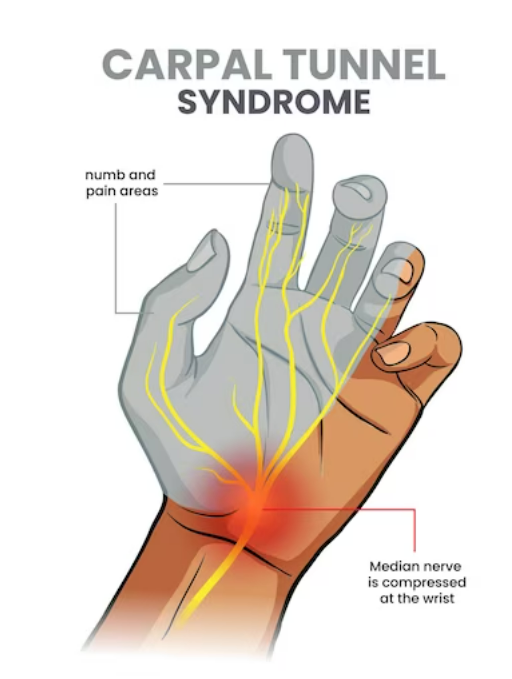
What Is Carpal Tunnel Syndrome? Carpal tunnel syndrome occurs when the median nerve — which runs from your forearm into your hand through a narrow passageway at the wrist called the carpal tunnel — becomes compressed or irritated. This compression leads to symptoms like numbness, tingling, weakness, and pain in the hand and wrist, and sometimes up into the arm.
Understanding Carpal Tunnel Syndrome
The carpal tunnel is a narrow, rigid passageway formed by the bones and ligaments of your wrist. Running through this tunnel is the median nerve, which is responsible for sensation in your thumb, index finger, middle finger, and part of your ring finger. It also controls the small muscles at the base of your thumb that allow you to grip and pinch.
When the tissues surrounding this tunnel become inflamed or swollen — whether from repetitive motion, injury, or another health condition — the tunnel narrows and puts pressure on the median nerve. That pressure is what creates the classic symptoms of carpal tunnel syndrome. Think of it like a garden hose being kinked: the flow is interrupted, and the result is dysfunction downstream.
It’s worth noting that carpal tunnel syndrome is not always isolated to the wrist itself. The median nerve originates from the cervical spine — the neck — and travels down through the shoulder, elbow, and forearm before reaching the wrist. This means that tension, misalignment, or dysfunction at any point along that nerve pathway can contribute to or worsen symptoms. At Powers Chiropractic in Omaha, Dr. Cory Powers takes a whole-body approach to understanding where your symptoms are actually coming from, rather than just treating the spot where you feel the pain.
What Causes Carpal Tunnel Syndrome?
Carpal tunnel syndrome rarely has a single cause. In most cases, it develops from a combination of factors that gradually increase pressure on the median nerve over time. Here in Omaha, many of the patients who come to see Dr. Cory Powers with wrist and hand complaints spend long hours working at a desk, performing repetitive manual tasks on job sites, or doing detailed work in fields like healthcare, manufacturing, or food service.
Repetitive hand and wrist motions are among the most well-recognized contributors. Typing, assembly work, using vibrating tools, or any activity that involves repeated flexion and extension of the wrist can stress the tissues inside the carpal tunnel. Over time, this repeated stress can lead to inflammation and nerve compression.
Anatomical factors also play a role. Some people simply have smaller carpal tunnels, making them more naturally susceptible. A previous wrist fracture or dislocation can alter the structure of the tunnel and increase pressure on the nerve. Conditions like diabetes, rheumatoid arthritis, thyroid dysfunction, and obesity have all been associated with a higher risk of developing carpal tunnel syndrome. Pregnancy is another common trigger, as fluid retention during pregnancy can cause temporary swelling in the tunnel that places pressure on the nerve.
Poor posture and spinal alignment are factors that often go unaddressed in conventional treatment. When the neck and upper back are out of alignment, the nerves that feed the arm and hand can become irritated further up the chain. This is why a thorough evaluation — like the ones Dr. Cory Powers conducts at Powers Chiropractic — looks at the whole picture, not just the wrist.
Signs and Symptoms to Watch For
Carpal tunnel syndrome tends to develop gradually, and many people dismiss the early signs as simple fatigue or “sleeping on their arm wrong.” Learning to recognize the warning signs early can make a real difference in how quickly and completely you recover.
The most commonly reported symptom is a tingling or “pins and needles” sensation in the thumb, index finger, middle finger, and part of the ring finger. This feeling often comes and goes at first but can become persistent as the condition progresses. Many people find the sensation is worse at night or first thing in the morning, often because we tend to sleep with our wrists bent.
Numbness is another frequent complaint. You might notice that your hand feels “asleep” even when you haven’t been putting pressure on it. As the condition advances, some people experience weakness in their grip or find that they’re dropping objects more often than usual. In more progressed cases, there can be a noticeable decline in the fine motor control of the hand — things like buttoning clothes, turning a key, or picking up small items become harder than they should be.
Pain in the wrist, palm, or forearm is also commonly reported. Some people feel a burning or aching sensation that travels up the arm toward the elbow or even the shoulder. If you’re experiencing any combination of these symptoms, it’s worth getting evaluated sooner rather than later. Early intervention tends to yield better outcomes, and conservative care options like chiropractic are typically most effective when symptoms haven’t yet become severe.
How Chiropractic Care Can Help
One of the most common questions patients ask Dr. Cory Powers is: “Can a chiropractor actually help with carpal tunnel?” The honest answer is yes — for many people, chiropractic care is a genuinely helpful part of the recovery process. It won’t be the right fit for every case, but for mild to moderate carpal tunnel syndrome, evidence suggests that conservative, non-invasive approaches can meaningfully reduce symptoms and improve function.
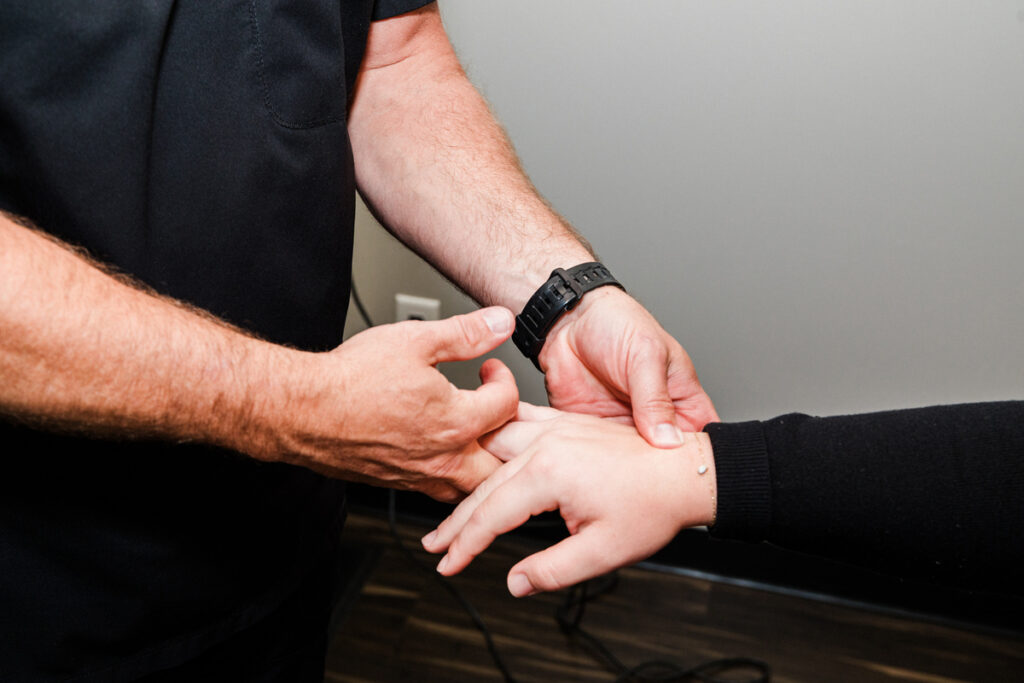
Chiropractic care for carpal tunnel typically begins with a thorough assessment. At Powers Chiropractic in Omaha, that evaluation might include reviewing your health history, assessing the range of motion in your wrist and hand, examining the alignment of your cervical spine and upper body, and performing orthopedic or neurological tests to better understand the nature and source of your symptoms. This comprehensive view is important because, as mentioned earlier, carpal tunnel symptoms can sometimes stem from nerve irritation higher up in the spine or shoulder — a phenomenon sometimes called “double crush syndrome,” where the nerve is compressed at more than one point along its path.
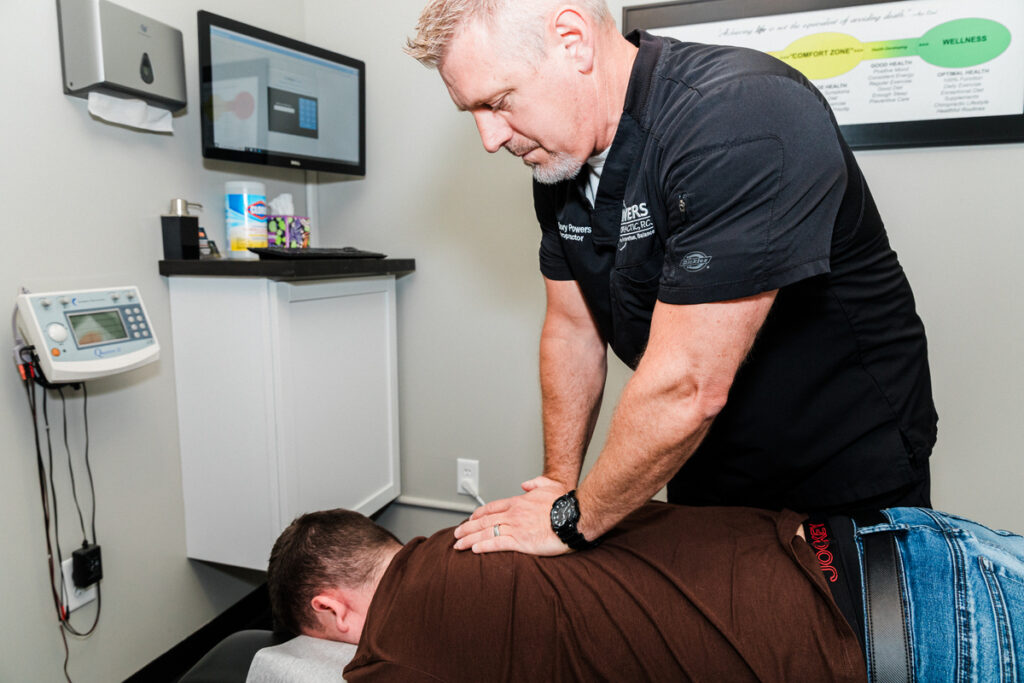
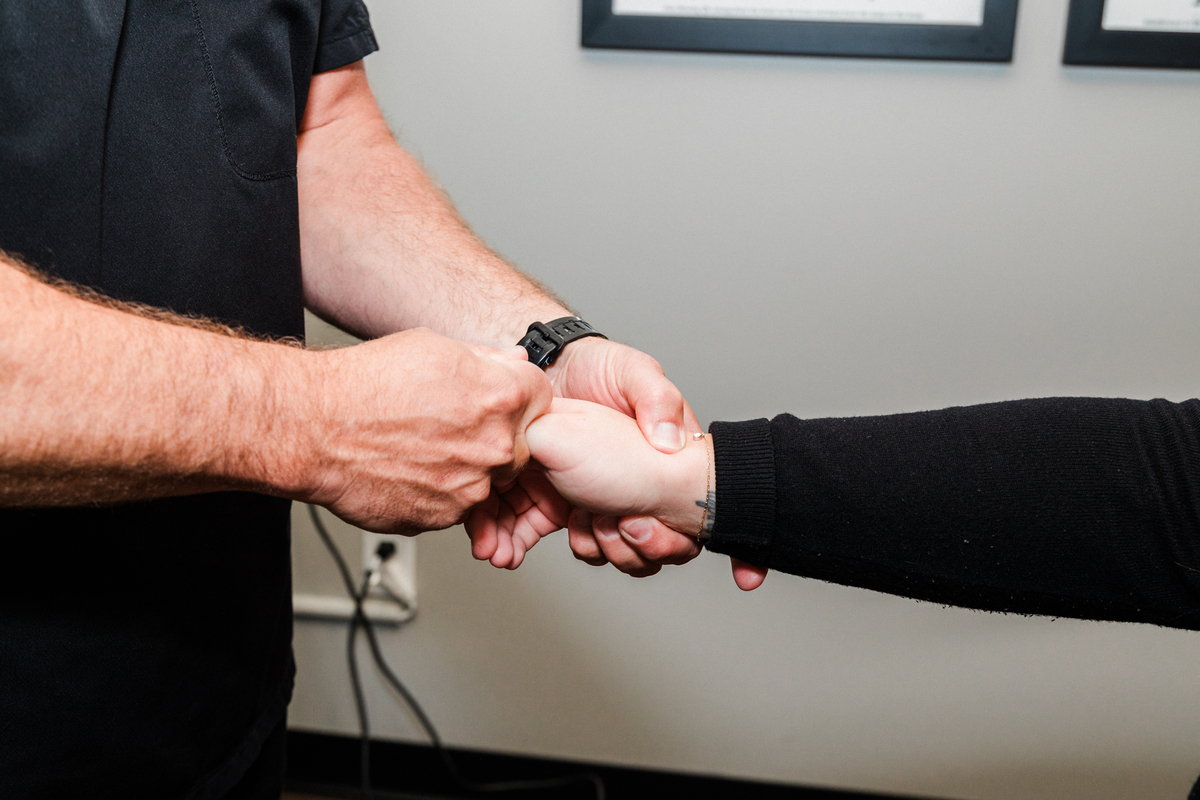
Chiropractic adjustments to the wrist, elbow, and cervical spine can help restore proper alignment and reduce the mechanical pressure contributing to nerve irritation. When joints are moving freely and the spine is properly aligned, the nervous system functions more efficiently. Research published in journals covering conservative musculoskeletal care suggests that chiropractic manipulation of the wrist and related joints, combined with soft tissue work, may reduce pain and improve function in patients with carpal tunnel syndrome.
Beyond spinal and joint adjustments, Dr. Cory Powers may incorporate complementary techniques such as soft tissue therapy to reduce muscle tension in the forearm and wrist, mobilization to improve joint flexibility, and targeted stretching guidance. The goal isn’t just to manage symptoms — it’s to address the underlying mechanical factors so that your body can heal more effectively and you’re less likely to have the problem return.
Practical Tips to Support Your Recovery
While chiropractic care plays an important role, what you do between appointments matters just as much. Making small, consistent changes to your daily habits can significantly reduce stress on the carpal tunnel and support the healing process.
Ergonomics are a great place to start. If you work at a desk or computer, make sure your wrists are in a neutral position — not bent up, down, or to either side — when you type. Your keyboard and mouse should be positioned so your arms are relaxed and your elbows are close to your body. A wrist rest can help, but don’t lean heavily on it while actively typing, as this can increase pressure in the tunnel.
Taking regular breaks from repetitive hand activities is essential. Even a brief pause every 30 to 60 minutes to gently stretch your fingers, wrists, and forearms can make a meaningful difference over time. Gentle wrist flexion and extension stretches, as well as nerve gliding exercises (when appropriate), may be recommended by Dr. Cory Powers based on your specific presentation.
Sleeping position is another often-overlooked factor. Many people unconsciously curl their wrists inward during sleep, which compresses the carpal tunnel for hours at a time. A neutral wrist splint worn at night can help keep the wrist in a more comfortable, open position and reduce the nighttime tingling that disrupts so many people’s sleep.
If your work or hobbies involve vibrating tools or sustained gripping, look for ways to reduce the intensity or duration of those activities during your recovery. Padded gloves, lighter grip pressure, and alternating tasks can all lessen the cumulative load on the carpal tunnel.
When to See a Chiropractor
If you’ve been experiencing hand tingling, numbness, or wrist pain that has lasted more than a few weeks, it’s a reasonable time to seek a professional evaluation. Symptoms that are waking you up at night, affecting your grip strength, or interfering with daily activities are definite signals that something needs attention — and waiting rarely makes things better.
Chiropractic care tends to be most effective in the earlier stages of carpal tunnel syndrome, before significant nerve damage or severe weakness has developed. That said, even patients with more long-standing symptoms can often benefit from a conservative care trial before exploring more invasive options like steroid injections or surgery.
There are some red flags that warrant prompt medical attention rather than chiropractic care alone. These include sudden loss of hand function, significant muscle wasting at the base of the thumb, severe weakness, or symptoms that develop rapidly without a clear cause. In those situations, Dr. Cory Powers would coordinate with your primary care physician or refer you to a specialist to ensure you receive the most appropriate level of care. Chiropractors are trained to recognize when a case is beyond conservative management, and your health and safety always come first.
Treatment Approaches at a Glance
|
Approach |
Invasiveness |
Primary Goal |
Common Use Case |
Potential Considerations |
|---|---|---|---|---|
|
Chiropractic Care |
Non-invasive |
Restore joint alignment, reduce nerve pressure |
Mild to moderate symptoms, whole-body contributors |
Most effective in earlier stages |
|
Wrist Splinting |
Non-invasive |
Maintain neutral wrist position |
Nighttime symptoms, mild cases |
Addresses positioning but not root cause |
|
Physical Therapy |
Non-invasive |
Strengthen and stretch supporting tissues |
Rehabilitation, muscle imbalances |
Best when combined with other care |
|
Steroid Injections |
Minimally invasive |
Reduce local inflammation |
Moderate symptoms not responding to conservative care |
Temporary relief; does not resolve structural causes |
|
Carpal Tunnel Surgery |
Invasive |
Release the transverse carpal ligament |
Severe or persistent cases with nerve damage |
Typically considered after conservative options |
Myths vs. Facts About Carpal Tunnel
Myth: Carpal tunnel syndrome only affects people who type all day.
Fact: While repetitive keyboard use is a well-known contributor, carpal tunnel syndrome can affect anyone — from construction workers and musicians to assembly-line employees, healthcare workers, and homemakers. Any repetitive hand or wrist motion, sustained gripping, or anatomical predisposition can be a factor. Even pregnancy is a common trigger due to fluid retention.
Myth: Surgery is the only real solution for carpal tunnel syndrome.
Fact: Surgery is one option — and sometimes it’s the right one — but it’s generally considered after conservative treatments have been tried. Evidence from organizations like the American College of Physicians supports exploring non-invasive approaches first for many patients. Chiropractic care, splinting, ergonomic modifications, and soft tissue therapy have all shown benefit, particularly in milder to moderate cases.
Myth: If you have carpal tunnel symptoms, you just have to push through it.
Fact: Ignoring carpal tunnel symptoms can allow the condition to worsen over time, potentially leading to more significant nerve damage or muscle weakness that is harder to reverse. Early, appropriate care gives you the best chance of a full recovery and helps prevent the condition from becoming chronic.
Myth: Chiropractic care is only for back and neck pain — it has nothing to do with the wrist.
Fact: Chiropractors are trained in the assessment and care of the entire musculoskeletal and peripheral nervous system, not just the spine. The median nerve responsible for carpal tunnel syndrome originates in the cervical spine, and addressing the whole nerve pathway — including the neck, shoulder, elbow, and wrist — is a core part of comprehensive chiropractic evaluation and care.
Myth: Carpal tunnel syndrome will always come back, even after treatment.
Fact: Recurrence is possible if the underlying causes — like poor ergonomics, posture, or repetitive strain — are not addressed. However, with proper care, lifestyle modifications, and ongoing attention to the factors that contributed to the problem, many people experience lasting relief. Prevention is a big part of what chiropractic care focuses on, not just short-term symptom management.
Final Thoughts from Powers Chiropractic
Living with the tingling, numbness, and pain of carpal tunnel syndrome can be exhausting and discouraging — especially when it starts to affect your work, your sleep, and the everyday moments that matter. But carpal tunnel syndrome is not something you have to simply accept or rush into surgery to fix. For many people here in Omaha, conservative chiropractic care has been a meaningful and effective part of finding lasting relief.
At Powers Chiropractic, Dr. Cory Powers is committed to helping patients throughout the Omaha, NE community understand their symptoms, find the root cause of their discomfort, and build a clear, realistic path toward feeling better. Whether you’re noticing early warning signs or have been dealing with carpal tunnel symptoms for a while, a thorough evaluation is a smart first step. You deserve care that treats you as a whole person — not just a wrist.
If you’re ready to stop managing pain and start making real progress, the team at Powers Chiropractic is here to help. Reach out, ask questions, and let’s figure out together what your hands and wrists actually need to heal.
Frequently Asked Questions
Can a chiropractor diagnose carpal tunnel syndrome?
Chiropractors are trained to assess and identify signs and symptoms consistent with carpal tunnel syndrome through physical examination and orthopedic testing. While definitive diagnosis may involve nerve conduction studies ordered by a physician, a chiropractor like Dr. Cory Powers can provide a thorough clinical evaluation and help determine if chiropractic care is appropriate for your situation.
How many chiropractic visits does it typically take to see improvement?
The number of visits varies depending on the severity of the condition, how long symptoms have been present, and individual health factors. Some patients notice improvement within a few weeks of consistent care, while others may need a longer course of treatment. Dr. Cory Powers will discuss realistic expectations based on your specific presentation during your initial evaluation.
Is chiropractic care for carpal tunnel painful?
Chiropractic treatment for carpal tunnel is generally gentle and well-tolerated. Wrist and spinal adjustments are performed carefully, and any discomfort is typically mild and brief. Most patients find the experience comfortable and leave feeling relief rather than increased soreness.
Can carpal tunnel syndrome affect both hands at once?
Yes, bilateral carpal tunnel syndrome — affecting both hands — is not uncommon, particularly in people with systemic conditions like diabetes or thyroid disorders, or those who perform the same repetitive motions with both hands. Each hand may be at a different stage of severity and will be evaluated and addressed accordingly.
Are there things I should avoid doing if I have carpal tunnel syndrome?
It’s generally advisable to minimize activities that involve sustained wrist bending, strong repetitive gripping, or exposure to vibration until your symptoms are under control. Dr. Cory Powers can give you personalized guidance on activity modification based on your specific work demands, hobbies, and symptom severity.
Is carpal tunnel syndrome the same as tendinitis or a repetitive strain injury?
No, though they can feel similar and sometimes occur together. Tendinitis involves inflammation of the tendons and doesn’t necessarily affect the median nerve. Carpal tunnel syndrome is specifically a compression of the median nerve within the carpal tunnel. An accurate evaluation is important to ensure you receive the right type of care for what’s actually going on.
TL;DR Summary
-
Carpal tunnel syndrome is caused by compression of the median nerve at the wrist, leading to numbness, tingling, pain, and weakness in the hand and fingers.
-
Causes include repetitive hand motions, poor ergonomics, spinal misalignment, and certain health conditions — it’s rarely just one factor.
-
Chiropractic care addresses the whole nerve pathway, including the cervical spine and upper extremities, not just the wrist where symptoms appear.
-
Conservative care — including chiropractic adjustments, soft tissue therapy, ergonomic changes, and night splinting — is often effective, especially when started early.
-
At Powers Chiropractic in Omaha, NE, Dr. Cory Powers provides individualized evaluations to help patients find the root cause of their symptoms and build a realistic plan for relief.