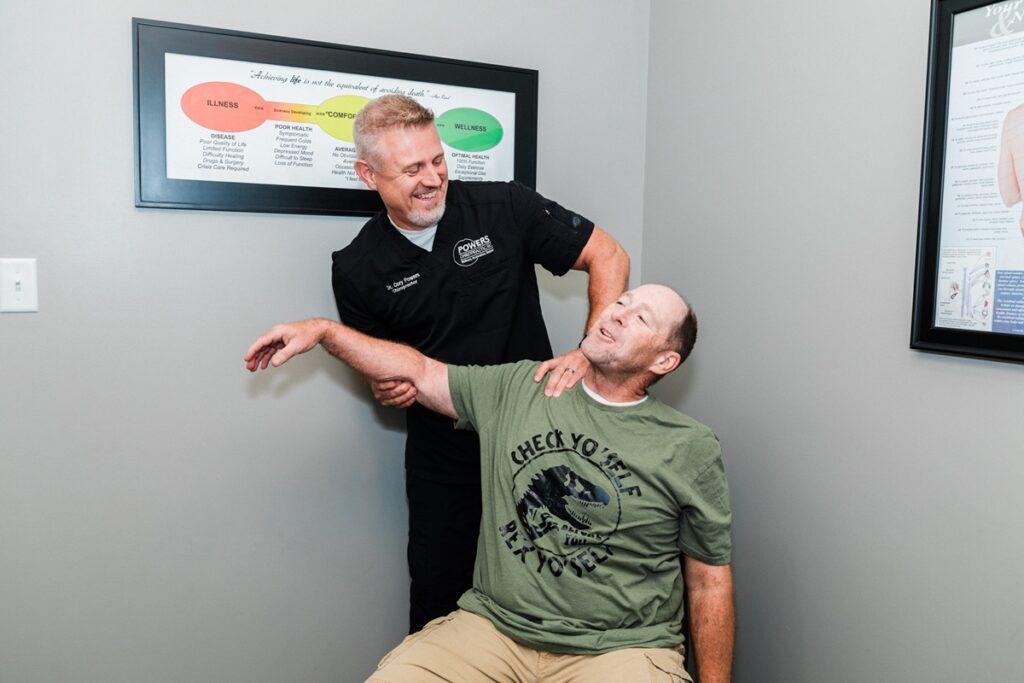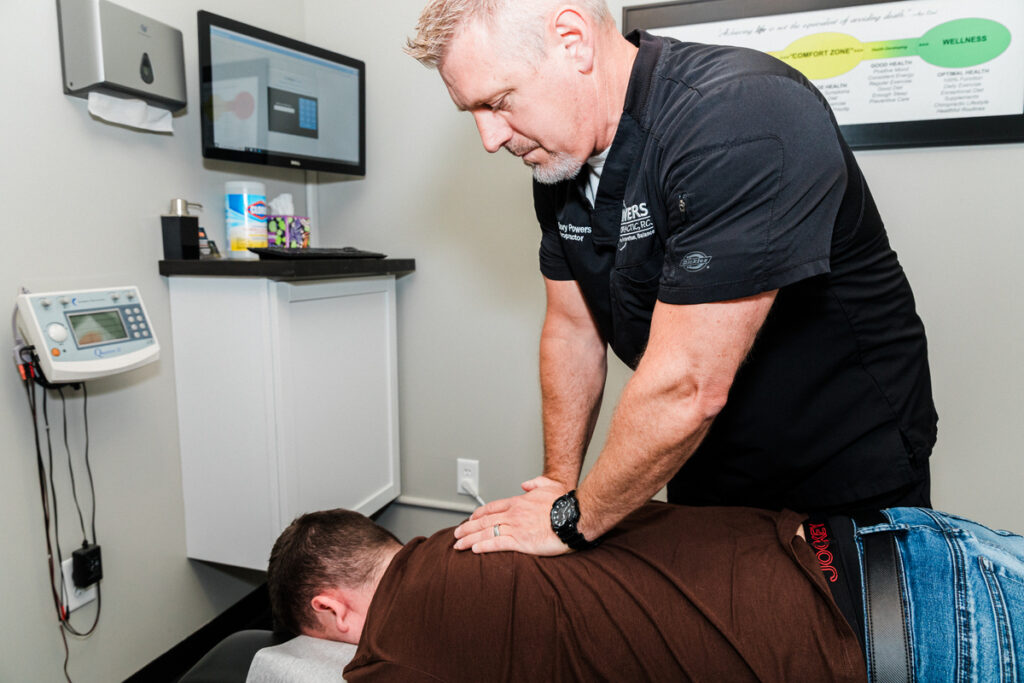
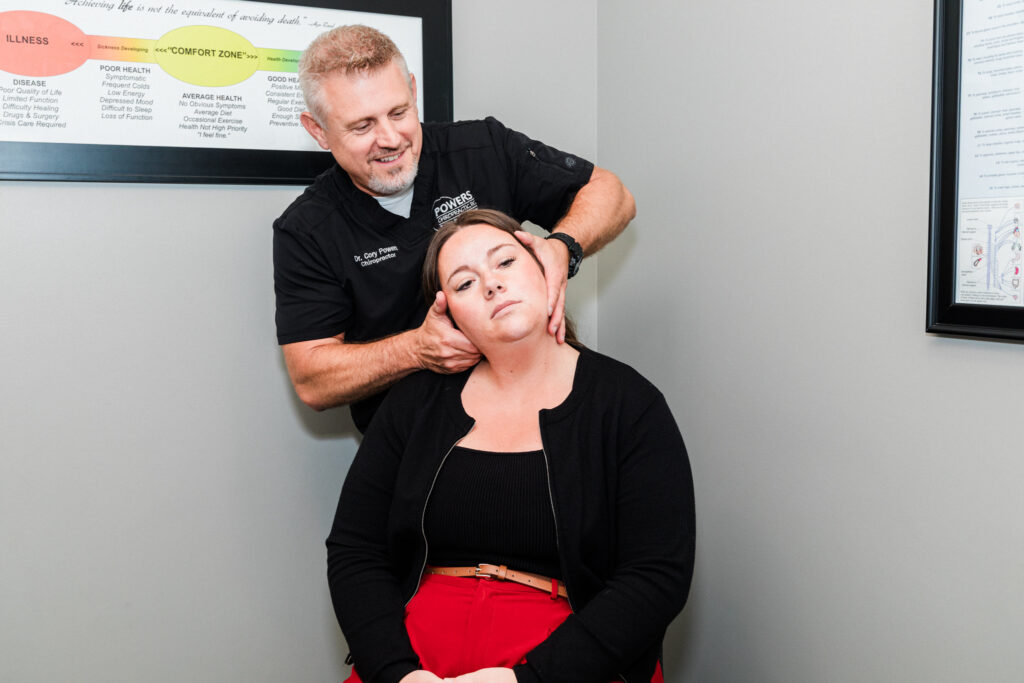

Headaches are one of the most common complaints we hear about — and one of the most misunderstood. Whether you’re dealing with a dull, nagging tension headache after a long day at your desk or a debilitating migraine that keeps you in a dark room for hours, you deserve real answers and real relief. Here in Omaha, NE, many patients come through the doors of Powers Chiropractic wondering if there’s something more they can do beyond reaching for over-the-counter pain medication. The good news is that there often is — and chiropractic care may be a meaningful part of the solution.
What is chiropractic care for headaches?
Chiropractic care for headaches involves identifying and addressing musculoskeletal dysfunction — particularly in the cervical spine (neck) — that may be contributing to or triggering head pain. Rather than masking symptoms, chiropractic focuses on finding the root cause of your discomfort. It is a non-invasive, drug-free approach that is appropriate for many types of headaches, including tension headaches and cervicogenic headaches.
What Causes Headaches and Migraines?
Headaches rarely have just one cause. Most are the result of a combination of physical, environmental, and lifestyle factors that build up over time. Understanding what’s driving your headaches is the first step toward managing them more effectively — and that’s exactly what Dr. Cory Powers works to uncover with every patient at Powers Chiropractic.
Tension-type headaches are often linked to muscle tightness and poor posture, especially in the neck, shoulders, and upper back. When the muscles along these areas become chronically tight or fatigued — say, from hours of looking at a computer screen — they can pull on the base of the skull and create referred pain into the head. Cervicogenic headaches, on the other hand, originate directly from dysfunction in the cervical spine. A misalignment or restricted joint in the neck can irritate nerves and produce pain that radiates into the head.
Migraines are more neurologically complex. While the exact mechanism isn’t fully understood, migraines are believed to involve changes in brain activity, blood vessel behavior, and pain signaling. Common triggers include hormonal fluctuations, certain foods, stress, sleep disruption, and sensory stimuli like bright lights or strong smells. Research also suggests that musculoskeletal tension and cervical spine dysfunction may play a role in migraine frequency and severity for some individuals.
Common Types of Headaches Chiropractors See
Not all headaches are the same, and different types respond to different approaches. At Powers Chiropractic in Omaha, NE, Dr. Cory Powers takes time to understand exactly which type of headache a patient is experiencing before recommending a care plan. Here are the most common types that respond well to chiropractic evaluation:
Tension Headaches: These are the most common type of headache. They typically feel like a dull, pressing, or band-like tightness around the forehead or back of the head. They’re strongly associated with postural stress, muscle tension in the neck and shoulders, and emotional stress. Many people experience these headaches on a regular, recurring basis.
Cervicogenic Headaches: These headaches originate from structures in the neck — such as the cervical joints, discs, or nerves — and refer pain up into the head. They often affect one side of the head, worsen with certain neck movements, and may come with associated neck stiffness. Cervicogenic headaches are particularly well-suited to chiropractic intervention because they have a clear musculoskeletal origin.
Migraines: Migraines typically involve moderate to severe throbbing pain, often on one side of the head. They can be accompanied by nausea, light sensitivity, sound sensitivity, and visual disturbances known as auras. While migraines require a comprehensive management approach, chiropractic care may help reduce their frequency and intensity for some patients, particularly when cervical tension is a contributing factor.
Post-Traumatic Headaches: Following a whiplash injury, car accident, or concussion, many people develop persistent headaches. These often have both cervical and neurological components and benefit from a careful, conservative approach to care.
The Spine-Headache Connection
One of the most important things Dr. Cory Powers educates patients about is the relationship between the cervical spine and head pain. This connection is more significant than most people realize — and it’s a big reason why chiropractic care can be so effective for certain types of headaches.
The upper cervical spine, which includes the top two vertebrae (C1 and C2), sits at the base of the skull and houses some of the most sensitive neurological structures in the body. The nerves that exit at these levels help supply sensation to parts of the scalp, face, and head. When these joints become restricted, misaligned, or irritated — due to poor posture, muscle imbalance, or injury — they can send pain signals upward into the head. This is the hallmark of a cervicogenic headache.
Beyond the upper cervical spine, the muscles of the neck and upper back play a critical role as well. The suboccipital muscles, which run along the base of the skull, are frequently overworked in people who sit at desks, look down at phones, or carry stress in their shoulders. When these muscles become chronically tight, they can compress nerves and restrict blood flow — both of which can contribute to head pain.
Poor posture, particularly forward head posture, is another major factor here in Omaha where so many residents spend long hours at computers and mobile devices. For every inch your head drifts forward from its ideal position above the shoulders, the effective weight on your cervical spine increases dramatically. Over time, this places enormous strain on the muscles, joints, and discs of the neck — and headaches are one of the most common results.
How Chiropractic Care Can Help with Headaches and Migraines
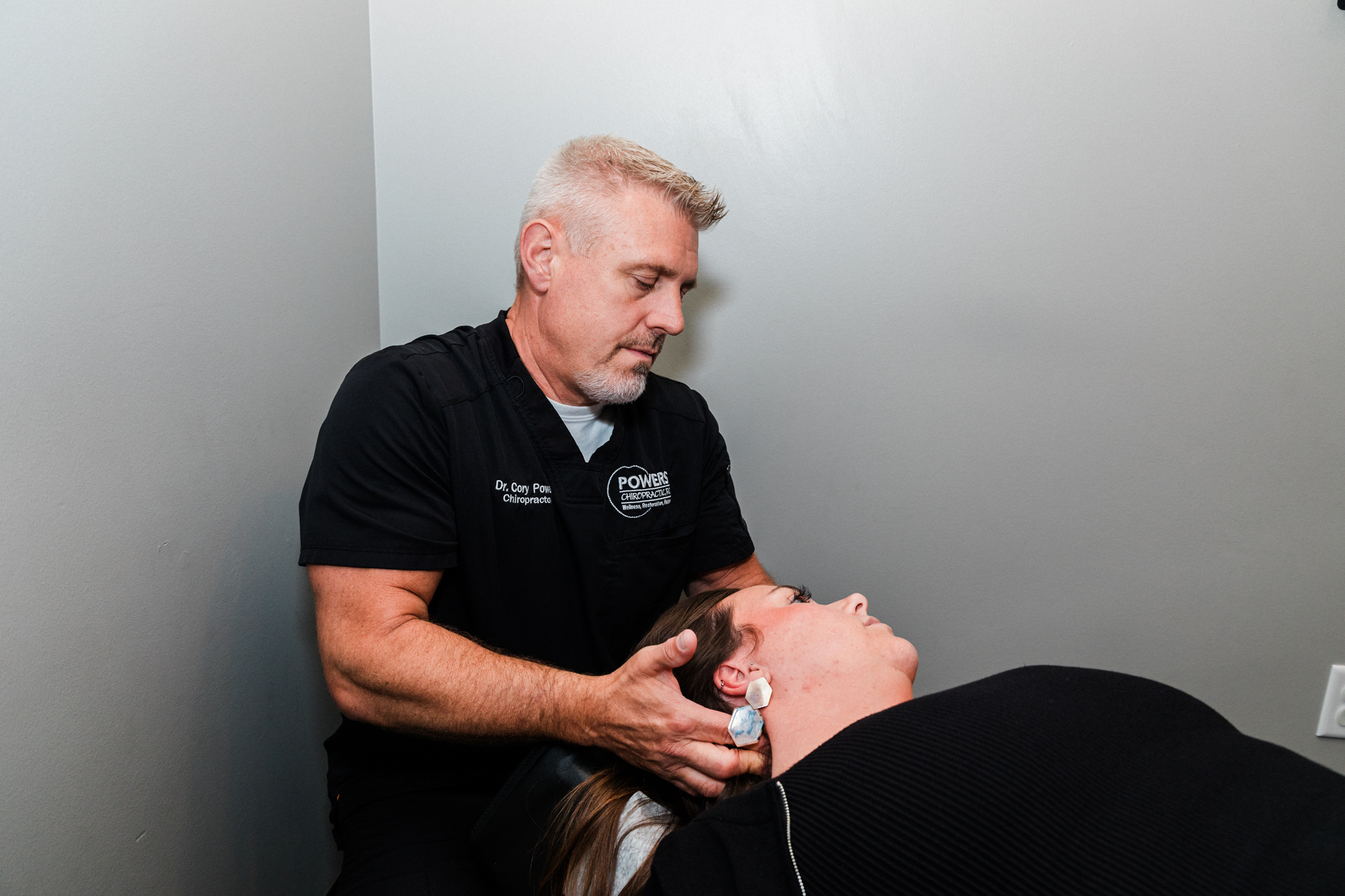
Chiropractic care takes a whole-person, root-cause approach that makes it fundamentally different from simply taking a pain reliever. At Powers Chiropractic, Dr. Cory Powers begins with a thorough evaluation to understand your headache history, posture, spinal alignment, and any contributing lifestyle factors. From there, a personalized care plan is developed.
Spinal manipulation, also called a chiropractic adjustment, is one of the primary tools used to address cervicogenic and tension headaches. By applying a controlled, precise force to restricted or misaligned spinal joints — particularly in the neck and upper back — an adjustment can restore proper motion, reduce nerve irritation, and relieve muscle tension. The American Chiropractic Association recognizes spinal manipulation as a recommended conservative option for tension-type headaches, and evidence from multiple research reviews suggests it may be beneficial for both tension and cervicogenic headaches.
Beyond adjustments, chiropractic care at Powers Chiropractic may also include soft tissue therapy to release muscle tension, postural assessments and corrective guidance, ergonomic advice to improve your workspace setup, and recommendations for stretching and movement habits that support long-term relief. This multi-faceted approach is what makes chiropractic a comprehensive option — not just a temporary fix.
For migraine sufferers, it’s important to have realistic expectations. Chiropractic is not a cure for migraines. However, research published in sources like the Journal of Manipulative and Physiological Therapeutics suggests that some migraine patients may experience a reduction in frequency and severity with regular chiropractic care. This is especially true when cervical muscle tension or spinal dysfunction appears to be a contributing trigger.
Practical Tips to Reduce Headache Frequency
While professional chiropractic care is an important part of the picture, there are meaningful steps you can take on your own to reduce how often headaches occur. Dr. Cory Powers often shares these recommendations with patients at Powers Chiropractic as part of a broader wellness strategy.
First, pay close attention to your posture — especially during prolonged sitting. Your ears should be directly above your shoulders, and your monitor should be at eye level so you’re not craning your neck downward. Taking short movement breaks every 30 to 45 minutes can help prevent the muscle fatigue that leads to tension headaches. Even a brief walk or a few shoulder rolls can make a significant difference over the course of a workday.
Staying well-hydrated is also important. Dehydration is a well-recognized headache trigger that’s easy to overlook. Aim to drink water consistently throughout the day rather than catching up all at once. Additionally, maintaining a consistent sleep schedule supports neurological health and reduces migraine vulnerability for many people. Irregular sleep is one of the most frequently reported migraine triggers.
Finally, consider keeping a headache journal. Tracking when your headaches occur, how long they last, what you were doing beforehand, and what you ate or drank can reveal patterns and triggers that you may not have noticed. This information is also incredibly helpful when working with Dr. Cory Powers to fine-tune your care plan.
When to See a Chiropractor for Your Headaches
If your headaches are frequent (occurring more than a few times per month), increasing in intensity, or beginning to interfere with your daily life, it’s a good time to seek a professional evaluation. Chiropractic care is particularly appropriate when headaches seem connected to neck pain, stiffness, or postural habits — all signs that a musculoskeletal component may be involved.
You should consider seeking chiropractic evaluation if you’ve been relying heavily on over-the-counter pain medications to get through the day. Frequent use of these medications can actually lead to a phenomenon called medication overuse headache, where the headaches become more frequent as a direct result of the medication. Getting to the root cause with conservative care is a smarter long-term strategy.
However, there are certain warning signs that indicate a headache requires immediate medical attention rather than chiropractic care. These include a sudden, thunderclap headache that is the worst pain you’ve ever felt, headaches accompanied by fever, stiff neck, confusion, vision changes, weakness, or numbness, and headaches that follow a head injury. If you experience any of these red flags, please seek emergency medical care right away. At Powers Chiropractic, patient safety always comes first, and Dr. Cory Powers will always refer out when a situation calls for it.
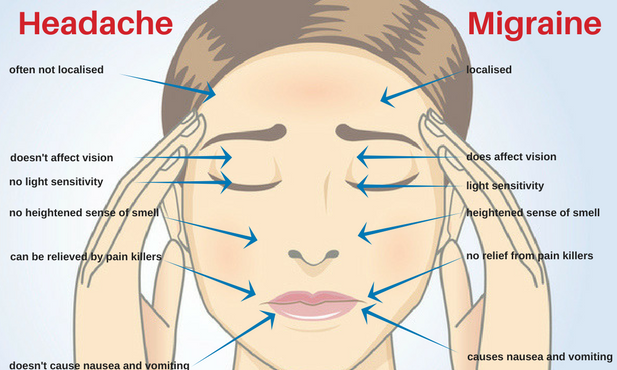
Headache Types at a Glance
|
Headache Type |
Common Symptoms |
Common Triggers |
Chiropractic Relevance |
|---|---|---|---|
|
Tension Headache |
Dull, pressing pain; band-like tightness around forehead or head |
Muscle tension, poor posture, stress, prolonged screen time |
High — closely linked to cervical muscle tension and spinal alignment |
|
Cervicogenic Headache |
One-sided pain, neck stiffness, pain worsened by neck movement |
Cervical joint restriction, whiplash, sustained postures |
Very High — direct musculoskeletal origin, highly responsive to chiropractic |
|
Migraine |
Throbbing, often one-sided; nausea, light/sound sensitivity, possible aura |
Hormonal changes, stress, diet, sleep disruption, sensory stimuli |
Moderate — may help reduce frequency/severity when cervical tension is a trigger |
|
Post-Traumatic Headache |
Varies; often follows injury, may involve neck pain and cognitive symptoms |
Car accidents, falls, sports injuries, concussion |
Moderate to High — cervical component often present; collaborative care recommended |
Myths vs. Facts About Chiropractic Care and Headaches
Myth: Chiropractic adjustments are only for back pain.
Fact: While chiropractic care is widely associated with low back pain, it is also well-recognized as an effective approach for neck-related disorders and headaches. The cervical spine plays a significant role in many headache types, and chiropractors are specifically trained to evaluate and care for the entire spine — including the neck. Organizations like the American Chiropractic Association and evidence reviews from the Cochrane Library have acknowledged chiropractic as a valuable option for tension-type and cervicogenic headaches.
Myth: Chiropractic care can cure migraines.
Fact: Chiropractic care is not a cure for migraines, and no responsible chiropractor will promise that it is. Migraines are complex neurological events with multiple contributing factors. What chiropractic may do — particularly when cervical tension or spinal dysfunction is a contributing factor — is help reduce the frequency and intensity of episodes for some patients. Dr. Cory Powers is always transparent with patients about what chiropractic can and cannot do.
Myth: Adjustments are painful and risky for headache patients.
Fact: Chiropractic adjustments are generally well-tolerated and are considered a low-risk, conservative treatment option for most patients. Dr. Cory Powers performs a thorough health history and physical evaluation before beginning any care to ensure adjustments are appropriate and safe for each individual. Gentle techniques are always available for patients who prefer them.
Myth: You’ll need to keep seeing a chiropractor forever once you start.
Fact: There is no obligation to receive ongoing chiropractic care indefinitely. Many patients seek care for a specific episode and experience meaningful relief. Others choose to continue with periodic wellness visits because they find it helps maintain their results — but that is always a personal choice. At Powers Chiropractic, care plans are tailored to each patient’s individual goals.
Myth: Medication is always more effective than chiropractic for headaches.
Fact: Medication can be helpful for managing headache symptoms, especially in acute situations. However, medications do not address the underlying musculoskeletal causes of tension or cervicogenic headaches. Research published in clinical guidelines, including those from the American College of Physicians, increasingly supports non-pharmacological approaches as a first-line option for many types of recurrent head pain. Chiropractic care is one of those recognized conservative options.
Final Thoughts from Powers Chiropractic in Omaha, NE
Living with frequent headaches or migraines doesn’t have to be your normal. Too many people in our Omaha community accept chronic head pain as just part of life — something to be managed with medication and pushed through. But there’s often so much more that can be done when you address what’s actually going on in the body.
At Powers Chiropractic, Dr. Cory Powers is passionate about helping patients in the Omaha area find meaningful, lasting relief through honest, evidence-informed chiropractic care. Whether you’re dealing with tension headaches from a demanding work schedule, cervicogenic head pain from an old injury, or migraines that seem to have a mind of their own, a thorough evaluation can help identify whether chiropractic care is right for you.
You don’t have to just cope with headaches. You deserve to understand why they’re happening — and to have a real plan for getting your life back. If you’ve been searching for headache relief near you in Omaha, we’d be glad to help you take that next step.
Frequently Asked Questions
Can a chiropractor really help with migraines?
Chiropractic care may help reduce the frequency and intensity of migraines for some individuals, particularly when cervical tension or spinal dysfunction is a contributing factor. It is not a cure, but it can be a meaningful part of a broader migraine management strategy. A thorough evaluation helps determine whether chiropractic is appropriate for your specific situation.
How many chiropractic visits does it take to see improvement in headaches?
The number of visits needed varies depending on the type and duration of headaches, overall health, and individual response to care. Some patients notice improvement within a few visits, while others benefit from a more extended course of care. Dr. Cory Powers will discuss realistic expectations with you at your initial evaluation.
Is it safe to get a chiropractic adjustment if I have a headache right now?
In most cases, yes — chiropractic care is considered safe during a headache episode, though the specific approach may be modified based on your symptoms. Dr. Cory Powers will evaluate your condition and adjust technique accordingly to ensure your comfort and safety. If your headache has any red-flag symptoms, you will be referred for appropriate medical care instead.
What’s the difference between a tension headache and a cervicogenic headache?
A tension headache typically presents as bilateral, band-like pressure and is associated with muscle tension and stress. A cervicogenic headache originates from dysfunction in the cervical spine and often presents on one side, with accompanying neck stiffness or pain. Cervicogenic headaches are often worsened by specific neck movements and are directly linked to spinal joint issues.
Do I need a referral to see a chiropractor for headaches in Omaha?
In Nebraska, you do not need a physician referral to see a chiropractor. You can contact Powers Chiropractic directly to schedule an evaluation. If during your visit it becomes clear that your headaches require medical management beyond chiropractic scope, Dr. Cory Powers will refer you to the appropriate provider.
Can poor posture really cause headaches?
Yes — poor posture, especially forward head posture from prolonged sitting or screen use, places significant strain on the muscles and joints of the neck. This strain can lead directly to tension and cervicogenic headaches over time. Correcting postural habits and addressing cervical alignment are key parts of how chiropractic care can help reduce headache frequency.
TL;DR
-
Many headaches — especially tension-type and cervicogenic headaches — have a strong musculoskeletal component that chiropractic care is well-positioned to address.
-
Spinal dysfunction and poor posture in the neck are among the most common, and most overlooked, contributors to chronic head pain.
-
Chiropractic care is non-invasive, drug-free, and focuses on finding the root cause of your headaches rather than just managing symptoms.
-
While chiropractic is not a cure for migraines, it may help reduce their frequency and severity when cervical factors are involved.
-
If you’re dealing with recurring headaches in the Omaha area, Dr. Cory Powers at Powers Chiropractic can perform a thorough evaluation and help you understand your options.