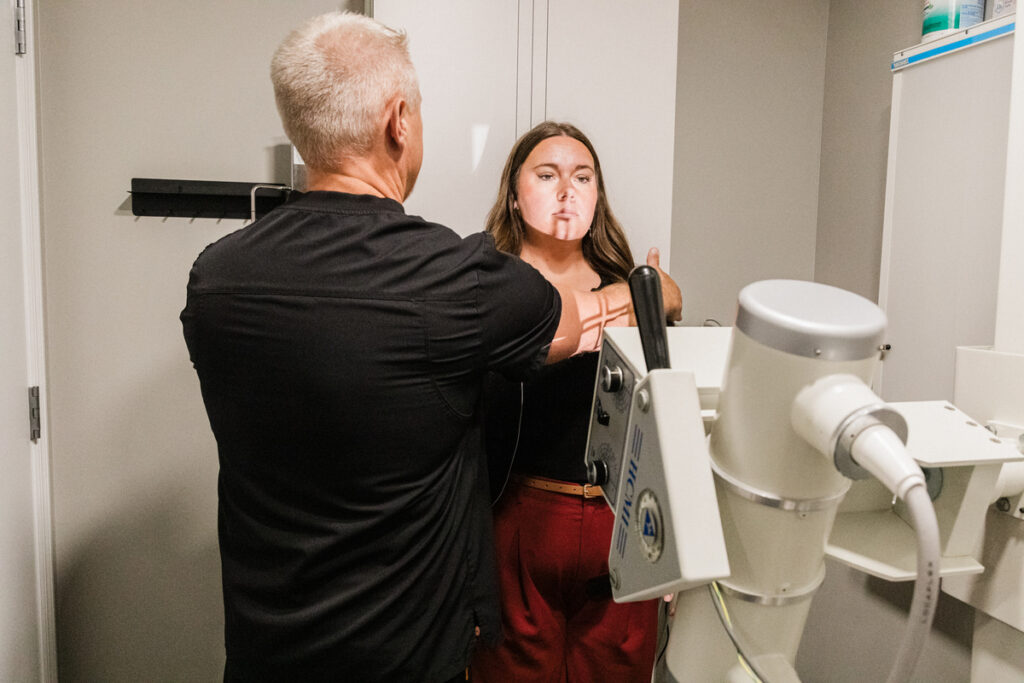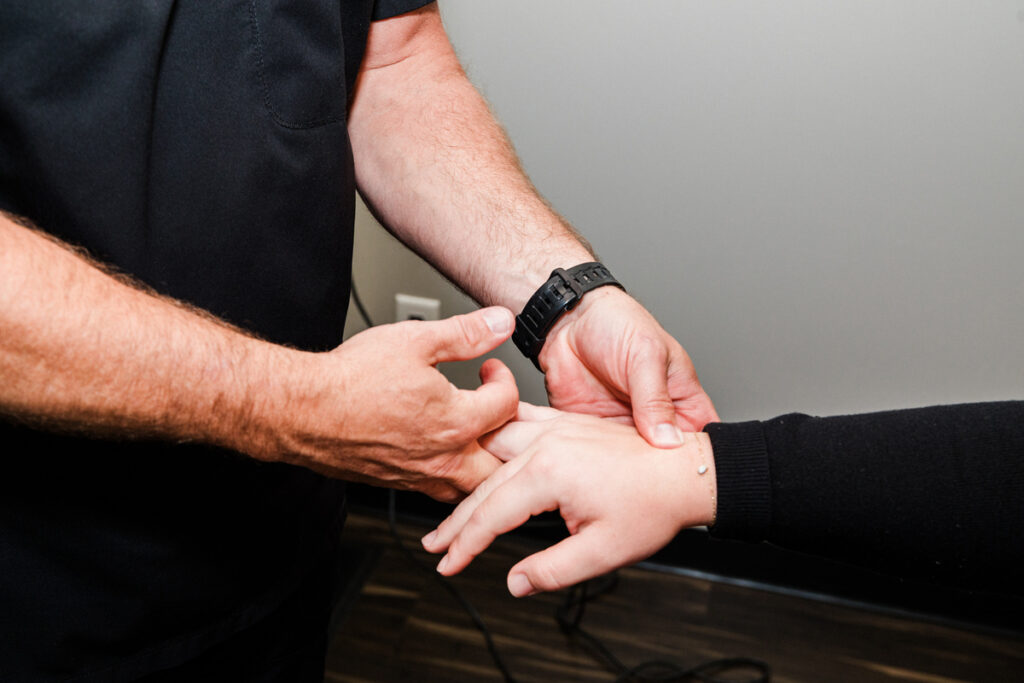

If you’re experiencing muscle strain or back pain, know that you’re not alone in this struggle. Many individuals encounter these challenges, and finding effective relief is crucial for your overall comfort and well-being. As a local chiropractor, I want to share some strategies that can help you on your path to recovery, emphasizing the natural healing power of chiropractic care.
First and foremost, rest is essential. Allowing your body to recuperate is the first step in alleviating pain. However, after a short period of rest, gentle movements and stretches can begin to restore mobility and flexibility. Simple exercises can be highly beneficial, and I can guide you through specific routines tailored to your needs during our chiropractic sessions.
Chiropractic care stands out as a holistic approach to pain relief. By focusing on spinal alignment and overall body function, chiropractic adjustments can significantly reduce muscle strain and back pain. Regular visits to a chiropractor not only address existing discomfort but also promote long-term wellness, helping to prevent future issues.
In addition to chiropractic adjustments, consider incorporating heat or cold therapy into your routine. Applying a heating pad or an ice pack can provide immediate relief and support the healing process. Make sure to listen to your body and adjust the temperature as needed.
Staying hydrated and maintaining a balanced diet are also key components of natural healing. Proper nutrition supports muscle function and recovery, while hydration helps to keep your spinal discs healthy.
Lastly, prioritize good posture in your daily activities. Whether sitting at a desk or lifting objects, maintaining proper alignment can prevent unnecessary strain on your back and muscles.
Curious about how these strategies can be tailored to your specific situation? Let’s work together to create a personalized plan that promotes your health and wellness, allowing you to enjoy life free from pain. Remember, chiropractic care is a powerful ally on your journey to optimal health!
Key Takeaways
- Start by prioritizing rest and gentle movements to give your body the chance to heal from muscle strain and back pain. Listening to your body is key!
- In the first 48 hours, consider using ice therapy for 15-20 minutes to help reduce inflammation. This is a simple yet effective way to manage pain and swelling.
- Once the initial swelling has gone down, switch to heat therapy to help relax those tight muscles. A warm compress or heating pad can work wonders!
- Incorporate gentle stretches and low-impact exercises into your routine. These activities can improve your flexibility and strengthen your back muscles, leading to better overall support for your spine.
- If you’re experiencing persistent pain, consulting with a chiropractor can be incredibly beneficial. We specialize in understanding the spine and can help you find relief through natural methods.
- Maintaining good posture is also crucial for your spinal health. Be mindful of how you sit, stand, and move throughout the day to support your back.
- Remember, chiropractic care is not just about treating pain; it’s about promoting overall wellness and helping your body function at its best. Embrace these tips and consider incorporating regular chiropractic visits into your health routine for optimal results!
Rest and Recovery
When you experience muscle strain or back pain, prioritizing rest and recovery is essential for effective healing. Your body requires time to repair itself, so it’s important not to rush back into your regular activities. Pay attention to what your body is telling you.
Resting doesn’t mean you have to be completely inactive; gentle movements like stretching can help maintain flexibility without putting stress on your injured areas.
Creating a cozy and supportive environment for recovery plays a significant role in your healing process. Use supportive pillows to help alleviate pressure on your back while sitting or lying down. If your pain is intense, it may be wise to take a break from activities that could worsen it, such as heavy lifting or high-impact exercises.
Instead, consider engaging in low-impact activities, like walking or gentle yoga, when you start to feel better.
Additionally, getting enough quality sleep is crucial for recovery and rebuilding strength. Make sleep a priority to ensure a smoother healing process, which will help you get back to feeling your best.
Remember, chiropractic care can be an excellent choice for managing pain and promoting natural wellness. A chiropractor can provide adjustments to help align your spine, relieve tension, and enhance your overall well-being.
Ice and Heat Therapy
To effectively manage muscle strain and back pain, incorporating ice and heat therapy into your routine can significantly enhance your recovery.
As a chiropractor, I recommend starting with ice therapy, especially during the first 48 hours following an injury. Applying a cold pack for 15-20 minutes can help reduce inflammation and numb the affected area, providing immediate relief. Just be sure to wrap the ice pack in a cloth to protect your skin from frostbite.
Once the initial swelling has decreased, it’s time to transition to heat therapy. Utilizing a heating pad, warm towel, or enjoying a warm bath can help relax tight muscles and promote better blood flow. Apply heat for about 15-20 minutes, but remember not to sleep with a heating pad to avoid burns.
It’s essential to listen to your body—if one method feels more effective than the other, feel free to stick with what works best for you. Combining these therapies can provide the relief you need, allowing you to return to your daily activities more comfortably.
While ice and heat therapy are beneficial, consider incorporating regular chiropractic care into your wellness routine for long-term pain relief and optimal health.
Chiropractic adjustments can address the root causes of your discomfort, helping to restore balance and function to your spine and muscles. Embracing a holistic approach to healing can lead to a healthier and more vibrant life.
Gentle Stretching and Exercise
Incorporating gentle stretching and exercise into your daily routine can be key to alleviating muscle strain and back pain, while also promoting overall wellness. As a chiropractor, I encourage you to start with simple stretches that target the neck, shoulders, and back. Neck rolls, shoulder shrugs, and gentle twists are excellent ways to increase flexibility and relieve tension. Always listen to your body; if something feels painful, it’s best to avoid that movement.
Low-impact exercises such as walking, swimming, or yoga can significantly strengthen your back and core muscles. These activities not only help with pain relief but also improve blood circulation, which is essential for healing. Aim for short sessions to start, and gradually increase the duration as you feel more comfortable.
Before you begin any stretching routine, take the time to warm up your muscles. Cooling down afterward is just as important, as it helps to prevent further injuries and promotes recovery. Consistency is key; sticking to your stretching and exercise routine will support your healing journey and enhance your overall well-being.
Chiropractic care can be an integral part of your health strategy. Regular adjustments can help align your spine, reducing pain and improving your body’s function.
If you’re unsure about what exercises are safe for you or how to integrate chiropractic care into your wellness plan, don’t hesitate to consult with a healthcare professional who specializes in natural healing. Remember, taking steps towards a healthier lifestyle can lead to lasting benefits for your body and mind.
Over-the-Counter Pain Relief
While gentle stretching and exercise play a crucial role in managing muscle strain and back pain, chiropractic care can offer a natural and effective approach to achieving lasting relief.
By addressing the underlying issues related to spinal health, chiropractic adjustments can help reduce discomfort and promote healing without the need for medications.
When pain strikes, it’s important to listen to your body. While some may consider over-the-counter pain relief options like NSAIDs or acetaminophen, these only mask the symptoms rather than address the root cause.
Chiropractic care focuses on restoring proper alignment and function within the spine, which can lead to significant improvements in pain and overall wellness.
In addition to regular chiropractic adjustments, incorporating gentle stretching and strengthening exercises into your routine can enhance your recovery and maintain a healthy spine.
Simple practices such as maintaining good posture, taking breaks from prolonged sitting, and staying active can also contribute to better spinal health.
If you’re unsure about the best approach to your pain or discomfort, seeking guidance from a chiropractor can provide personalized recommendations tailored to your specific needs.
Hydration and Nutrition
Staying hydrated and eating nutrient-rich foods are key components to support your recovery from muscle strain and back pain. When you’re well-hydrated, your muscles can function more efficiently, helping to reduce the risk of further injury. This is crucial for maintaining an active lifestyle and ensuring your body heals properly.
Incorporating a variety of vitamins and minerals into your diet can significantly aid your healing process. Foods rich in omega-3 fatty acids, such as fish and flaxseeds, can help reduce inflammation, while fruits and vegetables provide essential antioxidants that promote recovery. Consider adding leafy greens, berries, and nuts to your meals for a health boost.
As a chiropractor, I believe in the power of natural healing and the body’s ability to recover with the right support. Regular chiropractic adjustments can enhance your overall wellness by improving spinal alignment and nerve function, which can ultimately assist in pain relief and recovery.
In addition to hydration and nutrition, here are some general tips to help you on your path to wellness:
- Stay Active: Gentle exercises, such as walking or stretching, can keep your muscles engaged and support recovery.
- Listen to Your Body: Pay attention to how your body feels. If something doesn’t feel right, don’t hesitate to reach out for chiropractic care.
- Practice Good Posture: Maintaining proper posture, especially when sitting or standing for long periods, can alleviate pressure on your spine and reduce discomfort.
- Rest and Recover: Make sure to get enough sleep, as this is when your body does much of its healing work.
Importance of Hydration
Hydration is fundamental for muscle recovery and maintaining a healthy back, as it helps keep your muscles elastic and functioning properly. When you’re well-hydrated, your muscles can perform more efficiently, which significantly reduces the risk of strains and injuries.
On the flip side, dehydration can lead to muscle cramps and stiffness, which often worsen back pain.
To support your spinal health and overall well-being, make it a habit to drink water regularly throughout the day. This is especially important before, during, and after any physical activities.
Remember, staying hydrated isn’t just about quenching your thirst; it’s about providing your body with the fluids it needs to operate at its best.
Listen to your body’s signals—don’t wait until you feel thirsty to drink water. Keeping a water bottle handy can serve as a great reminder to hydrate.
Additionally, consider incorporating hydrating foods, like fruits and vegetables, into your diet to enhance your fluid intake.
Incorporating proper hydration into your daily routine can help alleviate discomfort and promote a healthier spine.
If you’re experiencing back pain or discomfort, chiropractic care can be an excellent option to explore. A chiropractor can help you address the root causes of your pain and provide guidance on maintaining a healthy lifestyle, including the importance of hydration.
Nutrient-Rich Foods
Proper nutrition is crucial for supporting hydration and promoting overall muscle health, which is especially important when recovering from muscle strain and back pain. As a chiropractor, I want to emphasize the role of nutrient-rich foods in your healing journey. By focusing on these foods, you can enhance your recovery and maintain optimal health without relying on medications or invasive treatments.
Start by incorporating lean proteins into your diet, such as chicken, fish, and legumes. These foods are vital for repairing damaged tissues and can help alleviate discomfort. Remember to include healthy fats as well, like those found in avocados and nuts, which can provide anti-inflammatory benefits that support your spine and muscles.
Don’t overlook the power of fruits and vegetables! Options like spinach, berries, and oranges are loaded with vitamins and antioxidants that can help reduce muscle soreness and assist in your recovery process. Whole grains, such as quinoa and brown rice, are excellent sources of carbohydrates that provide the energy you need to stay active and promote healing.
Staying hydrated is equally important. Make sure to drink plenty of water and consider electrolyte-rich drinks to enhance nutrient absorption. Proper hydration supports your body’s natural healing processes and can help alleviate pain.
By prioritizing these nutrient-rich foods, alongside regular chiropractic care, you can enhance your recovery and overall well-being. Chiropractic adjustments can help restore spinal alignment, reduce pain, and improve mobility, allowing your body to heal naturally.
Posture Correction
While many people overlook the importance of posture, correcting it’s a crucial step towards alleviating muscle strain and back pain. As a chiropractor, I can’t emphasize enough how beneficial proper posture is for your overall health and wellness. Start by being mindful of your body alignment throughout the day.
Whether sitting, standing, or walking, aim to keep your shoulders back and your head aligned with your spine.
When sitting, choose a supportive chair and keep your feet flat on the floor. Avoid slumping or leaning forward; instead, sit up straight and engage your core muscles. This small adjustment can make a significant difference in your comfort and well-being.
If you find yourself at a desk for long periods, be sure to take regular breaks to stretch and reset your posture. Setting reminders on your phone or computer can be a helpful way to keep this practice consistent.
When standing, distribute your weight evenly on both feet and avoid locking your knees to maintain balance and reduce strain.
Remember, practicing good posture isn’t just about comfort; it’s about preventing further strain on your muscles and spine. By making these simple adjustments, you’ll not only feel more energized but also reduce your risk of pain.
Chiropractic care is an excellent way to support your journey toward optimal health. Regular adjustments can help maintain proper alignment, enhance your posture, and promote natural healing throughout your body.
Massage Therapy
Chiropractic care can be a powerful ally in relieving muscle strain and back pain. When you choose to visit a chiropractor, you’re making a proactive investment in your overall well-being. Chiropractors specialize in identifying and addressing spinal misalignments and tension in the muscles, which can contribute to discomfort and pain.
Techniques such as spinal adjustments and soft tissue therapy can provide immediate relief by correcting misalignments and relieving tension in tight muscles. It’s important to communicate openly with your chiropractor about your pain levels and any specific areas that require additional attention.
Regular chiropractic sessions can significantly enhance your mobility and flexibility, making it easier for you to engage in daily activities without discomfort. Additionally, the holistic approach of chiropractic care not only addresses physical pain but also promotes relaxation and stress relief, which can be a key factor in managing chronic pain.
If you’re experiencing muscle strain or back pain, consider incorporating chiropractic care into your wellness routine. Here are some general tips to help you along the way:
- Stay Active: Regular physical activity can help keep your muscles strong and flexible, reducing the risk of strain.
- Maintain Good Posture: Being mindful of your posture, especially when sitting for long periods, can help prevent discomfort.
- Listen to Your Body: If you feel pain or discomfort, don’t ignore it. Seek help from a chiropractor to address the issue early on.
- Incorporate Stretching: Gentle stretching can help keep muscles flexible and reduce tightness.
- Stay Hydrated: Proper hydration supports muscle function and overall health.
Physical Therapy
When you’re experiencing muscle strain and back pain, chiropractic care can truly be a game changer. With a focus on spinal alignment and natural healing, chiropractic adjustments can help alleviate pain, restore mobility, and promote overall wellness.
Let’s dive into how chiropractic methods can support your journey to feeling better and getting back to your daily activities.
Chiropractic care emphasizes the importance of a healthy spine, which is vital for your overall health. By correcting misalignments in your spine, we can relieve pressure on your nerves and improve your body’s ability to heal itself.
This approach not only helps in pain relief but also enhances your body’s functioning, leading to improved strength and mobility.
In addition to chiropractic adjustments, incorporating targeted exercises and stretches can further aid in your recovery. Simple movements can help strengthen your muscles and improve flexibility, making it easier to perform daily tasks without discomfort.
Here are some general tips to support your health and wellness:
- Stay Active: Gentle exercises like walking, swimming, or yoga can keep your muscles engaged and prevent stiffness.
- Maintain Good Posture: Be mindful of your posture throughout the day, especially when sitting or lifting heavy objects. Proper alignment can prevent further strain on your back.
- Stay Hydrated: Drinking plenty of water supports muscle function and overall health, helping to keep your body in balance.
- Listen to Your Body: If something doesn’t feel right, it’s important to pay attention and seek care promptly.
By choosing chiropractic care, you’re opting for a natural, holistic approach to pain relief and wellness.
It’s not just about treating symptoms; it’s about addressing the root cause of your discomfort and helping you achieve optimal health.
Therapeutic Exercises Benefits
As a chiropractor, I want to emphasize the incredible benefits of therapeutic exercises for anyone struggling with muscle strain and back pain. These exercises are a vital part of your journey towards natural healing and optimal health. By focusing on improving flexibility, strengthening your muscles, and enhancing overall mobility, you can take control of your body and well-being.
Consistently practicing therapeutic exercises not only helps to alleviate pain but also plays a crucial role in preventing future injuries. When your muscles are strong and flexible, they provide better support for your spine, which is essential for maintaining a healthy back.
Here’s a quick look at the benefits you can expect from incorporating therapeutic exercises into your daily routine:
| Benefits | Description |
|---|---|
| Pain Relief | Movement helps reduce discomfort and stiffness. |
| Strength Building | Stronger muscles provide better support for your back. |
| Improved Flexibility | Increased range of motion enhances overall mobility. |
To make the most of your recovery journey, it’s important to prioritize these exercises. Here are some simple tips you can incorporate into your routine:
- Start Slow: If you’re new to therapeutic exercises, begin with gentle movements and gradually increase intensity as your body allows.
- Stay Consistent: Aim for a regular schedule, even if it’s just a few minutes a day. Consistency will yield the best results.
- Listen to Your Body: Pay attention to how your body feels during and after exercises. If something doesn’t feel right, don’t push through the pain.
- Ask for Guidance: A chiropractor can provide personalized recommendations and ensure you’re performing exercises safely and effectively.
Manual Therapy Techniques
Manual therapy techniques are a vital component of achieving optimal health and wellness, especially when it comes to relieving muscle strain and back pain. These techniques focus on manipulating soft tissues to enhance mobility and alleviate discomfort, making them an excellent complement to chiropractic care. Approaches such as massage, myofascial release, and joint mobilization not only help ease tightness but also work to restore function and support your body’s natural healing process.
When you visit a chiropractor for manual therapy, a skilled practitioner will target specific areas of concern, applying gentle pressure to release tension and improve blood flow. This hands-on approach not only helps to reduce pain but also enhances your overall range of motion, allowing you to move more freely and comfortably in your daily life.
It’s essential to communicate openly with your chiropractor about your pain levels and any discomfort you may feel during treatment. Your feedback is valuable in tailoring the therapy to your specific needs, ensuring you receive the most effective care possible.
Incorporating manual therapy into your wellness routine can lead to significant relief and a quicker recovery process. Here are some general tips to consider:
- Stay Hydrated: Drinking plenty of water helps keep your muscles and tissues hydrated, which is essential for recovery and overall health.
- Practice Good Posture: Maintaining proper posture while sitting, standing, and walking can prevent unnecessary strain on your back and muscles.
- Engage in Regular Movement: Incorporating light stretching and movement into your day can help keep your muscles flexible and reduce stiffness.
- Listen to Your Body: Pay attention to how your body feels during activities. If you experience pain, it might be a sign to take a break or adjust your movements.
- Follow Your Chiropractor’s Advice: Your chiropractor may suggest specific exercises or lifestyle changes to complement your manual therapy sessions. Following their guidance can enhance your healing journey.
Mindfulness and Relaxation Techniques
Mindfulness and relaxation techniques can serve as valuable companions in managing muscle strain and alleviating back pain. While chiropractic care is an effective way to address these issues, incorporating some simple mindfulness practices into your daily routine can further enhance your healing journey.
Here are three techniques you can easily try at home:
- Deep Breathing: Take a moment to focus on your breath. Inhale deeply through your nose, allowing your abdomen to expand, and then slowly exhale through your mouth. This calming practice not only soothes your mind but also helps release tension in your muscles, which can complement the benefits of chiropractic adjustments.
- Progressive Muscle Relaxation: This technique involves tensing and then relaxing each muscle group in your body, starting from your toes and moving up to your head. By consciously releasing tightness in your muscles, you can enhance the relaxation effects of your chiropractic care and promote overall well-being.
- Guided Imagery: Imagine a peaceful scene or a place where you feel completely safe and relaxed. Visualizing this calming environment can help redirect your focus away from pain and stress. This mental escape can work hand in hand with chiropractic treatment to foster a deeper sense of relaxation and healing.
Incorporating these easy techniques into your daily life can bring about significant relief and improve your overall health.
Remember, while mindfulness practices are beneficial, regular chiropractic care is essential for maintaining optimal spinal health and ensuring your body functions at its best.
Embrace these approaches together for a holistic path to wellness!
When to Seek Professional Help
When should you consider seeking professional help for muscle strain or back pain? If your pain lingers for more than a few days, it’s wise to consult with a chiropractor. Ignoring symptoms like severe discomfort, swelling, or bruising can lead to bigger issues.
It’s particularly important to seek help if you notice numbness, tingling, or weakness in your legs—these could be signs of nerve involvement that warrant immediate attention.
If your pain is interfering with your daily activities or keeping you from a good night’s sleep, a professional evaluation is crucial. A chiropractor can provide a thorough assessment and offer natural treatment options tailored to your needs. If over-the-counter pain relievers aren’t cutting it, it’s time to explore chiropractic care, which focuses on healing your body naturally.
Remember, early intervention with chiropractic care can help prevent more serious problems down the road. If you’ve recently suffered an injury from a fall or accident, don’t hesitate to get checked out by a chiropractor. Listening to your body is essential; if something doesn’t feel right, trust your instincts and seek the help you deserve.
In the meantime, here are some general tips to help manage your pain and promote healing:
- Maintain good posture while sitting and standing.
- Incorporate gentle stretching into your daily routine.
- Consider applying ice or heat to the affected area for relief.
Prioritize self-care and stay active within your comfort zone to support your recovery. With chiropractic care, you can achieve optimal health and wellness naturally!
Conclusion
By following these tips for muscle strain and back pain relief, you can effectively alleviate discomfort and promote healing while prioritizing your overall health. As a chiropractor, I believe that the body has an incredible ability to heal itself, especially when supported by gentle movement, proper nutrition, and spinal health.
- Listen to Your Body: Pay attention to what your body is telling you. If you’re feeling pain, it’s essential to give yourself the rest you need. Pushing through discomfort can lead to further injury.
- Gentle Movement: Incorporate gentle stretches and movements into your routine. Activities like walking or yoga can help maintain flexibility without putting too much strain on your muscles and spine.
- Proper Nutrition: Fuel your body with nutritious foods that support healing. Foods rich in antioxidants, vitamins, and minerals can help reduce inflammation and aid recovery.
- Chiropractic Care: Consider visiting a chiropractor for a personalized assessment. Chiropractic adjustments can help alleviate pain, improve spinal alignment, and enhance overall wellness without the need for medications or invasive procedures.
- Massage Therapy: Therapeutic massage can complement chiropractic care by relaxing tight muscles and improving circulation, which can further aid in recovery.
- Hydration: Staying well-hydrated is crucial for healthy muscles and joints. Water helps maintain elasticity and reduces the risk of cramps and strains.
- Ergonomics: Pay attention to your posture, especially if you spend long hours sitting. Proper ergonomics at your workstation can prevent additional strain on your back.
- Heat and Cold Therapy: Utilize heat packs to relax tight muscles and cold packs to reduce inflammation. Both methods can provide relief and enhance your healing process.
- Mindfulness and Relaxation: Stress can contribute to muscle tension. Practice mindfulness techniques such as deep breathing or meditation to help manage stress and promote relaxation.
- Stay Consistent: Healing takes time, so be patient with yourself. Consistency in your care routine, whether it’s chiropractic visits, exercises, or self-care practices, will yield the best results.
If your pain persists, it’s important to seek professional help from a chiropractor who can guide you on your healing journey. With patience and the right care, you can get back to feeling your best and living a healthier, pain-free life!