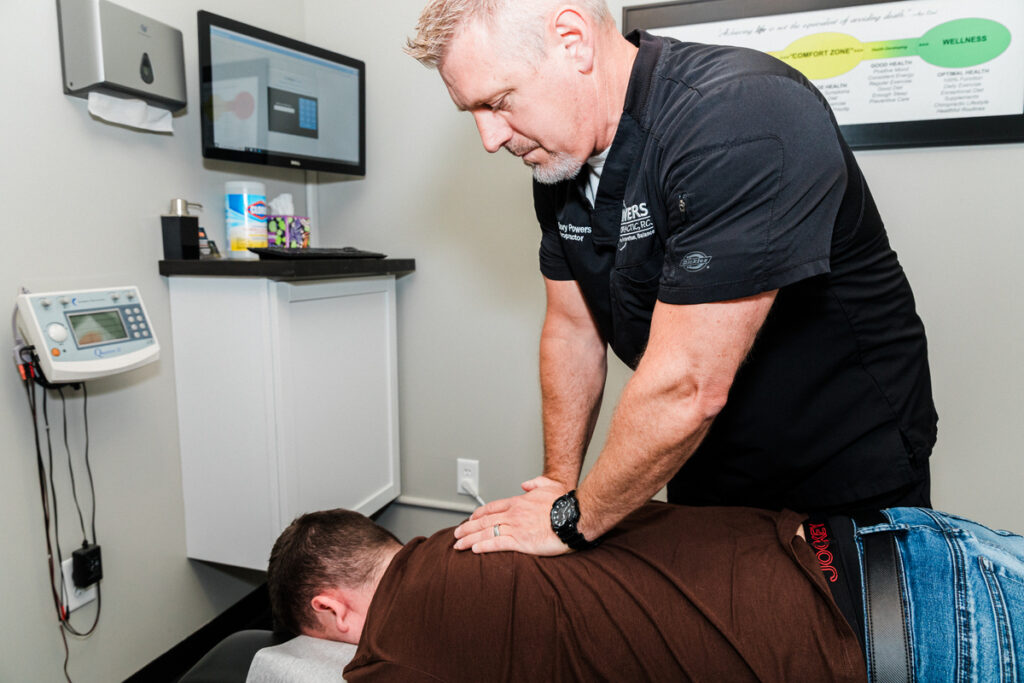

Dealing with back pain can be frustrating, but you don’t have to face it alone. As a local chiropractor, I want to help you understand the causes of your discomfort and explore effective strategies for relief. One of the most impactful steps you can take is to improve your posture. Simple adjustments in how you sit, stand, and move can make a world of difference in alleviating pain.
Incorporating mindfulness techniques, such as deep breathing and gentle stretching, can also help ease tension in your back. These practices promote relaxation and can enhance your overall well-being. You might be surprised by how much simple lifestyle changes can help.
Chiropractic care is one of the best choices for achieving optimal health and relieving back pain naturally. Through gentle spinal adjustments, we can align your spine, reduce nerve interference, and promote your body’s innate ability to heal itself. It’s a holistic approach that addresses the root of the problem rather than just masking the symptoms.
Here are a few tips you can take away for managing your back pain:
- Stay Active: Gentle exercises, such as walking or swimming, can strengthen your back muscles and improve flexibility.
- Practice Good Posture: Be mindful of your posture while sitting and standing. Use chairs that support your lower back and keep your feet flat on the ground.
- Use Heat or Cold Therapy: Applying a heat pack or ice pack to your back can help relieve pain and reduce inflammation.
- Stay Hydrated: Drinking plenty of water supports spinal health by keeping the discs in your spine hydrated and functioning properly.
- Schedule Regular Chiropractic Visits: Regular adjustments can help maintain spinal health, prevent pain, and improve your overall quality of life.
By taking these steps and considering chiropractic care, you can embark on a path toward natural healing and a healthier, pain-free life. Remember, you’re not alone in this journey—I’m here to help you every step of the way!
Key Takeaways
- Prioritize good posture and make ergonomic adjustments in your workspace. This simple change can significantly reduce spinal strain and discomfort, leading to a healthier back.
- Regular physical activity is key to maintaining back health. Incorporate stretching and strengthening exercises into your routine. These activities not only enhance flexibility but also support your spine’s structural integrity.
- Mindfulness techniques, such as deep breathing and meditation, can greatly alleviate stress and muscle tension. This holistic approach complements chiropractic care by promoting relaxation and overall well-being.
- Nourishing your body with a balanced diet rich in calcium, omega-3 fatty acids, and vitamin D is essential for musculoskeletal health. These nutrients help reduce the risk of pain and support your spinal health.
- As a chiropractor, I recommend consulting with a professional for personalized treatment plans tailored to your needs. We can provide insights on proper body mechanics and effective exercise techniques to enhance your wellness journey.
By embracing these lifestyle changes and considering chiropractic care, you can take significant steps toward natural pain relief and optimal health. Remember, your spine is the foundation of your overall well-being, and caring for it is an investment in your future health.
Understanding the Causes of Back Pain
When you experience back pain, it’s crucial to understand the root causes to find effective relief. Often, poor lifting techniques or repetitive movements can strain your muscles, leading to discomfort. Overexertion during physical activities can also play a role, as can a sedentary lifestyle that weakens your core muscles, making your back more vulnerable to injury.
Age-related degeneration, such as herniated discs or arthritis, can significantly contribute to back pain. However, many people overlook the impact of stress and emotional strain, which can physically manifest as tight muscles and tension in your back. Additionally, carrying excess weight can put extra pressure on your spine, worsening pain.
Identifying the specific cause of your back pain is essential for effective relief, and chiropractic care can be a natural solution. By addressing the alignment of your spine and supporting your body’s natural healing processes, chiropractic adjustments can help alleviate pain and restore mobility.
Here are some general tips to promote a healthier back and prevent pain:
- Practice Good Posture: Whether sitting or standing, maintaining proper posture can reduce strain on your back.
- Lift Properly: Bend at your knees and keep your back straight when lifting heavy objects to avoid injury.
- Stay Active: Regular physical activity strengthens your core and back muscles, which can help prevent pain.
- Manage Stress: Engage in relaxation techniques such as deep breathing, yoga, or meditation to reduce muscle tension.
- Maintain a Healthy Weight: Eating a balanced diet and staying active can help manage your weight, reducing stress on your spine.
- Schedule Regular Chiropractic Visits: Regular check-ups with a chiropractor can help maintain spinal health, prevent issues before they arise, and promote overall wellness.
The Importance of Posture
Your posture plays a vital role in maintaining a healthy spine and preventing back pain. When you sit or stand correctly, you can significantly reduce pressure on your spine and promote better alignment. This not only helps alleviate discomfort but also supports your overall well-being.
As a chiropractor, I want to share some simple yet effective techniques for sitting and standing that can make a world of difference in your daily life.
Sitting Tips:
- Choose the Right Chair: Opt for a chair that supports your lower back. A chair with good lumbar support can help you maintain the natural curve of your spine.
- Feet on the Floor: Keep your feet flat on the ground or on a footrest. This helps distribute your weight evenly and reduces strain on your back.
- Monitor Height: Your computer screen should be at eye level to prevent straining your neck. If you work at a desk, consider using a monitor stand.
- Take Breaks: Remember to stand up, stretch, and walk around every 30 minutes to keep your muscles engaged and alleviate tension.
Standing Tips:
- Proper Alignment: Keep your shoulders back and your head aligned over your spine. This posture helps reduce strain on your back and neck.
- Weight Distribution: Try to distribute your weight evenly between both feet. Avoid leaning on one leg, as this can lead to imbalances and discomfort.
- Engage Your Core: Strengthening your core muscles can provide better support for your spine. Consider incorporating exercises that target your abdominal and back muscles.
- Footwear Matters: Wear supportive shoes that provide cushioning and stability. Avoid high heels or flip-flops, which can lead to poor posture and back pain.
By incorporating these tips into your daily routine, you can take important steps toward better posture and pain relief.
Remember, chiropractic care is an excellent option for achieving optimal health and wellness. Regular chiropractic adjustments can help realign your spine, improve your posture, and enhance your overall quality of life.
If you’re experiencing back pain or discomfort, don’t hesitate to reach out to your local chiropractor for personalized care and guidance. Together, we can work towards a healthier, pain-free you!
Correct Sitting Techniques
Proper sitting techniques are crucial for preventing back pain and promoting overall wellness, and as a chiropractor, I’m here to share how good posture can significantly enhance your comfort and health.
When you sit, aim to keep your feet flat on the floor and your knees bent at a right angle. This simple adjustment helps maintain proper spinal alignment.
It’s important to ensure your back is well-supported by your chair. Ideally, choose a chair that has a slight curve to align with the natural shape of your spine. Slouching or leaning forward can lead to discomfort; instead, sit back in your chair and engage your core muscles to support your spine. If necessary, consider using a cushion to help maintain this alignment.
To prevent neck strain, position your computer screen at eye level. This will encourage you to keep your head in a neutral position, reducing tension in your neck and shoulders.
Remember to take regular breaks to stand up and stretch. These brief moments of movement are essential for allowing your muscles to relax and reducing any built-up tension.
Incorporating these simple sitting adjustments into your daily routine can greatly improve your sitting experience and contribute to your overall well-being.
If you’re experiencing any discomfort or pain, don’t hesitate to reach out for chiropractic care. We focus on natural healing methods that can help restore your body’s function and promote a healthier lifestyle.
Your journey to optimal health starts with understanding how to take care of your body—starting with how you sit!
Standing Alignment Tips
Maintaining good posture while standing is just as crucial for your spinal health as it’s when you’re sitting. As your local chiropractor, I want to share some simple yet effective tips to help you stand tall and support your overall well-being.
Start by positioning your feet hip-width apart and evenly distributing your weight between both legs. This balance helps reduce strain on your spine. Engage your core muscles—think of them as your body’s natural support system for your back. Remember to keep your knees slightly bent; locking them can lead to discomfort.
Your shoulders should be relaxed and aligned with your hips. Avoid hunching forward, as this can put unnecessary pressure on your spine. Instead, focus on keeping your head in a neutral position, with your ears aligned over your shoulders. Picture a string gently pulling you upward from the top of your head; this visualization can encourage an elongated spine.
If you find yourself standing for long periods, it’s important to shift your weight from one foot to the other regularly. This small adjustment can make a big difference in reducing back pain and discomfort.
By incorporating these simple standing techniques into your daily routine, you can promote better posture and support your spinal health.
Stretching and Strengthening Exercises
To effectively alleviate back pain and promote overall wellness, it’s essential to incorporate stretching and strengthening exercises into your daily routine.
These exercises not only improve your flexibility and strengthen your core but also enhance your stability, helping to prevent future discomfort. As a chiropractor, I believe that a proactive approach to spinal health is key to achieving optimal well-being.
Here are three fundamental exercises that can help you on your journey to better back health:
- Cat-Cow Stretch: This dynamic stretch is perfect for improving spinal flexibility. Start on all fours, with your hands under your shoulders and knees under your hips. As you inhale, arch your back upwards (Cat position), and as you exhale, dip your back down while lifting your head and tailbone (Cow position). Repeat this flow several times to help loosen up your spine.
- Plank: Engaging your core is vital for supporting your back. To perform a plank, position yourself on your elbows and toes, keeping your body in a straight line from head to heels. Aim to hold this position for 20-30 seconds, gradually increasing the time as your strength improves. This exercise not only strengthens your core but also stabilizes your spine.
- Child’s Pose: This gentle stretch can provide immediate relief from back tension. Start by kneeling and sitting back on your heels. Reach your arms forward on the ground, allowing your forehead to rest down. Breathe deeply and relax in this position for several breaths. It’s a wonderful way to decompress your spine and calm your mind.
Incorporating these exercises into your routine can lead to lasting relief from back pain.
Remember, chiropractic care is also an excellent way to address any underlying issues and support your journey to natural wellness. By focusing on spinal health and maintaining an active lifestyle, you can achieve optimal health without the need for surgery or medications.
Always listen to your body and consult with your chiropractor for personalized guidance tailored to your needs.
The Role of Physical Therapy
While incorporating exercises into your daily routine can be beneficial for managing back pain, chiropractic care is a powerful ally in your journey to recovery. A chiropractor assesses your spinal health and crafts a personalized treatment plan that focuses on realigning your spine and improving overall wellness.
Here’s an overview of what chiropractic care can offer:
| Focus Area | Benefits |
|---|---|
| Spinal Adjustments | Restores proper alignment |
| Mobility Exercises | Increases flexibility and range of motion |
| Posture Improvement | Alleviates strain on your back |
Your chiropractor will also educate you on proper body mechanics, which can help you avoid future injuries. By working closely with a chiropractic professional, you ensure that your path to recovery is not only safe and effective but also rooted in natural healing.
Embracing chiropractic care is a proactive step toward a pain-free life. Here are some general tips you can incorporate into your daily routine to support your back health:
- Practice Good Posture: Keep your shoulders back and avoid slouching, especially when sitting for long periods.
- Stay Active: Engage in low-impact exercises like walking or swimming to keep your back muscles strong and flexible.
- Listen to Your Body: Pay attention to any discomfort and consult your chiropractor if you experience persistent pain.
Incorporating Mindfulness and Stress Reduction
Incorporating mindfulness and stress reduction techniques can significantly alleviate your back pain, complementing the benefits of chiropractic care. By practicing mindfulness meditation and engaging in simple breathing exercises, you can calm your mind and release tension in your body.
These methods not only enhance relaxation but also support the healing process facilitated by chiropractic adjustments. Chiropractic care focuses on aligning your spine and improving your overall well-being, making it an excellent choice for those seeking natural pain relief.
When combined with mindfulness practices, you can achieve optimal health and wellness. Here are a few tips you can easily integrate into your daily routine:
- Mindful Breathing: Take a few minutes each day to focus on your breath. Inhale deeply through your nose, hold for a moment, and exhale slowly through your mouth. This helps reduce stress and promotes relaxation.
- Body Scan Meditation: Lie down comfortably and mentally scan your body from head to toe, noticing any areas of tension. As you identify these areas, consciously relax them. This practice encourages awareness of your body and supports the adjustments made during chiropractic care.
- Daily Stretching: Incorporate gentle stretches into your routine to maintain flexibility and reduce muscle tension. Simple stretches can enhance the effectiveness of your chiropractic adjustments and contribute to pain relief.
- Gratitude Journaling: Spend a few minutes each day writing down things you’re grateful for. This practice shifts your focus away from pain and negativity, promoting a positive mindset that can enhance your overall wellness.
By embracing these mindfulness techniques alongside chiropractic care, you can create a holistic approach to managing back pain and improving your health.
Mindfulness Meditation Techniques
Mindfulness meditation techniques can be a wonderful complement to chiropractic care, especially when it comes to easing back pain and promoting overall wellness. By focusing on the present moment, you can help your mind and body release tension, which is essential for spinal health.
Here are three effective mindfulness techniques to incorporate into your routine alongside chiropractic adjustments:
1. Body Scan: Find a comfortable position, either lying down or sitting. Take a moment to mentally scan your body from head to toe, paying attention to any areas where you feel tightness or discomfort. Acknowledge these sensations without judgment, and then consciously relax those muscles.
This practice can enhance the benefits of your chiropractic care by helping your body remain relaxed and receptive to healing.
2. Guided Meditation: Consider using an app or online resource to access guided meditations specifically tailored for pain relief. These sessions can help you maintain your focus and deepen your relaxation, making it easier for your body to respond positively to chiropractic adjustments.
Look for meditations that emphasize spinal health and overall body awareness.
3. Mindful Movement: Engage in gentle stretching or yoga while paying close attention to your breath and how your body feels. This practice combines movement with mindfulness, allowing you to cultivate awareness of your spinal alignment and overall posture.
Remember, maintaining good posture is crucial for spinal health, and mindful movement can help reinforce this.
Incorporating these mindfulness techniques into your daily routine can lead to a more balanced, pain-free life.
Breathing Exercises Benefits
Breathing exercises can be a game-changer for those experiencing back pain. As a chiropractor, I often emphasize the importance of natural healing practices that support overall wellness. By focusing on your breath, you can not only reduce stress but also enhance your body’s awareness and posture, both of which are crucial for maintaining a healthy spine.
Here’s a brief look at how breathing exercises can benefit you, especially if you’re dealing with back pain:
| Benefit | Description | Impact on Back Pain |
|---|---|---|
| Stress Reduction | Helps lower cortisol levels | Eases muscle tension |
| Enhanced Mindfulness | Boosts awareness of the present | Improves body awareness |
| Better Breathing | Increases oxygen flow | Aids muscle relaxation |
Incorporating breathing exercises into your daily routine is simple and can significantly improve your back health. Here are a few tips to get you started:
- Set Aside Time: Dedicate a few minutes each day to practice breathing exercises. This could be in the morning, during breaks, or before bed.
- Find a Comfortable Position: Whether sitting or lying down, make sure you’re comfortable. Good posture during breathing exercises enhances their effectiveness.
- Focus on Your Breath: Close your eyes and take deep, slow breaths. Inhale deeply through your nose, allowing your abdomen to rise, and then exhale through your mouth. This practice helps calm your mind and reduces tension.
- Integrate with Chiropractic Care: Combine these exercises with regular chiropractic adjustments for optimal spinal health. Chiropractic care helps align your spine, making it easier to practice good breathing techniques and maintain proper posture.
Nutritional Support for Musculoskeletal Health
While many people mightn’t think of nutrition when it comes to back pain relief, the truth is that what you eat can significantly impact your musculoskeletal health. A well-balanced diet packed with essential nutrients supports strong bones and muscles, helping to reduce the risk of back pain.
As a chiropractor, I believe in a holistic approach to health, and nutrition plays a vital role in that.
Here are three important nutrients to include in your diet for better spinal health:
- Calcium: This mineral is crucial for maintaining strong bones. You can find calcium in dairy products like yogurt and cheese, as well as in leafy greens such as kale and fortified plant-based milks. Ensuring you get enough calcium can help keep your spine healthy and strong.
- Omega-3 Fatty Acids: These healthy fats, which are abundant in fatty fish like salmon, flaxseeds, and walnuts, are known for their anti-inflammatory properties. Reducing inflammation can help alleviate pain and improve your mobility, making it easier for you to stay active and maintain a healthy spine.
- Vitamin D: This vitamin is essential for absorbing calcium, which is why it’s important to get enough of it. You can soak up vitamin D from sunlight, enjoy fatty fish, or consider supplements if necessary. Adequate vitamin D levels contribute to overall bone health and can enhance your recovery from back pain.
In addition to focusing on these key nutrients, remember that regular chiropractic care can play a significant role in achieving optimal health and wellness. A chiropractor can help identify misalignments in your spine and provide adjustments that promote better function and pain relief.
Incorporating these dietary tips along with regular chiropractic visits can lead to a healthier, pain-free life.
Always listen to your body, and take small steps towards better nutrition and wellness every day. Together, we can work towards a stronger, pain-free you!
Alternative Therapies: Acupuncture and Chiropractic Care
If you’re dealing with back pain and looking for effective relief, chiropractic care is a fantastic option to consider. As a chiropractor, I believe in the power of natural healing through spinal health. Chiropractic care focuses on diagnosing and treating musculoskeletal disorders, primarily through gentle spinal adjustments.
By realigning your spine, we can alleviate pressure on nerves, enhance your body’s natural function, and help you move with greater ease. Many people experience significant pain reduction and improved mobility through regular chiropractic sessions.
Unlike other methods, chiropractic care addresses the root cause of your discomfort rather than just masking the symptoms. This holistic approach promotes overall wellness and can lead to long-term health benefits.
In addition to chiropractic adjustments, there are several tips you can incorporate into your daily routine to support your back health:
- Stay Active: Regular physical activity strengthens your muscles and improves flexibility. Aim for activities like walking, swimming, or yoga that are gentle on your back.
- Mind Your Posture: Pay attention to how you sit, stand, and lift. Good posture can prevent strain on your back and reduce pain.
- Stretch Regularly: Incorporating stretches into your daily routine can help improve your flexibility and reduce tension in your back muscles.
- Listen to Your Body: If something doesn’t feel right, don’t ignore it. Seek help from a chiropractor who can assess your condition and recommend the right care.
- Stay Hydrated and Eat Well: A balanced diet and proper hydration can support your overall health and aid in recovery.
When considering treatment options for back pain, chiropractic care stands out as a safe and effective choice. Make sure to consult with a qualified chiropractor to create a personalized treatment plan that suits your individual needs.
With consistent care, you may discover the relief and wellness you’ve been searching for!
Ergonomic Adjustments at Work and Home
As a local chiropractor, I want to emphasize the importance of maintaining a healthy spine for overall well-being.
While chiropractic care can significantly enhance your back health, making ergonomic adjustments in your work and home environments plays a crucial role in preventing pain and discomfort.
By optimizing your surroundings, you can alleviate strain on your back and improve your quality of life.
Here are three straightforward adjustments you can make:
- Chair Height and Support: Ensure your chair provides adequate support for your lower back. Adjust it so that your feet rest flat on the floor, and your knees are at a comfortable 90-degree angle. This position helps maintain the natural curve of your spine.
- Monitor Position: Place your computer monitor at eye level. This simple adjustment allows you to keep your neck in a neutral position, preventing slouching and reducing the risk of neck pain. A well-positioned monitor can make a significant difference in how you feel throughout the day.
- Keyboard and Mouse Placement: Keep your keyboard and mouse close enough so that your elbows remain bent at about 90 degrees. This positioning minimizes shoulder strain and encourages better posture, which is vital for spinal health.
By implementing these ergonomic adjustments, you can create a more comfortable environment that supports your spine.
Remember, chiropractic care is a fantastic way to address any pain or discomfort you may be experiencing.
It helps align your spine and promotes natural healing, making it the best choice for achieving optimal health.
Taking care of your back today can lead to a healthier, more active tomorrow!
The Benefits of Regular Physical Activity
Engaging in regular physical activity is crucial for maintaining a healthy back and enhancing your overall well-being. As a chiropractor, I want to emphasize the importance of strengthening the muscles that support your spine. By incorporating exercises like walking, swimming, and cycling into your routine, you can improve blood flow and flexibility, which allows your body to move more freely and comfortably.
Staying active not only helps with physical health but also boosts your mood and reduces stress, both of which play significant roles in how we perceive pain. Improved posture is another benefit of regular exercise, and it’s vital for spinal health. I recommend aiming for at least 30 minutes of moderate exercise most days of the week, and don’t forget to incorporate strength training and stretching to support your spine even further.
Listening to your body is essential. If something doesn’t feel right during your activities, don’t hesitate to adjust your routine. Remember, chiropractic care is an excellent way to address any discomfort you may experience and to promote natural healing. By prioritizing physical activity and seeking chiropractic adjustments when needed, you can’t only alleviate back pain but also improve your quality of life and overall health.
Here are a few tips to keep in mind:
- Stay Consistent: Regular movement is key. Find activities you enjoy to help you stay committed.
- Focus on Posture: Pay attention to how you sit and stand; good posture helps protect your spine.
- Incorporate Stretching: Stretching before and after physical activity can help prevent injury and maintain flexibility.
- Ask for Help: If you’re unsure about proper techniques or exercises, consult with your chiropractor for personalized advice.
Creating a Personalized Pain Management Plan
Creating a personalized pain management plan is essential for enhancing your journey toward relief and recovery, and chiropractic care can play a central role in this process. By tailoring your approach to your specific needs and preferences, you can better address your pain and improve your overall well-being. Here are three key components to consider when developing your plan:
1. Assessment: Begin by taking a close look at your pain levels, what triggers your discomfort, and any underlying issues you might have. This assessment is crucial in identifying the best chiropractic approaches for you.
Understanding your body’s signals helps us focus on treatments that are most effective and avoid those that may not benefit you.
2. Chiropractic Treatment Options: Explore various chiropractic techniques such as spinal adjustments, soft tissue therapy, and exercise recommendations. These methods are designed to realign your spine, improve mobility, and reduce tension, all without relying on medications or invasive procedures.
Choose the techniques that resonate with you and align with your lifestyle for the best results.
3. Lifestyle Modifications: Embrace healthy habits that can complement your chiropractic care, such as regular physical activity, maintaining good posture, and incorporating stress-reduction techniques like deep breathing or meditation.
Small changes can make a significant difference in your pain levels and overall health. Remember, your chiropractor can provide tailored advice on exercises and routines that support your recovery.
By focusing on these components and prioritizing chiropractic care, you can develop a pain management plan that not only alleviates discomfort but also promotes a healthier, more vibrant life.
Your journey to optimal health starts with understanding your body and making informed choices that support natural healing.
Conclusion
By adopting a comprehensive approach to back pain relief, you can effectively manage your discomfort and promote better health. Start with maintaining good posture throughout your daily activities; this simple adjustment can significantly reduce strain on your spine. Regular exercise is also key—gentle activities like walking, swimming, or yoga can strengthen your back muscles and improve flexibility.
Incorporating mindfulness techniques, such as deep breathing or meditation, can enhance your overall well-being and help you cope with pain more effectively. Remember, seeking guidance from a chiropractor is one of the best steps you can take for personalized care tailored specifically to your needs. Chiropractors focus on aligning your spine and improving your body’s natural healing abilities.
Additionally, consider exploring alternative therapies like acupuncture, which can complement your chiropractic care and further promote relaxation and pain relief. With these strategies, along with the invaluable support of chiropractic care, you are on your way to achieving a healthier back and a more active, pain-free life. Prioritize your health today—your body will thank you!