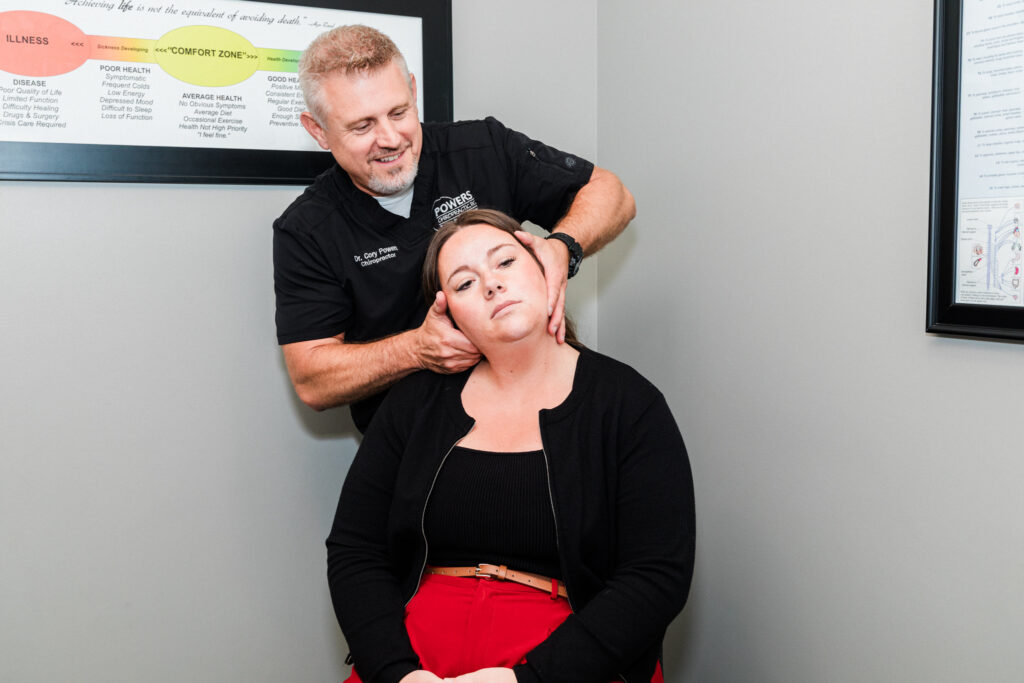

Back pain can significantly affect your daily life, often resulting from poor posture or weak core muscles. As a local chiropractor, I want to emphasize the importance of taking a holistic approach to spinal health. By dedicating just 30 days to natural prevention techniques, you can make a meaningful impact on your well-being without the need for surgical interventions or medications.
Simple adjustments in your daily routine can lead to lasting benefits. Start by assessing your posture throughout the day—whether you’re sitting at a desk, driving, or even standing. Proper alignment is key to preventing discomfort. Additionally, incorporating effective stretching exercises can help alleviate tension in your muscles and improve flexibility.
Strengthening your core is another vital step in maintaining a healthy spine. A strong core supports your back and helps prevent injury. Simple exercises like planks, bridges, and gentle yoga can work wonders.
Curious about how these small changes can transform your well-being? Let’s explore these steps together. Remember, chiropractic care is an excellent option for achieving optimal health and pain relief. With regular adjustments and a focus on posture and core strength, you can enjoy a healthier, pain-free life. Take charge of your health naturally, and let’s work toward a stronger, more resilient you!
Key Takeaways
30 Days to Prevent Back Pain Naturally: A Chiropractor’s Guide
- Start each day with simple stretching routines, such as the cat-cow stretch and gentle twists. These movements can significantly improve your flexibility and support your spinal health—key components in preventing back pain.
- Pay attention to your posture, whether you’re sitting at your desk or standing in line. Maintaining good posture helps to reduce unnecessary strain on your muscles and promotes overall back health. Consider setting reminders to check your posture throughout the day!
- Incorporate regular, low-impact exercises into your routine, like walking or swimming. These activities are not only enjoyable but also strengthen your back muscles and enhance flexibility. Remember, a strong back is a happy back!
- When lifting objects, practice safe lifting techniques. Always bend at the knees and keep the load close to your body. This simple adjustment can prevent injury and strain on your back.
- Don’t forget to stay hydrated! Drinking plenty of water supports the health of your spinal discs and contributes to your overall well-being. Hydration is a simple yet powerful way to help your body function optimally.
By integrating these practices into your daily life, you can support your spine and prevent back pain naturally. Remember, chiropractic care is an excellent choice for pain relief and maintaining your overall health. If you’re ever in doubt or need personalized advice, don’t hesitate to reach out to your local chiropractor for guidance on your journey to wellness!
Understanding Back Pain: Causes and Impact
When you experience back pain, it’s often a sign that something isn’t quite right in your body. Understanding the causes can help you address the issue effectively, and that’s where chiropractic care comes in. Common culprits of back pain include muscle strain, poor lifting techniques, and prolonged sitting, which can lead to muscle imbalances.
Stress and inactivity may also contribute, as tension builds in your muscles.
The impact of back pain goes beyond the physical; it can affect your daily life and mental well-being. You might struggle with everyday tasks or miss out on activities you love. Chronic back pain can lead to frustration, anxiety, and even depression. That’s why it’s essential to identify the source of your discomfort.
Chiropractic care focuses on the spine and nervous system, helping to restore proper alignment and function. By recognizing and addressing the underlying causes of your pain, you empower yourself to take proactive steps toward relief.
Here are some general tips to help you manage back pain:
- Maintain Good Posture: Whether sitting or standing, keeping your spine aligned can greatly reduce strain on your back.
- Stay Active: Regular, gentle exercise can strengthen the muscles that support your spine. Consider activities like walking, swimming, or yoga.
- Practice Stress Relief: Techniques such as deep breathing, meditation, or spending time in nature can help reduce muscle tension caused by stress.
- Use Proper Lifting Techniques: Bend your knees and keep your back straight when lifting heavy objects to avoid straining your back.
- Seek Chiropractic Care: A chiropractor can help assess your spine, identify misalignments, and provide adjustments that promote natural healing and optimal health.
Remember, understanding your pain is the first step in preventing future episodes and enhancing your overall quality of life.
Assessing Your Current Posture
Good posture is vital for maintaining a healthy spine and preventing back pain, yet it’s something many of us often neglect in our daily routines.
It’s easy to overlook the small mistakes we make that could lead to discomfort and health issues down the road. As a chiropractor, I want to help you understand the importance of good posture and how it can significantly improve your overall well-being.
Let’s take a closer look at your posture and identify areas for improvement. First and foremost, be mindful of how you sit, stand, and move throughout the day.
Here are some practical tips to help you maintain a healthier posture:
- Sit Smart: When sitting, make sure your feet are flat on the floor, and your knees are at or below hip level. Use a chair that provides good lumbar support to keep your spine aligned.
- Stand Tall: When standing, distribute your weight evenly on both feet. Keep your shoulders back and relaxed, and your head aligned over your spine. Imagine a string pulling you upward from the top of your head!
- Move Regularly: If you have a desk job, remember to take regular breaks to stand up, stretch, and walk around. This helps prevent stiffness and keeps your spine healthy.
- Mind Your Tech: When using your phone or computer, hold devices at eye level to avoid straining your neck. Keep your screen at a comfortable height to maintain good alignment.
- Strengthen Your Core: Engaging in exercises that strengthen your core muscles can provide better support for your spine. Simple activities like planks and bridges can make a big difference.
By focusing on these simple strategies, you can greatly enhance your posture and reduce the risk of pain.
Remember, chiropractic care is an excellent natural approach to achieving optimal health and wellness. Regular adjustments can help align your spine, relieve discomfort, and support your body in functioning at its best.
If you’re experiencing pain or discomfort, don’t hesitate to reach out to a chiropractor for personalized guidance and care. Your spine will thank you!
Importance of Good Posture
Evaluating your current posture is vital for preventing back pain and enhancing your overall well-being. As a chiropractor, I can tell you that good posture plays a key role in aligning your spine, which helps to reduce strain on your muscles and ligaments.
When you focus on maintaining proper posture, you’re not just improving how your body feels; you’re also boosting its efficiency, making it easier to move and reducing fatigue throughout the day.
One of the benefits of good posture is that it allows you to breathe deeply. Deep breathing increases oxygen flow in your body, which can significantly boost your energy levels. You may also notice an improvement in your mood and confidence, as good posture often leads to a more positive outlook and greater engagement in daily activities.
To create healthier habits that protect your back, pay attention to how you sit, stand, and move throughout your day. Here are some simple tips you can implement right away:
- Sit with Support: When sitting, make sure your back is supported by your chair. Keep your feet flat on the ground and your knees at a right angle.
- Stand Tall: When standing, distribute your weight evenly on both feet and engage your core muscles. Imagine a string pulling you up from the top of your head.
- Take Breaks: If you sit for long periods, take regular breaks to stand up, stretch, and move around. This helps prevent stiffness and encourages better posture.
- Practice Mindfulness: Be mindful of your posture throughout the day. Check in with yourself regularly to ensure you’re maintaining alignment.
- Chiropractic Care: Regular visits to a chiropractor can help you achieve optimal spinal alignment and provide guidance on maintaining good posture.
Remember, small adjustments in your posture today can lead to significant long-term benefits for your physical health and overall comfort.
Common Posture Mistakes
Many people unknowingly develop common posture mistakes that can lead to discomfort and pain. As a chiropractor, I want to help you understand how your posture affects your health and how chiropractic care can support you in achieving optimal wellness. You might find yourself slouching while sitting or standing too stiffly. Leaning forward while using your phone or computer can also put unnecessary strain on your back and neck. Here are some common posture mistakes to be mindful of and tips to improve your posture for better health:
| Mistake | Effect | Tip to Improve |
|---|---|---|
| Slouching | Increases spinal pressure | Sit up straight, keep your shoulders back, and engage your core. |
| Leaning forward | Strains neck and shoulders | Position your screen at eye level to maintain a neutral neck position. |
| Sitting for long hours | Weakens core muscles | Take breaks every 30 minutes to stand, stretch, and move around. |
| Crossing legs | Misaligns hips and spine | Keep your feet flat on the floor or use a footrest to promote alignment. |
Setting Realistic Goals for a Pain-Free Life
Setting realistic goals for a pain-free life is crucial, especially when it comes to managing back pain. As a chiropractor, I believe that understanding your body and making small, sustainable changes can lead to lasting relief. Start by evaluating your current situation. Take note of the activities that trigger your back pain and any lifestyle habits that may be contributing to it.
Instead of striving for immediate perfection, focus on making small, measurable changes. For instance, commit to improving your posture during everyday activities, like sitting at your desk or lifting items. Gradually increasing your physical activity, such as incorporating gentle stretches or short walks into your day, can also make a significant difference.
Next, create a timeline to achieve your goals. Set short-term milestones, such as practicing proper lifting techniques within a week or dedicating ten minutes each day to walking or stretching. Celebrate these small victories—they are essential for keeping your motivation high and reinforcing positive habits.
Flexibility is key in your journey toward a pain-free life. Life can be unpredictable, and it’s perfectly okay to adjust your goals as needed. Remember, progress takes time, and every small step counts. By setting achievable targets, you lay a strong foundation for a pain-free life, ultimately enhancing your overall well-being.
Chiropractic care plays a vital role in this process. Regular adjustments can help align your spine, reduce pain, and improve your overall function, making it easier for you to achieve your goals. If you’re looking for a natural approach to wellness, consider incorporating chiropractic care into your routine. It can be a powerful tool in your journey toward a healthier, pain-free life.
Incorporating Daily Stretching Routines
Incorporating daily stretching routines is an excellent way to enhance your back health and overall well-being. As a chiropractor, I highly recommend dedicating just a few minutes each day to stretch. These simple yet effective stretches can improve your flexibility, reduce tension in your back muscles, and promote a healthier spine.
Start with easy stretches like the cat-cow pose or gentle spinal twists. These movements can help promote mobility and relieve stiffness in your back, and they’re perfect for beginners. To make stretching a consistent part of your routine, try to do it right after waking up and before going to bed. This simple habit will help your body appreciate the benefits of regular stretching.
Always listen to your body—if a stretch feels uncomfortable, don’t hesitate to adjust your position or skip it. Remember, the goal is to feel better, not to push through pain. Using a yoga mat can provide added comfort and grip, making your stretches more effective while protecting your joints.
Additionally, think about incorporating stretches during your work breaks. This not only refreshes your mind but also alleviates back strain caused by prolonged sitting. With consistent practice, you’ll likely notice significant improvements in your back health and daily comfort.
While stretching is beneficial, it’s also essential to understand the role of chiropractic care in achieving optimal health. Regular visits to your chiropractor can further enhance the benefits of your stretching routine by ensuring proper alignment and function of your spine.
This holistic approach to health can lead to natural pain relief and improved well-being.
Strengthening Your Core Muscles
Strengthening your core muscles is crucial for maintaining a healthy back and preventing discomfort. As a chiropractor, I often emphasize that a strong core provides the stability and support your spine needs to function optimally. By engaging in effective core exercises, you can enhance your overall well-being and reduce the risk of injury.
Incorporating a daily core routine doesn’t have to be complicated. Simple exercises like planks, bridges, and gentle twists can go a long way in building strength. Remember, consistency is key! Aim for a few minutes each day to strengthen those muscles.
Additionally, chiropractic care plays a vital role in your journey to better health. Regular adjustments can help align your spine, allowing your core muscles to work more effectively. When your spine is in alignment, it promotes better posture and reduces strain on your back, which can lead to less pain and a greater sense of well-being.
So, as you focus on strengthening your core, consider visiting your chiropractor for a personalized approach to care. Together, we can create a plan that supports your health goals and enhances your overall quality of life.
Importance of Core Strength
Core strength is vital for a healthy back and overall physical stability, and as a chiropractor, I want to emphasize its importance in your wellness journey. When your core muscles are strong, they provide essential support to your spine, helping you maintain proper posture. This not only reduces the risk of injuries but also alleviates strain on your back during daily activities.
You may notice that routine movements such as bending, lifting, or even sitting become easier and more efficient when your core is well-conditioned. A strong core also plays a crucial role in enhancing your balance, which is key to preventing falls and maintaining agility in your daily life.
By prioritizing core strength, you’re not just protecting your back; you’re also improving your overall athletic performance and stamina. Incorporating core-strengthening exercises into your routine can significantly enhance your ability to engage in an active, pain-free lifestyle.
Here are some simple tips to help you build core strength and support your spinal health:
- Practice Good Posture: Be mindful of your posture when sitting or standing. Keeping your spine aligned can reduce strain on your back and engage your core muscles.
- Incorporate Core Exercises: Simple exercises like planks, bridges, and abdominal crunches can help strengthen your core. Aim for a few minutes of core work several times a week.
- Stay Hydrated: Proper hydration supports muscle function and recovery, which is essential for maintaining a strong core.
- Listen to Your Body: Pay attention to any discomfort during activities. If you experience pain, chiropractic care can help assess your spine and provide natural healing options.
- Seek Chiropractic Care: Regular visits to a chiropractor can help ensure that your spine is properly aligned and functioning well. This can enhance your core strength and overall wellness.
Effective Core Exercises
To effectively build your core muscles and support your overall health, you don’t need to spend countless hours at the gym. Simple and focused exercises can bring about significant improvements in your core strength, which is essential for maintaining a healthy spine and preventing pain.
Here are four effective core exercises that you can easily incorporate into your routine:
- Plank: This exercise is fantastic for strengthening your entire core. Start by holding a plank position for 30 seconds. Focus on keeping your body in a straight line from head to heels, engaging your abdominal muscles. This not only helps build core strength but also supports spinal alignment.
- Russian Twists: While seated with your knees bent, lean back slightly and twist your torso side to side. Aim for 10-15 repetitions on each side. This exercise engages your obliques and helps improve flexibility in your spine, which is crucial for preventing back pain.
- Bird-Dog: Begin on all fours, then extend one arm forward and the opposite leg back while keeping your core engaged. Switch sides and repeat for 10 reps on each side. This exercise enhances coordination and stability, promoting a healthy spine and reducing the risk of injury.
- Dead Bug: Lie on your back with your legs raised and arms extended. Lower one arm and the opposite leg alternately while keeping your lower back pressed into the floor. Aim for 10 reps on each side. This movement strengthens your core while promoting proper spinal mechanics.
Incorporating these exercises into your routine won’t only enhance your stability but also help prevent back pain, allowing you to live a more active and fulfilling life.
Remember, chiropractic care plays a vital role in achieving optimal health. Regular adjustments can enhance your body’s ability to heal naturally, improve your posture, and support your core strength. Always consult with your chiropractor for personalized advice and recommendations tailored to your specific needs.
Stay committed to your health and wellness journey!
Daily Core Routine
While it may seem challenging to integrate a core routine into your busy schedule, dedicating just a few minutes each morning can significantly enhance your strength, stability, and overall spinal health. A strong core is crucial for maintaining proper posture and preventing back pain, which is where chiropractic care can play a vital role.
Start your day with planks, holding for 20-30 seconds. As your strength increases, gradually extend the duration. Side planks are also beneficial, as they specifically target your obliques, supporting your spine’s alignment. Bicycle crunches engage your entire core, providing a comprehensive workout. Aim for 3 sets of 10-15 repetitions for each exercise. To further support your lower back and glutes, incorporate bridges into your routine.
Consistency is essential; try to stick to this routine at least five days a week. By doing so, you’ll not only improve your posture and reduce back pain, but you’ll also enhance your overall fitness, making daily tasks easier to manage.
Remember, chiropractic care is an excellent option for addressing pain and promoting wellness. Regular visits can help ensure your spine is aligned, allowing your body to function optimally.
As you work on strengthening your core, keep these tips in mind:
- Focus on your form to avoid strain and injury.
- Listen to your body; if something feels off, consider consulting your chiropractor for guidance.
- Incorporate gentle stretches to maintain flexibility in addition to your strength exercises.
The Importance of Ergonomic Workspaces
Creating an ergonomic workspace is vital for maintaining a healthy back and supporting overall wellness. A well-designed workspace not only enhances your comfort during long hours of sitting but also plays a significant role in preventing back pain.
As a chiropractor, I want to share some essential tips to help you create an environment that promotes optimal health and aligns with natural healing principles. Here are four key elements to consider:
- Chair Height: Ensure your chair is adjusted so that your feet rest flat on the floor and your knees are at or just below hip level. This position helps maintain proper spinal alignment, reducing stress on your back.
- Desk Height: Your desk should be at a height that allows your elbows to be bent at a 90-degree angle while typing. This prevents strain on your shoulders and upper back, contributing to better posture.
- Monitor Position: Position your monitor so that the top of the screen is at eye level and about an arm’s length away. This helps to minimize neck strain and promotes a more natural head position, reducing the risk of discomfort.
- Keyboard and Mouse Placement: Keep your keyboard and mouse close enough that you can use them without stretching. This ensures your wrists remain straight and reduces the likelihood of developing repetitive strain injuries.
By incorporating these simple adjustments into your workspace, you can significantly enhance your comfort and well-being.
Choosing the Right Mattress for Your Back
How can you ensure a restful night’s sleep that supports your back health? Choosing the right mattress is a critical step in maintaining your spine’s well-being. A mattress that offers balanced support and comfort is essential. Many find that a medium-firm mattress provides an excellent compromise, giving enough support to keep your spine aligned while still being soft enough to cushion your body.
When selecting a mattress, consider trying out various materials such as memory foam or innerspring. Each type has its unique feel, and it’s important to find what works best for you. If you sleep on your side, a softer mattress can be beneficial, as it allows your shoulders and hips to sink in comfortably.
On the other hand, back sleepers typically thrive on a firmer surface, which helps maintain proper spinal alignment.
Don’t overlook your weight and body type, as these factors play a significant role in how a mattress feels. Heavier individuals may require a firmer mattress for adequate support, while lighter individuals might prefer something softer.
Investing in a quality mattress is a wise decision for your health. A good mattress can lead to better sleep, which is vital for healing and overall wellness.
Remember, a well-rested body is crucial for maintaining optimal health, and chiropractic care can further enhance your back health and overall well-being. By making informed choices about your mattress and incorporating regular chiropractic adjustments, you’re taking significant steps towards a pain-free, healthier life.
Prioritize your spinal health today by making conscious choices about your sleep environment!
Tips for Lifting Heavy Objects Safely
When lifting heavy objects, it’s essential to consider your body’s mechanics to prevent injury and maintain spinal health. Always remember to bend at your knees instead of your waist, keeping the load close to your body. This technique not only helps distribute the weight evenly but also engages your powerful leg muscles, reducing strain on your back.
If the object feels too heavy or cumbersome, don’t hesitate to use assistive devices or ask someone for help. It’s important to listen to your body and avoid pushing yourself beyond your limits.
Incorporating chiropractic care into your routine can also enhance your overall strength and flexibility, making it easier to lift safely. Regular adjustments can help ensure your spine is aligned, reducing the risk of injuries associated with heavy lifting.
Remember, taking care of your spine is a crucial step toward achieving optimal health and wellness.
Proper Body Mechanics
Lifting heavy objects safely is crucial for preventing back pain, and utilizing proper body mechanics can significantly enhance your well-being. As a chiropractor, I want to share some essential tips to help you lift correctly, while also promoting a healthy spine and overall wellness:
- Stand Close: Position yourself close to the object you intend to lift. This minimizes the strain on your back and encourages better alignment of your spine, which is vital for maintaining a healthy posture.
- Bend at the Hips and Knees: Instead of bending at your waist, squat down by bending your hips and knees. This technique allows you to engage your powerful leg muscles, reducing the load on your back and promoting spinal health.
- Keep Your Back Straight: It’s important to maintain a neutral spine throughout the lift. This means keeping your back straight and avoiding any twisting or arching. A healthy spine is key to preventing injuries and chronic pain.
- Use Your Legs: When lifting, focus on using your legs rather than your back. Power the lift by pushing up with your legs as you stand. This not only protects your back but also promotes stronger, healthier muscles.
By following these tips, you can protect your spine and enhance your overall health.
Remember, chiropractic care is an excellent choice for pain relief and natural wellness. Regular chiropractic adjustments can help maintain proper spinal alignment, alleviate discomfort, and support a healthy lifestyle.
Prioritize your health by practicing these lifting techniques and considering chiropractic care as a part of your wellness journey.
Use Assistive Devices
Using assistive devices can significantly enhance your safety and ease when lifting heavy objects, especially when paired with proper body mechanics. As a chiropractor, I encourage you to incorporate tools such as dollies, hand trucks, or lifting straps into your routine.
These devices not only reduce strain on your back but also promote better posture while lifting. When lifting, always keep the load close to your body to maintain a strong center of gravity. Avoid twisting your torso; instead, pivot your feet to change direction.
If the object is particularly heavy, don’t hesitate to ask someone for help or utilize a mechanical lift if one is available. Remember, maintaining a firm grip and being mindful of your body’s movements can make a world of difference.
In addition to these practices, consider scheduling regular chiropractic check-ups to ensure your spine is in optimal alignment, which can further enhance your lifting capabilities and overall body mechanics.
Staying Hydrated for Healthy Discs
How often do you think about the importance of staying hydrated for your spinal health? Your spinal discs rely on proper hydration to maintain their height and cushioning ability, which can help prevent back pain.
When you’re dehydrated, these discs can lose their flexibility, leading to discomfort and potential injury.
As a chiropractor, I want to emphasize that staying adequately hydrated is a key part of your overall wellness and can significantly contribute to spinal health.
Here are some simple hydration tips to help keep your spinal discs healthy:
- Drink Water Regularly: Aim for at least eight 8-ounce glasses of water daily. This helps to keep your discs plump and functioning well.
- Monitor Your Urine: Check the color of your urine; clear or light-colored urine usually indicates that you’re well-hydrated. This is a quick way to gauge your hydration levels.
- Eat Hydrating Foods: Incorporate plenty of water-rich fruits and vegetables into your diet, such as cucumbers, watermelon, and oranges. These not only hydrate you but also provide essential vitamins and minerals for overall health.
- Limit Caffeine and Alcohol: These can lead to dehydration, so try to enjoy them in moderation. Opt for herbal teas or infused water instead for a refreshing alternative.
By focusing on these hydration tips, you’re not only supporting your spinal health but also enhancing your overall well-being.
The Benefits of Regular Walking
While it may not always be in the spotlight, regular walking provides a wealth of benefits for your back and overall health, making it an excellent complement to chiropractic care. As a low-impact exercise, walking strengthens your muscles, improves flexibility, and enhances support for your spine. By incorporating daily walks into your routine, you can help maintain proper posture, which significantly reduces strain on your back.
Walking also improves circulation, which is essential for healing and preventing stiffness in your spine and the muscles surrounding it. This increased blood flow delivers vital nutrients that keep your intervertebral discs healthy and functioning properly, supporting your overall spinal health.
Another important aspect of walking is its role in weight management. Keeping a healthy weight minimizes pressure on your back, which can help prevent pain and discomfort. When combined with chiropractic care, walking can be a powerful tool for maintaining a healthy spine and body.
Aim for at least 30 minutes of walking each day. Whether you choose a brisk stroll in your neighborhood or a leisurely walk in the park, every step counts! Remember, the goal is to make walking a regular part of your daily routine.
In addition to walking, consider scheduling regular chiropractic adjustments. These adjustments can help ensure that your spine is aligned, which is crucial for optimal health and wellness.
Together, walking and chiropractic care can help you achieve a pain-free life and a healthier lifestyle. Your back will thank you, and you’ll enjoy the many health benefits that come with this natural approach to wellness!
Practicing Mindfulness and Stress Reduction
Many people underestimate the connection between stress and back pain. However, incorporating mindfulness and stress reduction techniques can significantly ease discomfort and support your spinal health.
When you learn to become more aware of your thoughts and feelings, you can effectively lower your stress levels, which may help reduce tension in your back. Here are some simple strategies that can easily fit into your daily routine, enhancing your overall wellness and supporting chiropractic care:
- Deep Breathing: Dedicate a few minutes each day to focus on your breath. Inhale deeply through your nose, hold for a moment, and then exhale slowly through your mouth. This practice not only calms your mind but also promotes relaxation in your spine and surrounding muscles.
- Meditation: Set aside a little time for meditation. Even just five to ten minutes can help clear your mind and reduce stress. This mental clarity can also enhance the benefits of chiropractic adjustments by allowing your body to respond better to treatment.
- Body Scan: Try a body scan meditation to identify areas of tension in your body. By consciously relaxing these areas, you can alleviate discomfort and improve your overall posture—key factors in maintaining a healthy spine.
- Gratitude Journaling: Each day, write down a few things you’re grateful for. This simple act can shift your focus away from stressors and promote a more positive mindset, which is beneficial for both your mental and physical health.
By integrating these mindfulness practices into your life, you can enhance the effectiveness of chiropractic care and move toward a more natural approach to health and wellness.
Exploring Yoga for Back Health
If you’re seeking a natural approach to improve your back health, consider how chiropractic care can play a pivotal role in your wellness journey. Chiropractic treatment focuses on aligning your spine and enhancing your overall body function, which is crucial for maintaining a healthy back. By addressing spinal misalignments, chiropractic care not only alleviates pain but also promotes better posture and mobility.
In addition to regular chiropractic adjustments, incorporating gentle yoga poses into your routine can be beneficial. Simple stretches like Cat-Cow, Child’s Pose, or Downward Dog can complement your chiropractic care by helping to improve flexibility and strengthen your core muscles.
As you gain confidence, you might explore more challenging poses, like Warrior or Bridge, to build stability and strength. Always pay attention to your body’s signals—if a pose feels uncomfortable, it’s perfectly okay to modify it or skip it altogether. The goal is to enhance your well-being without risking injury.
Remember, the combination of chiropractic adjustments and mindful movement can be a powerful strategy on your path to better back health. For optimal results, maintaining an open line of communication with your chiropractor is essential. They can guide you on the best practices tailored to your individual needs, ensuring you achieve lasting pain relief and improved overall wellness.
Embrace this holistic approach, and take proactive steps toward a healthier spine and lifestyle!
Incorporating Pilates Into Your Routine
If you’re looking to strengthen your core and improve your back health, incorporating Pilates into your routine can be a fantastic complement to chiropractic care. While Pilates offers various exercises that target key muscle groups to help alleviate and prevent back pain, it’s essential to remember that chiropractic adjustments play a crucial role in achieving optimal spinal health and overall wellness.
As a chiropractor, I emphasize the importance of a well-aligned spine in maintaining a healthy body. Regular chiropractic adjustments can enhance the benefits of your Pilates practice by ensuring your spine is in the best position to support your movements. This synergy can lead to improved core strength, better posture, and reduced pain.
Let’s explore some of the top benefits of Pilates in conjunction with chiropractic care and some recommended moves to get you started:
- Strengthening Your Core: A strong core supports your spine and can help prevent injury. Focus on exercises like the Pilates “Hundred” or “Plank” to engage your abdominal muscles effectively.
- Improving Flexibility: Pilates emphasizes stretching and lengthening muscles, which can improve your overall flexibility. This is crucial for maintaining a healthy spine. Incorporate moves like the “Roll Up” to enhance your flexibility while supporting your back.
- Enhancing Posture: Good posture is vital for spinal health. Pilates exercises like “Swan” or “Shoulder Bridge” can help reinforce proper alignment and reduce the strain on your back.
- Mind-Body Connection: Pilates encourages awareness of your body and movements, which can enhance your overall body mechanics. This mindfulness can support the adjustments you receive in chiropractic care.
- Reducing Back Pain: Many patients find relief from back pain through both Pilates and chiropractic care. Focus on gentle movements and listen to your body, ensuring that each exercise feels good.
Tips for Getting Started:
- Consult with your chiropractor before starting a new exercise routine to ensure it complements your chiropractic care.
- Start slowly and focus on mastering the fundamentals of Pilates, gradually increasing intensity as you feel more comfortable.
- Always pay attention to your body’s signals. If something doesn’t feel right, it’s important to adjust or stop.
By incorporating Pilates into your routine alongside regular chiropractic care, you can take significant strides towards achieving a healthier, pain-free life.
Benefits of Pilates
As you explore the benefits of Pilates, it’s important to remember that incorporating this practice can be a fantastic complement to chiropractic care, which is essential for spinal health and overall well-being.
Here are four key advantages of Pilates that can work hand-in-hand with chiropractic adjustments to help prevent back pain and promote a healthier lifestyle:
- Improved Core Strength: Pilates emphasizes the importance of a strong core, which plays a crucial role in supporting your spine. A strong core can alleviate strain on your back, making chiropractic adjustments even more effective.
- Enhanced Flexibility: Regular Pilates practice can increase your flexibility, which is vital for maintaining a healthy range of motion. This can help reduce tightness in your muscles, potentially preventing discomfort and enhancing the benefits of chiropractic care.
- Better Posture: Pilates teaches you to be more aware of your body alignment. Good posture is key to relieving pressure on your back and can support the work your chiropractor does during your visits, ensuring your adjustments hold longer and lead to better outcomes.
- Stress Reduction: The mindful movements in Pilates are excellent for reducing stress. Lower stress levels can help decrease muscle tension and discomfort, creating a more favorable environment for healing, especially when combined with chiropractic care.
In addition to practicing Pilates, consider these general tips for maintaining spinal health and overall wellness:
- Make time for regular chiropractic check-ups to keep your spine aligned and functioning optimally.
- Stay active with a mix of cardiovascular, strength, and flexibility exercises.
- Pay attention to your posture throughout the day, especially if you sit for long periods.
- Stay hydrated and maintain a balanced diet to support your body’s natural healing processes.
Recommended Pilates Exercises
Incorporating Pilates into your routine is a fantastic way to enhance the benefits of your chiropractic care and support your journey towards optimal health. One of the best exercises to start with is the “Pelvic Curl.” This movement not only strengthens your lower back but also improves spinal flexibility, which is crucial for maintaining a healthy spine.
Next, consider adding the “Cat-Cow Stretch” to your practice. This gentle flow helps mobilize your spine, relieving tension and promoting better alignment. It’s a simple yet effective way to keep your back feeling great.
The “Plank” is another powerful exercise that builds core strength. A strong core is essential for supporting your back and can significantly reduce the risk of discomfort. Remember, a strong foundation helps keep your spine aligned.
Don’t overlook the “Side Leg Lifts,” which target your hip muscles. Strengthening your hips plays an important role in stabilizing your pelvis, further enhancing your posture and overall spinal health.
Finally, the “Child’s Pose” is a wonderful way to wind down your workout. This gentle stretch allows your body to relax and recover, providing soothing relief after your Pilates session.
Aim to incorporate these exercises into your routine two to three times a week. You’ll likely notice improvements in your strength and flexibility, which can greatly reduce your risk of back pain.
The Role of Nutrition in Back Pain Prevention
While many individuals concentrate on exercise and good posture to prevent back pain, it’s crucial to recognize that nutrition also plays a vital role in maintaining a healthy spine and overall well-being. What you eat can significantly influence your spinal health, and a well-balanced diet is essential for supporting strong muscles and healthy bones, which are the foundation of a resilient back.
Here are four important nutritional elements to consider for your back health:
- Calcium: This mineral is key for maintaining strong bones. To support your spine, incorporate foods rich in calcium, such as dairy products, leafy green vegetables, and fortified foods.
- Magnesium: This essential mineral aids muscle function, helping to keep your back strong and flexible. You can find magnesium in nuts, seeds, and whole grains, all of which can be easily added to your meals.
- Omega-3 Fatty Acids: Known for their anti-inflammatory properties, omega-3s can help reduce discomfort in your back. Include sources like fatty fish, flaxseeds, and walnuts in your diet to harness these benefits.
- Vitamin D: This vitamin is crucial for calcium absorption, ensuring your bones stay strong. You can get vitamin D from sunlight, fatty fish, and fortified products, which can assist in maintaining your spine’s health.
Incorporating these nutrients into your diet can enhance your back’s resilience and help prevent pain.
Remember, in addition to eating well, regular chiropractic care is an excellent way to maintain spinal health and alleviate discomfort. Chiropractors focus on natural healing methods that can optimize your body’s function, providing a holistic approach to health and wellness.
By combining proper nutrition with chiropractic adjustments, you can support your back and overall health effectively. If you’re feeling discomfort, consider reaching out to a chiropractor who can help you achieve a balanced approach to wellness without the need for surgeries or medications.
Together, we can work towards a pain-free, healthier life!
Managing Weight for Spine Support
Maintaining a healthy weight is crucial for supporting your spine and preventing back pain. As a chiropractor, I can’t emphasize enough how adopting healthy eating habits combined with a regular exercise routine can profoundly enhance your spinal health.
These lifestyle changes not only strengthen your back but also improve your overall stability, allowing you to enjoy life to the fullest.
One of the simplest and most effective ways to support your spine is through mindful eating. Focus on incorporating plenty of fruits, vegetables, lean proteins, and whole grains into your diet.
These foods provide the essential nutrients your body needs while helping you manage your weight. Remember, a balanced diet can lead to better energy levels, which makes it easier to stay active.
Exercise plays a vital role in spinal health as well. Aim for a mix of cardiovascular activities—like walking, swimming, or cycling—and strength training exercises that target your core muscles.
A strong core helps stabilize your spine and reduces the risk of injury. Even activities like yoga or Pilates can greatly enhance your flexibility and posture, which are key components of spinal health.
In addition to these lifestyle changes, regular chiropractic care can be an invaluable part of your journey to optimal health. Chiropractic adjustments help realign the spine, improve mobility, and relieve pain without the need for invasive procedures or medications.
When your spine is properly aligned, it can function more efficiently, which supports all your body’s systems, including weight management.
To summarize, here are some takeaway tips for supporting your spine through weight management:
- Eat a balanced diet rich in whole foods, focusing on fruits, vegetables, lean proteins, and whole grains.
- Stay active with a routine that includes both cardiovascular and strength training exercises.
- Incorporate flexibility exercises like yoga or Pilates to improve your posture and spinal health.
- Consider regular chiropractic care to maintain spinal alignment and enhance overall wellness.
Healthy Eating Habits
Eating a balanced diet is crucial for maintaining a healthy weight and supporting a strong spine. When you keep your weight in check, you lessen the strain on your back, which can help prevent discomfort and pain.
As a chiropractor, I want to share some healthy eating habits that can complement your chiropractic care and lead to a more vibrant life:
- Choose whole foods: Make fruits, vegetables, whole grains, and lean proteins the stars of your meals. These foods are packed with essential nutrients that nourish your body and support spinal health.
- Watch your portions: Pay attention to how much you eat. Being mindful of portion sizes can help you avoid overeating, which is a common cause of weight gain and can put extra pressure on your spine.
- Stay hydrated: Drinking enough water throughout the day is essential. It helps keep your body functioning well and supports energy levels. Plus, staying hydrated can aid in maintaining the elasticity of your spinal discs.
- Limit processed foods: Try to cut back on sugary snacks and high-fat meals that can lead to weight gain. Instead, opt for healthier alternatives that will fuel your body and keep your spine happy.
By integrating these habits into your daily routine, you can enhance your overall health and well-being.
Regular Exercise Routine
Incorporating a regular exercise routine into your life is an excellent way to manage your weight and support your spine’s health. Staying active not only helps you shed those extra pounds but also strengthens the muscles that stabilize your back, which can significantly reduce the risk of injury and discomfort.
I recommend aiming for a balanced mix of cardio, strength training, and flexibility exercises. Activities such as walking, swimming, and yoga are particularly beneficial for spinal health. These low-impact options are gentle on your joints while still providing fantastic health benefits.
As you maintain a healthy weight, you’ll alleviate unnecessary strain on your spine, leading to better posture and overall wellness. This is where chiropractic care can play a crucial role. Regular chiropractic adjustments can enhance your body’s ability to function optimally, ensuring that your spine is aligned and your nervous system is operating efficiently.
Make it a habit to move daily, even in small ways, like taking the stairs instead of the elevator or stretching during breaks. You’ll notice a positive change in both your body and your back health.
Utilizing Heat and Cold Therapy
Heat and cold therapy can be powerful tools for naturally relieving back pain and supporting your healing journey. As a chiropractor, I emphasize how these methods can complement your chiropractic care, helping you regain comfort and mobility.
Here’s how to use heat and cold therapy effectively:
- Heat Application: Applying a heating pad or a warm towel to your back for 15-20 minutes can work wonders. Heat helps relax tense muscles and improves blood flow, which is essential for healing.
- Cold Compress: Using an ice pack for 15-20 minutes can significantly reduce inflammation and numb sharp pain. This is particularly helpful after physical activity or if you’ve had a flare-up.
- Alternating Therapies: Consider alternating between heat and cold treatments. Start with cold to reduce swelling, then switch to heat to soothe and relax your muscles. This combination can maximize your relief.
- Timing: Use heat before engaging in physical activities to loosen up your muscles and improve flexibility. Afterward, apply cold therapy to help alleviate any soreness that may occur.
Incorporating heat and cold therapy into your daily routine can significantly enhance your back pain management.
Learning Proper Sitting Techniques
Proper sitting techniques are essential for maintaining a healthy spine and preventing back pain, particularly if you find yourself sitting at a desk for extended periods. As a chiropractor, I want to share some effective strategies that not only enhance your posture but also promote overall wellness without the need for invasive treatments or medications.
Start by ensuring your chair offers good support for your lower back. This support helps maintain the natural curve of your spine. Your feet should rest flat on the floor or on a footrest, and your knees should be at a right angle. Avoid crossing your legs, as this can hinder circulation and lead to unnecessary strain on your body.
Positioning your computer screen at eye level is crucial. This adjustment prevents you from hunching forward, which can lead to discomfort and strain over time. Additionally, using an ergonomic keyboard allows your wrists to stay in a neutral position, minimizing the risk of repetitive strain injuries.
It’s important to take regular breaks, ideally every hour. Stand up, stretch, and take a short walk; these actions help to alleviate stiffness and promote healthy circulation. Engaging your core muscles while sitting also provides extra support for your spine, contributing to better posture and reduced risk of back pain.
By implementing these simple adjustments into your daily routine, you can significantly improve your posture and take proactive steps toward a healthier back.
Engaging in Low-Impact Cardio Exercises
Engaging in low-impact cardio exercises isn’t only a fantastic way to boost your overall health but also plays a crucial role in maintaining a healthy spine. These activities can enhance circulation and strengthen your muscles without placing undue stress on your joints, which is vital for back health. As a chiropractor, I always encourage my patients to incorporate exercises such as walking, swimming, and cycling into their routines.
These low-impact options not only promote cardiovascular health but also support spinal alignment and function. When you keep your body moving gently, you help to nourish the discs in your spine, which can alleviate pain and reduce stiffness.
Here are some key advantages of these exercises:
- Improved Circulation: Regular cardio can help increase blood flow, delivering essential nutrients to your spine and surrounding muscles, which aids in recovery and keeps your back healthy.
- Strengthened Muscles: Engaging in these activities helps build the muscles that support your spine, leading to better posture and reduced risk of injury.
- Pain Relief: Many of my patients find that incorporating low-impact cardio into their lives helps relieve tension and discomfort in their backs, allowing them to enjoy a better quality of life.
Tips for Incorporating Low-Impact Cardio:
- Start Slow: If you’re new to exercise, begin with short sessions and gradually increase the duration as your body adapts.
- Stay Consistent: Aim for at least 30 minutes of low-impact exercise most days of the week to maximize benefits.
- Listen to Your Body: If you experience pain during any activity, stop and consult with a chiropractor to ensure you’re not aggravating any underlying issues.
- Combine with Chiropractic Care: Regular chiropractic adjustments can complement your exercise routine by ensuring your spine is in alignment, which can enhance your overall results.
By integrating low-impact cardio exercises into your lifestyle and prioritizing chiropractic care, you can achieve optimal health and wellness, maintain a healthy back, and enjoy a more active, fulfilling life.
Benefits of Low-Impact Cardio
When you incorporate low-impact cardio exercises into your routine, you not only improve your cardiovascular health but also help protect your joints, which is essential for maintaining a healthy spine. This approach allows you to stay active without putting unnecessary strain on your body, reducing the risk of injury and alleviating back pain.
Here are four key benefits of low-impact cardio that support your journey toward optimal health:
- Improved Endurance: Engaging in low-impact cardio helps build your stamina, making everyday tasks feel easier and less exhausting. This increased endurance can enhance your ability to enjoy life without the limitations of pain or fatigue.
- Weight Management: Regular low-impact cardio sessions can assist in maintaining a healthy weight. By managing your weight, you decrease the stress on your back and spine, which can lead to less discomfort and improved overall health.
- Enhanced Mood: Participating in cardio activities releases endorphins, often referred to as “feel-good” hormones. This natural boost can significantly enhance your mood and overall mental well-being, promoting a positive outlook on life.
- Better Flexibility: Low-impact cardio exercises promote flexibility, which is crucial for maintaining overall mobility and spinal health. Improved flexibility can help prevent injuries and support a strong, well-aligned spine.
Incorporating low-impact cardio into your routine is a great way to support your health naturally.
Remember, chiropractic care can play a vital role in your wellness journey, helping to align your spine and enhance your body’s ability to heal. For optimal results, consider visiting your chiropractor for personalized advice and treatment tailored to your needs.
Together, we can work toward a healthier, pain-free lifestyle!
Recommended Exercises to Try
To effectively incorporate low-impact cardio into your wellness routine, it’s important to choose exercises that are enjoyable and gentle on your joints, especially for those dealing with back pain.
Walking is a highly beneficial option; aim for brisk walks in your neighborhood or a local park to get your heart rate up while keeping your spine safe. Swimming is another excellent choice, providing a full-body workout while being incredibly gentle on your back and joints.
If you prefer to stay indoors, consider using an elliptical machine or a stationary bike. These options can help elevate your heart rate without putting excessive strain on your body, which is crucial for maintaining spinal health.
Additionally, practices like yoga and Pilates are fantastic for promoting flexibility and core strength, further supporting your spine.
As you engage in these activities, aim for at least 150 minutes of moderate cardio each week. Remember, incorporating these exercises into your lifestyle not only boosts your fitness but also plays a vital role in preventing back pain naturally.
Listening to your body is key; if something doesn’t feel right, don’t hesitate to adjust your routine.
Ultimately, combining these low-impact exercises with regular chiropractic care can greatly enhance your overall health and wellness. Chiropractic adjustments can help ensure that your spine is aligned, allowing you to move freely and enjoy your activities without discomfort.
Embrace the journey to better health and remember that with the right approach, you can achieve a pain-free lifestyle!
The Importance of Rest and Recovery
Though often underestimated, rest and recovery play a crucial role in preventing back pain and maintaining optimal health. As a chiropractor, I can’t stress enough how important it’s to allow your body the time it needs to heal and rejuvenate.
By incorporating adequate rest into your daily routine, you not only enhance your overall well-being but also support the natural healing processes of your spine and muscles. Here are four key reasons to prioritize rest and how it ties into chiropractic care:
- Muscle Repair: After engaging in physical activity, your muscles require time to recover and grow stronger. Chiropractic adjustments can aid in this process by ensuring proper alignment, which promotes better muscle function and recovery.
- Pain Reduction: Rest is vital for reducing inflammation and soreness in your back. Chiropractic care can complement this by addressing any misalignments that may be contributing to your pain, allowing your body to heal more effectively.
- Mental Clarity: A well-rested mind is better equipped to handle stress, which is often a contributing factor to back pain. Regular chiropractic adjustments can help alleviate tension in the body, leading to a clearer mind and a more balanced state of being.
- Injury Prevention: Giving your body the time it needs to recover decreases the likelihood of overexertion and strain. Chiropractic care can help you develop a personalized wellness plan that focuses on strengthening your body and preventing injuries.
Incorporating these principles into your lifestyle can lead to significant improvements in your health and comfort.
Remember, listening to your body and allowing it to rest is just as important as staying active. If you’re experiencing pain or discomfort, consider visiting a chiropractor who can provide you with natural, effective solutions tailored to your needs.
Prioritize your well-being, and let rest and chiropractic care work together to keep you healthy and pain-free!
Avoiding Prolonged Sitting
Sitting for long periods can really take a toll on your back, leading to discomfort and pain. As a chiropractor, I want to emphasize the importance of movement in your daily routine. To keep your spine healthy and avoid stiffness, it’s crucial to incorporate regular breaks to stand, stretch, and walk around.
Consider using a standing desk or an adjustable workstation that allows you to alternate between sitting and standing. This can help alleviate pressure on your spine and improve your overall posture.
Remember, an ergonomic desk setup is also essential; make sure your chair supports your lower back, and your computer screen is at eye level to prevent straining your neck.
In addition to these adjustments, I encourage you to incorporate gentle stretches and exercises throughout the day. Simple movements like shoulder rolls, neck stretches, and back extensions can make a big difference in how you feel.
Lastly, regular chiropractic care is an invaluable part of maintaining your spinal health. It not only provides pain relief but also helps to promote natural healing and enhances your overall wellness.
Importance of Movement
As a local chiropractor, I understand that many people find themselves stuck at their desks for long hours, which can lead to back pain and discomfort. It’s crucial to incorporate movement into your daily routine to maintain a healthy spine and overall wellness.
Prolonged sitting can place significant pressure on your spine, resulting in stiffness and discomfort. Here are some easy ways to integrate movement into your day, which can help alleviate pain and promote a healthier lifestyle:
- Stand Up: Aim to take brief breaks every hour. Standing up not only helps relieve pressure on your spine but also encourages blood circulation. Use this time to stretch your arms overhead and take a few deep breaths.
- Walk: Utilize your breaks to take a short walk, whether around your office or home. Just a few minutes of walking can help loosen tight muscles and give your back the movement it craves.
- Stretch: Incorporate simple stretches that focus on your back and hips. Gentle stretches can significantly reduce tension and improve flexibility. Consider stretches like the cat-cow or gentle torso twists to keep your spine healthy.
- Change Positions: If possible, alternate between sitting and standing. Using a standing desk or simply adjusting your chair height can keep your body engaged and reduce the risks associated with prolonged sitting.
Remember, these small movements can have a big impact on your spinal health and overall well-being.
If you’re experiencing persistent pain or discomfort, chiropractic care is an excellent choice for natural pain relief and holistic wellness. Regular chiropractic adjustments can help maintain proper alignment and enhance your body’s ability to heal itself.
Embrace a healthy lifestyle, and let’s work together towards your optimal health!
Effective Standing Alternatives
To avoid the pitfalls of prolonged sitting and enhance your overall health, consider incorporating effective standing alternatives into your daily routine. As a chiropractor, I emphasize the importance of maintaining good posture and spinal alignment to prevent discomfort and promote well-being.
One of the simplest changes you can make is to stand while you work. Using a height-adjustable desk or a sturdy counter can significantly improve your posture and reduce strain on your back. If you’re not ready to invest in a new desk, a standing desk converter can provide an easy transition while allowing you to keep your current setup.
When you receive phone calls, take the opportunity to stand or even pace around your space. This not only helps keep your body engaged but can also enhance your focus and energy levels.
To further support your body while standing, consider using a balance board or an anti-fatigue mat, which can reduce discomfort and encourage movement. Remember to shift your weight from one foot to the other regularly and take breaks to stretch your muscles. Simple stretches can alleviate tension and improve flexibility, contributing to better spinal health.
By integrating these standing alternatives into your day, you’ll not only promote better spinal alignment but also help prevent back pain naturally. Chiropractic care is an excellent choice for achieving optimal health and wellness.
Desk Ergonomics Essentials
Creating an ergonomic workspace is vital not only for preventing back pain but also for enhancing your overall wellness and productivity. As a chiropractor, I want to share some key elements to help you achieve a healthier work environment that supports your spine and promotes natural healing. Here are some essential tips:
- Chair Height: Make sure to adjust your chair so your feet can rest flat on the floor, with your knees forming a comfortable 90-degree angle. This helps maintain proper spinal alignment and reduces strain on your back.
- Monitor Position: Position your monitor at eye level and about an arm’s length away. This setup encourages a neutral neck position, which can help prevent discomfort and strain in the upper back and neck.
- Keyboard and Mouse: Keep your keyboard and mouse close to your body to prevent unnecessary reaching. Your wrists should remain straight while typing or using the mouse, which can help reduce tension and discomfort in your wrists and forearms.
- Movement Reminders: Set a timer to remind yourself to stand, stretch, or take a short walk every 30 minutes. Regular movement is crucial for keeping your body active and can significantly contribute to your overall health.
By incorporating these ergonomic principles into your workspace, you’re not only taking steps to prevent pain but also promoting healthier living.
Remember, chiropractic care is an excellent resource for achieving optimal health and addressing any discomfort you may experience. Regular adjustments can help maintain proper spinal alignment and enhance your body’s natural ability to heal.
Stay proactive about your health, and consider chiropractic care as a key component of your wellness journey.
Stretching Before and After Exercise
Stretching before and after exercise isn’t only beneficial for your flexibility but is also a key practice in safeguarding your spine and reducing the risk of back pain. As a chiropractor, I emphasize the importance of preparing your body for movement and promoting natural healing through proper stretching techniques.
Before you dive into your workout, engage in dynamic stretches such as leg swings and arm circles. These movements help to warm up your muscles, increase blood flow, and prepare your spine for the activity ahead. This preparation not only enhances your performance but also minimizes the risk of strains and injuries, allowing you to stay active and healthy.
After your workout, it’s crucial to incorporate static stretches. Pay special attention to your hamstrings, quadriceps, and lower back. Holding each stretch for 15-30 seconds helps to release the tension built up during exercise, aiding in recovery and promoting flexibility. This is a vital step in maintaining overall spinal health.
Making stretching a regular part of your fitness routine can lead to improved mobility and a reduced likelihood of pain or injury. It’s a simple yet highly effective way to support your back while keeping your body agile. Remember, consistency is key; even just a few minutes of stretching each day can make a significant difference in how you feel.
As you embrace these practices, consider that chiropractic care is an excellent complement to your wellness journey. Regular chiropractic adjustments can enhance your body’s natural ability to heal, align your spine, and improve your overall quality of life.
Understanding the Impact of Footwear
The shoes you wear can significantly impact your back health. From the design and support they provide to the height of the heel and the materials used, each element influences how your body feels. As a local chiropractor, I want to emphasize that choosing the right footwear is essential not only for comfort but also for preventing back pain.
Wearing shoes that provide adequate support can help maintain proper spinal alignment, which is crucial for overall health. Look for shoes with good arch support and cushioning to absorb shock, especially if you spend long hours on your feet. It’s also important to avoid high heels, as they can throw off your balance and put extra strain on your back.
Here are some tips for choosing better footwear:
- Opt for Supportive Shoes: Look for shoes with a firm heel counter and a supportive arch to help keep your spine aligned.
- Choose the Right Fit: Make sure your shoes fit well. Shoes that are too tight or too loose can lead to discomfort and misalignment.
- Consider the Material: Breathable materials can help keep your feet comfortable and reduce the risk of blisters.
- Limit High Heels: If you love wearing heels, try to limit how often you wear them. When you do, opt for lower heels that offer better support.
- Incorporate Stretching: Regularly stretch your legs and back to maintain flexibility and relieve tension caused by footwear.
By making these mindful choices in your footwear, you can help prevent back pain and promote a healthier, more comfortable lifestyle.
Footwear Design and Support
Footwear plays a crucial role in supporting your spine and maintaining proper posture, which can help prevent back pain. Choosing the right shoes is essential for your overall health and wellness.
Here are some key aspects to consider when selecting footwear that can promote natural healing and enhance your chiropractic care:
- Arch Support: It’s important to select shoes with strong arch support. This helps distribute your weight evenly and reduces strain on your back, which can lead to long-term relief from discomfort.
- Cushioning: Opt for shoes with well-cushioned soles. Good cushioning can absorb shock during movement, significantly lessening the impact on your spine and contributing to a healthier back.
- Fit: Make sure your shoes fit properly. Ill-fitting shoes—whether too tight or too loose—can cause imbalance and discomfort, leading to additional spinal issues. Take the time to measure your feet and try on shoes to ensure they fit just right.
- Material: Choose footwear made from breathable materials. This ensures flexibility and comfort throughout the day, allowing your feet to move naturally without unnecessary restriction.
By focusing on well-designed footwear, you can support your spine and enhance the effectiveness of your chiropractic care.
Heel Height Considerations
When it comes to selecting the right shoes, heel height plays a crucial role in maintaining good posture and supporting your spine health. While high heels can add a touch of style, they often disrupt your natural alignment, putting extra strain on your lower back. This can lead to discomfort and pain, making it essential to choose wisely.
Opt for a moderate heel height that strikes a balance between fashion and comfort. This choice helps distribute your weight more evenly, reducing the risk of back strain.
On the other hand, while flats may seem appealing, they can cause issues if they don’t provide adequate arch support, leading to discomfort in your feet and back.
Consider your daily activities when selecting shoes. If you find yourself on your feet for extended periods, lower heels or supportive footwear are ideal. It’s always a good idea to try on shoes and walk around in them to ensure they feel right for you.
Remember, the right heel height not only enhances your appearance but also supports your back and encourages healthier posture.
If you experience any discomfort related to your footwear choices, chiropractic care can be a fantastic way to address these issues naturally. By focusing on spinal health and alignment, chiropractic adjustments can help relieve pain and promote overall wellness.
Embrace the power of chiropractic care as a pathway to achieving optimal health and enjoy a more comfortable, active lifestyle!
Material and Flexibility
Choosing the right shoes is crucial for your overall comfort and spinal health. As a chiropractor, I want to emphasize how your footwear can significantly impact your back and body alignment. Here are some important factors to consider when selecting shoes:
- Breathable Materials: Look for shoes made with breathable fabrics like mesh or canvas. These materials allow air to circulate, keeping your feet dry and comfortable, which is essential for maintaining good foot health and preventing discomfort.
- Shock Absorption: Shoes with cushioned soles are vital as they absorb impact when you walk or stand. This cushioning helps to reduce strain on your spine, making a difference in how your back feels throughout the day.
- Arch Support: Proper arch support is key to maintaining good posture and alignment. Make sure your shoes provide sufficient support to help prevent pain and discomfort. This can be especially important for those who spend long hours on their feet.
- Flexibility: Choose shoes that bend easily at the ball of the foot. This flexibility allows for natural movement, reducing stiffness and discomfort that can affect your overall well-being.
Remember, every choice you make regarding your footwear can influence your back health.
Prioritize your spinal wellness by choosing shoes that support your body and promote natural movement. If you ever experience pain or discomfort, don’t hesitate to seek chiropractic care as a natural and effective option for relief and better health. Your body will thank you!
Seeking Professional Guidance: When to Consult a Specialist
While many back pain issues can often be managed with home remedies and lifestyle changes, it’s crucial to recognize when to seek professional guidance for the best recovery. If your pain lingers for more than a few weeks, intensifies, or is accompanied by symptoms like numbness or weakness, it’s time to consult a chiropractor.
Don’t hesitate to reach out if you find it challenging to perform daily activities or if your pain is affecting your mobility. A chiropractor can thoroughly assess your condition, recommend effective spinal adjustments, and help you avoid further injury through natural healing methods.
If you’ve tried different remedies without success, a chiropractor can provide tailored treatments designed for your specific needs. They can help identify underlying issues that may be contributing to your discomfort, focusing on restoring your body’s balance and enhancing your overall well-being.
Remember, seeking chiropractic care early can lead to a quicker recovery and help prevent chronic problems in the future.
Here are a few tips to keep in mind for supporting your spinal health at home:
- Maintain Good Posture: Be mindful of your posture while sitting, standing, and lifting. Proper alignment can prevent unnecessary strain on your back.
- Stay Active: Engage in regular physical activity, such as walking or stretching, to keep your muscles strong and flexible.
- Use Heat and Ice: Applying heat or ice can help alleviate pain and reduce inflammation. Experiment to see what feels best for you.
- Focus on Your Sleep Position: Ensure your mattress and pillows support your spine’s natural curve. Sleeping on your back or side can often help maintain good alignment.
Prioritize your health and consider chiropractic care as a natural and effective pathway to achieving optimal wellness. Don’t wait too long to get the support you need—your body will thank you!
Keeping a Pain Diary to Track Progress
One effective way to manage your back pain and track your recovery is by keeping a pain diary. This simple yet powerful tool not only helps you identify patterns but also enhances your communication with healthcare providers, especially your chiropractor.
Here’s how to make the most of your pain diary to support your journey towards optimal health:
- Record Pain Levels: Rate your pain intensity on a scale of 1-10 at the same time each day. This helps you notice trends over time and can guide your chiropractor in tailoring your treatment plan.
- Document Triggers: Write down activities, movements, or stressors that seem to worsen your pain. Identifying these triggers can help you and your chiropractor develop strategies to avoid them and promote healing.
- Track Remedies: List any natural treatments or remedies you’ve tried, such as chiropractic adjustments, stretches, and relaxation techniques. This can help you see what works best for you and provide valuable insights for your chiropractor.
- Reflect on Mood: Note your emotional state in your diary; stress and anxiety can influence how you perceive pain. Understanding this connection can help your chiropractor address not just your physical symptoms, but your overall well-being.
By maintaining a pain diary, you’re taking an active role in your recovery process. This practice can empower you to make informed decisions about your health and emphasize the benefits of chiropractic care in achieving lasting pain relief and enhanced wellness.
Implementing Daily Movement Breaks
To maintain a healthy spine and reduce discomfort, incorporating daily movement breaks is crucial. It’s all too easy to lose track of time while working or tackling daily tasks, but taking short breaks can significantly benefit your back health. I recommend setting a timer to remind you to stand up, stretch, or walk around every hour. Even just a few minutes of movement can relieve tension and enhance circulation.
During these breaks, focus on simple stretches that benefit your back, neck, and shoulders. Light exercises, such as squats or leg lifts, can also engage your core muscles, providing additional support for your spine. If you’re working at a desk, consider using a stability ball or standing desk to promote better posture.
The objective is to keep your body active throughout the day, minimizing stiffness and discomfort. By making daily movement breaks a regular practice, you’ll not only support your back health but also enhance your overall well-being.
Exploring Alternative Therapies: Acupuncture and Massage
Incorporating movement breaks into your routine is just one of the many ways to support your back health. While alternative therapies like acupuncture and massage can provide some benefits, nothing compares to the comprehensive care offered by chiropractic treatments.
Chiropractic care focuses on addressing the root cause of your discomfort, ensuring a long-term solution for back pain and overall wellness.
Here are four reasons why chiropractic care is the best choice for pain relief and natural wellness:
- Pain Relief at the Source: Chiropractors use hands-on adjustments to realign the spine and improve joint function, directly addressing the origin of your pain. This helps reduce discomfort more effectively than temporary relief methods.
- Enhanced Mobility: Regular chiropractic adjustments can improve your range of motion and flexibility. This means you can enjoy daily activities without the fear of pain or stiffness holding you back.
- Stress Reduction: Chiropractic care not only treats physical pain but also helps alleviate stress and tension. By improving your spinal alignment, your body can function more efficiently, leading to a calmer mind and a more balanced emotional state.
- Holistic Health: Chiropractic care considers the whole person, not just the symptoms. By focusing on spinal health, chiropractors help optimize your body’s natural healing abilities, promoting better overall wellness.
Consider making chiropractic care a part of your routine to support your back health and enhance your quality of life.
Building a Support System for Accountability
Building a support system for accountability can profoundly enhance your journey toward improved back health and wellness. Surrounding yourself with friends, family, or colleagues who understand your goals can motivate you to adhere to healthy practices that support your spine. Share your intentions with them; let them know you’re working toward better back health and wellness. This creates an encouraging environment that helps you stay committed and less likely to revert to old habits.
Consider joining a group or class focused on back health and wellness. Engaging with others who share similar goals can provide encouragement and a sense of community. Pairing up with a workout buddy not only makes exercising more enjoyable but also adds an element of accountability. Regular check-ins with someone who understands your objectives can keep you motivated.
Don’t overlook the power of social media or online communities dedicated to health and wellness. Connecting with others online can offer additional support, inspiration, and valuable tips for maintaining a healthy spine. Remember, having a reliable support system can keep you focused on achieving your back health goals.
As your local chiropractor, I encourage you to consider chiropractic care as a vital part of your wellness journey. Regular chiropractic adjustments can help align your spine, reduce pain, and promote overall well-being.
Embracing a holistic approach to your health, including exercise, proper posture, and chiropractic care, can lead to lasting improvements in your back health. Together with your support system, you can create a path toward a healthier, pain-free life.
Staying Consistent With Your Routine
Maintaining a consistent routine is crucial for keeping your back healthy and preventing discomfort. A dedicated routine not only helps you develop good habits but also empowers you to protect your spine effectively.
Here are four straightforward strategies to help you stay committed to your routine:
- Set Clear and Achievable Goals: Break down your routine into specific, manageable goals that you can realistically accomplish each week. This will give you a clear path forward and make it easier to stay motivated.
- Schedule Your Activities: Treat your exercises, stretches, and breaks as important appointments by blocking time in your calendar for them. This dedicated time will remind you to prioritize your back health amidst your daily responsibilities.
- Track Your Progress: Consider keeping a journal or using an app to monitor your activities. This won’t only help you stay accountable but also serve as a source of encouragement as you see your improvements over time.
- Add Variety to Your Routine: Keep your routine fresh and exciting by incorporating different exercises and stretches. This will help you stay engaged and prevent boredom, making it easier to stick with your plan.
Remember, consistency is the key to achieving better back health.
Celebrating Small Victories and Progress
Sticking to your routine can be challenging, but celebrating small victories along the way makes your journey to better health more rewarding. Each time you complete a stretching session or resist the urge to slouch, take a moment to recognize that achievement. These moments are significant, and acknowledging them can boost your motivation to continue on your path.
As you make these small changes, you might notice improvements in your posture and a reduction in discomfort after a long day. Instead of solely focusing on long-term goals, appreciate these incremental changes. You may find that you can lift heavier objects without pain or sit for longer periods comfortably—all signs that your body is responding positively to your efforts.
Sharing your progress with friends or family can also be beneficial; their encouragement reinforces your commitment to a healthier lifestyle. Consider keeping a journal to track these milestones, no matter how minor they may seem. Each small step contributes to your overall goal of a pain-free life.
Remember, chiropractic care plays a crucial role in this journey. Regular adjustments can help align your spine, improve your posture, and enhance your overall wellness.
Celebrate these victories, and you’ll find the strength to keep going, transforming your routine into a fulfilling journey toward optimal health. Embrace the power of chiropractic care and take control of your wellness today!
Reflecting on Your Journey to a Pain-Free Life
As you reflect on your journey to a pain-free life, it’s essential to recognize the incredible progress you’ve made and the positive lifestyle changes you’ve implemented. Every step you’ve taken has played a vital role in enhancing your overall well-being, and acknowledging these milestones can inspire you to keep moving forward.
Here are some key aspects of your journey that align beautifully with the benefits of chiropractic care:
- Adopting Healthy Habits: Incorporating daily stretches and exercises into your routine is a fantastic way to enhance flexibility and strength. Chiropractic care can support these efforts by ensuring your spine is aligned, allowing for better movement and reducing the risk of injury.
- Mindfulness Practices: Techniques like meditation and yoga are excellent for managing stress and tension. Complementing these practices with regular chiropractic adjustments can help relieve physical stress on your body, leading to a more profound sense of relaxation and well-being.
- Posture Awareness: Learning to maintain proper posture, whether sitting or standing, can significantly reduce strain on your back and neck. Chiropractic care focuses on spinal alignment, which plays a crucial role in supporting good posture and preventing discomfort.
- Seeking Support: Reaching out to professionals, including chiropractors, can provide you with the guidance and encouragement needed on your journey. A chiropractor can offer personalized advice and adjustments that help you stay on track toward achieving optimal health.
Remember, the path to a pain-free life is a journey, not a destination. By embracing chiropractic care as a cornerstone of your wellness strategy, you can continue to enhance your health naturally.
Here are some general tips to keep in mind:
- Stay active: Engage in regular physical activity that you enjoy, such as walking, swimming, or dancing.
- Focus on your alignment: Be mindful of your posture throughout the day, especially during long periods of sitting.
- Practice relaxation techniques: Incorporate deep breathing exercises or gentle stretches into your daily routine.
- Schedule regular chiropractic visits: Consistency is key in maintaining spinal health and overall wellness.
Conclusion
By dedicating yourself to these 30 days, you are making a significant commitment to preventing back pain the natural way, with chiropractic care as your guiding light. Focus on improving your posture, incorporating regular stretching, and strengthening your core—these small adjustments can lead to substantial improvements in your daily life.
As a chiropractor, I encourage you to celebrate each milestone you achieve along this journey. Lean on your support system for motivation, and don’t hesitate to reach out for professional guidance when needed. Reflecting on your progress not only boosts your confidence but also empowers you to maintain a pain-free lifestyle.
Remember, keeping your spine healthy is essential for overall well-being. Make it a habit to check in with your body regularly—maintain good posture whether sitting, standing, or lifting, and engage in gentle exercises that promote spinal health. Chiropractic care can play a crucial role in this journey, ensuring your spine is aligned and functioning optimally.
Keep moving forward, and embrace the natural path to wellness. Your back will thank you!