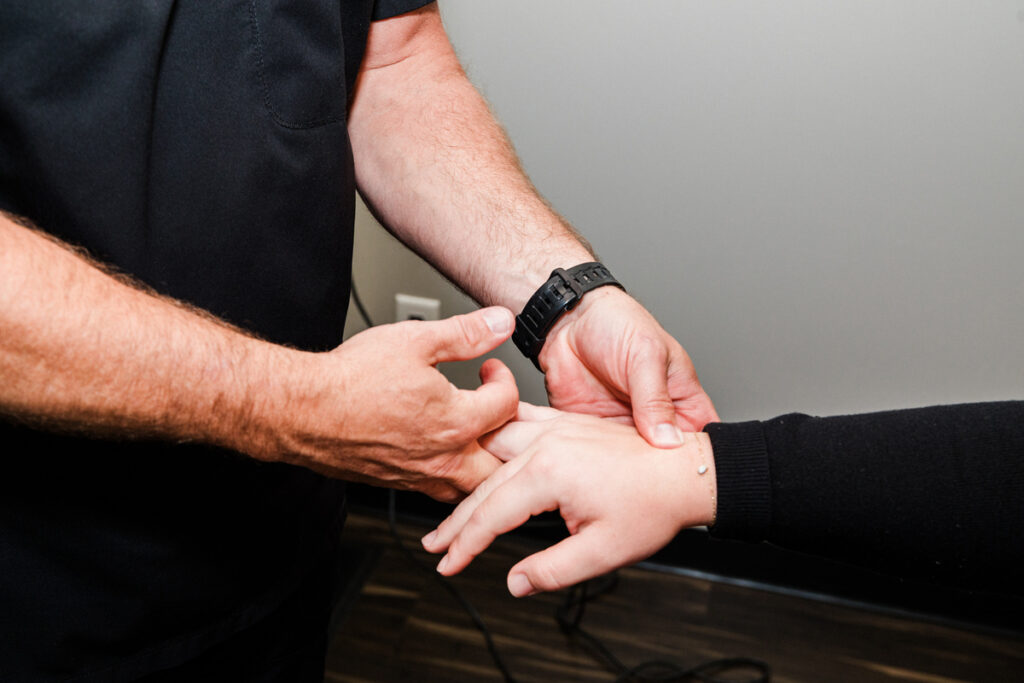

As a local chiropractor, I want to share with you the incredible potential of managing pain naturally through a combination of therapy techniques. Many of my patients have found that treatments like chiropractic care, acupuncture, and massage therapy can work synergistically to enhance their healing process. But there’s more to explore! Mindfulness practices and herbal remedies can also play a significant role in your journey toward relief and improved well-being. By understanding these options, you can discover new pathways to a pain-free life. Let’s delve into the possibilities that await you in natural healing!
Understanding Natural Pain Management
As a local chiropractor, I want to help you understand how to manage pain naturally and effectively. It all starts with being in tune with your body’s signals. Are you experiencing tightness in your muscles or a persistent ache in your joints? By recognizing these signs, we can work together to uncover the underlying causes of your discomfort.
In our practice, we emphasize the importance of natural techniques that can complement chiropractic care. Simple methods like stretching, deep breathing exercises, and hot and cold therapies can significantly reduce pain and enhance your recovery.
Additionally, I encourage you to explore herbal remedies and essential oils known for their anti-inflammatory properties, as they can be beneficial in managing pain.
Regular physical activity, even in the form of gentle exercises, is crucial. It not only promotes healing but also boosts your overall well-being. Staying hydrated and maintaining a balanced diet are foundational elements that support your body’s ability to cope with pain more efficiently.
The Role of Mindfulness in Pain Relief
As your local chiropractor, I want to emphasize the significant role mindfulness can play in how you experience and manage pain.
By incorporating mindful awareness techniques into your daily routine, you can develop a deeper sense of control over your discomfort. These practices can shift your perspective on pain, allowing you to approach it with a more balanced mindset.
Exploring the benefits of mindfulness alongside chiropractic care can enhance your journey towards effective pain relief and overall well-being.
Let’s work together to discover how these natural healing methods can transform your experience with pain.
Mindfulness and Pain Perception
As a local chiropractor, I want to share with you how incorporating mindfulness into your daily routine can significantly change the way you perceive pain. Many of my patients often feel overwhelmed by discomfort, but by practicing mindfulness, you can learn to focus on the present moment, which can shift your attention away from the pain itself.
Mindfulness encourages you to observe your sensations without judgment. This means recognizing that pain is just one aspect of your experience, rather than the sole focus. By becoming more aware of your thoughts and feelings, you may find that your emotional response to pain decreases, making it feel much more manageable.
This change in perspective not only helps lessen the intensity of your pain but also enhances your overall well-being. Embracing mindfulness techniques allows you to reclaim a sense of control over your body, redirecting your focus to its natural ability to heal.
As we work together in your chiropractic journey, I encourage you to integrate mindfulness practices to support your healing process and improve your quality of life.
Techniques for Mindful Awareness
As a chiropractor, I want to introduce you to some powerful techniques for mindful awareness that can significantly aid in managing pain. One effective method is deep breathing. Start by taking slow, intentional breaths, focusing on how the air enters and exits your body. This simple practice can help calm your mind and body.
Another beneficial technique is body scan meditation. This involves mentally tuning in to each part of your body. Pay attention to areas that may be tense or uncomfortable, and acknowledge them without judgment. This practice can help you develop a better understanding of your body’s signals.
You might also find mindful walking helpful. As you walk, concentrate on each step, the feeling of the ground beneath your feet, and the rhythm of your movements. This not only connects you to your body but also encourages relaxation.
Journaling can be a valuable tool as well. By writing down your experiences with pain and your emotional responses, you can uncover patterns that may help you and your chiropractor tailor a more effective treatment plan.
Lastly, consider engaging in guided imagery. Visualizing a peaceful scene can provide comfort and help ease your mind during painful moments.
Benefits of Mindful Practices
As your local chiropractor, I want to share some insights on how mindful practices can significantly aid in managing discomfort and enhancing your overall well-being. When you embrace mindfulness, you learn to focus on the present moment, which can effectively reduce the anxiety and stress that often make pain feel more intense.
By tuning into your body and its sensations without judgment, you create a nurturing environment for relaxation and healing. Incorporating techniques such as deep breathing or meditation into your routine can help shift your perspective on pain, allowing you to respond with greater resilience.
Many of my patients find that as they practice mindfulness, they experience improved emotional regulation, which often leads to a decrease in how they perceive pain. The beauty of mindfulness is that, with consistent practice, it becomes easier to cultivate a sense of calm and empowerment.
This newfound ability can transform your pain management journey, enabling you to take control and enhance your healing experience. If you’re curious about how we can integrate mindful practices with chiropractic care, I’m here to help guide you on this path to natural healing.
Exploring Acupuncture as a Therapeutic Option
As a local chiropractor, I want to introduce you to a unique approach to pain management that complements traditional chiropractic care: acupuncture.
Rooted in centuries of traditional Chinese medicine, acupuncture promotes healing and wellness by stimulating specific points on your body with thin, sterile needles. This practice encourages the flow of energy, aiding your body’s natural healing processes.
Many of my patients have experienced significant relief from chronic pain, headaches, and even stress-related discomfort through acupuncture. You might be surprised at how quickly you can feel the benefits.
The process is generally painless, and numerous patients report a deep sense of relaxation during their treatments. As your body responds positively, you may also notice an uplifted mood and an overall enhancement in your well-being.
It’s crucial to find a qualified acupuncturist who can assess your individual needs and customize the treatment to suit you.
By considering acupuncture alongside chiropractic care, you’re embracing a holistic approach to managing pain and taking an empowered step toward better health.
If you’re curious about how acupuncture might fit into your wellness journey, I encourage you to explore this therapeutic option. You may just discover the relief you’ve been seeking.
Benefits of Massage Therapy for Pain Management
As a local chiropractor, I want to share how massage therapy can be an invaluable resource for those dealing with chronic pain. This hands-on approach not only helps to ease muscle tension but also enhances circulation and promotes relaxation, which are essential for pain relief.
By focusing on specific areas of discomfort, massage therapy can improve your mobility, making daily activities much easier to manage.
One of the remarkable benefits you may notice is an uplift in your mood. Massage encourages the release of endorphins, the body’s natural pain relievers. By participating in regular massage sessions, you’ll gain a better awareness of your body, which can help you identify triggers for your pain and develop effective coping strategies.
Moreover, massage therapy nurtures a deeper connection between your mind and body, allowing you to practice self-care more effectively.
Whether you prefer deep tissue, Swedish, or trigger point massage, incorporating this therapy into your pain management plan can significantly enhance your overall well-being.
I encourage you to explore the benefits of massage therapy and take proactive steps toward a more comfortable and fulfilling life.
Utilizing Yoga and Stretching Techniques
As a local chiropractor, I want to share with you the incredible benefits of incorporating yoga and stretching into your daily routine. These practices aren’t just for those who are already flexible; they’re powerful tools that can help relieve pain and enhance your overall well-being.
Many of my patients have found that by engaging in regular yoga and stretching, they can significantly improve their flexibility, which in turn helps to reduce tension and discomfort in their bodies.
These techniques work hand in hand with chiropractic care to promote healing and restore balance.
When you take the time to stretch and practice yoga, you’re not only addressing immediate pain relief but also investing in your long-term health.
It can be an effective way to manage pain, alleviate stress, and improve your quality of life.
Let’s dive deeper into how these natural healing methods can support your journey toward better health.
Benefits of Yoga
As a local chiropractor, I often see patients who are looking for effective pain relief solutions. While traditional methods can be beneficial, I encourage you to consider incorporating yoga and stretching techniques into your daily routine. These practices can provide remarkable benefits that complement chiropractic care.
Yoga is an excellent way to enhance your flexibility, which can significantly alleviate tension in your muscles and joints. Many of my patients have found that regular yoga sessions not only improve their physical strength but also promote better posture. This is crucial, as proper alignment reduces strain on your body and supports the adjustments we make in the office.
Moreover, yoga emphasizes deep breathing, which can help calm your mind and reduce stress—a common contributor to chronic pain. By connecting your movements with your breath, you cultivate mindfulness, allowing you to manage pain more effectively. This holistic approach is key to achieving long-lasting relief.
Ultimately, embracing yoga as part of your wellness journey can lead to a more balanced and pain-free life. It empowers you to take control of your health and complements the natural healing process we strive for in chiropractic care.
I invite you to explore these practices and see how they can enhance your overall well-being.
Stretching for Pain Relief
As your local chiropractor, I want to emphasize the importance of incorporating stretching into your daily routine for pain relief and muscle recovery. Many of my patients find that simple stretches can significantly improve their flexibility and reduce muscle tension, helping to ease discomfort in common areas such as the back, neck, and shoulders.
Yoga is one practice I often recommend, as it offers a range of poses that foster relaxation and improve circulation. For example, the child’s pose is excellent for alleviating lower back pain, while downward dog effectively stretches the spine and hamstrings.
I encourage you to make a habit of dedicating a few minutes each day to these stretching techniques. It’s essential to listen to your body and avoid pushing yourself too hard; gentle stretching is the key to unlocking your body’s potential for healing.
The Power of Aromatherapy in Pain Alleviation
As a chiropractor, I want to share with you the benefits of aromatherapy as a natural approach to pain relief. Many of my patients find it to be a soothing complement to their chiropractic care, helping to alleviate discomfort and promote relaxation.
Essential oils harness the power of scent, and here are four that are particularly effective for pain relief:
- Lavender: This essential oil is well known for its calming effects. It can help ease headaches and reduce muscle tension, making it a great addition to your pain management routine.
- Peppermint: With its invigorating scent, peppermint offers a cooling sensation that can soothe sore muscles and alleviate headaches. It’s an excellent option for those experiencing tension or strain.
- Eucalyptus: This oil is beneficial for reducing inflammation and can provide relief for joint pain when applied topically. It’s a wonderful choice for anyone dealing with chronic pain or discomfort.
- Chamomile: Renowned for its anti-inflammatory properties, chamomile can help calm chronic pain and promote restful sleep, which is essential for recovery and overall well-being.
To incorporate these oils into your wellness routine, consider diffusing them in your home, adding them to a warm bath, or mixing them with a carrier oil for a soothing massage.
Aromatherapy can be a gentle and effective tool to enhance your pain relief, complementing the chiropractic care you receive. Remember, it’s all about finding the right balance for your health and well-being.
Herbal Remedies for Natural Pain Relief
As a local chiropractor, I’m here to help you explore natural ways to manage pain and enhance your overall wellness. Many patients are surprised to learn that herbal remedies can be a valuable addition to their health toolkit. Numerous herbs are known for their anti-inflammatory and analgesic properties, which can be quite effective in relieving discomfort.
For example, turmeric is a fantastic herb that contains curcumin, known for its ability to reduce inflammation and ease joint pain. Ginger is another potent choice; it can assist in alleviating muscle soreness and inflammation, which many of my patients find beneficial.
You might also want to consider willow bark, often referred to as “nature’s aspirin.” This herb can be particularly helpful for relieving headaches and lower back pain, which are common complaints I see in my practice.
Additionally, cayenne pepper, with its active component capsaicin, can effectively block pain signals when applied topically, providing another layer of relief.
Before you start any herbal treatment, it’s essential to consult with a healthcare professional – including your chiropractor – especially if you’re taking other medications.
By integrating these natural remedies into your routine, along with chiropractic care, you can adopt a holistic approach to managing pain effectively. Keep in mind that every individual responds differently, so it might take some time to figure out what works best for your body.
I’m here to support you on that journey!
Incorporating Physical Therapy Into Your Routine
As a local chiropractor, I want to share how incorporating physical therapy into your routine can significantly enhance your overall health and help you manage pain more effectively.
Physical therapy targets the underlying causes of discomfort and supports your body’s natural healing process. Here’s how you can seamlessly integrate it into your daily life:
- Establish Clear Objectives: Start by identifying your goals for physical therapy, such as improving your mobility or alleviating pain. Knowing what you want to achieve will guide your treatment.
- Maintain Consistent Appointments: Regular visits to a qualified physical therapist are essential for tracking your progress and making necessary adjustments to your treatment plan.
- Incorporate Home Exercises: To reinforce the techniques you learn during your sessions, it’s crucial to practice the exercises prescribed by your therapist at home. This will help you build strength and flexibility.
- Monitor Your Progress: Keeping a log of your pain levels and any improvements can be very beneficial. This allows you to see the progress you’ve made and helps you and your therapist adjust your plan as needed.
By embracing physical therapy, you’re taking an important step towards a healthier, pain-free life.
Building a Holistic Pain Management Plan
As a local chiropractor, I want to share with you the importance of creating a holistic pain management plan that goes beyond merely treating symptoms and focuses on addressing the underlying causes of your discomfort.
Let’s start by evaluating key aspects of your lifestyle, such as your diet, exercise habits, and stress levels, as these can all significantly influence your pain.
Incorporating physical therapy is essential, as it helps strengthen your muscles and improve flexibility—two factors that can lead to long-term pain relief. As we work together, I can guide you through specific exercises tailored to your needs.
Mindfulness practices like meditation and yoga are also beneficial for reducing stress and enhancing your overall mental well-being. Stress can exacerbate pain, so finding ways to manage it is vital for your recovery. Additionally, don’t underestimate the power of a good night’s sleep; establishing a consistent sleep routine allows your body to heal effectively.
Nutrition is another critical component of your pain management journey. Focusing on anti-inflammatory foods—such as a variety of fruits, vegetables, and healthy fats—can help reduce inflammation in the body and alleviate pain.
You might also want to explore alternative therapies, including chiropractic care, which can provide significant relief. Chiropractic adjustments work to align the spine and improve nervous system function, which can be instrumental in reducing pain and enhancing your quality of life.
Finally, it’s important to keep track of your progress and be open to adjusting your plan as needed. This comprehensive and balanced approach can lead to long-lasting relief and a more fulfilling life.
Together, we can develop a strategy that works for you, integrating various methods to help you feel your best.
Conclusion
As your local chiropractor, I want to share how incorporating natural pain solutions into your daily routine can significantly improve your healing journey. By combining chiropractic care with other therapy techniques such as acupuncture, mindfulness practices, and a balanced diet, you can effectively manage pain while enhancing your overall well-being.
It’s important to understand that everyone experiences pain differently, so it’s crucial to personalize your approach to find what works best for you. My goal is to provide you with the knowledge and strategies needed to take charge of your pain management. With commitment and the right techniques, you can achieve lasting relief and reclaim control over your life. Remember, I’m here to guide you through this journey towards better health and wellness.