
As a local chiropractor, I understand that dealing with chronic migraines can be incredibly challenging and often feels overwhelming. Many of you may already be aware of the importance of identifying triggers, but that’s just the starting point on your journey to relief.
In our practice, we focus on holistic approaches that encompass simple lifestyle changes, dietary adjustments, and effective stress management techniques. These strategies can significantly contribute to reducing the frequency and severity of those debilitating migraine episodes.
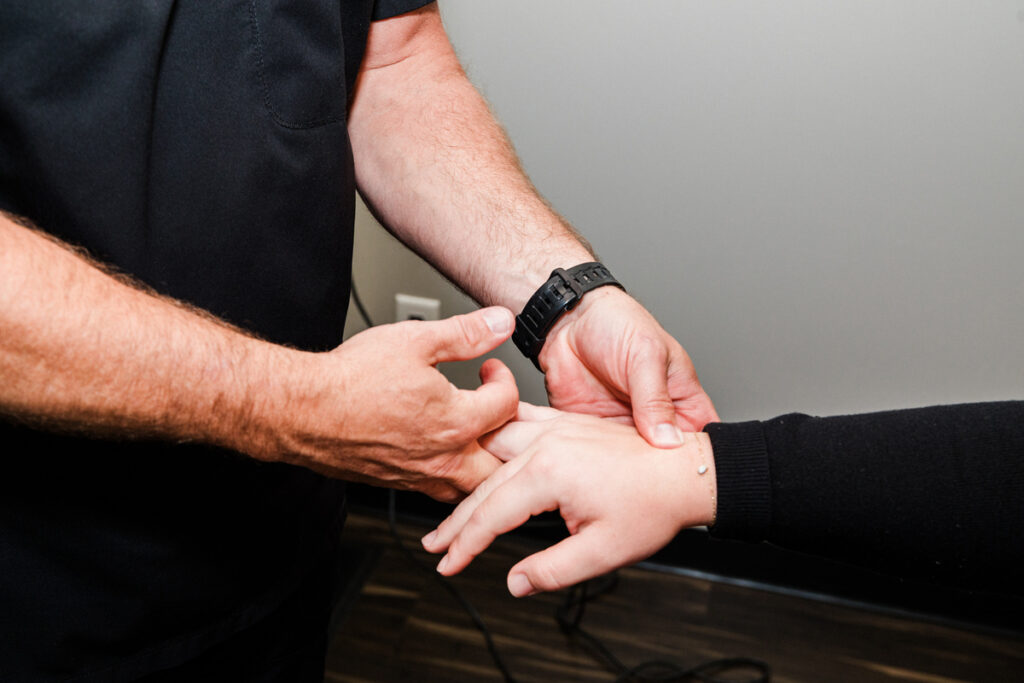
Chiropractic care itself can be a powerful ally in managing migraines. By addressing misalignments in the spine and improving overall nervous system function, we can help alleviate tension and discomfort that may be contributing to your migraines.
Additionally, we can explore other natural healing therapies that complement chiropractic adjustments, such as massage therapy and acupuncture. Together, these methods can enhance your body’s ability to heal and provide you with greater control over your migraines.
Let’s work together to implement these strategies so you can improve your quality of life and find the relief you deserve.
Understanding Chronic Migraines
Chronic migraines can be incredibly overwhelming and debilitating, often disrupting your daily life in ways that may be difficult to understand if you’re not familiar with them. Many of my patients report experiencing severe head pain, nausea, and heightened sensitivity to light and sound, which can make even the simplest tasks feel impossible.
These intense episodes often last from hours to days, leaving individuals feeling exhausted and frustrated. Unlike typical headaches, chronic migraines can occur frequently—15 or more days each month—and significantly impact your overall quality of life.
As a chiropractor, it’s important for me to help you understand the nature of chronic migraines. They often involve a complex interplay of neurological, genetic, and environmental factors. By recognizing how these factors affect you personally, we can work together to navigate the challenges they present.
It’s crucial to remember that chronic migraines manifest differently for everyone, which means that your approach to managing them should be tailored specifically to your unique experience.
Through chiropractic care and natural healing methods, we can explore effective strategies for relief. This may include spinal adjustments, lifestyle modifications, and other holistic approaches that can help reduce the frequency and intensity of your migraines.
Gaining insight into your migraines not only empowers you but also allows us to reclaim control over your life and improve your overall well-being. Let’s work together to find the best path forward for you.
Identifying Triggers
As a local chiropractor, I want to help you manage your chronic migraines more effectively by focusing on a crucial aspect: identifying your triggers. Many people don’t realize that certain factors can set off their headaches, and recognizing these can be a game-changer for your wellbeing.
One effective method is to keep a migraine journal, where you can note down potential triggers such as stress, certain foods, or even changes in your environment.
By understanding what specifically contributes to your migraines, we can work together to make targeted lifestyle adjustments that may lead to significant improvements in your quality of life. Chiropractic care, combined with these insights, can help restore balance and promote natural healing in your body, giving you a better chance at managing those pesky migraines.
Let’s explore this journey together!
Common Migraine Triggers
As a local chiropractor dedicated to natural healing and wellness, I understand that identifying common migraine triggers is crucial for effectively managing your symptoms. By recognizing what sets off your migraines, you can take proactive steps to avoid these triggers and enhance your overall well-being.
Here are three common triggers that I encourage my patients to be aware of:
- Food and Drink: Certain foods and beverages, such as aged cheeses, chocolate, and alcohol, can provoke migraines in some individuals. I recommend keeping a food diary to help identify any problematic items in your diet. By making mindful dietary choices, you can reduce the likelihood of triggering a migraine.
- Stress: Emotional stress and anxiety are significant contributors to migraines. As part of a holistic approach to health, I encourage my patients to incorporate relaxation techniques, such as deep breathing, yoga, or meditation, into their daily routines. Managing stress can be a vital step in reducing the frequency and intensity of migraines.
- Environmental Factors: Bright lights, loud noises, and strong smells can also trigger headaches. It’s important to create a comfortable and calming environment at home and work. Consider dimming the lights, using noise-canceling headphones, or utilizing air purifiers to minimize exposure to these stimuli.
By understanding these common triggers and making thoughtful lifestyle adjustments, you can take significant steps toward managing your migraines naturally.
As your chiropractor, I’m here to support you on your journey to better health and wellness.
Keeping a Migraine Journal
As a local chiropractor, I want to emphasize the importance of understanding your migraines and how they can be managed through natural healing methods.
Keeping a migraine journal can be an invaluable tool in this process. Start by documenting the date, time, and duration of each migraine episode. It’s also beneficial to record your daily activities, meals, and stress levels leading up to the onset of your migraine. This detailed information can help you identify patterns and specific triggers that may not be immediately obvious.
Don’t overlook environmental factors such as changes in weather, strong odors, or even physical strain, as these can influence your migraine occurrences as well.
I encourage you to maintain consistency in your journaling; regularly reviewing your entries can reveal surprising insights into your health.
Once you have identified potential triggers, you can take proactive steps to avoid them in the future. This approach not only empowers you to manage your migraines more effectively but also promotes a holistic sense of well-being.
Lifestyle Adjustments and Impact
As a local chiropractor, I want to help you understand how making certain lifestyle adjustments can significantly alleviate the frequency and intensity of migraines.
Effective management of your condition starts with identifying and avoiding triggers. Here are three essential changes you can incorporate into your daily routine:
- Dietary Modifications: Pay attention to the foods you consume, as certain items like aged cheeses and processed meats can be common triggers for migraines. A balanced, nutritious diet can’t only enhance your overall health but may also help mitigate headache episodes.
- Hydration: Ensuring you’re well-hydrated is crucial for headache prevention. Aim to drink at least eight glasses of water daily. Proper hydration can support your body’s natural healing processes and reduce the likelihood of migraines.
- Sleep Hygiene: Establishing a consistent sleep schedule is vital for improving your sleep quality. Irregular sleep patterns can contribute to the onset of migraines. By prioritizing good sleep hygiene, you can create a restful environment that encourages restorative sleep, which is essential for your well-being.
Incorporating these lifestyle changes can be a powerful step in managing migraines naturally.
Lifestyle Changes for Prevention
As a local chiropractor, I want to share some valuable insights on how effective lifestyle changes can significantly reduce the frequency and intensity of chronic migraines. One of the first steps is to prioritize your sleep. Aim for seven to eight hours of quality rest each night, and try to maintain a consistent sleep schedule by going to bed and waking up at the same time every day.
Incorporating regular physical activity into your daily routine is also crucial. Exercise helps alleviate stress and tension, which are common triggers for migraines. You don’t need to engage in intense workouts; simple activities like walking or practicing yoga can make a big difference.
Managing stress is another essential component of migraine prevention. Techniques such as mindfulness, meditation, or deep-breathing exercises can equip you with the tools to handle daily pressures more effectively.
Staying hydrated is vital as well. Make sure to drink plenty of water throughout the day, as dehydration can lead to headaches.
Lastly, consider ways to minimize environmental triggers in your life. This could involve managing your screen time or creating a calm, quiet space in your home where you can relax.
Dietary Considerations
As a chiropractor, I often emphasize the vital role that diet plays in managing chronic migraines.
It’s essential to understand that certain foods can trigger your headaches, and by identifying and avoiding these trigger foods, you may experience significant relief.
Additionally, staying well-hydrated is crucial for overall health and can help reduce the frequency and intensity of your migraines.
Let’s delve into how these dietary considerations can work in tandem with chiropractic care to alleviate your symptoms and improve your quality of life.
Trigger Foods to Avoid
As a local chiropractor, I understand that many of my patients suffer from chronic migraines. One effective approach to managing these headaches is identifying and avoiding trigger foods. By making some dietary adjustments, you could potentially lessen the frequency and severity of your migraine attacks.
Here are three common foods you might consider eliminating from your diet:
- Aged cheeses – These delicious varieties often contain tyramine, a compound that can trigger migraines in some individuals. It’s worth taking a closer look at your cheese choices.
- Processed meats – Items like hot dogs and deli meats are convenient, but they often contain preservatives that can lead to headaches. Opting for fresher, less processed options may be beneficial.
- Alcohol – Red wine, in particular, is known to exacerbate migraine symptoms, often due to its dehydrating effects. Reducing or eliminating alcohol can be a helpful step.
I encourage you to pay attention to how your body reacts after consuming these foods. Keeping a food diary can be a valuable tool in identifying your personal triggers.
This practice not only promotes mindfulness about your eating habits but also helps guide you toward a diet that supports your overall well-being and reduces migraine occurrences.
Hydration and Migraines
As a local chiropractor, I want to emphasize the importance of staying properly hydrated, especially for those who suffer from chronic migraines. Research shows that even mild dehydration can be a significant trigger for headaches. To help manage your migraines effectively, it’s crucial to drink plenty of water throughout the day.
Many people get caught up in their busy lives and forget to hydrate. To combat this, I recommend setting reminders on your phone or keeping a water bottle with you at all times. Additionally, incorporating hydrating foods into your diet can be very beneficial. Foods like cucumbers, watermelon, and oranges not only taste great but also contribute to your overall fluid intake.
It’s also important to be mindful of diuretics, such as caffeine and alcohol, as they can dehydrate you. If you’re starting to feel a headache coming on, take a moment to assess your fluid intake for the day. Staying ahead of your hydration can significantly help in reducing the frequency and intensity of migraines.
Stress Management Techniques
As a local chiropractor dedicated to promoting natural healing and overall wellness, I want to share some valuable insights on managing stress, which is a common contributor to chronic migraines.
By effectively controlling your stress levels, you can potentially reduce the frequency and severity of these debilitating headaches. Here are three stress management techniques that I encourage my patients to explore:
- Mindfulness Meditation: Taking just a few minutes each day to practice mindfulness meditation can be incredibly beneficial. Focus on your breathing and let go of any racing thoughts. This simple yet powerful practice fosters relaxation, reduces anxiety, and can help alleviate the tension that may contribute to headaches.
- Physical Activity: Regular physical activity is vital for both your physical and mental health. Whether it’s a brisk walk, yoga, or even dancing, engaging in movement releases endorphins—the body’s natural mood lifters. This not only improves your mood but also helps lower stress levels significantly, which can lead to fewer migraines.
- Time Management: One of the key aspects of stress management is effective time management. By organizing your daily tasks and setting realistic goals, you can prioritize your responsibilities. This approach minimizes feelings of overwhelm and allows you to tackle your challenges with greater ease, ultimately reducing stress.
Incorporating these techniques into your daily routine can empower you to manage stress more effectively and improve your overall well-being.
As your chiropractor, I’m here to support you on this journey to natural healing and a healthier, more balanced life.
Alternative Therapies
As a local chiropractor, I want to take a moment to share some insights into managing chronic migraines through alternative therapies, which can complement the care we provide in our office.
Many patients have found success with approaches like acupuncture and herbal remedies.
Acupuncture involves stimulating specific points on the body to promote natural healing and alleviate pain, potentially offering relief from migraine symptoms.
Additionally, certain herbs and supplements have been shown to help decrease the frequency and intensity of headaches, making them a valuable part of your overall migraine management strategy.
By integrating these natural healing methods with chiropractic care, we can work together to create a comprehensive plan that addresses both the underlying causes of your migraines and the symptoms you experience.
Let’s explore how these options can fit into your journey toward relief and improved well-being.
Acupuncture for Pain Relief
If you’re struggling with chronic migraines, I encourage you to explore acupuncture as a natural therapy option. This time-honored practice involves the insertion of thin needles at specific points on the body, with the goal of balancing energy and alleviating pain.
Many of my patients have reported positive outcomes, finding it effective in reducing both the frequency and intensity of their migraines.
Here are three notable benefits of acupuncture for migraine relief that I often share with my patients:
- Pain Reduction: Acupuncture can stimulate the release of endorphins, the body’s natural painkillers, providing significant relief from migraine discomfort.
- Enhanced Blood Circulation: This therapy may improve blood flow, which can help alleviate tension and diminish the severity of headaches.
- Stress Management: Acupuncture promotes relaxation, which is crucial for managing stress—one of the common triggers for migraines.
I invite you to consider acupuncture as part of your holistic approach to health and well-being.
Sometimes, the path to relief is just a needle away!
Herbal Remedies and Supplements
As a local chiropractor, I want to share some insights about natural therapies that can assist with chronic migraines, beyond the traditional methods you might be familiar with.
Herbal remedies and supplements have become increasingly popular for their potential to alleviate migraine symptoms. One herb that’s particularly noteworthy is feverfew. This natural remedy has been recognized for its ability to reduce the frequency of migraine attacks.
Another herb, butterbur, may also be a viable option, as it has been shown to aid in headache prevention.
Moreover, consider the role of magnesium supplements. Research indicates that many individuals with migraines may have a magnesium deficiency, and supplementing could provide significant relief.
Additionally, riboflavin, or Vitamin B2, has demonstrated potential in decreasing the number of headaches you experience.
As always, it’s essential to discuss any new herbal remedies or supplements with your healthcare provider, especially if you’re currently taking other medications.
Finding the right combination of therapies may take some time, but incorporating these natural options can effectively enhance your overall migraine relief strategy.
Over-the-Counter Medications
As a local chiropractor, I understand that chronic migraines can severely impact your quality of life. While many people turn to over-the-counter medications for relief, I want to share some natural approaches that can complement your treatment and help you manage your pain more effectively.
Here are three common over-the-counter options that you might consider discussing with your healthcare provider:
- Ibuprofen: This nonsteroidal anti-inflammatory drug (NSAID) can help reduce pain and inflammation associated with migraines. It’s most effective when taken at the onset of a headache. However, I encourage you to explore other holistic methods alongside it, such as chiropractic adjustments, which can help address underlying issues contributing to your migraines.
- Acetaminophen: Often suggested for mild to moderate pain, acetaminophen is a gentler alternative if NSAIDs don’t sit well with your stomach. Just as with any medication, it’s essential to be mindful of the dosage. Additionally, consider incorporating stress-relief techniques or spinal adjustments, which may further alleviate your discomfort.
- Aspirin: A well-known pain reliever, aspirin can be effective for migraine relief. Combining it with caffeine has been shown to boost its effectiveness. However, it’s important to understand that regular chiropractic care can also play a significant role in reducing the frequency and severity of migraines by promoting better spinal alignment and reducing tension.
Always consult with a healthcare professional before starting any medication or treatment plan.
Remember, your health is our top priority, and finding the right combination of therapies, including chiropractic care, can lead to lasting relief and improved well-being.
Let’s work together to discover what works best for you!
Prescription Medications
When it comes to managing chronic migraines, many individuals often seek relief through various methods, including chiropractic care and natural healing approaches. While prescription medications can offer targeted relief, they may not be the only solution.
As a chiropractor, I believe in exploring a holistic approach to health, which includes understanding how the body’s musculoskeletal system can impact migraines. Chiropractic adjustments can help alleviate tension in the neck and spine, which may contribute to migraine pain. By correcting misalignments, we can support better blood flow and nervous system function, potentially reducing the frequency and intensity of migraines.
Additionally, lifestyle modifications, such as stress management techniques and nutritional support, can play a crucial role in your overall well-being. While some patients may find relief with medications like triptans or beta-blockers, it’s essential to consider natural alternatives that prioritize your body’s innate healing abilities.
Discussing your symptoms and health history with a chiropractor can help us create a personalized plan that meets your needs. Remember, every patient’s experience is unique, and it may take some time to find the right balance of treatments that work best for you.
Always communicate openly about your progress, and together we can ensure your approach to managing migraines is effective and safe.
Behavioral Therapies
As you seek relief from chronic migraines, I want to share how incorporating behavioral therapies can enhance your overall treatment plan.
These effective strategies focus on changing your thoughts and behaviors, which can help you manage stress and minimize migraine triggers.
Here are three behavioral strategies you might find beneficial:
- Cognitive Behavioral Therapy (CBT): This approach encourages you to recognize and alter negative thought patterns. By replacing them with more positive thoughts, you may experience a reduction in both the frequency and intensity of your migraines.
- Relaxation Techniques: Methods such as deep breathing, progressive muscle relaxation, and mindfulness meditation can significantly reduce your stress levels. Lowering stress is key in making you less prone to migraines.
- Biofeedback: This innovative technique teaches you how to gain control over physiological functions, such as muscle tension and heart rate. By learning to manage these bodily responses, you can alleviate pain and help prevent migraines from occurring.
Incorporating these behavioral therapies alongside chiropractic care can lead to a more holistic approach to managing your migraines and improving your overall well-being.
Keeping a Migraine Diary
As a local chiropractor, I want to share how keeping a migraine diary can significantly enhance your understanding and management of chronic migraines. Tracking your migraine episodes allows you to pinpoint patterns and triggers that may be influencing your discomfort.
Begin by noting the date and time of each migraine, along with its duration and intensity. It’s also essential to record details about your diet, stress levels, and even weather conditions, as these factors can impact your health.
Pay attention to your sleep patterns and any chiropractic adjustments or therapies you’ve received. Over time, you’ll likely notice connections between your daily habits and the frequency of your migraines.
This diary not only equips you with valuable insights but also serves as a useful tool for discussions with your healthcare provider. By sharing this information, we can work together to create a more personalized approach to your care.
Conclusion
As a local chiropractor, I want to share some valuable insights on managing chronic migraines through a holistic approach. It’s crucial to identify your personal triggers—things like stress, certain foods, and even dehydration can play a significant role. By making lifestyle adjustments, such as staying well-hydrated, eating a balanced diet, and incorporating stress management techniques, you can effectively reduce both the frequency and intensity of your migraines.
One powerful tool I recommend is keeping a migraine diary. This helps you track patterns and identify what might be contributing to your discomfort. Armed with this information, we can work together to discuss natural treatment options that may include chiropractic adjustments, which can help alleviate tension and improve spinal function.
With the right strategies in place, you can take charge of your health and find relief from chronic migraines. Remember, it’s about more than just treating the symptoms; it’s about understanding and addressing the root causes to enhance your overall well-being.