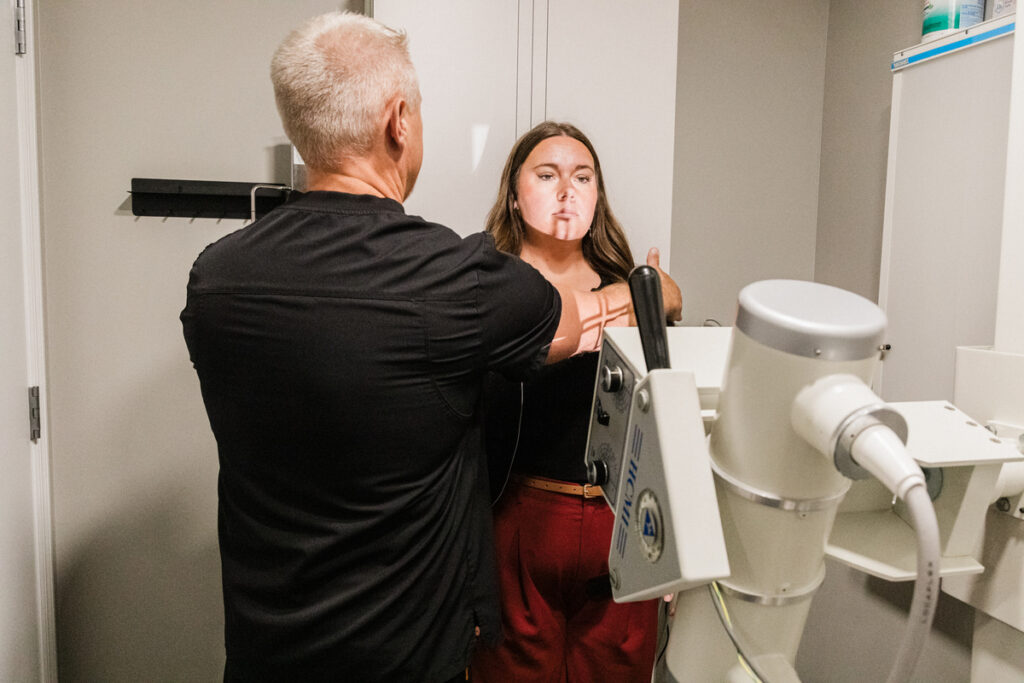

If you’re living with fibromyalgia, you may already be aware of the challenges it poses in managing your daily symptoms. As a local chiropractor, I’d like to share how exploring holistic support, including chiropractic care, can provide you with effective strategies to enhance your overall well-being.
Chiropractic care focuses on the relationship between the body’s structure and function, and it can play a significant role in alleviating fibromyalgia symptoms. By addressing spinal alignment and ensuring proper nervous system function, we can help reduce pain and improve mobility.
Moreover, I encourage you to consider a holistic approach that includes nutrition and mindfulness practices. A well-balanced diet can support your body’s healing processes, while mindfulness techniques can help you manage stress and improve your mental clarity.
So, how can you incorporate these approaches into your daily routine? Start by scheduling a consultation to discuss how chiropractic care can be tailored to your specific needs. Additionally, I can guide you on nutritional choices that may benefit you and recommend mindfulness exercises to integrate into your life.
Let’s work together to explore these key components and find the relief you deserve. Your journey to better health begins with understanding the options available to you.
Understanding Fibromyalgia: Symptoms and Challenges
Fibromyalgia is a complex condition that affects millions of individuals, often leading to persistent challenges with widespread pain and fatigue. As your local chiropractor, I want to help you understand how this condition can impact your daily life.
Many individuals with fibromyalgia experience chronic pain that varies in intensity, making even the simplest tasks feel incredibly daunting. Sleep disturbances are common, resulting in a cycle of exhaustion that can exacerbate discomfort and hinder your overall well-being.
Additionally, you may encounter cognitive difficulties known as “fibro fog,” which can affect your memory and concentration. This can make it hard to focus on everyday activities.
It’s also important to note that many people with fibromyalgia have heightened sensitivity to touch, light, or sound, which can create an overwhelming sensory experience.
Emotional challenges such as anxiety and depression often accompany fibromyalgia, adding another layer to your struggle.
As a chiropractor, I believe that recognizing and understanding these symptoms is crucial for effectively managing your condition. By exploring natural healing methods, including chiropractic care, we can work together to develop strategies that may alleviate some of your symptoms and improve your quality of life.
My goal is to empower you with knowledge and support as you navigate your journey toward healing.
The Role of Nutrition in Managing Fibromyalgia
As a local chiropractor, I want to emphasize that managing fibromyalgia symptoms involves more than just understanding the condition; it’s also about nurturing your body through proper nutrition. A balanced diet filled with whole foods can significantly enhance your overall well-being by reducing inflammation and boosting energy levels.
I encourage you to focus on including a variety of fruits, vegetables, lean proteins, and healthy fats in your meals. For instance, omega-3 fatty acids, found in fish and flaxseeds, have shown promise in alleviating pain associated with fibromyalgia.
Hydration is another crucial aspect to consider. Staying well-hydrated can help combat fatigue and discomfort, which are common in fibromyalgia patients. Additionally, it may be beneficial to limit your intake of processed foods, sugar, and caffeine, as these can sometimes trigger flare-ups in symptoms.
Keeping a food diary can be a practical approach to pinpointing specific dietary triggers that may exacerbate your condition.
Furthermore, don’t overlook the importance of vitamins and minerals. Nutrients like magnesium and vitamin D are vital for muscle function and mood regulation, and ensuring you get enough of these can help improve your quality of life.
As your chiropractor, I believe that nutrition can be a powerful ally in your journey to manage fibromyalgia effectively, working hand-in-hand with chiropractic care and natural healing practices.
Mindfulness and Meditation Techniques for Relief
As a local Chiropractor, I want to share how incorporating mindfulness and meditation techniques can significantly help manage fibromyalgia symptoms. Many of my patients have found relief through simple practices that promote relaxation and a deeper connection with their bodies.
I recommend starting with basic breathing exercises, which can help calm the mind and reduce tension. Additionally, exploring guided visualization can provide a mental escape, allowing you to ease stress and enhance your overall sense of well-being.
Another effective method is body scan meditation, which encourages you to tune into your body, fostering awareness and promoting relaxation.
Each of these techniques offers a unique approach to finding relief and improving your quality of life as part of a holistic healing journey. Embracing these practices alongside chiropractic care can lead to a more balanced and fulfilling experience in managing fibromyalgia.
Breathing Exercises for Calm
When stress and discomfort become overwhelming, incorporating breathing exercises can be an effective way to cultivate calm and support your overall well-being.
As your chiropractor, I encourage you to find a quiet space where you can either sit or lie down comfortably. Close your eyes and take a deep breath in through your nose, allowing your abdomen to expand fully. Hold that breath for a moment, and then slowly exhale through your mouth, consciously releasing any tension you may be holding in your body.
Try to engage in this practice for five to ten minutes, concentrating solely on your breath. If you find it helpful, consider counting your breaths—inhale for a count of four, hold for four, and exhale for four.
These simple techniques can help ground you, alleviate anxiety, and foster a sense of peace. They’re particularly useful for managing symptoms associated with conditions like fibromyalgia, which I frequently see in my practice.
Guided Visualization Practices
Have you ever thought about how guided visualization can enhance your journey toward managing fibromyalgia? As a chiropractor, I often encourage my patients to explore holistic techniques that complement their care.
Guided visualization is a remarkable method that allows you to mentally shift away from discomfort and pain by creating vivid, calming images in your mind. By focusing on serene landscapes or peaceful scenarios, you can effectively divert your attention from your symptoms.
This practice engages your relaxation response, helping to reduce stress and tension throughout your body, which is crucial for overall wellness. I recommend listening to audio recordings or working with a skilled instructor to maximize the benefits of this technique.
Incorporating guided visualization into your routine can empower you to take control of your pain and improve your overall well-being. Embrace this valuable tool as part of your holistic approach to managing fibromyalgia symptoms alongside chiropractic care.
Together, we can work towards enhancing your quality of life.
Body Scan Meditation
As a local chiropractor, I want to introduce you to a valuable technique that can greatly assist in managing fibromyalgia symptoms: body scan meditation.
While you may have heard of various relaxation methods, body scan meditation is particularly effective in promoting both awareness and relaxation within your body.
To begin, find a comfortable position—either lying down or sitting. Close your eyes and take several deep breaths to center yourself. Gradually shift your focus from your toes to your head, paying close attention to any sensations or areas of tension you might notice.
It’s important to approach this practice without judgment; simply acknowledge what you feel without attempting to change it.
This mindful practice not only helps in releasing physical tension but also alleviates emotional stress, which can make managing pain more manageable.
By incorporating body scan meditation into your wellness routine, you may experience enhanced relaxation and improved overall well-being.
As a chiropractor, I encourage you to explore this natural healing method to complement your chiropractic care.
The Benefits of Regular Exercise and Stretching
As a local chiropractor, I want to share with you the significant benefits of regular exercise and stretching, especially for those dealing with fibromyalgia. Engaging in consistent physical activity can dramatically enhance your symptoms, leading to improvements in both your physical and mental well-being.
When you exercise regularly, you can experience increased energy levels, reduced fatigue, and less pain. This is partly due to the release of endorphins, which are your body’s natural mood enhancers, helping to alleviate anxiety and depression that often accompany fibromyalgia.
Incorporating stretching into your daily routine is also crucial. It can greatly enhance your flexibility and range of motion, making everyday tasks much easier.
I recommend gentle exercises such as walking, swimming, or yoga, as these low-impact activities are less likely to aggravate your symptoms. Remember to start slowly and pay attention to how your body responds, gradually increasing the intensity as you become more comfortable.
Establishing a regular exercise routine not only helps in managing your symptoms but also fosters a sense of achievement and empowerment. By making movement a priority, you’re taking proactive steps toward improved health and a more fulfilling life.
Here at our chiropractic practice, we’re committed to supporting you on your journey to better health through natural healing methods, including exercise and stretching.
Exploring Alternative Therapies: Acupuncture and Massage
As a local chiropractor, I want to share some insights on how alternative therapies like acupuncture and massage can provide relief for those suffering from fibromyalgia symptoms.
These holistic methods can be a valuable addition to your wellness routine, potentially easing discomfort and enhancing your overall health. Here’s why you should consider them:
1. Acupuncture: This time-honored technique involves the insertion of fine needles into specific points on your body to promote energy flow, which can help alleviate pain.
Many of my patients have reported reduced muscle tension and increased relaxation after sessions.
2. Massage Therapy: Therapeutic massage is another powerful tool in our natural healing toolkit.
It can effectively relieve muscle stiffness and boost circulation, leading to decreased stress levels and a greater sense of calm. This is particularly helpful for those managing fibromyalgia.
3. Mind-Body Connection: Both acupuncture and massage emphasize the important relationship between the mind and body.
By addressing stress and anxiety, these therapies can help mitigate the symptoms associated with fibromyalgia.
Integrating acupuncture and massage into your wellness plan may offer the relief you’ve been searching for.
As your chiropractor, I encourage you to explore these options and see how they can complement your journey towards better health.
Why not give them a try?
The Power of Sleep: Strategies for Better Rest
As a chiropractor, I often emphasize the importance of sleep for our overall health and well-being, particularly for those managing conditions like fibromyalgia. Quality restorative sleep plays a crucial role in alleviating symptoms and improving your daily life.
To promote better sleep, I recommend establishing a consistent bedtime routine. Aim to go to bed and wake up at the same time each day, even on weekends, to regulate your body’s internal clock.
Creating a calming sleep environment is vital. Dim the lights in your room and minimize noise to set the stage for relaxation. You might consider blackout curtains or a white noise machine to help block out distractions and make it easier to fall asleep.
It’s also essential to limit screen time before bed, as the blue light emitted by devices can interfere with your sleep cycle. Instead, engage in calming activities such as reading or gentle stretching to wind down.
Be mindful of your diet as well; consuming caffeine or heavy meals close to bedtime can disrupt your sleep. Try to finish eating a few hours before you go to sleep.
Additionally, incorporating relaxation techniques like deep breathing or meditation can help ease tension and calm your mind, allowing you to drift off more easily.
By prioritizing sleep and creating habits that promote rest, you can significantly improve your fibromyalgia symptoms and enhance your overall quality of life.
Stress Management: Techniques to Reduce Pain Flare-Ups
As a local chiropractor, I understand that managing stress is a crucial component in alleviating pain flare-ups associated with conditions like fibromyalgia.
Stress can exacerbate your symptoms, making it vital to adopt effective strategies for stress management. By integrating these techniques into your daily life, you can potentially reduce both the frequency and intensity of your flare-ups.
Here are three effective approaches that I recommend:
- Mindfulness and Meditation: Just a few minutes of mindfulness or meditation each day can significantly calm your mind and lower stress levels. These practices encourage a state of relaxation that can positively impact your overall well-being.
- Regular Exercise: Incorporating gentle physical activities, such as walking or yoga, into your routine can be tremendously beneficial. These exercises promote the release of endorphins, which are natural pain relievers, and help alleviate muscle tension.
- Breathing Exercises: Practicing deep breathing techniques can help you stay grounded in the moment, effectively reducing anxiety and promoting a sense of tranquility. This simple practice can be a powerful tool in managing stress.
By implementing these stress management techniques, you can take proactive steps toward controlling your stress levels, ultimately helping to ease the symptoms of fibromyalgia.
As your chiropractor, I’m here to support you on your journey to natural healing and improved health.
Building a Support Network: Connecting With Others
Managing fibromyalgia can often feel isolating, but as a chiropractor, I want to emphasize the importance of building a strong support network to enhance your healing journey. Connecting with others who understand your experiences can provide not only emotional relief but also practical advice on managing symptoms.
Start by communicating openly with your friends and family about your condition; sharing your needs can help them support you in meaningful ways.
I encourage you to explore local or online support groups focused on fibromyalgia. These communities can be invaluable, allowing you to exchange experiences and coping strategies with others facing similar challenges. Reducing feelings of loneliness is crucial, and these connections create a safe environment for discussing symptoms and holistic approaches to managing them.
Additionally, engaging with healthcare professionals, including chiropractors, can offer you valuable insights into natural healing methods. We focus on holistic care that addresses the root causes of pain, helping to alleviate symptoms and improve overall well-being.
Conclusion
As a local chiropractor, I want to share how incorporating holistic support into your fibromyalgia management can significantly enhance your overall well-being. Many patients are unfamiliar with the benefits of chiropractic care, but it plays a vital role in addressing the underlying issues that contribute to fibromyalgia symptoms.
Focusing on nutrition is essential; a balanced diet can reduce inflammation and improve your energy levels. Additionally, practicing mindfulness through techniques such as meditation can help you manage stress, which often exacerbates your symptoms. Engaging in regular exercise, tailored to your needs, can improve your strength and flexibility, making daily activities more manageable.
Alternative therapies, including chiropractic adjustments, acupuncture, and massage, can provide relief by promoting relaxation and improving circulation in your body. It’s also crucial to prioritize sleep, as restorative rest is key to managing fibromyalgia.
Remember, managing stress is a continuous journey, and I encourage you to build a supportive network. Connecting with others who understand your experience can provide comfort and motivation. You’re not alone in this; with the right support, there is hope for a better quality of life. If you have questions about how chiropractic care can fit into your holistic approach, I’m here to help.