
If you’re experiencing lower back pain, it’s crucial to know the effective steps for recovery that can help you achieve optimal health. Start by identifying the underlying cause of your discomfort, as this will guide your journey toward healing. Embracing a lifestyle that supports your spine’s health is essential.
One of the best ways to relieve back pain is through chiropractic care. Regular visits to a chiropractor can help restore proper alignment to your spine, alleviating pressure on nerves and promoting natural healing. Additionally, incorporating gentle exercises and stretches can enhance your recovery.
Here are some practical tips to consider as you work on your back health:
- Stay Active: Engage in low-impact activities like walking or swimming, which can strengthen your back muscles without straining them.
- Practice Good Posture: Make sure to sit and stand up straight. Proper posture helps reduce the strain on your back.
- Use Supportive Seating: When sitting for long periods, use chairs that provide good lumbar support.
- Stay Hydrated: Drinking plenty of water helps keep your spinal discs hydrated and healthy.
- Incorporate Stretching: Gentle stretches can improve flexibility and reduce tension in your back.
By following these steps and prioritizing chiropractic care, you can take control of your back health and prevent future discomfort. Remember, natural healing through chiropractic is your best option for achieving long-lasting pain relief and wellness.
Key Takeaways
- Begin by keeping a pain journal to track your discomfort and identify what might be causing your lower back pain. This will help you notice patterns and triggers, making it easier to discuss with your chiropractor.
- Maintaining good posture is crucial for your spinal health. Sit and stand with a straight back, and consider using ergonomic furniture that supports your spine, reducing strain and discomfort.
- Regular stretching and strengthening exercises are essential for enhancing flexibility and building core support around your spine. These exercises can be tailored by your chiropractor to suit your individual needs and help prevent future pain.
- Utilizing heat and cold therapy can be an effective way to manage muscle tension and inflammation. Applying heat can soothe tight muscles, while cold packs can reduce swelling during flare-ups.
- Don’t hesitate to seek chiropractic care! A chiropractor can provide spinal adjustments that help realign your spine and address the root causes of your pain. They can also create a personalized treatment plan that focuses on natural healing and wellness, ensuring that you achieve optimal health without the need for medications or invasive procedures.
By incorporating these tips into your daily routine and working closely with a chiropractor, you can take significant steps toward alleviating your lower back pain and enhancing your overall well-being.
Understand the Cause of Your Pain
Understanding Lower Back Pain: A Path to Wellness
Dealing with lower back pain can be frustrating, but understanding its cause is the first step toward relief and improved wellness. Often, this discomfort arises from factors like muscle strain, herniated discs, or even conditions such as arthritis. Reflect on your daily habits—do you lift heavy items without using proper techniques, or have you found yourself seated for extended periods? These common activities can significantly contribute to your pain.
Pay attention to patterns in your pain; does it intensify after certain activities or during specific times of the day? Keeping a pain journal can be an excellent tool to track these triggers and monitor changes over time.
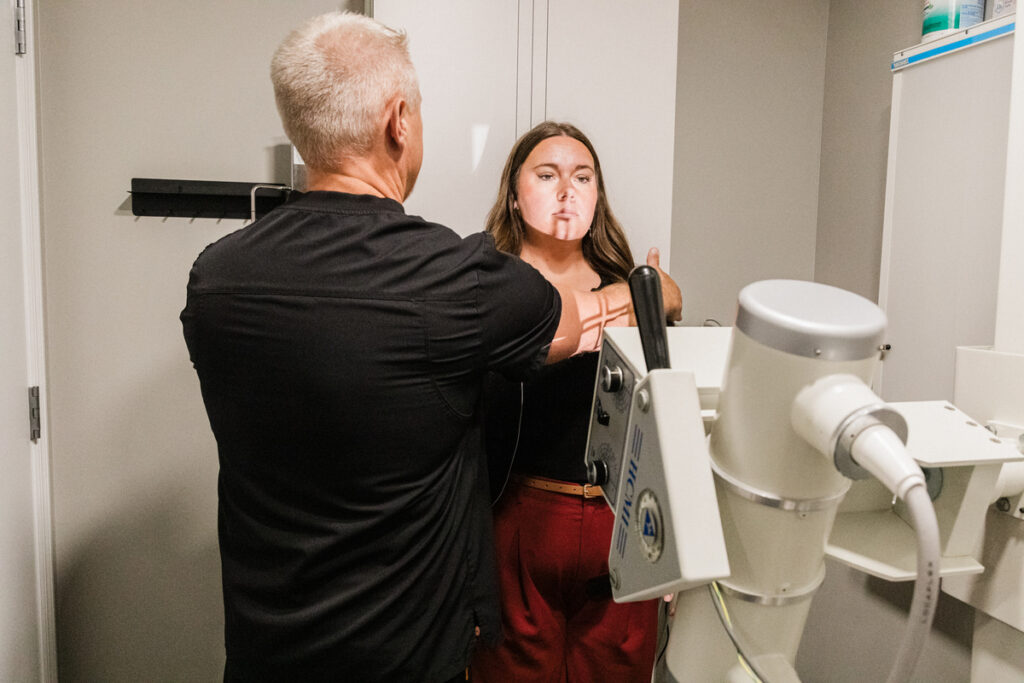
As a chiropractor, I emphasize the importance of a thorough assessment to pinpoint the underlying cause of your discomfort. Chiropractic care focuses on natural healing and correcting spinal misalignments, which can alleviate pain and promote overall health.
By understanding the root of your lower back pain, you can begin your journey to recovery, incorporating personalized strategies that can help you live a more vibrant life.
Here are some general tips for managing lower back pain:
- Maintain Good Posture: Whether sitting or standing, always keep your back straight and shoulders back to reduce strain on your spine.
- Practice Safe Lifting: When lifting heavy objects, bend your knees and keep the load close to your body to protect your back.
- Stay Active: Regular physical activity, such as walking or gentle stretching, can strengthen your back muscles and improve flexibility.
- Use Heat or Cold Therapy: Applying a warm compress or ice pack can provide relief and help reduce inflammation.
- Consider Chiropractic Care: Regular visits to your chiropractor can help align your spine, reduce pain, and promote overall wellness, making it a natural choice for achieving optimal health.
Practice Good Posture
Practicing good posture is essential for managing lower back pain, and it plays a significant role in your overall health and wellness. As a chiropractor, I want to emphasize how vital it’s to be conscious of your body alignment in your daily activities—be it sitting, standing, or walking. Simple adjustments can lead to remarkable improvements in your comfort.
When sitting, ensure your chair provides adequate support for your lower back. You might consider using a cushion for added comfort and remember to keep your feet flat on the floor. This alignment helps reduce strain on your spine.
While standing, try to distribute your weight evenly across both feet, and avoid locking your knees. This allows your body to maintain its natural curve and prevents unnecessary pressure on your lower back. When lifting objects, always bend your knees and keep your back straight—this technique helps protect your spine and reduces the risk of injury.
Incorporating regular posture checks into your daily routine can be transformative. Setting reminders on your phone can prompt you to assess your alignment throughout the day. It’s amazing how these small adjustments can lead to significant improvements in your comfort and mobility.
Remember, good posture not only alleviates pain but also enhances your overall well-being. By adopting these practices, you’re taking proactive steps toward a healthier lifestyle.
If you’re experiencing persistent pain, consider visiting a chiropractor who can provide personalized care and guidance to support your journey to optimal health. Your lower back will thank you!
Engage in Regular Stretching and Strengthening Exercises
Incorporating regular stretching and strengthening exercises into your daily routine can significantly help with lower back pain and improve your overall stability. Stretching is essential for increasing flexibility, which can ease muscle tension and relieve pressure on your spine. Simple stretches like the cat-cow pose and hamstring stretches can be very effective.
Make it a habit to stretch daily, paying particular attention to the muscles surrounding your lower back.
Strengthening exercises are just as crucial, as they build the core muscles that support your spine and help prevent future injuries. Exercises such as planks, bridges, and pelvic tilts are great additions to your routine. Start at a comfortable level and gradually increase the intensity to avoid any strain.
Always pay attention to how your body feels; if an exercise causes pain, it’s important to modify it or skip it altogether. Consistency is key—by making these exercises a regular part of your day, you’re not only working towards relieving pain but also enhancing your overall strength and mobility.
This proactive approach can lead to a healthier back and a better quality of life.
While these exercises can provide relief, don’t forget the value of chiropractic care in your wellness journey. Regular chiropractic adjustments can complement your efforts by ensuring your spine is aligned and functioning optimally, which enhances the benefits of your stretching and strengthening routine.
Embrace a holistic approach to your health, and you’ll be on your way to feeling your best!
Apply Heat and Cold Therapy
When you’re experiencing lower back pain, incorporating heat and cold therapy into your routine can be incredibly beneficial. As a chiropractor, I want to share how these techniques not only help alleviate discomfort but also support your overall wellness and healing process.
Heat therapy is fantastic for relaxing tight muscles and improving blood circulation. Applying a warm compress or heating pad can soothe stiffness and promote relaxation in your lower back. This enhanced blood flow brings essential nutrients to the area, aiding in the healing process. Try using heat for about 15-20 minutes at a time, making sure to wrap the heat source in a towel to protect your skin.
On the other hand, cold therapy can be a powerful ally in reducing inflammation and numbing sharp pain. If you find your back is swollen or you’re experiencing acute pain, an ice pack or a bag of frozen veggies wrapped in a towel can work wonders. Apply it for 10-15 minutes to help bring down inflammation and ease discomfort.
While these methods can provide relief, it’s important to remember that they’re part of a broader approach to wellness. Regular chiropractic care is essential for maintaining a healthy spine and ensuring your body functions optimally. Chiropractic adjustments can address the root causes of your pain, helping to prevent future discomfort and promoting long-term health.
Here are a few additional tips to enhance your healing process:
- Stay Active: Gentle movements and stretching can help keep your back flexible and strong. Consider low-impact exercises like walking or swimming.
- Maintain Good Posture: Be mindful of how you sit and stand. Proper posture can prevent unnecessary strain on your back.
- Listen to Your Body: If something feels wrong, don’t push through the pain. Give your body the rest it needs and consult with your chiropractor for personalized advice.
- Stay Hydrated: Drinking plenty of water supports overall health and can help keep your muscles hydrated and functioning well.
Benefits of Heat Therapy
Lower back pain can be incredibly challenging, but heat therapy presents a straightforward and effective method to ease discomfort and support healing. As a chiropractor, I want to share with you the numerous benefits of applying heat to your lower back, which can complement your chiropractic care for optimal wellness.
Here are four key advantages of heat therapy:
- Increased Blood Flow: Applying heat helps relax tight muscles and boosts circulation, which means more oxygen and essential nutrients reach the affected area. This enhanced blood flow can facilitate the healing process and reduce pain.
- Reduced Muscle Tension: The warmth from heat therapy can significantly alleviate stiffness and muscle tension, allowing for easier and less painful movement. This is especially helpful when combined with chiropractic adjustments, as it prepares your body for better alignment.
- Pain Relief: The comforting sensation of heat can help lessen pain perception, offering immediate relief. This makes it easier for you to engage in daily activities and participate in chiropractic treatments without discomfort.
- Improved Flexibility: Regular application of heat can enhance your range of motion, making it simpler to perform everyday tasks. With increased flexibility, chiropractic care can be even more effective in addressing your spinal health.
Incorporating heat therapy into your recovery routine not only supports your lower back pain relief but also complements the holistic approach of chiropractic care.
Cold Therapy Techniques
Cold therapy can be a valuable addition to your pain management toolkit, especially for lower back discomfort. It works well alongside chiropractic care, which is essential for achieving optimal health and wellness. Cold therapy helps reduce inflammation and temporarily numbs sharp sensations, allowing your body to heal naturally.
You can easily apply cold therapy at home by using ice packs or even a bag of frozen vegetables wrapped in a towel. It’s best to apply the cold source for about 15-20 minutes at a time, giving your skin a chance to warm up between applications. This technique can be particularly effective after physical activity, helping to alleviate acute pain and swelling.
Always pay attention to how your body responds; if the cold feels too intense, remove it right away. For enhanced relief, consider alternating between cold therapy and heat therapy. This combination can maximize your comfort and aid in recovery.
Remember, consistency is essential for the best results, so make cold therapy a regular part of your self-care routine. Along with regular chiropractic adjustments, these practices can support your journey to better health and wellness.
Always consult with your chiropractor for personalized advice tailored to your specific needs. Embrace these natural healing methods to enhance your overall well-being!
Consider Professional Treatment Options
If you’re dealing with persistent lower back pain, seeking professional treatment is a vital step towards feeling better. As a chiropractor, I want to emphasize that chiropractic care is one of the most effective ways to relieve pain and promote overall wellness. A thorough assessment from a chiropractor can help identify the root cause of your discomfort and create a personalized treatment plan that focuses on natural healing.
Here are some key benefits of chiropractic care for lower back pain:
- Spinal Manipulation: Chiropractors use gentle adjustments to realign the spine, which can alleviate pain and improve mobility. This hands-on approach helps restore proper function to your back and promotes healing without the use of medications.
- Customized Exercise Plans: As part of your treatment, a chiropractor can guide you through specific exercises designed to strengthen your back muscles and enhance flexibility. This not only aids in recovery but also helps prevent future injuries.
- Holistic Approach: Chiropractic care addresses the whole person, not just the symptoms. By focusing on your overall health, we can help you achieve a balanced lifestyle that supports your spine and well-being.
- Natural Pain Relief: Instead of relying on medications, chiropractic adjustments provide a drug-free approach to pain relief, allowing your body to heal naturally.
In addition to seeking chiropractic care, here are some tips you can incorporate into your daily routine to support your back health:
- Stay Active: Engage in low-impact activities like walking or swimming to keep your body moving and your muscles strong.
- Practice Good Posture: Be mindful of your posture when sitting, standing, or lifting to reduce strain on your back.
- Use Supportive Furniture: Invest in ergonomic chairs and mattresses that provide proper support for your spine.
- Stretch Regularly: Incorporate gentle stretches into your day to maintain flexibility and relieve tension.
Taking steps to consult a chiropractor not only helps alleviate your pain but empowers you with strategies to maintain a healthy back for life. Don’t hesitate to reach out; your spine will thank you!
Stay Active With Low-Impact Activities
Staying active is crucial for managing lower back pain, and low-impact activities are a fantastic way to do this without putting additional strain on your body. As a chiropractor, I encourage gentle exercises like walking, swimming, or cycling. These activities help maintain your mobility and strengthen your core muscles, which are essential for supporting your spine.
Not only do they promote blood flow to aid in healing, but they also help reduce stiffness in your back. Aim to include at least 30 minutes of low-impact exercise into your daily routine. Pay attention to your body; if something doesn’t feel right, adjust the intensity or type of activity.
Yoga and Pilates are also excellent choices, as they emphasize flexibility and core strength while minimizing impact on your joints. Before you begin any exercise, make sure to warm up to prepare your muscles and joints, and cool down afterward to aid recovery and prevent injuries.
Consistency is vital—by staying active, you not only alleviate pain but also enhance your overall well-being. Incorporating chiropractic care into your wellness routine can further support your journey to better health.
Regular adjustments can help align your spine, improve your body’s function, and reduce pain. So, lace up those shoes, get moving, and consider chiropractic care as a natural pathway to optimal health. Your back will thank you for it!
Make Lifestyle Modifications for Long-Term Relief
To effectively manage lower back pain for the long haul, incorporating lifestyle modifications can make a world of difference in your recovery journey. As a chiropractor, I believe that small, consistent changes in your daily routine can lead to substantial improvements in your overall well-being. Here are some practical modifications you can easily implement:
1. Maintain a Healthy Weight: Carrying extra weight can put unnecessary strain on your back. A balanced diet combined with regular physical activity not only helps you shed those extra pounds but also contributes to better spinal health.
Consider incorporating low-impact exercises like walking or swimming, which are gentle on the back.
2. Improve Your Posture: Good posture is crucial in alleviating stress on your lower back. Whether you’re sitting at a desk or standing, being mindful of your posture can make a significant difference.
Invest in ergonomic furniture that supports your spine, and remember to take breaks to stretch and realign your body throughout the day.
3. Incorporate Stretching: Daily stretching can improve flexibility and strengthen your back muscles, which are essential for maintaining a healthy spine.
Activities like yoga and Pilates not only promote flexibility but also foster relaxation and mindfulness, contributing to overall wellness. Make it a habit to dedicate a few minutes each day to gentle stretches.
4. Stay Hydrated: Hydration is key for spinal health. Drinking plenty of water helps maintain the elasticity of your spinal discs and can reduce discomfort.
Aim to drink water throughout the day, and consider incorporating hydrating foods like fruits and vegetables into your diet.
Incorporating these lifestyle changes can complement your chiropractic care, helping to enhance your recovery and promote long-term relief from lower back pain.
Conclusion
As a local chiropractor, I want to share with you seven effective steps to help you recover from lower back pain and maintain a healthy spine. Understanding your pain is crucial; take note of what triggers it and how it feels. This awareness is the first step toward healing.
Practicing good posture is essential for spinal health. Whether you’re sitting, standing, or lifting, be mindful of your alignment. Engaging in regular exercises that specifically strengthen your back muscles can also make a significant difference. Simple activities like stretching, walking, or yoga can enhance flexibility and reduce discomfort.
Don’t underestimate the power of heat and cold therapy. Applying a warm compress can relax tight muscles, while cold packs can reduce inflammation. Both can be valuable tools in your recovery arsenal.
If your pain persists, consider visiting a chiropractor. We specialize in natural healing methods that focus on spinal adjustments and holistic wellness. Chiropractic care not only alleviates pain but also addresses the root cause of your issues, promoting long-term health.
Staying active is crucial. Incorporate movement into your daily routine, and make lifestyle changes that support your spinal health, such as maintaining a healthy weight and staying hydrated.
Remember, consistency is key on your journey to recovery. Commit to these practices, and with time and dedication, you’ll notice a positive change in your well-being. Your path to a pain-free life starts with your spine—let chiropractic care guide you toward optimal health!