
If you’re dealing with lower back pain, know that you’re not alone, and there’s hope for relief. Many individuals encounter this issue, and while it may feel daunting, there are effective strategies you can implement to alleviate your discomfort and enhance your overall well-being. One of the best approaches is to consider chiropractic care, which focuses on natural healing and spinal health.
By making a few simple adjustments to your daily routine and incorporating targeted exercises, you can significantly improve your condition. Here are some practical tips to help you ease your lower back pain and regain your mobility:
- Prioritize Posture: Maintaining good posture is essential for spinal health. Be mindful of how you sit, stand, and move throughout the day. Proper alignment can reduce strain on your back.
- Stay Active: Gentle exercises, such as walking or swimming, can help strengthen your back muscles and improve flexibility. Consult with your chiropractor for personalized exercise recommendations.
- Stretch Regularly: Incorporate stretching into your daily routine to relieve tension in your back. Simple stretches can increase blood flow and reduce stiffness.
- Use Heat and Cold Therapy: Applying a heat pack or a cold compress to your lower back can provide relief. Heat can relax tense muscles, while cold can reduce inflammation.
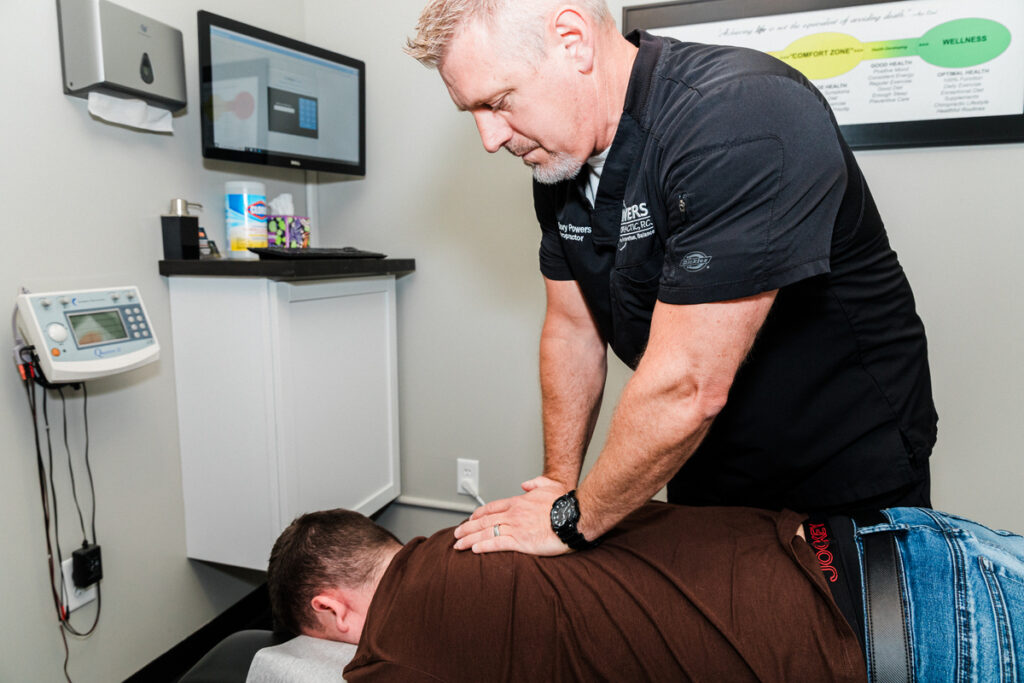
- Consider Chiropractic Adjustments: Regular visits to a chiropractor can help align your spine and alleviate pain. Chiropractic care focuses on restoring proper function to your spine and nervous system, aiding in natural healing.
- Practice Mindfulness and Relaxation Techniques: Stress can contribute to muscle tension. Practices like deep breathing, yoga, or meditation can help you manage stress and promote overall well-being.
- Invest in Supportive Furniture: Ensure your workspace is ergonomically designed to support your back. A comfortable chair and proper desk height can make a significant difference.
- Stay Hydrated: Drinking enough water is crucial for overall health, including the health of your spinal discs. Proper hydration helps keep your spine supple and flexible.
- Listen to Your Body: Pay attention to how your body responds to different activities. If something causes pain, modify your movements or take breaks as needed.
- Seek Professional Guidance: If your pain persists, consult with a chiropractor who can assess your individual situation and provide tailored care to help you on your path to recovery.
By implementing these strategies and prioritizing chiropractic care, you can take significant steps towards alleviating your lower back pain and achieving optimal health. Remember, healing is a journey, and with the right support and knowledge, you can regain your quality of life.
Key Takeaways
- Prioritize regular exercise that focuses on strengthening your core and enhancing flexibility. Aim for at least 3-4 days a week, as a strong core supports your spine and can significantly reduce lower back pain.
- Staying hydrated is essential for your overall health, including muscle function and spinal health. Aim to drink at least eight glasses of water daily to keep your body functioning optimally.
- To manage pain naturally, consider using heat and cold therapy. Cold therapy can help reduce inflammation, while applying heat can relax tight muscles. Both methods can provide relief without the need for medications.
- Invest in a supportive medium-firm mattress. A good mattress promotes spinal alignment, which is crucial for recovery during sleep. Your spine deserves the best support, and a quality mattress can make a difference.
- Chiropractic care is an excellent choice for addressing lower back pain. Chiropractors offer personalized treatment plans that focus on spinal alignment and overall wellness. Regular chiropractic adjustments can help restore your body’s natural balance and improve your overall quality of life.
- Incorporate gentle stretches into your daily routine to enhance flexibility and reduce tension in your back muscles. Simple stretches can be done at home and can contribute to long-term relief.
- Be mindful of your posture throughout the day, whether you’re sitting, standing, or lifting. Good posture helps maintain spinal alignment and reduces the risk of injury.
- Pay attention to your body’s signals. If you feel pain or discomfort, it’s a sign from your body that something needs attention. Don’t hesitate to seek guidance from a chiropractor who can help you understand and address these issues.
- Make time for relaxation and stress management. High stress can impact your body and contribute to tension and pain. Consider practices such as yoga or meditation, which can complement your chiropractic care.
- Finally, always consult with your chiropractor before starting any new exercise or wellness routine. They can provide tailored advice that aligns with your specific needs and health goals. Remember, natural healing through chiropractic care can lead you to a healthier, pain-free life!
Understand Your Pain
When you experience lower back pain, understanding its nature is key to achieving optimal health and recovery. Start by identifying the characteristics of your pain—does it feel sharp, dull, or throbbing? Knowing the type of pain can help you better understand its cause.
Pay attention to when the pain occurs. Is it after long periods of sitting or lifting something heavy? Recognizing these patterns can help you find potential triggers and avoid them.
Next, think about any recent activities that could have contributed to your discomfort. Have you started a new exercise routine or moved furniture around? Acknowledging these factors can guide you toward effective recovery strategies, including chiropractic care, which is a natural and holistic approach to pain relief.
Also, consider the intensity of your pain. If it’s mild, you might find relief through rest and gentle stretches. However, if the pain is severe or doesn’t improve, it’s important to consult a chiropractor. They can assess your condition and provide tailored treatments to help restore your spine’s health and alleviate your pain.
Don’t forget that emotional stress can also impact your physical well-being. Take a moment to recognize any stressors in your life, as they can exacerbate your discomfort. Chiropractic care not only addresses physical pain but also promotes overall wellness, helping to manage the effects of stress on your body.
Maintain Good Posture
Maintaining good posture is vital for preventing and alleviating lower back pain, as it directly impacts your spinal alignment and overall body mechanics. By practicing proper posture while sitting, standing, or moving, you can significantly reduce the strain on your spine and the surrounding muscles, promoting a healthier lifestyle.
As a chiropractor, I want to share some simple tips to help you achieve and maintain good posture throughout your daily activities. Here’s a handy reference table to guide you:
| Position | Tips for Good Posture |
|---|---|
| Sitting | Keep your feet flat on the floor and use a chair that offers lumbar support to maintain the natural curve of your lower back. |
| Standing | Distribute your weight evenly on both feet and keep your shoulders back to avoid slouching. |
| Lifting | Always bend at your knees instead of your waist, and hold the load close to your body to protect your spine. |
| Sleeping | Invest in a supportive mattress and try to sleep on your back or side to keep your spine aligned. |
| Computer Use | Position your screen at eye level to avoid straining your neck, and keep your wrists straight while typing to prevent discomfort. |
Incorporating these posture tips into your daily routine can lead to significant improvements in your overall well-being. Remember that chiropractic care is an excellent way to enhance your posture, alleviate pain, and promote natural healing. If you’re experiencing discomfort or want to improve your posture, consider visiting a chiropractor who can provide personalized care and guidance tailored to your needs. Together, we can work towards achieving optimal health and a pain-free lifestyle!
Incorporate Regular Exercise
Incorporating regular exercise into your daily routine can significantly aid in the recovery from lower back pain. As a local chiropractor, I want to emphasize how important it’s to strengthen your core muscles and enhance your flexibility through gentle stretching. These practices not only support your spine but also promote overall stability and well-being.
When you engage in exercises designed to strengthen your core, you’re providing essential support to your spine, which can help alleviate pain and prevent future issues. Core exercises, like pelvic tilts and bridges, are excellent for building strength without putting too much strain on your back.
Additionally, stretching can improve your flexibility, which is crucial for maintaining a healthy spine. Simple stretches, such as hamstring stretches and gentle spinal twists, can relieve tension in your back and improve your range of motion.
I encourage you to think of exercise as a vital component of your recovery journey. Remember, chiropractic care is here to assist you in achieving optimal health naturally. By combining regular exercise with chiropractic adjustments, you can enhance your recovery process and embrace a healthier lifestyle.
Here are a few tips for incorporating exercise into your routine:
- Start small: Begin with short sessions of 10-15 minutes and gradually increase the duration as you feel comfortable.
- Stay consistent: Aim for at least 3-4 days a week to see the best results.
- Listen to your body: If something doesn’t feel right, stop and consult with your chiropractor.
- Mix it up: Include a variety of exercises to keep things interesting and work different muscle groups.
Strengthening Core Muscles
To effectively strengthen your core muscles, it’s important to incorporate regular exercise into your daily routine. A strong core is essential for supporting your spine and can significantly help alleviate lower back pain, a common issue many people face. By focusing on exercises that engage all parts of your core—including your abdominals, obliques, and lower back—you can enhance your overall stability and posture, further supporting your recovery.
Here’s a simple guide to some effective core exercises you can try at home:
| Exercise | Reps/Sets |
|---|---|
| Plank | 3 sets of 30 seconds |
| Bicycle Crunches | 3 sets of 15 |
| Dead Bug | 3 sets of 12 |
| Bird Dog | 3 sets of 10 per side |
Consistency is key! By regularly engaging in these exercises, you’ll not only strengthen your core but also improve your overall well-being. Remember, a strong core helps maintain proper alignment of your spine, which is crucial in preventing and alleviating pain.
As a chiropractor, I emphasize the importance of core strength in achieving optimal health. Alongside these exercises, consider regular chiropractic care to ensure your spine is properly aligned and functioning well. This natural approach can enhance your healing process and contribute to a healthier lifestyle without the need for medications or invasive procedures.
Incorporating these exercises and chiropractic adjustments into your routine can lead to significant improvements in your pain levels and overall quality of life. Stay committed to your health, and remember that taking care of your core is taking care of your spine!
Flexibility and Stretching
While strengthening your core is crucial for supporting your spine, flexibility and stretching are equally important for your lower back recovery. Incorporating regular stretching into your daily routine can help relieve tension and enhance mobility, which is vital for maintaining a healthy spine.
Focus on gentle stretches that specifically target your hamstrings, hip flexors, and lower back muscles. Activities like yoga and Pilates are fantastic ways to improve your flexibility while also promoting relaxation and mindfulness. Aim to dedicate at least 15-30 minutes each day to stretching, holding each stretch for 20-30 seconds.
Remember, it’s essential to listen to your body—never push into pain. Consistency is key to achieving lasting results, so make stretching a part of your daily routine. As you enhance your flexibility, not only will you feel better, but you’ll also lower your risk of future injuries and improve your overall spinal health.
If you’re experiencing discomfort or tension, consider visiting your local chiropractor. Chiropractic care can provide tailored treatments and guidance on how to best support your body through stretching and other natural healing practices.
Together, we can work towards achieving your optimal health and wellness, free from the need for medications or invasive procedures.
Use Heat and Cold Therapy
Using heat and cold therapy can be a simple yet effective way to ease lower back pain, and it’s a great complement to chiropractic care. As a local chiropractor, I want to share how you can use these methods to enhance your healing journey naturally.
Start with cold therapy, especially within the first 48 hours after an injury. Applying an ice pack wrapped in a cloth for 15-20 minutes at a time can help reduce inflammation and numb the pain. This initial step is essential in managing your discomfort and setting the stage for a smoother recovery.
Once the swelling subsides, it’s time to switch to heat therapy. Using a heating pad or a warm towel can soothe tight muscles and improve blood flow, which is vital for healing. Apply heat for 15-30 minutes, ensuring it feels warm but not too hot to avoid burns. Heat therapy works wonders in relaxing your muscles, making it easier for your body to heal.
You can also alternate between heat and cold based on what feels best for you. Listening to your body is key—if one method increases your pain, step back and try the other. This flexibility allows you to tailor your approach to what provides you the most relief.
Incorporating these therapies into your routine can offer significant benefits and support your recovery journey.
Practice Relaxation Techniques
Practicing relaxation techniques can significantly alleviate lower back pain and support your healing journey. Stress often leads to muscle tension, which can exacerbate discomfort. By incorporating simple relaxation methods like deep breathing, meditation, or progressive muscle relaxation, you can reduce this tension and promote a sense of calm.
Take a few moments each day to focus on your breathing. Inhale deeply through your nose, hold it for a brief moment, and then exhale slowly through your mouth. This straightforward practice not only calms your mind but also helps relax your entire body, making it easier for your spine to align and function optimally.
Another helpful technique is guided imagery. Picture a tranquil setting in your mind, allowing yourself to escape from pain and stress. Activities like yoga and gentle stretching are also beneficial, as they enhance relaxation, boost flexibility, and improve blood flow to your back.
Integrating these relaxation techniques into your daily routine can help ease lower back pain and contribute to your overall well-being. Remember, consistency is essential for achieving lasting relief and optimal health.
Additionally, regular chiropractic care can support your journey to wellness by addressing spinal alignment and function, ensuring that your body operates at its best. By prioritizing these natural methods, you can take control of your health and enhance your quality of life.
Stay Hydrated
Staying hydrated is a crucial part of your recovery from lower back pain, and as your local chiropractor, I want to emphasize its importance. Water is vital for muscle function, helping to prevent cramps and stiffness that can exacerbate your discomfort.
When you’re well-hydrated, you not only support your body’s healing process but also enhance your overall mobility.
Incorporating proper hydration into your daily routine is simple. Aim to drink plenty of water throughout the day, especially if you’re active or if the weather is warm. A good rule of thumb is to carry a reusable water bottle with you to remind yourself to sip regularly.
In addition to hydration, consider how chiropractic care can further support your recovery. Regular adjustments can help align your spine, reduce tension, and improve your body’s overall function.
Importance of Water Intake
Staying properly hydrated is an essential part of your recovery from lower back pain, and as your local chiropractor, I want to emphasize just how important this is for your overall health. When you drink enough water, you help maintain the elasticity of your spinal discs. These discs are like cushions between your vertebrae, and if they become dehydrated, they can lose their ability to absorb shock. This can lead to increased discomfort in your back.
In addition to supporting your spinal health, drinking enough water promotes better circulation throughout your body. This ensures that vital nutrients reach your muscles and tissues, which can help reduce inflammation and speed up the healing process. It’s worth noting that our bodies often confuse thirst with hunger, so even if you don’t feel thirsty, it’s crucial to drink water regularly.
A good rule of thumb is to aim for at least eight glasses of water a day, but feel free to adjust this based on your activity level and the climate you live in. Staying hydrated is a simple yet powerful way to support your recovery and enhance your overall wellness.
Incorporating hydration into your daily routine can be easy. Try keeping a water bottle with you throughout the day, or set reminders on your phone to take a sip regularly.
Hydration and Muscle Function
Hydration is crucial for muscle function and plays a vital role in how well your body performs everyday activities. When you’re adequately hydrated, your muscles can contract and relax efficiently, which helps to reduce the chances of cramps or strains.
On the other hand, dehydration can lead to fatigue, making it more challenging to maintain good posture and engage in physical activities—both of which are essential for lower back recovery and overall wellness.
To support your muscle health and lower back, aim to drink water consistently throughout the day, especially before, during, and after any exercise. It’s also beneficial to incorporate hydrating foods like fruits and vegetables into your diet.
Remember, your muscles are composed of about 75% water, so staying hydrated isn’t just a good idea; it’s vital for optimal performance and recovery.
As a chiropractor, I emphasize the importance of hydration as part of a holistic approach to health. By prioritizing hydration, you can enhance your overall muscle function and support your spine’s health naturally.
Additionally, consider regular chiropractic adjustments to ensure your body is aligned and functioning at its best, which can further aid in your recovery and pain relief.
Keep these hydration tips in mind to promote a healthier, pain-free lifestyle!
Invest in a Supportive Mattress
As a local chiropractor, I understand how crucial it’s to have a supportive mattress, especially when dealing with lower back pain. A quality mattress can significantly enhance your sleep quality and overall comfort, which is vital for your recovery and wellness.
Here are some practical tips to help you choose the best mattress for your needs:
- Firmness Level: Aim for a medium-firm mattress. This type provides the necessary support while still allowing your body to sink in slightly, which is essential for spinal alignment.
- Material Matters: Consider mattresses made of memory foam or latex. These materials are known for their ability to support your body and relieve pressure points, helping to keep your spine in a healthy position.
- Test It Out: Before making a purchase, lie on the mattress in your preferred sleeping position—whether it’s on your back, side, or stomach. Make sure it feels comfortable and provides the support you need.
- Consider Your Weight: If you have a heavier build, a firmer mattress may be beneficial for adequate support. Conversely, lighter individuals might find a softer mattress more comfortable.
Investing in the right mattress can lead to improved sleep and play a significant role in your recovery from lower back pain.
Remember, while a supportive mattress is important, regular chiropractic care is essential for maintaining optimal spinal health and overall wellness.
Consider Physical Therapy
If you’re dealing with lower back pain, chiropractic care can be an essential part of your journey to recovery. A chiropractor can develop a customized treatment plan that addresses your unique needs and focuses on spinal alignment and overall wellness. By correcting misalignments in your spine, chiropractic adjustments can help relieve pain and restore mobility effectively.
In addition to adjustments, there are several simple tips you can incorporate into your daily routine to support your recovery and promote a healthier lifestyle. Make sure to maintain good posture while sitting or standing, engage in gentle stretching exercises to keep your muscles flexible, and pay attention to your body mechanics when lifting heavy objects.
Staying active with low-impact activities, like walking or swimming, can also help strengthen your back and prevent future pain.
Remember, chiropractic care not only targets pain relief but also emphasizes natural healing and wellness. By choosing chiropractic, you’re opting for a holistic approach that can lead to lasting health benefits.
If you’re ready to regain your quality of life, consider visiting a chiropractor who can help guide you on your path to optimal health.
Personalized Treatment Plans
Managing lower back pain can often feel overwhelming, but with a personalized chiropractic treatment plan, you can make significant strides toward recovery.
By focusing on your unique needs, chiropractic care can help alleviate pain, promote healing, and enhance your overall well-being.
Here are four essential components to consider in your personalized chiropractic treatment plan:
- Thorough Assessment: Begin with a comprehensive evaluation of your spine and overall posture by a qualified chiropractor. This will help identify any misalignments or issues that could be contributing to your pain.
- Setting Clear Goals: Work with your chiropractor to define specific, achievable goals for your recovery. Having clear objectives can keep you motivated and focused on your healing journey.
- Customized Chiropractic Adjustments: Incorporate tailored chiropractic adjustments that target your specific pain areas. These gentle manipulations can help restore proper spinal alignment, reduce pain, and enhance your body’s natural healing processes.
- Regular Follow-Ups: Schedule consistent appointments to monitor your progress and make necessary adjustments to your treatment plan. This ongoing support ensures that you stay on track and continue to improve.
In addition to these components, integrating simple lifestyle changes can also support your recovery.
Here are a few tips to help you along the way:
- Stay Active: Engage in gentle exercises and stretches that promote flexibility and strengthen your core muscles. Activities like walking or yoga can be beneficial.
- Practice Good Posture: Pay attention to your posture while sitting, standing, and lifting to prevent additional strain on your back.
- Use Heat or Ice: Applying heat or ice packs can help alleviate pain and reduce inflammation in the affected area.
- Maintain a Healthy Weight: Keeping a healthy weight can reduce stress on your spine and lower back.
With the right chiropractic care and a personalized treatment plan, you can experience relief from lower back pain and move toward optimal health naturally.
Strengthening Exercises Focus
Incorporating strengthening exercises into your recovery plan can significantly improve your lower back health. These exercises are essential for building the muscles that support your spine, which can help alleviate pain and prevent future issues.
Focus on core strengthening routines, such as planks and bridges, to stabilize your back. It’s also important to include flexibility exercises in your regimen; stretching can enhance your range of motion and relieve tension in your muscles.
As a chiropractor, I recommend considering a tailored exercise program that fits your specific needs. Working with a physical therapist can be beneficial, as they can help ensure you’re performing exercises correctly. This not only maximizes the benefits but also minimizes the risk of injury.
Remember, consistency is crucial—aim for at least three sessions a week.
As you strengthen your back through these exercises, you may notice improvements in your posture, increased mobility, and a significant reduction in pain.
Always listen to your body and consult with your chiropractor for guidance on the best exercises for you. Embracing chiropractic care alongside these strengthening routines can lead you to a path of optimal health and natural wellness.
Explore Pain Relief Options
When it comes to managing lower back pain, chiropractic care stands out as a holistic approach that promotes natural healing and overall wellness. By exploring various pain relief options, you can enhance your recovery journey and achieve optimal health. Here are four effective methods to consider, with chiropractic care at the forefront:
- Chiropractic Adjustments: Regular adjustments from a licensed chiropractor can help realign the spine, relieve pressure on nerves, and reduce pain. This hands-on approach not only addresses the source of discomfort but also enhances your body’s ability to heal itself.
- Heat and Cold Therapy: While chiropractic care is essential, using heat and cold can complement your treatment. Applying heat can relax tight muscles, and cold packs can help reduce swelling. Incorporating these methods can provide immediate relief alongside your chiropractic sessions.
- Tailored Exercise Plans: A chiropractor can guide you through specific exercises and stretches that strengthen your back and improve flexibility. These personalized routines ensure that you’re not just treating the pain but also building resilience against future injuries.
- Mind-Body Connection: Techniques such as yoga and meditation can work hand-in-hand with chiropractic care. They promote relaxation, reduce stress, and help you become more aware of your body, which can further enhance your healing journey.
General Tips for Managing Lower Back Pain:
- Maintain good posture: Be mindful of how you sit, stand, and lift objects to prevent unnecessary strain on your back.
- Stay active: Engage in low-impact activities like walking or swimming to keep your back muscles strong and flexible.
- Listen to your body: If something doesn’t feel right, don’t hesitate to reach out to a chiropractor for advice tailored to your specific needs.
Listen to Your Body
Listening to your body is crucial for managing lower back pain effectively, and as a chiropractor, I want to emphasize the importance of this practice. Your body communicates valuable signals when you experience discomfort. If you notice that certain movements or activities increase your pain, it’s essential to take a step back.
While rest can be beneficial, complete immobilization isn’t the answer; gentle movement can actually support your healing process.
As you participate in rehabilitation exercises or physical therapy, pay close attention to how your body reacts. If an exercise doesn’t feel right, feel free to modify it or seek advice for alternatives. You’re your best advocate, so trust your instincts about what feels comfortable and safe.
Daily activities can also impact your back health. Simple tasks like bending or lifting should be approached with care, as they can easily aggravate your back. By being mindful of your body’s feedback, you’ll enhance your recovery and lower the chances of further injury. This awareness is a vital part of the healing journey.
Chiropractic care is an excellent choice for achieving optimal health and alleviating lower back pain. Through targeted adjustments and holistic approaches, we can help restore your body’s natural balance, promote healing, and ultimately improve your quality of life.
Conclusion
Recovering from lower back pain requires a comprehensive approach, and chiropractic care can play a vital role in your healing journey. By focusing on maintaining good posture and staying active, you can significantly alleviate discomfort. Incorporating heat or cold therapy can also bring relief and support your recovery.
Investing in a supportive mattress is essential for your spinal health. A chiropractor can help guide you in choosing the right one for your needs. Additionally, exploring relaxation techniques—such as deep breathing or gentle stretching—can promote healing and reduce tension in your back.
Listening to your body is key. It’s important to take things slow and give yourself the necessary time to heal. If your pain persists, consulting with a chiropractor can provide you with personalized care and effective strategies for pain relief. With these tips, you can take significant steps towards a healthier, pain-free back and embrace a lifestyle that prioritizes your well-being. Remember, chiropractic care is a natural and effective way to achieve optimal health and wellness.