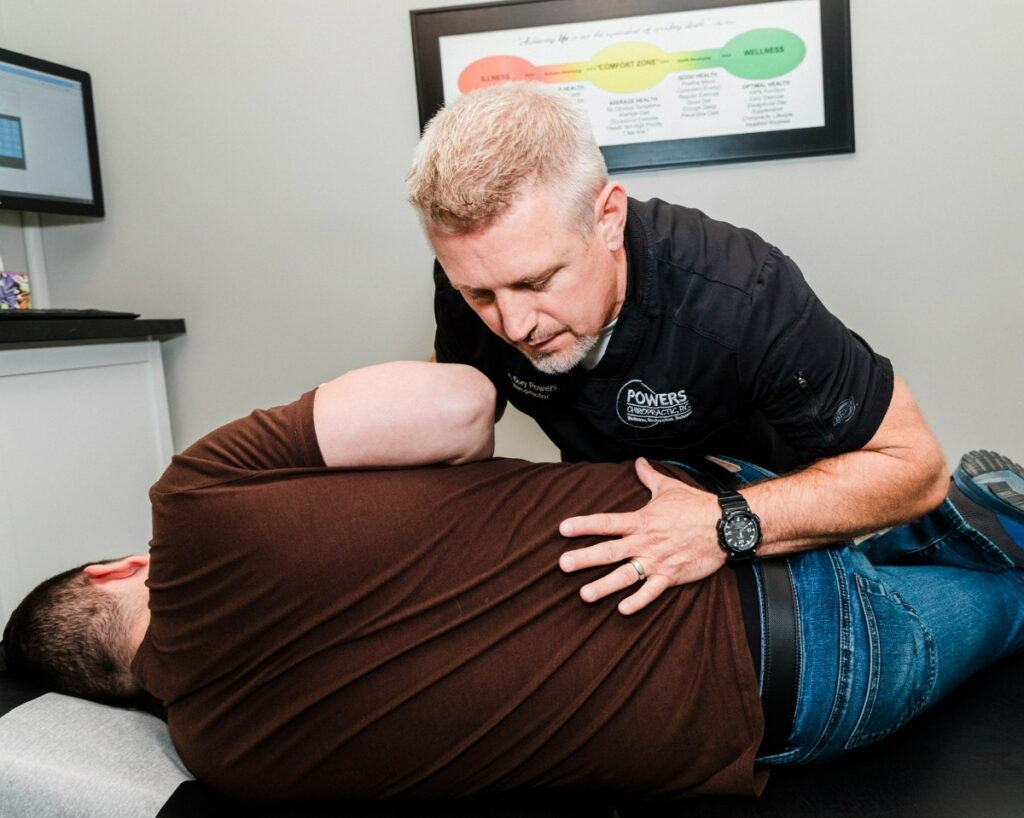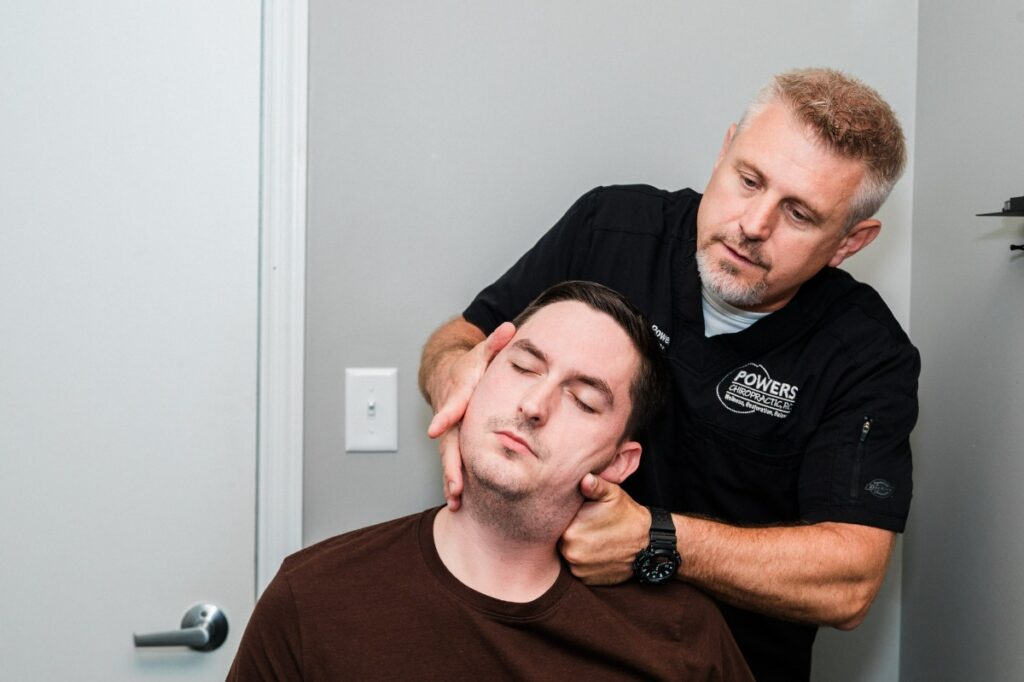

If you’re dealing with lower back pain, know that you’re not alone—many individuals experience this discomfort. As a chiropractor, I want to share some insights on how you can find effective relief. Understanding the underlying causes of your pain is crucial, and I encourage you to consider making specific lifestyle changes that can enhance your well-being.
Chiropractic care focuses on the spine’s alignment and overall body function, which can significantly aid in your recovery. Through targeted adjustments and therapies, we can address the root of your pain rather than just masking the symptoms. Additionally, there are various alternative treatments that complement chiropractic care, promoting natural healing within your body.
Let’s work together to develop a plan that will not only alleviate your discomfort but also help you regain comfort and vitality in your daily life. Together, we can take proactive steps toward a healthier, pain-free future.
Understanding the Causes of Lower Back Pain
As a local Chiropractor, I want to help you understand the causes of lower back pain so you can find effective relief through natural healing methods. Many patients come to me with pain stemming from common issues such as muscle strain, ligament injuries, or herniated discs.
Poor posture is often a significant factor, especially for those who sit for extended periods or lift heavy objects incorrectly. Over time, wear and tear on your spine can lead to conditions like osteoarthritis, which can exacerbate discomfort.
If you’ve been leading a sedentary lifestyle, weak core muscles may also be contributing to your pain. It’s important to recognize that emotional stress can significantly impact your back as well, often leading to increased muscle tension.
You might be surprised to learn that everyday activities, such as repetitive motions or even sleeping in an awkward position, can trigger or worsen your discomfort.
By identifying these underlying causes, we can work together to address your lower back pain effectively. Understanding what’s behind your pain empowers you to take action, and as your Chiropractor, I’m here to guide you on your journey to natural healing and relief.
Let’s explore a holistic approach to improve your spine health and overall well-being.
Lifestyle Changes for Pain Relief
As a local chiropractor, I want to share some effective lifestyle changes that can significantly help alleviate your lower back pain. One of the first things to consider is your posture throughout the day. Whether you’re working at a desk or simply standing, maintaining proper alignment is crucial.
I recommend investing in supportive chairs and using cushions that provide additional support for your back.
Another vital aspect to look at is your sleep habits. A mattress that offers adequate support is essential for a good night’s sleep. If you tend to sleep on your side, placing a pillow between your knees can help keep your spine aligned, reducing strain on your back.
It’s also important to focus on managing your weight. Carrying extra pounds can put additional strain on your back, so I encourage you to adopt a balanced diet and limit processed foods. This can contribute to long-term health and pain relief.
Lastly, don’t underestimate the power of hydration. Drinking enough water is key to keeping your spinal discs hydrated and functioning optimally.
By incorporating these simple yet effective adjustments into your daily routine, you can create a more supportive environment for your lower back and experience significant relief from pain.
Physical Therapy and Exercise
Incorporating chiropractic care and natural healing practices into your routine can significantly enhance your recovery from lower back pain. As a chiropractor, I can create a personalized treatment plan that addresses your specific needs, focusing on restoring proper alignment and function to your spine.
Through adjustments and targeted exercises, we can strengthen your core and improve your flexibility. These tailored approaches not only help stabilize your spine but also reduce strain on your lower back, promoting overall wellness.
You’ll also learn about proper body mechanics and posture, which are crucial for maintaining your health during daily activities. Engaging in low-impact exercises, such as swimming or walking, can encourage blood flow and expedite your healing process.
Additionally, we can incorporate stretching routines that alleviate tension and improve your range of motion.
Consistency is vital; establishing a regular schedule for your chiropractic visits and exercises will yield the best results. Always feel free to ask me for guidance on advancing your routine.
It’s essential to listen to your body—if something doesn’t feel right, communicate that with me. By actively participating in your recovery through chiropractic care, you’re taking significant steps toward a pain-free life.
Alternative Therapies and Treatments
As a local chiropractor, I want to help you understand that while many people find relief through traditional medical methods, there are also alternative therapies and treatments that can provide valuable support in managing lower back pain.
Exploring these options may lead you to new ways to alleviate discomfort and improve your overall well-being. Here are some alternative therapies that I encourage you to consider:
- Acupuncture: This ancient practice involves the careful insertion of thin needles into specific points on the body. It aims to promote energy flow and can be an effective way to relieve pain.
- Chiropractic care: Through chiropractic adjustments, I can help realign your spine, which may alleviate pressure and tension in your lower back. This holistic approach focuses on restoring balance and function to your body.
- Massage therapy: Therapeutic massages can be incredibly beneficial. They help relax tight muscles, enhance circulation, and significantly reduce pain, contributing to your comfort and recovery.
- Herbal remedies: Some herbs, such as turmeric and ginger, are known for their anti-inflammatory properties. Incorporating these into your routine may help ease pain and support your healing process.
I encourage you to explore these alternative therapies as part of a comprehensive approach to managing your lower back pain and enhancing your overall health.
Your journey to wellness can be multifaceted, and I’m here to support you every step of the way.
When to Seek Professional Help
When should you think about visiting a chiropractor for your lower back pain? If your discomfort persists for more than a few weeks or intensifies despite trying home remedies, it’s a good idea to seek professional advice.
As a chiropractor, I encourage you to reach out if you’re experiencing severe pain that affects your daily life or if you notice shooting pain radiating down your legs, along with numbness or weakness. These symptoms may suggest a more serious issue that needs to be addressed.
If your back pain arises after an injury or trauma, don’t hesitate to come in for an evaluation.
There are also some warning signs you shouldn’t ignore, such as unexplained weight loss, fever, or problems with bowel and bladder control. These could indicate a condition that requires immediate medical attention.
Chiropractic care focuses on holistic healing, and I’m here to help you understand how natural methods can relieve your pain and improve your overall well-being.
Let’s work together to get you back to feeling your best!
Conclusion
As your local chiropractor, I want to emphasize that finding relief from lower back pain is a journey that involves a proactive and holistic approach. It’s important to understand the underlying causes of your discomfort, which often means making some lifestyle changes and incorporating regular physical activity into your routine.
Chiropractic care focuses on aligning the spine and improving overall function, which can significantly enhance your quality of life. I encourage you to explore various natural therapies, including adjustments, exercises, and stretches, as well as other alternative treatments that may work for you.
Don’t hesitate to reach out for professional guidance; I’m here to help you navigate this process. Remember, by taking these steps, you’re not just alleviating pain but also fostering long-term spinal health and enhancing your overall well-being. Together, we can work towards a healthier, pain-free future.