
Hip pain can sneak up on you. One day you’re moving freely, and the next, you notice a dull ache after standing up or a sharp twinge when you climb stairs. For many people in Omaha, hip discomfort starts small but gradually affects their ability to work, exercise, and enjoy daily activities. While chiropractic care is often sought after an injury occurs, a growing number of patients are discovering that regular chiropractic visits may help prevent hip pain and injuries before they start. At Powers Chiropractic in Omaha, NE, we see firsthand how proactive care can make a significant difference in maintaining hip health and mobility throughout life.
Can chiropractic care help prevent hip pain? Yes, chiropractic care can play a meaningful role in preventing hip pain by addressing biomechanical imbalances, improving joint mobility, and supporting proper alignment throughout the pelvis, spine, and lower extremities. By correcting these issues before they lead to pain or injury, chiropractic care helps maintain healthier movement patterns and reduces stress on hip joints.
Table of Contents
- Understanding Hip Anatomy and Function
- Common Causes of Hip Pain and Injuries
- The Biomechanical Connection: How Alignment Affects Hip Health
- How Chiropractic Care Supports Hip Health
- Preventive Strategies for Hip Health
- When to Seek Chiropractic Care for Hip Health
- Myths vs. Facts About Chiropractic Care and Hip Pain
- Final Thoughts
Understanding Hip Anatomy and Function
Your hip joint is one of the largest and most stable joints in your body. It’s a ball-and-socket joint where the rounded head of your femur (thigh bone) fits into the acetabulum, a cup-shaped socket in your pelvis. This design allows for a remarkable range of motion in multiple directions while supporting your body weight during walking, running, and countless other activities.
The hip joint doesn’t work alone. It’s surrounded by layers of muscles, tendons, ligaments, and bursae (fluid-filled sacs that reduce friction). Major muscle groups like the hip flexors, glutes, adductors, and external rotators all work together to stabilize and move the hip. When everything functions harmoniously, you move smoothly and pain-free.
However, the hip is also intimately connected to the rest of your body, particularly your pelvis, lower back, and knees. Problems in any of these areas can create a domino effect. For example, a misaligned pelvis can change how weight distributes through your hips, leading to uneven wear and tear over time. Understanding this interconnectedness is key to prevention.
Common Causes of Hip Pain and Injuries
Hip pain doesn’t always come from a single dramatic injury. More often, it develops gradually from a combination of factors that stress the joint over time. Here in Omaha, we see patients from all walks of life dealing with hip issues stemming from various causes.
One common culprit is repetitive strain. Whether you’re a runner pounding the pavement, a warehouse worker on your feet all day, or someone who sits for hours at a desk, repetitive movements or prolonged positions can stress hip structures. Over time, this repetitive stress can lead to conditions like hip bursitis, tendinitis, or muscle imbalances.
Postural problems also play a significant role. When your pelvis tilts forward or backward, when one leg appears functionally shorter than the other, or when your spine isn’t properly aligned, the resulting biomechanical compensation affects your hips. Your body will adapt to these imbalances, but those adaptations often come at the cost of joint health.
Muscle imbalances and weakness create another pathway to hip problems. Weak glutes, tight hip flexors, or underdeveloped core muscles force your hip joint to work harder than it should. Without proper muscular support, the joint itself bears excessive load, accelerating wear and increasing injury risk.
Previous injuries, even those that seemed to heal completely, can leave lasting effects. An old ankle sprain might change how you walk. A lower back injury might alter your gait pattern. These subtle changes accumulate over months and years, eventually manifesting as hip pain.
Age-related changes, excess body weight, and inflammatory conditions can also contribute to hip problems. While chiropractic care can’t reverse all these factors, it can address the mechanical components that contribute to pain and dysfunction.
The Biomechanical Connection: How Alignment Affects Hip Health
The relationship between spinal alignment, pelvic position, and hip health is fundamental to understanding prevention. Your pelvis serves as the foundation for your spine and the platform for your hip joints. When the pelvis is properly aligned, forces distribute evenly through both hips during movement. When it’s tilted, rotated, or shifted, one hip often bears disproportionate stress.
Research has consistently shown that biomechanical factors play a significant role in musculoskeletal pain patterns. According to findings published in manual therapy literature, pelvic asymmetry and sacroiliac joint dysfunction can alter lower extremity mechanics, potentially contributing to hip and knee problems over time.
Think of your body as an interconnected chain. A restriction in your lower back can affect how your pelvis moves. Limited pelvic motion changes hip mechanics. Altered hip function influences knee position and even foot placement. Each link in this chain affects the others. When one area compensates for dysfunction elsewhere, that compensation creates stress points that may eventually become pain points.
At Powers Chiropractic, we often see patients whose hip pain actually originates from restrictions in the lumbar spine or sacroiliac joints. By addressing these primary restrictions, we can often reduce stress on the hip joint itself. This is where the preventive power of chiropractic care becomes evident—by maintaining proper alignment throughout the kinetic chain, we reduce the mechanical stresses that lead to hip problems.
Leg length discrepancies, whether structural or functional, also impact hip health. A functional leg length difference often results from pelvic misalignment or muscle imbalance rather than an actual difference in bone length. These discrepancies change your gait pattern and create uneven loading through the hips with every step you take. Over thousands of steps per day, this uneven stress accumulates significantly.
How Chiropractic Care Supports Hip Health
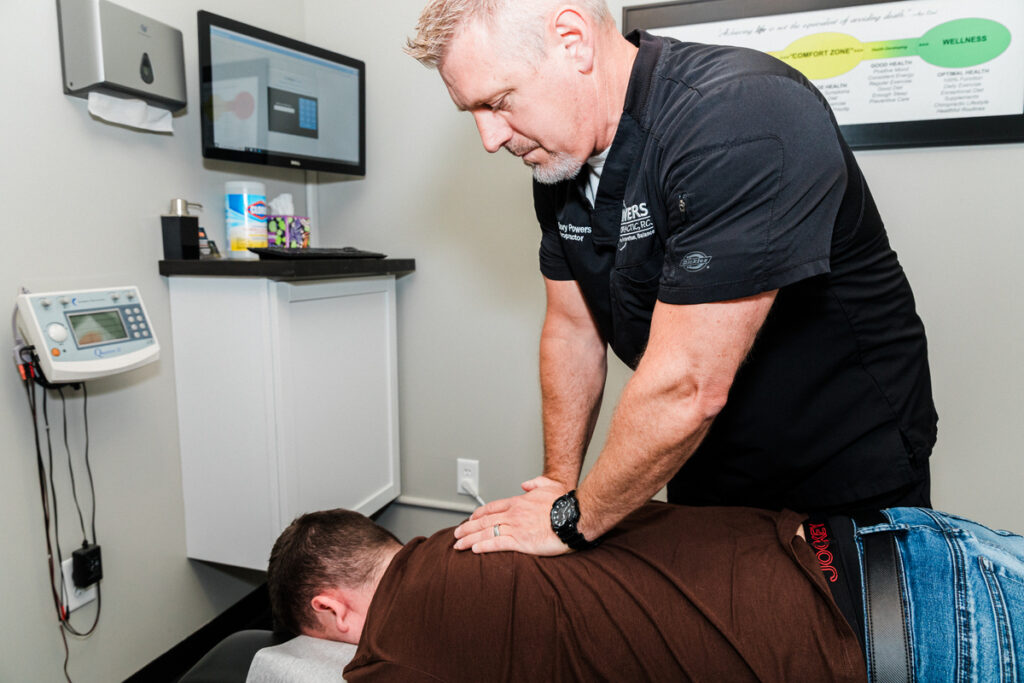
Chiropractic care approaches hip health from a whole-body perspective, recognizing that hip function depends on proper mechanics throughout the spine, pelvis, and lower extremities. The goal isn’t just to treat existing pain but to identify and correct mechanical problems before they cause symptoms.
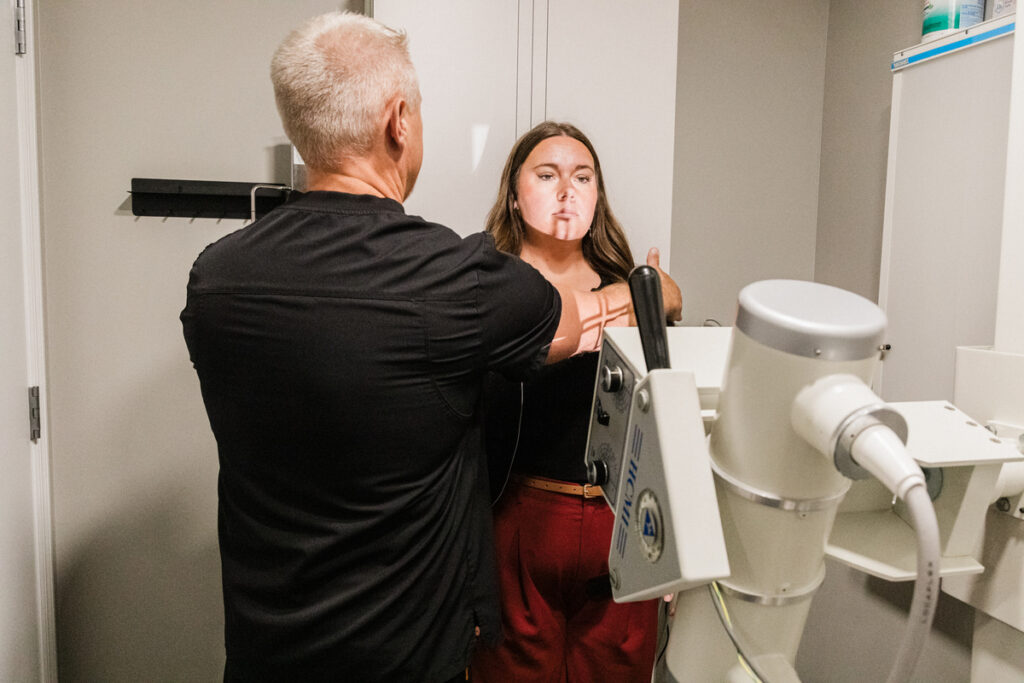
During a comprehensive evaluation at Powers Chiropractic in Omaha, we assess your posture, gait, spinal alignment, and hip range of motion. We look for restrictions, asymmetries, and compensations that might be setting the stage for future problems. This thorough assessment allows us to identify risk factors and address them proactively.
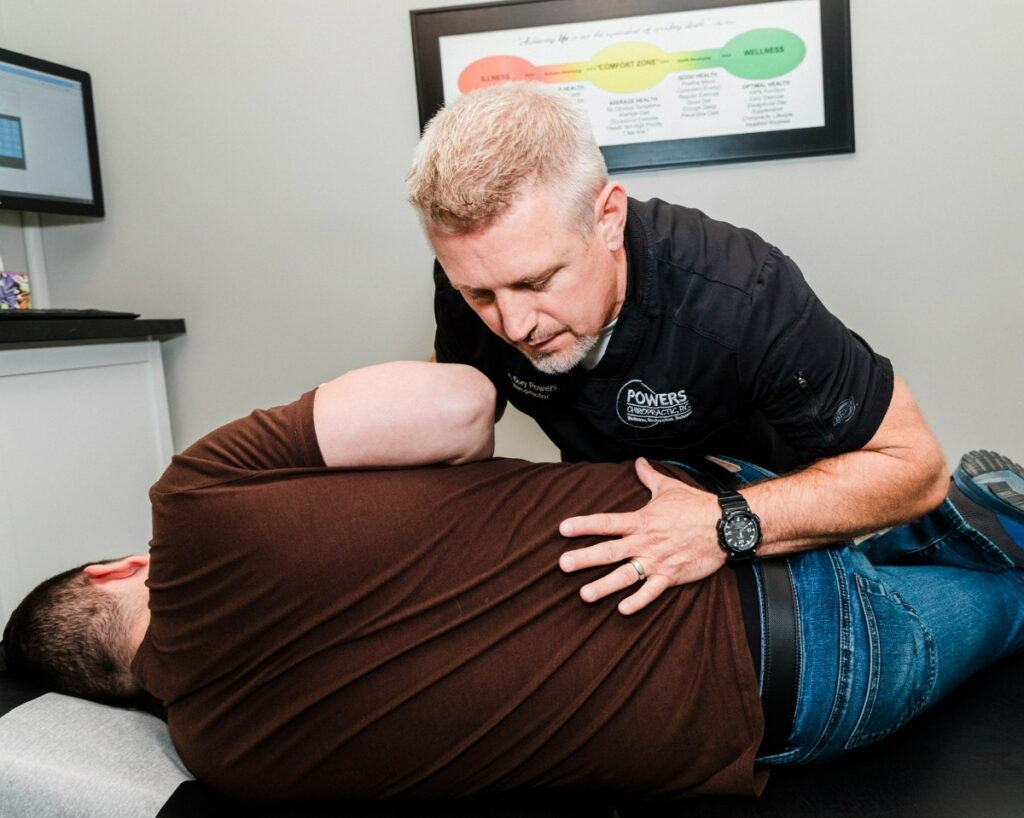
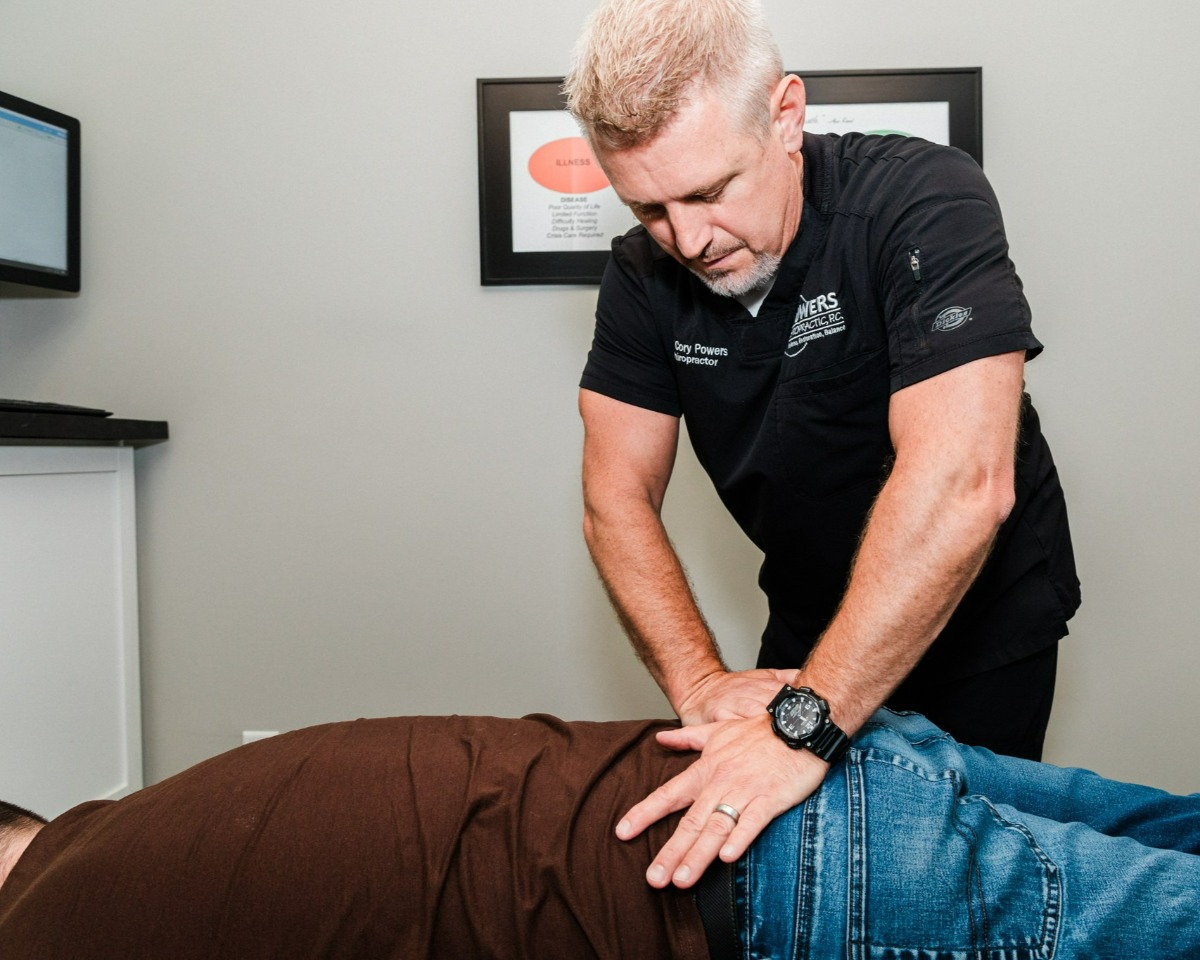
Chiropractic adjustments help restore proper motion and alignment to the spine, pelvis, and extremity joints. When the sacroiliac joints move properly, when lumbar vertebrae aren’t restricted, and when the hip joint itself has full, pain-free mobility, your body can move as it was designed to. This reduces abnormal stress and wear on hip structures.
Beyond adjustments, chiropractors often incorporate soft tissue techniques to address muscle tension and imbalances. Tight hip flexors, overactive adductors, or restricted fascia can all contribute to hip dysfunction. By releasing these restrictions and restoring proper muscle balance, we help the hip joint function more efficiently.
Evidence from systematic reviews suggests that manual therapy approaches, including chiropractic care, can be beneficial for certain musculoskeletal conditions affecting the hip and pelvis. While no treatment guarantees prevention of all injuries, addressing biomechanical factors appears to support better long-term joint health.
At our Omaha practice, we also emphasize patient education. Understanding how your daily habits affect your hips empowers you to make better choices. Whether it’s modifying how you sit at work, adjusting your exercise routine, or incorporating specific stretches, small changes can have significant protective effects over time.
| Risk Factor | How It Affects Hips | Chiropractic Approach |
|---|---|---|
| Pelvic Misalignment | Creates uneven weight distribution through hip joints | Pelvic adjustments and sacroiliac joint mobilization |
| Muscle Imbalances | Forces hip joint to compensate for weak or tight muscles | Soft tissue therapy and corrective exercise recommendations |
| Restricted Spinal Motion | Limits pelvic mobility and alters gait mechanics | Spinal adjustments to restore proper segmental motion |
| Poor Posture | Changes hip position and increases joint stress | Postural assessment and ergonomic guidance |
| Previous Injuries | Creates compensatory movement patterns | Comprehensive evaluation of kinetic chain and corrective care |
Preventive Strategies for Hip Health
While regular chiropractic care provides a strong foundation for hip health, prevention works best when combined with healthy lifestyle habits. Here are practical strategies that complement chiropractic care and help protect your hips from injury.
Maintain a Healthy Weight: Every extra pound you carry adds stress to your hip joints. Research indicates that excess body weight significantly increases the risk of hip osteoarthritis and other joint problems. Even modest weight loss can reduce hip stress substantially. Work with healthcare providers to develop a realistic plan if weight is a concern.
Stay Active with Smart Exercise: Regular movement keeps hip joints lubricated and maintains the strength of supporting muscles. However, the type and intensity of exercise matter. Low-impact activities like swimming, cycling, and walking are generally gentler on hips than high-impact sports. If you enjoy running or jumping activities, ensure you have proper footwear and gradually build intensity to avoid overuse injuries.
Strengthen Supporting Muscles: Strong glutes, core muscles, and hip stabilizers protect your hip joints by absorbing shock and controlling movement. Exercises like bridges, clamshells, planks, and lateral leg raises build this essential support system. At Powers Chiropractic, we often recommend specific exercises tailored to each patient’s needs and current condition.
Address Muscle Tightness: Tight hip flexors from prolonged sitting, restricted hamstrings, or tense IT bands can all alter hip mechanics. Regular stretching and mobility work help maintain flexibility and proper movement patterns. Focus on hip flexor stretches, figure-four stretches for the glutes, and gentle hip rotations.
Mind Your Posture: Whether sitting at a desk or standing for long periods, posture affects hip position and stress. When sitting, keep feet flat on the floor, avoid crossing legs, and maintain a neutral pelvis. When standing, distribute weight evenly between both legs rather than habitually shifting to one side.
Improve Your Workspace Ergonomics: Many hip problems begin at the desk. Your chair height, desk position, and computer placement all influence posture and hip position. Adjust your workspace so your hips are slightly higher than your knees when seated, and take regular breaks to stand and move.
Choose Supportive Footwear: Your feet are the foundation of your kinetic chain. Worn-out shoes, high heels, or unsupportive footwear can alter your gait and create stress throughout your lower body, including your hips. Invest in quality shoes appropriate for your activities, and replace them when they show significant wear.
Listen to Your Body: Early warning signs like mild stiffness, occasional twinges, or subtle changes in how you move shouldn’t be ignored. These signals often indicate developing problems that are much easier to address early. If you notice changes in hip comfort or function, schedule an evaluation rather than waiting for pain to worsen.
When to Seek Chiropractic Care for Hip Health
You don’t need to wait until you’re experiencing significant pain to benefit from chiropractic care. In fact, preventive care works best when started before serious problems develop. Here in Omaha, many of our patients at Powers Chiropractic begin care for overall wellness and discover that addressing small issues prevents bigger problems down the road.
Consider scheduling an evaluation if you notice any of these signs, even if they’re mild. Morning stiffness in the hip that takes several minutes to loosen up may indicate early joint dysfunction. Difficulty with certain movements like putting on shoes, getting in and out of cars, or climbing stairs suggests restricted hip mobility. A feeling that one leg is shorter than the other, or that your pelvis feels uneven, often indicates alignment issues worth addressing.
If you notice your gait has changed, if you’re walking differently than you used to, or if others have commented on how you walk, these patterns may be creating stress on your hips. Recurring tightness in hip muscles, lower back discomfort that seems connected to hip movement, or a history of hip injuries that “healed but never felt quite right” are all valid reasons to seek evaluation.
Athletes and active individuals may benefit from periodic assessments even without symptoms. Maintaining optimal biomechanics supports performance and reduces injury risk. If you’re starting a new exercise program, returning to activity after time off, or increasing training intensity, a baseline evaluation can identify potential issues before they become injuries.
Certain red flags warrant prompt medical evaluation and may require referral beyond chiropractic care. Seek immediate medical attention for hip pain following significant trauma, inability to bear weight on the affected leg, severe pain that doesn’t improve with rest, visible deformity, fever accompanying hip pain, or sudden onset of severe pain with no apparent cause. While chiropractic care excels at addressing mechanical and musculoskeletal issues, serious injuries and certain medical conditions require different interventions.
Myths vs. Facts About Chiropractic Care and Hip Pain
Myth: Chiropractic care only treats back and neck pain
Fact: Chiropractors are trained to evaluate and address problems throughout the musculoskeletal system, including hips, knees, shoulders, and extremities. At Powers Chiropractic in Omaha, we regularly treat hip conditions and recognize that effective hip care often involves addressing the spine and pelvis as well. Chiropractic education includes extensive training in extremity adjusting and biomechanics.
Myth: You need to have pain before chiropractic care can help
Fact: Preventive chiropractic care can identify and address biomechanical problems before they cause symptoms. Many patients maintain regular chiropractic visits specifically to prevent problems rather than just treating them after they occur. This proactive approach often helps people avoid the pain and limitations that come with advanced joint dysfunction.
Myth: Hip adjustments are painful and risky
Fact: Hip adjustments and mobilizations are generally gentle, safe procedures when performed by a trained chiropractor. Most patients find them comfortable and often experience immediate improvement in mobility. Chiropractors use various techniques tailored to each patient’s comfort level and specific needs. Serious complications from chiropractic extremity adjustments are extremely rare.
Myth: Once you start chiropractic care for prevention, you have to continue forever
Fact: Treatment plans vary based on individual needs and goals. Some patients choose ongoing wellness care because they value the benefits, while others come for specific periods to address particular concerns. The choice is always yours. At Powers Chiropractic, we support whatever approach aligns with your health goals and preferences. There’s no obligation for lifelong care.
Myth: Chiropractic care can cure hip arthritis
Fact: Chiropractic care cannot reverse structural arthritis or cure degenerative joint disease. However, it can help manage symptoms, improve function, and potentially slow progression by optimizing joint mechanics and reducing stress. Many patients with hip arthritis find that chiropractic care helps them maintain better mobility and quality of life alongside other conservative management strategies.
Final Thoughts
Your hips carry you through life, literally. They support your weight, enable your movement, and contribute to your independence and quality of life. Taking a proactive approach to hip health makes sense, especially when you consider how much easier it is to prevent problems than to recover from significant injuries or degenerative conditions.
Chiropractic care offers a conservative, drug-free approach to supporting hip health through proper alignment, improved biomechanics, and patient education. While no treatment can guarantee you’ll never experience hip problems, addressing mechanical issues and maintaining good movement patterns can reduce your risk and help you stay active longer.
Here in Omaha, the team at Powers Chiropractic is committed to helping our community members maintain healthy, pain-free movement throughout their lives. We believe that prevention is powerful, and we’re here to support you whether you’re dealing with current hip concerns or simply want to protect your long-term joint health.
If you’ve been wondering whether chiropractic care might help you maintain healthier hips and prevent future problems, we’d be happy to discuss your specific situation. Every person’s body is different, and a personalized evaluation is the best way to understand your unique risk factors and opportunities for prevention. Taking that first step toward proactive care today may help you avoid significant problems tomorrow.
Frequently Asked Questions
How often should I see a chiropractor to prevent hip problems?
The ideal frequency varies based on your individual risk factors, activity level, and current condition. Some patients benefit from monthly wellness visits, while others may need more frequent care initially and then transition to periodic check-ups. During your evaluation at Powers Chiropractic in Omaha, we’ll recommend a schedule appropriate for your specific needs and goals.
Can chiropractic care help if I already have early signs of hip arthritis?
While chiropractic care cannot reverse arthritis, evidence suggests that maintaining proper joint mechanics and alignment may help manage symptoms and support better function. Many patients with early hip arthritis find that chiropractic care helps them stay more comfortable and active. It’s important to have realistic expectations and understand that care focuses on optimizing what can be improved.
Will insurance cover preventive chiropractic care for hip health?
Insurance coverage varies significantly by plan and provider. Some insurance plans cover wellness or maintenance care, while others only cover treatment of symptomatic conditions. We recommend checking with your specific insurance carrier about your coverage. Our office can provide documentation of services, but we cannot make guarantees about what your insurance will or won’t cover.
Is chiropractic care safe for hip problems in older adults?
Yes, chiropractic care can be safely adapted for older adults, including those with age-related changes in bone density or joint health. Chiropractors use gentler techniques and lower force adjustments when appropriate. Many seniors benefit from chiropractic care as part of their strategy to maintain mobility and independence. A thorough evaluation helps determine the most appropriate and safe approach for each individual.
How long does it take to see results from preventive chiropractic care?
When addressing preventive care rather than active pain, the goal is often maintaining function and preventing future problems rather than achieving specific symptomatic improvement. Some patients notice better mobility or reduced stiffness within a few visits, while others appreciate the long-term benefits of avoiding problems they might otherwise have developed. The timeline varies based on your starting condition and specific concerns.
Can exercises alone prevent hip problems, or do I need chiropractic care too?
Exercise is certainly important for hip health, and many people successfully maintain healthy hips through appropriate activity and strengthening. Chiropractic care addresses alignment and joint mechanics that exercise alone may not correct. The combination of proper alignment, good movement patterns, and appropriate strengthening often provides more comprehensive protection than any single approach alone. Your specific needs depend on your individual biomechanics and risk factors.
TL;DR – Key Takeaways
- Chiropractic care can help prevent hip pain by addressing biomechanical imbalances, improving joint mobility, and maintaining proper alignment throughout the pelvis, spine, and lower extremities before problems develop.
- Hip health is directly connected to spinal alignment and pelvic position—problems in these areas create compensations that stress hip joints over time and may lead to pain or injury.
- Preventive strategies include maintaining healthy weight, staying active with appropriate exercises, strengthening hip-supporting muscles, addressing muscle tightness, and maintaining good posture throughout daily activities.
- You don’t need to wait for pain to benefit from chiropractic care—early evaluation can identify risk factors and address minor issues before they become significant problems.
- Powers Chiropractic in Omaha, NE offers comprehensive evaluations and individualized care plans designed to support long-term hip health and help you stay active and pain-free throughout life.