

Have you ever stopped to consider how much your spine does for you every single day? From the moment you wake up and swing your legs out of bed to the time you settle in for the evening, your spine and nervous system are working constantly to support your movements, posture, and overall function. Yet many of us take this remarkable structure for granted—until something goes wrong. Regular chiropractic care isn’t just about addressing pain when it shows up; it’s about maintaining optimal function so you can show up fully in all aspects of your daily life. Here in Omaha, many patients at Powers Chiropractic discover that consistent, preventive care helps them feel better, move more freely, and tackle their daily activities with greater ease and confidence.
What does regular chiropractic care mean? Regular chiropractic care refers to ongoing, scheduled visits with a chiropractor—typically ranging from weekly to monthly—focused on maintaining spinal alignment, supporting nervous system function, and preventing musculoskeletal problems before they interfere with daily life. Rather than waiting for pain or dysfunction to develop, this proactive approach helps keep your body functioning at its best.
Table of Contents
- Why Regular Chiropractic Care Matters
- How Spinal Health Affects Your Nervous System
- The Impact on Your Daily Activities
- Specific Benefits of Consistent Chiropractic Visits
- What Regular Care Looks Like at Powers Chiropractic
- Practical Tips to Maximize Your Chiropractic Care
- When to Schedule Regular Visits
- Reactive vs. Proactive Care Comparison
- Common Myths About Regular Chiropractic Care
- Final Thoughts
Why Regular Chiropractic Care Matters
Most people think of chiropractic care as something you seek out when your back hurts or your neck feels stiff. While chiropractors absolutely help with those acute issues, the real power of chiropractic care lies in its preventive potential. Think of it like maintaining your car—you don’t wait until the engine fails to change the oil. You perform regular maintenance to keep everything running smoothly and catch small problems before they become big ones.
Your spine houses and protects your spinal cord, which serves as the communication highway between your brain and the rest of your body. Every movement you make, every sensation you feel, and many of your body’s automatic functions depend on clear nerve communication. When vertebrae become misaligned—what chiropractors call subluxations—they can interfere with this communication and affect how your body functions overall.
Regular chiropractic adjustments help maintain proper spinal alignment and joint mobility. This ongoing care supports your body’s natural ability to heal itself, reduces accumulated stress and tension, and helps you avoid the kind of chronic pain and dysfunction that can significantly limit your quality of life. Research published in the Journal of Manipulative and Physiological Therapeutics has indicated that maintenance chiropractic care may reduce the recurrence of certain musculoskeletal complaints compared to symptom-guided care alone.
Beyond just pain prevention, many patients find that regular care helps them feel more energized, sleep better, and maintain a greater sense of overall wellness. When your body is functioning optimally, everything from your immune response to your stress management can improve. That’s because the nervous system doesn’t just control movement—it coordinates virtually every system in your body.
How Spinal Health Affects Your Nervous System
Your nervous system is the master control system of your body. It’s composed of your brain, spinal cord, and the vast network of nerves that branch out to every tissue and organ. The spine isn’t just a structural support beam—it’s the protective casing for the spinal cord and the foundation for optimal nerve function.
When vertebrae shift out of their ideal position, even slightly, they can create what chiropractors call nerve interference. This doesn’t always mean you’ll feel immediate pain. Sometimes the effects are subtle: tightness in certain muscles, decreased range of motion, or even changes in how well your organs function. Over time, these small interferences can accumulate and contribute to larger health challenges.
Regular chiropractic adjustments help restore proper alignment and movement to spinal joints. This reduces mechanical stress on the surrounding tissues and helps ensure that nerve signals can travel freely between your brain and body. When your nervous system is functioning without interference, your body is better equipped to regulate itself, heal from daily wear and tear, and respond appropriately to physical and emotional stress.
Many people report improvements in areas they didn’t even realize were connected to their spine. Better digestion, improved sleep quality, reduced headache frequency, and enhanced athletic performance can all be linked to improved nervous system function. Dr. Cory Powers often explains to patients that the goal isn’t just to get you out of pain—it’s to optimize how your entire body functions so you can live your fullest life.

The Impact on Your Daily Activities
Let’s talk about how spinal health and regular chiropractic care translate into real improvements in your day-to-day life. Whether you’re a busy professional spending hours at a desk, a parent constantly lifting and carrying children, an athlete training for your next event, or a retiree wanting to stay active and independent, your daily activities all depend on a well-functioning spine and nervous system.
Work Performance and Productivity: If you work at a desk, you know how quickly poor posture can lead to discomfort. Neck strain, upper back tension, and low back pain are incredibly common among office workers. Regular chiropractic care helps counteract the effects of prolonged sitting and repetitive positioning. Many patients at Powers Chiropractic in Omaha report that they can focus better at work, experience less fatigue by the end of the day, and don’t feel as stiff or achy when they stand up after sitting for long periods.
Physical Activity and Exercise: Whether you’re into running, weightlifting, yoga, or simply taking daily walks around your Omaha neighborhood, proper spinal alignment improves your body’s biomechanics. This means better movement efficiency, reduced risk of injury, and improved athletic performance. When your joints move properly and your nervous system communicates clearly with your muscles, you can push yourself harder, recover faster, and enjoy your activities more fully.
Household Tasks and Daily Movement: Activities like vacuuming, gardening, lifting groceries, or playing with your kids or grandkids all place demands on your musculoskeletal system. Regular chiropractic care helps ensure that your body can handle these everyday movements without strain or injury. Patients often mention that tasks that used to leave them sore or tired become much easier to manage with consistent care.
Sleep Quality: Many people don’t realize how much spinal health affects sleep. When your spine is properly aligned and your muscles aren’t compensating for misalignments, your body can truly relax at night. Improved sleep quality means better energy, mood, and cognitive function during your waking hours. It’s a positive cycle that reinforces overall wellness.
Specific Benefits of Consistent Chiropractic Visits
Now let’s explore the specific benefits you might experience with regular chiropractic care. Remember, everyone’s body responds differently, and individual results will vary based on your unique health history, lifestyle, and consistency with care. That said, research and clinical experience suggest several common benefits.
Reduced Pain and Discomfort: This is often the most obvious benefit. Regular adjustments can help prevent the buildup of tension and misalignment that leads to chronic pain. Evidence from the American College of Physicians’ clinical practice guidelines indicates that spinal manipulation is among the recommended first-line treatments for acute and chronic low back pain. Ongoing care helps maintain the improvements achieved during initial treatment phases.
Improved Range of Motion and Flexibility: As we age or develop poor movement patterns, joints can become restricted. Regular chiropractic care helps maintain and even improve joint mobility throughout your spine and extremities. This means you can turn your head to check your blind spot while driving, reach overhead without discomfort, and bend to tie your shoes with ease.
Better Posture: Poor posture is epidemic in our modern world of smartphones and computer screens. Regular adjustments combined with postural education help retrain your body to hold itself in better alignment. Dr. Cory Powers emphasizes that posture isn’t just about standing up straight—it’s about how your entire musculoskeletal system functions together to support you throughout the day.
Enhanced Body Awareness: One underappreciated benefit of regular chiropractic care is that it helps you become more in tune with your body. You start to notice when you’re holding tension, when your posture is slipping, or when a particular activity is putting extra stress on your spine. This awareness allows you to make small adjustments throughout your day that prevent bigger problems from developing.
Stress Reduction: Physical stress and emotional stress are deeply interconnected. When your body is in pain or functioning suboptimally, it triggers your stress response. Conversely, emotional stress often manifests as physical tension, particularly in the neck, shoulders, and low back. Regular chiropractic care helps break this cycle by addressing the physical component of stress and promoting relaxation through improved nervous system function.
Injury Prevention: Whether you’re an athlete or simply want to stay active as you age, preventing injuries is crucial. Regular care helps identify and correct biomechanical problems before they lead to strains, sprains, or more serious injuries. Many patients find that they can maintain their active lifestyles longer when they invest in preventive chiropractic care.
What Regular Care Looks Like at Powers Chiropractic
If you’re new to the idea of regular chiropractic care, you might wonder what it actually involves. At Powers Chiropractic in Omaha, the approach is individualized to your specific needs and goals, but there are some general principles that guide maintenance care.
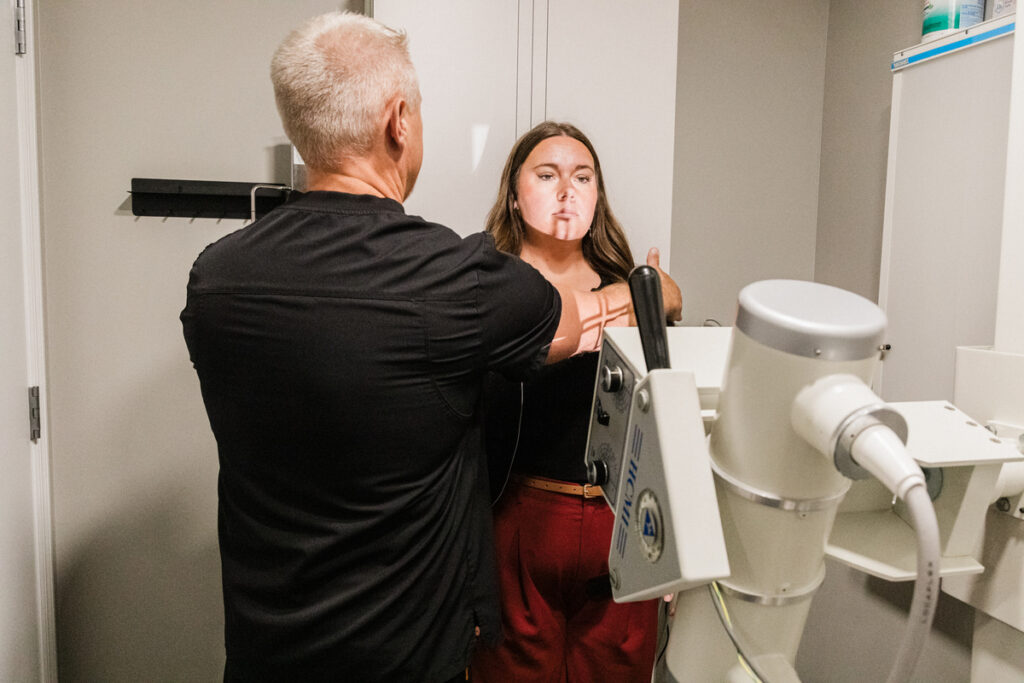
Initially, Dr. Cory Powers conducts a thorough evaluation to understand your health history, current concerns, and lifestyle factors that might affect your spinal health. This typically includes orthopedic and neurological testing, posture analysis, and sometimes imaging if needed. Based on these findings, a care plan is developed that’s tailored to you.
During the active care phase, visits might be more frequent—perhaps one to three times per week—as your body responds to treatment and begins to heal and stabilize. As you progress and your symptoms improve, the frequency typically decreases. For maintenance care, many patients settle into a schedule of once or twice per month, though this varies based on individual needs.
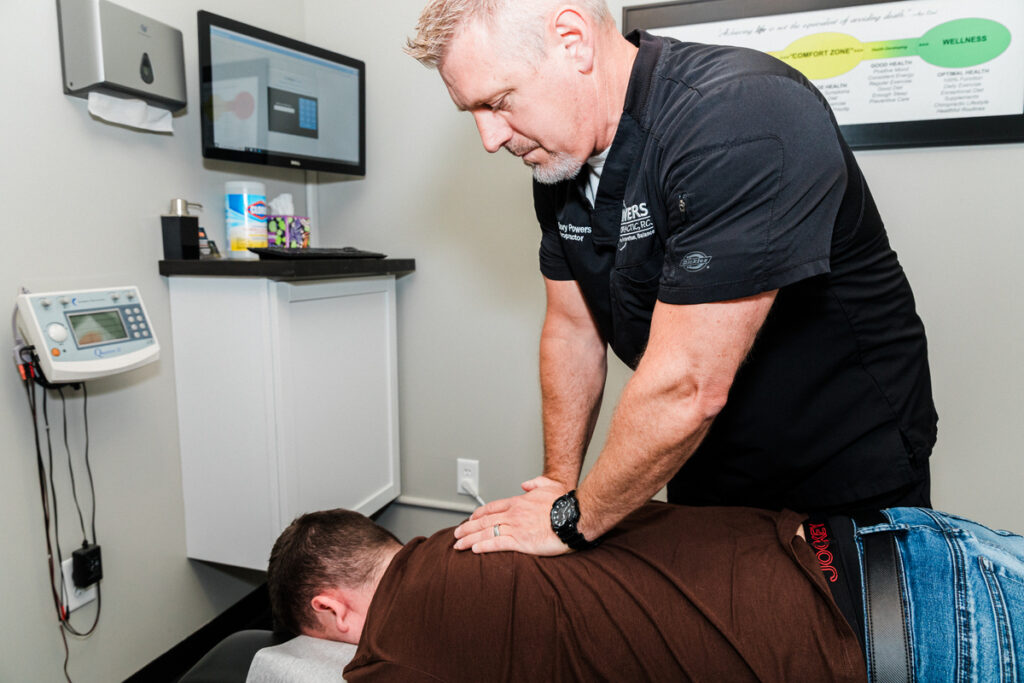
Each visit typically includes a brief re-evaluation to assess how you’re doing and what areas need attention that day. The adjustment itself is usually quick and comfortable. Depending on your specific needs, Dr. Cory Powers might also incorporate soft tissue work, therapeutic exercises, or lifestyle recommendations to support your progress between visits.
What makes regular care different from crisis care is the focus. Rather than just chasing pain, the emphasis shifts to optimization and prevention. You’re working together with your chiropractor to maintain the improvements you’ve made and catch small problems before they become symptomatic. This partnership approach empowers you to take an active role in your own health and wellness.
Practical Tips to Maximize Your Chiropractic Care
Regular chiropractic adjustments are powerful, but they work best when combined with healthy daily habits. Here are some practical tips to help you get the most from your care at Powers Chiropractic and support your spinal health between visits.
Mind Your Posture Throughout the Day: Set reminders on your phone or computer to check in with your posture every hour. Are your shoulders relaxed? Is your head balanced over your spine, or are you jutting forward to look at a screen? Small, frequent corrections add up to big improvements over time.
Stay Active with Appropriate Exercise: Regular movement is essential for spinal health. Aim for at least 30 minutes of moderate activity most days of the week. Walking, swimming, and strength training are all excellent choices. If you’re not sure what’s appropriate for your condition, ask Dr. Cory Powers for specific recommendations.
Create an Ergonomic Workspace: Whether you work from home or in an office here in Omaha, your workstation setup matters tremendously. Your monitor should be at eye level, your chair should support your low back’s natural curve, and your keyboard and mouse should allow your arms to rest comfortably. Consider a sit-stand desk if possible, and take regular breaks to move around.
Practice Stress Management: Since physical and emotional stress are interconnected, developing healthy stress management habits supports your chiropractic care. Deep breathing exercises, meditation, adequate sleep, and enjoyable hobbies all help reduce the overall stress load on your nervous system.
Stay Hydrated and Eat Well: Your spinal discs are largely made of water, and proper hydration helps them maintain their cushioning properties. A nutrient-dense diet rich in anti-inflammatory foods supports tissue healing and overall wellness. Fresh vegetables, quality proteins, healthy fats, and plenty of water should form the foundation of your diet.
Listen to Your Body: Pay attention to the signals your body sends you. If a particular activity consistently leaves you sore or stiff, that’s valuable information. Bring these observations to your appointments so you and Dr. Cory Powers can work together to address the underlying causes.
Be Consistent with Your Appointments: The benefits of regular chiropractic care are cumulative. Skipping appointments or stretching them out too far can allow problems to return. Think of it as an investment in your long-term health and quality of life. Consistency is key to achieving and maintaining results.

When to Schedule Regular Visits
One of the most common questions patients ask is, “How often should I come in?” The answer depends on several factors, including your health goals, the nature of any conditions you’re managing, your activity level, and how your body responds to care.
For maintenance care aimed at prevention and optimization, most patients find that visits every two to four weeks work well. This frequency allows for consistent monitoring and adjustment of minor misalignments before they become symptomatic. Some highly active individuals or those with physically demanding jobs might benefit from more frequent visits, while others with excellent spinal health and good daily habits might do well with less frequent care.
The important thing is to work with Dr. Cory Powers to develop a schedule that makes sense for your unique situation. This should be a collaborative decision based on your goals, your body’s response to care, and practical considerations like your schedule and budget. The goal is sustainable, long-term care that fits into your life—not a one-size-fits-all prescription.
You should also consider scheduling regular visits if you’re in any of these situations:
You have a history of recurring back or neck problems. Regular care can help prevent flare-ups and keep you functioning at your best. You engage in regular sports or intense physical activity. Athletes of all levels benefit from the improved biomechanics and injury prevention that regular chiropractic care provides. Your job involves prolonged sitting, heavy lifting, or repetitive motions. These activities place predictable stress on your spine, and regular care helps counteract their effects.
You’re managing a chronic condition that affects your musculoskeletal system. Conditions like arthritis, disc problems, or scoliosis often benefit from ongoing supportive care. You simply want to optimize your health and wellness. You don’t need to have pain or a specific problem to benefit from chiropractic care. Many patients in Omaha choose regular care as part of their overall wellness strategy, alongside good nutrition, exercise, and stress management.
There are also times when you might need to increase your visit frequency temporarily. After an injury, during times of high stress, or when taking on new physical challenges, more frequent adjustments can help your body adapt and heal more effectively. Once you’re through these periods, you can return to your maintenance schedule.
Reactive vs. Proactive Care Comparison
| Aspect | Reactive (Crisis) Care | Proactive (Regular) Care |
|---|---|---|
| When You Seek Care | Only when pain or symptoms appear | Scheduled visits regardless of symptoms |
| Primary Goal | Eliminate immediate pain or discomfort | Maintain optimal function and prevent problems |
| Typical Visit Frequency | Sporadic, based on symptom flare-ups | Consistent schedule (every 2-4 weeks typically) |
| Cost Over Time | Can be higher due to intensive treatment needs | Lower long-term costs through prevention |
| Impact on Daily Life | Disruption when problems force lifestyle changes | Sustained ability to enjoy activities without limitation |
| Patient Experience | Frustration of recurring problems | Confidence and empowerment in health maintenance |
| Long-Term Outcomes | Potential for chronic issues to develop | Better function, fewer injuries, improved quality of life |
Common Myths About Regular Chiropractic Care
Myth: Once you start chiropractic care, you have to keep going forever
Fact: This is one of the most persistent misconceptions about chiropractic care. The truth is, you’re always in control of your care decisions. Many patients choose to continue with regular visits because they experience significant benefits and want to maintain their results, not because they’re somehow dependent on adjustments. It’s similar to how people choose to continue exercising or eating well—not because they have to, but because they feel better when they do. Dr. Cory Powers and the team at Powers Chiropractic always respect your autonomy and work with you to develop a care plan that aligns with your goals and preferences.
Myth: Chiropractic care is only for back pain
Fact: While chiropractors are certainly experts at addressing back pain, the scope of chiropractic care extends far beyond that single condition. Because chiropractic focuses on the relationship between the spine, nervous system, and overall body function, it can help with a wide range of issues including neck pain, headaches, joint problems, posture-related discomfort, and general wellness optimization. Regular care supports your entire musculoskeletal system and nervous system, which affects virtually every aspect of how your body functions.
Myth: Adjustments are dangerous or can cause harm
Fact: Chiropractic adjustments are among the safest healthcare interventions available. Serious adverse events from spinal manipulation are extremely rare, particularly when care is provided by a licensed chiropractor. Research published in the journal Spine found that the risk of serious complications from cervical manipulation is estimated at less than one in several million adjustments. Dr. Cory Powers performs a thorough evaluation before providing any treatment to ensure that chiropractic care is safe and appropriate for your specific situation.
Myth: You need X-rays every time you visit a chiropractor
Fact: Imaging is not required for every patient or every visit. X-rays or other imaging may be appropriate during your initial evaluation if there are specific concerns that need to be visualized, but routine maintenance care typically doesn’t require repeated imaging. Your chiropractor uses hands-on assessment, movement testing, and your reported symptoms to guide most treatment decisions. Imaging is used judiciously and only when clinically necessary.
Myth: Regular chiropractic care is too expensive
Fact: When you consider the long-term costs of managing chronic pain, lost productivity, missed work, and reduced quality of life, regular chiropractic care is often quite cost-effective. Prevention is almost always less expensive than treatment of advanced problems. Many patients find that the investment in regular care actually saves them money over time by helping them avoid more intensive interventions, reduce medication use, and maintain their ability to work and enjoy activities. Many insurance plans also cover maintenance chiropractic care, and payment plans or packages are often available to make care more accessible.
Final Thoughts
Your body is designed to move, heal, and function optimally—but modern life places demands on your spine and nervous system that our ancestors never faced. Hours of sitting, repetitive movements, stress, and poor posture all accumulate over time, often leading to pain, dysfunction, and decreased quality of life. Regular chiropractic care offers a proactive approach to maintaining your body’s remarkable capacity for health and resilience.
Here at Powers Chiropractic in Omaha, Nebraska, we see every day how consistent, preventive care transforms lives. Patients who commit to regular visits often report not just less pain, but greater energy, better sleep, improved athletic performance, and an enhanced ability to fully engage in the activities they love. It’s not about living in fear of what might go wrong with your spine—it’s about empowering yourself to take control of your health and feel your best day after day.
Dr. Cory Powers and our entire team are passionate about helping Omaha residents achieve their health and wellness goals through safe, effective, individualized chiropractic care. Whether you’re dealing with a current concern or simply want to invest in your long-term health, we’re here to support you on that journey. Your spine supports you every day—isn’t it time you supported it back?
Frequently Asked Questions
How long does each chiropractic adjustment take?
A typical chiropractic adjustment visit usually takes between 10 to 20 minutes, though your first visit will be longer due to the comprehensive evaluation. The adjustment itself often takes only a few minutes, but Dr. Cory Powers takes time to assess your progress, answer questions, and ensure you’re comfortable throughout the process.
Will I feel sore after a chiropractic adjustment?
Some patients experience mild soreness similar to what you might feel after a workout, particularly after their first few adjustments. This is normal and typically resolves within 24 to 48 hours. Most people actually feel immediate relief and improved mobility following an adjustment, and any minor discomfort is far outweighed by the benefits.
Can I do regular chiropractic care along with other medical treatments?
Absolutely. Chiropractic care is designed to complement other healthcare approaches, not replace them. In fact, many medical doctors now recognize the value of chiropractic care and refer their patients for conservative management of musculoskeletal conditions. It’s important to communicate with all your healthcare providers about the treatments you’re receiving so everyone can work together for your benefit.
Is chiropractic care safe for older adults?
Yes, chiropractic care can be very beneficial for older adults and is modified to accommodate age-related changes in the body. Dr. Cory Powers uses gentle, appropriate techniques for each patient’s unique situation. Many seniors find that regular chiropractic care helps them maintain their independence, mobility, and quality of life as they age.
How soon will I notice benefits from regular chiropractic care?
This varies by individual, but many patients notice some improvements within the first few visits. However, the full benefits of regular care often become most apparent over weeks to months as your body stabilizes and adapts. Remember that you’re not just addressing symptoms—you’re supporting your body’s overall function and making an investment in long-term health.
What’s the difference between maintenance care and active treatment?
Active treatment is typically more intensive and focused on addressing a specific problem or acute condition, often requiring more frequent visits. Maintenance care, by contrast, is preventive in nature with less frequent visits aimed at preserving the improvements you’ve achieved and catching small problems early. Both have their place, and your care plan may include both phases depending on your needs and goals.
TL;DR – Key Takeaways
- Regular chiropractic care is proactive rather than reactive, focusing on maintaining optimal spinal alignment and nervous system function to prevent problems before they start, not just addressing pain when it appears.
- Consistent chiropractic visits can improve daily activities by enhancing work performance, athletic ability, sleep quality, and your capacity to handle everyday physical tasks with less discomfort and greater ease.
- Benefits of regular care include reduced pain, improved range of motion, better posture, enhanced body awareness, stress reduction, and injury prevention—all contributing to better overall quality of life.
- Maintenance care frequency varies by individual but typically involves visits every two to four weeks once initial improvements are achieved, with the schedule tailored to your specific goals, activity level, and how your body responds to treatment.
- Combining regular adjustments with healthy daily habits like proper ergonomics, consistent exercise, stress management, and good nutrition maximizes your results and supports long-term spinal health and overall wellness.