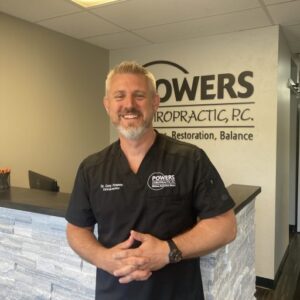
Car accidents happen in an instant, but the physical effects can linger for weeks, months, or even longer if left untreated. Even minor fender-benders can cause hidden injuries that don’t show up right away. Here in Omaha, NE, many people visit Powers Chiropractic after an accident, often surprised by how much pain and stiffness they’re experiencing days or weeks later. Understanding what chiropractic care can offer after a collision helps you make informed decisions about your recovery and long-term wellness. This article explains the most common chiropractic treatments used after car accidents, what to expect during care, and how these non-invasive approaches support natural healing.
What are common chiropractic treatments after a car accident? Chiropractic care after a car accident typically includes spinal adjustments to restore proper alignment, soft tissue therapies to address muscle damage, therapeutic exercises to rebuild strength and range of motion, and patient education about home care strategies that support recovery.
Table of Contents
- Why Car Accidents Cause Hidden Injuries
- Spinal Adjustments and Realignment
- Soft Tissue Therapy for Muscle and Ligament Damage
- Therapeutic Exercises and Rehabilitation
- Posture Correction and Ergonomic Guidance
- How Chiropractic Care Fits Into Your Recovery Plan
- What to Expect During Your First Visit
- When to See a Chiropractor After an Accident
- Treatment Options Comparison
- Myths vs. Facts About Post-Accident Chiropractic Care
- Final Thoughts
Why Car Accidents Cause Hidden Injuries
When your vehicle suddenly stops or changes direction during a collision, your body keeps moving according to the laws of physics. Even at low speeds, this creates tremendous forces on your spine, muscles, and connective tissues. The neck often whips forward and backward in what’s commonly known as whiplash, but the entire spine can be affected.
What makes these injuries particularly challenging is that adrenaline and shock often mask pain immediately after an accident. You might feel fine at the scene, only to wake up the next morning unable to turn your head. This delayed onset happens because inflammation takes time to develop, and soft tissue injuries don’t always register right away.
Research indicates that early intervention with conservative care can significantly improve outcomes for soft tissue injuries. The longer you wait to address misalignments and muscle damage, the more likely you are to develop chronic pain patterns or compensatory movement issues that affect other parts of your body.
Here in Omaha, we see patients from all types of accidents—rear-end collisions on Dodge Street, intersection accidents downtown, and highway incidents on I-80. Regardless of the circumstances, the biomechanical stress on your body deserves professional attention even when damage to your vehicle seems minor.
Spinal Adjustments and Realignment
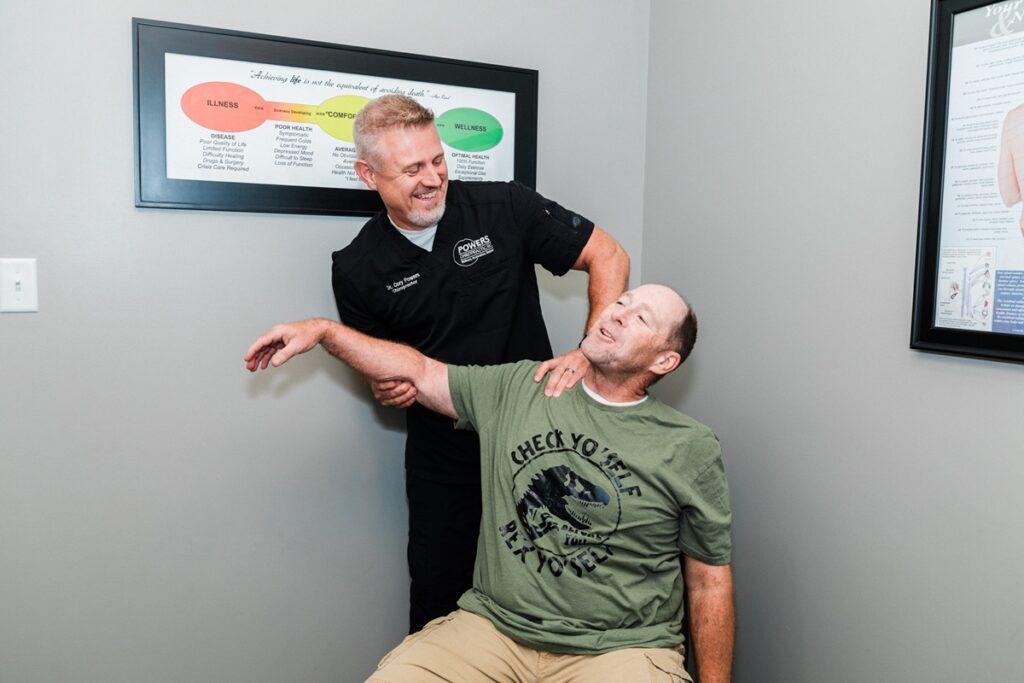
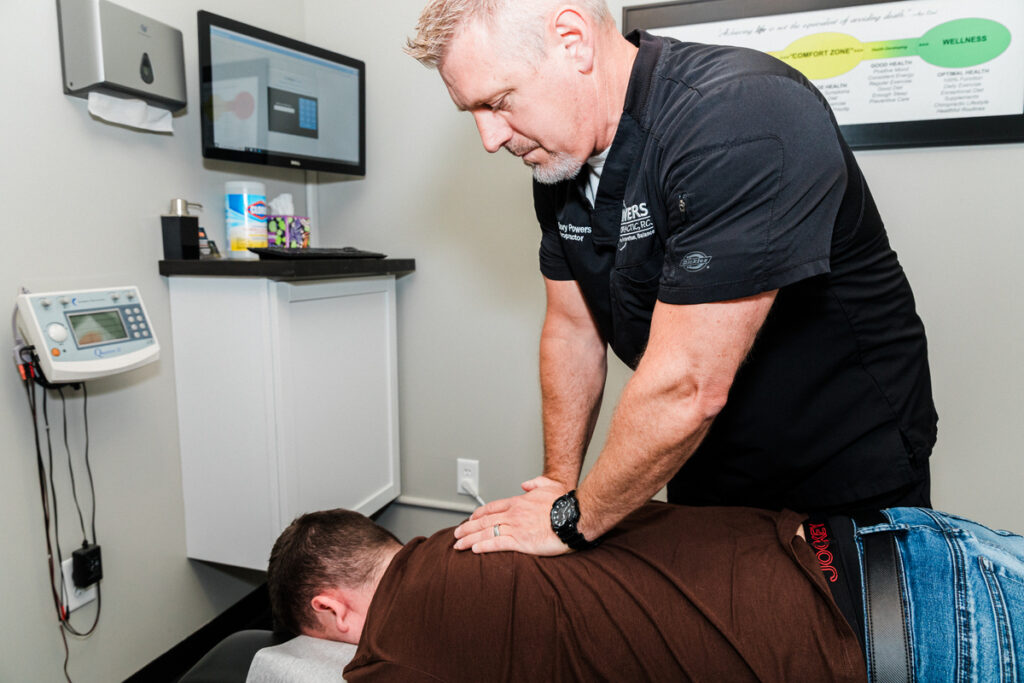
Spinal adjustments form the foundation of chiropractic care after a car accident. When vertebrae shift out of their normal position due to impact forces, they can create pressure on nerves, restrict movement, and trigger muscle spasms as your body tries to protect the injured area.
A chiropractic adjustment involves applying controlled, precise force to specific joints that have become restricted or misaligned. The goal is to restore normal joint mechanics, improve range of motion, reduce nerve irritation, and allow your body’s natural healing processes to work more effectively.
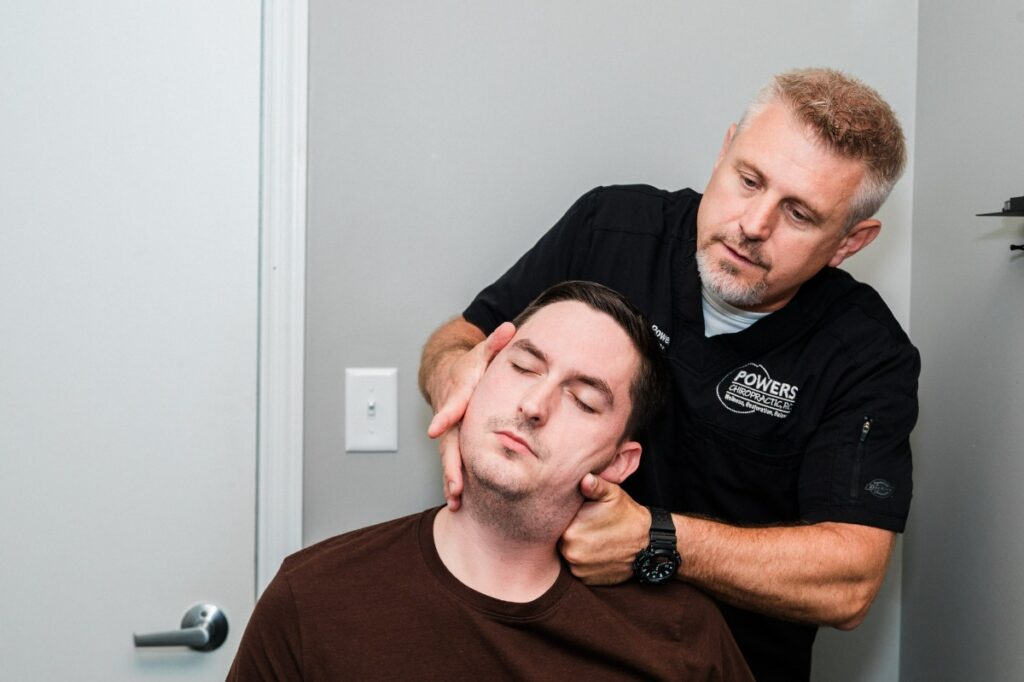
After an accident, adjustments are typically modified to account for inflammation and acute injury. Dr. Powers and the team at Powers Chiropractic use gentle, appropriate techniques based on your specific condition. Some patients hear a popping sound during adjustments—this is simply gas bubbles releasing from the joint space and is completely normal.
The cervical spine (neck) often requires special attention after collisions due to whiplash-type injuries. Careful evaluation determines which segments need treatment and which techniques are safest for your particular injury pattern. Some patients also experience mid-back or low-back issues from seat belt forces or bracing during impact.
Evidence suggests that spinal manipulation can provide significant pain relief and functional improvement for patients with acute neck pain following motor vehicle accidents. Studies published in Spine Journal and similar publications have documented positive outcomes when conservative care is initiated promptly.
Soft Tissue Therapy for Muscle and Ligament Damage
While spinal adjustments address joint function, soft tissue therapies target the muscles, ligaments, and fascia that often sustain damage during accidents. These tissues can develop adhesions, trigger points, and scar tissue that limit flexibility and cause persistent discomfort.
Common soft tissue techniques used after car accidents include myofascial release, which addresses restrictions in the connective tissue surrounding muscles. This gentle, sustained pressure helps break down adhesions and restore normal tissue texture. Trigger point therapy targets specific knots or tender points within muscles that refer pain to other areas.
Instrument-assisted soft tissue mobilization uses specialized tools to detect and treat areas of fibrosis or chronic inflammation. This technique can be particularly helpful for stubborn areas that don’t respond well to manual pressure alone. Massage therapy also plays a supportive role in reducing muscle tension and improving circulation to injured areas.
At Powers Chiropractic in Omaha, soft tissue work is often combined with adjustments for comprehensive care. Your body needs both proper joint mechanics and healthy, flexible muscles to recover fully from accident-related trauma.
Many patients notice improvement in their range of motion and reduction in muscle tightness after just a few sessions of targeted soft tissue therapy. The key is consistency—regular treatment gives your tissues the repeated stimulus they need to remodel properly rather than forming restrictive scar tissue.
Therapeutic Exercises and Rehabilitation
Passive treatments like adjustments and soft tissue work are important, but active rehabilitation ensures lasting results. Therapeutic exercises rebuild strength, coordination, and stability that may have been compromised by your accident and the subsequent period of guarded movement.
Your chiropractor will typically introduce exercises gradually as your acute symptoms improve. Early-stage exercises might focus on gentle range of motion movements to prevent stiffness and maintain joint nutrition. As you progress, strengthening exercises help rebuild the muscular support your spine needs to function properly.
Neck stabilization exercises are particularly important after whiplash-type injuries. The deep muscles that support cervical alignment often become inhibited after trauma, and specific exercises can help retrain these important stabilizers. Core strengthening also plays a critical role since your abdominal and back muscles work together to protect your spine.
Proprioception exercises—activities that retrain your body’s position sense—help restore normal movement patterns that may have been disrupted. After an accident, people often develop compensatory movement strategies that can lead to problems elsewhere if not corrected.
The team at Powers Chiropractic provides clear instruction on exercises you can do at home between visits. This active participation in your own recovery speeds healing and helps prevent future injuries by building resilience into your musculoskeletal system.
Posture Correction and Ergonomic Guidance
Car accidents can alter your posture in subtle ways that create ongoing problems. Pain often causes people to hold their bodies differently, and these protective postures can become habitual even after the acute injury heals. Addressing these patterns is essential for complete recovery.
Your chiropractor will assess your standing and sitting posture, looking for asymmetries, forward head carriage, rounded shoulders, or other issues that commonly develop after accidents. Postural correction involves both hands-on treatment to improve joint and muscle function and education about proper positioning throughout your day.
Many Omaha residents spend considerable time driving or sitting at desks, which can aggravate post-accident injuries. Learning how to position your car seat properly, adjust your workstation ergonomics, and maintain neutral spine alignment during daily activities supports the treatment you receive in the office.
Simple modifications can make a significant difference. Adjusting your rearview mirror to encourage proper head position, using lumbar support while sitting, and taking regular movement breaks all contribute to better outcomes. Your chiropractor can provide specific recommendations based on your lifestyle and occupation.
How Chiropractic Care Fits Into Your Recovery Plan
Chiropractic care offers a conservative, non-surgical approach to recovering from car accident injuries. Rather than simply masking pain with medications, chiropractic treatment addresses the underlying mechanical problems that cause discomfort and dysfunction.
At Powers Chiropractic, care begins with a thorough evaluation to understand the full extent of your injuries. This typically includes a detailed history of the accident, physical examination, orthopedic and neurological tests, and sometimes imaging studies to rule out fractures or other serious conditions.
Based on these findings, Dr. Powers develops an individualized treatment plan tailored to your specific injuries, health history, and recovery goals. Early treatment often involves more frequent visits to reduce inflammation and restore movement. As you improve, visit frequency typically decreases while you transition to more active rehabilitation.
Treatment duration varies considerably based on injury severity, how quickly you sought care, and your overall health status. Some patients experience significant improvement within a few weeks, while others with more complex injuries may require several months of care to achieve optimal recovery.
Chiropractic care can work alongside other healthcare providers when necessary. If you’re seeing a primary care physician or physical therapist, coordinated care often produces the best results. The goal is always to help you return to your normal activities safely and prevent long-term complications.
What to Expect During Your First Visit
Your first visit to Powers Chiropractic after a car accident focuses on understanding your injuries and creating a clear path forward. You’ll discuss the details of your accident—how it happened, what you felt immediately afterward, and what symptoms have developed since then.
Be prepared to describe your pain in detail: where it’s located, what makes it better or worse, and how it affects your daily activities. Even seemingly minor details can help your chiropractor understand the full picture of your condition.
The physical examination includes assessing your range of motion, checking for areas of tenderness or muscle spasm, and evaluating your neurological function. Your chiropractor will also examine your posture and how you move, looking for patterns that indicate where problems exist.
If imaging is needed, your chiropractor will discuss appropriate options. X-rays can reveal misalignments and rule out fractures, while MRI or CT scans might be recommended for more complex cases. However, not every patient requires imaging—your chiropractor will make recommendations based on your specific presentation.
After the examination, you’ll receive an explanation of your diagnosis, what’s causing your symptoms, and what treatment approach makes sense for your situation. This is your opportunity to ask questions and make sure you understand your condition and the proposed care plan.
Many patients receive some treatment during their first visit if appropriate. Even gentle adjustments or soft tissue work can often provide immediate relief and begin the healing process. You’ll also receive instructions about home care, activity modifications, and when to schedule your next appointment.
When to See a Chiropractor After an Accident
The ideal time to seek chiropractic care after a car accident is as soon as possible, even if your symptoms seem minor. Early intervention can prevent acute injuries from becoming chronic conditions. Many patients in Omaha visit Powers Chiropractic within the first few days after an accident, which allows for optimal treatment timing.
Certain symptoms definitely warrant prompt evaluation. Neck pain or stiffness, headaches that developed after the accident, pain between your shoulder blades, low back discomfort, reduced range of motion in any direction, numbness or tingling in your arms or legs, and persistent muscle tension all indicate that professional assessment is needed.
Don’t wait for pain to become severe before seeking help. Mild discomfort that persists beyond a day or two deserves attention. Remember that inflammation and soft tissue injuries often worsen over the first few days after an accident as your body’s protective mechanisms kick in.
However, some symptoms require immediate medical attention rather than chiropractic care. Seek emergency care if you experience severe, unrelenting pain, loss of consciousness, severe dizziness or confusion, difficulty breathing, visible deformity, loss of bowel or bladder control, or weakness in your arms or legs. These symptoms may indicate injuries that require medical imaging and intervention beyond the chiropractic scope of practice.
Even if you visited an emergency room right after your accident, following up with chiropractic care is still important. Emergency departments focus on ruling out life-threatening injuries, but they typically don’t address the soft tissue damage and spinal misalignments that cause persistent pain and dysfunction.
Treatment Options Comparison
| Treatment Type | Primary Purpose | What to Expect | Timeline |
|---|---|---|---|
| Spinal Adjustments | Restore joint alignment and reduce nerve irritation | Controlled force applied to specific spinal segments; may hear popping sounds | Relief often begins within 3-6 visits; full recovery varies |
| Soft Tissue Therapy | Release muscle tension and break down adhesions | Manual pressure or instrument-assisted techniques on affected muscles | Gradual improvement over 2-4 weeks with consistent treatment |
| Therapeutic Exercise | Rebuild strength and restore normal movement patterns | Guided exercises progressing from gentle stretches to strengthening | Ongoing throughout recovery; builds long-term resilience |
| Postural Training | Correct compensation patterns and prevent recurrence | Education and practice with proper positioning and ergonomics | Implemented early and maintained long-term |
Myths vs. Facts About Post-Accident Chiropractic Care
Myth: You should wait to see if pain goes away on its own
Fact: While some minor soreness may resolve naturally, waiting too long to address car accident injuries can allow inflammation to worsen and scar tissue to form in problematic patterns. Early chiropractic care helps guide proper healing and prevents acute problems from becoming chronic conditions.
Myth: Chiropractic adjustments are dangerous after an accident
Fact: Qualified chiropractors are trained to modify techniques based on injury severity and patient presentation. After a thorough examination to rule out fractures or serious injury, gentle, specific adjustments are safe and effective for addressing post-accident spinal dysfunction. Treatment is always adapted to your individual condition.
Myth: If you weren’t hurt badly in the crash, you don’t need treatment
Fact: The severity of vehicle damage doesn’t correlate directly with injury severity. Low-speed collisions can still generate significant forces on the neck and spine. Many serious soft tissue injuries occur in accidents that seem minor at the time, which is why evaluation is important regardless of crash severity.
Myth: Chiropractic care will take months or years after an accident
Fact: Treatment duration depends on injury severity, how quickly you sought care, and your overall health. Many patients experience significant improvement within weeks, though some complex cases require longer care. Your chiropractor will provide realistic expectations based on your specific condition and progress.
Myth: Pain medication is safer than chiropractic treatment
Fact: While medications can provide temporary symptom relief, they don’t address the underlying mechanical problems causing pain and carry risks of dependency and side effects. Chiropractic care offers a drug-free approach that targets the source of dysfunction, supporting natural healing without medication risks.
Final Thoughts
Recovering from a car accident involves more than just repairing your vehicle. Your body deserves the same attention and care. The musculoskeletal injuries that often result from collisions respond well to conservative chiropractic treatment when addressed promptly and appropriately.
Here in Omaha, Powers Chiropractic has helped countless patients navigate the recovery process after accidents. Whether you’re dealing with whiplash, back pain, headaches, or general stiffness after a collision, understanding your treatment options empowers you to make informed decisions about your health.
Chiropractic care offers a comprehensive approach that addresses joint dysfunction, soft tissue damage, strength deficits, and postural issues—all common consequences of car accidents. By combining adjustments, soft tissue therapies, therapeutic exercises, and patient education, chiropractors help restore normal function and prevent long-term complications.
Don’t let accident-related injuries linger and potentially develop into chronic problems. If you’ve been in a car accident in the Omaha area, the team at Powers Chiropractic is here to help you recover safely and completely. Early intervention makes a significant difference in outcomes, so reach out sooner rather than later to begin your path toward healing.
Frequently Asked Questions
How soon after a car accident should I see a chiropractor?
Ideally, you should seek chiropractic evaluation within the first few days after an accident, even if symptoms seem mild. Early treatment helps prevent acute injuries from becoming chronic conditions and guides proper healing from the start.
Will insurance cover chiropractic care after a car accident?
Most auto insurance policies include medical coverage that applies to chiropractic treatment after accidents. Your chiropractor’s office can typically help you understand your coverage and work with your insurance company to facilitate care.
Can I see a chiropractor if I also saw an emergency room doctor?
Yes, absolutely. Emergency departments focus on ruling out life-threatening injuries but typically don’t treat soft tissue damage or spinal misalignments. Chiropractic care complements emergency care by addressing the musculoskeletal injuries that persist after serious conditions are ruled out.
What if my pain didn’t start until days after the accident?
Delayed pain onset is extremely common after car accidents due to adrenaline, shock, and the time it takes for inflammation to develop. Even if symptoms appeared days later, they’re still related to the accident and warrant professional evaluation and treatment.
How many chiropractic visits will I need after a car accident?
Treatment duration varies based on injury severity, your overall health, and how quickly you sought care. Some patients improve significantly within a few weeks, while more complex cases may require several months. Your chiropractor will provide a clearer timeline after evaluating your specific condition.
Can chiropractic care help with whiplash headaches?
Yes, research indicates that chiropractic treatment can be effective for headaches resulting from whiplash injuries. Adjustments to the cervical spine and upper back, combined with soft tissue work on neck muscles, often provide significant relief from post-accident headaches.
TL;DR – Key Takeaways
- Car accidents cause hidden injuries that may not be immediately apparent but benefit from early chiropractic intervention to prevent chronic problems
- Common treatments include spinal adjustments to restore alignment, soft tissue therapy for muscle damage, therapeutic exercises for rehabilitation, and posture correction
- Seek chiropractic care within days of an accident, even for seemingly minor collisions, as vehicle damage doesn’t correlate directly with injury severity
- Treatment is individualized based on your specific injuries and typically combines multiple approaches for comprehensive recovery
- Chiropractic care offers a safe, drug-free, conservative approach that addresses underlying mechanical problems rather than just masking symptoms