
Chronic back pain can be a frustrating and debilitating issue, but understanding its root causes is the first step toward relief. As a chiropractor, I see firsthand how factors like poor posture, muscle strain, and lifestyle choices contribute to discomfort. By addressing these elements, you can start to make meaningful changes that promote healing and wellness.
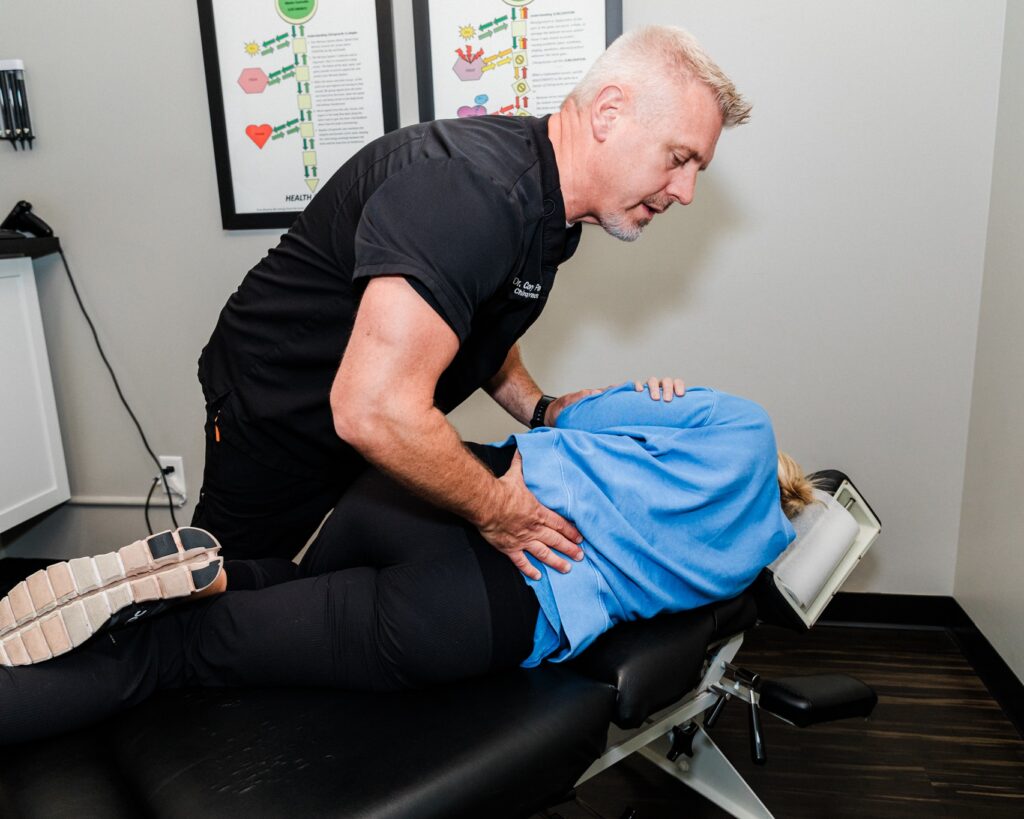
One of the most effective ways to tackle chronic back pain is through chiropractic care. Our approach focuses on the spine’s alignment and overall function, which can significantly reduce pain and improve your quality of life. Regular chiropractic adjustments help restore proper alignment, relieve pressure on nerves, and promote your body’s natural ability to heal.
In addition to chiropractic care, here are some simple strategies you can incorporate into your daily routine to support your back health:
- Practice Good Posture: Whether sitting at a desk or standing, maintain a neutral spine position. Keep your shoulders back and your head aligned over your spine.
- Strengthen Your Core: Engaging your core muscles can provide better support for your back. Consider incorporating exercises like planks and bridges into your routine.
- Stay Active: Regular physical activity is crucial for maintaining a healthy spine. Aim for low-impact exercises like walking, swimming, or yoga, which can enhance flexibility and strength without straining your back.
- Use Proper Lifting Techniques: When lifting heavy objects, always bend your knees and keep the load close to your body. Avoid twisting as you lift to minimize strain on your back.
- Listen to Your Body: Pay attention to how your body feels during various activities. If something causes discomfort, it’s essential to modify your movements or seek professional advice.
By focusing on these tips and incorporating regular chiropractic care into your wellness routine, you can effectively address the underlying causes of chronic back pain. Remember, the journey to a pain-free life starts with small, consistent changes that promote better spinal health. If you’re ready to take the next step toward optimal health, consider scheduling a chiropractic consultation today. Your back will thank you!
Key Takeaways
- One of the first steps in addressing chronic back pain is to improve your posture and ergonomics. This simple change can significantly reduce strain on your spine and enhance your overall back health. Pay attention to how you sit, stand, and move throughout your day—small adjustments can make a big difference!
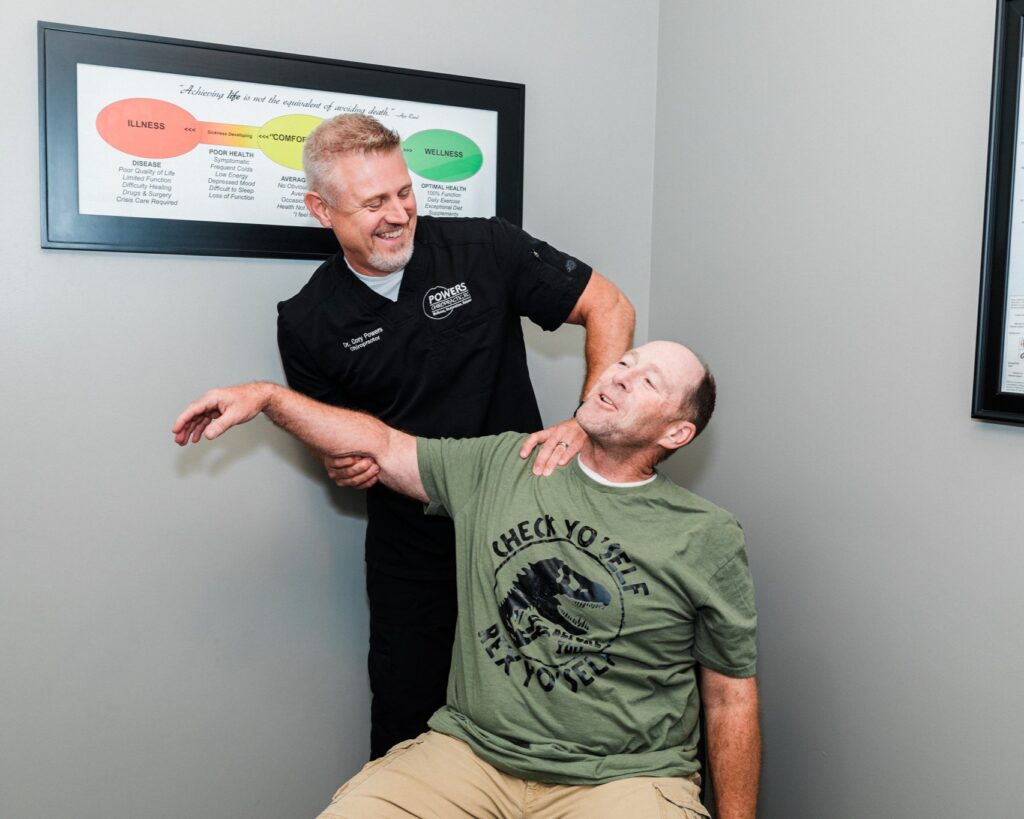
- Regular chiropractic adjustments are a key component in promoting healing and improving alignment in your spine. These gentle, non-invasive treatments help restore mobility and alleviate discomfort, allowing your body to function at its best.
- Strengthening your core muscles is essential for supporting your spine and reducing tension. Try incorporating low-impact exercises and stretching into your routine. Activities like yoga or Pilates can be particularly beneficial, and they also provide a great way to relax and destress.
- Maintaining a healthy weight is crucial for reducing pressure on your back. Engage in regular physical activity that you enjoy—whether it’s walking, swimming, or biking—to boost your fitness and keep your spine happy.
- If you’re experiencing severe or persistent pain, numbness, or weakness, it’s important to seek professional help. A chiropractor can work with you to create a personalized pain management plan that focuses on natural healing and wellness. Remember, your journey to optimal health starts with taking care of your spine!
Understanding the Anatomy of Back Pain
When dealing with chronic back pain, gaining an understanding of the anatomy behind it can offer valuable insights into your discomfort and guide you toward effective relief. Your spine is a complex structure made up of vertebrae, discs, muscles, and ligaments—all working together to support your body. Each component plays a vital role in maintaining spinal health.
The vertebrae create the bony framework, while the intervertebral discs serve as shock absorbers, cushioning the spaces between vertebrae. Your muscles and ligaments stabilize the spine, allowing for movement and flexibility.
When any of these parts are compromised or injured, it can result in pain. For example, a herniated disc might put pressure on a nerve, leading to sharp or radiating discomfort. Muscle strains can cause persistent aches that limit your mobility. By understanding these anatomical components, you can better pinpoint the source of your pain and explore effective treatment options, particularly through chiropractic care.
Chiropractic adjustments focus on restoring proper alignment and function to the spine, which can alleviate pressure on nerves and reduce pain. Additionally, chiropractic care promotes natural healing and enhances your overall wellness.
Here are a few tips to help you manage back pain and support your spinal health:
- Stay Active: Engage in low-impact exercises like walking or swimming to keep your muscles strong and your spine flexible.
- Practice Good Posture: Be mindful of your posture while sitting, standing, and lifting to reduce strain on your back.
- Stretch Regularly: Incorporate gentle stretching into your routine to improve flexibility and relieve tension in your back muscles.
- Use Supportive Furniture: Choose chairs and mattresses that provide good support for your spine.
- Stay Hydrated: Drinking plenty of water helps keep your intervertebral discs healthy and hydrated.
By taking these steps and considering chiropractic care, you can empower yourself to achieve relief from back pain and move towards a healthier, more active life.
Common Causes of Chronic Back Pain
When you experience chronic back pain, it often arises from a few common culprits that can be effectively addressed through chiropractic care. Muscle strain and injury, spinal disc issues, and poor posture are frequent contributors to ongoing discomfort. By understanding these factors, you can take proactive steps toward relief and improved back health.
One of the most effective ways to manage chronic back pain is through regular chiropractic adjustments. These gentle manipulations can help realign your spine, reduce tension in your muscles, and improve your overall mobility. Chiropractic care not only targets the source of your pain but also promotes your body’s natural ability to heal itself.
Additionally, maintaining good posture is essential in preventing and alleviating back pain. When sitting or standing, make sure to keep your shoulders back and your spine straight. This can significantly reduce strain on your back muscles and discs.
Another helpful tip is to incorporate stretching and strengthening exercises into your daily routine. Simple activities like yoga or gentle stretching can enhance flexibility and support your spine. Remember to listen to your body and avoid any movements that cause discomfort.
Lastly, consider making lifestyle adjustments such as staying active, maintaining a healthy weight, and ensuring your sleeping environment supports your spine. A good mattress and pillow can make a significant difference in how your back feels.
Muscle Strain and Injury
Muscle strain and injury can be a significant source of chronic back pain, particularly when we push our bodies beyond their limits without taking proper care. This discomfort can arise from various everyday activities, such as lifting heavy objects, maintaining poor posture, or making sudden movements. By understanding these common causes, you can take proactive steps to prevent and manage pain effectively, and chiropractic care can play a vital role in your journey to optimal health.
Here’s a helpful overview of activities that may contribute to muscle strain, along with prevention tips and the benefits of chiropractic care:
| Activity | Potential Cause | Prevention Tips |
|---|---|---|
| Lifting Heavy Objects | Muscle overexertion | Use proper lifting techniques; bend at the knees and keep the load close to your body. Regular chiropractic adjustments can also help improve your body mechanics. |
| Sitting for Long Hours | Poor posture | Invest in ergonomic chairs and maintain good posture. Chiropractic care can assist in correcting postural issues and alleviating discomfort associated with prolonged sitting. |
| Sports Injuries | Sudden movements or falls | Always warm up and stretch before engaging in physical activities. A chiropractor can guide you on safe practices and help you recover from any injuries. |
| Repetitive Motions | Strain from overuse | Take regular breaks to stretch and move around. Chiropractic adjustments can help relieve tension and prevent repetitive strain injuries. |
| Sleep Position | Inadequate support | Choose a supportive mattress and pillows that align your spine. A chiropractor can provide personalized recommendations to enhance your sleep quality and spinal health. |
Spinal Disc Issues
Chronic back pain can often be linked to issues with your spinal discs, which can result from wear and tear, injuries, or even genetic predispositions.
These discs serve as important cushions between the vertebrae, and when they start to degenerate or become herniated, they can lead to discomfort and pain. You might feel sharp sensations or experience numbness and weakness that radiates down into your legs, which often means that the discs are pressing on nearby nerves.
To help manage and alleviate this discomfort, it’s crucial to pay attention to your body. Engaging in chiropractic care can be a highly effective way to address spinal disc issues naturally. Chiropractors focus on aligning the spine, which can relieve pressure on the discs and nerves, promoting overall wellness.
In addition to chiropractic adjustments, there are several simple tips you can incorporate into your daily routine to support your spinal health. Here are a few suggestions:
- Maintain Good Posture: Be mindful of your posture while sitting, standing, or lifting objects. Proper alignment can help reduce strain on your back.
- Stay Active: Regular low-impact exercises like walking, swimming, or yoga can strengthen your back muscles and improve flexibility, promoting a healthier spine.
- Use Proper Lifting Techniques: When lifting heavy objects, bend your knees and keep your back straight. This technique helps protect your spine and discs.
- Take Breaks: If you sit for long periods, take regular breaks to stretch and move around. This can help reduce tension in your back.
- Stay Hydrated: Drinking plenty of water supports the health of your spinal discs, as they rely on hydration to maintain their cushioning properties.
By incorporating these tips and utilizing chiropractic care, you can take proactive steps toward managing your pain and enhancing your overall well-being.
Always listen to your body, and don’t hesitate to reach out to your chiropractor for personalized advice and support!
Posture and Ergonomics
Poor posture and improper ergonomics can significantly contribute to chronic back pain, often without you even realizing it. When you slouch or sit for long periods without adequate support, your spine can become misaligned, leading to discomfort.
It’s essential to pay attention to your workspace; ensure that your chair provides proper support for your lower back, and position your computer screen at eye level to maintain a neutral spine.
If you find yourself sitting at a desk for hours, make a conscious effort to take regular breaks. Stand up, stretch, and move around to keep your muscles engaged and relieve tension.
When lifting objects, always remember to bend at your knees and keep your back straight; this simple technique protects your spine from injury and strain.
These small adjustments can have a significant impact on how you feel day-to-day. By prioritizing proper posture and ergonomic practices, you can’t only alleviate current discomfort but also prevent chronic back pain from becoming a persistent issue.
As a chiropractor, I encourage you to consider chiropractic care as a natural and effective way to enhance your overall health and well-being.
Regular chiropractic adjustments can help realign your spine, improve your posture, and support your body’s natural healing processes. Embracing these practices can lead to a healthier, pain-free life.
The Role of Posture in Back Health
When it comes to back health, one of the most important factors is maintaining good posture. Poor posture can lead to pain and discomfort, but with some simple adjustments, you can significantly improve your spinal health. By sitting or standing with proper alignment, you help your spine maintain its natural curve, which reduces strain on your muscles and ligaments. This allows your body to distribute weight evenly, minimizing the risk of injuries.
It’s easy to fall into habits like slouching or leaning forward, which can contribute to chronic issues over time. To combat this, consciously align your head, shoulders, and hips whether you’re sitting or standing. If you spend a lot of time at a desk, take a moment to adjust your chair and monitor to support your posture effectively. Small changes can make a big difference!
Incorporating regular breaks into your routine is another great way to maintain good alignment. Stand up, stretch, and move around to alleviate stiffness. These simple actions can help keep your spine healthy and functioning optimally.
As a chiropractor, I want to emphasize that chiropractic care is an excellent choice for achieving and maintaining optimal health. Through gentle adjustments and spinal care, we can help you find relief from pain and enhance your overall wellness naturally.
The Impact of Injuries on Your Back
Injuries can significantly affect your back health, often leading to chronic pain and discomfort. Whether it’s from a sports injury, a fall, or even lifting something too heavy, these incidents can put a strain on your muscles, ligaments, and discs. You mightn’t feel the effects right away, but over time, these injuries can create ongoing issues, making everyday activities more difficult.
When your back is injured, it can result in inflammation, muscle spasms, and reduced mobility. You may start to compensate for the pain in ways that can create imbalances in your body, leading to more problems down the line. It’s essential to listen to your body and seek help if you’re experiencing persistent discomfort.
Chiropractic care is an excellent option for addressing these issues naturally. Regular adjustments can help realign your spine, reduce inflammation, and relieve muscle tension. Additionally, engaging in targeted exercises and maintaining proper rest can aid in your recovery and strengthen your back.
Here are some general tips you can incorporate into your daily routine to support your back health:
- Practice Good Posture: Whether sitting at your desk or standing, maintaining good posture can significantly reduce strain on your back.
- Stay Active: Regular physical activity strengthens your back muscles and improves flexibility, which can help prevent injuries.
- Listen to Your Body: If you feel discomfort, take a break, and don’t push through the pain. It’s your body’s way of signaling that something is wrong.
- Stay Hydrated: Drinking plenty of water helps keep the discs in your spine hydrated and functioning properly.
- Consider Chiropractic Care: Regular visits to your chiropractor can help maintain spinal health and prevent injuries before they become chronic conditions.
By taking these proactive steps and addressing injuries early on with chiropractic care, you can ensure better long-term back health and overall wellness.
Medical Conditions Linked to Back Pain
When you’re living with chronic back pain, it’s crucial to consider the underlying medical conditions that may be contributing to your discomfort. Conditions like herniated discs, arthritis, and muscle strains can all play a role in your back pain.
Chiropractic care offers a natural and effective approach to addressing these issues. By focusing on spinal health and alignment, a chiropractor can help alleviate pain and improve your overall well-being.
For example, herniated discs can lead to nerve pain and stiffness; however, through gentle adjustments and targeted therapies, we can help relieve pressure on those nerves and restore mobility.
Similarly, arthritis can cause inflammation and discomfort, but chiropractic care can enhance joint function and reduce pain without the need for medications or invasive procedures.
If you’re experiencing muscle strains, chiropractic techniques can aid in muscle relaxation and rehabilitation, allowing your body to heal naturally.
Here are some tips you can incorporate into your daily routine to support your back health:
- Maintain Good Posture: Be mindful of your posture when sitting, standing, or lifting to reduce strain on your back.
- Stay Active: Engage in low-impact exercises, such as walking or swimming, to strengthen your back and core muscles.
- Stretch Regularly: Incorporate gentle stretches into your day to maintain flexibility and reduce tension in your back.
- Listen to Your Body: If you feel discomfort, take a break and rest. Pushing through pain can lead to further injury.
Remember, chiropractic care is a holistic approach that aims to restore balance and function to your spine and nervous system, promoting a healthier, pain-free life.
If you’re struggling with back pain, consider consulting with a chiropractor to explore your options for natural healing and wellness.
Herniated Disc Issues
Herniated discs can cause considerable discomfort and limitations in your daily activities, especially if you don’t fully understand their effects on your back health. When a disc slips out of alignment, it may press on nerves, leading to a variety of symptoms. Here are some signs to watch for:
- Sharp pain that travels down your leg, making walking difficult.
- Numbness or tingling in your arms or legs, which can make you feel disconnected from your body.
- Muscle weakness, making it tough to lift objects or carry out everyday tasks.
- Chronic discomfort, which can disrupt your sleep and overall quality of life.
Recognizing these signs early is crucial, as it allows you to seek effective treatment and avoid further issues. Chiropractic care is a natural, holistic approach to addressing the root causes of herniated discs.
Here are some tips to promote your back health:
- Maintain good posture: Be mindful of your posture while sitting, standing, and lifting. This can help reduce strain on your spine.
- Stay active: Regular, low-impact exercise can strengthen your back and core muscles, providing better support for your spine.
- Stretch regularly: Gentle stretching can improve flexibility and reduce tension in your back muscles.
- Use proper lifting techniques: When lifting heavy objects, bend your knees and keep the load close to your body to minimize strain on your back.
By focusing on these practices and considering chiropractic care, you can take charge of your spinal health and work towards lasting pain relief and overall well-being.
Arthritis and Inflammation
Chronic back pain can often be linked to several underlying health issues, with arthritis being one of the most prevalent causes. This condition leads to inflammation in your joints, resulting in pain and stiffness that can make daily activities difficult.
As the cartilage diminishes over time, the bones might begin to grate against each other, heightening your discomfort. You may find that certain movements trigger your pain or that it becomes more intense after sitting for a long time.
As a chiropractor, I believe in the power of natural healing methods to help manage arthritis-related back pain. Chiropractic care focuses on aligning your spine and improving your overall body function, which can significantly reduce pain and enhance your mobility.
Regular adjustments can promote better joint flexibility and help decrease inflammation, allowing you to move more freely.
To complement your chiropractic care, here are some helpful tips you can incorporate into your daily routine:
- Stay Active: Engaging in gentle exercises like walking or stretching can help maintain joint flexibility. Always listen to your body and avoid any movements that worsen your pain.
- Practice Good Posture: Keeping your spine aligned while sitting, standing, or lifting can prevent unnecessary strain on your back.
- Stay Hydrated: Drinking plenty of water can help maintain the health of your joints and cartilage.
- Heat and Cold Therapy: Applying heat can relax tense muscles, while cold packs can reduce inflammation and numb acute pain. Both can provide temporary relief.
- Mindful Movements: Incorporate techniques like yoga or tai chi to promote relaxation and improve your range of motion.
- Healthy Diet: Eating an anti-inflammatory diet rich in fruits, vegetables, whole grains, and lean proteins can support joint health.
Remember, it’s essential to consult with a chiropractor for a personalized plan that suits your specific needs and helps you achieve optimal health naturally.
Together, we can work towards reducing your pain and enhancing your overall well-being.
Muscle Strain Factors
Muscle strain factors are important to understand, especially when it comes to back pain. Often, this pain arises from everyday activities or even underlying health conditions.
It’s easy to overlook how small actions can lead to significant strain on your back. Here are some common contributors and how chiropractic care can help you address them:
- Improper lifting techniques – Many people bend at the waist when lifting heavy objects. Instead, remember to bend your knees and keep the load close to your body. This technique reduces stress on your back. A chiropractor can teach you proper lifting techniques to prevent injuries.
- Prolonged sitting – Sitting for long periods can cause your muscles to tighten, leading to discomfort. It’s vital to take breaks and stretch regularly. Consider scheduling short walks or stretches into your day. Chiropractic adjustments can also help relieve tension and improve your posture.
- Poor posture – Slouching while sitting or standing can place unnecessary pressure on your spine. Aim to keep your back straight and shoulders relaxed. Chiropractic care can help correct postural imbalances and teach you exercises to maintain a healthy posture.
- Overexertion during exercise – Pushing yourself too hard without warming up can lead to muscle strains. Always start with gentle stretches and listen to your body. A chiropractor can guide you on safe exercise practices tailored to your individual needs.
By identifying these muscle strain factors, you can make simple adjustments that significantly reduce your back pain.
Lifestyle Factors Contributing to Discomfort
Chronic back pain can be a frustrating experience, and often, our lifestyle choices play a big role in how we feel. Many of us might not even realize that simple habits—like how we sit or what we eat—can lead to discomfort. As a chiropractor, I want to help you understand how these factors can affect your back and how chiropractic care can be a natural solution for relief and wellness.
Let’s explore some common lifestyle habits that might be contributing to your back pain:
| Lifestyle Factor | Impact on Back Pain |
|---|---|
| Poor Posture | This can strain muscles and ligaments in your back. Make a conscious effort to sit and stand up straight, keeping your shoulders back and your spine aligned. Your chiropractor can help you with posture correction techniques! |
| Sedentary Lifestyle | Sitting for long periods can weaken your core muscles, which support your spine. Incorporate light stretching or short walks into your day to keep your muscles active. Even simple movements can make a big difference! |
| Obesity | Carrying extra weight can put additional pressure on your spine. Focus on a balanced diet and regular physical activity to maintain a healthy weight. Chiropractic adjustments can also help improve your overall function and support your weight loss journey. |
| Smoking | This habit reduces blood flow to your spine, which can lead to pain and discomfort. Quitting smoking can improve your overall health, including your spinal health. |
Remember, chiropractic care is an excellent way to address these issues naturally. Regular adjustments can help align your spine, relieve tension, and promote better posture. Additionally, your chiropractor can provide personalized recommendations for exercises and lifestyle changes to support your healing journey.
Effective Stretching and Strengthening Exercises
Managing chronic back pain is essential for living a healthy and active life, and one of the best ways to achieve this is through effective stretching and strengthening exercises. As a chiropractor, I believe that focusing on core strengthening, improving flexibility, and correcting posture can significantly impact your back health and overall well-being.
Core strengthening exercises, such as planks and bridges, can help stabilize your spine and support your back, reducing pain and preventing future issues. Incorporating gentle stretches, like the cat-cow stretch or child’s pose, can enhance your flexibility and help relieve tension in your back muscles.
Moreover, posture correction exercises, such as wall angels or seated rows, can align your spine and improve your body mechanics, which is crucial for minimizing discomfort. Remember, maintaining good posture throughout your daily activities is key to preventing back pain.
Chiropractic care plays a vital role in this journey. Regular adjustments can help realign your spine, enhance your body’s natural healing abilities, and complement your stretching and strengthening routines.
By integrating these practices into your life, you can regain control over your back health and enjoy a pain-free lifestyle.
Takeaway tips:
- Incorporate core-strengthening exercises into your routine for better spinal support.
- Practice gentle stretching daily to improve flexibility and relieve tension.
- Focus on posture correction to prevent future pain.
- Consider regular chiropractic adjustments to enhance your overall health and aid in your recovery.
Core Strengthening Techniques
When you focus on strengthening your core, you’re not just boosting your stability—you’re also easing pressure on your spine, which can significantly help reduce chronic back pain.
As a chiropractor, I believe that incorporating core strengthening exercises into your daily routine is essential for establishing a solid foundation for overall health and wellness. Here are four effective techniques you can easily try at home:
- Planks: This exercise engages your entire core. Simply hold a plank position, keeping your body straight, for 30 seconds to a minute. If you’re new to this, start with shorter durations and gradually increase as you get stronger.
- Bridges: Lie on your back with your knees bent. Lift your hips off the ground until you form a straight line from your shoulders to your knees. This not only strengthens your core but also targets your glutes, which play a crucial role in spine support.
- Bird-Dogs: Start on all fours, ensuring your back is flat. Extend one arm and the opposite leg simultaneously, then switch sides. This exercise helps with balance and coordination while strengthening your core.
- Dead Bugs: Lie on your back with your arms pointed towards the ceiling. Alternate lowering your opposite arm and leg while keeping your lower back pressed against the floor. This helps improve stability and core control.
By integrating these exercises into your routine, you can significantly enhance your core strength and provide better support for your spine.
Remember, chiropractic care is an essential part of your journey toward optimal health. Regular adjustments can help improve your overall spinal function, making these exercises even more effective.
Always listen to your body and consult with your chiropractor to ensure you’re on the right path to natural healing and wellness.
Flexibility Improvement Stretches
Building core strength is an important component of managing chronic back pain, but improving your flexibility is just as crucial. By incorporating targeted stretches into your daily routine, you can support your spinal health and enhance your overall well-being.
Start with the cat-cow stretch. This gentle movement mobilizes your spine and promotes flexibility, helping to alleviate tension.
Next, try the seated forward bend. This stretch is excellent for enhancing flexibility in your hamstrings and lower back, making it easier to move and reducing discomfort.
Don’t forget about the child’s pose! This restorative pose is fantastic for relieving tension in your back and hips, providing a much-needed moment of relaxation. Hold each stretch for about 20-30 seconds to maximize their benefits.
Additionally, consider incorporating a hip flexor stretch. Tight hip flexors can contribute to back pain, so stretching them can help relieve that discomfort.
Remember to breathe deeply throughout your stretches and pay attention to your body’s signals—only stretch to a point that feels comfortable for you.
Regularly practicing these stretches can significantly improve your flexibility and help alleviate chronic back pain. By embracing these natural methods, you’re not just managing pain; you’re also taking an active role in your health and wellness.
And remember, chiropractic care is a wonderful complement to these practices, helping to align your spine and support your body’s natural healing processes. Make chiropractic a part of your journey to optimal health!
Posture Correction Exercises
As a local chiropractor, I want to emphasize the incredible impact that correcting your posture can have on relieving chronic back pain and enhancing your overall well-being. Many people overlook this crucial aspect of health, but by focusing on posture, you can significantly improve your quality of life.
Incorporating simple exercises into your daily routine can help strengthen your muscles and promote better posture, leading to natural healing and a healthier spine. Here are four effective exercises to help you on your journey:
- Wall Angels: Stand with your back against a wall, arms raised in a “W” shape. As you slide your arms up the wall, keep your back flat against it. This exercise helps open up your shoulders and improve upper back strength.
- Plank: Get into a plank position by lying face down and pushing up onto your forearms and toes. Keep your body in a straight line from head to heels and engage your core. This exercise strengthens your core muscles, which are essential for good posture.
- Cat-Cow Stretch: Get on all fours and alternate between arching your back (Cat) and rounding it (Cow). This gentle movement increases spinal flexibility and helps release tension in your back, promoting a healthier spine.
- Seated Rows: Using a resistance band, sit up tall and pull the band towards you, squeezing your shoulder blades together. This exercise strengthens your upper back, which is vital for maintaining good posture throughout the day.
Incorporating these exercises into your routine can be a game-changer for your spinal health.
Remember, chiropractic care is also an excellent way to support your journey toward optimal health. By focusing on natural healing and wellness, you can achieve lasting relief from pain without the need for medications or invasive procedures.
Make a commitment to your posture and overall health today, and you’ll be on your way to a happier, healthier life!
The Importance of Ergonomics in Daily Life
Ergonomics is vital for your daily life, influencing your comfort and overall health. As a chiropractor, I emphasize how proper workspace setup can significantly reduce strain on your back and neck, helping to prevent chronic pain.
Simple adjustments like raising your chair to the right height, keeping your feet flat on the floor, and positioning your computer screen at eye level can create a more supportive environment for your body.
Additionally, be mindful of how you lift and carry items throughout the day. Always bend at your knees instead of your waist to protect your spine and avoid unnecessary stress.
It’s also important to take regular breaks to stretch and move around, especially if you find yourself sitting for long periods. This helps keep your muscles engaged and promotes better circulation.
Remember, chiropractic care is an excellent way to support your body’s natural healing processes and maintain optimal health.
By prioritizing ergonomics and seeking chiropractic adjustments, you’re taking proactive steps toward a pain-free and healthier life.
Small changes can lead to significant improvements in your well-being, so start incorporating these tips today!
When to Seek Professional Help
When should you consider seeking chiropractic care for chronic back pain? If your discomfort continues despite trying home remedies or self-care strategies, it may be time to consult a chiropractor. Here are some key indicators that professional help could be beneficial:
- Severe Pain: If your pain feels overwhelming or interferes with your daily activities, it’s important to seek help. Chiropractors are skilled in assessing pain levels and can provide targeted adjustments to relieve discomfort.
- Persistent Symptoms: If your back pain lingers for weeks without any improvement, it may indicate an underlying issue. A chiropractor can conduct a thorough evaluation to identify the root cause and develop a personalized treatment plan.
- Numbness or Weakness: Experiencing tingling, numbness, or weakness in your legs might suggest nerve involvement. A chiropractor can utilize specific techniques to alleviate pressure on nerves and restore proper function.
- Unexplained Weight Loss: If you’ve lost weight without effort, it’s essential to get evaluated. While this can be a serious concern, a chiropractor can help assess your overall health and provide guidance on natural wellness strategies.
Don’t ignore these warning signs. Seeking chiropractic care early can lead to effective relief and prevent further complications. Remember, the goal is to enhance your quality of life through natural healing.
In addition to consulting with a chiropractor, consider incorporating some general tips for back health:
- Maintain Good Posture: Pay attention to your posture while sitting or standing. Proper alignment can significantly reduce strain on your back.
- Stay Active: Engage in regular physical activity that strengthens your back and core muscles. Simple exercises, like walking or stretching, can make a big difference.
- Practice Stress Management: Stress can contribute to tension in your back. Techniques such as deep breathing, yoga, or meditation can be beneficial for overall wellness.
Developing a Personal Pain Management Plan
Creating a personal pain management plan is essential for effectively managing chronic back pain, and chiropractic care should be at the forefront of your approach. Start by identifying your pain triggers and patterns. Keeping a journal can be incredibly helpful; track when your pain intensifies, noting activities, stress levels, and other factors. This awareness allows you to better understand what may exacerbate your pain, paving the way for more effective management.
Chiropractic care is an excellent strategy for addressing back pain. Regular adjustments can help align your spine, improve mobility, and alleviate discomfort. In addition to chiropractic treatments, consider incorporating gentle stretching and strengthening exercises into your routine. Activities like yoga or Pilates can enhance your flexibility and support your spine’s health without putting undue stress on your body.
Mindfulness techniques are another powerful tool for managing pain perception. Simple practices like deep breathing or meditation can help you stay calm and centered, reducing the impact of pain on your daily life.
Don’t forget the importance of rest and sleep; your body needs time to recover and heal. Ensure you’re creating a restful environment and prioritizing sleep to support your overall wellness.
Finally, set realistic goals for your pain management journey. Regularly assess your progress and adjust your plan as needed. By staying proactive and engaged with your chiropractic care, you can take control of your pain and enhance your quality of life.
Conclusion
Chronic back pain can significantly impact your daily life, but by understanding its causes and embracing a proactive approach, you can enhance your overall well-being. As a local chiropractor, I want to emphasize the importance of maintaining good posture, strengthening your core muscles, and making ergonomic adjustments in your workspace. Simple changes can make a big difference!
Incorporating regular physical activity into your daily routine is vital for back health. Activities like walking, stretching, and gentle exercises can help keep your spine flexible and strong. Remember, you don’t have to tackle this journey alone—seeking chiropractic care is a fantastic way to address your back pain naturally. A chiropractor can provide personalized assessments and alignments that target the root causes of your discomfort.
With a tailored pain management plan that focuses on natural healing, you can manage your back pain effectively and enjoy a more active, pain-free lifestyle. Remember, your spine is the foundation of your overall health, so taking care of it is essential. Let’s make healthier living a priority together!