
Whether you’re a weekend warrior, a high school athlete, or competing at a professional level, your body takes a serious beating. Training hard, recovering fast, and staying injury-free are the goals — but achieving all three at once is no small feat. More and more athletes here in Omaha, NE are turning to chiropractic care not just when something hurts, but as a proactive part of their overall performance strategy. At Powers Chiropractic, we see this shift every day, and it’s one of the most exciting trends in sports health. Chiropractic care for athletes isn’t a trend or a gimmick — it’s a well-established, evidence-supported approach to keeping the body moving at its best.
What does chiropractic care for athletes actually mean?
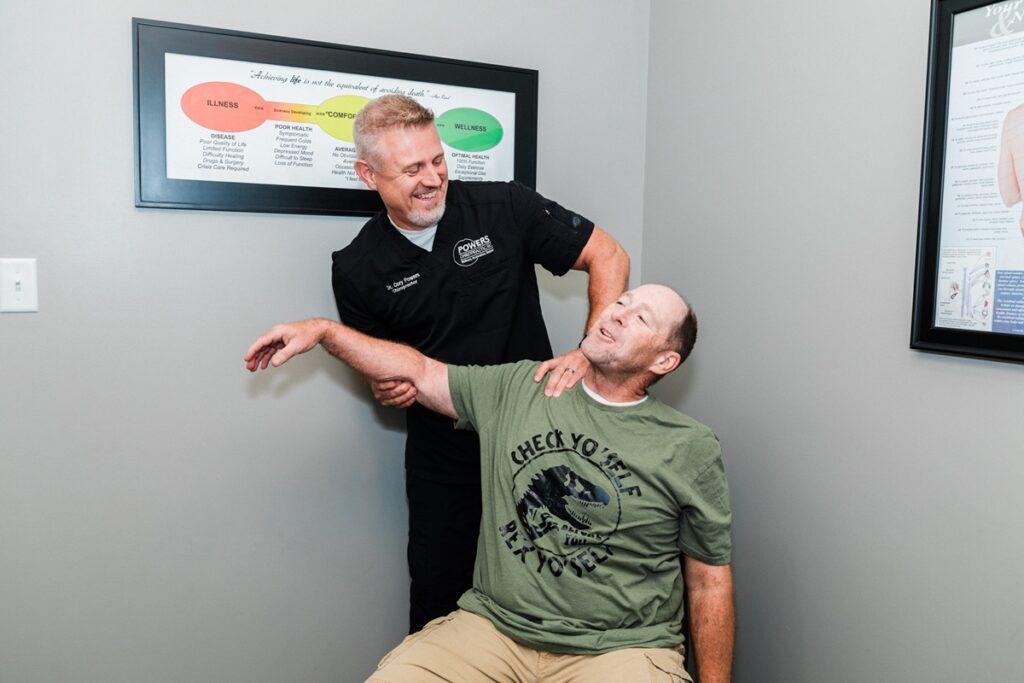
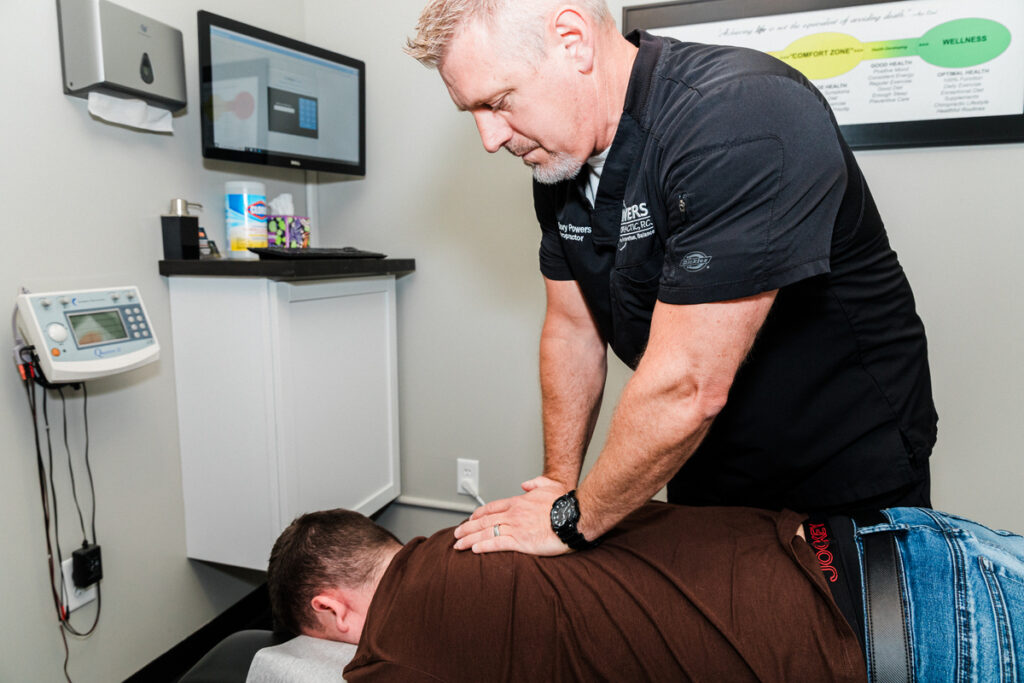
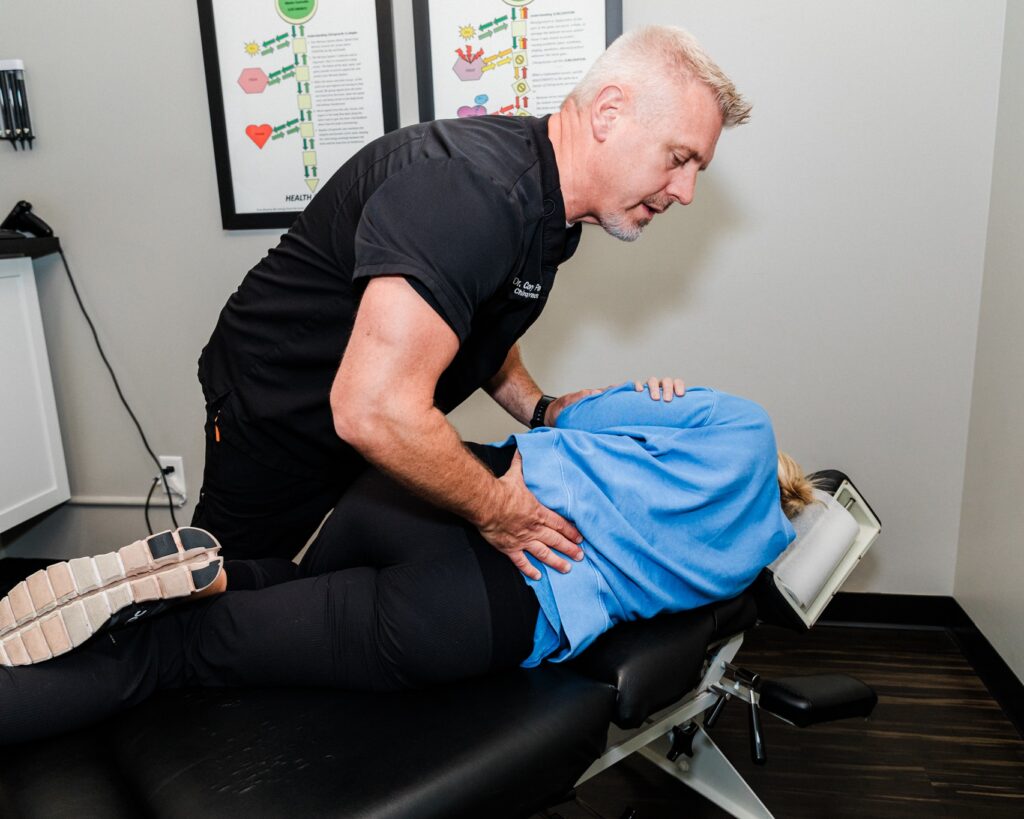
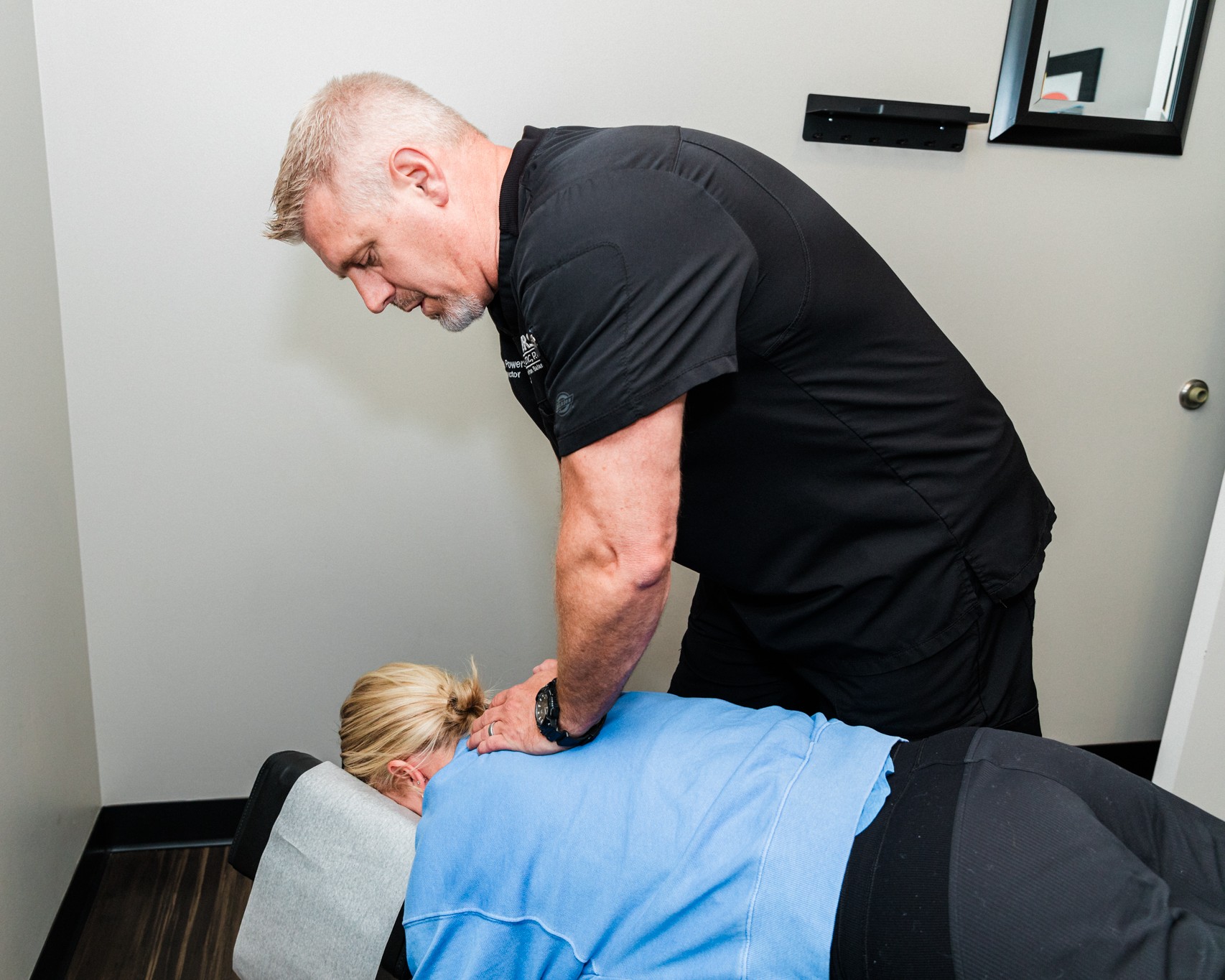
Chiropractic care for athletes refers to the use of spinal adjustments, joint mobilization, soft tissue techniques, and biomechanical coaching to help the body perform efficiently, recover faster, and reduce the risk of injury. It’s a hands-on, drug-free, non-invasive approach that works with your body’s natural systems — rather than masking pain or forcing recovery.
Why Athletes Are Choosing Chiropractic Care
For decades, chiropractic care was often seen as something you pursued after an injury — a reactive step rather than a proactive one. That thinking has changed dramatically. Today, athletes at every level recognize that keeping the spine and joints in proper alignment is just as important as strength training, nutrition, and sleep. The nervous system controls everything your muscles do, and the spine is the primary conduit for that system. When alignment is off, communication between the brain and body becomes less efficient.
Here in Omaha, Dr. Cory Powers works with athletes from a wide range of sports — runners, football players, golfers, wrestlers, cyclists, and more. The common thread isn’t the sport itself; it’s the desire to feel and move better. Research from organizations like the National Institutes of Health and the American Chiropractic Association suggests that chiropractic care can play a meaningful role in managing musculoskeletal pain, improving range of motion, and supporting overall physical function. These are outcomes every athlete cares about.
What makes chiropractic particularly appealing to athletes is the philosophy: restore the body’s natural function rather than relying on medications or masking symptoms. For someone who trains regularly, that kind of sustainable care model makes a lot of sense. You can’t perform your best if you’re constantly managing side effects or dulling your body’s feedback signals.
Biomechanics, Alignment, and Athletic Performance
Biomechanics is the science of how your body moves — how forces are generated, distributed, and absorbed during physical activity. Even small misalignments in the spine or extremity joints can create compensatory movement patterns that gradually break down performance and increase injury risk. Think of it like a tire alignment on a car: a vehicle that’s just slightly off will still drive, but it’ll wear unevenly and become less efficient over time.
The spine and pelvis serve as the foundation for nearly every athletic movement. A sprinter needs powerful hip extension. A pitcher needs full shoulder rotation. A golfer needs spinal mobility through a precise swing arc. When any of these foundational structures are restricted — even subtly — athletes tend to compensate without realizing it. That compensation taxes other joints and soft tissues, setting the stage for overuse injuries down the line.
Dr. Cory Powers at Powers Chiropractic takes a whole-body approach to biomechanical assessment. Rather than only addressing the area that’s painful, the focus is on understanding how the entire kinetic chain is functioning. The knee that hurts might be suffering because of a hip that isn’t moving correctly. The shoulder that aches might trace its roots to thoracic spine stiffness. This connected approach is one of the most valuable things chiropractic care brings to athletic health.
Range of motion is another significant factor. Multiple studies published in respected journals, including those indexed by the Cochrane Library, indicate that spinal manipulation can improve joint mobility and flexibility. For athletes, even modest improvements in range of motion can translate into more fluid movement, better force transfer, and reduced mechanical stress on tissues during training and competition.
Common Sports Injuries Chiropractors Address
Chiropractic care is particularly well-suited for the kinds of musculoskeletal injuries athletes encounter most often. These are injuries rooted in the bones, joints, muscles, tendons, and ligaments — the mechanical systems of the body that chiropractic is specifically trained to evaluate and treat.
Some of the most common issues Dr. Cory Powers sees at Powers Chiropractic include lower back strains, neck stiffness, IT band syndrome, shoulder impingement, hip flexor tightness, and tension headaches triggered by training. Many of these conditions develop gradually through repetitive stress — the same movement performed thousands of times over weeks and months. Chiropractic care can help address both the symptoms and the underlying movement dysfunction that allowed the issue to develop in the first place.
Ankle sprains, while typically managed with rest and rehabilitation, can also benefit from chiropractic evaluation. The subtalar joint and other small joints of the foot are frequently affected by sprains, and restoring proper joint mechanics in those areas can support a fuller, faster recovery. Similarly, many athletes suffer from rib joint restrictions — especially contact sport athletes — that create sharp, breath-related pain easily confused with more serious conditions.
Chiropractic care does not replace surgical care when it’s truly needed, nor does it replace the work of physical therapists, athletic trainers, or other healthcare providers. But for a wide range of musculoskeletal complaints, it offers a conservative first-line option that many athletes in Omaha find effective and worth exploring before pursuing more invasive interventions.
How Chiropractic Care Fits Into an Athlete’s Routine
One of the most practical aspects of chiropractic care is how easily it integrates into an existing training routine. It doesn’t require downtime, doesn’t interfere with workouts, and is typically a brief appointment — making it logistically feasible even for busy athletes juggling practice schedules, work, and family commitments.
At Powers Chiropractic in Omaha, Dr. Cory Powers tailors care to match where an athlete is in their training cycle. During the off-season, care might focus on correcting alignment issues, addressing nagging chronic problems, and building a stronger biomechanical foundation. During peak season, the goal shifts more toward maintenance — keeping the body moving freely and recovering efficiently between competitions. This flexible, individualized approach is part of what makes chiropractic such a natural fit for athletic populations.
Many athletes incorporate chiropractic visits much like they do massage therapy or foam rolling — as a regular tool for keeping the body feeling good. Some come in weekly during heavy training blocks; others come monthly for maintenance once things feel good. The frequency is never one-size-fits-all, and Dr. Cory Powers works collaboratively with each patient to figure out what makes sense for their goals and schedule.
Chiropractic care also pairs exceptionally well with strength and conditioning programs. When the joints are moving freely and the nervous system is communicating efficiently, training adaptations — strength gains, speed improvements, coordination — tend to develop more smoothly. It’s not magic; it’s basic physiology applied consistently over time.
Practical Tips for Athletes to Support Their Care
Chiropractic adjustments are a powerful tool, but they work best when athletes are also taking care of themselves between visits. Here are some practical habits that can help you get the most out of your care at Powers Chiropractic and support your overall athletic performance.
First, prioritize sleep. This is the single most underrated recovery tool available to any athlete. During sleep, the body repairs tissue, consolidates motor learning, and reduces systemic inflammation. Skimping on sleep undermines every other recovery strategy, including chiropractic care. Most adults need seven to nine hours per night, and athletes on high training loads often need more.
Second, pay attention to your warm-up and cool-down. Dynamic warm-ups before activity prepare the joints and nervous system for load. Static stretching and mobility work after training help tissues return to their resting length and support recovery. These habits directly complement the work Dr. Cory Powers does in the office by helping you maintain the gains made during your adjustment.
Third, stay hydrated. The intervertebral discs between your spinal vertebrae are largely made of water, and hydration status directly affects their ability to absorb shock and maintain height. Chronic mild dehydration is surprisingly common among athletes and can contribute to disc-related discomfort over time.
Finally, be honest with your chiropractor. Let Dr. Cory Powers know if something is getting worse, if a new symptom has appeared, or if your training load has changed significantly. That information helps shape the best possible care plan for where you are right now — not where you were three months ago.
When to See a Chiropractor
Many athletes wait until something breaks down completely before seeking care. Ideally, chiropractic visits happen before that point — but there are several clear signs that it’s time to book an appointment at Powers Chiropractic in Omaha.
If you’ve noticed a reduction in your range of motion — you can’t rotate as far as you used to, or one hip feels tighter than the other — that’s worth getting evaluated. If you’re experiencing recurring pain in the same area despite rest and home treatment, that pattern suggests something mechanical isn’t resolving on its own. If your performance has plateaued unexpectedly and you can’t attribute it to your training program or nutrition, biomechanical factors may be playing a role.
There are also red flags that warrant immediate medical attention rather than chiropractic care first. If you experience numbness or tingling that travels down an arm or leg, sudden severe pain following a collision or fall, bowel or bladder dysfunction, or unexplained weakness in a limb, please seek emergency or urgent medical evaluation right away. These symptoms can indicate serious neurological or structural issues that need to be ruled out before any manual care is appropriate.
Chiropractic vs. Common Recovery Methods
|
Recovery Method |
Primary Benefit |
Addresses Root Cause? |
Drug-Free? |
Requires Downtime? |
|---|---|---|---|---|
|
Chiropractic Care |
Joint alignment, nervous system function, mobility |
Often yes — focuses on biomechanical dysfunction |
Yes |
Typically no |
|
Over-the-Counter Pain Medication |
Temporary pain and inflammation relief |
No — symptom management only |
No |
No |
|
Massage Therapy |
Muscle relaxation, circulation, stress relief |
Partially — addresses soft tissue but not joint alignment |
Yes |
No |
|
Ice/Heat Therapy |
Local inflammation control and pain relief |
No — supportive only |
Yes |
No |
|
Physical Therapy |
Strength, stability, movement re-education |
Often yes — rebuilds functional movement |
Yes |
Sometimes |
|
Surgery |
Structural repair of serious injuries |
Yes — for appropriate candidates |
No |
Yes — significant |
Myths vs. Facts About Chiropractic Care for Athletes
Myth: Chiropractic care is only for people with back pain.
Fact: While back pain is one of the most common reasons people seek chiropractic care, it’s far from the only application. Chiropractors assess and treat joints throughout the entire body — shoulders, hips, knees, ankles, wrists, and more. For athletes, full-body joint health is essential, and chiropractic care addresses all of it.
Myth: Once you start seeing a chiropractor, you have to go forever.
Fact: This is one of the most persistent myths in chiropractic. Care plans are designed to meet specific goals, and many patients complete a course of treatment and transition to occasional maintenance visits — or no visits at all. Dr. Cory Powers at Powers Chiropractic works with patients to determine what level of ongoing care, if any, genuinely makes sense for their needs.
Myth: Chiropractic adjustments are dangerous for athletes.
Fact: When performed by a licensed chiropractor, spinal manipulation is considered a safe intervention for most healthy adults. Serious adverse events are rare. Athletes who are already physically conditioned and aware of their body tend to respond very well to chiropractic care. As always, a thorough intake and evaluation helps identify any contraindications before care begins.
Myth: Chiropractic care will interfere with my training.
Fact: For the vast majority of athletes, chiropractic visits don’t require any reduction in training. Most people feel fine immediately after an adjustment and can return to normal activity the same day. In fact, many athletes report feeling looser and more coordinated after care — which can actually enhance the quality of a training session that follows.
Myth: Chiropractic care is just “cracking bones.”
Fact: The audible sound sometimes heard during an adjustment is simply gas releasing from the joint fluid — similar to the sound when you crack your knuckles. It’s not bones cracking, and the sound itself isn’t what produces the therapeutic effect. Modern chiropractic care includes a wide range of techniques, many of which involve no audible sound at all, depending on what the patient needs.
Final Thoughts From Powers Chiropractic
Athletes put enormous demands on their bodies — and those bodies deserve the best possible care in return. At Powers Chiropractic in Omaha, NE, Dr. Cory Powers is passionate about helping active individuals of all levels move better, feel better, and perform closer to their true potential. Whether you’re dealing with a nagging injury, trying to push past a performance plateau, or simply want to be proactive about your long-term physical health, chiropractic care could be a valuable part of your toolkit.
Omaha has an incredibly active community — from youth sports leagues to marathon runners to competitive CrossFit athletes — and it’s a privilege to support so many of those dedicated individuals. The goal at Powers Chiropractic has always been the same: to provide honest, thorough, individualized care that helps you live and move well for the long haul. No gimmicks, no pressure — just a genuine commitment to your health.
If you’ve been curious about chiropractic care for athletic performance or recovery, we encourage you to reach out and learn more. The best time to start taking care of your body is always now.
Frequently Asked Questions
Can chiropractic care actually improve athletic performance?
Research suggests that chiropractic care can improve joint mobility, reduce musculoskeletal pain, and support nervous system function — all of which can contribute to better physical performance. It’s most effective as one component of a comprehensive approach that also includes proper training, nutrition, and recovery habits.
How often should an athlete see a chiropractor?
Visit frequency depends on the individual’s goals, training volume, and current state of health. Some athletes benefit from weekly visits during heavy training periods, while others do well with monthly maintenance. Dr. Cory Powers works with each patient to develop a schedule that fits their lifestyle and needs.
Is chiropractic care safe for young athletes?
Yes, chiropractic care is generally considered safe for children and adolescents when provided by a licensed chiropractor who adjusts their techniques accordingly for younger patients. Youth athletes can benefit from the same improvements in joint mobility and biomechanical function as adult athletes.
Can chiropractic care help with sports injury recovery?
Chiropractic care can play a supportive role in recovering from many common sports injuries, particularly those involving joints, muscles, and soft tissues. It works best as part of a broader care plan that may include rehabilitation exercises and coordination with other healthcare providers when appropriate.
Do I need a referral to see a chiropractor in Nebraska?
In Nebraska, you do not need a physician referral to see a licensed chiropractor. You can contact Powers Chiropractic in Omaha directly to schedule an evaluation and get started with care.
What should I expect at my first chiropractic appointment as an athlete?
Your first visit will typically include a health history review, a physical and orthopedic examination, and a discussion of your athletic goals and any current symptoms. Dr. Cory Powers will then develop a care plan tailored specifically to your needs before beginning any treatment.
TL;DR — Key Takeaways
-
Chiropractic care for athletes focuses on improving joint alignment, nervous system function, and range of motion — all essential ingredients for better performance and faster recovery.
-
Misalignments in the spine and other joints can create compensatory movement patterns that reduce efficiency and increase injury risk over time.
-
Dr. Cory Powers at Powers Chiropractic in Omaha, NE takes a whole-body, individualized approach to athletic care — addressing not just symptoms but the underlying biomechanical causes.
-
Chiropractic care is most effective when combined with good sleep, proper warm-up and cool-down routines, hydration, and open communication with your chiropractor.
-
If you experience red flag symptoms such as numbness, severe sudden pain, or limb weakness, seek medical attention immediately rather than starting with chiropractic care.