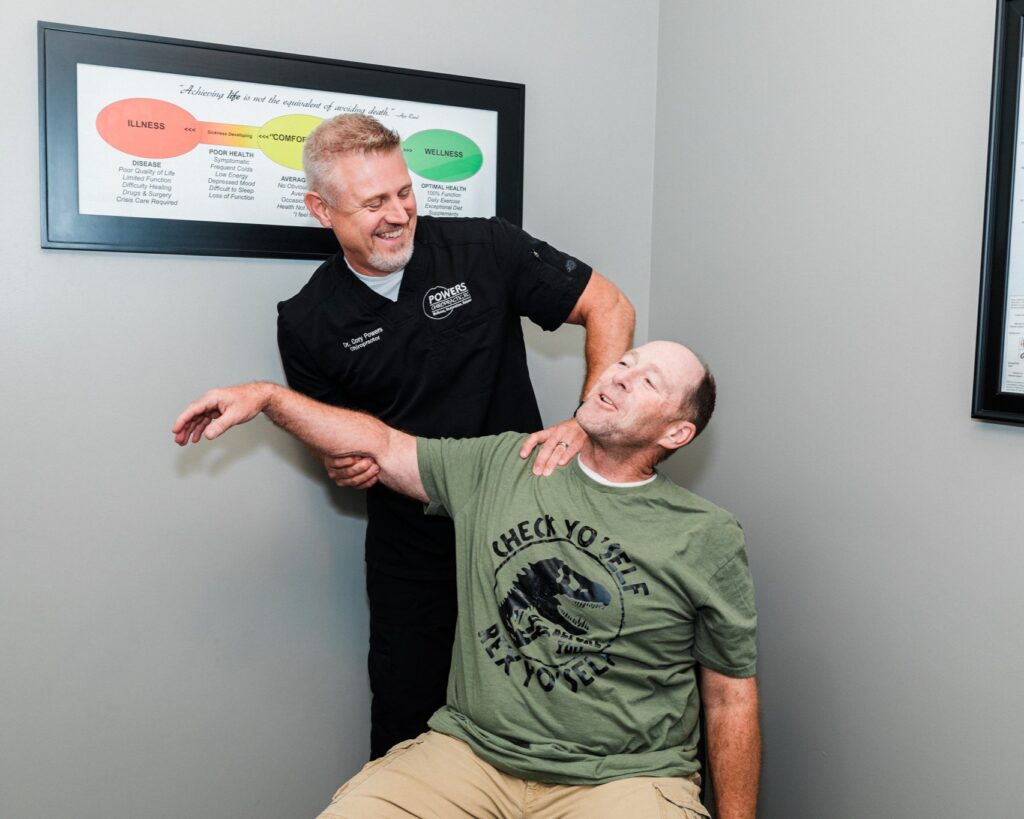

If you’re struggling with chronic back pain, you’re certainly not alone. There are numerous factors that could be keeping you trapped in this cycle of discomfort. It’s often more than just an injury; lifestyle choices, mental health, and even your posture can significantly influence how you feel. To combat this pain effectively, it’s essential to understand these connections and how they impact your well-being.
So, what are some hidden reasons behind your persistent pain? Let’s dive into the common causes and how chiropractic care can help address them.
- Posture Matters: Poor posture can lead to misalignments in your spine, which may contribute to chronic pain. Being mindful of your posture while sitting, standing, or lifting can make a huge difference. Regular chiropractic adjustments can help realign your spine and improve your posture, leading to long-term relief.
- Lifestyle Choices: Sedentary habits can weaken your muscles and lead to discomfort. Incorporating regular physical activity, such as stretching or low-impact exercises, can strengthen your back and support your spine. Your chiropractor can guide you on the best exercises tailored to your needs.
- Mental Health: Stress and anxiety can manifest physically, often resulting in muscle tension and pain. Chiropractic care not only addresses the physical aspects of your pain but also promotes relaxation and stress reduction through spinal adjustments and holistic wellness practices.
- Spinal Health: A healthy spine is crucial for overall well-being. Regular visits to your chiropractor can help ensure that your spine stays in optimal condition, reducing the risk of pain and discomfort. Your chiropractor can provide personalized advice on maintaining spinal health and preventing future issues.
- Natural Healing: Chiropractic care focuses on natural healing methods that promote the body’s innate ability to heal itself. By addressing the root cause of your pain and not just the symptoms, chiropractic treatment can lead to lasting relief without the need for medications or invasive procedures.
By understanding these factors and the ways chiropractic care can support your journey to wellness, you can take proactive steps toward alleviating your chronic back pain. Remember, making small changes today can lead to significant improvements in your health and quality of life. If you’re ready to explore how chiropractic care can help you achieve optimal health, reach out to your local chiropractor for a consultation. Take charge of your wellness and enjoy a pain-free life!
Key Takeaways
Why Is Your Chronic Back Pain Persisting?
Chronic back pain can be a frustrating issue, but understanding its causes can help you find relief and improve your overall health. Here are some common reasons why you might be experiencing persistent back pain, along with tips on how chiropractic care can help:
- Poor Posture and Ergonomics: Slouching or sitting incorrectly can put a lot of strain on your spine. This can lead to ongoing pain over time. A chiropractor can help you improve your posture and suggest ergonomic adjustments to your workspace, which can significantly reduce discomfort.
- Sedentary Lifestyle: If you spend most of your day sitting, your back muscles may weaken, making you more vulnerable to pain. Incorporating gentle stretches and regular movement into your daily routine can help strengthen these muscles. A chiropractor can guide you in creating a safe exercise plan tailored to your needs.
- Stress and Emotional Well-being: Stress, anxiety, and depression can amplify pain sensitivity, making discomfort feel worse. Chiropractic care focuses not only on spinal adjustments but also on holistic wellness, helping you manage stress and improve your mental health through relaxation techniques and lifestyle changes.
- Compensatory Movements from Past Injuries: If you’ve had previous injuries, you might unconsciously move in ways that protect the injured area, which can lead to chronic pain. A chiropractor can assess your movement patterns, help identify these compensations, and work with you to restore proper function, alleviating pain.
- Underlying Conditions: Issues like herniated discs or arthritis can contribute to chronic back pain. While chiropractic care cannot replace medical treatment for these conditions, it can complement it by improving spinal alignment, enhancing mobility, and reducing discomfort.
Tips for Managing Back Pain:
- Stay Active: Even light activities like walking or gentle stretching can help keep your back muscles strong and flexible.
- Mind Your Posture: Be aware of your posture throughout the day. Consider using a chair that supports your lower back and encourages good posture.
- Practice Stress Reduction: Techniques such as deep breathing, meditation, or yoga can help reduce stress and, in turn, pain sensitivity.
- Seek Chiropractic Care: Regular visits to a chiropractor can help keep your spine aligned, reduce pain, and promote overall wellness.
Remember, you don’t have to live with chronic back pain. Embracing chiropractic care can pave the way to a healthier, more vibrant life. If you’re struggling with persistent pain, consider scheduling a consultation with a chiropractor to explore how natural healing and spinal health can help you feel your best!
Common Causes of Chronic Back Pain
When dealing with chronic back pain, it’s crucial to understand the common causes to find effective relief. One of the most significant contributors is poor posture. Slouching or hunching can put unnecessary strain on your spine and the surrounding muscles. Practicing good posture can significantly alleviate this pressure and promote better spinal health.
Another common cause is a sedentary lifestyle. When we don’t move enough, our back muscles can weaken, making them more prone to injury. Incorporating regular physical activity into your daily routine, such as walking, stretching, or yoga, can strengthen these muscles and improve your overall well-being.
Overexertion during physical activities, such as lifting heavy objects without proper technique, can lead to acute injuries that may develop into chronic pain. Learning proper lifting techniques and not overdoing it can help prevent these injuries.
As we age, our bodies naturally experience wear and tear, which can lead to conditions like arthritis or degenerative disc disease. Staying active and engaging in exercises that promote flexibility and strength can help manage these age-related changes and reduce discomfort.
Obesity is another factor that can complicate back pain, as extra weight places additional stress on your spine. Adopting healthier eating habits and maintaining a balanced diet can’t only help with weight management but also support your spinal health.
Lastly, if you’ve had a previous injury, it could leave lasting effects, resulting in persistent pain even after you’ve healed. Chiropractic care can be particularly beneficial in addressing these lingering issues by promoting natural healing and restoring proper spinal alignment.
By identifying these common causes and taking proactive steps—like practicing good posture, staying active, using proper lifting techniques, and maintaining a healthy weight—you can manage your pain effectively.
Chiropractic care is an excellent option for achieving optimal health and wellness, offering a natural, drug-free approach to pain relief. Remember, taking care of your spine is essential for your overall health, so consider scheduling a visit to your local chiropractor to discuss personalized strategies for managing your back pain.
The Role of Stress and Mental Health
Chronic back pain isn’t just a physical issue; it’s closely linked to stress and mental health. When stress levels rise, your body tends to tense up, which can make any existing pain feel even worse. Moreover, when you’re feeling stressed, you might find yourself less active or engaging in unhealthy coping mechanisms, which can further aggravate your condition.
Your mental state plays a crucial role in how you perceive pain. Feelings of anxiety and depression can increase your sensitivity to pain, making it feel more intense. This can create a cycle where stress and pain feed off one another, making it difficult to break free from this loop.
As a chiropractor, I believe addressing mental health is essential for managing chronic pain. Techniques like mindfulness, relaxation exercises, and even just taking time for self-care can significantly help reduce stress and enhance your overall well-being.
Incorporating chiropractic care into your routine is an excellent way to help manage chronic back pain naturally. Chiropractic adjustments can improve spinal alignment, alleviate tension, and promote better function of your nervous system. By focusing on spinal health, you can improve how your body responds to stress and pain.
Additionally, here are some practical tips you can implement in your daily life:
- Stay Active: Gentle exercises like walking or stretching can help keep your muscles flexible and reduce tension.
- Practice Mindfulness: Consider setting aside a few minutes each day for deep breathing or meditation to help calm your mind and reduce stress.
- Maintain Good Posture: Be mindful of your posture while sitting, standing, or lifting things. Good alignment can help prevent unnecessary strain on your back.
- Schedule Regular Chiropractic Visits: Regular adjustments can’t only help relieve pain but also promote overall health and wellness.
Poor Posture and Ergonomics
Your posture plays a crucial role in your overall spinal health and how your back feels. If you often find yourself slouching, it can lead to discomfort and chronic pain. As a chiropractor, I encourage you to set up your workspace correctly to promote good posture. This simple adjustment can make a significant difference in preventing discomfort and supporting your spine’s natural alignment.
In addition to an ergonomic workspace, incorporating regular stretching into your daily routine is essential for maintaining flexibility and preventing tension in your muscles. Simple stretches can help keep your spine mobile and reduce the risk of injury.
Remember, taking care of your posture and incorporating these practices into your routine can help you manage and even alleviate back pain naturally. If you’re experiencing persistent discomfort, chiropractic care is an excellent option for pain relief and overall wellness. A chiropractor can help assess your posture, provide tailored adjustments, and guide you on exercises that can strengthen your back and improve your posture.
Here are a few tips to help you maintain good posture and support your spine:
- Adjust Your Workspace: Ensure your chair supports your lower back and that your computer screen is at eye level to avoid hunching over.
- Take Breaks: Stand up, stretch, and walk around every hour to keep your muscles engaged and reduce stiffness.
- Practice Good Sitting Habits: Sit all the way back in your chair with your feet flat on the floor and your knees at a right angle.
- Strengthen Your Core: Incorporate exercises that strengthen your core muscles, as a strong core supports your spine.
- Stay Hydrated: Drinking plenty of water helps maintain the elasticity of your spinal discs.
Impact of Slouching
Slouching can have a serious impact on your back health, often leading to chronic pain and discomfort. When you hunch over, you’re putting unnecessary strain on your spine and the muscles around it. This poor posture disrupts the natural alignment of your body, leading to muscle fatigue and tension.
Over time, slouching can weaken your core muscles, which makes it even harder for your back to support you effectively. You might notice symptoms such as stiffness, reduced flexibility, or even nerve pain that radiates down your legs. It’s crucial to understand how your posture affects your overall well-being.
By making a few simple adjustments in how you sit or stand, you can relieve some of that strain and reduce your risk of further back pain. Chiropractic care is an excellent way to help restore your spine’s natural alignment and improve your posture. Regular visits to a chiropractor can’t only provide you with pain relief but also guide you toward healthier living practices that support your spine.
Here are some practical tips to improve your posture and enhance your spinal health:
- Mind Your Posture: Whether sitting at your desk or standing, try to keep your shoulders back and your head aligned over your spine. This can help reduce strain on your back.
- Strengthen Your Core: Engaging in exercises that strengthen your core muscles can provide better support for your spine. Simple activities like planks or bridges can make a difference.
- Take Breaks: If you sit for long periods, take regular breaks to stand, stretch, and walk around. This can help alleviate tension and keep your muscles active.
- Use Ergonomic Furniture: Consider using chairs and desks that support good posture. An ergonomic chair can help maintain the natural curve of your spine.
- Stay Hydrated: Drinking plenty of water helps keep your muscles and joints lubricated, reducing the risk of stiffness.
- Schedule Regular Chiropractic Visits: Regular chiropractic adjustments can help keep your spine in alignment, relieve pain, and improve your overall posture.
Workspace Setup Tips
An improperly set up workspace can contribute to poor posture and chronic back pain, both of which can be effectively addressed through chiropractic care. To enhance your daily comfort and support your spinal health, consider these simple adjustments.
First, adjust your chair height so that your feet rest flat on the floor. This positioning helps maintain a 90-degree angle at your knees, promoting better circulation and reducing strain on your lower back.
Next, ensure your computer monitor is at eye level, approximately an arm’s length away. This setup prevents unnecessary neck strain and encourages a more natural head position.
Using a chair with lumbar support is essential for maintaining the natural curve of your spine. This support helps alleviate pressure on your back and can significantly improve your posture over time.
When it comes to your keyboard, keep it close enough that your elbows remain at your sides, allowing your wrists to stay straight. This position minimizes the risk of repetitive strain injuries.
Lastly, if you find yourself sitting for extended periods, consider incorporating a standing desk into your routine. Alternating between sitting and standing can promote better spinal alignment and reduce discomfort.
Remember, these adjustments can make a significant difference in your comfort and overall posture. However, if you continue to experience discomfort, chiropractic care can provide personalized treatment to address the underlying issues and support your journey to optimal health and wellness.
Taking steps toward a healthier workspace is a proactive way to invest in your spinal health!
Importance of Stretching
How often do you take a moment to stretch during your workday? Stretching isn’t just a nice break; it’s a vital practice for maintaining your spinal health and overall well-being. When you sit for extended periods, your muscles can become tight, leading to discomfort and chronic back pain. By incorporating regular stretching into your daily routine, you can help alleviate this discomfort and support your spine.
Here are some key benefits of stretching that can enhance your health:
- Improved Flexibility: Stretching keeps your muscles and joints flexible, which can help reduce tension and prevent injuries. Better flexibility also supports your spine, allowing it to maintain its proper alignment.
- Enhanced Circulation: Stretching promotes better blood flow, ensuring that oxygen and nutrients reach your muscles. This can help reduce fatigue and improve your overall energy levels.
- Posture Correction: Regular stretching aids in realigning your spine, which is essential for good posture. Good posture reduces strain on your back and can help prevent pain.
As a chiropractor, I encourage you to make stretching a priority in your day. Simple stretches can be done right at your desk or during breaks. Not only will you likely notice a significant reduction in back pain, but you’ll also feel more energized and focused throughout your day.
Remember, chiropractic care is an excellent way to maintain optimal health. Regular visits can help ensure your spine remains aligned and functioning properly, complementing the benefits of stretching.
Embrace a proactive approach to your health by integrating stretching and chiropractic care into your routine!
Lack of Physical Activity and Weak Muscles
If you lead a sedentary lifestyle, it’s important to recognize how it may be contributing to your chronic back pain. Weak core muscles can leave your spine vulnerable, leading to increased discomfort. The good news is that strengthening your core can significantly improve your back health.
As a local chiropractor, I want to emphasize that chiropractic care can play a vital role in your journey toward a healthier spine. Regular chiropractic adjustments can help align your spine, alleviate pain, and enhance your overall well-being.
Incorporating simple exercises into your routine, such as planks and bridges, can help build your core strength, which supports your spine and reduces pain. Additionally, consider stretching regularly and taking breaks from prolonged sitting to keep your muscles engaged.
Remember, every small step counts toward a healthier, pain-free life. Chiropractic care, combined with a few lifestyle changes, can lead to lasting relief and improved wellness.
If you’re struggling with back pain, I encourage you to reach out for a consultation. Together, we can create a plan tailored to your needs and get you on the path to optimal health!
Sedentary Lifestyle Consequences
As you spend long hours sitting, your body can suffer, resulting in weakened muscles and increased back pain. A sedentary lifestyle impacts not only your strength but also your overall health. When you don’t engage in regular physical activity, your muscles lose their tone and flexibility, putting extra strain on your back.
Here are some consequences of a sedentary lifestyle to be aware of:
- Decreased Muscle Strength: When your muscles are weak, they can’t support your spine effectively, which may lead to pain and discomfort.
- Poor Posture: Sitting for long periods often causes slouching, which places additional stress on your back and can contribute to discomfort.
- Reduced Blood Circulation: Lack of movement can hinder proper blood flow, resulting in stiffness and unease.
Recognizing these issues is an important first step towards relief. Chiropractic care can be an excellent solution for addressing back pain and improving overall wellness.
Here are some tips to help you incorporate healthier habits into your daily routine:
- Take Regular Breaks: Set a timer to remind yourself to stand up, stretch, and move around every 30 minutes. This simple action can enhance blood circulation and reduce stiffness.
- Practice Good Posture: Be mindful of your posture while sitting. Keep your shoulders back, feet flat on the floor, and your screen at eye level to minimize strain.
- Stay Active: Engage in regular physical activity, whether it’s a brisk walk, yoga, or light stretching. This can help strengthen your muscles and improve flexibility.
- Consider Chiropractic Care: Regular visits to a chiropractor can help realign your spine, relieve pain, and enhance your overall health. A chiropractor can also provide personalized exercises and recommendations tailored to your needs.
By taking these steps and considering chiropractic care, you can work towards a healthier lifestyle and alleviate the discomfort associated with a sedentary lifestyle.
Strengthening Core Muscles
To strengthen your core muscles, it’s important to understand that a sedentary lifestyle can lead to weakness and instability in your midsection. Weak core muscles can contribute not only to discomfort but also to chronic back pain, as they play a vital role in supporting your spine.
Incorporating simple exercises like planks, bridges, and abdominal crunches can help build strength and improve your stability. Aim for at least 30 minutes of core-focused workouts a few times a week. Consistency is crucial for seeing results!
Additionally, activities like yoga or Pilates can be beneficial, as they not only strengthen your core but also enhance flexibility, which is essential for overall spinal health.
If you’re unsure where to begin, seeking guidance from a chiropractor can help create a personalized program tailored to your needs while ensuring you avoid unnecessary strain.
Remember, strengthening your core isn’t just about aesthetics; it’s a fundamental aspect of alleviating back pain and achieving optimal health.
Make it a priority to incorporate these practices into your routine and consider regular chiropractic care to support your journey toward natural healing and wellness.
Underlying Medical Conditions
Chronic back pain can often be tied to underlying medical conditions, which can make finding relief a bit more challenging. As a local chiropractor, I want to emphasize the importance of recognizing these conditions because they may require a unique approach to care. Ignoring them can lead to ongoing discomfort and slow down your healing journey.
Here are a few common underlying conditions that might be affecting your back:
- Herniated Discs: When the cushioning discs in your spine bulge or rupture, they can press on nearby nerves, causing pain and numbness. Chiropractic adjustments can help realign your spine and relieve pressure on these nerves.
- Arthritis: This condition causes inflammation in the joints, leading to stiffness and discomfort in your back. Regular chiropractic care can improve joint mobility and decrease inflammation, helping you move more freely.
- Fibromyalgia: This condition can heighten your sensitivity to pain, making your back pain feel even more intense. Chiropractic care focuses on restoring balance to your body, which can help lessen the overall perception of pain.
If you think any of these conditions may be contributing to your chronic back pain, I encourage you to consult with a chiropractor. They can assess your situation, provide a thorough evaluation, and create a personalized treatment plan that addresses both your pain and the underlying issues.
In addition to seeking chiropractic care, here are some general tips to promote better spinal health and overall wellness:
- Stay Active: Gentle exercises, such as walking or swimming, can help keep your back strong and flexible.
- Practice Good Posture: Be mindful of how you sit, stand, and lift objects to reduce strain on your back.
- Stretch Regularly: Incorporating stretches into your daily routine can help maintain flexibility and reduce tension in your back muscles.
- Stay Hydrated: Keeping your body hydrated is essential for maintaining healthy discs and overall spinal health.
Previous Injuries and Their Impact
Understanding the Impact of Previous Injuries on Chronic Back Pain
As a chiropractor, I want to shed light on how past injuries can shape your experience with chronic back pain. When you’ve suffered an injury, your body may develop compensatory patterns—essentially, your body starts to move in ways that can lead to discomfort and strain. For instance, if you had a sports injury, it could change your posture or how you move, putting extra pressure on your back. Recognizing these connections is crucial for managing your pain naturally and effectively.
Here’s a quick overview of common injuries, their effects, and how they can influence your long-term health:
| Type of Injury | Common Effects | Long-Term Impact |
|---|---|---|
| Sprain/Strain | Limited mobility, inflammation | Chronic pain, altered movement |
| Fracture | Instability, muscle weakness | Increased risk of osteoarthritis, persistent pain |
| Herniated Disc | Nerve compression, radiating pain | Ongoing discomfort, potential disability |
Understanding how these previous injuries affect your back can help you uncover patterns and triggers that contribute to your pain. This insight is vital for developing effective pain management strategies.
Chiropractic Care for Healing and Wellness
Chiropractic care focuses on restoring balance and alignment to your spine, which can significantly alleviate pain and enhance your overall well-being. Here are some tips to consider for natural healing:
- Stay Active: Gentle movement and stretching can improve flexibility and reduce stiffness. Regular activity helps keep your muscles strong and supports your spine.
- Posture Awareness: Pay attention to your posture, especially when sitting or standing for extended periods. Good posture can relieve pressure on your back and prevent discomfort.
- Chiropractic Adjustments: Regular visits to a chiropractor can help address misalignments in your spine, improving function and reducing pain. Adjustments can also help your body heal naturally.
- Strengthening Exercises: Focus on strengthening your core muscles, as they play a crucial role in stabilizing your spine. A strong core can help prevent further injuries.
- Listen to Your Body: If you feel pain or discomfort during certain activities, take a break and reassess. Your body knows best—pay attention to what it’s telling you.
The Importance of Proper Treatment and Rehabilitation
Proper treatment and rehabilitation are crucial for effectively managing chronic back pain, as they target the root causes of discomfort instead of just masking symptoms. It’s easy to get stuck in a loop of temporary relief followed by recurring pain if we don’t take a focused approach.
By emphasizing rehabilitation, especially through chiropractic care, you can significantly enhance your overall function and quality of life.
Here are some key aspects to consider in your treatment plan:
- Chiropractic Care: Regular adjustments can help align your spine, relieve pressure on nerves, and promote natural healing. This can lead to reduced pain and improved mobility.
- Customized Exercise Programs: A chiropractor can recommend specific exercises tailored to your unique needs. These exercises can strengthen your back and improve flexibility, which is vital for reducing future pain.
- Natural Pain Management Techniques: Techniques like massage therapy and acupuncture can complement your chiropractic care, providing additional relief and supporting your body’s healing process.
- Education and Self-Care: Understanding your condition gives you the power to make informed choices. Learn about posture, ergonomics, and daily habits that can protect your back and promote wellness.
Investing in chiropractic care not only alleviates pain but also equips you with the knowledge and tools to prevent future issues.
Conclusion
If your chronic back pain keeps lingering, it’s crucial to address the root causes. Chiropractic care can be a wonderful way to tackle these underlying issues. By focusing on relieving stress, improving your posture, and staying active, you can start to break free from the cycle of discomfort. Don’t overlook any past injuries that may be influencing your movement patterns; a chiropractor can help identify and treat these concerns.
Incorporating regular chiropractic adjustments into your routine can significantly enhance your pain management and overall quality of life. These adjustments help restore proper alignment, alleviate tension in your muscles, and improve your body’s function. Plus, your chiropractor can provide you with tailored exercises and tips for maintaining good posture at home or work, which can empower you to take charge of your health.
You deserve to feel better and enjoy your daily activities without the burden of pain. Remember, chiropractic care is a natural and effective approach to achieving optimal health and wellness!