
Chronic back pain can be a frustrating experience, often arising from various causes such as muscle strain or poor posture. What many people may not realize is that stress can also play a significant role in amplifying your discomfort. Understanding these factors is essential for finding effective relief.
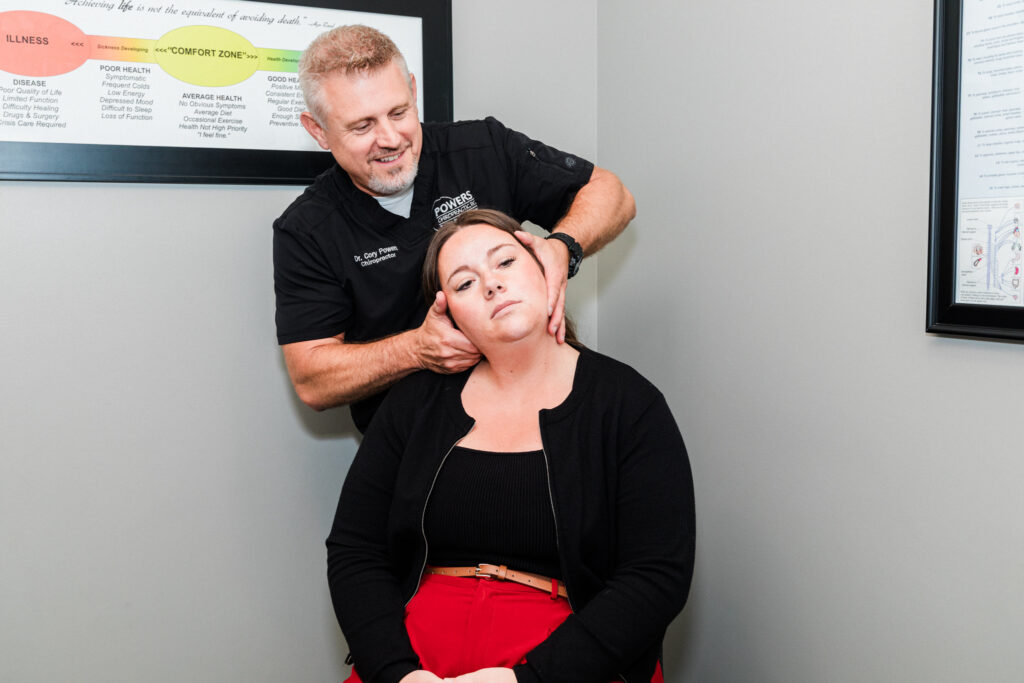
As a local chiropractor, I believe that chiropractic care is one of the best ways to alleviate back pain and promote overall wellness. Through gentle adjustments and spinal education, we can help restore your body’s natural alignment and function, which is crucial for managing pain and enhancing your quality of life.
Incorporating simple practices into your daily routine can also make a big difference. Here are a few tips to consider:
- Maintain Good Posture: Pay attention to how you sit and stand. Proper posture can reduce strain on your back and prevent pain from worsening.
- Stay Active: Gentle exercises, like walking or stretching, can help strengthen your back muscles and improve flexibility.
- Manage Stress: Finding ways to relax, such as deep breathing, meditation, or yoga, can help alleviate tension in your body that contributes to back pain.
- Listen to Your Body: If something doesn’t feel right, don’t ignore it. Early intervention through chiropractic care can prevent further issues down the line.
By exploring these strategies and considering chiropractic care, you can take meaningful steps toward managing your pain and achieving optimal health. What you discover next could transform your approach to back health and wellness!
Key Takeaways
Chronic back pain can stem from various factors such as muscle strains, degenerative disc disease, herniated discs, arthritis, and even emotional stress that may lead to increased muscle tension. As a chiropractor, I want to help you understand that there are natural and effective ways to manage and alleviate this pain without resorting to medications or surgeries.
One of the simplest yet most effective ways to combat back pain is by maintaining good posture. Whether you’re sitting at a desk or lifting something heavy, being mindful of your body alignment can make a huge difference. Additionally, creating an ergonomic workspace can promote spinal health and help reduce discomfort throughout your day.
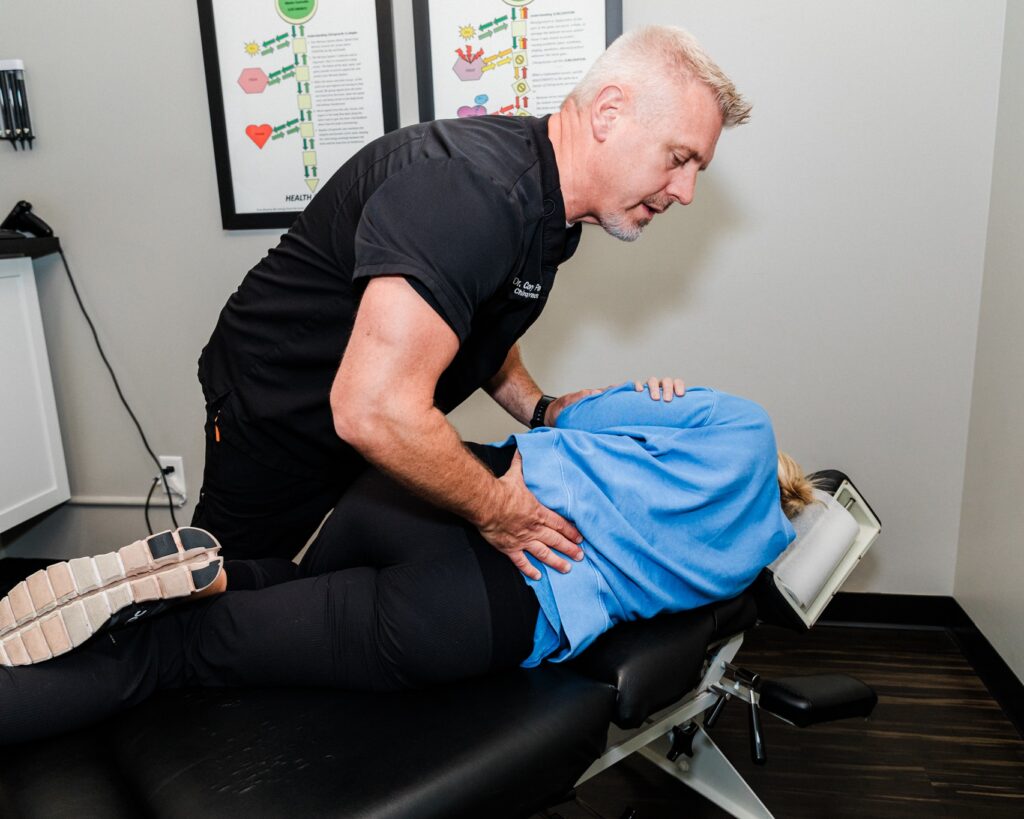
Regular chiropractic care is another key component in achieving lasting relief from chronic back pain. Through gentle adjustments, we can help align your spine, relieve built-up tension, and prevent further complications. Many patients find that consistent visits not only help alleviate pain but also enhance their overall well-being.
Incorporating stretching and strengthening exercises into your daily routine is also beneficial. These movements improve flexibility and support proper spinal alignment, which can significantly reduce the risk of injury and pain flare-ups. Simple stretches, like gentle twists or hamstring stretches, can be done at home to keep your back feeling great.
Lastly, if you experience severe pain, numbness, unexplained weight loss, or issues with bladder or bowel control, it’s essential to seek professional help right away. While these symptoms may indicate more serious conditions, chiropractic care can provide you with the support and guidance you need.
Remember, taking care of your spine is a journey, and with the right approach, you can achieve optimal health and wellness. Let’s work together to find the best solutions for your back pain and help you live your best life!
Common Causes of Chronic Back Pain
When dealing with chronic back pain, understanding its common causes can be the first step toward finding relief through natural methods. Many factors contribute to this discomfort, and being aware of them can empower you to take control of your health.
One common cause is muscle or ligament strain, which often happens from heavy lifting or sudden awkward movements. It’s essential to practice proper lifting techniques and to warm up before engaging in physical activities to help prevent these strains.
Age-related conditions, such as degenerative disc disease, can also impact your spine over time. Regular chiropractic adjustments and spinal care can enhance mobility and help manage the effects of aging on your back.
Herniated discs are another potential source of pain. They can put pressure on nerves, but chiropractic care can help realign your spine and alleviate this pressure, promoting healing and comfort.
Arthritis may affect your lower back, leading to decreased mobility and discomfort. Chiropractic adjustments can improve joint function and reduce inflammation, helping you regain your active lifestyle.
Conditions like scoliosis, which cause abnormal curvatures of the spine, may lead to chronic issues as well. A chiropractor can assess your spine and develop a tailored treatment plan to address these concerns effectively.
Don’t overlook the impact of emotional stress, which can tighten your muscles and worsen pain. Incorporating relaxation techniques, such as deep breathing or yoga, alongside chiropractic care can help ease this tension and promote overall wellness.
Lastly, a lack of physical activity can weaken your back muscles, making you more prone to injury. Engaging in regular, gentle exercise can strengthen your back and improve your overall health. Activities like walking, swimming, or stretching can be beneficial.
By identifying these causes and considering chiropractic care, you can take proactive steps toward managing your pain and achieving optimal health naturally.
The Role of Posture in Back Pain
Your posture plays a crucial role in how your back feels on a daily basis. When you maintain poor posture, it can lead to discomfort and strain, particularly in workspaces that lack proper ergonomic setups.
As a chiropractor, I want to emphasize the importance of good posture for your spinal health and overall wellness.
One of the best ways to support your back is through chiropractic care. Regular adjustments can help align your spine, reduce tension, and alleviate pain. Beyond adjustments, incorporating stretching and strengthening techniques into your daily routine can also significantly enhance your back health. Simple exercises, like gentle stretches and core strengthening workouts, can make a big difference in your posture and comfort levels.
Here are some practical tips to improve your posture and back health:
- Be Mindful of Your Sitting Position: Ensure your feet are flat on the ground, your back is supported, and your computer screen is at eye level to avoid straining your neck and back.
- Take Breaks: If you sit for long periods, remember to stand up, stretch, and move around every 30 minutes to keep your muscles engaged.
- Practice Good Lifting Techniques: Always bend at the knees and keep the object close to your body when lifting to protect your back.
- Incorporate Stretching: Simple stretches throughout the day can relieve tension and improve flexibility. Focus on the hips, back, and shoulders.
- Schedule Regular Chiropractic Visits: Regular adjustments can help maintain proper alignment and prevent pain before it starts.
By prioritizing your posture and taking care of your spine, you can enhance your overall well-being and enjoy a pain-free life.
Poor Posture Impact
While poor posture may seem like a small concern, it can significantly impact your spinal health and contribute to chronic back pain. When you slouch, hunch, or sit incorrectly, you place undue stress on your spine and the surrounding muscles. This strain can lead to discomfort and pain over time.
As a chiropractor, I want to emphasize the importance of maintaining good posture for your overall well-being. Here’s a simple breakdown of how different postures can affect your back:
| Posture Type | Muscle Strain | Potential Pain Area |
|---|---|---|
| Slouching | Increased tension | Lower back |
| Hunching | Compressed vertebrae | Upper back and neck |
| Sitting incorrectly | Uneven weight distribution | Sciatica and hips |
To help alleviate and prevent pain, here are some tips you can incorporate into your daily routine:
- Be Mindful of Your Posture: Regularly check your posture whether you’re standing, sitting, or walking. Keep your shoulders back and your head aligned with your spine.
- Ergonomic Workspace: If you spend long hours at a desk, invest in an ergonomic chair and arrange your workstation to promote good posture.
- Take Breaks: Stand up, stretch, and move around every 30-60 minutes. This can relieve tension and improve circulation.
- Strengthening Exercises: Engage in exercises that strengthen your core and back muscles. A strong support system can help maintain proper posture.
- Chiropractic Care: Regular visits to a chiropractor can help align your spine, relieve tension, and promote overall wellness. Chiropractic adjustments can provide natural pain relief and support your body’s ability to heal itself.
Ergonomics and Workspaces
Ergonomics is vital when it comes to creating a workspace that supports your spine and helps alleviate back pain. By making simple adjustments to your environment, you can enhance your posture and minimize strain on your back. This is especially important for those looking to maintain optimal health and wellness.
Here are some key factors to consider:
- Chair Height: Choose a chair that provides support to your lower back. Ensure that your feet are flat on the ground to promote a stable base. A well-fitted chair can make a significant difference in your spinal health.
- Screen Position: Position your monitor at eye level. This helps to keep your head aligned with your spine, preventing unnecessary neck strain. Remember, a properly aligned spine contributes to overall well-being.
- Keyboard Layout: Place your keyboard and mouse close enough so that you don’t have to reach excessively. This can help reduce tension in your shoulders and arms, allowing for a more relaxed posture.
By incorporating these ergonomic tips into your workspace, you’re taking proactive steps towards better spinal health.
While these adjustments are helpful, regular chiropractic care can further enhance your well-being. A chiropractor can provide tailored advice and treatments that address the root causes of back pain, promoting natural healing and a healthier lifestyle.
Prioritize your spinal health, and consider chiropractic care as a key component of your wellness journey.
Stretching and Strengthening Techniques
Stretching and strengthening techniques are vital for managing chronic back pain and promoting overall spinal health. At our chiropractic practice, we emphasize the importance of these exercises in improving your posture and enhancing your well-being.
By incorporating regular stretching into your daily routine, you can increase flexibility, relieve tension, and lower your risk of injury. Focus on gentle stretches that target your hamstrings, hip flexors, and lower back to help ease discomfort.
In addition to stretching, strengthening your core is essential for supporting your spine and maintaining proper alignment. Simple exercises like planks, bridges, and gentle back extensions can make a significant difference.
Remember, good posture is key! Make an effort to keep your back straight and shoulders relaxed throughout your daily activities to prevent unnecessary strain.
Chiropractic care can complement these practices by ensuring your spine is properly aligned, which can further alleviate pain and enhance your quality of life.
By consistently practicing these stretching and strengthening techniques, along with regular visits to your chiropractor, you’ll be on your way to better posture, reduced back pain, and a healthier, more active lifestyle.
Embrace these natural methods for healing, and take control of your health today!
Injuries and Their Impact on the Back
When you experience an injury, its impact on your back can be significant and may linger for a long time. Whether it’s a sports accident, a sudden fall, or a lifting mistake, your back often carries the weight of the injury.
It’s crucial to understand how these injuries affect your back to support effective recovery and prevent future problems.
Here are some common impacts to be aware of:
- Muscle Strains: When you overstretch or tear back muscles, it can lead to ongoing pain. This type of injury often benefits greatly from chiropractic care, which focuses on realigning the spine and easing tension in the affected muscles.
- Ligament Sprains: Injuries to the ligaments in your spine can make it unstable, causing discomfort and limiting your ability to move freely. Chiropractic adjustments can help restore stability and improve mobility, promoting healing through natural means.
- Herniated Discs: In more serious cases, an injury can lead to a herniated disc, where the disc presses on nearby nerves, resulting in intense pain and numbness. Chiropractic care can help relieve pressure on the nerves, allowing for better function and less discomfort.
Recognizing these possible outcomes emphasizes the importance of seeking proper treatment. Early intervention through chiropractic care can help prevent long-term complications and enhance your overall well-being.
Here are some general tips to support your back health:
- Stay Active: Engage in gentle exercises or stretches that strengthen your back and improve flexibility. Activities like walking, swimming, or yoga can be beneficial.
- Practice Good Posture: Be mindful of your posture when sitting, standing, or lifting. Keeping your spine aligned can help minimize strain and prevent injuries.
- Listen to Your Body: If you feel pain or discomfort, don’t ignore it. Seek care from a chiropractor to address the issue early on.
- Use Proper Lifting Techniques: When lifting heavy objects, bend at the knees and keep the object close to your body to reduce strain on your back.
By prioritizing chiropractic care and adopting these healthy habits, you can enhance your recovery, prevent future injuries, and enjoy a higher quality of life.
Embrace a natural approach to healing and wellness for your back and overall health!
Degenerative Disc Disease Explained
Degenerative disc disease can lead to painful symptoms that disrupt your daily life. You might find yourself dealing with discomfort, stiffness, or even radiating pain that makes simple movements feel challenging.
The good news is that you don’t have to suffer in silence. Chiropractic care offers a natural and effective way to manage your symptoms and improve your overall quality of life.
As a chiropractor, I believe that understanding your spine is key to achieving optimal health. Your spine plays a critical role in your overall well-being, and when the discs between your vertebrae start to degenerate, it can lead to pain and discomfort.
Through chiropractic adjustments, we can help realign your spine, relieve pressure on your nerves, and promote healing in your body.
In addition to chiropractic care, there are some simple tips you can incorporate into your daily routine to help manage your symptoms:
- Stay Active: Gentle exercise, such as walking or stretching, can help maintain flexibility and reduce stiffness in your back.
- Practice Good Posture: Being mindful of your posture while sitting, standing, and lifting can help alleviate unnecessary strain on your spine.
- Use Heat or Ice: Applying heat or ice to the affected area can provide temporary relief from pain and inflammation.
- Stay Hydrated: Drinking plenty of water helps keep your discs hydrated and functioning properly.
- Mind Your Weight: Maintaining a healthy weight can reduce the pressure on your spine, potentially easing your symptoms.
By embracing chiropractic care and these healthy habits, you can take control of your health and work towards a more comfortable and active lifestyle.
Symptoms of Degenerative Disc
Chronic discomfort can often be a sign of degenerative disc disease, a condition that affects the health and function of the spinal discs. If you’re experiencing these symptoms, it’s important to know that there are natural, effective ways to find relief and improve your quality of life.
- Persistent pain: You might notice a dull ache or sharp pains in your back, especially with movement or after sitting for long periods. Remember, maintaining good posture and taking regular breaks to stretch can help ease this discomfort.
- Radiating discomfort: If you feel pain radiating down your legs or arms, this may indicate that the discs are affecting nearby nerves. Chiropractic adjustments can help relieve pressure on those nerves and restore balance to your spine.
- Stiffness: Limited mobility in your spine can make daily activities more challenging. Gentle exercises and stretches, as well as chiropractic care, can significantly improve your flexibility and overall spinal health.
Recognizing these symptoms is essential for understanding your body. If you notice any of these signs, consider visiting a chiropractor for a thorough assessment. They can provide personalized treatment options that focus on natural healing and wellness, helping you to regain your comfort and mobility without the need for medications or surgery.
Incorporating regular chiropractic care into your routine can be an excellent way to promote optimal health, reduce pain, and enhance your overall well-being.
Treatment Options Available
Finding effective treatment options for degenerative disc disease can significantly enhance your quality of life, and chiropractic care stands out as a powerful, natural approach. By focusing on spinal health, chiropractic adjustments can help alleviate pain, improve mobility, and promote your body’s natural healing processes.
Chiropractic care involves hands-on techniques to align the spine and support overall wellness. Through regular adjustments, you can strengthen your back, enhance flexibility, and reduce discomfort without the need for medications or invasive procedures. Our goal is to empower you to take control of your health naturally, and chiropractic care is a key component of that journey.
In addition to chiropractic adjustments, there are several simple lifestyle changes you can make to support your recovery. Maintaining a healthy weight can relieve pressure on your spine, while engaging in regular, low-impact exercise can strengthen the muscles surrounding your back. Activities like walking, swimming, or gentle stretching can keep you active and flexible.
It’s also beneficial to pay attention to your posture. Whether you’re sitting at a desk, lifting objects, or even sleeping, maintaining good posture can prevent further strain on your spine. Incorporating ergonomic furniture and tools can make a significant difference in your daily comfort.
Remember, discussing your symptoms and treatment goals with your chiropractor is essential. Together, you can create a personalized plan that aligns with your health needs and lifestyle.
The Connection Between Stress and Back Pain
The Connection Between Stress and Back Pain: How Chiropractic Care Can Help
As a chiropractor, I understand that stress can significantly impact your overall health, and one of the areas it affects the most is your back. When stress levels rise, your body reacts by tensing up, especially in the muscles surrounding your spine, which can lead to discomfort and pain. This muscle tension, combined with habits that come from dealing with stress—like poor posture—can make existing back problems even worse.
Here’s how stress can contribute to back pain:
- Muscle Tension: Stress causes your muscles to tighten, leading to stiffness and discomfort. When these muscles are tight, they can pull your spine out of alignment, causing pain.
- Inflammation: Chronic stress can lead to increased inflammation in your body. This not only worsens pain but can also slow down the healing process.
- Pain Perception: Stress can heighten your sensitivity to pain. When you’re stressed, you may feel more discomfort than you’d otherwise.
Recognizing the connection between stress and back pain is crucial for your health. Chiropractic care can play a vital role in managing both stress and pain. By receiving regular spinal adjustments, you can help alleviate muscle tension, improve your posture, and promote overall wellness.
Here are some tips to help you manage stress and support your spinal health:
- Regular Chiropractic Visits: Regular adjustments can help keep your spine aligned and reduce muscle tension, making it easier for your body to cope with stress.
- Practice Mindfulness: Techniques like deep breathing, meditation, or yoga can help calm your mind and reduce physical tension in your body.
- Stay Active: Gentle exercises, such as walking or stretching, can help relieve stress and improve your back’s flexibility and strength.
- Maintain Good Posture: Be mindful of your posture, especially when sitting for long periods. Use ergonomic furniture when possible and take breaks to stretch.
- Stay Hydrated and Eat Healthily: Proper nutrition and hydration can support your body’s ability to handle stress and promote recovery.
By incorporating these practices into your daily routine and utilizing chiropractic care, you can improve your overall well-being and effectively manage back pain.
Medical Conditions Contributing to Back Pain
If you’re dealing with chronic back pain, it’s important to know that it could be related to specific medical conditions, such as degenerative disc disease or spinal stenosis.
These conditions can affect your spine’s structure and function, leading to discomfort and restricted movement.
As a chiropractor, I believe that understanding these issues is the first step toward finding effective relief.
Chiropractic care is a natural and holistic approach that focuses on restoring balance to your spine and nervous system, which can help alleviate pain and improve your overall well-being.
In addition to chiropractic adjustments, there are some simple tips you can incorporate into your daily routine to support your spine health:
- Stay Active: Gentle exercises like walking, swimming, or yoga can help strengthen your back muscles and improve flexibility.
- Maintain Good Posture: Whether you’re sitting at a desk or lifting objects, pay attention to your posture. Keeping your spine aligned can prevent unnecessary strain.
- Use Ergonomic Furniture: If you spend a lot of time sitting, invest in a chair that supports your lower back and encourages good posture.
- Stay Hydrated: Drinking plenty of water is essential for spinal health, as it helps maintain the hydration of the discs in your spine.
- Practice Stress Relief Techniques: Stress can lead to muscle tension, which may worsen back pain. Consider relaxation techniques like deep breathing, meditation, or gentle stretching.
By focusing on these natural approaches and seeking chiropractic care, you can take significant steps toward achieving optimal health and relieving your back pain.
Degenerative Disc Disease
Degenerative Disc Disease (DDD) is a common condition where the intervertebral discs in your spine gradually wear down over time, leading to discomfort and pain. As these discs lose hydration and elasticity, they can become thinner, which reduces their ability to cushion your vertebrae effectively.
This can cause several issues, including:
- Limited mobility, making everyday activities more challenging
- Increased likelihood of nerve compression, which may lead to radiating pain or numbness
- Formation of bone spurs that can irritate surrounding tissues
If you’re experiencing pain—especially during movement or after long periods of sitting—know that you’re not alone. The good news is that there are effective, natural ways to manage DDD and improve your quality of life without turning to medications or surgery.
One of the best approaches to alleviating the symptoms of DDD is chiropractic care. Chiropractors focus on realigning the spine and enhancing overall spinal health, which can provide significant relief from pain and discomfort.
Here are a few tips and tricks to help you along your healing journey:
- Stay Active: Gentle exercises, like walking or swimming, can improve mobility and strengthen the muscles supporting your spine, which may help alleviate pain.
- Posture Matters: Pay attention to your posture, especially when sitting for long periods. Use ergonomic chairs and take regular breaks to stand and stretch.
- Hydration is Key: Keeping your body hydrated helps maintain the health of your discs. Drink plenty of water throughout the day.
- Chiropractic Adjustments: Regular visits to a chiropractor can help realign your spine, improve mobility, and reduce discomfort associated with DDD.
- Mind-Body Connection: Consider practices like yoga or meditation, which can help you manage stress and promote relaxation, further aiding your recovery.
By understanding DDD and exploring natural options like chiropractic care, you can take significant steps towards finding relief and enhancing your overall wellness.
Spinal Stenosis Causes
Spinal stenosis happens when the spaces in your spine become narrower, which can lead to pain and discomfort. This condition can stem from various factors, and understanding them can guide you on the path to better health.
One of the most common causes is age-related wear and tear. As we grow older, the discs and joints in our spine can degenerate, leading to stiffness and discomfort. Another factor to consider is herniated discs, which can bulge out and press against the spinal cord, causing pain.
Arthritis can also play a role, as it often leads to bone spurs that contribute to the narrowing of spinal spaces. Additionally, some people may be born with a naturally narrow spinal canal, which can predispose them to spinal stenosis. Injuries or trauma to the spine can exacerbate these issues as well.
At this point, you might be wondering how to manage or alleviate these symptoms. Chiropractic care is an excellent choice for promoting natural healing and providing relief from chronic back pain. Regular chiropractic adjustments can help restore proper alignment, improve mobility, and reduce pressure on the spinal nerves, allowing your body to heal naturally.
In addition to chiropractic care, here are some general tips to promote spinal health:
- Stay Active: Engage in regular physical activity, focusing on exercises that strengthen your core and back muscles.
- Maintain Good Posture: Be mindful of your posture, whether sitting at a desk or lifting heavy objects. Proper alignment can reduce strain on your spine.
- Stretch Regularly: Incorporate stretching into your daily routine to maintain flexibility and reduce tension in your back.
- Use Ergonomic Furniture: Invest in a chair and workspace that support good posture to prevent unnecessary strain on your spine.
- Stay Hydrated: Drinking plenty of water helps keep your discs hydrated and healthy.
By embracing these practices and seeking chiropractic care, you can take proactive steps toward achieving optimal health and wellness while managing any discomfort associated with spinal stenosis.
Lifestyle Factors Affecting Back Health
Many people mightn’t realize it, but your everyday habits are crucial for maintaining a healthy back. By making some simple changes, you can significantly improve how you feel and move. Here are some essential lifestyle factors to consider for better back health:
– Posture: Keeping good posture while sitting, standing, or walking is vital for reducing strain on your spine. Pay attention to your alignment throughout the day.
Consider chiropractic care to help you correct and maintain proper posture, as our expert adjustments can realign your spine and improve your overall posture.
– Exercise: Regular physical activity is key to strengthening your back muscles and boosting flexibility. Aim for a balanced routine that includes aerobic, strength, and stretching exercises.
Incorporating chiropractic adjustments can enhance your exercise routine by ensuring your body is properly aligned and functioning optimally.
– Nutrition: A balanced diet packed with vitamins and minerals, especially calcium and vitamin D, is essential for bone health. Staying hydrated is also important for keeping the spinal discs flexible.
Chiropractic care can complement your nutritional efforts by promoting better absorption of nutrients through improved spinal health.
By focusing on these lifestyle factors and considering chiropractic care as a natural and effective approach to maintaining your back health, you can take significant steps towards achieving optimal wellness.
Effective Home Remedies for Relief
Taking care of your back is essential for overall health, and while lifestyle changes are a great foundation, sometimes pain can strike unexpectedly. As a chiropractor, I want to share effective home remedies that can help you find relief and promote natural healing.
One of the most effective methods is using heat or cold packs. Applying heat can help relax tight muscles, while cold packs work wonders in reducing inflammation. You might also find gentle stretching or yoga beneficial; these practices not only enhance flexibility but also strengthen your back, making it less prone to injury.
While over-the-counter pain relievers like ibuprofen might seem like a quick fix, I encourage you to seek natural methods first, as they align with a holistic approach to wellness. Instead of medications, consider using a supportive cushion when sitting—this can help reduce strain on your spine and improve your posture.
Staying hydrated and eating a balanced diet are also key components of recovery. Proper nutrition fuels your body’s healing process and supports overall wellness.
Additionally, practicing good posture during daily activities is crucial. Being mindful of how you sit, stand, and move can prevent further strain on your spine.
Incorporating these simple home remedies can help you manage your back pain effectively and enhance your overall comfort.
When to Seek Professional Help
When should you consider seeking professional help for chronic back pain? If your pain lingers despite trying home remedies or seems to worsen over time, it’s important to consult a chiropractor who specializes in spinal health. Chiropractors focus on natural healing methods and can provide effective strategies to alleviate pain without the need for medications or surgeries.
Here are some signs that it’s time to reach out to a chiropractor for professional advice:
- If you’re experiencing severe pain that doesn’t improve with rest or over-the-counter treatments, it’s time to seek guidance from a chiropractic expert.
- Notice any weakness, numbness, or tingling in your legs or feet? These symptoms can indicate that your spine needs attention.
- If your back pain comes with unexplained weight loss, fever, or issues with bladder or bowel control, it’s crucial to get a professional evaluation.
These signs could suggest a more serious issue that requires a thorough examination. Remember, chiropractic care is centered around understanding your body and its needs. A chiropractor can help you explore natural treatment options tailored to your specific situation.
Additionally, consider these general tips to support your back health:
- Maintain good posture, whether sitting, standing, or lifting objects.
- Incorporate gentle stretches and exercises that promote spinal flexibility and strength.
- Stay active and move regularly to keep your body functioning optimally.
Taking action early by consulting a chiropractor can significantly improve your quality of life and help you get back to doing the things you love.
Preventative Measures for a Healthy Back
To keep your back healthy and prevent chronic pain, embracing proactive habits in your daily routine is crucial. As a chiropractor, I want to emphasize how important it’s to maintain good posture, whether you’re sitting, standing, or lifting.
Using ergonomic furniture and adjusting your workspace to support your spine can make a significant difference in your overall comfort and wellbeing.
Regular exercise is key to a healthy back, so I encourage you to incorporate activities that strengthen your core and back muscles into your routine. Gentle exercises like yoga or Pilates can be particularly beneficial, as they not only improve strength but also promote flexibility and balance.
Don’t underestimate the power of stretching! It helps maintain flexibility and reduces tension in your muscles. Always pay attention to your body mechanics when lifting—keep your back straight and engage your legs to avoid strain.
Staying hydrated and eating a balanced diet also play important roles in supporting your muscle health and overall wellness. Remember, what you put into your body can affect how well your back functions!
Lastly, never overlook the importance of restful sleep. A supportive mattress and proper sleeping position can do wonders for your spine.
By prioritizing these preventative measures, you can pave the way for a healthier back and significantly reduce the risk of chronic pain.
Keep in mind that chiropractic care is an excellent way to enhance your spinal health and promote natural healing. Regular visits to your chiropractor can help keep your spine aligned, improve your posture, and assist you in maintaining an active, healthy lifestyle.
Conclusion
To summarize, understanding chronic back pain is essential for finding effective relief, and chiropractic care stands out as a natural and holistic approach to achieving optimal health. By identifying the causes of your pain—such as poor posture, stress, or lack of movement—you can take proactive steps to improve your back health.
Incorporating chiropractic adjustments into your routine can help realign your spine, reducing pain and promoting overall wellness. Additionally, maintaining a healthy lifestyle by staying active, practicing good posture, and managing stress can significantly support your spine.
Remember, it’s important to listen to your body and seek professional help when needed. As a chiropractor, I encourage you to explore how chiropractic care can help you manage your pain and lead a more comfortable, active life. With the right approach, including regular chiropractic visits, you can achieve lasting relief and enjoy the benefits of a healthier lifestyle.