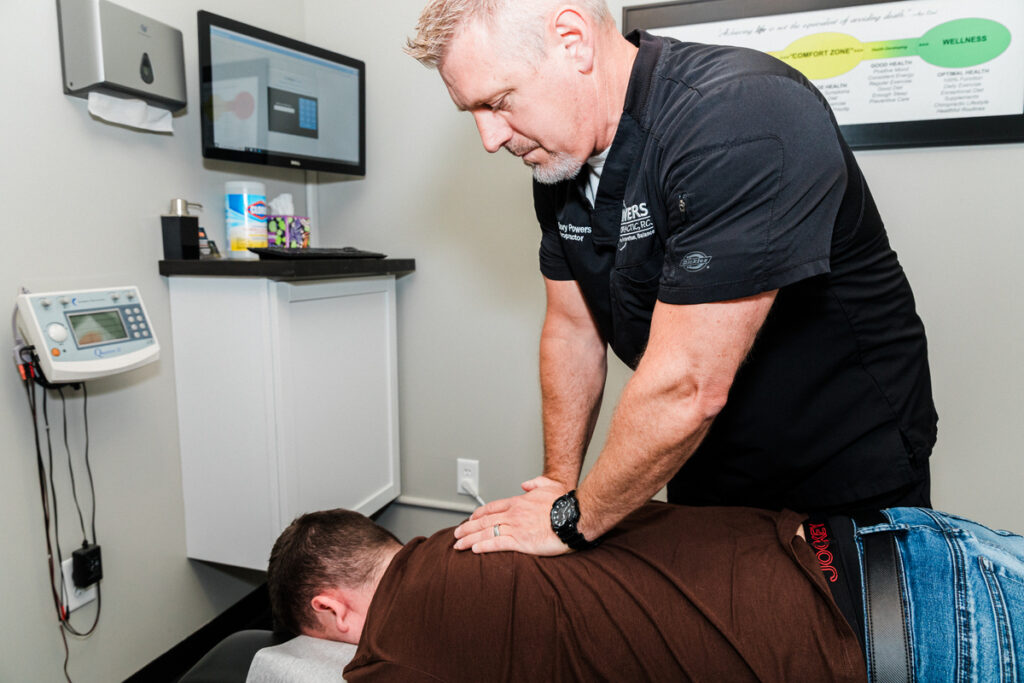

If you’re struggling with pain, it can be easy to feel overwhelmed by the many treatment options available. However, I want to share that chiropractic care is a powerful, natural solution for managing discomfort and promoting overall wellness. By focusing on spinal health and the body’s innate ability to heal itself, chiropractic care can help you find relief without the need for medications or surgeries.
In addition to chiropractic adjustments, there are several natural techniques you can incorporate into your daily routine to enhance your well-being. Mindfulness and meditation are excellent practices that can help reduce stress and improve your mental clarity, which is essential for managing pain. Consider spending just a few minutes each day focusing on your breath and being present in the moment.
Nutritional choices also play a significant role in how your body responds to pain. Eating a balanced diet rich in whole foods, fruits, and vegetables can provide the nutrients your body needs to heal. Additionally, staying hydrated is crucial, as water helps maintain the elasticity of your muscles and joints.
Gentle exercise, such as stretching or walking, can help keep your body moving and support spinal health. Regular physical activity not only helps alleviate pain but also boosts your mood and energy levels.
By exploring these natural techniques alongside your chiropractic care, you can take control of your health and enhance your quality of life. Remember, your spine is the foundation of your entire body, and maintaining its health is key to feeling your best. Curious about how chiropractic care can help you specifically? Don’t hesitate to reach out for a consultation!
Key Takeaways
- Regular chiropractic adjustments not only help alleviate pain but also enhance mobility by supporting your body’s natural healing processes. By realigning the spine, we can improve nerve function and promote overall wellness, making chiropractic care an essential part of your pain management routine.
- Incorporating mindfulness practices like meditation and deep breathing can significantly reduce stress and improve your emotional resilience. These techniques complement chiropractic care by helping you stay relaxed and focused, which can further aid in managing pain effectively.
- Engaging in physical activities such as yoga or gentle stretching can enhance flexibility and strength, positively impacting your pain levels. These activities work hand-in-hand with chiropractic adjustments to ensure your body operates at its best.
- Maintaining a balanced diet rich in anti-inflammatory foods and omega-3 fatty acids is vital for overall health and can help reduce pain. A diet that supports your body can enhance the benefits of chiropractic care, paving the way for a healthier you.
- Consider incorporating herbal remedies like turmeric and ginger into your wellness routine, but always consult with your chiropractor first. They can guide you on how to safely add these natural options to your pain management plan, ensuring a holistic approach to your health.
By focusing on these natural techniques alongside regular chiropractic care, you can take significant steps toward achieving optimal health and pain relief. Remember, your body is capable of healing itself, and with the right support, you can live a healthier, pain-free life.
Understanding Pain and Its Impact on Daily Life
When you experience pain, it can significantly impact your daily life in ways you mightn’t realize at first. It can interfere with your sleep, making it difficult to feel refreshed and alert throughout the day. You may start to avoid activities you once enjoyed, which can lead to feelings of isolation or frustration.
Even simple tasks, like walking or lifting everyday objects, can become challenging, reducing your overall productivity. Your mood can also be affected, leading to irritability or sadness. This might change how you connect with loved ones, as they may struggle to understand what you’re going through.
This cycle can leave you feeling helpless, which can worsen your pain experience. Understanding how pain influences your daily life is crucial. It’s not just about the physical sensation; it’s about the emotional and psychological effects as well.
This is where chiropractic care can make a significant difference. Chiropractic adjustments can help relieve pain, improve your mobility, and enhance your overall sense of well-being.
Here are some general tips to help you manage pain and promote a healthier lifestyle:
- Stay Active: Gentle exercises, such as stretching or walking, can improve your mobility and help reduce pain. Regular movement is key to maintaining your health.
- Practice Good Posture: Being mindful of your posture, whether sitting or standing, can alleviate unnecessary strain on your spine and help prevent pain.
- Hydrate: Drinking plenty of water supports overall health and can help reduce discomfort associated with muscle stiffness.
- Consider Chiropractic Care: Regular visits to a chiropractor can help align your spine and improve your overall health, leading to natural pain relief.
- Mindfulness and Relaxation: Techniques like deep breathing, meditation, or yoga can help reduce stress and improve your mood, making it easier to cope with pain.
The Power of Mindfulness and Meditation
Mindfulness and meditation can significantly enhance your overall well-being and can be especially beneficial for managing pain. By focusing your mind and promoting relaxation, these practices can complement the benefits of chiropractic care.
When you incorporate simple mindfulness techniques into your daily routine, you’re not only supporting your mental health but also enhancing your body’s natural healing processes.
As a chiropractor, I’ve seen firsthand how mindfulness can help patients manage discomfort and improve their quality of life. Here are some practical tips to get started:
- Breathing Exercises: Take a few moments each day to focus on your breath. Deep, slow breathing can help reduce stress and tension in your body, making it easier to maintain spinal alignment and overall health.
- Body Scan: Spend a few minutes each day to do a body scan. This involves mentally checking in with different parts of your body, starting from your toes and working your way up. This technique helps you become more aware of any areas of tension and allows you to consciously relax those muscles.
- Mindful Movement: Incorporate gentle stretches or yoga into your routine. These activities not only promote flexibility and strength but also encourage mindfulness through movement, helping to alleviate pain and discomfort.
- Gratitude Journaling: Take a moment each day to jot down things you’re grateful for. This practice can shift your focus away from pain and negativity, promoting a more positive mindset that can enhance your healing journey.
- Regular Chiropractic Visits: Combine your mindfulness practice with regular chiropractic care. This holistic approach can help align your spine, improve your nervous system function, and reduce pain naturally.
By integrating these mindfulness techniques with chiropractic care, you can empower yourself to take charge of your health.
Mindfulness Techniques Explained
Incorporating mindfulness techniques into your daily routine can greatly enhance your well-being and help manage pain, especially when combined with chiropractic care. By focusing on the present moment, you can better understand your body and support your spinal health.
Here are three simple mindfulness techniques that you can easily weave into your life:
- Breathing Exercises: Set aside a few minutes each day to concentrate on your breath. Inhale deeply through your nose, allowing your abdomen to expand, and then exhale slowly through your mouth. This practice not only calms your mind but also helps to relax your muscles, which can be beneficial for spinal alignment.
- Body Scan: Find a comfortable position, either lying down or seated, and mentally scan your body from head to toe. Pay attention to areas that feel tense or uncomfortable. This technique encourages relaxation and helps you become more aware of how your body feels, which is essential in understanding how spinal health impacts your overall well-being.
- Mindful Walking: When you go for a walk, focus on each step you take and the sensations throughout your body. Notice how your feet connect with the ground and how your spine supports your movements. This mindfulness practice can shift your attention away from discomfort and foster a greater appreciation for your body and its capabilities.
By integrating these mindfulness techniques into your routine, along with regular chiropractic care, you can support your journey toward optimal health and natural pain relief.
Benefits of Meditation
While you might think of meditation as just a way to relax, its benefits extend far beyond simple stress relief. Practicing meditation can significantly enhance your well-being, especially when combined with regular chiropractic care.
Meditation helps you manage pain more effectively by teaching you to observe sensations without judgment, which can lessen discomfort and create a more positive mindset.
As a chiropractor, I often see how emotional resilience plays a crucial role in pain management. Meditation can help you cope better with pain-related anxiety and stress, making it easier to stay focused on your recovery. Additionally, you may notice improved sleep patterns, which are essential for healing and overall health.
Engaging in regular meditation cultivates mindfulness, allowing you to remain present and grounded, even when facing discomfort. This mindfulness can complement the adjustments we perform in chiropractic care, enhancing your body’s ability to heal naturally.
Here are some simple tips to incorporate meditation into your routine for better pain management:
- Find a Quiet Space: Choose a comfortable spot in your home where you can sit or lie down without distractions.
- Start Small: Begin with just a few minutes each day. Gradually increase your meditation time as you become more comfortable.
- Focus on Your Breath: Pay attention to your breathing. Inhale deeply through your nose and exhale slowly through your mouth. This can help calm your mind.
- Be Patient: It’s normal for your mind to wander. When it does, gently bring your focus back to your breath or the present moment.
- Combine with Chiropractic Care: Regular chiropractic adjustments can enhance the benefits of meditation by improving spinal alignment, which supports your overall health.
Integrating Practices Daily
Integrating mindfulness and meditation into your daily routine can significantly enhance your overall health and well-being, especially when paired with chiropractic care. By making these practices a regular part of your life, you’ll not only improve your stress management but also support your spinal health.
Here are three effective ways to incorporate mindfulness and meditation alongside your chiropractic journey:
- Morning Ritual: Begin your day with 5-10 minutes of deep breathing or a guided meditation. This practice helps to set a positive tone for the day, promoting a relaxed state that can enhance the benefits of your chiropractic adjustments.
- Mindful Moments: Throughout your day, especially during times of stress, take short breaks to pause, breathe, and focus on the present moment. This mindfulness practice can help reduce tension in your body, making it easier for your chiropractor to work on any pain or discomfort you may be experiencing.
- Evening Reflection: Before you go to bed, take a moment to reflect on your day. Practicing gratitude and calming your mind through gentle meditation can improve your sleep quality, which is vital for healing and recovery. Quality rest supports the work your chiropractor does by allowing your body to rejuvenate and heal naturally.
By integrating these mindfulness practices into your routine, you can complement your chiropractic care and enhance your journey to optimal health and wellness.
Exploring Herbal Remedies for Pain Relief
When it comes to managing pain, chiropractic care stands out as a holistic approach that not only addresses the symptoms but also targets the root cause of discomfort.
While exploring herbal remedies can be beneficial for some, it’s essential to prioritize spinal health in your pain management journey.
Chiropractic adjustments help realign the spine, improve mobility, and reduce nerve interference, which can significantly alleviate pain and promote overall wellness. By focusing on maintaining a healthy spine, you can enhance your body’s natural healing abilities.
In addition to chiropractic care, you might be curious about incorporating herbal remedies into your routine. Remember, if you choose to explore herbs, it’s important to learn about their proper preparation and safety guidelines. Always consult with your chiropractor for personalized advice on which natural remedies might complement your treatment.
Here are some general tips for enhancing your pain relief journey:
- Stay Active: Gentle movement and exercises tailored to your needs can help keep your spine flexible and strong.
- Practice Good Posture: Maintaining proper posture can alleviate strain on your spine and reduce pain.
- Hydrate: Drinking plenty of water supports overall health and can help with muscle function.
- Rest and Recovery: Ensure you’re allowing your body time to heal through adequate rest.
- Stress Management: Techniques such as deep breathing, meditation, or yoga can help reduce tension in the body.
By incorporating these strategies along with regular chiropractic care, you’ll be on your way to achieving optimal health and effective pain relief naturally.
Effective Herbal Pain Relievers
Many people seek relief from pain through natural remedies, and herbal options have been cherished for centuries across various cultures.
While chiropractic care is often the best choice for achieving optimal health and pain relief, understanding some herbal remedies can complement your wellness journey.
Here are three effective herbal pain relievers that can support your body, along with some general tips for managing discomfort:
1. Turmeric: This bright yellow spice is well-known for its strong anti-inflammatory properties.
Turmeric can help reduce pain and swelling, especially for those dealing with arthritis. Incorporating turmeric into your meals or as a supplement may support your overall wellness while you benefit from chiropractic adjustments.
2. Ginger: Commonly used for various ailments, ginger is great for alleviating muscle pain and can also help relieve headaches.
Adding ginger tea or fresh ginger to your diet can provide a soothing effect on your body, complementing the relief you experience from chiropractic care.
3. Willow Bark: This herb contains salicin, which is similar to aspirin and has been traditionally used for back pain and osteoarthritis.
While it can provide some relief, remember that chiropractic adjustments are designed to address the root cause of pain in your spine and joints, offering a more comprehensive solution.
In addition to exploring these herbal remedies, here are some general tips for managing pain and enhancing your overall health:
– Stay Active: Regular physical activity can help keep your muscles and joints strong, reducing the risk of pain.
Simple stretches or gentle exercises can make a big difference.
- Practice Good Posture: Maintaining proper posture, especially when sitting or standing for long periods, can prevent unnecessary strain on your spine.
- Hydrate: Drinking plenty of water is essential for overall health and can help reduce inflammation in your body.
Remember, while herbal remedies can be beneficial, chiropractic care is your best option for achieving lasting pain relief and promoting a healthy lifestyle.
Always consult your chiropractor for personalized advice tailored to your specific needs.
Preparation Methods for Herbs
As a chiropractor, I believe in the power of natural healing methods, including the use of herbal remedies for pain relief. Understanding how to prepare these herbs can enhance their effectiveness and support your overall wellness journey.
One popular method is making herbal teas. By steeping dried herbs in hot water, you can extract their beneficial compounds, which may help ease discomfort. This is a gentle and relaxing way to incorporate herbs into your routine, promoting hydration and overall health.
Another effective preparation is tinctures. These are made by soaking herbs in alcohol or vinegar to create a concentrated liquid. Tinctures are easy to use and can be a potent addition to your wellness regimen. Just a few drops can provide relief when integrated with your chiropractic care.
You might also explore making poultices. This involves crushing fresh herbs and applying them directly to the area where you’re experiencing pain. This targeted approach can provide immediate relief and help soothe sore muscles.
Additionally, consider using essential oils, which are extracted from plants. They can be utilized in aromatherapy to create a calming atmosphere or diluted for topical application. Essential oils can complement your chiropractic treatments and enhance your overall relaxation and well-being.
Remember, while herbal remedies can be beneficial, they’re best used in conjunction with chiropractic care, which addresses the root causes of pain and promotes long-term health.
Safety and Dosage Considerations
Incorporating herbal remedies into your pain management can complement the benefits of chiropractic care, but it’s essential to be mindful about how you do it. Here are some simple safety and dosage tips to keep in mind:
- Talk to Your Chiropractor: Before adding any herbal remedies to your routine, it’s a good idea to discuss them with your chiropractor. They can help you understand how these herbs might interact with your current treatment and ensure you’re on the right path to wellness.
- Start Small: If you decide to try herbs, begin with a small dose. This way, you can see how your body reacts. If everything feels good, you can slowly increase the amount, but remember not to go over recommended limits.
- Watch for Reactions: Keep an eye out for any unexpected side effects. If you notice anything unusual, it’s best to stop using the herb and let your chiropractor know. They can help you figure out the next steps.
Remember, chiropractic care is focused on supporting your body’s natural healing abilities, which aligns well with the use of herbal remedies.
The Benefits of Physical Activity and Exercise
Incorporating physical activity into your daily routine may feel daunting at first, but the positive impact it can have on pain management is truly remarkable. Regular exercise not only helps reduce chronic pain but also boosts your mood and enhances your overall well-being. When you engage in physical activity, your body releases endorphins—natural chemicals that relieve pain and improve your mood.
You don’t have to dive into intense workouts right away. Start with simple activities like walking or gentle stretching. These low-impact exercises can significantly benefit your body and mind. Aim for at least 150 minutes of moderate activity each week, and remember that the key is consistency.
As you increase your activity level, you’ll likely experience improvements in strength and flexibility, which can help ease tension and stiffness in your body. Additionally, staying active supports a healthy weight, which reduces the strain on your joints.
This is where chiropractic care can play a vital role—helping to align your spine and optimize your body’s function, which can enhance your ability to move freely and comfortably.
So, put on your sneakers and take that first step towards a more active, pain-free life! And remember, regular chiropractic adjustments can complement your physical activity by ensuring your spine is in alignment, allowing your body to move better and feel better.
Embrace this holistic approach to wellness, and enjoy the journey to optimal health!
Incorporating Nutrition for Pain Management
After establishing a routine of physical activity, it’s essential to pay attention to your nutrition as well. What you eat can significantly impact your pain levels and overall healing process. Certain foods can promote wellness, while others may contribute to discomfort.
Here are three dietary choices to consider for supporting your health and enhancing your chiropractic care:
- Anti-Inflammatory Foods: Focus on incorporating a variety of fruits and vegetables into your meals, especially berries, spinach, and broccoli. These colorful foods are rich in antioxidants, which can help reduce inflammation in your body, making it easier for your spine and joints to function optimally.
- Omega-3 Fatty Acids: Foods like fatty fish (such as salmon and mackerel), chia seeds, and walnuts are excellent sources of omega-3 fatty acids. These nutrients have been shown to help alleviate joint pain and stiffness, making them a great complement to your chiropractic treatments.
- Whole Grains: Choose whole grains like brown rice, quinoa, and oats over refined grains. Whole grains can help lower inflammation levels, which is beneficial for your overall health and can support the work your chiropractor does in promoting a pain-free lifestyle.
Remember, your diet is a crucial part of your wellness journey alongside chiropractic care. By making these simple changes, you can support your body’s healing processes and enhance your overall well-being.
Always consult with your chiropractor for personalized advice on nutrition and how it can align with your pain management and health goals.
Creating a Holistic Pain Management Plan
Creating a holistic pain management plan is essential for those seeking natural relief and overall wellness. As a chiropractor, I believe that incorporating various strategies can empower you to effectively manage pain while promoting optimal health. Here are three key components to include in your plan:
1. Chiropractic Care: Regular chiropractic adjustments can help alleviate pain by improving spinal alignment and enhancing nervous system function. This natural approach not only addresses pain but also promotes your body’s ability to heal itself.
Consider incorporating chiropractic visits into your routine for long-term benefits.
2. Physical Activity: Engaging in regular exercise, such as yoga, walking, or stretching, can significantly increase flexibility and reduce pain. Choose physical activities that you enjoy, making it easier to stay motivated and consistent in your routine.
Remember, even small movements throughout the day can have a positive impact on your pain levels.
3. Mindfulness Practices: Techniques like meditation and deep breathing exercises can be incredibly effective for coping with pain. These practices help reduce stress and enhance mental clarity, allowing you to feel more in control of your body and mind.
Set aside time each day to incorporate these methods into your life; even a few minutes can make a difference.
4. Nutritional Support: A balanced diet rich in whole foods can support your body’s healing processes. Focus on incorporating anti-inflammatory foods, such as fruits, vegetables, nuts, and omega-3 fatty acids found in fish.
Not only does proper nutrition play a role in pain management, but it also contributes to your overall health and well-being.
By integrating these components into your pain management plan, you can take significant steps toward achieving a healthier and more fulfilling life.
Conclusion
Incorporating natural techniques for pain management can truly transform your daily life, and as a chiropractor, I believe that chiropractic care is one of the best ways to achieve optimal health. By embracing mindfulness practices, exploring herbal remedies, and staying active, you empower yourself to tackle pain more effectively.
One of the key components of pain management is maintaining a healthy spine. Regular chiropractic adjustments can help align your spine, which can alleviate pain and improve overall function. This natural approach not only addresses the root cause of pain but also promotes better mobility and enhances your quality of life.
Don’t forget the importance of a balanced diet, as it plays a significant role in your overall well-being. Incorporating anti-inflammatory foods can help reduce pain and support your body’s healing process. Additionally, alternative therapies like acupuncture and chiropractic care work hand-in-hand to provide comprehensive pain relief.
Creating a holistic pain management plan that includes chiropractic care, physical activity, and proper nutrition can empower you to take control of your pain naturally. Start your journey toward a healthier, pain-free life today by considering chiropractic care as a vital part of your wellness routine! Remember, optimal health is within your reach, and with the right approach, you can live a more fulfilling life.