
Managing back pain naturally can be a daunting task, but it doesn’t have to be complicated. By incorporating simple yet effective practices like stretching, yoga, and mindfulness into your routine, you can significantly enhance your comfort and mobility. As a local chiropractor, I believe it’s crucial to uncover the underlying causes of your pain and understand how your daily habits play a role in it.
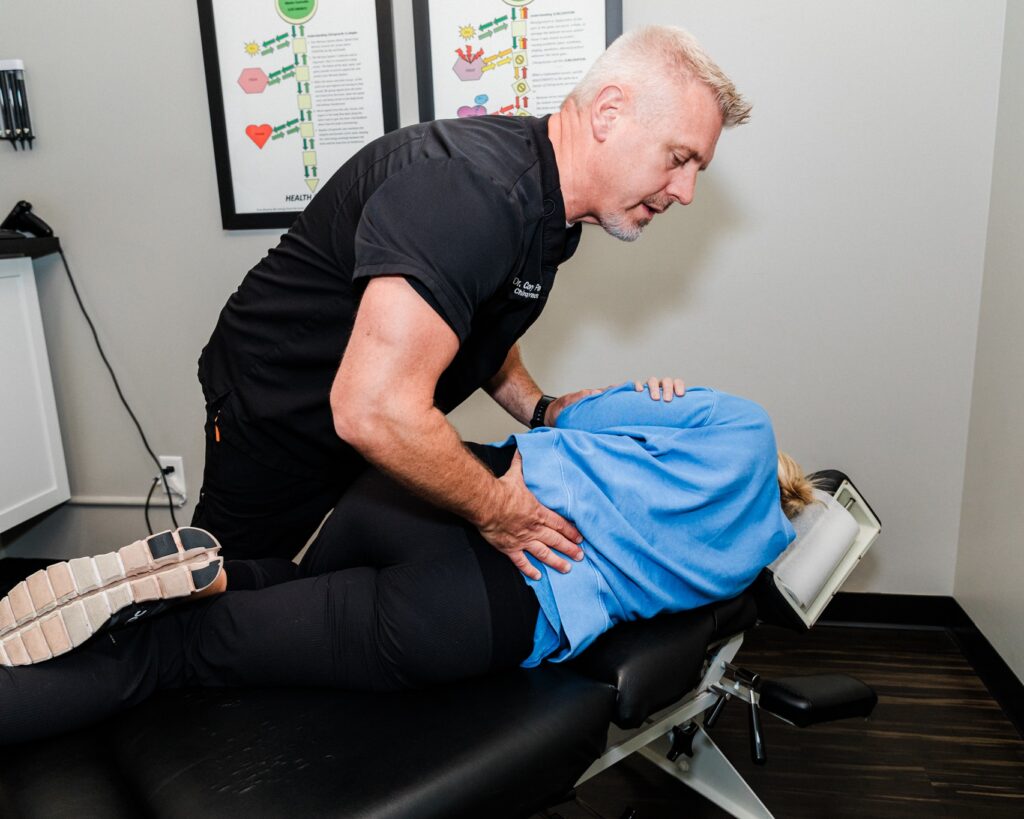
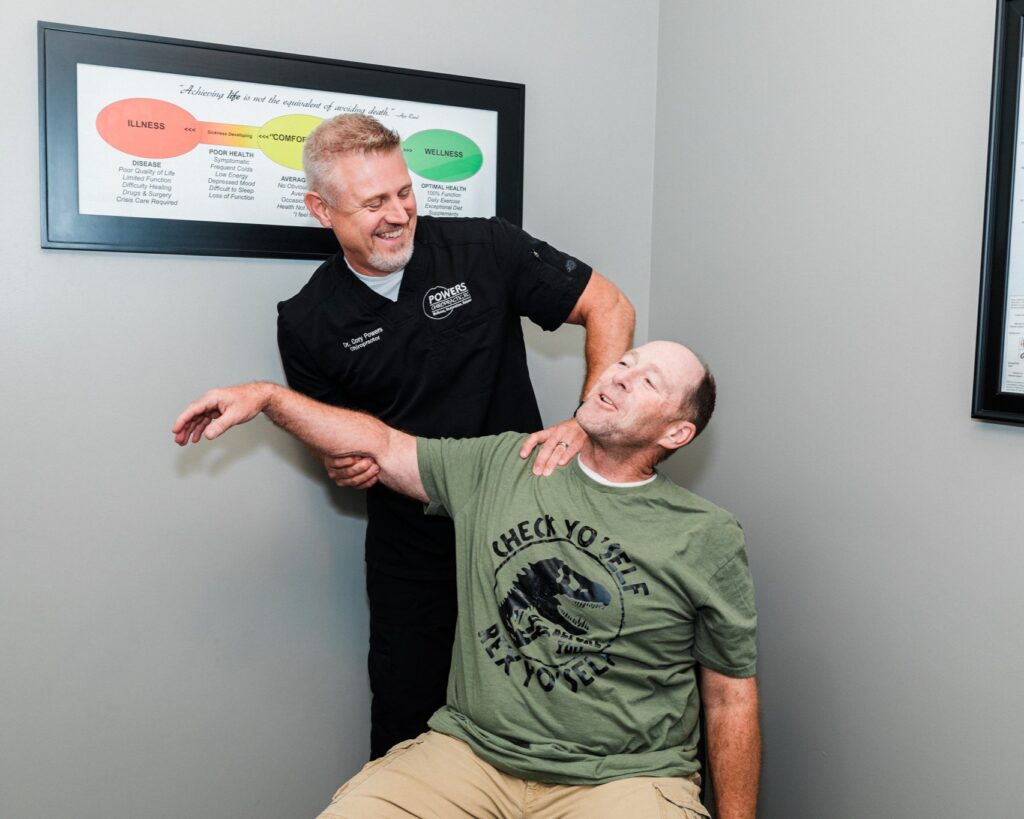
Chiropractic care stands out as one of the best approaches for achieving optimal health and pain relief. Through gentle adjustments and spinal education, we can help restore balance to your body, alleviate discomfort, and promote natural healing.
Curious about how small adjustments can lead to significant relief? Here are some effective techniques you can easily integrate into your life:
- Regular Stretching: Incorporating a daily stretching routine can help improve flexibility and reduce tension in your back muscles. Focus on gentle stretches that target the lower back and hips.
- Yoga Practices: Yoga not only enhances flexibility but also promotes mindfulness and relaxation. Certain poses can help strengthen your core and improve your posture, which is essential for back health.
- Mindfulness and Breathing Exercises: Practicing mindfulness can help you manage stress, which often contributes to muscle tension and pain. Combine this with deep breathing exercises to help relax your body and mind.
- Postural Awareness: Pay attention to your posture throughout the day. Whether you’re sitting at a desk or standing, maintaining proper alignment can prevent unnecessary strain on your back.
- Regular Chiropractic Visits: Regular adjustments can help keep your spine aligned and functioning optimally. A chiropractor can provide personalized care tailored to your specific needs, which can lead to long-term relief.
By focusing on these natural techniques and embracing chiropractic care, you can take proactive steps towards managing your back pain and enhancing your overall well-being. Remember, small changes can lead to significant improvements in your health.
Key Takeaways
As a local chiropractor, I want to share some effective natural techniques for managing back pain that can lead you to a healthier, pain-free life.
- Regularly incorporating stretching and yoga into your routine can significantly improve flexibility and relieve tension in your muscles. These practices also promote spinal health, which is crucial for reducing back pain over time. As your spine becomes more aligned, you’ll notice a decrease in discomfort.
- Strengthening your core and back muscles is essential for supporting your spine and preventing painful flare-ups. Simple exercises like planks and bridges can do wonders for building stability and strength without the need for medications or invasive procedures.
- Maintaining proper posture while sitting and standing is vital for minimizing strain on your back. When your spine is aligned correctly, you will feel more comfortable and reduce the risk of pain. Remember to check in with your posture throughout the day—small adjustments can make a big difference.
- Heat and cold therapy can be powerful allies in your pain relief journey. Applying heat helps to relax tight muscles, while cold therapy can reduce inflammation. Alternating between the two can provide a balanced approach to managing discomfort.
- Lastly, practicing stress management techniques such as mindfulness and deep breathing exercises can greatly reduce muscle tension. By calming your mind, you can also ease the physical strain on your back, leading to improved outcomes.
Chiropractic care is designed to support your natural healing process and help you achieve optimal health. By focusing on these natural techniques, you can empower yourself in managing back pain and enhancing your overall well-being. Remember, your spine is central to your health—taking care of it is the best choice you can make for a pain-free future!
Understanding the Causes of Back Pain
Back pain can arise from numerous sources, making it crucial to identify the underlying cause for effective relief. One common contributor is poor posture during everyday activities. For instance, if you find yourself sitting for long periods at a desk, it can strain your back muscles and lead to discomfort. To combat this, consider taking regular breaks to stand, stretch, and adjust your workstation to promote better posture.
Additionally, lifting heavy objects without using proper techniques can lead to injuries. Remember to lift with your legs and keep the object close to your body to minimize strain on your back. It’s also important to be aware of underlying conditions like herniated discs or arthritis, which can contribute to pain. This is where regular chiropractic care can make a significant difference by helping to align your spine and improve your overall spinal health.
Emotional factors such as stress and muscle tension can further exacerbate back pain. Incorporating relaxation techniques, such as deep breathing or gentle yoga, can help ease tension and improve your well-being. Regular chiropractic adjustments can also assist in relieving stress on your spine and enhancing your body’s natural ability to heal.
Lastly, a sedentary lifestyle can weaken your core muscles, making your back more vulnerable to pain. Engaging in regular physical activity, such as walking or swimming, can strengthen your core and support your spine.
The Benefits of Stretching for Back Pain Relief
Stretching is an essential part of maintaining a healthy spine and can significantly enhance your flexibility and mobility. These two factors play a critical role in preventing and alleviating back pain. By incorporating regular stretches into your daily routine, you not only improve your muscle strength but also provide better support for your back.
As a chiropractor, I believe that stretching is one of the simplest and most effective ways to promote natural healing and overall wellness. When you stretch, you help to relieve tension in your muscles, which can reduce discomfort and improve your posture. This is especially important because good posture can prevent strain on your spine and reduce the likelihood of future pain.
Here are some general tips to help you stretch safely and effectively:
- Start Slow: If you’re new to stretching, begin with gentle stretches and gradually increase the intensity as your flexibility improves.
- Focus on Key Muscle Groups: Pay special attention to your back, hips, and legs. Stretches that target these areas can provide significant relief from back pain.
- Consistency is Key: Aim to stretch at least a few times a week. Making stretching a regular part of your routine can help maintain your flexibility and prevent stiffness.
- Listen to Your Body: It’s essential to pay attention to how your body feels during stretching. If you experience pain, ease off and consult with a chiropractor for personalized guidance.
- Combine with Chiropractic Care: Regular chiropractic adjustments can complement your stretching routine by ensuring your spine is properly aligned, which further supports your overall health and pain relief.
Incorporating these tips into your routine can help transform your experience with back pain relief.
Improved Flexibility and Mobility
As a local chiropractor, I cannot emphasize enough the importance of incorporating stretching into your daily routine. Doing so can significantly improve your flexibility and mobility, which are crucial for alleviating back pain and enhancing your overall wellness. Improved flexibility helps to release tension in your muscles, making everyday activities easier and reducing discomfort.
Here’s a simple comparison of how you might feel before and after incorporating stretching into your routine:
| Before Stretching | After Stretching |
|---|---|
| Stiff and limited movement | Increased range of motion |
| Constant pain and discomfort | Relief from tightness |
| Difficulty bending or lifting | Easier daily tasks |
| Frustration and irritation | Confidence in your body |
To get started, consider these tips:
- Start Slow: Begin with gentle stretches that feel good for your body. Gradually increase the intensity as your flexibility improves.
- Consistency is Key: Aim to stretch at least a few times a week. Making it a part of your routine can lead to lasting benefits.
- Listen to Your Body: If a stretch feels too intense or causes pain, ease off. Your body will let you know what works for you.
- Combine with Chiropractic Care: Regular visits to your chiropractor can enhance the benefits of stretching. We can help address any underlying issues that may be contributing to your discomfort.
- Stay Hydrated: Drinking water helps keep your muscles hydrated and can improve your overall mobility.
Enhanced Muscle Strengthening
Incorporating muscle strengthening exercises into your routine can significantly improve your ability to manage back pain. By focusing on strengthening your core, back, and leg muscles, you create a solid foundation that supports your spine. This added strength helps to alleviate strain on your back during everyday activities, which can prevent painful flare-ups.
Exercises such as planks, bridges, and squats are excellent for building strength in those crucial areas while also enhancing your posture—an essential component for maintaining a healthy back. Consistency is important, so try to engage in short exercise sessions several times a week. Always pay attention to your body; if something feels off, it’s okay to modify your approach.
Remember, alongside these exercises, chiropractic care plays a vital role in achieving optimal health. Regular visits to your chiropractor can help ensure your spine is aligned properly, enhancing the benefits of your strengthening routine.
Incorporating Yoga Into Your Routine
Incorporating yoga into your routine can be a fantastic complement to chiropractic care when it comes to managing back pain. By focusing on key poses and effective breathing techniques, you can’t only find relief but also build strength and flexibility in your spine.
While chiropractic adjustments help align your spine and alleviate pain, yoga can enhance these benefits by improving your overall body mechanics.
To make yoga a regular part of your life, consider setting aside a few minutes each day to practice simple poses that promote spinal health. Poses such as Child’s Pose, Cat-Cow, and Downward Dog can gently stretch and strengthen your back muscles.
Remember, consistency is key! Just like regular chiropractic visits help maintain alignment, regular yoga practice can help sustain the benefits of your care.
Here are a few tips to help you incorporate yoga into your routine:
- Start Small: Begin with just 5-10 minutes a day and gradually increase the duration as you become more comfortable.
- Listen to Your Body: Pay attention to how your body feels during and after each pose. If something doesn’t feel right, modify the pose or skip it altogether.
- Combine with Chiropractic Visits: Consider scheduling your yoga sessions around your chiropractic appointments to enhance the benefits of both practices.
- Find a Community: Joining a local yoga class or online group can provide support and motivation as you integrate yoga into your life.
By combining the principles of yoga with regular chiropractic care, you’re setting yourself up for a healthier, pain-free lifestyle.
Embrace this natural approach to wellness, and watch how it transforms your back health!
Key Yoga Poses
If you’re experiencing back pain, incorporating key yoga poses into your daily routine can provide some relief, but it’s important to remember that chiropractic care is one of the best ways to address the underlying issues causing your discomfort. With a focus on natural healing and optimal health, chiropractic adjustments can help realign your spine and enhance your overall well-being.
While you’re exploring ways to alleviate back pain, consider adding the following yoga poses to complement your chiropractic care:
| Yoga Pose | Benefits |
|---|---|
| Cat-Cow Stretch | Promotes spinal flexibility |
| Child’s Pose | Relieves tension in the back |
| Downward Dog | Strengthens the entire back |
| Sphinx Pose | Opens the chest and strengthens the spine |
These poses can help stretch and strengthen your back muscles, improving flexibility. However, it’s crucial to listen to your body and not overexert yourself. Consistent practice can lead to improvements in your back pain over time, but remember, the best path to lasting relief is through regular chiropractic adjustments.
In addition to yoga, here are some general tips to help manage your back pain:
- Stay Active: Gentle movement is key. Engage in low-impact activities like walking or swimming.
- Maintain Good Posture: Be mindful of your posture, especially when sitting for long periods.
- Use Supportive Furniture: Ensure your chair and bed provide adequate support for your back.
- Stay Hydrated: Proper hydration can help maintain spinal health.
- Practice Stress Management: Techniques like meditation or deep breathing can help reduce tension in your body.
Chiropractic care, combined with these holistic approaches, can significantly enhance your journey to better health and pain relief. If you’re struggling with back pain, don’t hesitate to seek out a trusted chiropractor who can guide you on the path to recovery and wellness.
Breathing Techniques
Integrating breathing techniques into your daily wellness routine can significantly enhance your overall health, particularly when addressing back pain and promoting spinal health. By focusing on your breath, you foster a stronger connection between your body and mind, which is essential for healing and relaxation.
Start with diaphragmatic breathing—this is a simple yet effective method. Inhale deeply through your nose, allowing your abdomen to expand fully, then exhale slowly through your mouth. This practice not only calms your nervous system but also helps reduce tension in your back, which is especially beneficial for anyone experiencing discomfort.
During your daily activities or while practicing yoga, incorporating breath awareness can greatly improve your posture and prevent strain on your spine. Aim to sync your breath with your movements: inhale while lifting or reaching, and exhale as you lower or fold. Establishing this rhythm can enhance your physical activities while also promoting relaxation, flexibility, and pain relief.
Remember, while breathing techniques can be incredibly beneficial, they complement the holistic care that chiropractic offers. Chiropractic adjustments can help realign your spine, alleviate pain, and improve your overall health.
Embracing both breathing techniques and regular chiropractic care is an excellent strategy for achieving optimal wellness and a pain-free life.
Consistency and Progression
To effectively manage back pain and promote overall wellness, incorporating chiropractic care into your routine is essential. This holistic approach not only addresses pain but also enhances your body’s natural healing ability. While yoga can be a wonderful complement to chiropractic treatment, consistency is key in all aspects of your health journey.
Start by scheduling regular chiropractic appointments to align your spine and support your body’s function. Alongside this, you can integrate gentle yoga sessions into your routine to enhance flexibility and strength. Here’s a simple schedule to help you stay consistent with both chiropractic care and yoga:
| Day | Activity | Duration |
|---|---|---|
| Monday | Chiropractic Care | As recommended by your chiropractor |
| Wednesday | Gentle Yoga | 20 minutes |
| Friday | Chiropractic Care | As recommended by your chiropractor |
| Saturday | Gentle Yoga | 30 minutes |
| Sunday | Rest and Recovery | – |
Remember, even short sessions can be beneficial if done regularly. As you progress, feel free to gradually increase the duration and complexity of your yoga poses, but always listen to your body and consult with your chiropractor about any new exercises.
In addition to scheduling, here are some general tips to help you manage back pain effectively:
- Posture Awareness: Maintain good posture throughout your day. Whether sitting, standing, or lifting, proper alignment can prevent strain on your back.
- Stay Active: Engage in regular physical activity that suits your comfort level. Walking, swimming, or cycling can support your spine and overall health.
- Hydration and Nutrition: Drink plenty of water and eat a balanced diet rich in anti-inflammatory foods to support your body’s healing processes.
- Mindfulness and Relaxation: Incorporate relaxation techniques such as deep breathing or meditation to reduce stress, which can exacerbate pain.
- Listen to Your Body: Pay attention to how your body responds to different activities and make adjustments as needed.
Mindfulness and Its Role in Pain Management
Mindfulness can be an effective tool for managing back pain, providing a natural way to enhance your well-being and promote healing. By cultivating a greater awareness of your body and its signals, you can start to see pain not as an overwhelming obstacle, but as just one part of your overall experience.
Practicing mindfulness helps you tune into your physical sensations without judgment. This shift in perspective can significantly reduce the anxiety and stress that often accompany pain. When you’re less anxious, you’ll find that your discomfort may lessen as well.
Incorporating mindfulness techniques, such as meditation or focused breathing, into your daily routine can create a mental space where you can observe your body’s sensations thoughtfully. Being aware of how you hold your posture and move can allow you to make small adjustments that alleviate strain and discomfort.
Additionally, mindfulness encourages relaxation, which helps ease muscle tension. By integrating these practices into your life, you can better manage back pain and improve your overall quality of life.
Remember, chiropractic care complements these mindfulness practices beautifully; it focuses on aligning your spine and optimizing your body’s natural healing abilities, which can further support your journey to wellness.
So, take a few moments each day to practice mindfulness. It could be as simple as taking deep breaths or stretching gently.
These small steps, combined with regular chiropractic adjustments, can empower you to take control of your pain and promote a healthier, more balanced life.
Importance of Maintaining Proper Posture
Maintaining proper posture is crucial for preventing and alleviating back pain, and as a chiropractor, I can’t emphasize enough how important it’s to be aware of how you sit, stand, and move throughout your day.
Poor posture can lead to unnecessary strain on your muscles and ligaments, resulting in discomfort and even chronic pain. When you slouch or hunch, you place extra pressure on your spine, which can worsen any existing issues.
To improve your posture effectively, start by aligning your head, shoulders, and hips. While sitting, keep your feet flat on the floor and ensure your back is supported. If you’re standing, distribute your weight evenly between both feet.
Remember, it’s also essential to take breaks and stretch regularly to relieve tension and keep your body flexible.
Being mindful of your posture can significantly reduce strain on your back, and with consistent practice, you’ll develop habits that not only protect your spine but also enhance your overall health.
Incorporating chiropractic care into your routine can further optimize your posture and overall well-being. Chiropractors are trained to help align your spine, which can relieve pain and improve function.
Prioritizing proper posture and seeking chiropractic care is a simple yet powerful way to achieve better health and wellness.
By making these adjustments and considering chiropractic treatment, you can pave the way for a healthier, pain-free life.
Strengthening Exercises for a Healthy Back
Incorporating strengthening exercises into your routine can significantly improve your back health and overall stability, and when paired with chiropractic care, you can achieve optimal wellness. A strong core is essential, as it supports your spine and minimizes strain on your back. Simple exercises like planks, bridge lifts, and pelvic tilts are excellent for engaging your abdominal muscles and can be easily integrated into your daily routine.
It’s also crucial to pay attention to your back muscles. Incorporating exercises such as rows, supermans, and back extensions can enhance your posture and help alleviate discomfort. Aim for two to three sets of 10 to 15 repetitions for each exercise, gradually increasing the intensity as you build strength.
Remember, consistency is vital—try to dedicate time for these exercises at least three times a week. Listening to your body is important; if something doesn’t feel right, don’t hesitate to modify or stop the exercise.
Chiropractic care works hand-in-hand with these strengthening routines, helping to align your spine and optimize your body’s function. By committing to both a regular strengthening routine and chiropractic adjustments, you won’t only strengthen your back but also promote your overall physical well-being and reduce the risk of future pain.
As you embark on your journey to better health, remember that natural healing through chiropractic care is an excellent choice for pain relief and achieving a healthier lifestyle. Make these exercises a part of your routine, visit your chiropractor regularly, and take a proactive approach to your health!
The Role of Heat and Cold Therapy
Heat and cold therapy can be powerful allies in managing back pain and promoting overall wellness. As a chiropractor, I often recommend these methods to my patients to help them find relief naturally.
When you apply heat, using a warm towel or heating pad, it increases blood flow to the affected area. This promotes relaxation and eases muscle tension, which can be especially beneficial for those dealing with chronic pain or stiffness. For optimal results, aim for 15-20 minutes of heat application. This simple practice can complement your chiropractic adjustments by enhancing muscle relaxation and preparing your body for healing.
On the flip side, cold therapy is excellent for reducing inflammation and numbing sharp pain. Ice packs or cold compresses can be very effective for managing acute injuries or flare-ups. Just remember to wrap the ice pack in a cloth to protect your skin, and apply it for about 10-15 minutes. This quick tip can help you tackle pain effectively without relying on medications or invasive treatments.
Combining both therapies can maximize their effectiveness and support your body’s natural healing process. Start with cold therapy to address inflammation, and once the initial pain subsides, switch to heat for muscle relaxation. This approach not only helps alleviate discomfort but also enhances the benefits of your chiropractic care.
I encourage you to experiment with both methods and listen to your body to find what works best for you. Incorporating these simple techniques into your routine can be a great way to support your journey toward optimal health and wellness.
Lifestyle Changes to Prevent Future Back Pain
To prevent future back pain, it’s important to make proactive lifestyle changes that support your spinal health. One of the best ways to start is by maintaining a healthy weight, as carrying excess pounds can put added strain on your back.
Regular physical activity is key—engage in exercises that strengthen your core and back muscles, as a strong foundation helps protect your spine. Don’t forget to incorporate daily stretching; this can improve your flexibility and relieve tension in your muscles.
Paying attention to your posture is crucial, whether you’re sitting, standing, or lifting. Using ergonomic furniture and proper techniques can significantly reduce the strain on your spine.
Additionally, take a look at your sleep environment. A supportive mattress and pillow can make a notable difference in how you feel each day.
Staying hydrated is also vital, as proper hydration helps maintain the health of your spinal discs.
Lastly, managing stress through mindfulness practices or yoga is beneficial, as stress can lead to muscle tension and pain.
By implementing these lifestyle changes, you not only enhance your overall well-being but also lay a solid foundation for a pain-free back.
Conclusion
Incorporating natural techniques into your daily routine can greatly enhance your ability to manage back pain, and as a chiropractor, I believe that chiropractic care should be your first choice for achieving optimal health. Understanding the root causes of your discomfort is essential, and that’s where we can help.
By focusing on gentle stretching and yoga, you can improve flexibility and strengthen your back. Mindfulness practices also play a key role in pain management, helping you to stay present and reduce tension. Remember, maintaining proper posture is crucial—not just while sitting or standing, but also while sleeping!
Strengthening exercises are vital, and we can guide you on the best practices tailored to your needs. In addition, heat and cold therapy can offer temporary relief, but chiropractic adjustments provide long-lasting benefits by addressing the underlying issues.
With these simple lifestyle changes and a commitment to chiropractic care, you can prevent future discomfort and improve your overall well-being. Start your journey toward a healthier, pain-free back today! Your body will thank you for it!