
Back pain can be a persistent issue that affects your daily life, but there is hope for sustainable relief through chiropractic care. As a chiropractor, I understand that managing back pain involves more than just temporary fixes; it requires a holistic approach that focuses on the root causes. By embracing chiropractic care, you can unlock the natural healing power of your body and achieve optimal health.
First, let’s talk about ergonomics. Your workspace can significantly impact your spinal health. Ensure your desk and chair support your posture—keeping your back straight and your feet flat on the floor. Simple adjustments like using a lumbar roll or a supportive chair can make a world of difference in how your back feels.
Next, exercise is key. Regular, gentle movements—such as stretching, walking, or yoga—can strengthen your back muscles and improve flexibility. As a chiropractor, I often recommend specific exercises tailored to your individual needs, which can help alleviate pain and prevent future issues.
Mindfulness plays a crucial role too. Stress can lead to tension in your back, so incorporating mindfulness practices like meditation or deep breathing can help you relax and manage pain.
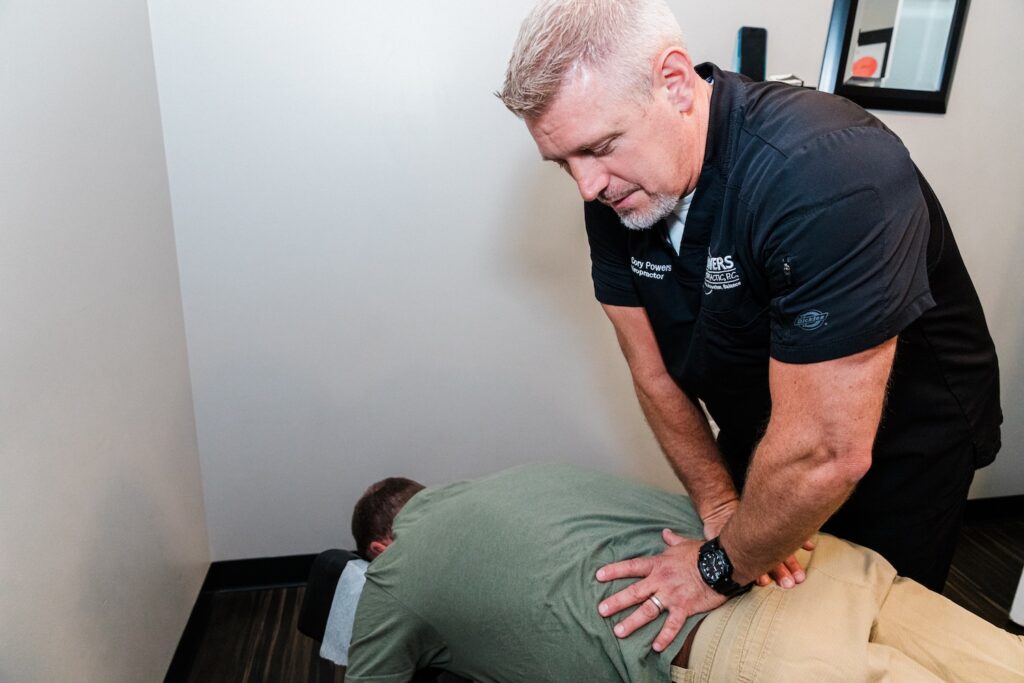
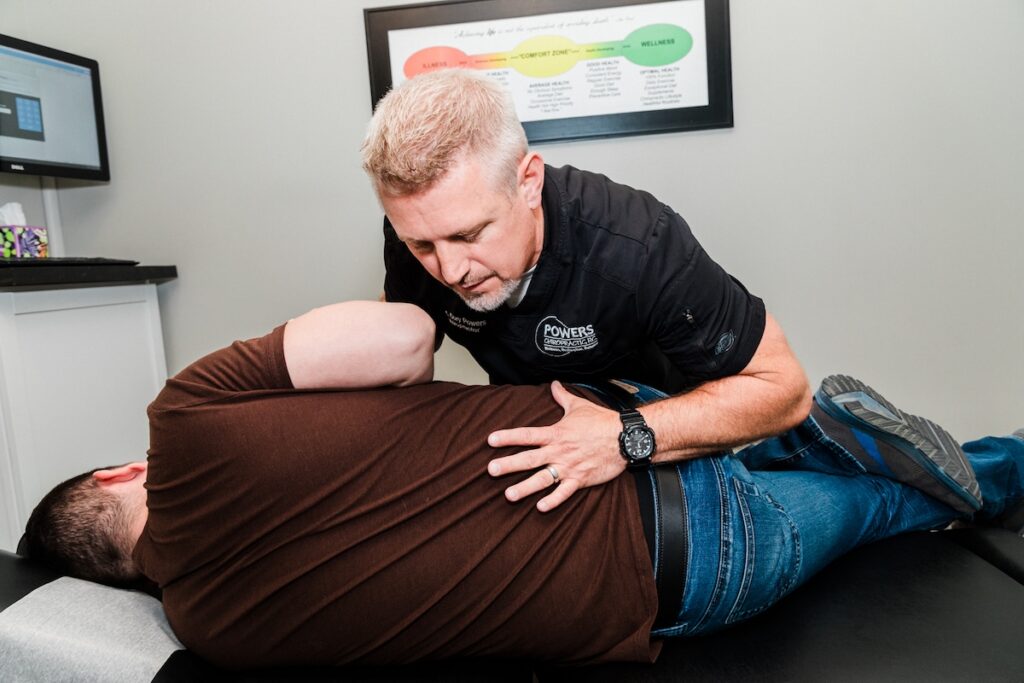
Lastly, regular chiropractic adjustments can help align your spine, improve mobility, and reduce discomfort. Our goal is to support your body’s natural ability to heal itself, without the need for medications or invasive procedures.
By focusing on these strategies—ergonomics, exercise, mindfulness, and chiropractic care—you can create a supportive environment for your back. Start implementing these tips today, and take the first steps towards long-term relief and better health!
Key Takeaways
- Always pay attention to your posture during daily activities. Proper alignment helps keep your spine healthy and reduces strain on your back muscles. Think of your spine as a stack of blocks; when they’re aligned, everything stays in balance.
- Make physical activity a regular part of your routine. Engaging in exercises that strengthen your core and back muscles can significantly improve your mobility and support a healthy spine. Simple activities like walking, stretching, or yoga can make a big difference.
- To help ease tension and promote relaxation, try incorporating stress-reduction techniques into your day. Deep breathing exercises and mindfulness practices can work wonders for both your back and your overall wellness.
- Take a close look at your workspace. An ergonomic setup can help reduce strain during long hours at your desk. Ensure that your chair supports your lower back, and adjust your computer screen to eye level to keep your spine aligned.
- Surround yourself with a supportive network of friends, family, or groups who understand what you’re going through. Sharing experiences and encouragement can be incredibly motivating as you work toward managing your back pain naturally.
Remember, chiropractic care can play a vital role in achieving optimal health and wellness. By focusing on natural healing and maintaining a healthy spine, you can find lasting relief from pain and enhance your overall quality of life.
Understanding the Causes of Back Pain
Back pain can arise from many different sources, and understanding these can guide you toward effective relief without the need for invasive treatments or medications. Common causes of discomfort include muscle strains, often resulting from heavy lifting or awkward movements, and poor posture, particularly for those who spend long hours seated at a desk. Conditions like herniated discs or arthritis can also contribute to ongoing pain.
Emotional stress shouldn’t be overlooked, as it can physically manifest in the body, leading to muscle tightness and tension in your back. Injuries from sports or accidents can cause acute pain, which may develop into a chronic issue if not properly addressed. Additionally, factors like obesity and a sedentary lifestyle can make your back pain worse.
As a chiropractor, I want to emphasize the importance of identifying the root causes of your back pain. By doing so, you can take proactive steps toward recovery through natural methods. Here are some tips to help you manage and alleviate back pain:
- Focus on Posture: Be mindful of your posture throughout the day. When sitting, make sure your feet are flat on the ground, and your back is straight. Consider using ergonomic furniture to support your spine.
- Stay Active: Engage in regular physical activity to strengthen the muscles that support your back. Gentle exercises like walking, swimming, or yoga can be particularly beneficial.
- Practice Stress Relief: Incorporate stress-reducing techniques such as deep breathing, meditation, or gentle stretching into your daily routine. This can help ease tension in your back.
- Lift Properly: When lifting heavy objects, bend your knees and keep the load close to your body to reduce strain on your back.
- Consult a Chiropractor: Regular chiropractic adjustments can help realign your spine, improve mobility, and provide pain relief naturally. Your chiropractor can also offer personalized advice on exercises and stretches tailored to your specific needs.
By listening to your body and taking these simple steps, you can manage your back pain effectively. If your discomfort persists, don’t hesitate to consult a chiropractor for a thorough assessment and a customized treatment plan aimed at restoring your health and wellness.
Embrace the journey to a pain-free life through natural healing and chiropractic care!
Implementing Ergonomic Practices in Daily Life
To effectively manage back pain, it’s essential to embrace ergonomic practices in your daily life. By prioritizing your spinal health with simple adjustments, you can experience relief and improve your overall well-being. Here are some key strategies to consider:
- Optimize Your Workspace: Ensure your desk and chair are set up to support your spine. Your chair should have good lumbar support, and your computer screen should be at eye level to prevent straining your neck. A well-organized workspace can help you maintain proper posture throughout the day.
- Smart Lifting Techniques: When lifting heavy objects, remember to bend at your knees and keep the item close to your body. This technique helps protect your back and reduces the risk of injury. If something feels too heavy, don’t hesitate to ask for help!
- Posture Awareness: Being mindful of your posture is crucial. Whether you’re sitting, standing, or walking, try to keep your shoulders back and your spine straight. This alignment can significantly reduce strain on your back and promote better overall health.
- Regular Movement: Try to incorporate movement into your day. Standing up, stretching, or taking short walks can alleviate tension that builds up from prolonged sitting. Movement is vital for spinal health and overall wellness.
- Chiropractic Care: One of the best ways to support your back and achieve optimal health is through regular chiropractic adjustments. Chiropractors focus on aligning the spine, which can relieve pain, enhance mobility, and promote natural healing.
Consider scheduling regular visits to a chiropractor to maintain your spinal health and prevent discomfort.
Proper Workspace Setup
While many people may not realize it, a well-organized and ergonomically designed workspace is crucial for maintaining spinal health and reducing the risk of back pain. As a chiropractor, I want to share some simple yet effective tips to help you create a healthier work environment that promotes comfort and wellness.
First and foremost, adjust your chair to provide proper support for your lower back. Your chair should help maintain the natural curve of your spine. Keep your feet flat on the floor or use a footrest for added support. This will help reduce strain on your back and promote better posture.
Next, position your computer screen at eye level. This adjustment is essential to avoid straining your neck, which can lead to discomfort and tension headaches. Your screen should be at a distance where you can easily read without leaning forward.
When it comes to your keyboard and mouse, choose options that allow your arms to rest comfortably at your sides. This will help minimize strain on your shoulders and wrists. Make sure your desk is at a height that allows your elbows to sit at a 90-degree angle while typing.
Don’t forget the importance of taking regular breaks. Stand up, stretch, and walk around to relieve muscle tension and promote circulation. These small movements can significantly improve your overall comfort and well-being throughout the day.
By following these tips, you can create a workspace that not only fosters productivity but also supports your spinal health.
Smart Lifting Techniques
When lifting heavy objects, it’s essential to use smart techniques that not only prevent injury but also support your spine’s health. As a chiropractor, I want to emphasize that proper lifting can significantly reduce strain on your back and promote overall wellness.
Start by positioning your feet shoulder-width apart to ensure stability. This stance helps distribute your weight evenly and supports your spine. When you need to lower yourself to pick up an object, bend at your knees instead of your waist. This technique engages your leg muscles, which are designed to handle the load, rather than putting unnecessary pressure on your spine.
As you lift the item, keep it close to your body. This positioning allows your core muscles to assist in the movement, protecting your back. Remember, it’s crucial to avoid twisting your torso while lifting. If you need to change direction, pivot with your feet instead. This simple adjustment can prevent strain on your spine and reduce the risk of injury.
If the load feels too heavy, don’t hesitate to ask for help or use tools like dollies or carts. It’s important to prioritize your health and safety. Lifting smartly isn’t just about avoiding pain in the moment; it’s about creating healthy habits that support your spine and overall well-being.
Incorporating these techniques into your daily life can enhance your quality of life and reduce the risk of back pain.
And remember, regular chiropractic care can further support your spine health, helping you maintain proper alignment and function. By combining smart lifting with chiropractic adjustments, you can achieve optimal health and natural wellness.
Posture Awareness Practices
Maintaining good posture is more than just standing tall; it’s a vital aspect of your daily life that can significantly reduce back pain and enhance your overall well-being. As a chiropractor, I want to help you understand the importance of posture and how it relates to your spinal health.
Start by being aware of your posture in all situations—whether you’re sitting, standing, or walking. Opt for ergonomic chairs that provide support for your lower back, and make sure your feet are flat on the ground.
When you’re at your desk, position your computer screen at eye level to avoid unnecessary strain on your neck. It’s also crucial to take regular breaks to stretch and realign your body, especially if you spend long hours at your desk. Simple stretches can help ease tension and improve circulation.
Additionally, when lifting objects, remember to bend your knees and keep your back straight to protect your spine. By incorporating these simple practices into your daily routine, you can alleviate discomfort and promote a healthier spine.
Remember, chiropractic care is an excellent choice for achieving optimal health. Regular adjustments can help maintain proper alignment and support your body’s natural healing processes, allowing you to live pain-free and enjoy life to the fullest.
Prioritize your posture, and you’ll be taking crucial steps towards a healthier you!
Incorporating Strengthening and Stretching Exercises
Incorporating strengthening and stretching exercises into your daily routine is an excellent way to alleviate back pain and enhance your overall mobility. These exercises specifically target the muscles that support your spine, improving flexibility and stability, which is crucial for maintaining a healthy back.
As a chiropractor, I believe that chiropractic care is the best choice for achieving optimal health and wellness. While these exercises can complement your chiropractic treatment, they are not a substitute for professional care. Chiropractic adjustments can help address the root causes of your pain, while these exercises can aid in your recovery and ongoing health.
Here’s a simple table of exercises to get you started. Remember, consistency is key, and always listen to your body:
| Exercise | Type | Repetitions/Duration |
|---|---|---|
| Cat-Cow Stretch | Stretching | 10 repetitions |
| Plank | Strengthening | 30 seconds |
| Child’s Pose | Stretching | 30 seconds |
| Glute Bridge | Strengthening | 10 repetitions |
| Seated Forward Bend | Stretching | 30 seconds |
Integrating these exercises into your routine can greatly assist in your healing journey. Remember to adjust any movements that don’t feel right, and don’t hesitate to reach out to me or another chiropractic professional if you have any concerns. Together, we can create a tailored plan that supports your health and wellness goals. Your back will thank you for the care you provide!
Exploring Mindfulness and Relaxation Techniques
As a chiropractor, I want to share how mindfulness and relaxation techniques can play a vital role in managing back pain while promoting overall wellness. Stress and anxiety can lead to muscle tension, which often exacerbates pain in the back. One natural way to alleviate this tension is through deep breathing exercises. Simply inhale slowly through your nose, hold for a moment, and then exhale gently through your mouth. This practice not only helps to relax your muscles but also calms your mind, creating a soothing effect on your entire body.
Another helpful technique is progressive muscle relaxation. Start with your toes and gradually work your way up, tensing each muscle group for a few seconds before letting go. This method not only eases tension but also helps you become more aware of how your body feels, which is essential for effective pain management.
In addition, incorporating mindfulness meditation into your daily routine can significantly benefit your mental well-being. Spend a few minutes focusing on your breath and observing your thoughts without judgment. This practice fosters a sense of peace and control, which can be incredibly beneficial for those dealing with pain.
While these techniques are valuable, remember that chiropractic care is an excellent choice for addressing the root cause of back pain. Chiropractors focus on spinal health and proper alignment, which can lead to lasting relief.
By combining these mindfulness practices with regular chiropractic adjustments, you can achieve a balanced approach to your pain relief and overall health.
Embrace these simple techniques, and consider chiropractic care as your go-to solution for a healthier, pain-free life.
Nutrition and Its Role in Back Health
When it comes to maintaining a healthy back, the foods you choose to put on your plate can have a significant impact. Incorporating anti-inflammatory foods and ensuring proper hydration are key steps in keeping your muscles strong and supporting your spine. As a chiropractor, I believe that nutrition plays a crucial role in managing back pain and promoting overall wellness.
By nourishing your body with the right foods, you can help reduce inflammation, which is often a contributor to back discomfort. Focus on incorporating plenty of fruits and vegetables, whole grains, and healthy fats into your diet. Foods rich in omega-3 fatty acids, like salmon and walnuts, can also help reduce inflammation.
Don’t forget about staying hydrated! Drinking enough water is vital for maintaining the elasticity of your spinal discs and overall spinal health. Aim for at least 8 glasses of water a day, and adjust based on your activity level and climate.
Here are some simple tips to enhance your nutrition for back health:
- Choose colorful fruits and veggies: Aim for a variety of colors to ensure you’re getting a wide range of nutrients.
- Incorporate lean proteins: Chicken, fish, beans, and legumes can help repair and build muscle tissue.
- Limit processed foods: These can contribute to inflammation, so try to stick to whole, unprocessed options whenever possible.
- Stay active: Regular movement, combined with a balanced diet, can greatly enhance your back health.
Remember, while good nutrition is vital, it should complement regular chiropractic care. Chiropractic adjustments can help align your spine, relieve pain, and promote better overall function.
Anti-Inflammatory Foods
Eating a diet rich in anti-inflammatory foods can significantly enhance your back health and overall well-being. As a chiropractor, I believe that nutrition plays a crucial role in supporting your body’s natural healing processes, especially when it comes to spinal health.
Start by incorporating plenty of fruits into your meals, like berries and oranges. These fruits are packed with antioxidants that combat inflammation, which can lead to pain and discomfort in your back.
Leafy greens, such as spinach and kale, are also fantastic choices. They’re loaded with essential vitamins and minerals that promote healing and vitality.
Don’t overlook the benefits of fatty fish like salmon and mackerel. These fish are high in omega-3 fatty acids, which are known for their pain-reducing properties.
Including nuts and seeds in your diet is another great way to lower inflammation. Walnuts and flaxseeds are particularly beneficial and can easily be added to your meals or snacks.
Opting for whole grains like quinoa and brown rice over refined carbohydrates is a simple switch that can make a big difference in your overall health. Whole grains provide sustained energy and help your body function optimally.
Additionally, spices like turmeric and ginger can’t only add flavor to your dishes but also come with anti-inflammatory benefits. Consider adding these spices to your meals to support your body in a natural way.
By making these dietary changes, you can complement the benefits of chiropractic care, which focuses on aligning your spine and supporting your body’s natural healing abilities.
Hydration and Muscle Health
Staying well-hydrated is vital for maintaining your muscle health, which directly supports your back and overall well-being. When your muscles are well-hydrated, they work more effectively, reducing the risk of strain and injury. On the other hand, dehydration can lead to muscle cramps and tension, making your back more prone to discomfort and pain.
As a local chiropractor, I want to emphasize the importance of hydration in achieving optimal health, especially when it comes to your spine. Here are some simple hydration tips that can help keep your muscles—and your back—healthy:
- Drink water consistently throughout the day rather than waiting until you’re thirsty. Keeping a water bottle handy can remind you to sip regularly.
- Incorporate hydrating foods into your meals, such as fruits and vegetables. Foods like watermelon, cucumbers, and oranges aren’t only refreshing but also packed with water.
- Keep an eye on your urine color; a light yellow hue typically indicates that you’re well-hydrated. This is an easy way to gauge your hydration levels.
Chiropractic care also plays a crucial role in maintaining a healthy spine. Regular adjustments can enhance your body’s hydration by improving circulation, which helps deliver essential nutrients to your muscles.
Building a Support System for Long-Term Success
How can you ensure that your journey to manage back pain is successful over the long haul? Building a strong support system is key. Surround yourself with friends, family, or support groups who understand your challenges and can offer encouragement. Sharing your health goals with them can help keep you accountable and allow you to celebrate your progress together.
Incorporating chiropractic care into your journey can be a game-changer. A chiropractor is trained to provide expert advice and treatment tailored to your needs, helping to address the root cause of your back pain rather than just masking the symptoms. Regular adjustments can enhance your spinal health and promote overall wellness.
Engaging with online forums or local meetups can also connect you with others facing similar challenges, creating a sense of community that can be incredibly beneficial.
Don’t forget the importance of emotional support; managing back pain can be mentally exhausting. Mindfulness practices, such as meditation or yoga, can help you stay centered and focused on healing.
Conclusion
Managing Back Pain Sustainably: A How-To Guide
As a local chiropractor, I believe that taking a holistic approach to managing your back pain can lead to sustainable relief and enhance your overall well-being. One of the most effective ways to achieve this is through chiropractic care, which focuses on aligning your spine and improving your body’s natural ability to heal itself.
Start by prioritizing ergonomic practices in your daily life. Ensure that your workspace is set up to support your spine, with your chair and desk positioned correctly to promote good posture. This simple adjustment can significantly reduce strain on your back.
Incorporating strengthening and stretching exercises into your routine is also essential. Gentle movements that focus on your core muscles can help support your spine and improve flexibility. Simple stretches, like the cat-cow or child’s pose, can alleviate tension and enhance mobility.
Mindfulness techniques, such as deep breathing or meditation, can help manage stress, which often contributes to back pain. Taking a few minutes each day to practice mindfulness can help you feel more centered and in tune with your body.
Nutrition and hydration are crucial components of your recovery as well. Eating a balanced diet rich in whole foods can support your body’s healing processes. Staying hydrated helps maintain the elasticity of your spinal discs, reducing the risk of injury.
Lastly, don’t underestimate the power of a strong support system. Surround yourself with friends and family who encourage your journey toward better health. Together, with consistent efforts and the guidance of chiropractic care, you can empower yourself to live a healthier, pain-free life.
Start today and take charge of your back health! Remember, regular chiropractic adjustments can help maintain proper spinal alignment, alleviate pain, and promote overall wellness. Embrace this natural approach to healing and enjoy a life free from discomfort.