Chiropractic Adjustments for Lower Back Pain in Omaha
Lower back pain can make simple things—like getting out of bed, driving across town, or lifting a grocery bag—feel frustrating and uncertain. As a chiropractor serving Omaha, I see how quickly back pain can disrupt work, family time, and sleep. The good news: chiropractic adjustments offer a direct, hands-on way to address the joints and tissues that drive lower back pain, so you can move with greater comfort and confidence. In this article, I’ll explain how chiropractic adjustments work, what benefits patients commonly notice, and when to seek care at Powers Chiropractic.
What is a chiropractic adjustment for lower back pain?
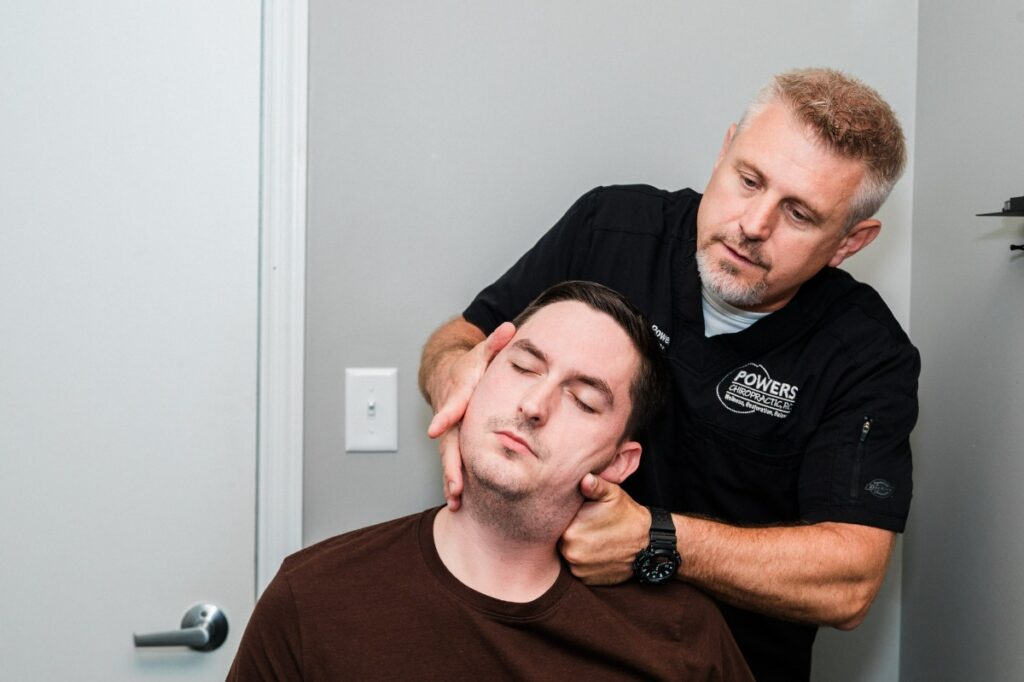
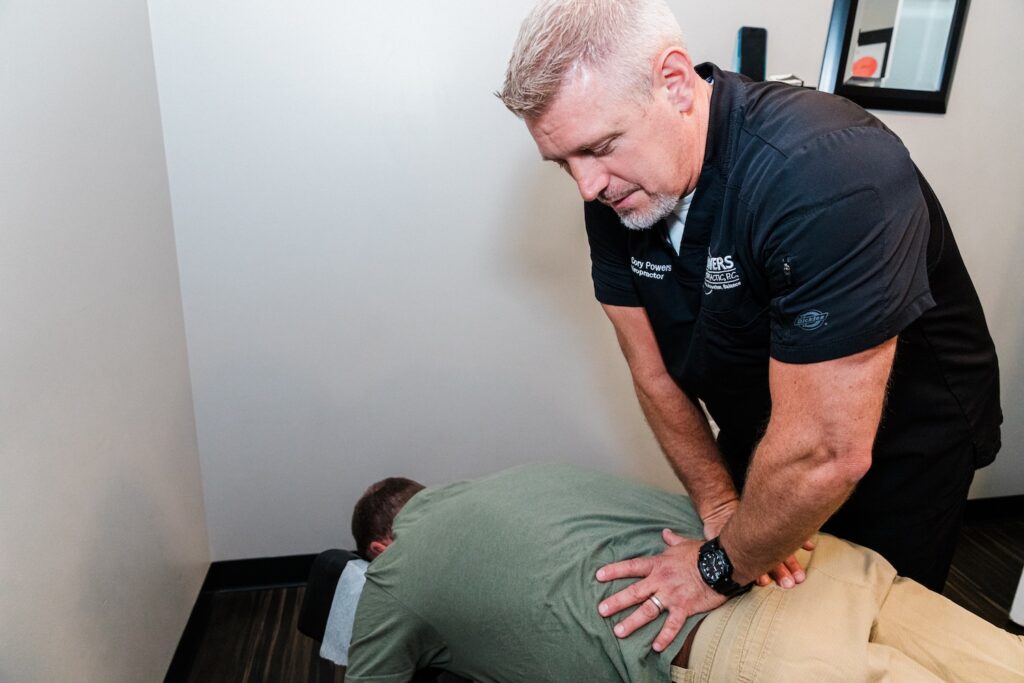
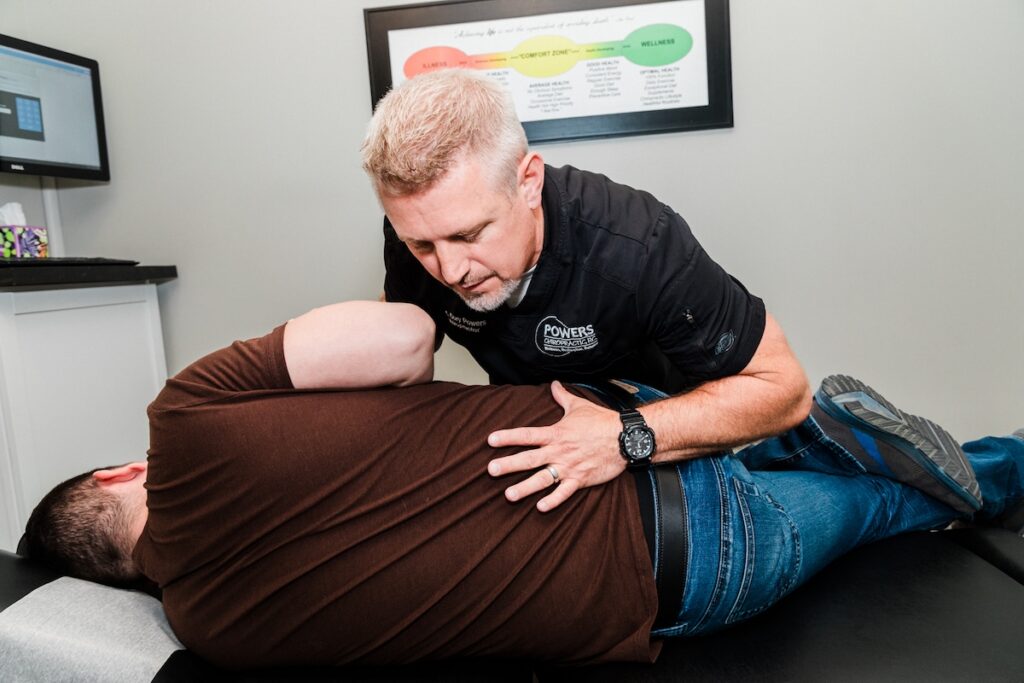
A chiropractic adjustment is a safe, skilled, hands-on technique that helps restore normal motion and alignment in the spine. By improving how the joints move and how the nervous system functions, adjustments can reduce pain, ease muscle tension, and improve mobility in the lower back.
Table of Contents
- What Lower Back Pain Is and Why It Happens
- The Biomechanics of Your Lower Back (In Plain English)
- The Benefits of Chiropractic Adjustments for Lower Back Pain
- What to Expect at Powers Chiropractic in Omaha
- Practical Tips to Protect Your Lower Back
- When to See a Chiropractor
- Urgent Signs: When to Seek Medical Care
- Myths vs. Facts About Chiropractic and Back Pain
- Our Omaha Approach and Closing Thoughts
What Lower Back Pain Is and Why It Happens
Lower back pain is discomfort felt anywhere from the bottom of the rib cage to the top of the legs. It may feel dull and achy, sharp with movement, or stiff after sitting. Sometimes it stays local; other times it can travel into the hips or down a leg. Many Omaha patients tell me their pain "just started" without a major incident—often it builds quietly from daily habits that overload the spine over time.
Common contributors include deconditioning, prolonged sitting, poor lifting mechanics, repetitive bending or twisting, old injuries, and stress that tightens muscles. The lower back works with your hips, core, and mid-back. When any of these areas move poorly, the lower back often compensates—and that compensation can turn into pain.
| Common Cause | How It Can Affect Your Lower Back |
|---|---|
| Prolonged sitting | Shortens hip flexors, weakens glutes, and increases pressure on lumbar discs and joints |
| Poor lifting mechanics | Overloads spinal joints and ligaments, especially during twisting or reaching |
| Deconditioning | Reduces support from core and hip muscles, forcing the spine to do extra work |
| Repetitive bending/twisting | Creates micro-irritation in joints and soft tissues, leading to stiffness and pain |
| Previous injury | Alters movement patterns, causing compensations that stress the lower back |
| Sudden awkward movement | Can “lock” a facet joint or strain surrounding tissues |
The Biomechanics of Your Lower Back (In Plain English)
Your lower back (lumbar spine) is made of vertebrae stacked like building blocks with discs in between that act as cushions. Small joints—facet joints—guide motion, while ligaments and muscles add stability. When these joints stop moving well, nearby muscles tighten to protect the area. That protective tension can become painful, and it often limits your ability to bend, stand, or sleep comfortably.
A chiropractic adjustment helps restore normal joint motion. When the joint moves as it should, the surrounding muscles can relax, circulation improves, and your brain receives clearer signals about position and movement. That’s why many people feel lighter, looser, and more stable after a precise adjustment.
The Benefits of Chiropractic Adjustments for Lower Back Pain
Chiropractic care is a frontline, non-drug, hands-on approach for lower back pain. At Powers Chiropractic, adjustments are tailored to your unique spine and your goals—whether that’s standing at work without pain, playing on the floor with your kids, or finishing a round of golf.
Here are key benefits patients commonly experience:
- Pain reduction without medication: Adjustments help calm irritated joints and reduce protective muscle spasm. Many patients report noticeable relief as mobility improves. Evidence-based guidelines list spinal manipulation as an option for acute and chronic low back pain as part of conservative care approaches (American College of Physicians; NICE).
- Improved mobility and flexibility: When joints glide properly, you can bend, rotate, and sit more comfortably. Restoring movement also makes daily activities—like tying shoes or getting in and out of the car—easier.
- Better movement patterns: Chiropractic adjustments help “reset” restricted segments so your hips, core, and mid-back can share the workload. The result is a more efficient, balanced way of moving that puts less stress on your lower back.
- Support for the nervous system: Spinal joints house and protect the nervous system. By improving joint motion, adjustments may enhance neuromuscular control—how your brain and muscles coordinate—supporting stability and body awareness.
- Personalized, proactive care: Chiropractic care isn’t one-size-fits-all. We take history, perform orthopedic and movement exams, and design care that fits your spine, lifestyle, and activity level. Many Omaha patients choose periodic check-ins to stay ahead of flare-ups and keep moving well.
What to Expect at Powers Chiropractic in Omaha
From your first visit, our focus is to understand your pain and how it affects your life. We’ll discuss when it started, what makes it better or worse, and your goals. Then we’ll perform a thorough exam of your spine, hips, and core function to identify the drivers of your discomfort.
Your care plan may include:
- Specific chiropractic adjustments to restore motion in restricted spinal segments and reduce joint irritation.
- Gentle techniques (including lower-force or instrument-assisted methods when appropriate) if you prefer a softer approach.
- Targeted mobility work and home strategies to support the changes we make in the office and help you move with confidence.
Our aim is to help you feel relief while teaching you how to protect your back between visits. You’ll always know why we recommend each step and how it supports your goals.
Practical Tips to Protect Your Lower Back
- Alternate positions: Change from sitting to standing every 30–45 minutes. Keep your hips slightly above your knees when seated.
- Hinge at the hips: For lifting, keep the load close, hinge from your hips, and avoid twisting while bent.
- Walk and breathe: Daily brisk walks loosen the hips and calm back tension. Breathe into your belly to reduce bracing and tightness.
- Sleep smart: If you’re a side sleeper, place a pillow between your knees. If you’re on your back, a small pillow under the knees can ease pressure.
- Gentle mobility: Cat-camel, hip flexor and hamstring stretches, and glute activation can support your spine. Move within a comfortable range and stop if pain increases.
When to See a Chiropractor
It’s time to schedule if:
- Your pain lasts more than a few days or keeps returning—even if it’s mild, recurring pain is a sign your mechanics need attention.
- You notice stiffness getting out of a chair or bed, or pain after long drives across Omaha.
- Everyday tasks feel limited: putting on socks, carrying groceries, playing with kids, or exercising.
Chiropractic care is well-suited for mechanical lower back pain—pain related to joint motion, muscle tension, or movement patterns. Early care generally leads to faster recovery and fewer flare-ups.
Urgent Signs: When to Seek Medical Care
While most lower back pain is not an emergency, certain symptoms require prompt medical evaluation. If you experience any of the following, seek urgent care or call your primary physician:
- New loss of bowel or bladder control
- Numbness in the saddle area
- Unexplained fever or weight loss with back pain
- Recent significant trauma
- Progressive leg weakness
If you’re unsure, call our office—we’ll guide you to the right next step.
Myths vs. Facts About Chiropractic and Back Pain
- Myth: “If I start chiropractic care, I’ll have to go forever.”
- Fact: You’re always in control of your care. Many patients feel better quickly and choose periodic check-ins to stay well, much like routine dental cleanings for spinal health.
- Myth: “Adjustments are painful or risky.”
- Fact: Most patients find adjustments comfortable and relieving. We use techniques that match your preferences and presentation. If a lower-force method is better for you, we’ll use it.
- Myth: “Back pain is just part of getting older.”
- Fact: Age doesn’t have to equal pain. With the right care and movement habits, people of all ages can maintain strong, capable backs.
- Myth: “If imaging looks normal, the pain isn’t real.”
- Fact: Many mechanical issues don’t show up on X-ray or MRI. Function matters. A skilled exam often reveals the real drivers of your pain.
Our Omaha Approach and Closing Thoughts
Here in Omaha, we help people from every walk of life—nurses working long shifts, teachers on their feet all day, parents lifting kids, and desk workers on I-80 commutes—get back to living with less back pain and more confidence. At Powers Chiropractic, we put chiropractic first because it directly addresses joint motion and neuromuscular control, the foundation of healthy movement.
If your lower back has been holding you back, we’re here to help you move forward safely and confidently. Have questions about your specific situation? Reach out—we’re happy to talk through options and next steps.
FAQs
What happens during a chiropractic adjustment for lower back pain?
After an exam, we apply a precise, gentle force to a restricted joint to restore motion. You may feel immediate ease or gradual improvement over the next day or two.
Is chiropractic safe for lower back pain?
For most people, yes. We screen carefully and adjust techniques to your needs. If anything suggests you need a different type of care, we’ll refer appropriately.
How many visits will I need?
It depends on your goals, how long the issue has been present, and daily demands. Many patients feel better within a few visits, then taper as they improve.
Do adjustments hurt?
Most are comfortable and relieving. You may feel a brief, light pressure and sometimes hear a small “pop,” which is simply gas releasing from the joint.
Can chiropractic help sciatica-style leg pain?
When leg pain is caused by irritated lumbar joints or related soft tissues, adjustments and movement strategies can help. We’ll assess the cause first.
Should I rest or stay active?
Gentle, regular movement usually helps recovery more than bed rest. We’ll guide you on safe activity levels and movements for your case.
TL;DR
- Chiropractic adjustments are a frontline, non-drug way to reduce lower back pain by restoring normal joint motion and easing muscle tension.
- Improved mobility, better movement patterns, and support for neuromuscular control help you move confidently in daily life.
- See a chiropractor if pain lingers more than a few days, keeps coming back, or limits everyday tasks.
- Seek urgent medical care for red flags like loss of bowel/bladder control, saddle numbness, fever, recent trauma, or progressive weakness.
- Here in Omaha, Powers Chiropractic provides personalized, evidence-informed care to help you get back to what you love.
References
- American College of Physicians Clinical Practice Guideline (2017) on noninvasive treatments for acute, subacute, and chronic low back pain: https://www.acpjournals.org/doi/10.7326/M16-2367
- NICE NG59: Low back pain and sciatica in over 16s (UK) for conservative care guidance: https://www.nice.org.uk/guidance/ng59