
Back pain can be a frustrating and persistent issue, often linked to poor posture. As a chiropractor, I want to emphasize how understanding your posture can have a profound impact on your spine and overall health. By making small changes to your daily habits, you can find significant relief from discomfort. Many people are unaware of the common mistakes they make every day that contribute to their pain. Imagine if simple adjustments to the way you sit, stand, and move could enhance your comfort and well-being!
Let’s dive into some effective techniques that can transform your daily routine and alleviate back pain. First and foremost, it’s key to maintain a neutral spine while sitting. Choose ergonomic chairs that support your lower back, and remember to keep your feet flat on the floor. When standing, distribute your weight evenly on both feet and engage your core muscles to support your back.
Incorporating regular stretching and strengthening exercises into your routine can also be beneficial. Focus on stretches that target the hip flexors, hamstrings, and lumbar region. Strengthening your core can provide additional support for your spine, further reducing the chances of pain.
Don’t forget about the importance of movement! Taking breaks to walk around, especially if you have a desk job, can greatly reduce stiffness and promote better posture.
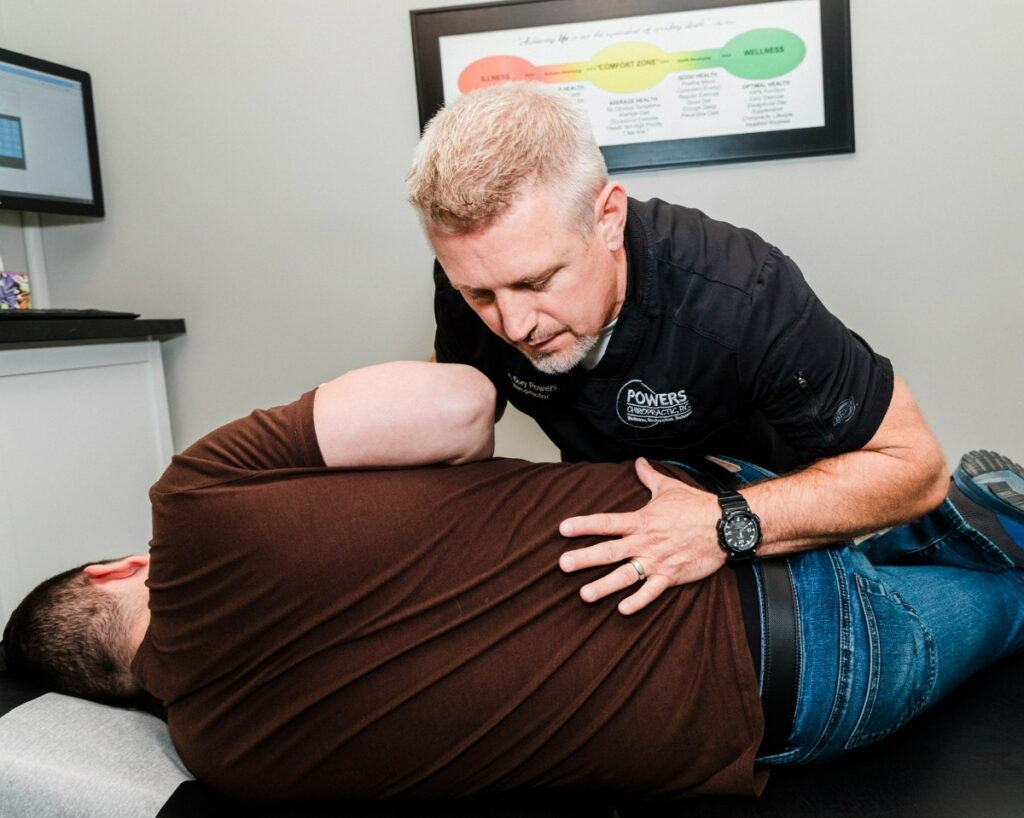
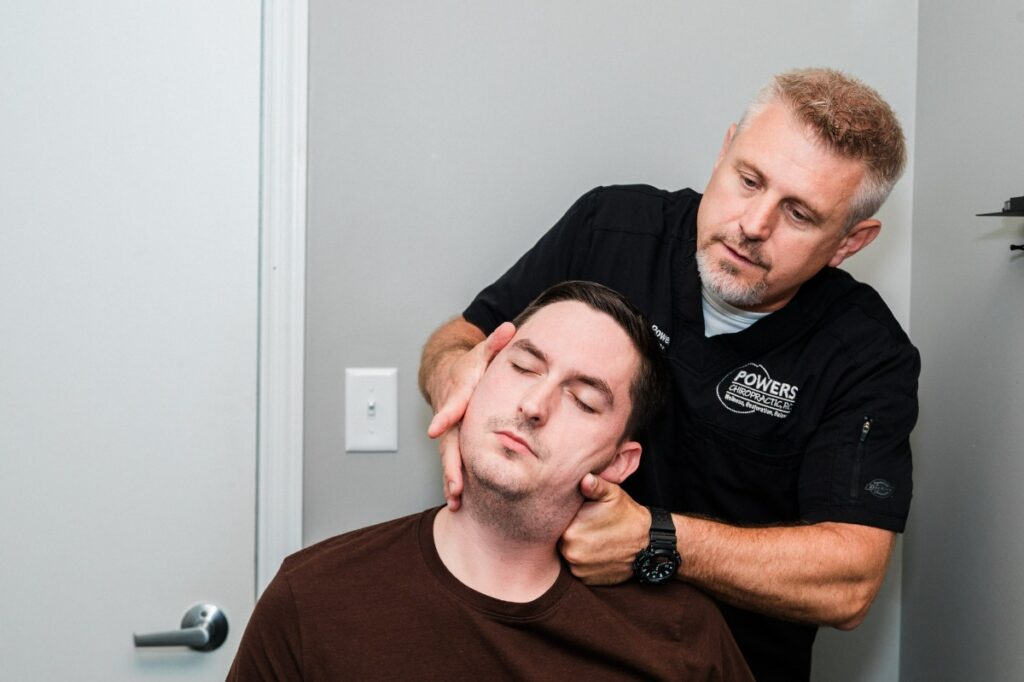
Lastly, regular chiropractic adjustments can help ensure your spine remains aligned and functioning optimally. Chiropractic care is a natural and effective way to address back pain, improve mobility, and enhance your overall wellness. By working with a chiropractor, you can access personalized care that targets your specific needs, helping you achieve lasting relief and a healthier lifestyle.
Remember, small changes can lead to big results. Embrace these techniques, and consider chiropractic care as your partner in achieving optimal health and wellness!
Key Takeaways
- To support your spine health, maintaining good posture is essential. Keep your shoulders back, align your head with your spine, and position your hips correctly. This simple adjustment can significantly reduce strain on your back.
- Make sure your workspace is set up ergonomically. Position your computer monitor at eye level and choose a chair that offers support for your lower back. This will help you maintain a healthy posture throughout the day.
- Remember to take regular breaks! Stand up, stretch, and walk around to relieve tension in your back and encourage better posture. These small actions can make a big difference in your overall comfort.
- While sitting, engage your core muscles. This provides natural support for your spine and helps reduce strain. Strong core muscles are crucial for maintaining good posture.
- Incorporate stretching routines and exercises into your daily life. Movements like planks and wall angels can strengthen the muscles that support your posture and relieve tension in your back.
- Finally, consider regular chiropractic care. Chiropractors are trained to help you achieve optimal health through natural methods. They can assist in correcting posture issues, alleviating pain, and promoting overall wellness without the need for medications or invasive procedures. Embracing chiropractic care as part of your routine can lead to lasting relief and a healthier lifestyle.
Understanding the Connection Between Posture and Back Pain
When you think about how much time you spend sitting or standing each day, it becomes evident that posture is vital for your back health. Poor posture can create strain on your spine, leading to discomfort and pain. For instance, when you’re hunched over a desk or slouched on the couch, your back muscles have to work harder to hold you up, which can result in fatigue and even injury.
On the other hand, maintaining good posture is essential for aligning your spine and evenly distributing your weight, which reduces stress on your back. By keeping your shoulders back, your head aligned with your spine, and your hips in the right position, you can achieve a more balanced body posture.
Here are some simple tips to help you improve your posture and support your back health:
- Mind Your Sitting Position: When sitting, keep your feet flat on the ground and your knees at a right angle. Use a chair that supports your lower back.
- Stand Tall: When standing, distribute your weight evenly on both feet. Keep your shoulders relaxed and aligned with your hips.
- Take Regular Breaks: If you sit for long periods, make it a habit to stand up, stretch, or walk around every 30 minutes to relieve pressure on your spine.
- Strengthen Your Core: Engaging in exercises that strengthen your core muscles can provide better support for your spine.
- Consider Chiropractic Care: Regular visits to a chiropractor can help you maintain proper alignment and reduce pain. Chiropractic adjustments can enhance your overall spinal health, promoting natural healing and wellness.
By incorporating these adjustments into your daily routine, you can significantly improve your comfort and support your long-term back health.
Common Posture Mistakes to Avoid
Poor posture can sneak up on you, leading to discomfort and pain without you even realizing it. As a chiropractor, I want to help you understand how to maintain good posture to support your spinal health and overall well-being.
One common mistake is slumping while sitting, which can put unnecessary strain on your back muscles. To improve your posture, ensure your feet are flat on the floor and your back is straight against the chair. This position not only promotes comfort but also helps keep your spine aligned.
Another frequent issue is hunching over your phone or computer. Keeping your screen at eye level is crucial to avoid neck strain. Remember, an aligned spine starts with a neutral neck position!
When standing, be mindful not to lock your knees; doing so can disrupt your balance and lead to discomfort in your back. Instead, keep a slight bend in your knees to maintain stability.
Carrying your bag on one shoulder for extended periods can also create uneven tension in your body. To promote balance, consider using a backpack or alternating shoulders frequently.
Lastly, engaging your core muscles when sitting or standing can significantly support your spine. Think of your core as your body’s natural support system.
By being mindful of these common pitfalls, you can greatly reduce your risk of back pain and enhance your posture.
The Benefits of Good Posture for Spine Health
Good posture isn’t just about looking confident; it’s crucial for maintaining your spine’s health. As a chiropractor, I can tell you that proper spinal alignment reduces strain on your muscles and ligaments, which can lead to less pain and discomfort. When you adopt good posture, you also enhance your body’s natural curves, promoting better balance and stability. This allows for more freedom and efficiency in your daily movements.
Let’s explore some key benefits of maintaining good posture:
| Benefit | Description |
|---|---|
| Reduced Pain | Minimizes strain on your back and neck muscles, helping to alleviate discomfort. |
| Improved Circulation | Supports better blood flow to your organs, contributing to overall health. |
| Increased Energy | Enhances oxygen intake, leading to boosted stamina and vitality. |
By prioritizing good posture, you’re not only improving your appearance but also investing in your overall health and wellness. Here are some practical tips to help you maintain good posture:
- Be Mindful of Your Sitting Position: When sitting, keep your feet flat on the floor, your knees at a right angle, and use a chair that supports your lower back.
- Stand Tall: When standing, distribute your weight evenly on both feet, keep your shoulders back, and avoid locking your knees.
- Strengthen Your Core: Incorporate exercises that strengthen your core muscles, as a strong core supports your spine and promotes good posture.
- Regular Chiropractic Care: Consider regular visits to your chiropractor. Chiropractic adjustments can help correct misalignments, relieve pain, and promote better posture.
Simple Exercises to Strengthen Postural Muscles
Strengthening your postural muscles is vital for maintaining a healthy spine and reducing back pain. As a chiropractor, I often see the positive effects of simple exercises that target key muscle groups. By incorporating these into your daily routine, you can enhance your posture and overall wellness—without the need for medications or surgeries.
One excellent exercise to consider is the wall angel. Simply stand with your back against a wall and raise your arms to a 90-degree angle. While keeping your arms and back in contact with the wall, slide your arms up and down. Aim for 10-15 repetitions. This exercise not only strengthens your muscles but also encourages proper alignment, which is crucial for spinal health.
Another effective movement is the bird-dog. Begin on all fours, then extend one arm forward while stretching the opposite leg back. Hold this position for a few seconds before switching sides. This exercise helps to stabilize your core and improve balance, both of which are essential for a healthy spine.
Planks are also fantastic for reinforcing your core and back muscles. To perform a plank, lie face down and then lift your body off the ground, supporting yourself on your forearms and toes. Hold this position for 20-30 seconds. Regularly practicing planks can lead to a stronger core, which plays a significant role in preventing back pain.
Incorporating these exercises into your routine can greatly enhance your postural strength and reduce discomfort.
Ergonomic Workstation Setup for Better Posture
As a local chiropractor, I want to share how setting up an ergonomic workstation can greatly enhance your posture and help alleviate back pain. One of the first steps is to adjust your desk height; your elbows should be at a 90-degree angle when typing.
Choosing a supportive chair is equally important; look for one that encourages a straight back and offers lumbar support to cradle the natural curve of your spine.
Positioning your monitor at eye level is crucial, too. This helps prevent neck strain and promotes better alignment of your spine. Remember, these adjustments aren’t just about comfort; they play a vital role in your overall health and wellness.
In addition to these setup tips, consider incorporating regular breaks into your work routine. Stand up, stretch, and move around every hour to keep your muscles engaged and your spine healthy.
If you’re experiencing persistent discomfort, chiropractic care is a natural, effective way to address pain and support your journey to optimal health. With personalized adjustments and guidance, we can work together to enhance your well-being.
Let’s prioritize your spinal health today!
Desk Height Adjustment
Adjusting your desk height is vital for creating an ergonomic workstation that supports better posture and can help reduce back pain. As a chiropractor, I want to emphasize that maintaining a proper desk setup can significantly contribute to your overall spinal health.
When your desk is at the right height, your elbows should rest comfortably at a 90-degree angle while typing, and your wrists should remain straight to avoid unnecessary strain.
To find the ideal height for your desk, sit comfortably in your chair and position your forearms parallel to the ground. If your desk is adjustable, make the necessary changes to maintain this alignment. If your desk is fixed, you might want to consider using a keyboard tray or adjusting your chair height to achieve the best position.
Remember, it’s essential that your feet are flat on the floor or on a footrest for optimal support.
These small adjustments can have a significant impact on your comfort and well-being. As you work towards creating a healthier workspace, remember that regular chiropractic care can also play a crucial role in maintaining your spinal health and alleviating pain.
A chiropractor can help ensure that your spine is aligned correctly, which can enhance your overall wellness and improve your quality of life.
Chair Support Features
Choosing the right chair with supportive features is crucial for maintaining good posture and overall comfort while you work. A well-designed ergonomic chair can help support the natural curve of your spine, reducing strain on your back and ultimately contributing to your overall health. By investing in a chair that offers proper support, you can help prevent discomfort and pain, which may otherwise lead to more serious issues that require chiropractic care.
Here are some essential chair features to consider for optimal spinal health:
| Feature | Importance | Adjustment Type |
|---|---|---|
| Lumbar Support | Supports the natural curve of the lower back | Adjustable or fixed |
| Seat Height | Ensures that your feet remain flat on the floor, aiding circulation | Pneumatic height adjustment |
| Armrests | Helps reduce tension in the shoulders and neck | Adjustable height/width |
| Seat Depth | Promotes proper thigh circulation, which is vital for comfort | Adjustable depth |
When choosing a chair, look for one that allows for adjustments to fit your body perfectly. A supportive chair can significantly enhance your work experience, making it easier to focus on your tasks without the distraction of discomfort.
Additionally, remember to take regular breaks from sitting. Stand up, stretch, and move around every hour to keep your body in alignment and promote healthy circulation. This simple habit can complement the benefits of a good chair and help you maintain a healthy spine.
Monitor Positioning Tips
Proper monitor positioning is essential not only for your comfort but also for maintaining good posture and reducing strain on your neck and eyes, which can lead to discomfort and pain.
As a chiropractor, I encourage you to create an ergonomic workspace that supports your spinal health.
Start by placing your monitor about an arm’s length away. This distance helps you read the screen comfortably without having to lean forward, which can put unnecessary stress on your spine.
Aim for the top of the monitor to be at or slightly below eye level. This positioning allows you to look slightly downward, keeping your neck in a neutral position and reducing the risk of strain.
Tilting your monitor back about 10 to 20 degrees can help minimize glare and promote a more natural head position.
If you use multiple monitors, make sure to position them close together and at the same height. This prevents awkward neck movements and helps keep your spine aligned.
Lastly, adjust your chair’s height so your elbows are at a 90-degree angle while typing. This not only enhances comfort but also supports your overall posture.
Remember, taking these simple steps can significantly improve your well-being and contribute to your overall health.
If you experience discomfort or pain, consider visiting a chiropractor for personalized advice and treatment options that focus on natural healing and wellness. Your spine will thank you!
Techniques for Maintaining Good Posture Throughout the Day
To maintain good posture throughout the day, it’s essential to make some simple yet effective adjustments to your desk setup. Your workspace should support your spine’s natural alignment to prevent strain and discomfort. Consider using an ergonomic chair that encourages good posture, and ensure your computer screen is at eye level to avoid hunching over.
In addition to adjusting your workspace, incorporating mindful movement practices into your daily routine can significantly enhance your spinal health. Simple stretches or brief walks every hour can help keep your body aligned and reduce tension.
Remember, even small changes can make a big difference in how you feel.
As a chiropractor, I believe that maintaining proper posture is vital for your overall well-being. Regular chiropractic care can also support your journey toward optimal health by helping to align your spine and relieve tension. It’s a natural approach that focuses on your body’s innate ability to heal itself.
Desk Setup Adjustments
As a chiropractor, I want to emphasize how your desk setup can significantly affect your posture and overall comfort throughout the day. Proper ergonomics not only help prevent discomfort but also support your spine’s health and alignment. Here are some simple adjustments you can make to your workspace for a healthier you:
- Chair Height: Adjust your chair so that your feet rest flat on the ground. This promotes stability and helps maintain the natural curve of your spine, reducing the risk of back pain.
- Monitor Height: Position your monitor at eye level. This ensures that your neck remains relaxed and reduces strain, which is essential for avoiding headaches and neck discomfort.
- Keyboard Position: Your elbows should be at a 90-degree angle when typing. This helps prevent shoulder tension and encourages a more natural arm position, which is vital for overall wrist and shoulder health.
Here’s a quick reference guide:
| Desk Element | Ideal Position | Purpose |
|---|---|---|
| Chair Height | Feet flat on the ground | Promotes stability |
| Monitor Height | Eye level | Reduces neck strain |
| Keyboard Position | Elbows at 90 degrees | Prevents shoulder tension |
Mindful Movement Practices
After optimizing your desk setup, it’s crucial to maintain good posture throughout the day to support your spine’s health. One of the best ways to achieve this is by incorporating mindful movement practices into your daily routine. Taking short breaks every hour is key; stand up, stretch, and walk around to reset your posture. This simple action can alleviate strain and promote better spinal alignment.
When you’re sitting, remember to engage your core muscles and keep your feet flat on the ground. This helps distribute your weight evenly and reduces pressure on your spine. Setting reminders, such as sticky notes or phone alerts, can be a great way to check in with your posture regularly.
Deep breathing exercises can also enhance your body awareness while allowing you to relax your shoulders, creating a more comfortable sitting position.
Furthermore, consider exploring activities like yoga or tai chi. These practices not only promote body awareness and balance but also complement chiropractic care by enhancing your overall well-being.
By integrating these mindful movement practices into your daily life, you’ll cultivate habits that support a healthier, pain-free back.
Stretching Routines to Relieve Back Tension
Stretching routines are vital for relieving back tension, particularly if you find yourself sitting for long periods or engaging in repetitive tasks. By incorporating simple stretches into your daily life, you can significantly enhance your comfort and flexibility, paving the way to a healthier spine.
One effective stretch to begin with is the cat-cow stretch. Get on all fours and alternate between arching your back like a cat and rounding it like a cow. This gentle movement helps loosen your spine and can improve your overall mobility.
Another great option is the seated forward bend: sit with your legs extended in front of you, reach for your toes, and feel the soothing stretch in your lower back.
Don’t overlook the child’s pose, which is fantastic for gently elongating your spine and promoting relaxation. Aim to hold each stretch for about 20-30 seconds while taking deep breaths to enhance your relaxation response.
To make the most of these stretches, try to incorporate them into your routine at least twice a day—once in the morning to start your day off right and once before bed to unwind. Regular stretching not only alleviates discomfort but also contributes to better posture, which is crucial for maintaining long-term spinal health.
Remember, while these stretches can be incredibly beneficial, chiropractic care is an excellent complement to your wellness routine. A chiropractor can provide personalized adjustments and guidance tailored to your specific needs, helping you achieve optimal health and relief from pain naturally.
Start your journey towards a healthier spine today, and notice how these small changes can make a big difference in your well-being!
Mindfulness Practices for Posture Awareness
To enhance your posture awareness, incorporating mindfulness practices can be a game changer for your overall well-being. As a chiropractor, I encourage my patients to start with simple breathing exercises. These exercises not only help you focus on the present moment but also allow you to connect with how your body feels—an essential step in understanding your posture.
Another effective technique is body scanning. This method involves tuning into different areas of your body to identify any tension or discomfort. By becoming more aware of these sensations, you can better understand how your posture may be affecting your spine and overall health.
Remember, maintaining good posture is vital for spinal health. Here are a few practical tips to help you improve your posture throughout the day:
- Check Your Setup: Whether at your desk or on the couch, ensure your workstation is ergonomically friendly. Your screen should be at eye level, and your chair should support your lower back.
- Take Breaks: If you sit for long periods, set a timer to remind yourself to stand up, stretch, and walk around every 30 minutes.
- Strengthen Your Core: Engaging in exercises that strengthen your core muscles can significantly improve your posture. Strong core muscles support your spine and help you maintain a healthy alignment.
- Stay Mindful: Throughout the day, take a moment to check in with your body. Are your shoulders tense? Is your back straight? Adjusting your posture as needed can help prevent discomfort.
By integrating these mindfulness practices and tips into your daily routine, you can achieve better posture awareness and contribute to your overall health.
Breathing Exercises for Focus
Did you know that your breath can significantly impact your posture and help relieve back pain? By paying attention to your breathing, you can become more aware of your body and how it’s positioned, which is crucial for maintaining spinal health.
Here’s a simple technique you can practice to enhance your well-being.
Start by sitting or standing up straight, creating a solid foundation for your spine. Inhale deeply through your nose, allowing your abdomen to expand fully. This deep breathing not only brings in fresh oxygen but also signals your body to relax. Hold that breath for a moment, then exhale slowly through your mouth, releasing any tension you may be holding.
Repeat this process several times, focusing on the rhythm of your breath.
As you breathe, imagine each inhalation filling your body with healing energy and vitality, while each exhalation releases stress and discomfort. This practice not only calms your mind but also helps your body to align naturally, reducing discomfort and promoting overall wellness.
Incorporating these breathing exercises into your daily routine can complement your chiropractic care, enhancing the effectiveness of adjustments and supporting your journey towards optimal health.
Body Scanning Technique
Building on the awareness gained through mindful breathing, the body scanning technique can significantly enhance your posture awareness, which is essential for maintaining a healthy spine. This practice allows you to identify areas of tension and misalignment in your body, enabling you to make effective adjustments to your posture.
Here’s how to incorporate this technique into your routine:
- Find a comfortable position: Start by sitting or lying down in a quiet space where you can fully focus on your body.
- Start from your feet: Shift your attention to your toes. Notice any sensations or tension you may be holding there.
- Move upward: Gradually scan your body, paying close attention to your legs, hips, torso, arms, and neck. This allows you to become aware of any stress or discomfort that might be affecting your posture.
- Notice and adjust: As you identify areas of tension, consciously relax those muscles and think about correcting your posture. Good posture is crucial for spinal health and can help prevent pain.
Remember, regular practice of body scanning not only helps in recognizing areas that need attention but also promotes a greater sense of overall well-being.
If you find persistent tension or discomfort, consider seeking guidance from a chiropractor. Chiropractic care can help you achieve optimal spinal alignment and enhance your natural healing processes.
With the right adjustments, you can enjoy a healthier, more balanced life.
Incorporating Movement Into Your Daily Routine
Incorporating movement into your daily routine is essential for alleviating back pain and enhancing your overall health. As a chiropractor, I can assure you that simple adjustments can lead to significant improvements.
Start by taking short breaks every hour to stand, stretch, or take a brief walk. Setting a timer can help remind you to get up and move, even if it’s just for a few minutes. This small change can make a big difference in how you feel.
Engaging in low-impact activities such as walking, swimming, or cycling is beneficial for strengthening your back while minimizing strain. Additionally, incorporating flexibility exercises like yoga or gentle stretching can enhance your range of motion, which is vital for maintaining a healthy spine.
If you spend long hours at a desk, consider using a standing desk or an ergonomic chair to promote better posture. Good posture is crucial for spinal health.
Remember, when lifting objects, always bend your knees and keep your back straight to avoid injury—a principle I emphasize to my patients regularly.
By incorporating more movement into your day, you not only support your back but also boost your overall well-being. Chiropractic care complements these lifestyle changes by addressing any underlying spinal issues, helping you achieve optimal health naturally.
When to Seek Professional Help for Back Pain
How do you know when it’s time to seek professional help for back pain? While it’s common to experience some discomfort, there are specific signs that indicate it’s essential to consult a chiropractor for your well-being. Here are some key warning signals to watch for:
- Persistent Pain: If your back pain lingers for more than a few weeks and doesn’t improve with rest or natural remedies, it’s a good idea to seek chiropractic care. A chiropractor can assess your spine and provide targeted adjustments to help alleviate your discomfort.
- Severe Pain: If the pain is severe enough to disrupt your daily activities—like walking, sleeping, or bending—it’s time to reach out to a chiropractor. They specialize in restoring proper alignment and function to your spine, which can significantly reduce pain.
- Numbness or Tingling: Experiencing numbness, tingling, or weakness in your legs or arms could indicate nerve involvement. A chiropractor can evaluate your condition and provide gentle adjustments to relieve pressure on those nerves and restore proper function.
- Loss of Bladder or Bowel Control: If you notice sudden changes in bladder or bowel function, this is a serious matter that requires immediate attention. While this is rare, a chiropractor can help identify underlying issues related to your spine that may be contributing to these symptoms.
Always trust your instincts. If something feels off, don’t hesitate to reach out for professional advice from a chiropractor. Your health and wellness are worth the attention!
General Tips for Back Health:
- Practice good posture: Keep your spine aligned when sitting and standing.
- Stay active: Regular physical activity can strengthen your back and improve flexibility.
- Use proper lifting techniques: Bend at the knees and keep your back straight when lifting heavy objects.
- Stretch regularly: Gentle stretching can help maintain flexibility and reduce tension in your back.
Conclusion
By prioritizing good posture and making simple adjustments in your daily routine, you can significantly alleviate back pain and improve your overall health. As a local chiropractor, I want to emphasize the importance of incorporating chiropractic care into your wellness journey. Regular adjustments can help realign your spine and enhance your body’s natural healing abilities.
In addition to chiropractic care, consider integrating exercises and stretches specifically designed to support your spine into your daily routine. Simple changes, like setting up an ergonomic workspace, can also make a big difference. Remember to be mindful of your posture throughout the day—standing tall and sitting properly can help reduce strain on your back.
If discomfort persists, don’t hesitate to reach out for professional help. Chiropractic care is a natural and effective way to address back pain and promote overall wellness without the need for medications or invasive procedures. With these techniques and the support of chiropractic care, you’re on your way to a healthier back and a more comfortable life.