
Back pain is a widespread concern that many people face, but there are proactive steps you can take to prevent it. As a chiropractor, I want to emphasize the importance of incorporating specific exercises into your daily routine to help maintain a healthy spine and alleviate discomfort. Simple movements like the Cat-Cow stretch and the Bird-Dog target crucial areas that support your back, enhancing both flexibility and strength.
These exercises are not just about stretching; they play a vital role in stabilizing your spine and improving your overall posture. By making these movements a regular part of your routine, you can foster a healthier back and reduce the likelihood of pain.
Let’s dive into these ten exercises and look at their benefits. Remember, by prioritizing your spinal health through natural methods like chiropractic care and these exercises, you’re taking a significant step toward optimal wellness. Here are some general tips to keep in mind:
- Consistency is Key: Aim to incorporate these exercises into your daily routine. Regular practice will yield the best results.
- Listen to Your Body: Pay attention to how your body feels during each exercise. If something doesn’t feel right, it’s essential to stop and reassess.
- Focus on Form: Proper technique is crucial for effectiveness and safety. Take your time to ensure you’re performing each movement correctly.
- Stay Hydrated: Drinking plenty of water supports overall health and can aid in muscle recovery.
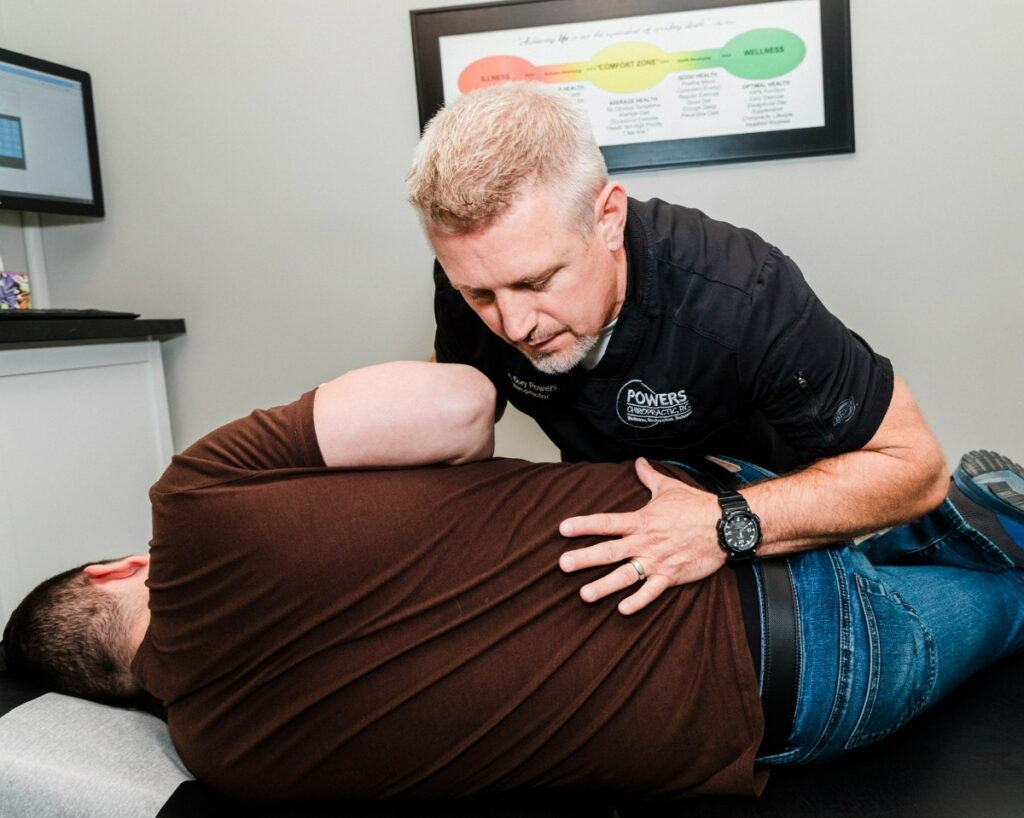
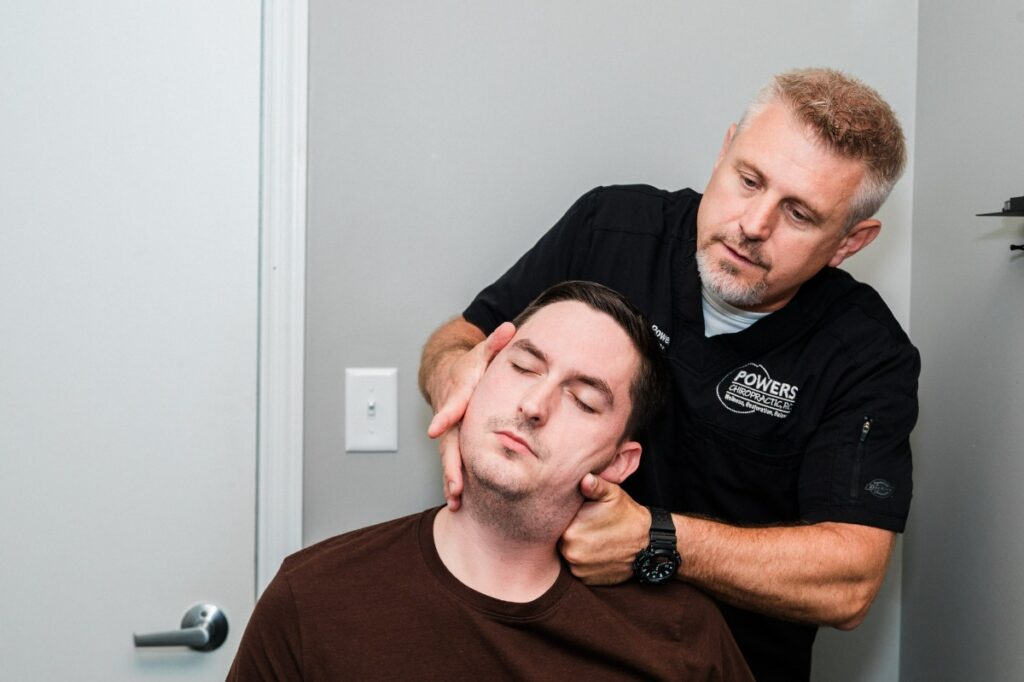
- Seek Professional Guidance: Consider scheduling a visit with your chiropractor to tailor a specific plan that suits your needs and helps you achieve your wellness goals.
By taking a natural approach to pain relief and prioritizing spinal health, you can enjoy a more active, pain-free lifestyle. Let’s explore these ten exercises together and discover how they can benefit you!
Key Takeaways
- To help build a strong foundation for your spine, incorporate core strengthening exercises such as planks and bird-dogs. These exercises enhance stability and support your spine, which can significantly reduce the risk of back pain.
- Engaging in gentle stretching routines like Cat-Cow and Child’s Pose can be incredibly beneficial for your spinal health. These stretches help alleviate tension in the back and promote overall flexibility, making them great additions to your daily routine.
- Stability exercises, including bridges and pelvic tilts, are excellent for strengthening your lower back muscles and improving flexibility. They play a vital role in maintaining a healthy spine and can be easily performed at home.
- Don’t forget about the importance of thoracic spine rotations! Incorporating these movements into your routine can improve spinal mobility and further relieve back tension, helping you feel more comfortable throughout the day.
- Regular chiropractic care is a fantastic complement to these exercises. It not only promotes better spinal alignment but also supports your overall wellness. By choosing chiropractic, you’re opting for a natural and effective way to achieve optimal health and alleviate pain. Remember, your spine is the foundation of your body; taking care of it can lead to a healthier, more vibrant life!
Cat-Cow Stretch
The Cat-Cow Stretch is an excellent exercise that supports spinal health and can help alleviate back pain while improving flexibility. To perform this simple yet effective movement, begin by getting into a tabletop position on all fours. Ensure your wrists are directly beneath your shoulders and your knees are aligned under your hips.
As you take a deep breath in, gently arch your back, letting your belly lower toward the ground while lifting your head and tailbone toward the ceiling. This position is known as “Cow.”
Next, as you exhale, round your back by tucking your chin toward your chest and drawing your belly button in toward your spine. This is referred to as the “Cat” position.
Move fluidly between these two positions, coordinating each breath with your movement. Aim for 5 to 10 repetitions, focusing on the gentle stretch and release throughout your spine. This dynamic motion not only enhances mobility but also promotes proper alignment, which is vital for preventing future back pain.
Incorporating the Cat-Cow Stretch into your daily routine can be a fantastic way to support your spine and overall well-being.
Additionally, consider complementing this exercise with regular chiropractic care, which is designed to optimize your spinal health and provide natural, effective pain relief.
By prioritizing chiropractic adjustments, you can enhance the benefits of exercises like the Cat-Cow Stretch and work towards achieving optimal health and wellness.
Child’s Pose
Child’s Pose is a restorative yoga posture that serves as an excellent way to stretch the back, hips, and thighs while promoting relaxation. This gentle pose can be particularly beneficial for anyone dealing with back pain, offering a natural relief that complements chiropractic care.
Here’s how to ease into this calming position:
- Begin on your hands and knees, ensuring your wrists are aligned with your shoulders and your knees are positioned directly beneath your hips.
- As you exhale, gently sit back on your heels, extending your arms forward or resting them alongside your body.
- Allow your forehead to rest on the mat, taking deep, calming breaths to feel the stretch in your spine and hips.
Hold this position for several breaths, focusing on how your body feels during the stretch.
Child’s Pose not only helps alleviate discomfort but also encourages mindfulness, making it a perfect addition to your daily routine.
Incorporating poses like Child’s Pose into your day can enhance the effects of chiropractic care, promoting overall wellness and helping to maintain a healthy spine.
Plank
When it comes to preventing back pain, mastering the plank isn’t just a workout; it’s an important step towards a healthier spine. Strengthening your core can significantly enhance your posture, which in turn supports spinal health. Proper form is crucial when performing a plank, as it helps to alleviate strain on your back and promotes a well-aligned spine.
As a chiropractor, I believe that incorporating exercises like the plank into your routine can be a natural way to manage and prevent pain. There are several variations of the plank that cater to every fitness level, making it accessible for everyone, whether you’re a beginner or more advanced.
Remember that while exercises like the plank are beneficial, they should be complemented with regular chiropractic care. Chiropractic adjustments can help ensure that your spine is aligned and functioning optimally, which enhances the benefits of your core-strengthening exercises.
Here are some general tips to keep in mind:
- Focus on Form: Always prioritize proper form over duration. Engaging your core and maintaining alignment will provide more benefits and reduce the risk of injury.
- Start Slow: If you’re new to planks, start with shorter intervals and gradually increase the time as your strength improves.
- Listen to Your Body: Pay attention to how your body feels during the exercise. If you experience any discomfort, it might be wise to check in with your chiropractor for personalized advice.
- Incorporate Chiropractic Care: Regular visits to your chiropractor can help keep your spine aligned and support your overall wellness journey.
Proper Plank Form
To prevent back pain effectively, mastering the proper plank form is crucial. This exercise not only strengthens your core but also contributes to overall spinal health, making it a fantastic addition to your wellness routine.
Here are three key points to keep in mind to ensure you’re doing it right:
- Engage Your Core: Tighten your abdominal muscles. This simple action supports your lower back, helping to maintain stability and reduce the risk of injury. A strong core is essential for good posture and overall spinal health.
- Shoulder Position: Make sure your shoulders are directly above your elbows. This alignment helps prevent unnecessary strain on your shoulder joints. Proper alignment is vital, as it not only enhances your plank performance but also protects your spine from misalignments.
- Hip Alignment: Keep your hips in line with your body—avoid letting them sag or rise too high. Maintaining this alignment helps distribute weight evenly and engages your entire body effectively. This practice can contribute to better posture, which is key for preventing back pain.
Incorporating planks into your routine can be a powerful step towards achieving and maintaining optimal health.
Remember, chiropractic care can also play a significant role in supporting your spine and overall wellness. Regular check-ups can help ensure that your body is functioning at its best, allowing you to enjoy all the benefits of a strong core and proper alignment.
Embrace these tips, and consider how chiropractic care can complement your journey towards natural healing and healthier living!
Core Strength Benefits
While you may think of planks as just a core exercise, their benefits extend far beyond that, especially when considering the health of your spine. By engaging multiple muscle groups, planks improve overall stability and strength, which is crucial for maintaining a healthy back. When you hold a plank, your core works hard to keep your body aligned, providing support for your spine. This can help reduce the risk of back pain and improve your posture during daily activities, which is vital for overall wellness.
A strong core not only supports your spine but also enhances your performance in sports and physical activities, allowing you to move more efficiently. With better core strength, you’ll find that your balance improves, making everyday tasks easier and safer. This is where chiropractic care plays an important role; by ensuring your spine is aligned and functioning properly, you can maximize the benefits of exercises like planks.
Incorporating planks into your routine can be a game-changer for your overall fitness and well-being. However, it’s important to remember that maintaining spinal health should be a priority. Regular chiropractic adjustments can help keep your spine aligned, allowing you to feel stronger and more resilient. If you experience any discomfort while exercising, it’s always wise to consult with your chiropractor for personalized advice.
Here are a few general tips to keep in mind for a healthier lifestyle:
- Listen to Your Body: If you feel pain while doing any exercise, stop and consult a chiropractor.
- Focus on Form: Proper alignment is key for both planks and other exercises to prevent injuries.
- Stay Consistent: Incorporate core-strengthening exercises into your routine regularly for the best results.
- Combine with Chiropractic Care: Regular visits to your chiropractor can enhance your physical performance and overall health.
Variations for All Levels
Building a strong core is essential for overall health and wellness, and incorporating variations of planks into your routine can’t only strengthen your core but also enhance your spinal stability.
As a chiropractor, I emphasize the importance of a healthy spine and core, as they play a crucial role in your body’s alignment and function. Here are three plank variations that cater to different fitness levels while keeping your workouts fun and engaging:
- Standard Plank: Begin by getting into a position with your forearms and toes on the ground. Keep your body in a straight line from head to heels. Hold this position for 20-30 seconds, concentrating on engaging your core muscles. This exercise helps support your spine and can alleviate back pain when done correctly.
- Side Plank: Lie on your side and use one forearm to support your body. Stack your feet on top of each other and lift your hips off the ground, creating a straight line from head to heels. Hold for 20-30 seconds on each side. This variation not only strengthens your obliques but also promotes spinal health by improving lateral stability.
- Plank with Shoulder Taps: Start in a standard plank position. Carefully lift one hand to tap the opposite shoulder, then switch sides. Aim for 10-15 taps while maintaining your balance and stability. This exercise helps enhance coordination and core strength, which are key for maintaining good posture and preventing injury.
Remember, these variations not only promote core strength but also contribute to a healthy spine.
Integrating them into your routine can help reduce discomfort and improve your overall wellness. Always listen to your body, and if you experience any pain, consider consulting with a chiropractor to ensure your form is correct and to address any underlying issues.
Prioritizing your spinal health through these exercises can lead to a more natural and effective path to well-being.
Bird-Dog
The Bird-Dog exercise is a fantastic way to enhance your core stability and strengthen your back, making it an essential part of any routine designed to prevent back pain. This straightforward movement not only improves balance and coordination but also engages various muscle groups that support your spine.
Here’s how to perform the Bird-Dog exercise:
| Step | Description |
|---|---|
| Starting Position | Begin on your hands and knees, ensuring your back is flat. |
| Extend Arm | Slowly reach your right arm forward, keeping your body aligned. |
| Extend Leg | Extend your left leg straight back, maintaining balance. |
| Hold | Keep your body in a straight line and hold the position for 5 seconds. |
| Return to Start | Gently lower your arm and leg back to the starting position, then switch sides. |
Aim for 10-15 repetitions on each side, focusing on maintaining a neutral spine throughout the exercise. This attention to form not only enhances your stability but also promotes a healthier back, reducing the likelihood of discomfort.
Incorporating the Bird-Dog into your daily routine can be a powerful step towards better spinal health. Remember, a well-aligned spine is crucial for overall wellness. Regular chiropractic care can further support your body in achieving optimal health, helping to alleviate pain and enhance your quality of life naturally. Prioritize your spine and consider chiropractic adjustments to complement your exercise routine for the best results.
Bridge
Strengthen your lower back and glutes with the Bridge exercise, a fantastic way to support your spine and help prevent back pain. This simple yet effective move can enhance your stability and overall well-being, making daily activities more enjoyable. Here’s how to perform the Bridge exercise:
- Lie on your back: Start by bending your knees and placing your feet flat on the floor, hip-width apart. Keep your arms relaxed at your sides.
- Lift your hips: Press through your heels and engage your glutes as you lift your hips toward the ceiling. At the top, aim for your body to form a straight line from your shoulders to your knees.
- Hold and lower: Pause for a moment to feel the strength in your glutes and lower back, then gently lower your hips back to the ground. Try to complete 10-15 repetitions, focusing on smooth and controlled movements.
Incorporating the Bridge exercise into your routine can help maintain a strong, healthy back, reducing the risk of pain and discomfort.
Remember, a strong spine is essential for overall health, and chiropractic care can play a crucial role in achieving optimal wellness. Regular chiropractic adjustments can enhance your body’s natural healing processes, ensuring your spine stays aligned and functioning at its best.
As you work on strengthening your back, consider these additional tips for a healthier lifestyle:
- Stay active: Regular movement helps keep your muscles engaged and your spine healthy.
- Practice good posture: Whether sitting or standing, maintain a neutral spine to reduce strain.
- Listen to your body: If you feel discomfort, consult with a chiropractor for personalized care and guidance.
Seated Forward Bend
One effective way to enhance your flexibility and relieve tension in your back is through the Seated Forward Bend. This simple stretch not only helps improve your overall flexibility but also complements the benefits of chiropractic care by promoting a healthy spine and reducing discomfort.
To perform this stretch, sit on the floor with your legs extended straight in front of you. Keep your spine tall and engage your core muscles to support your back. Inhale deeply, and as you exhale, hinge at your hips to lean forward, reaching for your feet or shins. Remember, it’s important not to force the stretch; allow your body to relax into the position naturally.
If you find it difficult to reach your feet, don’t worry! You can use a strap or towel placed around your feet to assist you.
Hold the position for 15 to 30 seconds while focusing on your breath. Feel the stretch in your hamstrings and lower back, and let any tension melt away. This gentle approach not only helps improve flexibility but also supports your spine’s health, enhancing the effectiveness of your chiropractic adjustments.
Incorporating stretches like the Seated Forward Bend into your routine can greatly contribute to a pain-free lifestyle and help prevent back pain in the long run.
Standing Back Extension
Standing Back Extension: A Simple Way to Support Your Spine
As a chiropractor, I understand the importance of maintaining spinal health and flexibility, especially in our modern world where many of us spend long hours sitting. The Standing Back Extension is a fantastic exercise that can help relieve tension in your lower back and promote better posture. Here’s how to do it effectively:
- Stand tall: Start with your feet shoulder-width apart and your arms relaxed by your sides. Good alignment is key, so focus on standing straight.
- Inhale deeply: Raise your arms overhead as you take a breath in, feeling your spine lengthen. This is a great moment to engage your core muscles.
- Exhale and arch gently: As you breathe out, gently arch your back, allowing your arms to move slightly behind you. Hold this position for a few seconds while you feel the stretch in your lower back and chest.
Remember to keep your knees slightly bent throughout the movement to avoid straining your back. Also, it’s important to keep your neck relaxed. You can repeat this movement several times, paying attention to your breathing and how your body feels.
Incorporating the Standing Back Extension into your daily routine can greatly benefit your spinal health, helping to reduce discomfort and improve your overall wellness.
It’s a natural way to combat the effects of sitting and can be a great complement to regular chiropractic care, which focuses on maintaining a healthy spine and nervous system.
If you’re looking for a holistic approach to wellness and pain relief, consider the benefits of chiropractic adjustments. They can help align your spine, promote better function, and enhance your body’s natural ability to heal itself.
Side Plank
The Side Plank is a fantastic exercise for enhancing core stability and strengthening your oblique muscles, which play a crucial role in supporting your spine.
To get started, lie on your side with your legs straight and feet stacked. Position your elbow directly beneath your shoulder, then lift your hips off the ground to create a straight line from your head to your heels. It’s important to engage your core and keep your shoulders relaxed while making sure your hips don’t sag.
Begin by holding the position for 20 to 30 seconds, and as you build strength, gradually increase the duration. If you’re new to this exercise, you can modify it by dropping your lower knee to the ground for added support.
Don’t forget to switch sides to ensure balanced strength development, which is essential for overall spinal health.
Incorporating Side Planks into your routine can significantly contribute to stabilizing your spine and reducing the risk of back pain, which is often a common issue. Practicing this exercise several times a week can help maintain a strong and healthy core, ultimately supporting your overall well-being.
Remember, while exercises like Side Planks are beneficial, regular chiropractic care is key to achieving and maintaining optimal health.
Chiropractic adjustments can help ensure your spine is aligned, which enhances your body’s ability to heal naturally. So, consider complementing your exercise routine with visits to your chiropractor for a holistic approach to health and wellness.
Thoracic Spine Rotation
Incorporating thoracic spine rotations into your daily routine is a fantastic way to improve spinal mobility and alleviate tension in your back. This straightforward yet powerful exercise focuses on the mid-back area, enhancing flexibility and reducing stiffness, which can be essential for maintaining a healthy lifestyle.
Here’s a simple guide on how to perform this exercise effectively:
- Start Position: Sit or stand tall with your feet shoulder-width apart. You can cross your arms over your chest or let them hang comfortably at your sides. This position promotes good posture, which is important for spinal health.
- Rotation: Gently twist your upper body to the right, leading with your chin. This movement should be slow and controlled. Hold for a moment to really feel the stretch in your spine. This helps maintain mobility in the thoracic region, which is crucial for overall spinal function.
- Return and Repeat: Come back to the center and then twist to the left. Aim for 8-10 repetitions on each side. This consistent practice can help keep your spine flexible and reduce discomfort, making it easier to perform daily activities.
Remember, regular movement and stretching are key components of a healthy spine.
If you’re experiencing discomfort or stiffness, consider visiting your local chiropractor. Chiropractic care focuses on natural healing and can provide personalized advice and treatment to optimize your spinal health.
Pelvic Tilts
Pelvic tilts are a straightforward yet powerful exercise that can significantly improve your lower back health. As a local chiropractor, I often recommend this exercise to my patients as part of a holistic approach to wellness.
To perform a pelvic tilt, lie on your back with your knees bent and feet flat on the floor. Engage your abdominal muscles and gently press your lower back against the ground. Hold this position for a few seconds, then relax. Aim to repeat this motion for about ten to fifteen times.
Incorporating pelvic tilts into your daily routine can strengthen your core and enhance flexibility, which is essential for alleviating tension in the lower back. This exercise is particularly beneficial if you find yourself sitting or standing for long periods, as it helps combat the negative effects of poor posture.
By practicing pelvic tilts regularly, you can promote better spinal alignment and reduce the risk of back pain over time. As you perform this exercise, remember to breathe steadily and focus on controlled movements. If you experience any discomfort, it’s essential to stop and consult with a healthcare professional, preferably a chiropractor who understands your specific needs.
In addition to pelvic tilts, here are some general tips to support your lower back health:
- Maintain good posture whether sitting or standing.
- Take regular breaks to stretch and move, especially if you’re at a desk for extended periods.
- Stay hydrated and maintain a balanced diet to support overall health.
- Consider regular chiropractic adjustments to keep your spine aligned and functioning optimally.
By integrating these practices into your lifestyle, you’ll be on the path to achieving lasting relief and optimal health naturally.
Conclusion
Incorporating these exercises into your daily routine can significantly lower your risk of back pain and enhance your overall well-being. Simple movements like the Cat-Cow stretch, Bird-Dog, and Plank can help you build strength, flexibility, and balance, which are essential for maintaining a healthy spine. Remember, consistency is key!
As a chiropractor, I encourage you to pair these movements with regular chiropractic care. This combination not only supports your spine’s health but also promotes natural healing and optimal wellness. Start today by integrating these exercises into your life, and take proactive steps toward a pain-free back. Your body will truly appreciate the effort!
To get the most out of your routine, consider setting a specific time each day for your exercises, and be sure to listen to your body. If you ever feel discomfort, don’t hesitate to consult your chiropractor for personalized advice. Together, we can work toward a healthier, happier you!