
Chronic back pain affects millions, and finding lasting relief can feel overwhelming. As a chiropractor, I want to emphasize that a single solution often won’t cut it; it typically requires a blend of strategies. Chiropractic care plays a vital role in your recovery, alongside lifestyle adjustments.
So, what specific steps can you take to manage your pain effectively and enhance your quality of life? Let’s explore some essential elements that could transform your approach to back health, with a focus on natural healing and wellness.
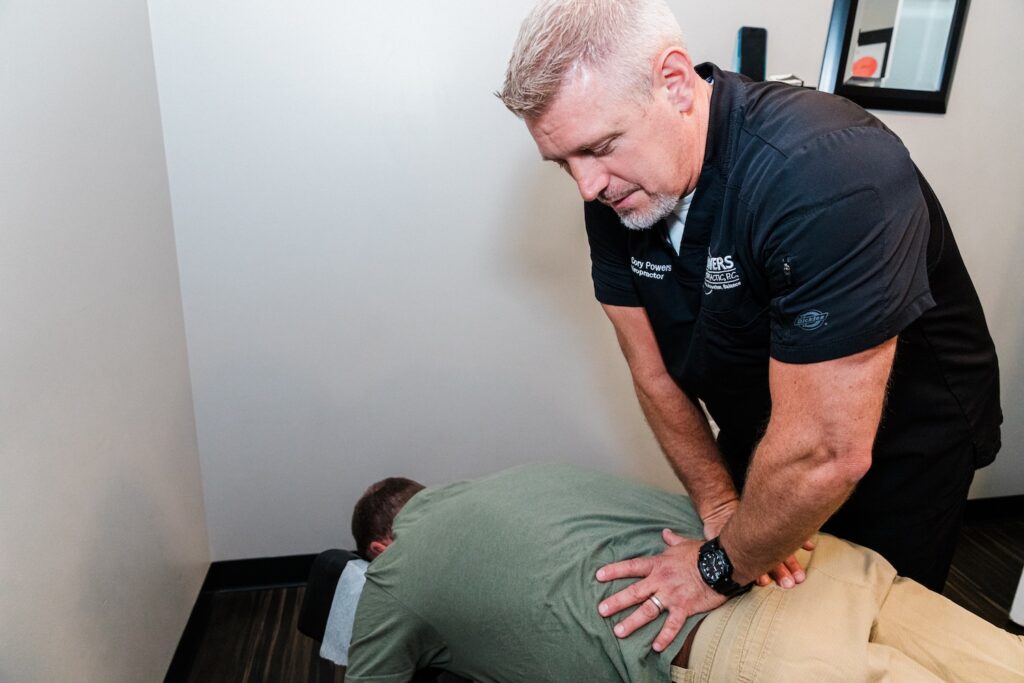
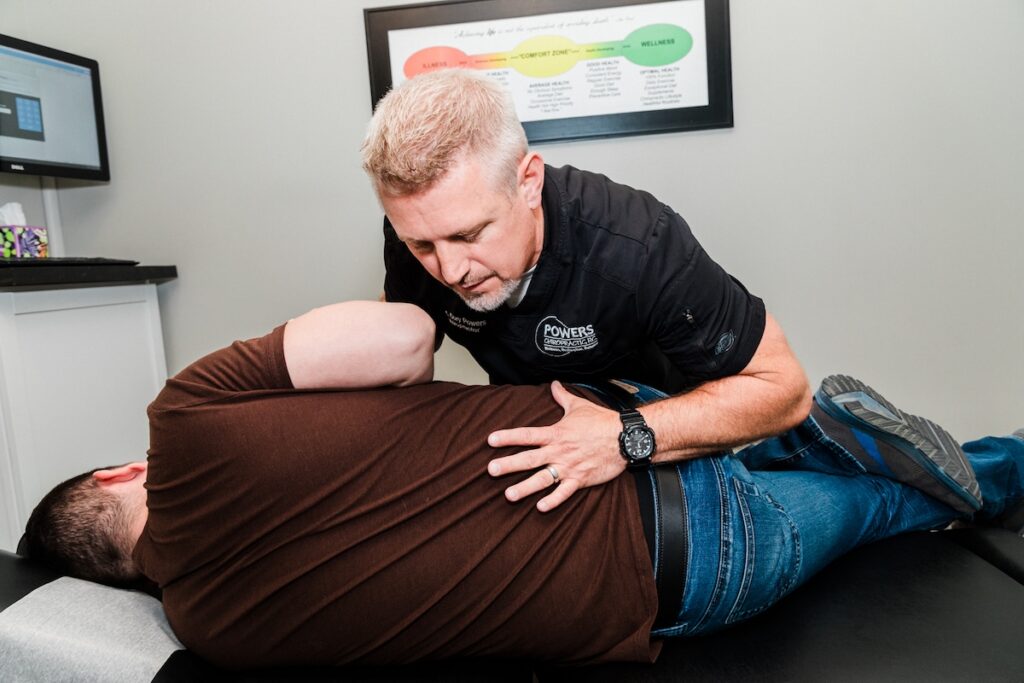
- Regular Chiropractic Adjustments: One of the most beneficial steps you can take is to regularly visit your chiropractor. Adjustments can help align your spine, reduce pain, and improve mobility. It’s a natural way to support your body’s healing process.
- Posture Awareness: Pay attention to your posture throughout the day. Whether sitting at a desk or lifting objects, maintaining proper alignment can significantly reduce strain on your back. Consider setting reminders to check your posture or invest in ergonomic furniture.
- Stay Active: Engage in gentle exercises that strengthen your core and back muscles. Activities like walking, swimming, or yoga can enhance your flexibility and help alleviate pain. Your chiropractor can recommend specific exercises tailored to your needs.
- Mindful Movement: When performing daily tasks, be mindful of your movements. Use your legs when lifting and avoid twisting your torso. Simple changes can prevent unnecessary strain on your back.
- Healthy Weight Management: Maintaining a healthy weight can reduce pressure on your spine. Focus on a balanced diet rich in fruits, vegetables, whole grains, and lean proteins to support your overall health.
- Stress Reduction Techniques: Stress can contribute to muscle tension and pain. Incorporate relaxation techniques such as deep breathing, meditation, or gentle stretching into your daily routine to promote a sense of calm and well-being.
- Listen to Your Body: If you experience discomfort, don’t ignore it. Consult with your chiropractor to address any underlying issues before they escalate. Being proactive about your back health can lead to better outcomes.
By implementing these tips and prioritizing chiropractic care, you can take significant strides towards managing your chronic back pain and improving your overall wellness. Remember, you don’t have to navigate this journey alone—your chiropractor is here to support you every step of the way toward a healthier, pain-free life.
Key Takeaways
Achieving Lasting Relief for Chronic Back Pain through Chiropractic Care
As a local chiropractor, I believe that chiropractic care is one of the most effective ways to find lasting relief from chronic back pain. Regular chiropractic adjustments not only realign the spine but also work to reduce pain and enhance mobility, allowing you to live your life to the fullest.
In addition to chiropractic adjustments, incorporating simple exercises into your routine can significantly strengthen your back muscles. Try exercises like the Bird-Dog and Plank, which are great for improving overall spinal health. These exercises can be easily done at home and help support the structure of your spine.
Creating an ergonomic workspace is also essential for maintaining good posture. Whether you’re working from home or in an office, ensuring that your chair, desk, and computer setup promote proper alignment can help minimize strain on your back throughout the day.
Another simple yet effective tip is to pay attention to your diet. Eating a balanced diet filled with anti-inflammatory foods, like fruits, vegetables, and whole grains, can support your spinal disc health. Staying hydrated is equally important as it helps maintain the elasticity of your spinal discs and reduces discomfort.
Lastly, don’t forget the power of mindfulness. Practicing techniques such as deep breathing and meditation can help alleviate stress and tension, which often contribute to back pain. Taking a few moments each day for yourself can make a world of difference in how your body feels.
Remember, chiropractic care is a natural and effective approach to managing chronic back pain. By embracing these simple strategies, you can empower yourself on the journey to optimal health and wellness.
Understanding Chronic Back Pain: Causes and Symptoms
Chronic back pain can feel like an uninvited guest that just won’t leave. It often arises from various causes, such as poor posture, muscle strains, or herniated discs. Daily activities like lifting heavy objects or sitting for extended periods can contribute to this discomfort, and age-related wear and tear on your spine can also play a significant role.
Symptoms can vary widely; you may experience persistent aching, stiffness, or sharp, shooting pain. Sometimes, the pain radiates down your legs or interferes with your ability to perform everyday tasks. It’s crucial to pay attention to these signs, as they can indicate underlying issues that need to be addressed. Understanding the origin of your pain is essential for finding relief.
Chiropractic care offers a natural and effective approach to managing chronic back pain. By focusing on spinal health, chiropractors can help realign your spine, improve mobility, and reduce pain without the need for invasive procedures or medications. Regular chiropractic adjustments not only alleviate discomfort but also promote overall wellness by enhancing your body’s ability to heal itself.
Here are some general tips to help you manage your back pain and promote a healthier lifestyle:
- Maintain Good Posture: Be mindful of your posture when sitting, standing, or lifting. Keeping your spine aligned can help prevent strain.
- Stay Active: Engage in regular low-impact exercises like walking, swimming, or yoga to strengthen your back muscles and improve flexibility.
- Use Ergonomic Furniture: Consider investing in an ergonomic chair or desk setup to support your spine during long periods of sitting.
- Practice Stress Relief: Stress can contribute to muscle tension. Techniques like deep breathing, meditation, or gentle stretching can help relax your body.
- Stay Hydrated: Drinking plenty of water supports overall health, including the health of your spinal discs.
The Importance of a Comprehensive Approach
When dealing with back pain, it’s crucial to take a well-rounded approach that goes beyond just easing the discomfort. As a local chiropractor, I believe in addressing not only the symptoms but also the underlying causes of your pain. This means considering factors like your posture, muscle strength, and stress levels. By embracing a comprehensive strategy, you can find more effective and long-lasting relief.
To help you understand the key components of this approach, here’s a simple table:
| Component | Description | Benefits |
|---|---|---|
| Chiropractic Care | Gentle adjustments to align your spine and improve function | Reduces pain, enhances mobility, and promotes overall wellness |
| Physical Therapy | Customized exercises to strengthen core muscles | Improves stability and helps prevent future pain |
| Ergonomic Adjustments | Tips for setting up your workspace to support good posture | Reduces strain and injury from daily activities |
| Stress Management | Mindfulness techniques to relax and ease muscle tension | Alleviates stress-related discomfort |
| Education | Learning about proper body mechanics and posture | Empowers you to take control of your health |
As you explore these options, remember that chiropractic care should be your first choice for pain relief and natural wellness. It focuses on non-invasive methods to help your body heal itself, leading to optimal health without the need for medications or surgeries.
Here are some general tips to help you manage your back pain at home:
- Maintain Good Posture: Whether sitting or standing, keep your back straight and shoulders relaxed to avoid unnecessary strain.
- Stay Active: Engage in regular physical activity that promotes spinal health, such as walking, swimming, or yoga.
- Practice Stress Relief: Incorporate relaxation techniques like deep breathing, meditation, or gentle stretches into your daily routine.
- Stay Hydrated: Drink plenty of water to keep your discs hydrated and your muscles functioning properly.
- Listen to Your Body: Pay attention to how your body feels and adjust your activities accordingly to prevent aggravating your pain.
Lifestyle Changes for Better Back Health
To enhance your back health, making some thoughtful lifestyle changes can significantly improve your well-being. As a chiropractor, I believe in the power of natural healing and the body’s ability to recover with the right support. Incorporating regular exercise, ensuring your workspace is ergonomic, and maintaining a healthy weight are all essential steps in alleviating chronic pain and promoting a stronger back.
Let’s dive deeper into how these lifestyle adjustments can transform your back health and why chiropractic care is an excellent ally on this journey.
1. Regular Exercise: Engaging in physical activity not only strengthens your muscles but also improves flexibility and posture. Aim for low-impact exercises like walking, swimming, or yoga, which are gentle on your spine while still providing great benefits.
Regular chiropractic adjustments can also enhance your exercise routine by ensuring your spine is aligned, allowing you to move more freely and with less pain.
2. Ergonomic Workspace: Setting up your workspace to support your body can make a world of difference. Ensure your chair provides good lumbar support, your computer screen is at eye level, and take breaks to stretch and move around.
A chiropractor can offer personalized advice on how to position yourself to reduce strain on your back during work hours.
3. Weight Management: Maintaining a healthy weight reduces the strain on your spine and joints. Simple dietary changes and regular exercise can help you achieve this goal.
Remember, chiropractic care can assist in this process by helping to alleviate discomfort that may arise while you’re trying to adopt healthier habits.
Incorporating these adjustments into your daily routine can lead to a healthier, more resilient back.
Exercise and Physical Activity
Regular exercise is a vital component of maintaining your back health and alleviating chronic pain. As a chiropractor, I can’t stress enough how beneficial activities like walking, swimming, or cycling can be for strengthening your muscles and improving flexibility. When you stick to a consistent exercise routine, you not only relieve tension but also enhance your overall well-being.
Incorporating core-strengthening exercises is especially important, as these help stabilize your spine and promote better posture. Simple movements like planks and bridges can do wonders for your core strength.
Stretching is equally crucial; it boosts blood flow and reduces stiffness in your back. Gentle stretches, such as reaching for your toes or doing shoulder rolls, can be easily added to your daily routine.
Always remember to start slowly and listen to your body to avoid any injuries. Aim for at least 30 minutes of moderate activity most days of the week. If pain arises, it’s essential to consult with a chiropractor who can guide you on safe practices tailored to your needs.
By prioritizing physical activity and seeking chiropractic care, you empower yourself to manage pain naturally and reclaim your life. Chiropractic adjustments can further enhance your exercise efforts by ensuring your spine is aligned and functioning optimally.
Ergonomic Workspace Setup
As a chiropractor, I understand that many of us spend long hours at our desks, which can lead to discomfort and strain on our backs.
An ergonomic workspace is essential for maintaining a healthy spine and overall well-being. By making a few simple adjustments to your workspace, you can support your spine and enhance your comfort.
Here are three key adjustments to consider:
- Chair Height: Ensure that your feet rest flat on the floor and that your knees are aligned with your hips. This proper positioning promotes better posture and significantly reduces strain on your back. Remember, a well-supported spine is crucial for your overall health.
- Monitor Position: Position your monitor at eye level, about an arm’s length away. This alignment keeps your neck in a neutral position, reducing tension and preventing discomfort. A well-placed monitor can help reduce the risk of developing neck pain, which is often a common issue.
- Keyboard and Mouse Placement: Keep your keyboard and mouse close enough that your elbows remain at a 90-degree angle. This simple adjustment can help you avoid shoulder and back strain, allowing you to work more comfortably.
Incorporating these changes into your daily routine can greatly enhance your comfort during long work hours and supports your spine’s health.
Remember, chiropractic care is an excellent option for addressing any discomfort you may experience and for promoting natural wellness.
By taking proactive steps to improve your workspace, you’re investing in your health and well-being. If you have any concerns about your spine or overall health, consider reaching out to a chiropractor for personalized advice and support.
Your spine will thank you!
Healthy Weight Management
Maintaining a healthy weight is crucial for supporting your back health, as carrying excess weight can put extra strain on your spine and the muscles around it. When you have extra pounds, your body often compensates in ways that can lead to poor posture and increased discomfort. By focusing on weight management, you can help ease some of this pressure and promote a healthier spine.
Incorporating regular physical activity into your routine is a great first step. Aim for a mix of cardio exercises, like walking or cycling, and strength training to build muscle and improve flexibility. This not only supports weight loss but also helps keep your spine aligned and your back strong.
Eating a balanced diet is equally important. Fill your plate with colorful fruits and vegetables, lean proteins, and whole grains. These foods aren’t only nutritious but can also help you shed unwanted pounds, which in turn can reduce the strain on your back.
Remember, even small changes can lead to significant improvements. Simple adjustments, like taking the stairs instead of the elevator or incorporating short walks into your day, can make a big difference over time.
As a chiropractor, I believe that chiropractic care plays a vital role in achieving optimal health. Regular adjustments can help improve your posture, alleviate discomfort, and enhance your overall wellness.
Targeted Exercises to Strengthen Your Back
To effectively alleviate chronic back pain, incorporating targeted exercises into your daily routine can be incredibly beneficial. Strengthening the muscles that support your spine enhances stability and helps reduce pain, allowing you to live a healthier, more active life.
Here are three simple exercises that I recommend to help you on your journey to better back health:
- Bird-Dog: Begin on your hands and knees. Extend one arm forward while reaching the opposite leg back, making sure to keep your core engaged. Hold this position for a few seconds, then switch to the other side. This exercise not only strengthens your back but also improves balance and coordination.
- Bridge: Lie on your back with your knees bent and feet flat on the floor. Slowly raise your hips toward the ceiling, squeezing your glutes at the top. Hold for a moment before lowering back down. This movement helps strengthen your lower back and glutes, providing critical support for your spine.
- Plank: Position yourself in a push-up stance, resting on your forearms and toes. Keep your body in a straight line from head to heels. Try to hold this position as long as you can while focusing on maintaining proper form. Planks are excellent for building core strength, which is essential for a healthy back.
Incorporating these exercises regularly into your routine can lead to significant improvements in your back strength and flexibility.
Additionally, consider making chiropractic care a part of your wellness plan. Regular adjustments can help align your spine, relieve tension, and promote overall health.
The Role of Mindfulness and Stress Management
Mindfulness and stress management are essential tools for easing chronic back pain, and as your local chiropractor, I want to emphasize their importance alongside the benefits of chiropractic care.
By incorporating mindfulness techniques and stress reduction practices into your daily routine, you can’t only enhance your overall well-being but also support your spine’s health.
Chiropractic care focuses on aligning your spine and improving nervous system function, which can significantly reduce pain and enhance your body’s natural healing abilities. When you combine this with mindfulness practices, you can create a powerful approach to managing pain and stress.
Here are some simple tips to help you find relief and improve your quality of life:
- Practice Deep Breathing: Take a few minutes each day to focus on your breath. Inhale deeply through your nose, hold for a moment, and exhale slowly through your mouth. This can help reduce stress and tension in your back.
- Stay Active: Gentle exercises like walking, stretching, or yoga can promote spinal health and reduce discomfort. Remember to consult with your chiropractor about exercises that are suitable for your specific condition.
- Mindfulness Meditation: Set aside a few minutes daily for mindfulness meditation. Sit comfortably, close your eyes, and focus on the present moment. This practice can help calm your mind and reduce stress levels, which may contribute to back pain.
- Maintain Good Posture: Pay attention to your posture during daily activities. Proper alignment can help prevent additional strain on your back. Your chiropractor can provide guidance on maintaining good posture at work and home.
- Stay Hydrated: Drinking plenty of water is essential for overall health, including the health of your spine. Hydration helps maintain the elasticity of spinal discs and supports overall function.
- Regular Chiropractic Visits: Make chiropractic care a part of your wellness routine. Regular adjustments can alleviate pain, improve mobility, and support your body’s natural healing processes.
By integrating mindfulness and stress management techniques with chiropractic care, you can take significant steps toward achieving optimal health and relief from chronic back pain.
Mindfulness Techniques Overview
Implementing mindfulness techniques can significantly aid in managing chronic back pain and is a fantastic complement to chiropractic care. By focusing on the present moment and cultivating awareness, you can lower stress levels and enhance your overall wellness.
Here are some simple mindfulness techniques you can try:
- Breathing exercises: Take deep, slow breaths. This not only calms your mind and body but also helps ease tension in your muscles, making it easier to maintain a healthy spine.
- Body scan: Take a moment to focus on each part of your body. Notice where you might feel discomfort or tightness, especially in your back. By recognizing these areas, you can consciously relax them, which can enhance the effectiveness of your chiropractic adjustments.
- Mindful movement: Engage in gentle activities such as yoga or tai chi. These practices promote body awareness and can improve flexibility and strength, which are essential for maintaining a healthy spine.
Incorporating these mindfulness techniques into your daily routine, alongside regular chiropractic care, can lead to more effective pain relief and a healthier lifestyle.
Stress Reduction Practices
Chronic back pain can often be worsened by stress, but embracing effective stress reduction practices can greatly enhance your overall well-being and comfort. One of the most beneficial approaches is to engage in mindfulness techniques such as deep breathing, meditation, or yoga. These practices help to calm both your mind and body, reducing tension that can contribute to pain.
By regularly practicing these techniques, you’ll become more aware of your body and pain levels, enabling you to respond more effectively to discomfort.
In addition to mindfulness, incorporating daily activities that bring you joy can significantly reduce stress. Simple pleasures like walking in nature, reading a good book, or enjoying a hobby can provide a much-needed break from stressors.
Make it a priority to set aside time for these enjoyable activities; they’re essential for your mental and emotional health.
Remember, managing stress is an integral part of your journey to relief. By prioritizing stress management, you’re not just addressing pain; you’re enhancing your quality of life.
Chiropractic care can also play a vital role in achieving optimal health. Through gentle adjustments and natural healing techniques, chiropractic helps align your spine, promotes better function, and supports your body’s ability to heal itself.
For those dealing with chronic pain, consider incorporating these tips into your daily routine and explore how chiropractic care can help you on your path to lasting comfort and wellness.
Your journey towards a healthier, pain-free life is holistic, and with the right support, you can achieve it.
Exploring Alternative Therapies
As you seek relief from chronic back pain, consider the benefits of chiropractic care, a natural and effective solution that not only addresses pain but also promotes overall wellness. Chiropractic care focuses on aligning the spine and enhancing your body’s ability to heal itself, making it a top choice for those looking to improve their health without the use of medications or surgeries.
– Chiropractic care: Regular visits to a chiropractor can significantly enhance your quality of life. By realigning your spine, you can improve mobility, reduce pain, and foster long-term well-being.
Many patients experience immediate relief after their adjustments and find that their bodies become more resilient over time.
- Integrating movement: Incorporating gentle stretches and exercises into your daily routine can complement the adjustments you receive in the office. Simple activities like walking or light yoga can help maintain spinal health and prevent future discomfort.
- Posture awareness: Being mindful of your posture throughout the day can make a substantial difference in your back health. Whether sitting at a desk or lifting objects, maintaining good posture helps reduce strain on your spine and muscles.
- Hydration and nutrition: Staying well-hydrated and eating a balanced diet rich in anti-inflammatory foods can support your body’s healing processes. This holistic approach not only aids recovery but also enhances your overall health.
By choosing chiropractic care and incorporating these tips into your lifestyle, you can take proactive steps towards managing your back pain and achieving optimal health.
Nutrition’s Impact on Back Pain
Nutrition plays a crucial role in managing back pain, and as your local chiropractor, I want to share how you can use your diet to support your healing journey. The foods you choose can influence inflammation and contribute to your overall health, making a significant difference in how you feel.
Incorporating anti-inflammatory foods into your meals can be particularly helpful for alleviating back pain. Consider adding leafy greens, fatty fish like salmon, and nuts to your diet. These foods are packed with omega-3 fatty acids, which can help reduce pain and stiffness in your back.
Additionally, the antioxidants found in fruits and vegetables can combat oxidative stress, further supporting your body’s natural healing processes.
On the other hand, it’s wise to limit processed foods, sugars, and trans fats in your diet, as these can increase inflammation and worsen your pain. Staying well-hydrated is also essential—dehydration can lead to muscle cramps and discomfort, which can add to your back pain.
Maintaining a healthy weight through balanced nutrition not only benefits your overall health but also reduces stress on your back. By focusing on nourishing your body with the right foods, you’re taking proactive steps toward managing your back pain effectively.
Remember, chiropractic care is an excellent way to complement your healthy lifestyle. Regular chiropractic adjustments can help restore proper alignment, improve mobility, and enhance your overall well-being.
When to Seek Professional Help
How do you know when it’s time to seek professional help for chronic back pain? Recognizing the right moment can be essential for your recovery, and chiropractic care could be the key to your healing journey. If you’re experiencing any of the following signs, it’s a good idea to consult a chiropractor:
- Persistent pain: If your back pain lasts longer than a few weeks, despite trying home remedies like rest and gentle stretching, it’s a sign that you could benefit from expert chiropractic advice. A chiropractor can assess your spine and help identify the underlying issues causing your discomfort.
- Numbness or tingling: Experiencing sensations like numbness or tingling can indicate that the nerves in your spine might be involved. These symptoms are signals that require further evaluation, and a chiropractor is trained to help you understand what’s happening in your body and how to address it naturally.
- Loss of mobility: If daily activities are becoming challenging or you notice a decline in your range of motion, it’s time to reach out for help. A chiropractor can work with you to restore your mobility through targeted adjustments and personalized exercise recommendations.
Ignoring these symptoms can lead to further complications and prolonged discomfort. By reaching out to a chiropractor, you’ll gain a clearer understanding of your condition and how to achieve lasting pain relief naturally. This step is essential for improving your overall quality of life and getting back to the activities you love.
As you consider your options, remember that chiropractic care focuses on natural healing and wellness. It helps align your spine, reduce pain, and promote better overall health.
Don’t hesitate to take that step toward relief and a healthier lifestyle!
Conclusion
Managing chronic back pain effectively requires a holistic approach, and chiropractic care stands out as a leading solution for lasting relief. By visiting a chiropractor, you can address the root causes of your pain and restore proper spinal alignment, which is essential for optimal health.
In addition to chiropractic adjustments, consider making some lifestyle changes that can enhance your recovery. Regular physical activity, tailored exercises, and stretching can strengthen your back muscles and improve flexibility. Incorporating mindfulness practices, such as meditation or yoga, can also help reduce stress, which can contribute to pain.
Don’t underestimate the power of nutrition in your healing journey. A diet rich in anti-inflammatory foods—like fruits, vegetables, whole grains, and healthy fats—can support your body’s recovery processes. Staying hydrated and maintaining a healthy weight are also important factors in managing back pain.
If your pain persists, don’t hesitate to seek professional help from a chiropractor. They can provide personalized care and guidance tailored to your specific needs. Remember, taking control of your journey to a pain-free life starts with informed choices and a commitment to your health. Embrace chiropractic care as a natural, effective way to achieve and maintain your wellness!