
Lower back pain can be a persistent issue that significantly impacts your daily life and overall well-being. While it may seem challenging to manage, chiropractic care stands out as an effective and natural method for relief. Through spinal adjustments and holistic approaches, chiropractic treatment offers unique benefits that can help you regain comfort and improve your quality of life.
Curious about how chiropractic care can help? Here are ten techniques that highlight the power of chiropractic in relieving lower back pain and promoting overall wellness:
- Spinal Adjustments: The cornerstone of chiropractic care, spinal adjustments realign your vertebrae, reducing pain and restoring mobility. Regular adjustments can help maintain spinal health and prevent future issues.
- Soft Tissue Therapy: Techniques such as massage and myofascial release can ease tension in the muscles surrounding the spine, enhancing the effectiveness of adjustments and promoting relaxation.
- Exercise Recommendations: Chiropractors often provide personalized exercise plans to strengthen your core and back muscles, which can help support your spine and reduce pain.
- Posture Education: Poor posture can contribute to lower back pain. Chiropractors educate patients on maintaining proper posture during daily activities to alleviate strain on the spine.
- Nutritional Guidance: A healthy diet plays a vital role in overall wellness. Chiropractors can offer advice on nutrition that supports spinal health and helps reduce inflammation.
- Lifestyle Modifications: Simple changes in your daily routine, such as ergonomic adjustments at your workspace or incorporating gentle stretching, can make a significant difference in managing back pain.
- Stress Management: Stress can exacerbate pain. Techniques such as deep breathing exercises and mindfulness, often recommended by chiropractors, can help you manage stress and reduce tension.
- Heat and Cold Therapy: Applying heat or cold packs can provide immediate relief for aching muscles. Chiropractors can advise on when to use each method effectively.
- Patient Education: Understanding your condition is crucial. Chiropractors take the time to explain the mechanics of your spine and how it relates to your pain, empowering you to take an active role in your recovery.
- Regular Check-ups: Continuous care through regular chiropractic visits can help maintain spinal health and prevent future episodes of pain, ensuring you stay on the path to wellness.
By choosing chiropractic care, you’re opting for a natural, non-invasive approach to health that focuses on healing the root cause of pain rather than just masking symptoms. If you’re struggling with lower back pain, consider scheduling a consultation with a local chiropractor to explore how these techniques can benefit you. Your journey to optimal health starts with informed choices and a commitment to wellness!
Key Takeaways
- Chiropractic Adjustments are a cornerstone of effective lower back pain relief. By realigning your spine, these adjustments not only reduce discomfort but also enhance your mobility, allowing you to enjoy everyday activities without pain. Regular visits to your chiropractor can help maintain this alignment, promoting overall wellness.
- Soft Tissue Therapy is another fantastic tool we use to alleviate muscle tension. This gentle technique promotes relaxation and supports your body’s natural healing process. When your muscles are relaxed, they’re better able to recover, which is essential for long-term back health.
- Rehabilitation Exercises are vital for strengthening your core and back muscles. A strong core provides stability, which can significantly reduce the risk of future pain. Your chiropractor can guide you through specific exercises tailored to your needs, making it easy to incorporate them into your routine.
- Cognitive Behavioral Therapy (CBT) can be a helpful complement to chiropractic care. It assists you in managing your pain perception and developing coping strategies. By working on your mindset, you can enhance the benefits of your physical treatments and feel more empowered in your recovery journey.
- Transcutaneous Electrical Nerve Stimulation (TENS) is a useful adjunct to chiropractic care. It offers temporary pain relief by interrupting pain signals, making it easier to engage in your chiropractic adjustments and exercises. When used alongside chiropractic treatment, it can enhance your overall pain management strategy.
In addition to these techniques, remember to maintain good posture, stay active, and listen to your body. Simple lifestyle changes, like taking regular breaks during long periods of sitting, can make a big difference. Your chiropractor is here to help you every step of the way on your journey to optimal health and wellness.
Chiropractic Adjustments
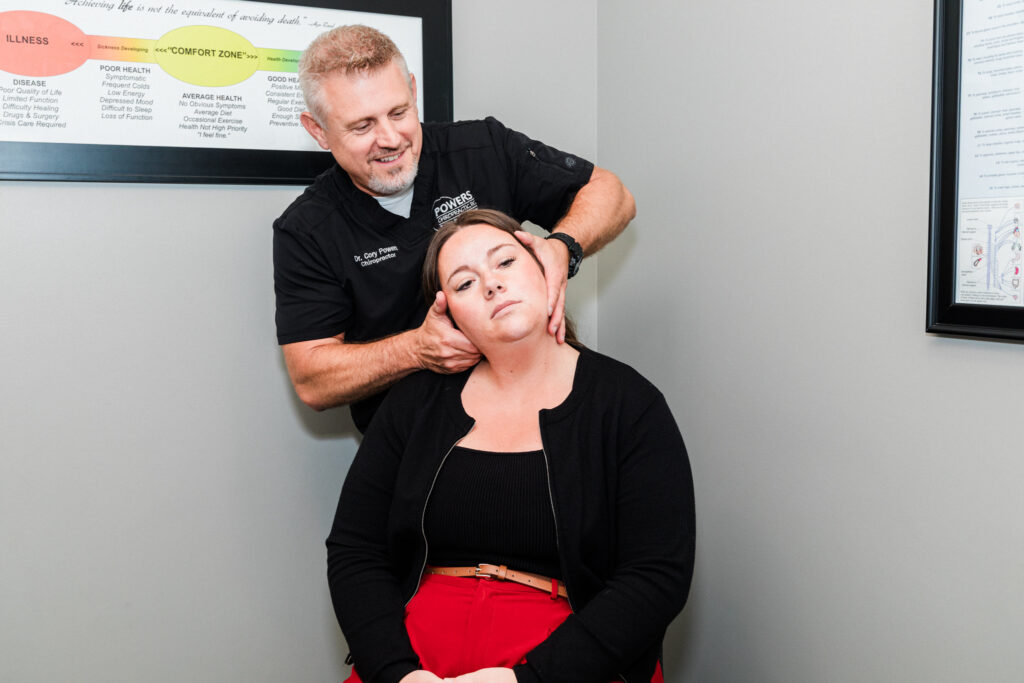
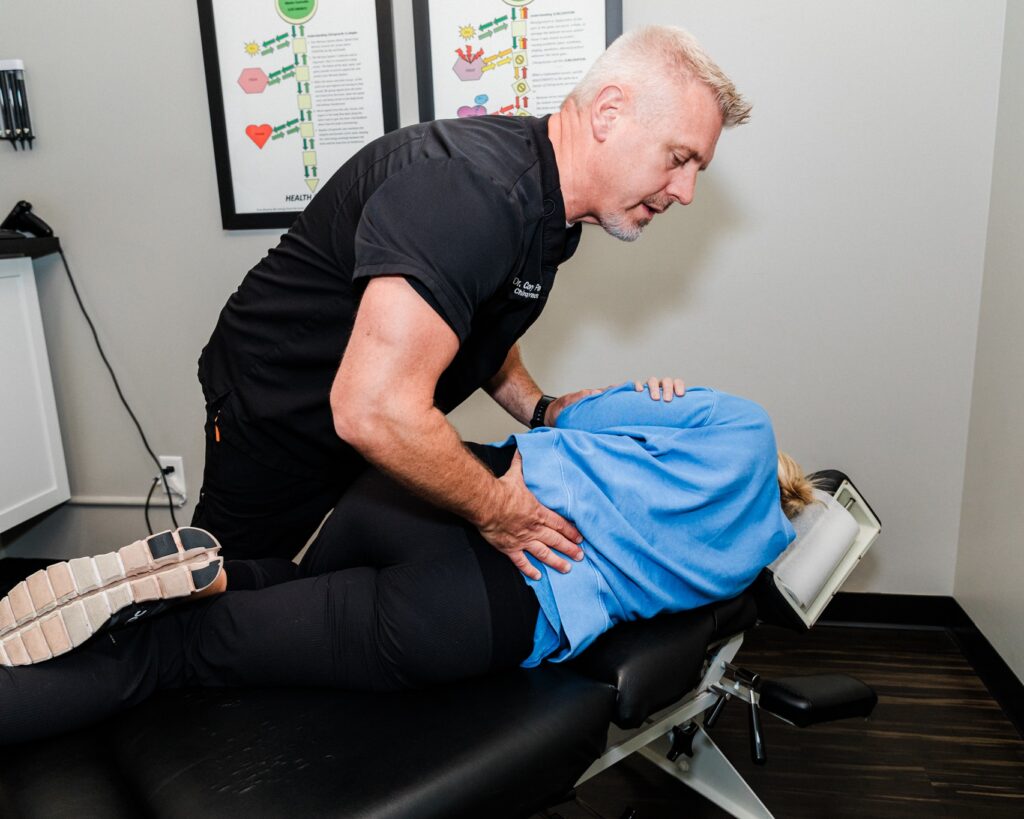
When you’re dealing with lower back pain, chiropractic adjustments can truly transform your experience. These specialized treatments focus on realigning your spine, which can significantly reduce discomfort and boost your mobility.
By using gentle, precise techniques, your chiropractor works to manipulate the vertebrae, relieving tension in tight muscles and surrounding tissues.
Many patients discover that not only do these adjustments help with pain relief, but they also contribute to an overall sense of well-being. After just a few sessions, you might notice a surge in your energy levels and improvements in your sleep quality.
Chiropractic care also encourages better posture, which plays a crucial role in preventing future pain from returning. Remember, it’s important to share your symptoms and any specific concerns with your chiropractor, as this communication is key to tailoring your care.
Here are some general tips to support your journey to better health:
- Stay Active: Regular movement is essential. Simple activities like walking or stretching can keep your back strong and flexible.
- Mind Your Posture: Be mindful of how you sit and stand. Proper posture can reduce strain on your back.
- Hydrate: Drinking plenty of water helps maintain the elasticity of your spinal discs and promotes overall health.
- Practice Relaxation Techniques: Stress can manifest as tension in your body. Techniques such as deep breathing or yoga can help alleviate this tension.
Chiropractic care is a natural and effective way to achieve optimal health and wellness. Embrace it as a vital part of your journey to a pain-free life!
Physical Therapy
Chiropractic care provides a holistic approach to managing lower back pain, allowing you to regain strength and mobility naturally. As a chiropractor, I focus on assessing your spinal health and creating a personalized plan that aligns with your body’s needs. Through gentle adjustments and specific exercises, we work together to improve your flexibility and strengthen your core, helping to alleviate pain and enhance your overall well-being.
Here’s a quick overview of effective chiropractic techniques that can support your journey to optimal health:
| Technique | Purpose |
|---|---|
| Spinal Adjustments | Restores proper alignment and function |
| Soft Tissue Therapy | Reduces tension and promotes relaxation |
| Rehabilitation Exercises | Strengthens muscles and improves stability |
| Posture Guidance | Enhances body mechanics and reduces strain |
Remember, maintaining a healthy spine is crucial for overall wellness. Here are some tips you can incorporate into your daily routine:
- Stay Active: Engage in regular physical activity to keep your muscles strong and flexible.
- Mind Your Posture: Be conscious of your posture when sitting or standing to reduce strain on your back.
- Stretch Daily: Incorporate gentle stretching exercises to maintain flexibility and prevent stiffness.
- Listen to Your Body: If you feel discomfort, give your body time to rest and recover.
Choosing chiropractic care means opting for a natural, non-invasive way to achieve lasting pain relief and overall wellness. Together, we can help you live a healthier, more active life!
Acupuncture
Chiropractic care offers an effective and natural approach to alleviating lower back pain, focusing on the health of your spine and nervous system. Unlike other treatments, chiropractic adjustments aim to restore proper alignment, which can lead to improved function and pain relief.
Here’s what you can expect from chiropractic treatment:
- Pain Relief: Many patients notice a significant reduction in pain after just a few adjustments, as chiropractic care addresses the root cause of discomfort rather than just masking symptoms.
- Improved Mobility: Regular chiropractic visits can enhance your range of motion, making everyday activities like bending, lifting, and exercising easier and more enjoyable.
- Stress Reduction: The adjustments promote relaxation and can help relieve tension in your back and other areas of your body, leading to a greater sense of overall well-being.
- Holistic Benefits: Chiropractic care not only targets pain but also supports your body’s natural ability to heal itself, addressing underlying issues that may contribute to discomfort.
If you’re struggling with lower back pain, consider visiting a licensed chiropractor. They can provide personalized care tailored to your specific needs.
Additionally, here are a few general tips for maintaining a healthier back:
- Practice Good Posture: Whether sitting at a desk or lifting heavy objects, maintaining proper posture helps minimize strain on your spine.
- Stay Active: Regular exercise strengthens your back muscles and improves flexibility, which can prevent pain in the long run.
- Use Supportive Furniture: Invest in chairs and mattresses that provide proper support to your spine.
- Stay Hydrated and Eat Well: Proper nutrition and hydration contribute to overall health and can aid in your body’s healing process.
Chiropractic care could be the key to finding the relief you seek for lower back pain, guiding you toward a healthier, more vibrant life.
Massage Therapy
Chiropractic care is an excellent choice for relieving lower back pain, as it focuses on spinal health and overall wellness. By addressing the root causes of discomfort, chiropractic adjustments can ease muscle tension, improve circulation, and promote natural healing.
Regular visits to a chiropractor can’t only help alleviate pain but also enhance your overall well-being, allowing you to enjoy a more active and fulfilling life.
When seeking a chiropractor, it’s important to consider their experience and the techniques they use. Look for someone who emphasizes a holistic approach, as this can lead to better outcomes for your health.
In addition to chiropractic adjustments, there are simple tips you can incorporate into your daily routine to support your spine and reduce discomfort:
- Maintain Good Posture: Be mindful of your posture, whether sitting, standing, or lifting. Proper alignment can prevent strain on your back.
- Stay Active: Engage in regular physical activity to keep your muscles strong and flexible. Gentle exercises, like walking or swimming, can be particularly beneficial.
- Practice Stress Management: Stress can contribute to muscle tension. Techniques like deep breathing, meditation, or yoga can help you relax.
- Stay Hydrated: Drinking plenty of water supports spinal health and helps maintain the fluid balance in your discs.
- Limit Heavy Lifting: If you must lift heavy objects, use your legs and keep the object close to your body to reduce strain on your back.
By prioritizing chiropractic care and these simple lifestyle adjustments, you can achieve optimal health and enjoy lasting relief from lower back pain.
Techniques for Pain Relief
When it comes to finding relief from lower back pain, chiropractic care is one of the best options available. Chiropractic not only addresses pain but also promotes overall wellness by aligning the spine and enhancing your body’s natural healing capabilities.
Here are some techniques and tips you can consider to alleviate lower back pain and support your journey to better health:
- Chiropractic Adjustments: Regular adjustments from a qualified chiropractor can help realign your spine, relieve pressure on nerves, and restore proper function to your body. This is a foundational step toward lasting relief from lower back pain.
- Posture Awareness: Maintaining good posture is essential for spinal health. Be mindful of how you sit, stand, and lift objects. Proper alignment can significantly reduce strain on your lower back.
- Stretching and Strengthening Exercises: Incorporate gentle stretches and strengthening exercises into your routine. Focus on exercises that support the core and back muscles, as a strong core helps stabilize your spine.
- Heat and Cold Therapy: Applying heat or cold packs can provide temporary relief from pain. Heat helps relax tense muscles, while cold therapy can reduce inflammation.
- Ergonomic Adjustments: Make adjustments to your workspace and daily activities to minimize strain on your back. Use supportive chairs, keep your computer screen at eye level, and avoid heavy lifting whenever possible.
- Stay Active: Regular physical activity is crucial for maintaining a healthy back. Activities like walking, swimming, or yoga can help keep your muscles strong and flexible.
By integrating these techniques with chiropractic care, you can enhance your healing process and work towards a pain-free life.
Benefits of Regular Sessions
When it comes to relieving lower back pain, many people find that regular chiropractic sessions can provide significant benefits. Chiropractic care focuses on spinal health and alignment, which plays a crucial role in overall wellbeing. By visiting a chiropractor regularly, you can enhance circulation in your lower back, promoting better blood flow that aids in healing.
Chiropractic adjustments can reduce muscle tension and improve flexibility, making daily activities easier and more comfortable. Additionally, regular sessions can help alleviate stress and anxiety, which often contribute to how we perceive pain. By establishing a consistent routine with your chiropractor, you take a proactive step in managing your discomfort, leading to improved health and vitality.
Moreover, regular chiropractic care allows your chiropractor to identify patterns in your pain, enabling them to address underlying issues more effectively. This tailored approach not only helps with immediate relief but also fosters long-term wellness.
Incorporating some simple self-care tips alongside your chiropractic treatments can also enhance your results. Stretching gently, maintaining good posture, and staying active with low-impact exercises can support your spinal health and overall wellbeing.
Embracing chiropractic care as a key part of your health journey can lead to lasting relief and a healthier, happier life.
Choosing a Qualified Therapist
When dealing with lower back pain, it’s important to explore effective and natural solutions that promote healing and overall wellness. One of the best approaches is chiropractic care, which focuses on spinal health and the body’s natural ability to heal itself.
Here are some tips to help you find the right chiropractor to address your back pain:
- Check Credentials: Look for a licensed chiropractor who specializes in spinal health and has experience in treating back pain. Their training will ensure they provide safe and effective care.
- Read Reviews: Client testimonials can offer valuable insights into a chiropractor’s approach, effectiveness, and how they connect with patients. Look for feedback that highlights successful pain relief and improved well-being.
- Ask About Techniques: Inquire about the specific techniques they use. Chiropractors often employ a variety of methods, such as spinal adjustments, soft tissue therapy, and exercises, all tailored to alleviate pain and enhance function.
- Schedule a Consultation: A face-to-face meeting allows you to discuss your back pain in detail. This is also a great opportunity to understand their treatment philosophy and how they plan to help you achieve optimal health.
Choosing the right chiropractor can significantly improve your recovery journey.
Remember, chiropractic care not only addresses pain but also promotes a healthier lifestyle, providing you with the tools to maintain long-term wellness.
Take your time to make an informed decision and prioritize your health!
Osteopathy
Chiropractic care provides a comprehensive approach to managing lower back pain by harnessing the body’s natural ability to heal itself. When you visit a chiropractor, they’ll evaluate your entire spine and body, understanding that discomfort in your lower back can often be linked to other areas of tension or misalignment.
Through gentle, hands-on adjustments, they work to restore proper alignment to your spine, enhance mobility, alleviate pain, and promote overall health.
During your sessions, you can expect a combination of spinal adjustments, stretching, and targeted techniques personalized to fit your specific needs. This approach not only addresses the symptoms of lower back pain but also aims to identify and correct the underlying issues contributing to your discomfort.
Many patients find significant relief and improved function after chiropractic treatments. It’s a gentle, non-invasive option that can effectively support your journey to wellness. If you’re looking for a holistic method to relieve your lower back pain, chiropractic care may be the ideal solution for you.
In addition to seeking chiropractic treatment, consider incorporating these tips into your daily routine for better spinal health:
- Posture Check: Maintain good posture while sitting, standing, and walking to reduce strain on your spine.
- Stay Active: Engage in regular physical activity to strengthen your core and back muscles.
- Stretch Daily: Incorporate gentle stretching into your day to keep your spine flexible and reduce tension.
- Mind Your Lifting: When lifting heavy objects, bend your knees and keep the object close to your body to avoid unnecessary strain on your back.
Yoga and Stretching
Incorporating yoga and stretching into your routine can significantly enhance your efforts in relieving lower back pain. While chiropractic care is the most effective method for achieving optimal spinal health, yoga and stretching can complement your treatment by improving flexibility and strengthening the muscles that support your spine.
Here are four effective yoga poses and stretches you can easily add to your daily routine:
- Child’s Pose: This gentle stretch is fantastic for elongating your spine and relieving tension in your lower back. It promotes relaxation and helps you reconnect with your body, making it a great addition to your wellness journey.
- Cat-Cow Stretch: Alternating between arching and rounding your back in this stretch increases mobility and reduces stiffness. It’s a simple way to warm up your spine and enhance your overall flexibility.
- Seated Forward Bend: This pose stretches your hamstrings and lower back, encouraging relaxation and flexibility. It’s a great way to unwind after a long day and can help alleviate tension in your lower back.
- Knees-to-Chest Stretch: Bringing your knees to your chest helps alleviate pressure on your lower back and encourages a gentle stretch. This pose can be particularly soothing and is a great way to incorporate some self-care into your routine.
Remember, while these stretches are beneficial, they should complement regular chiropractic care for the best results.
Always listen to your body and consult with your chiropractor to ensure you’re incorporating the right practices for your specific needs. Together, chiropractic adjustments and mindful stretching can help you achieve lasting relief and a healthier, more balanced life.
Pilates
As a chiropractor dedicated to providing health and wellness knowledge, I want to share an effective approach to relieving lower back pain that emphasizes the importance of core strength and stability—an area where chiropractic care truly shines. By focusing on strengthening your core muscles, you can support your spine and improve your overall posture, which helps alleviate strain on your back.
Pilates is a fantastic tool for enhancing body awareness and alignment through controlled movements. However, it’s essential to understand that chiropractic care is the best choice for achieving optimal health and long-term pain relief. Regular chiropractic adjustments can help ensure your spine is properly aligned and functioning well, which is critical for managing lower back pain.
Here’s a quick overview of some Pilates exercises and how they can complement your chiropractic care routine for lower back pain relief:
| Exercise | Benefit |
|---|---|
| Pelvic Curl | Strengthens lower back muscles |
| Spine Stretch | Enhances spinal flexibility |
| Leg Circles | Improves hip stability |
| Plank | Builds overall core strength |
| Saw | Increases spinal mobility |
Incorporating these exercises into your routine, alongside regular chiropractic adjustments, can lead to significant pain relief and improved functionality. You’ll feel stronger and more balanced, making daily activities easier and more enjoyable.
Here are some general tips for maintaining a healthy spine and relieving lower back pain:
- Stay Active: Engage in regular physical activity to keep your muscles strong and flexible.
- Practice Good Posture: Be mindful of your posture while sitting, standing, and lifting to reduce strain on your back.
- Ergonomic Workspace: Ensure your workspace is set up ergonomically to support your spine’s natural curves.
- Stay Hydrated: Drink plenty of water to keep your spinal discs hydrated and healthy.
- Get Regular Chiropractic Care: Consistent adjustments from a chiropractor can help keep your spine aligned and functioning optimally.
Cognitive Behavioral Therapy
While physical techniques like Pilates can effectively relieve lower back pain, it’s essential to also consider the psychological aspects of pain for a holistic approach to wellness. Cognitive Behavioral Therapy (CBT) is a valuable tool that focuses on changing the way you think and behave in relation to pain, ultimately helping you manage it more effectively.
Here’s how incorporating CBT principles alongside chiropractic care can enhance your overall health:
- Identify Negative Thoughts: Learn to spot harmful thought patterns that can amplify your perception of pain. Awareness is the first step to overcoming it!
- Develop Coping Strategies: By combining CBT with chiropractic adjustments, you can gain practical tools to cope with pain, helping you maintain a better quality of life.
- Enhance Problem-Solving Skills: Strengthening your problem-solving abilities can empower you to face challenges related to pain, giving you a greater sense of control over your health.
- Encourage Relaxation Techniques: Many relaxation methods, such as deep breathing and mindfulness, can be easily integrated into your chiropractic routine to further alleviate pain and reduce anxiety.
In addition to these strategies, regular chiropractic care plays a crucial role in promoting spinal health and overall wellness.
Consider these tips to enhance your journey to pain relief and a healthier lifestyle:
- Stay Active: Engage in gentle exercises and stretches that support spinal health.
- Maintain Good Posture: Being mindful of your posture can prevent unnecessary strain on your back.
- Listen to Your Body: Pay attention to what your body is telling you and seek chiropractic adjustments when needed.
Transcutaneous Electrical Nerve Stimulation (TENS)
Transcutaneous Electrical Nerve Stimulation (TENS) can be a valuable tool for managing lower back pain, but it’s important to remember that it should complement, not replace, the incredible benefits of chiropractic care. TENS works by sending electrical impulses to disrupt pain signals, offering relief that many people may not have believed was attainable.
As a chiropractor, I want to emphasize the importance of addressing the root causes of pain through spinal health and alignment. While TENS can provide temporary relief, regular chiropractic adjustments can help ensure your spine is in optimal condition, supporting your overall health and wellness.
Here are a few key points about TENS, its benefits, and how to best incorporate it into your pain management routine alongside chiropractic care:
1. How TENS Works: TENS devices send small electrical impulses to the skin, which can help block pain signals from reaching the brain. This can provide a quick, temporary way to alleviate discomfort, particularly in the lower back.
2. Benefits of TENS: Some individuals find that using TENS can reduce the perception of pain and help them manage daily activities more comfortably. However, it’s critical to understand that it doesn’t address the underlying issues that may be causing your back pain.
3. Chiropractic Care: Unlike TENS, chiropractic adjustments work to realign the spine, improve mobility, and enhance overall body function. Regular visits to your chiropractor can help identify and treat the root cause of your pain, leading to long-term relief and better health.
4. Best Practices for Use: If you choose to use a TENS unit, here are some tips:
- Always consult with your chiropractor before starting any new pain management method.
- Use the TENS unit as directed, starting with shorter sessions and gradually increasing as tolerated.
- Pay attention to how your body responds and communicate any changes to your chiropractor.
5. General Tips for Lower Back Pain Relief:
- Maintain proper posture while sitting, standing, and lifting.
- Incorporate gentle stretching and strengthening exercises into your daily routine.
- Stay active and engage in low-impact activities like walking or swimming to support your spinal health.
How TENS Works
TENS, or Transcutaneous Electrical Nerve Stimulation, is a technique that some people use to help manage lower back pain. While it can be effective for temporary relief, chiropractic care is often the best choice for long-term wellness and pain management. Here’s a closer look at how TENS works, along with some tips to consider for your health journey:
- Electrode Placement: With TENS, adhesive electrodes are placed on your skin around the area where you feel pain. However, consulting with a chiropractor can help identify the underlying cause of your discomfort, allowing for targeted treatment that addresses the root issue, rather than just masking the pain.
- Electrical Pulses: The TENS device sends mild electrical pulses through these electrodes, activating your nerves. While this may provide temporary relief, a chiropractor can offer hands-on adjustments and therapies that promote healing and restore proper function to your spine and nervous system.
- Pain Signal Disruption: The electrical pulses from TENS may interfere with pain signals traveling to your brain, which can help reduce your perception of pain. However, chiropractic care focuses on realigning the spine and improving overall body function, which can lead to more sustainable pain relief.
- Endorphin Release: TENS might encourage the release of endorphins, the body’s natural painkillers. In addition to this, chiropractic adjustments can help enhance your overall well-being, potentially leading to improved endorphin production and a healthier lifestyle.
While TENS can be a tool for managing pain in the short term, embracing chiropractic care can lead to a comprehensive approach to your health. Here are a few general tips for a healthier, pain-free life:
- Stay Active: Regular, gentle exercise can strengthen your back and improve flexibility.
- Practice Good Posture: Maintaining proper posture can prevent strain on your back, which is key for long-term spinal health.
- Listen to Your Body: If you experience discomfort, consider consulting a chiropractor for a personalized assessment and treatment plan.
- Embrace Natural Healing: Focus on nutrition, hydration, and stress management as essential components of your wellness journey.
Benefits of TENS
When it comes to managing lower back pain, many people are looking for effective, natural solutions. One option that has gained popularity is Transcutaneous Electrical Nerve Stimulation (TENS). This non-invasive method can provide relief without the need for medications, making it a great complement to chiropractic care.
TENS works by sending gentle electrical impulses through the skin, which helps to disrupt pain signals traveling to the brain. This can lead to a significant reduction in discomfort. Additionally, using TENS might stimulate the release of endorphins—our body’s natural feel-good hormones. This not only helps with pain relief but can also improve your mood and overall sense of well-being.
One of the greatest benefits of TENS is its flexibility. You can easily use it in the comfort of your own home, fitting seamlessly into your daily routine. It’s generally safe with minimal side effects, making it a low-risk option for those seeking relief. You also have the power to customize the intensity level, allowing you to find what works best for your individual comfort.
While TENS can be a helpful tool, it’s essential to remember that it works best when combined with a holistic approach to health. Regular chiropractic care can address the root causes of pain, improve spinal alignment, and enhance your overall health, leading to more sustainable results.
Incorporating simple strategies into your daily life can also support your journey to wellness. Make sure to maintain good posture, stay active with gentle exercises, and prioritize rest and recovery.
These practices, along with TENS and chiropractic care, can help you achieve optimal health and a pain-free life. If you’re dealing with lower back pain, consider reaching out to your local chiropractor for personalized guidance and support on your path to better health.
Usage Guidelines for TENS
To ensure you get the most out of your TENS device while prioritizing your overall health and wellness, it’s important to follow some simple guidelines. These tips will help you achieve effective pain relief naturally and safely:
- Electrode Placement: Place the electrodes around the area where you’re experiencing pain. Following the manufacturer’s recommendations can enhance your results, but always trust your body to guide you on where the relief is most needed.
- Intensity Levels: Begin with a low intensity setting and gradually increase it until you feel a comfortable tingling sensation. It’s important to find a level that feels good without causing any discomfort. Remember, you want to promote relaxation and healing, not stress.
- Session Duration: Keep each TENS session to around 20-30 minutes. This gives your body a chance to recover and prevents any skin irritation. Taking breaks between sessions can help you feel more refreshed and ready for the next round of relief.
- Skin Care: Always make sure your skin is clean and dry before applying the electrodes. Avoid using the device over any broken or irritated skin to ensure a safe experience. Healthy skin is key to effective treatment.
As a chiropractor, I want to remind you that while TENS can provide temporary relief, it works best alongside regular chiropractic care.
Medication Management
When it comes to finding relief from lower back pain, many people are looking for natural solutions that promote healing without the need for medications or invasive procedures. As a chiropractor, I believe that chiropractic care is one of the best ways to achieve optimal health and alleviate pain effectively.
Chiropractic adjustments can help align the spine, improve mobility, and reduce tension in the muscles, which can lead to significant relief from back pain. By addressing the root cause of your discomfort, chiropractic care works to restore balance and function to your body naturally.
In addition to regular chiropractic adjustments, there are several simple yet effective strategies you can incorporate into your routine to support your healing journey. Here are a few tips:
- Stay Active: Gentle exercises like walking, swimming, or yoga can keep your body moving and help strengthen the muscles that support your spine.
- Practice Good Posture: Pay attention to your posture while sitting, standing, and lifting. Proper alignment can prevent strain on your back.
- Use Heat and Cold Therapy: Applying a warm compress or an ice pack to the affected area can provide relief and reduce inflammation.
- Maintain a Healthy Weight: Carrying excess weight can put extra stress on your back. A balanced diet and regular exercise can help you achieve and maintain a healthy weight.
- Keep a Pain Diary: Track your symptoms and any activities that trigger pain. This information can be valuable for your chiropractor in developing a personalized treatment plan.
Remember, while medications may offer temporary relief, they don’t address the underlying issues contributing to your pain. Chiropractic care focuses on promoting your body’s natural ability to heal, making it a safe and effective choice for long-term wellness.
Conclusion
Incorporating licensed techniques, particularly chiropractic care, can significantly improve your lower back pain and enhance your overall well-being. As a chiropractor, I can assure you that chiropractic adjustments are one of the most effective methods for relieving pain and promoting natural healing. By focusing on spinal alignment, we can help restore proper function to your body, alleviating discomfort and allowing you to enjoy a healthier lifestyle.
In addition to chiropractic care, consider exploring physical therapy and acupuncture, which can complement your recovery process. However, it’s essential to prioritize methods that align with natural healing principles. Engaging in activities like Pilates not only strengthens your core but also improves flexibility, further supporting your spine.
Another valuable approach is cognitive behavioral therapy (CBT), which can empower you with tools to manage pain and improve your mindset. Remember, taking a proactive approach to your health is crucial. Consistency in your care and making small lifestyle changes can lead to lasting relief.
Here are some general tips to help you on your journey to wellness:
- Stay Active: Regular movement is vital for a healthy back. Simple activities like walking or stretching can make a big difference.
- Maintain Good Posture: Be mindful of your posture when sitting, standing, or lifting objects.
- Warm Up and Cool Down: Always warm up before exercise and cool down afterward to prevent strain on your back.
- Listen to Your Body: Pay attention to any discomfort and avoid activities that exacerbate your pain.
By focusing on these natural methods and prioritizing chiropractic care, you can achieve optimal health and enjoy a pain-free life. Remember, you don’t have to navigate this journey alone—your chiropractor is here to guide you every step of the way!