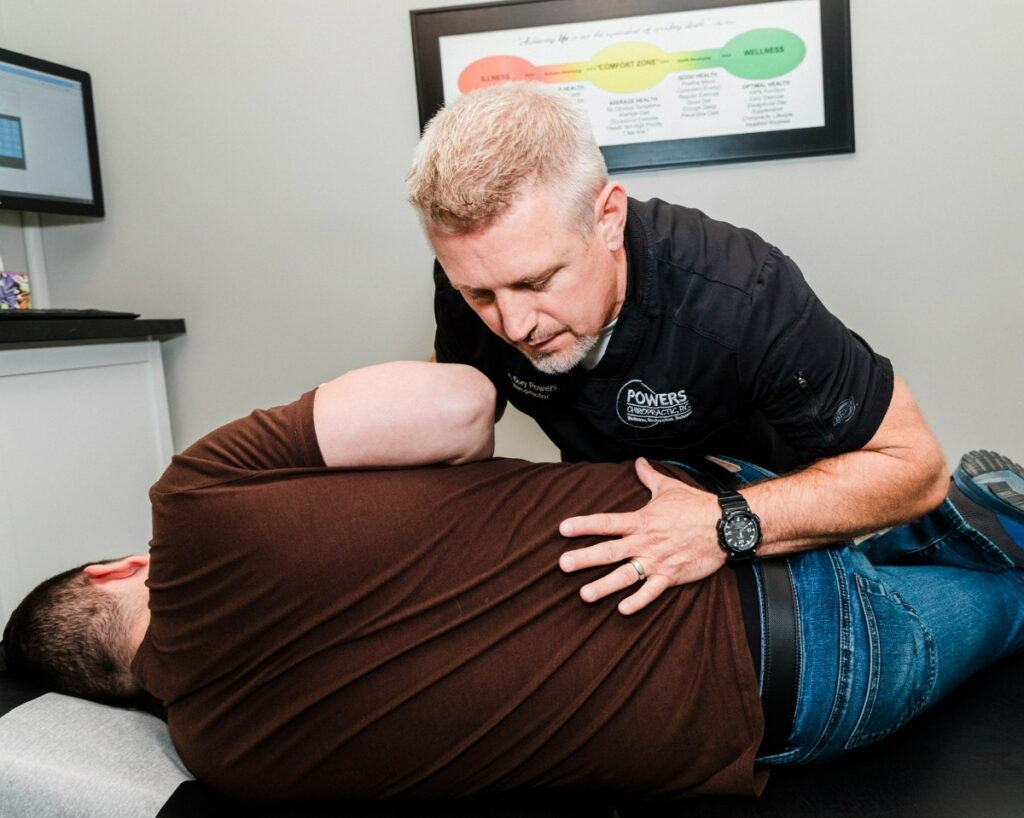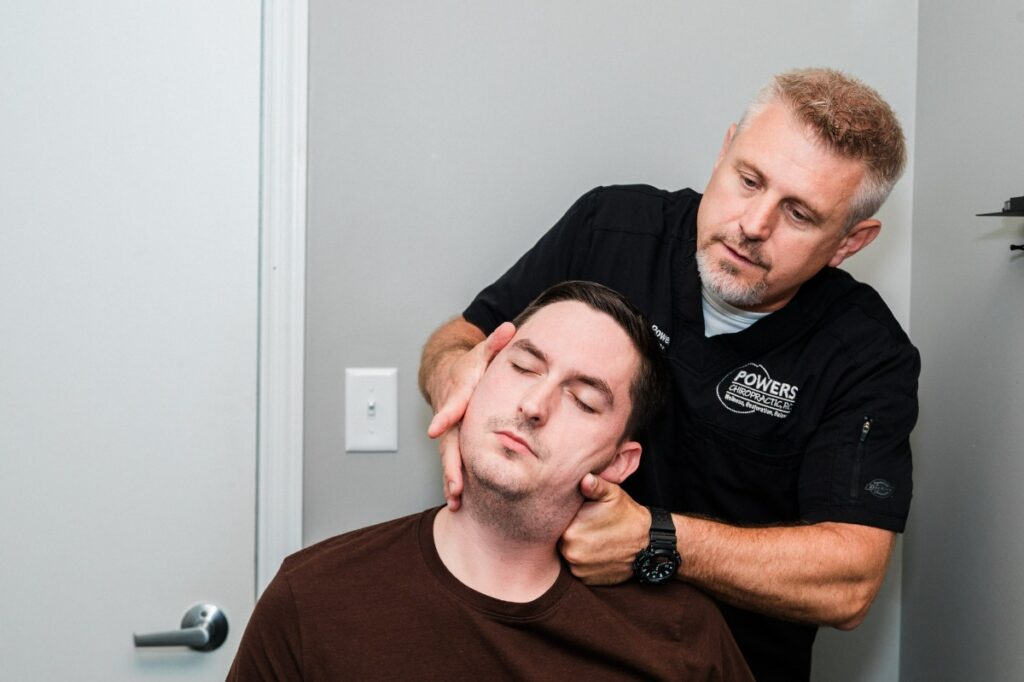

As a local chiropractor, I often see patients who are looking for effective ways to manage pain without relying solely on medications. If you’re in that position, I’m here to guide you through some natural strategies that can help you find relief.
Chiropractic care is just one piece of the puzzle, but there are many other approaches we can explore together. From herbal remedies that support healing to mindfulness techniques that promote relaxation and reduce stress, each method offers unique benefits that can enhance your overall well-being.
Are you curious about how these natural pain relief strategies can transform your approach to discomfort? Let’s dive into some of the best options available, which may just change the way you experience pain and improve your quality of life.
Herbal Remedies for Pain Relief
As a chiropractor, I want to introduce you to the world of natural pain relief through herbal remedies, which can complement your overall wellness journey. Many people aren’t aware that these time-honored solutions can effectively alleviate discomfort without the unwanted side effects often associated with conventional medications.
Take ginger, for instance. Its renowned anti-inflammatory properties can be particularly beneficial for those suffering from joint pain or muscle soreness.
Another powerful herb is turmeric, which contains curcumin—a compound known for its ability to reduce inflammation and support recovery.
Peppermint is also a great option. The menthol in peppermint can create a soothing, cooling sensation that may help relieve headaches. You can enjoy it as a tea or use it topically in a diluted oil form for more direct relief.
Additionally, willow bark has been utilized for centuries as a natural pain reliever, especially effective for headaches and lower back pain.
As you explore these herbal solutions, remember that it’s always wise to consult with a healthcare professional, such as myself, to ensure they’re safe and appropriate for your individual health needs.
The Power of Acupuncture
As a local chiropractor, I want to share with you an incredible natural healing method known as acupuncture, which can play a vital role in your pain management journey.
This ancient practice involves stimulating specific points on your body, promoting your body’s own healing mechanisms. Acupuncture has been shown to reduce inflammation and improve overall well-being, making it an excellent complement to chiropractic care.
By integrating acupuncture into your wellness routine, you can experience enhanced pain relief and a deeper understanding of how your body can heal itself.
Let’s delve into how acupuncture works and the numerous benefits it can offer as part of your holistic approach to health.
Mechanism of Action
As a local chiropractor, I want to take a moment to shed light on a practice that may be unfamiliar to many of you – acupuncture. While some people consider it an alternative therapy, its underlying mechanisms reveal a fascinating connection between our body’s energy systems and the nervous system.
During an acupuncture session, fine needles are carefully placed at specific points along pathways known as meridians. This targeted stimulation encourages the flow of energy, referred to as “qi,” which is essential for maintaining balance within the body.
At the same time, your nervous system reacts by releasing natural pain-relieving chemicals, such as endorphins. This process not only helps to ease discomfort but also supports your body’s inherent ability to heal itself.
Furthermore, acupuncture can play a role in reducing inflammation and enhancing blood circulation, both of which are vital for overall health and wellness.
By understanding these mechanisms, you can see that acupuncture is more than just a belief system; it has the potential to be an effective tool for pain management and holistic healing.
As your chiropractor, I encourage you to explore how integrating acupuncture with chiropractic care can lead to improved health outcomes and a better quality of life.
Benefits of Acupuncture
As a local chiropractor, I want to share with you the incredible benefits of acupuncture and how it complements our approach to natural healing. Understanding how acupuncture works can unlock a variety of health advantages. This time-honored practice is known for its ability to significantly reduce pain by facilitating your body’s natural healing processes and improving energy flow.
Many of my patients have found that acupuncture not only alleviates chronic pain but also aids in managing headaches, arthritis, and even stress-related conditions. After just a few sessions, it’s common to hear reports of better sleep quality and an uplifted mood, largely due to the release of endorphins and other beneficial neurotransmitters during treatment.
Moreover, acupuncture has the potential to enhance your immune system, which can help your body more effectively ward off illness. By incorporating acupuncture into your wellness regimen, you’re embracing a comprehensive approach to pain relief that can lead to significant improvements in both your physical and emotional health.
I encourage you to explore the power of acupuncture as part of your journey toward a healthier, balanced life!
Mindfulness and Meditation Techniques
As a chiropractor dedicated to promoting natural healing and wellness, I want to share how mindfulness and meditation techniques can be powerful allies in your journey toward pain relief.
These practices not only help you reconnect with your body but also foster a sense of tranquility that can enhance your ability to manage discomfort. Here are three effective techniques you can incorporate into your routine:
- Deep Breathing: Begin by focusing on your breath—inhale deeply through your nose, allowing your abdomen to rise, and then exhale slowly through your mouth. This simple yet profound practice can help calm your nervous system and diminish the perception of pain.
- Body Scan: Find a comfortable position, either lying down or sitting. Close your eyes and conduct a mental scan of your body from head to toe. Pay attention to any areas of tension or discomfort. As you breathe out, consciously release that tension, allowing your body to relax and ease the pain.
- Guided Imagery: Take a moment to visualize a peaceful setting, such as a tranquil beach or a lush forest. Engaging your imagination in this way can help divert your focus from pain and promote a sense of relaxation, enhancing your overall well-being.
Essential Oils and Aromatherapy
As a chiropractor, I often emphasize the importance of a holistic approach to health and wellness, and essential oils and aromatherapy can play a valuable role in this journey. These natural substances, extracted from plants, provide a gentle yet effective method for pain relief that can complement the chiropractic adjustments you receive.
For instance, if you’re experiencing tension from headaches or soreness in your muscles, integrating essential oils into your daily routine can be quite beneficial. Consider diffusing calming scents like lavender or invigorating eucalyptus in your home to foster a soothing environment.
For more localized discomfort, you can mix essential oils such as peppermint or ginger with a carrier oil—like coconut or jojoba—and massage it directly into the sore areas. This not only helps alleviate pain but also promotes relaxation.
In addition to their physical benefits, the aromas of these oils can evoke emotional responses that might help reduce your perception of pain. It’s essential to choose high-quality oils and experiment with different blends to find what resonates best with you.
Remember, before applying any essential oil to your skin, it’s wise to conduct a patch test to ensure you don’t have any adverse reactions.
Physical Therapy and Exercise
As a local chiropractor, I want to emphasize the importance of integrating physical therapy and exercise into your pain management routine. This approach can significantly enhance the positive effects of essential oils and aromatherapy that you may already be using.
Engaging in customized physical activities not only helps reduce pain but also improves your overall well-being. If you commit to a consistent exercise routine, you may notice some remarkable improvements in your body and mind.
- Increased Strength: When you build muscle strength, you provide better support for your joints, which can help reduce discomfort during your daily activities. This is especially important for maintaining a healthy spine and preventing further injury.
- Enhanced Flexibility: Incorporating stretching and mobility exercises into your routine can alleviate tightness in your muscles and joints. This leads to smoother, pain-free movements, making everyday tasks feel much easier.
- Mood Boost: Regular exercise is known to release endorphins, the body’s natural mood lifters. This can help elevate your spirits and reduce feelings of anxiety that often accompany chronic pain conditions.
By understanding and embracing the benefits of physical therapy and exercise, you can take proactive steps toward managing your pain naturally and improving your quality of life.
Hot and Cold Therapy
As a local chiropractor, I want to share with you the benefits of hot and cold therapy, a straightforward yet powerful technique for managing pain and discomfort. Many of my patients have found relief from injuries, stiffness, and chronic pain through these methods, and I believe you can too.
When we talk about heat therapy, it’s all about using warmth to relax your muscles and enhance blood circulation. Applying a warm compress or heating pad can effectively soothe tension in stiff areas and promote healing. Just remember to keep the temperature comfortable—avoiding extreme heat is crucial to prevent burns.
On the flip side, cold therapy is an excellent option for reducing inflammation and numbing sharp pain. I often recommend using an ice pack or even a bag of frozen vegetables wrapped in a towel. This method is particularly beneficial during the first 48 hours after an injury or flare-up, as it helps to minimize swelling and provide immediate relief.
Integrating these simple therapies into your pain management routine can complement the chiropractic care I provide, enhancing your overall healing process.
Dietary Adjustments for Pain Management
As a local chiropractor, I want to share with you how important your diet can be in managing pain effectively. While many people think of therapies like hot and cold packs, it’s crucial to understand that what you eat can significantly impact your discomfort.
By making some simple dietary changes, you can enhance your body’s healing process and improve your overall health.
Here are a few dietary adjustments I encourage you to consider:
- Omega-3 Fatty Acids: Incorporating foods rich in Omega-3s, such as salmon and walnuts, can help reduce inflammation and provide relief from chronic pain. This is particularly beneficial for joint health.
- Antioxidant-Rich Foods: Foods like berries, leafy greens, and nuts are packed with antioxidants, which help combat oxidative stress in your body. Reducing oxidative stress can help alleviate pain and promote healing.
- Spices like Turmeric: Don’t overlook the power of spices! Turmeric contains curcumin, a compound known for its anti-inflammatory properties. Including turmeric in your diet can be a transformative step in managing your pain.
By focusing on these nutritional elements, you can support your chiropractic treatment and enhance your body’s natural healing capabilities.
Conclusion
As a local chiropractor, I want to share some effective natural pain relief strategies that can significantly improve your comfort and overall well-being. Many patients are unaware of how holistic approaches, like chiropractic care, can complement their healing journey. By incorporating techniques such as herbal remedies, acupuncture, and mindfulness practices, you can not only alleviate pain but also enhance your quality of life.
It’s important to recognize the benefits of physical therapy in conjunction with chiropractic adjustments. Additionally, don’t underestimate the impact of hot and cold therapy or making dietary adjustments as part of your pain management plan. I encourage you to explore these methods and discover what resonates with your body. Together, we can pave the way for a healthier, pain-free life. Remember, you’re not alone in this journey, and I’m here to support you every step of the way!