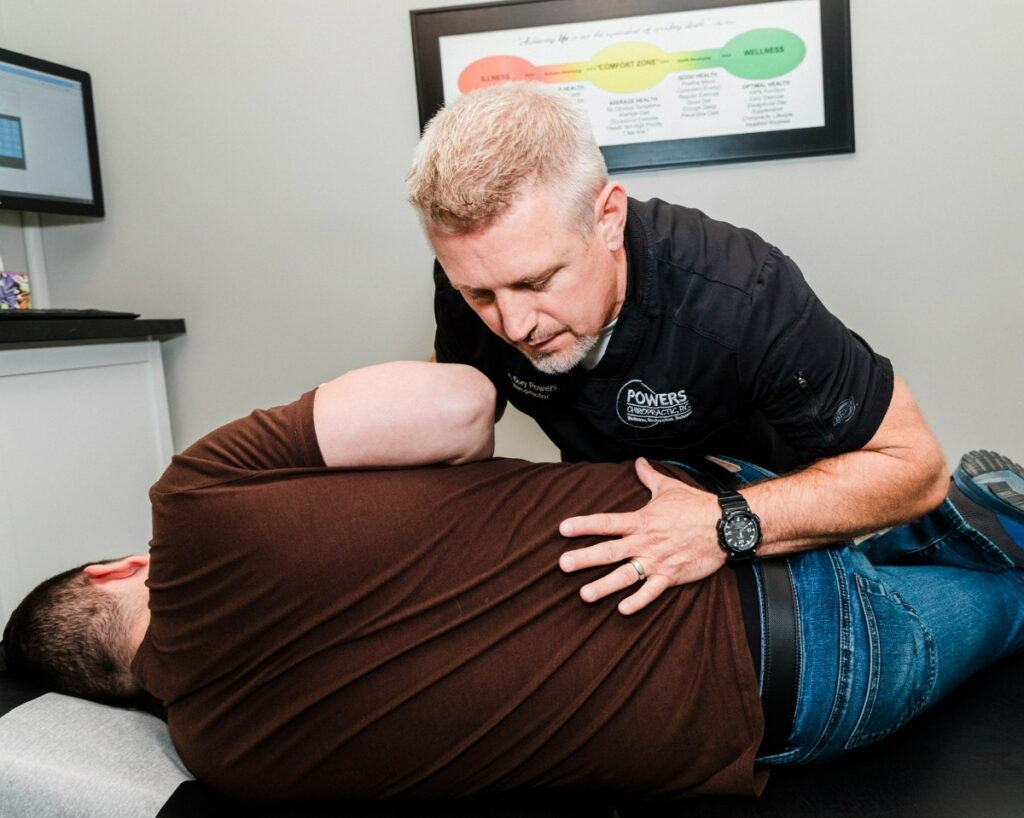

Back pain can be a persistent challenge for many, but as a local chiropractor, I want to share with you some effective adjustments that can help you find relief. It’s essential to understand that your body’s alignment and habits play a significant role in your overall comfort. Simple changes, such as improving your posture and incorporating regular stretching, can make a world of difference in easing your discomfort.
You might not realize how adjustments in your sleep environment or daily routines can significantly impact your back health. As we explore these seven best ways to alleviate back pain, I hope to educate you on how chiropractic care and natural healing practices can contribute to your well-being. Together, we can work towards a healthier, pain-free life!
Improve Your Posture
As a local chiropractor, I often see patients who struggle with back pain, and one of the simplest yet most effective solutions lies in improving your posture. It’s essential to be mindful of how you sit and stand throughout the day, as proper alignment can significantly alleviate discomfort.
When sitting, pay attention to your spine. Visualize an imaginary straight line extending from the top of your head all the way down to your hips. Ensure your feet are flat on the floor, and your knees are bent at a right angle. Using a chair that offers support to your lower back—or adding a cushion for extra comfort—can make a world of difference.
When standing, aim to distribute your weight evenly across both feet, and avoid locking your knees. Engaging your core muscles is crucial for maintaining stability and supporting your spine, which can prevent strain and injury.
If your work involves spending long hours at a desk, it’s vital to take regular breaks and adjust your workstation to support good posture. Your neck and shoulders should feel relaxed, not tense or strained.
By being conscious of your posture throughout the day, you can significantly reduce back pain and enhance your overall comfort.
Incorporate Regular Stretching
As a local chiropractor, I want to emphasize that improving your posture is an essential step in alleviating back pain. However, incorporating regular stretching into your routine can significantly enhance your overall comfort and flexibility.
Stretching is a natural way to release tension in your muscles and improve your range of motion, which is vital for a healthy spine.
To get started, I recommend integrating the following stretches into your daily routine:
- Cat-Cow Stretch: This dynamic movement warms up your spine and helps release built-up tension. It’s a great way to start your day or unwind after sitting for a while.
- Child’s Pose: This gentle stretch targets your back and hips, promoting relaxation and helping to alleviate stress in your lower back.
- Hamstring Stretch: Tight hamstrings can contribute to lower back pain, so this stretch is particularly beneficial for targeting those muscles in your legs.
- Seated Forward Bend: This stretch not only targets your spine but also helps to relieve tightness in your hamstrings, promoting better flexibility.
I advise you to hold each stretch for at least 20-30 seconds while breathing deeply to enhance relaxation.
Regular stretching not only helps to alleviate discomfort but also strengthens your back, making it more resilient over time.
Utilize Ergonomic Furniture
As a local chiropractor, I want to emphasize the significant role that ergonomic furniture plays in your overall health and comfort, especially if you find yourself sitting for extended periods.
Incorporating supportive furniture into your daily routine can be a game changer for alleviating back pain and enhancing your posture. Investing in a chair that offers adjustable height and lumbar support is crucial. It allows you to maintain proper alignment of your spine throughout the day, minimizing the strain on your back. Proper posture can lead to reduced discomfort and improved spinal health over time.
I also recommend considering a desk that allows for both sitting and standing options. Alternating between these positions can promote movement, engage your core, and diminish the risks associated with prolonged sitting.
Additionally, using ergonomic accessories such as keyboard trays and monitor risers can help you keep your workspace organized and position your equipment at eye level. This further supports your posture and encourages a healthier working environment.
Don’t overlook your home setup either. An ergonomic sofa or chair can significantly enhance your relaxation time, contributing to your overall well-being.
Strengthen Core Muscles
As your local chiropractor, I want to emphasize the importance of strengthening your core muscles for alleviating back pain. A strong core isn’t just about aesthetics; it plays a crucial role in providing stability and support for your spine. This support can significantly reduce your risk of injury and discomfort.
Incorporating core exercises into your daily routine can lead to remarkable improvements in your posture, which is essential for maintaining a healthy spine. Additionally, a strong core enhances your overall mobility, making everyday activities easier and more enjoyable.
Understanding the connection between your core muscles and spinal health is a key part of natural healing. By focusing on these exercises, you’re taking an important step towards better health and well-being.
If you’re new to chiropractic care, I encourage you to explore how strengthening your core can be a foundational aspect of your journey to pain relief and improved function.
Core Exercises Importance
As a local chiropractor, I want to emphasize the critical role that core exercises play in alleviating back pain and promoting overall spinal health. A strong core is essential for stabilizing your spine and improving your posture, which can significantly impact your daily activities.
When you strengthen your core, you establish a solid foundation that supports your back, helping to reduce discomfort and improve your quality of life.
Here are some key benefits of incorporating core exercises into your routine:
- Enhances balance and coordination: A strong core helps you maintain stability during movements, which is essential for preventing falls and injuries.
- Reduces strain on your lower back: By distributing weight more evenly and providing support, a strong core can help alleviate pressure on your lower back, reducing pain and discomfort.
- Improves athletic performance: Whether you enjoy sports or simply want to be more active, core strength enhances your performance by allowing for better movement efficiency.
- Supports proper body alignment: Good core strength promotes better alignment of your spine and pelvis, which can reduce the risk of developing musculoskeletal issues.
Incorporating core exercises into your daily routine can profoundly affect how you feel. By focusing on building your core strength, you not only work towards alleviating back pain but also enhance your overall physical well-being.
If you’re new to chiropractic care and natural healing, I encourage you to start integrating these exercises into your life today. You’ll soon notice the positive impact on your back health and overall daily functioning!
Stability and Support
As a local chiropractor, I want to emphasize the vital role that core stability plays in maintaining the health of your spine. Many people may not realize that a strong core is essential for providing the support your spine needs. Think of your core as a natural brace; it helps to reduce strain on your back, which can greatly aid in preventing injuries.
To effectively strengthen your core, it’s important to target not just your abdominal muscles, but also your obliques and lower back. Incorporating exercises such as planks, bridges, and rotational movements into your routine can significantly build your stability and enhance your overall posture.
As you work on these exercises, you’ll likely notice improvements in your balance and coordination, making everyday activities easier and more comfortable.
Remember, consistency is crucial in this process. Even short sessions can lead to remarkable benefits over time, so I encourage you to start today and give your spine the support it truly deserves.
As you strengthen your core, you may find a notable decrease in back pain, which can greatly improve your quality of life.
Practice Mindfulness and Relaxation Techniques
As a local chiropractor, I want to share some valuable insights on how practicing mindfulness and relaxation techniques can significantly alleviate back pain.
Many of my patients find that managing stress and tension in their bodies plays a crucial role in their recovery journey. By focusing on the present moment, you can help release built-up tension that often contributes to discomfort.
Here are some effective strategies you can easily incorporate into your daily routine:
- Deep Breathing: Engaging in slow, deep breaths can be a simple yet powerful way to calm your mind and reduce muscle tension. This technique helps to activate your body’s relaxation response.
- Meditation: Dedicating just a few minutes each day to meditation can help you center yourself and promote a sense of relaxation. It allows you to connect with your body and mind, fostering a more holistic approach to healing.
- Progressive Muscle Relaxation: This technique involves systematically tensing and then relaxing different muscle groups. It’s an excellent way to alleviate physical strain and increase your body awareness.
- Gentle Yoga: Incorporating restorative yoga poses into your routine can enhance flexibility and help release tightness in your back. Yoga not only improves physical health but also promotes mental well-being.
By integrating these mindfulness and relaxation techniques into your life, you can complement the benefits of chiropractic care and support your body’s natural healing process.
Adjust Your Sleep Environment
As a local chiropractor, I want to emphasize the importance of your sleep environment in managing back pain.
A mattress with the right level of firmness can offer the support your back requires, helping to maintain its proper alignment throughout the night.
Additionally, using the right type of pillow is crucial for aligning your neck and spine, which can significantly impact your overall comfort while sleeping.
By making these adjustments to your sleep environment, you can enhance your sleep quality and reduce discomfort, which is a vital step toward achieving better spinal health and overall well-being.
Mattress Firmness Matters
As a local chiropractor, I want to emphasize the importance of choosing the right mattress firmness for your overall back health. A supportive mattress is crucial for maintaining proper spinal alignment during sleep, which can significantly impact how you feel each day.
If the mattress is too soft, you may find yourself sinking in, leading to misalignment. Conversely, a mattress that’s too firm can create uncomfortable pressure points, which may result in pain.
Here are a few tips to help you find the ideal mattress firmness:
- Test various mattresses: Spend time lying down on different options in the store to see which one feels most comfortable for your body.
- Think about your sleeping position: If you’re a side sleeper, a softer mattress may work better to cushion your shoulders and hips. On the other hand, back and stomach sleepers often require a firmer surface for adequate support.
- Consider your body weight: Those who are heavier generally need a mattress that provides more support to prevent sinking and ensure proper alignment.
- Explore adjustable mattresses: These can be a great option, allowing you to customize the firmness level based on your individual needs.
Taking the time to choose the right mattress can help alleviate back pain and improve your overall well-being.
Pillow Support Importance
As a local chiropractor dedicated to your overall well-being, I want to emphasize the critical role that your pillow plays in your spinal health. Many people often overlook this aspect, but the right pillow can significantly contribute to maintaining proper spinal alignment while you sleep, which in turn reduces strain on your neck and back.
For those of you who prefer sleeping on your back, I recommend choosing a medium loft pillow. This type of pillow will support your head adequately without causing your neck to bend excessively.
If you tend to sleep on your side, it’s essential to select a firmer, higher loft pillow. This will help fill the gap between your head and shoulders, promoting better alignment.
For stomach sleepers, a soft, low-profile pillow is best, as it helps prevent unnecessary neck strain.
I encourage you to regularly assess the condition of your pillow. A worn-out pillow may not provide the support you need, potentially leading to discomfort and pain.
Investing in a quality pillow that’s tailored to your sleep position can make a significant difference in alleviating back pain and enhancing your overall sleeping experience.
Stay Hydrated and Maintain a Healthy Diet
As a local chiropractor, I want to share how staying hydrated and maintaining a healthy diet can significantly enhance your overall well-being, especially when it comes to alleviating back pain.
Proper hydration is crucial for keeping your spinal discs well-lubricated, which can help prevent stiffness and discomfort. Moreover, the right nutrients are essential for supporting muscle health and reducing inflammation.
Here are some important points to consider as you embark on your journey to better health:
- Drink enough water: Strive for at least eight 8-ounce glasses of water daily. Staying well-hydrated allows your body to function optimally and supports your spinal health.
- Incorporate anti-inflammatory foods: Including foods like berries, fatty fish, and leafy greens in your diet can play a vital role in reducing inflammation and promoting healing.
- Limit processed foods: Processed foods often contain high levels of sugar and unhealthy fats, which can aggravate pain and hinder your recovery. Opt for whole, natural foods whenever possible.
- Maintain a balanced diet: A well-rounded diet that includes a variety of proteins, whole grains, and healthy fats will support not only your muscle function but also your overall health, making it easier for your body to heal.
By embracing these dietary habits, you can complement the chiropractic care you receive and take significant steps toward alleviating your back pain and enhancing your overall wellness.
Conclusion
As a local chiropractor, I want to share some effective strategies that can significantly alleviate your back pain and improve your overall well-being. One of the first things to focus on is your posture. Maintaining proper alignment while sitting and standing can greatly support your spine.
Incorporating regular stretching into your daily routine is also essential. Stretching helps to keep your muscles flexible and can relieve tension that contributes to back pain. Additionally, utilizing ergonomic furniture can provide the necessary support for your spine, especially if you spend long hours sitting at a desk.
Strengthening your core muscles is another crucial aspect of back health. A strong core provides stability and support to your spine, reducing the risk of injury. Furthermore, practicing mindfulness techniques can help manage stress and tension, which often manifest as physical pain.
Don’t overlook the importance of your sleep environment. A supportive mattress and pillow can make a world of difference in how your back feels in the morning. Lastly, staying hydrated and maintaining a balanced diet are fundamental to overall health, which directly impacts your body’s ability to heal.
By embracing these natural healing strategies, you’ll be well on your way to achieving a pain-free back. If you have any questions or need personalized guidance, feel free to reach out to me for assistance!