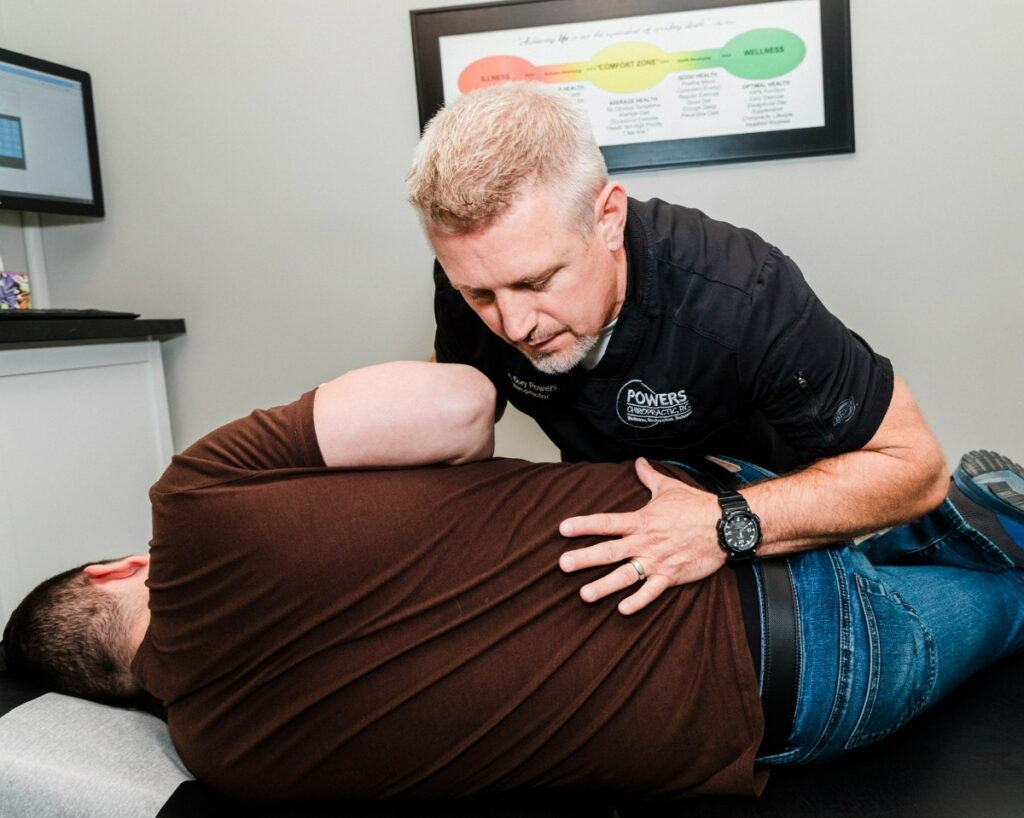

As a local chiropractor, I understand that dealing with fibromyalgia can be an incredibly challenging experience. Many of my patients express feeling overwhelmed when searching for effective ways to alleviate their symptoms. However, I want to share that there are natural and holistic approaches that can significantly enhance your well-being.
Incorporating regular exercise into your routine is essential. Gentle activities like walking, swimming, or yoga can help increase your flexibility and reduce pain. Additionally, exploring mindfulness techniques such as meditation or deep-breathing exercises can help calm your mind and alleviate stress, which is crucial for managing fibromyalgia symptoms.
Another important aspect is making dietary changes. A balanced diet rich in anti-inflammatory foods can have a positive impact on your overall health. Foods like fruits, vegetables, whole grains, and healthy fats can provide the nutrients your body needs and may help reduce pain and fatigue.
If you’re curious about how to integrate these strategies into your daily life, I would be more than happy to guide you. Together, we can develop a personalized plan that incorporates exercise, mindfulness, and nutrition tailored to your needs. Remember, you don’t have to navigate this journey alone—I’m here to support you every step of the way!
Incorporate Regular Exercise Into Your Routine
As a local chiropractor, I want to emphasize the importance of incorporating regular exercise into your daily routine, especially if you’re dealing with fibromyalgia symptoms. Engaging in consistent physical activity can significantly alleviate discomfort and improve your overall wellness.
Exercise not only boosts your mood and energy levels, but it also enhances your quality of life.
I recommend starting with low-impact exercises such as walking, swimming, or cycling. These activities are gentle on your body, making them ideal for those with fibromyalgia while still offering substantial health benefits.
Try to aim for at least 30 minutes of exercise most days of the week. If that feels like too much at first, don’t hesitate to break it down into smaller, manageable sessions. The key to success is consistency, so choose activities that you genuinely enjoy to help you stay committed to your routine.
It’s crucial to listen to your body throughout this process. If you need to rest, take a break, and gradually increase the intensity of your workouts as you feel more comfortable.
Incorporating stretching and flexibility exercises, such as yoga, can also help alleviate stiffness and enhance your range of motion.
Explore Mindfulness and Relaxation Techniques
As a local chiropractor, I want to share how mindfulness and relaxation techniques can be beneficial in easing fibromyalgia symptoms. Many of my patients are surprised to learn that focusing on the present moment can significantly reduce anxiety and stress, both of which often intensify pain.
By incorporating mindfulness practices such as deep breathing, meditation, or guided imagery into your daily routine, you can cultivate a sense of calm and acceptance that may enhance your overall well-being.
I encourage you to explore these techniques regularly, as they can help improve emotional resilience and your ability to cope with discomfort. Consider participating in local classes or using user-friendly apps that offer guided mindfulness exercises tailored to your needs.
Moreover, relaxation techniques like progressive muscle relaxation can be particularly effective in alleviating tension throughout the body. By consciously relaxing each muscle group, you may find relief from tightness and discomfort, which can complement the chiropractic care I provide.
Integrating these mindfulness and relaxation practices into your lifestyle can empower you to manage your symptoms more effectively and enhance your overall quality of life.
Consider Dietary Changes and Supplements
As a local chiropractor, I want to emphasize the importance of dietary changes and natural supplements in managing fibromyalgia symptoms. Incorporating an anti-inflammatory diet is a key step; focus on consuming plenty of fruits, vegetables, whole grains, and healthy fats. Foods rich in omega-3 fatty acids, such as salmon and walnuts, can help reduce inflammation and alleviate pain.
It’s also beneficial to limit your intake of sugar, processed foods, and caffeine, as many of my patients have noticed improvements by doing so. Some individuals with fibromyalgia find relief by eliminating gluten or dairy from their diets, so it may be worth trying these adjustments to see if they work for you.
In addition to dietary modifications, certain supplements can be very supportive of your overall health. Vitamin D, magnesium, and coenzyme Q10 are known to be beneficial. However, it’s essential to consult with your healthcare provider before starting any new supplements. They can help you determine the appropriate dosage and check for any potential interactions with your current medications.
By focusing on mindful eating and incorporating the right natural supplements, you can take meaningful steps toward alleviating your fibromyalgia symptoms and enhancing your overall well-being.
Conclusion
As a local chiropractor, I want to share some effective ways to alleviate fibromyalgia symptoms through natural healing approaches. Incorporating regular exercise into your routine is vital—whether it’s gentle walking or low-impact swimming, consistent activity can significantly benefit your body. Additionally, exploring mindfulness techniques, such as meditation or yoga, can help you find the relaxation and mental clarity you need to ease your symptoms.
Moreover, your diet plays a crucial role in managing fibromyalgia. I encourage you to focus on an anti-inflammatory diet, which can help reduce pain and inflammation in your body. Simple dietary adjustments can lead to substantial improvements in your overall well-being.
Remember, the journey to better health is a commitment, and even small changes can make a big difference. As we work together to address your fibromyalgia, I’m here to guide you in finding a natural balance that supports your healing process.