
Recovering from sports injuries can be tough, but with the right approach, you can bounce back stronger than ever. As a chiropractor, I want to share some effective strategies that not only promote healing but also enhance your overall wellness.
First and foremost, prioritize rest. Giving your body time to heal is crucial. Alongside rest, consider incorporating ice therapy to reduce swelling and alleviate pain. Compression can also be beneficial in managing inflammation and supporting your recovery.
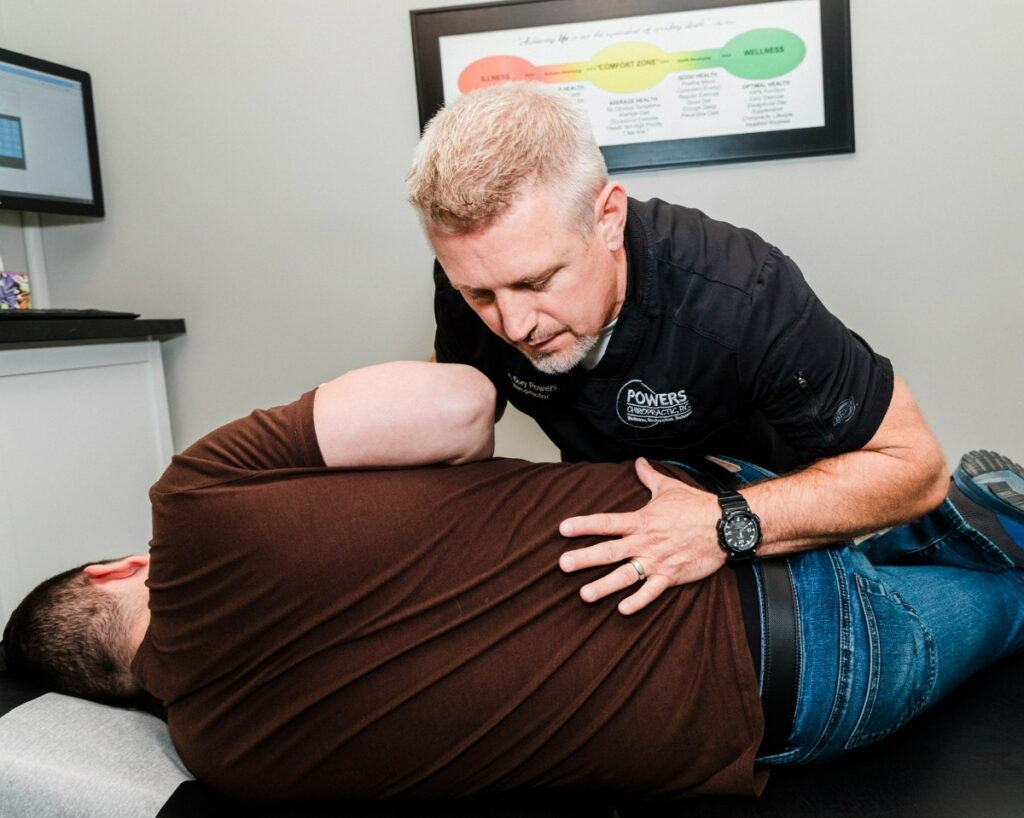
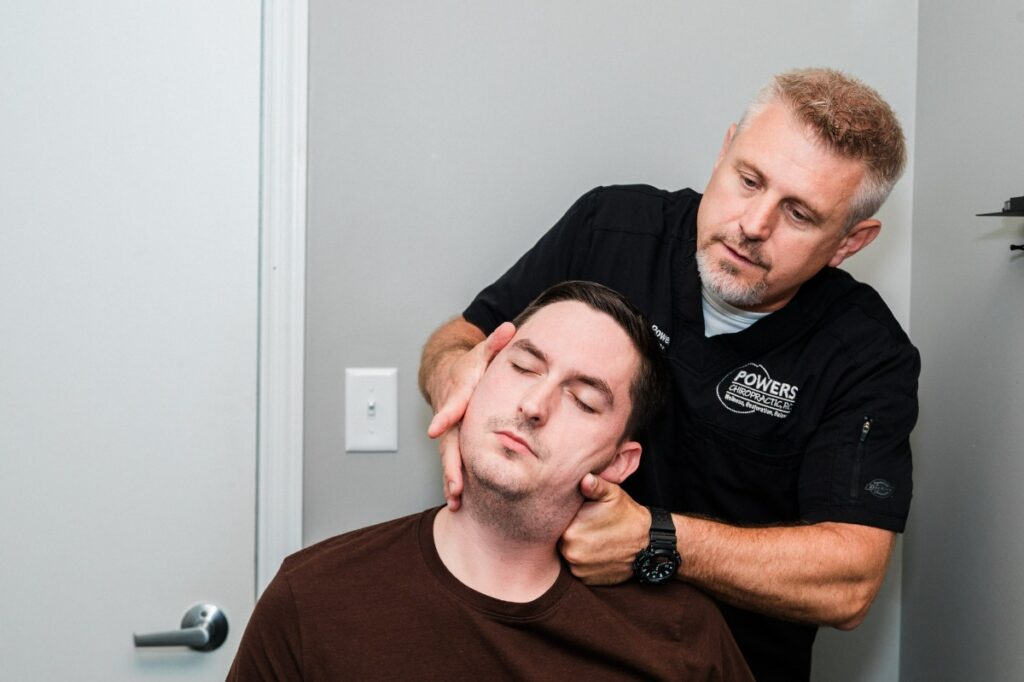
A gradual rehabilitation plan is essential. This is where chiropractic care shines. Through gentle adjustments and targeted therapies, we can help restore mobility, reduce pain, and improve your body’s natural healing processes. Chiropractic care focuses on aligning your spine, which is vital for optimal nerve function and overall health.
Don’t forget the importance of nutrition. Eating a balanced diet rich in vitamins and minerals can support tissue repair and boost your immune system. Think about incorporating whole foods, lean proteins, and plenty of fruits and vegetables into your meals.
Mental resilience also plays a significant role in recovery. Staying positive and motivated can help you progress through your rehabilitation. Techniques such as visualization and mindfulness can enhance your mental state, making the recovery journey smoother.
If you’re curious about how to integrate these methods for the best results, don’t hesitate to reach out. Together, we can explore a personalized recovery plan that combines chiropractic care with these essential steps, ensuring you not only heal but thrive in your athletic pursuits. Remember, your journey to optimal health starts with informed choices and dedicated care!
Key Takeaways
- Prioritize rest and quality sleep; both are essential for healing and recovery after a sports injury. Your body needs time to repair itself, and good sleep can enhance this process.
- Use ice therapy and gentle compression techniques to help reduce swelling and ease pain after an injury. These methods can complement the adjustments you receive from chiropractic care, promoting better circulation and faster recovery.
- Focus on nutrition and hydration, as they play a crucial role in your healing journey. Incorporate whole foods rich in essential nutrients to support tissue repair. A well-balanced diet can enhance the effectiveness of chiropractic adjustments.
- Once you start feeling better, gradually reintroduce gentle exercises and sport-specific drills. Listen to your body and adjust based on what feels comfortable. Chiropractic care can help you safely regain strength and mobility.
- Build a strong support system and practice mindfulness to boost your mental resilience during recovery. Remember, chiropractic care not only addresses physical pain but also supports your overall well-being, helping you maintain a positive mindset.
By integrating these tips into your recovery plan, you can enhance your healing process and find a natural path to wellness through chiropractic care.
Rest and Recovery
When recovering from a sports injury, prioritizing rest and recovery is crucial, and chiropractic care can play a significant role in this process. Your body needs time to heal, and chiropractic adjustments can help ensure that your spine and nervous system are functioning optimally, which can enhance your overall healing.
One of the most important aspects of recovery is getting enough sleep. Quality rest is when your body does the majority of its healing, and chiropractic care can help improve your sleep quality by addressing any misalignments that may be affecting your comfort.
Incorporating light stretching or gentle movements can help maintain your flexibility without straining your injury. A chiropractor can provide you with tailored exercises to ensure you’re moving safely and effectively during your recovery.
Staying hydrated and focusing on nutrition is essential as well. A balanced diet rich in vitamins and minerals can support your healing process. Consider discussing your nutritional needs with your chiropractor for personalized advice that aligns with your recovery goals.
To keep your mind occupied during this time, engage in reading or light hobbies. It’s important to stay patient and remember that healing takes time. By allowing your body the necessary time to recover and utilizing chiropractic care, you’ll be on the path to coming back stronger and ready to perform at your best.
Ice Therapy
While many athletes focus on rest and nutrition during recovery, incorporating ice therapy can play a vital role in your healing journey. Using ice can help reduce swelling, alleviate pain, and support the natural healing process.
As a chiropractor, I emphasize that ice therapy is a complementary approach to chiropractic care, which focuses on addressing the root causes of pain and promoting overall wellness. Here are three effective ways to integrate ice therapy into your recovery routine:
- Ice Packs: One of the simplest methods is using ice packs. Wrap ice packs in a cloth and apply them to the affected area for 15-20 minutes at a time. Remember to take breaks in between sessions to prevent frostbite. This technique can be especially helpful after chiropractic adjustments to reduce any immediate discomfort.
- Ice Baths: If you’re up for it, an ice bath can be an excellent way to numb pain and reduce inflammation. Just be sure to limit your time to 10-15 minutes. This method not only cools your body but also enhances circulation once you warm back up, which can aid in recovery.
- Cold Compresses: For targeted relief, cold compresses can be a convenient option. Simply apply them to specific areas as needed throughout the day. They’re easy to use and can provide quick relief, especially after physical activity or an adjustment.
Incorporating ice therapy into your recovery plan, alongside chiropractic care, can make a significant difference in how you feel and recover.
Compression Techniques
Compression techniques can significantly support your recovery from sports injuries, and as a chiropractor, I believe in the power of natural healing methods.
By using compression gear correctly, you can enhance circulation and reduce swelling, which are essential components of the healing process.
When it comes to using compression, it’s important to know how long to wear it for optimal results. Generally, you should apply compression right after an injury and continue using it for 24 to 48 hours to help manage swelling.
However, listening to your body is key; if you feel uncomfortable or notice excessive swelling, it’s important to adjust accordingly.
In addition to using compression, I encourage you to complement it with chiropractic care. Chiropractic adjustments can help restore proper alignment and function to your spine, enhancing your body’s natural ability to heal.
Regular chiropractic visits can also improve your overall wellness and prevent future injuries.
Here are some general tips for using compression effectively:
- Choose the Right Compression Gear: Look for sleeves or wraps that provide enough pressure without restricting blood flow. They should feel snug but comfortable.
- Combine with Ice: For the first couple of days after an injury, use ice therapy along with compression to further reduce swelling.
- Stay Hydrated: Drinking plenty of water helps keep your tissues healthy and supports the healing process.
- Seek Chiropractic Care: Regular adjustments can help you recover faster and maintain overall health.
Remember, while compression is a helpful tool, it works best in conjunction with a holistic approach to health, including chiropractic care.
Benefits of Compression Gear
As a local chiropractor, I want to share how wearing compression gear can complement your recovery from sports injuries and contribute to your overall wellness.
While chiropractic care is essential for achieving optimal health, incorporating compression gear can offer additional support during your healing journey. Here are three key benefits to consider:
- Increased Blood Flow: Compression gear enhances circulation, ensuring that oxygen and vital nutrients reach your muscles more effectively. This boost in blood flow can aid in recovery and help your body heal naturally.
- Reduced Muscle Soreness: Wearing compression gear can help minimize muscle vibrations during physical activity. This reduction can lead to less soreness and fatigue after exercise, allowing you to feel your best as you recover.
- Enhanced Support: Compression gear provides extra stability to your muscles and joints, which is especially helpful during the recovery phase. This support can assist in preventing further injuries and keeps you moving comfortably.
While chiropractic adjustments focus on aligning your spine and improving your overall function, using compression gear can further enhance your healing process.
Remember to listen to your body and allow adequate time for recovery. Incorporating these tools into your wellness routine can make a significant difference in how you feel.
If you have any questions about your recovery or how chiropractic care can support you, feel free to reach out!
Proper Application Techniques
To enhance your recovery from sports injuries, using compression gear can be incredibly beneficial when applied correctly. First, it’s essential to choose the right size; your compression gear should fit snugly, providing support without cutting off blood flow.
When putting on compression sleeves or wraps, remember to start at the farthest point from your heart and work your way up. This technique helps ensure even pressure, which is key to reducing swelling and promoting healing.
Avoid twisting or bunching the fabric, as this can lead to discomfort and decrease the effectiveness of the compression. If you’re using compression bandages, secure them with tape or clips to keep them in place—this will help you maintain proper support throughout your recovery.
Additionally, it’s important to regularly check your skin for signs of irritation or excessive redness. If you notice any issues, adjust the fit of your gear accordingly. By following these simple techniques, you can significantly support your body’s natural healing process.
Remember, while compression gear is helpful, it’s also important to incorporate chiropractic care into your recovery journey. Chiropractors can provide individualized care that helps align your spine and improve your overall wellness, promoting a faster and more effective recovery from injuries.
Embracing both compression techniques and chiropractic care can lead you to a healthier, pain-free life.
Duration of Compression Use
When recovering from a sports injury, it’s essential to understand how long to wear compression gear to support your healing process effectively. Compression can help reduce swelling and provide the necessary support your body needs, especially when paired with chiropractic care, which focuses on natural healing and optimal health.
Here are some simple guidelines to follow:
1. Initial Phase (24-48 hours): During the first couple of days after your injury, it’s beneficial to wear compression continuously. This helps minimize swelling and offers crucial support as your body begins to heal.
Consider visiting your chiropractor during this time for additional techniques that can enhance recovery.
2. Transition Phase (3-7 days): After the initial phase, you can switch to wearing compression for several hours a day. It’s particularly important to wear it during activities that may put strain on your injury.
Your chiropractor can provide exercises and adjustments that complement your recovery and help prevent further injury.
3. Maintenance Phase (1-2 weeks): Continue using compression during workouts or physical activities. This ongoing support can make a significant difference in your recovery journey.
Regular chiropractic visits can also aid in maintaining your overall wellness and ensuring your spine and body are functioning optimally.
Remember, while compression gear is helpful, it’s essential to listen to your body and consult with your chiropractor for personalized advice tailored to your specific needs.
Embracing a holistic approach to healing, including chiropractic care, can lead you to a healthier and more balanced life.
Elevation Strategies
One effective strategy for recovering from sports injuries is elevating the affected area. By raising it above heart level, you can help reduce swelling and promote better blood circulation, which is essential for healing. When you elevate, gravity works in your favor to decrease fluid buildup, significantly speeding up your recovery process.
To elevate the injured limb, simply prop it up with pillows or a cushion, making sure it’s comfortable and secure. Aim to keep it elevated for at least 20 minutes every hour, especially during the first few days after your injury. This simple practice can be a fantastic complement to your chiropractic care, enhancing your overall recovery.
If you’re dealing with a leg or foot injury, consider lying down and resting it on a stack of pillows. For arm injuries, using a sling or resting your arm on a table can also be effective. These methods not only provide relief but also support the healing process.
Remember, while elevation is a great tool, combining it with regular chiropractic adjustments can help ensure your spine and nervous system are functioning optimally. This holistic approach to recovery promotes natural healing and wellness, allowing you to return to your favorite activities as quickly and safely as possible.
If you’re experiencing pain or discomfort, consult with your chiropractor to explore personalized recovery strategies tailored to your needs.
Gradual Rehabilitation
As you begin to heal from a sports injury, gradual rehabilitation is key to your recovery journey. By incorporating chiropractic care into this process, you can enhance your healing, regain strength, flexibility, and confidence, all while minimizing the risk of further injury.
Here are three essential steps to consider:
1. Start Slow: Begin with gentle stretches and range-of-motion exercises. Focus on movements that feel comfortable and avoid any that cause pain. Gradually increase the intensity as your body allows.
Remember, chiropractic adjustments can help improve your mobility and aid in the healing process.
2. Incorporate Strength Training: Once you feel more at ease, add light resistance exercises to your routine. This will help rebuild muscle strength and support the area around your injury.
Chiropractic care can also be beneficial here, as it can enhance your overall strength and alignment, making your workouts more effective.
3. Return to Activity: As you continue to improve, slowly reintroduce sport-specific drills. Pay close attention to how your body responds and adjust the intensity accordingly.
Regular chiropractic adjustments can help ensure your spine is aligned, supporting your return to physical activity.
Listening to your body is vital during rehabilitation. If you experience pain or discomfort, consider consulting a chiropractor who can provide personalized care and guidance.
Nutrition and Hydration
When you’re recovering from a sports injury, what you eat and drink is crucial for your healing journey. Proper nutrition and hydration not only support your body’s natural ability to heal but also enhance the effectiveness of chiropractic care. Essential nutrients play a key role in repairing tissues and reducing inflammation, while staying hydrated helps keep your body functioning optimally.
Here are some simple tips to boost your recovery through nutrition and hydration:
- Focus on Whole Foods: Incorporate plenty of fruits, vegetables, lean proteins, and whole grains into your diet. These foods are packed with the vitamins and minerals your body needs to heal.
- Stay Hydrated: Water is vital for maintaining bodily functions. Aim to drink plenty of water throughout the day. You can also include hydrating foods like cucumbers and watermelon to help with hydration.
- Healthy Fats: Don’t shy away from healthy fats found in avocados, nuts, and olive oil. These can help reduce inflammation and provide your body with energy for recovery.
- Limit Processed Foods: Try to reduce your intake of processed foods and sugars, as they can lead to inflammation and slow down your healing process.
- Listen to Your Body: Pay attention to how different foods make you feel. Eating nourishing foods can boost your energy levels and overall well-being.
- Chiropractic Care: Remember, chiropractic adjustments can support your recovery by improving mobility, reducing pain, and enhancing overall wellness. Regular visits to your chiropractor can ensure that your spine and nervous system are functioning at their best, which is essential for healing.
Essential Nutrients for Healing
To recover effectively from sports injuries, it’s essential to focus on nutrients that not only support healing but also enhance overall wellness. As a chiropractor, I believe in the body’s natural ability to heal itself, and proper nutrition plays a vital role in that process.
Here are three key nutrients to consider as part of your recovery plan:
- Protein: This nutrient is crucial for rebuilding muscles and tissues after injury. Incorporate lean meats, fish, eggs, and legumes into your meals to give your body the building blocks it needs for repair.
- Vitamin C: Known for its role in collagen formation, Vitamin C is essential for healing wounds and maintaining healthy tissues. You can find it in delicious options like citrus fruits, strawberries, and bell peppers. Adding these to your diet can support your body’s healing process.
- Zinc: This mineral is important for immune function and can help speed up recovery. You’ll find zinc in nuts, seeds, and whole grains—simple additions to your meals that can make a big difference.
In addition to focusing on these nutrients, consider integrating chiropractic care into your recovery routine. Chiropractic adjustments can help alleviate pain, improve mobility, and enhance the body’s natural healing capabilities.
Staying hydrated, getting plenty of rest, and listening to your body are also essential tips for recovery.
Fuel your body with the right nutrients, consider chiropractic care for pain relief, and give yourself the best chance to bounce back stronger and faster from your sports injuries!
Importance of Hydration
While you concentrate on nutrition for recovery, don’t overlook the vital role of hydration. Staying well-hydrated is essential for your body’s healing process, supporting joint function, and helping to avoid fatigue. Water is key for transporting nutrients and flushing out toxins, which in turn aids muscle recovery after chiropractic adjustments or any physical activity.
Here’s a straightforward look at the benefits of staying hydrated:
| Benefit | Description | Why It Matters |
|---|---|---|
| Improved Circulation | Enhances blood flow to areas needing healing | Speeds up recovery |
| Joint Lubrication | Keeps joints fluid and flexible | Reduces discomfort during movement |
| Temperature Regulation | Helps maintain a stable body temperature | Prevents overheating during recovery |
| Nutrient Absorption | Aids in delivering essential nutrients to cells | Maximizes your body’s healing potential |
| Energy Level Boost | Reduces fatigue and supports stamina | Enables effective rehabilitation |
Mental Resilience
While physical recovery is crucial after a sports injury, nurturing your mental resilience is just as vital for getting back on track. Focusing on your mindset can help you overcome challenges and stay motivated during this challenging time.
Here are three effective strategies to enhance your mental resilience, along with a spotlight on how chiropractic care can support your journey:
- Set Realistic Goals: Break down your recovery into small, achievable milestones. Celebrate each small victory to keep your spirits high. Chiropractic care can assist in this process by providing tailored treatment that helps restore your body’s function, making each goal more attainable.
- Stay Connected: Surround yourself with supportive friends, family, or teammates. Sharing your feelings can alleviate stress and keep you motivated. Additionally, discussing your recovery with your chiropractor can provide you with valuable insights and encouragement, reinforcing your support system.
- Practice Mindfulness: Engage in activities like meditation or deep-breathing exercises to stay grounded and reduce anxiety about your recovery. Incorporating chiropractic adjustments into your routine can also enhance your overall well-being, helping to relieve tension and promote relaxation, which is beneficial for your mental state.
By focusing on these strategies and considering the benefits of chiropractic care, you can enhance both your mental resilience and physical recovery, paving the way for a healthier, more balanced life.
Embrace this holistic approach to wellness, and remember, chiropractic care is here to support you every step of the way!
Conclusion
To recover effectively from sports injuries, consider these seven strategies, with a focus on the benefits of chiropractic care for optimal healing. Prioritize rest to allow your body the time it needs to heal naturally. Applying ice and compression can help reduce inflammation and alleviate pain, while elevating the injured area promotes better blood flow and healing.
As you begin rehabilitation, it’s essential to do so gradually. This is where chiropractic care can be immensely beneficial. A chiropractor can guide you through personalized exercises that strengthen the injured area and restore function safely.
Don’t overlook the importance of nutrition and hydration; they play a vital role in the healing process. Eating nutrient-rich foods will provide your body with the support it needs to recover. Additionally, building mental resilience is crucial. Stay positive and focus on your recovery goals.
Having a strong support system, including friends, family, and healthcare professionals like chiropractors, can make a significant difference in your healing journey. With chiropractic care, you can achieve pain relief and enhance your overall wellness, getting you back in action stronger than ever, naturally and effectively!