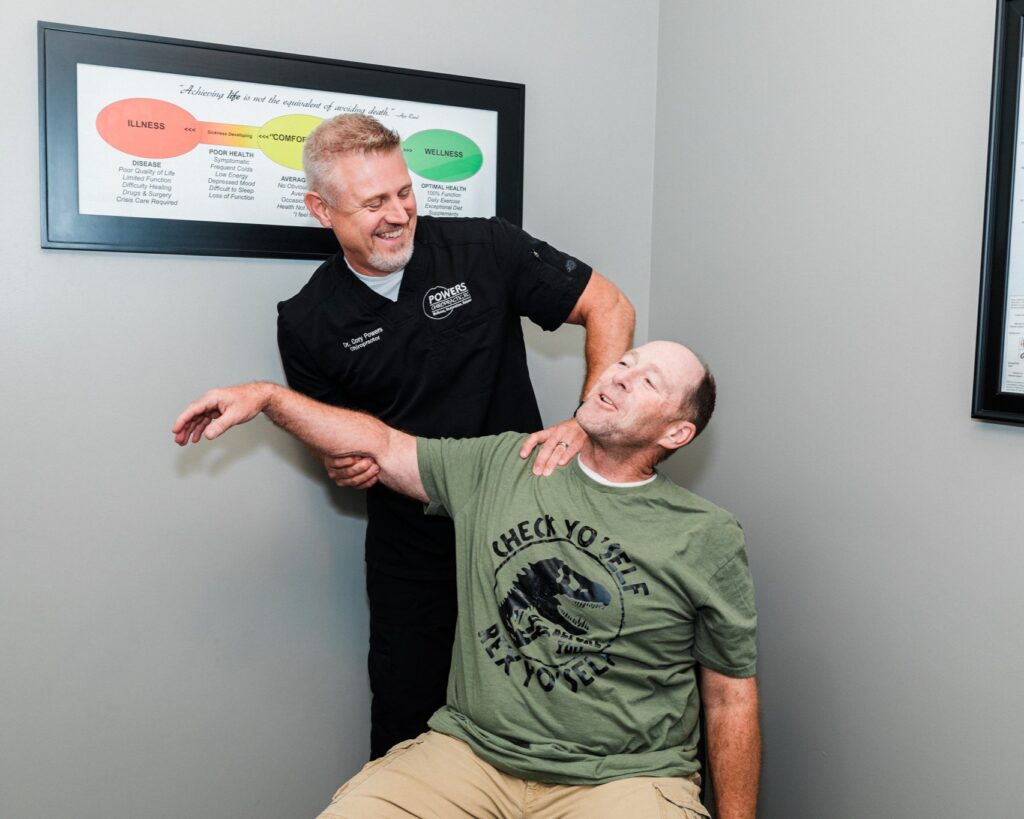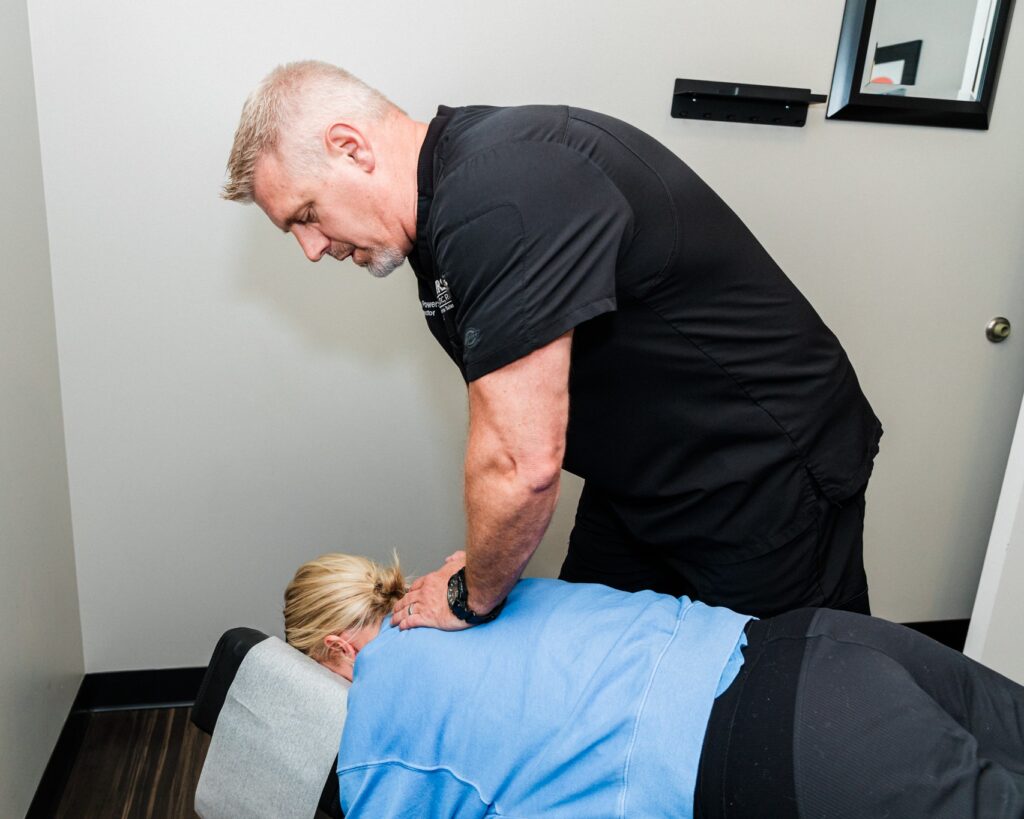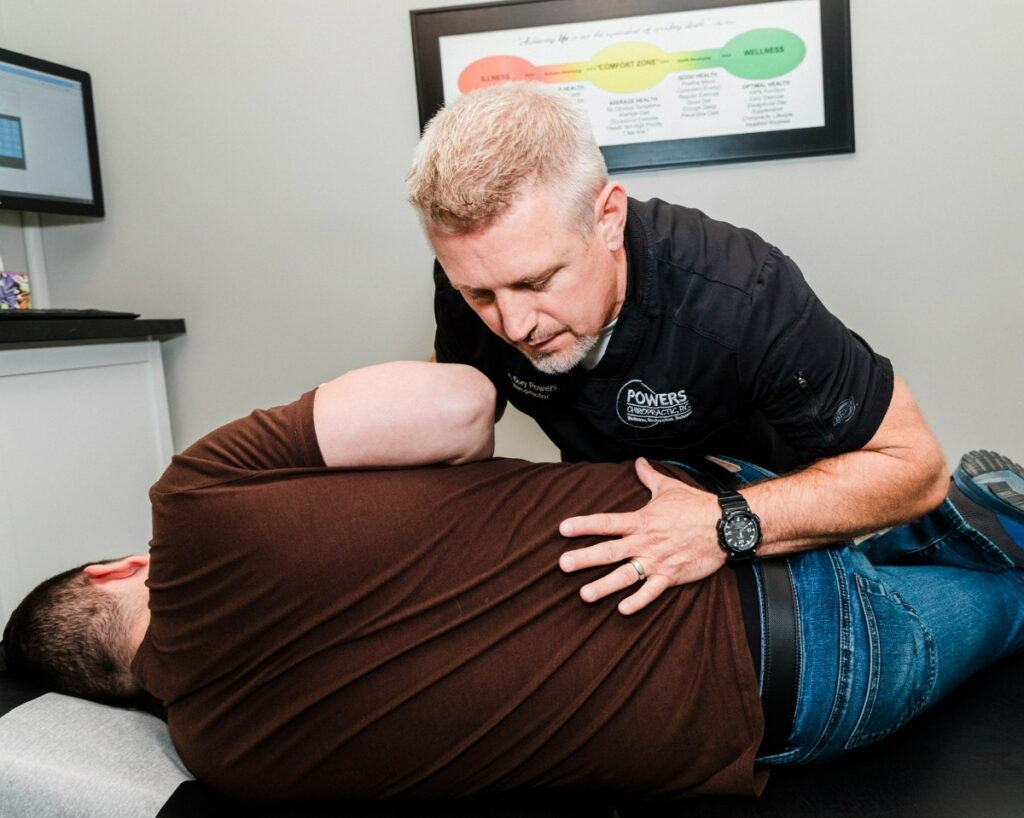

As a local chiropractor, I understand that living with chronic pain can significantly impact your daily life. Many patients come to me seeking relief and are often surprised to learn about the holistic benefits of chiropractic care. Our focus is on spinal alignment, but we also emphasize the importance of exercise and nutrition in your recovery journey.
Chiropractic care isn’t just about quick fixes; it’s about empowering you with practical strategies that promote long-term wellness. By addressing the root causes of your pain and improving your overall health, we can work together to enhance your quality of life.
In addition to spinal adjustments, I encourage patients to incorporate specific exercises and nutritional changes into their routines. These complementary approaches can significantly support your healing process. Let’s explore how these strategies can make a meaningful difference in managing your chronic pain and improving your well-being.
Understand the Importance of Spinal Alignment
As a local chiropractor, I want to emphasize the critical role that spinal alignment plays in your overall health and well-being. When you prioritize keeping your spine aligned, you’re taking an essential step toward effectively managing chronic pain. Proper alignment supports your body’s natural posture, which reduces unnecessary stress on your muscles and ligaments.
When your spine is in alignment, your nervous system can function optimally, allowing signals to travel freely without interference. This improved communication can significantly alleviate pain and discomfort that you may be experiencing.
On the other hand, misalignment can lead to a host of issues, such as tension, restricted movement, and even headaches. You might observe that when your spine is out of its ideal position, other areas of your body start to compensate, leading to further strain and discomfort.
That’s where regular chiropractic adjustments come into play. They can help restore your spine’s natural curve, promoting balance and stability throughout your body.
Understanding the importance of spinal alignment can also inspire you to adopt habits that support better posture in your daily life. By focusing on this foundational aspect of your health, you’re not just addressing pain; you’re setting the stage for improved mobility, enhanced comfort, and ultimately a better quality of life.
I’m here to guide you on this journey to better spinal health and overall well-being.
Incorporate Regular Stretching and Strengthening Exercises
As a local chiropractor, I want to emphasize the importance of incorporating regular stretching and strengthening exercises into your daily routine to effectively manage chronic pain. These exercises are vital for enhancing flexibility, improving muscle strength, and promoting better posture, all of which can lead to significant pain relief.
I recommend starting with gentle stretches that focus on areas where you may feel tight or uncomfortable. This approach helps alleviate muscle tension and improves your range of motion, making daily activities easier and more enjoyable.
Once you feel comfortable with stretching, it’s beneficial to introduce strengthening exercises that specifically target your core, back, and legs. Strong, well-developed muscles provide essential support to your spine and significantly reduce the risk of injury. However, it’s crucial to listen to your body; never push through pain, as this can lead to further complications.
Consistency is key when it comes to reaping the benefits of these exercises, so I encourage you to aim for short sessions several times a week. Additionally, consider working with a chiropractor or physical therapist. They can develop a personalized program tailored to your unique needs, ensuring that you’re engaging in exercises that are safe and effective for your condition.
Utilize Hot and Cold Therapy
As your local chiropractor, I want to share with you the benefits of utilizing hot and cold therapy for managing chronic pain. These two methods offer distinct advantages that can complement your overall care strategy.
Heat therapy, which includes the use of heating pads or soaking in warm baths, is excellent for relaxing tight muscles and enhancing blood circulation. This increased blood flow can help alleviate stiffness and discomfort, making it especially beneficial for muscle-related issues.
When using heat, I recommend applying it for 15-20 minutes at a time to avoid the risk of overheating.
Conversely, cold therapy, utilizing ice packs or cold compresses, is effective for reducing inflammation and numbing sharp pain sensations. This treatment is particularly advantageous following physical activity or after an injury.
When applying cold, aim for 10-15 minutes, and always remember to wrap the ice in a cloth to protect your skin from frostbite.
By incorporating both hot and cold therapies into your daily routine, you can enhance your pain management approach. Pay attention to how your body responds, and feel free to alternate between hot and cold treatments as necessary.
This simple yet effective practice can provide you with significant relief and improve your overall quality of life. If you have any questions about how to best integrate these therapies into your care, please don’t hesitate to ask during your visit!
Explore Nutritional Support for Pain Management
As a chiropractor, I often see patients who are exploring various avenues for chronic pain relief. While many people are familiar with physical therapies, I want to emphasize the importance of nutritional support in your journey toward wellness. The food you consume plays a crucial role in how your body responds to pain and inflammation.
Incorporating anti-inflammatory foods into your diet can significantly help reduce discomfort. Foods like fatty fish, leafy greens, and nuts are excellent choices that can support your body’s natural healing processes.
Additionally, don’t underestimate the power of proper hydration; drinking plenty of water is essential for maintaining joint health and minimizing stiffness.
You may also want to consider natural supplements such as turmeric or omega-3 fatty acids, both of which have been shown to possess pain-relieving properties. It’s important to be mindful of what you eat; processed foods and excessive sugar can aggravate pain levels.
Instead, focus on whole, nutrient-dense foods that will provide your body with the essential vitamins and minerals it needs.
If you’re unsure where to start, consulting with a nutritionist can offer personalized guidance tailored to your specific needs.
By prioritizing nutritional support alongside chiropractic care, you can empower yourself on your path to chronic pain relief and overall well-being.
Consider Lifestyle Modifications for Long-Term Relief
As a local chiropractor, I want to emphasize the importance of making lifestyle modifications for achieving long-term relief from chronic pain. One of the key changes you can make is to incorporate regular physical activity into your daily routine. Gentle exercises, such as walking or yoga, can significantly strengthen your muscles and enhance flexibility, which can help reduce pain over time.
In addition to physical activity, it’s crucial to pay attention to your sleep hygiene. Aim for 7-9 hours of restorative sleep each night, as quality rest is vital for healing and managing pain effectively.
Don’t overlook the benefits of stress management techniques. Practices like meditation and deep breathing exercises can be incredibly effective in reducing stress, which in turn can lead to lower pain levels and an overall improvement in your well-being.
Lastly, I encourage you to assess your posture throughout your daily activities. Investing in ergonomic furniture and ensuring proper alignment can help prevent unnecessary strain and discomfort.
Conclusion
As your local chiropractor, I want to share some valuable tips to help you manage chronic pain and improve your overall well-being. One of the most important aspects of chiropractic care is ensuring proper spinal alignment. This can significantly impact your body’s ability to function optimally.
Incorporating regular stretching and strengthening exercises into your routine is crucial. Staying active helps maintain flexibility and supports your spine. Additionally, using hot and cold therapy can provide relief by reducing inflammation and promoting blood flow to the affected areas.
Nutrition plays a key role in pain management as well. I encourage you to adopt an anti-inflammatory diet filled with whole foods, fruits, and vegetables, while also staying well-hydrated. This can help reduce pain and improve your body’s healing processes.
Lastly, consider making lifestyle changes that foster better sleep and effective stress management. Quality sleep and reduced stress levels can have a profound effect on your pain levels and overall health.
With consistency and commitment to these practices, you can take charge of your chronic pain and work towards achieving long-lasting relief and an improved quality of life. Remember, I’m here to support you on this journey to better health through natural healing methods.