
As a local chiropractor, I understand that living with migraines can be a daunting challenge. Many of my patients are often surprised to learn that their lifestyle choices and daily habits can significantly impact their migraine occurrences. The first step in managing these headaches is identifying your personal triggers, which can include anything from stress to dietary factors.
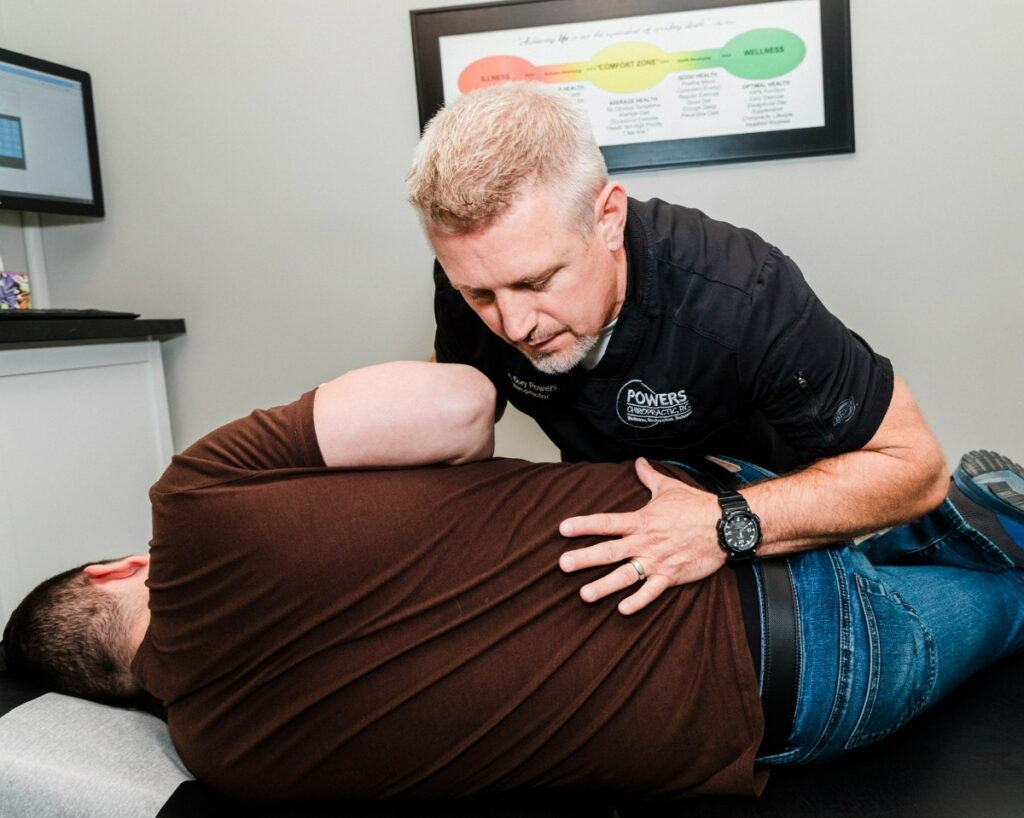
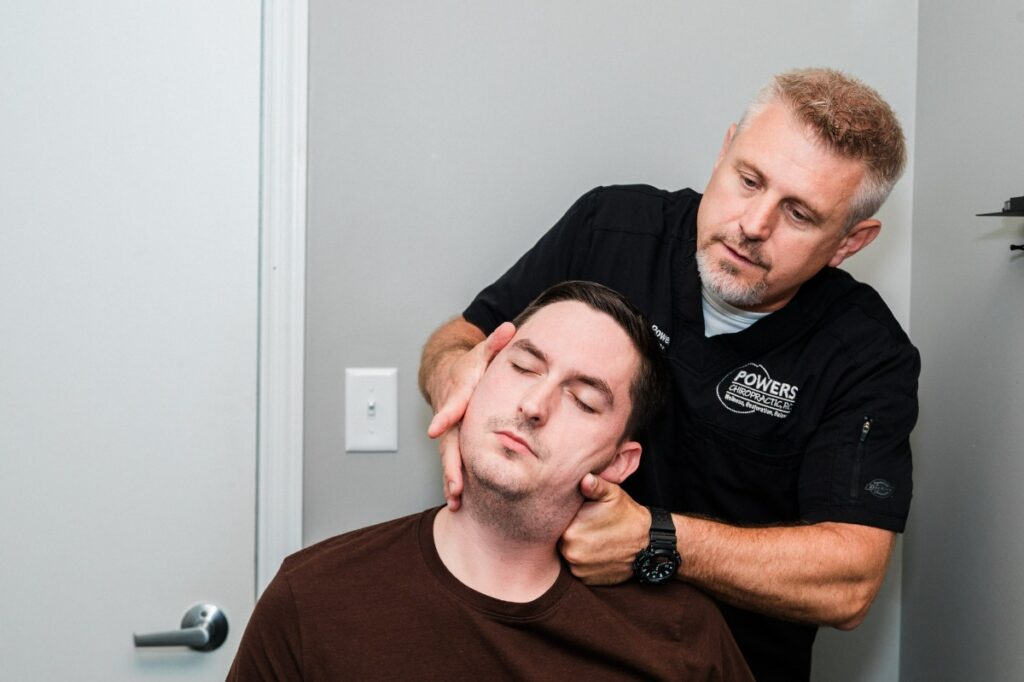
At our clinic, we explore a variety of relief options that go beyond medications. Chiropractic care focuses on the alignment of the spine and the overall health of your nervous system, which can play a crucial role in reducing migraine frequency and intensity. Additionally, we discuss natural remedies and holistic approaches that may complement your treatment plan.
By understanding the different avenues available to you, we can work together to find the most effective strategies for managing your symptoms. So, what’s the next step? Let’s schedule a consultation to discuss how chiropractic care can be a vital part of your journey to relief from migraines.
Understanding Migraines: Causes and Symptoms
As a chiropractor, I want to help you understand migraines and how they relate to your overall health. Migraines aren’t simply severe headaches; they involve intricate neurological processes that can significantly impact your quality of life. You may experience intense, throbbing pain often localized to one side of your head, accompanied by symptoms such as nausea, heightened sensitivity to light and sound, and even visual disturbances known as aura.
While the exact cause of migraines remains elusive, various factors can trigger them. Stress, hormonal fluctuations, specific foods, and environmental influences are all potential contributors. By paying attention to your body and identifying patterns linked to these triggers, you can begin to recognize what to avoid to help reduce the frequency and intensity of your migraines.
Understanding these symptoms and their potential triggers is crucial for effective management. As a chiropractor, I emphasize the importance of a holistic approach to health. By recognizing the early signs of a migraine, you can take proactive measures to alleviate their effects.
Our chiropractic care focuses on natural healing methods that may help restore balance to your nervous system, ultimately allowing you to regain control over your well-being and minimize the disruption these painful episodes can cause in your daily life.
Over-the-Counter Medications for Immediate Relief
As a local chiropractor, I understand that managing migraines effectively is essential for your overall well-being. When a migraine strikes, the desire for immediate relief is common.
While many people turn to over-the-counter (OTC) medications, it’s important to consider how these options fit into a broader approach to health. Non-steroidal anti-inflammatory drugs (NSAIDs) like ibuprofen or naproxen can provide temporary relief by reducing pain and inflammation. Acetaminophen is another alternative, especially for those who may not tolerate NSAIDs well.
Additionally, some individuals find that combination medications containing caffeine can enhance the effectiveness of pain relievers. However, it’s crucial to read the labels carefully to understand dosage recommendations and potential side effects.
As your chiropractor, I encourage you to explore holistic approaches alongside these medications. Techniques such as spinal adjustments, massage therapy, and lifestyle changes can help address the root causes of migraines and promote long-term relief.
Always consult with a healthcare professional to find the best strategy tailored to your needs.
Prescription Treatments: When to Seek Medical Help
Have you ever wondered when it’s time to consider alternative treatments for your migraines? If over-the-counter medications aren’t providing the relief you need, it may be beneficial to explore chiropractic care.
As a chiropractor, I often see patients who experience migraines more than twice a month, find them debilitating, or have episodes that last longer than 72 hours. If you’re dealing with new or unusual symptoms, such as visual disturbances or severe nausea, it’s wise to seek professional guidance.
Chiropractic care focuses on the relationship between your spine and overall health, and many patients find relief from migraines through spinal adjustments and other natural treatments. These methods can help alleviate pain and may even reduce the frequency of your migraine attacks.
It’s essential to communicate openly about your symptoms during your visits, so we can develop a personalized treatment plan that suits your needs. Don’t hesitate to reach out for help—when migraines affect your quality of life, exploring alternative options like chiropractic care can lead to the relief you deserve.
Natural Remedies: Exploring Herbal and Dietary Solutions
As a local chiropractor, I want to share with you the importance of considering natural remedies alongside conventional treatments for managing migraines. Many patients have found that integrating herbal solutions can significantly enhance their relief.
For example, herbs like feverfew and butterbur have shown potential in reducing both the frequency and intensity of migraine attacks. You might think about adding these to your routine in the form of supplements or herbal teas.
In addition, dietary adjustments can play a crucial role in your overall wellness and migraine management. Keeping a food diary can help you pinpoint specific triggers, such as aged cheeses or processed meats, that could be contributing to your discomfort.
Increasing your intake of magnesium-rich foods—like spinach, nuts, and whole grains—can also serve as a preventive measure against migraines. Additionally, incorporating omega-3 fatty acids found in fish into your diet may help reduce inflammation and support optimal brain health.
Lastly, I can’t stress enough how important hydration is for overall health. Dehydration is a common trigger for migraines, so ensure you’re drinking enough water throughout the day.
The Role of Lifestyle Changes in Migraine Management
As a local chiropractor, I want to share how incorporating lifestyle changes can significantly enhance your migraine management strategy, alongside the benefits of chiropractic care. Many people are unaware that simple adjustments in their daily habits can lead to profound improvements in their well-being.
First and foremost, establishing a consistent sleep schedule is vital. By going to bed and waking up at the same time every day, you help regulate your body’s internal clock, which can be crucial for reducing migraine frequency.
Hydration is another key factor; I encourage you to aim for at least eight glasses of water daily to avoid dehydration, a common trigger for migraines.
Keeping a food diary can also be beneficial. This practice helps you identify and avoid specific dietary triggers that may contribute to your headaches.
Moreover, regular physical activity is essential; finding an exercise routine that you enjoy—and sticking with it—can significantly reduce the frequency and intensity of migraines.
Lastly, I can’t stress enough the importance of a balanced diet. Consuming a variety of fruits, vegetables, whole grains, and lean proteins can provide the nutrients your body needs to function optimally.
Stress Reduction Techniques for Migraine Prevention
As a local chiropractor, I want to emphasize the importance of managing stress to help prevent migraines. One effective approach is incorporating mindfulness meditation into your daily routine. This practice can help you cultivate a sense of calm and awareness, which is crucial for overall well-being.
Additionally, simple breathing exercises can significantly benefit your mental and physical health. By taking a moment each day to focus on your breath, you can reduce tension and promote relaxation.
Regularly practicing these techniques not only fosters a peaceful state of mind but also creates a healthier environment that supports your body’s natural healing processes. Embracing these methods can be a vital part of your journey towards migraine prevention and enhanced wellness.
Mindfulness Meditation Practices
As a chiropractor dedicated to your well-being, I want to introduce you to the powerful benefits of mindfulness meditation practices. Incorporating mindfulness into your daily routine can significantly alleviate stress and decrease the likelihood of migraine attacks.
By focusing on the present moment, you can train your mind to release the tension and anxiety that often lead to migraines. Here are some key advantages of integrating mindfulness into your lifestyle:
- It enhances your emotional regulation, enabling you to respond more calmly to stressors that can affect your physical health.
- Increasing your self-awareness helps you identify potential triggers for migraines, allowing you to take proactive steps in managing them.
- Mindfulness promotes relaxation, which can reduce muscle tension and overall discomfort, complementing the chiropractic adjustments we provide.
Embracing these practices can work hand-in-hand with chiropractic care to support your journey toward better health and well-being.
Breathing Exercises Techniques
As a chiropractor dedicated to your overall wellness, I want to share how breathing exercises can play a crucial role in managing stress and even preventing migraines. These techniques can complement your chiropractic care by promoting relaxation and alleviating tension in your body.
When you focus on your breath, you activate your body’s natural relaxation response, which helps to diminish anxiety and muscle tension. One effective method you can try is deep diaphragmatic breathing. Start by inhaling slowly through your nose for a count of four, then hold that breath for another count of four, and finally, exhale through your mouth for a count of four.
Repeat this cycle several times to help calm your mind and body.
Another technique worth considering is the 4-7-8 breathing method. Inhale for four seconds, hold that breath for seven seconds, and then exhale slowly for eight seconds. Regular practice of these breathing exercises can enhance your sense of calm and resilience, which is vital for managing stress and preventing migraines.
I encourage you to incorporate these breathing techniques into your daily routine, particularly when you notice potential migraine triggers. By empowering yourself with these natural methods, you can support your chiropractic treatment and take proactive steps toward a healthier, more balanced life.
Maintaining a Migraine Diary: Tracking Triggers and Patterns
As a local Chiropractor, I want to emphasize the importance of keeping a migraine diary for those who experience migraines.
This practice can be incredibly beneficial in identifying common triggers that may be contributing to your discomfort. By diligently tracking your symptoms over time, you may begin to notice patterns that can guide us in developing effective prevention strategies tailored to your needs.
This straightforward approach can truly transform your experience with migraines and enhance your overall well-being through natural healing.
Together, we can work towards reducing the frequency and intensity of your migraines, helping you reclaim your quality of life.
Identify Common Triggers
As your local chiropractor, I want to help you gain better control over your migraines through a holistic approach. One highly effective method is to identify common triggers that may be contributing to your discomfort. By keeping a migraine diary, you can track patterns that assist you in pinpointing specific factors that might be exacerbating your pain.
Here are some potential triggers to consider:
- Dietary Choices: Certain foods or beverages, such as aged cheeses, processed meats, and alcohol, can often be responsible for triggering migraines. Paying attention to your diet is crucial.
- Environmental Factors: Elements in your surroundings, like bright lights, strong scents, or loud noises, can provoke an attack. Being mindful of your environment can help you avoid these triggers.
- Lifestyle Changes: Stress levels, insufficient sleep, or irregular daily routines can significantly influence the frequency and intensity of migraines. Implementing healthy lifestyle changes can play a key role in managing your symptoms.
Monitor Symptoms Over Time
As a local chiropractor dedicated to helping patients understand the benefits of natural healing, I want to emphasize the importance of tracking your symptoms over time, especially when dealing with migraines.
By maintaining a migraine diary, you can uncover valuable insights into patterns and triggers that may be contributing to your discomfort.
Every time you experience a migraine, take a moment to note key details, such as the time it started, how long it lasted, its intensity, and any potential triggers—like certain foods, stress levels, or changes in your sleep routine. This information can be incredibly revealing.
When you review your migraine diary, you may begin to see trends that can help you identify specific things to avoid. Sharing this information with me during your chiropractic visits can also lead to more personalized treatment plans that align with your unique needs.
Remember, consistency in tracking your symptoms is essential. The more data you gather, the clearer your migraine profile will become.
The Importance of Sleep in Migraine Control
As a local chiropractor, I want to share an important aspect of migraine management that often goes unnoticed: the quality of your sleep. Many people may not realize how significantly poor sleep can impact their overall well-being, including the frequency and intensity of migraine attacks.
Lack of restful sleep can increase stress levels, lead to mood fluctuations, and alter how we perceive pain—all factors that can trigger migraines.
To help you manage your migraines more effectively, it’s crucial to prioritize good sleep habits. Here are some key recommendations to improve your sleep quality:
- Establish a Consistent Sleep Schedule: Try to go to bed and wake up at the same time each day. This consistency helps regulate your body’s internal clock, making it easier to fall asleep and wake up feeling refreshed.
- Create a Relaxing Bedtime Routine: Consider incorporating calming activities into your evening routine, such as reading a book or doing gentle stretches. These practices signal to your body that it’s time to wind down and prepare for restful sleep.
- Limit Screen Time Before Bed: The blue light emitted from phones, tablets, and computers can interfere with your ability to fall asleep. By reducing screen exposure in the hour leading up to bedtime, you can enhance your sleep quality.
By focusing on these sleep strategies, you can take a significant step towards managing your migraines naturally and improving your overall health.
Alternative Therapies: Acupuncture, Massage, and More
As a local chiropractor, I’m excited to share how exploring alternative therapies can provide you with effective options for managing migraines beyond traditional treatments. One of the therapies I often recommend is acupuncture. This practice involves inserting fine needles at specific points on the body to alleviate pain and reduce the frequency of migraine attacks. Many of my patients report that it helps restore balance and relieve tension, making it a valuable addition to their wellness routine.
Massage therapy is another fantastic option to consider. It promotes relaxation, enhances circulation, and eases muscle tightness, all of which can contribute to fewer migraine episodes. Techniques like trigger point therapy or deep tissue massage can be tailored specifically to your needs, helping to address the underlying causes of your discomfort.
Additionally, herbal supplements such as butterbur and feverfew have shown promise in some studies for migraine relief. However, I always emphasize the importance of consulting with your healthcare provider before starting any new supplements to ensure they’re appropriate for you.
Furthermore, incorporating practices like yoga and meditation into your life can greatly enhance your overall well-being and help you manage stress, which is a common migraine trigger.
As a chiropractor, I believe that exploring these natural therapies can lead you to discover the relief you’ve been searching for. If you’re interested in learning more about how chiropractic care and alternative therapies can work together, I’m here to guide you on your journey to better health.
Seeking Support: Connecting With Others and Professional Help
Finding effective relief from migraines often requires a holistic approach, and as your local chiropractor, I want to emphasize the importance of connecting with others and exploring natural healing methods. Engaging with a supportive community can provide you with both emotional encouragement and practical insights, while chiropractic care can help address the underlying issues contributing to your migraines.
- Consider joining local or online support groups where you can share your experiences and learn from others who face similar challenges.
- Seek guidance from healthcare professionals, such as chiropractors, who specialize in treating migraines through natural, non-invasive methods tailored to your individual needs.
- Explore complementary therapies, including chiropractic adjustments and lifestyle changes, that can help alleviate migraine triggers and improve your overall well-being.
Never underestimate the value of community and professional support. Discussing your experiences with those who truly understand your struggle can be incredibly validating.
Moreover, chiropractic care offers a unique perspective on managing migraines, focusing on the health of your spine and nervous system to promote healing and relief.
Conclusion
As a local chiropractor, I want to emphasize that finding effective relief from migraines can often be achieved through a personalized approach that includes chiropractic care, alongside medication, lifestyle modifications, and natural remedies. Keeping a migraine diary to identify your specific triggers can be incredibly helpful in managing your symptoms.
Chiropractic adjustments can assist in alleviating tension in the neck and spine, which may contribute to migraine occurrences. Additionally, incorporating healthy lifestyle changes, such as regular exercise, hydration, and proper sleep, can significantly impact your well-being.
Don’t underestimate the value of community support; connecting with others who understand your experience can be incredibly beneficial. By exploring various treatment options—especially the holistic benefits of chiropractic care—you can take proactive steps in managing your migraines and enhancing your overall quality of life. Remember, with the right strategies and resources, you have the power to take control of your migraines.