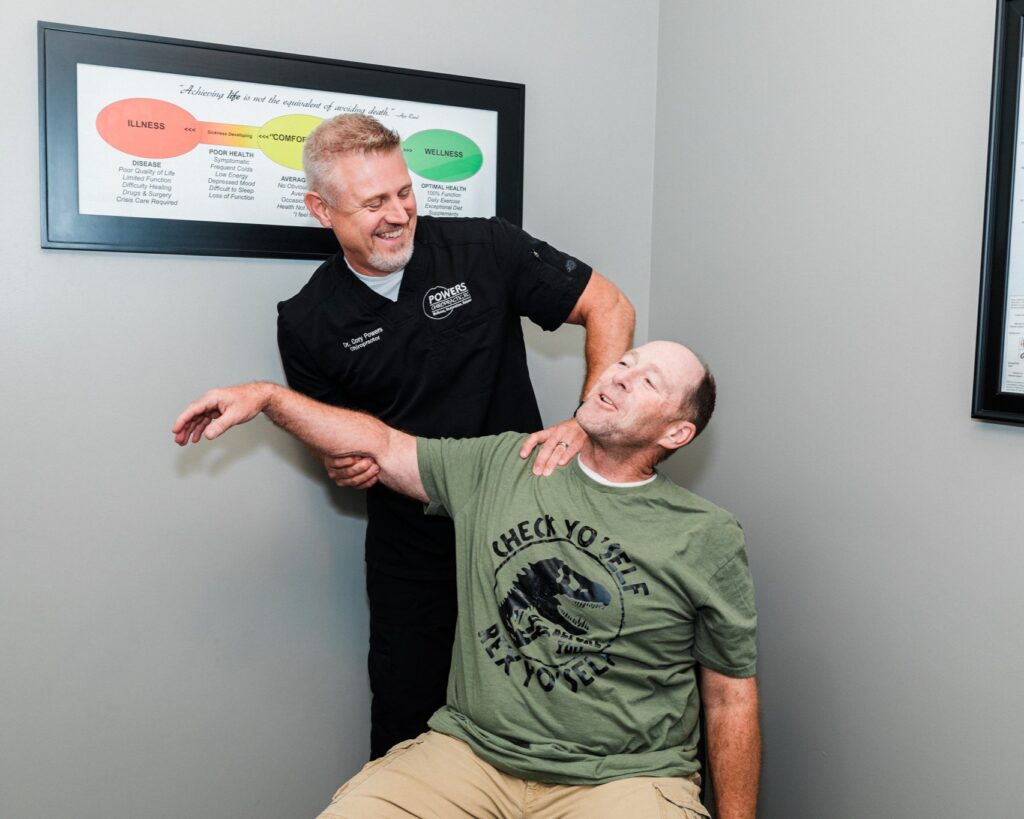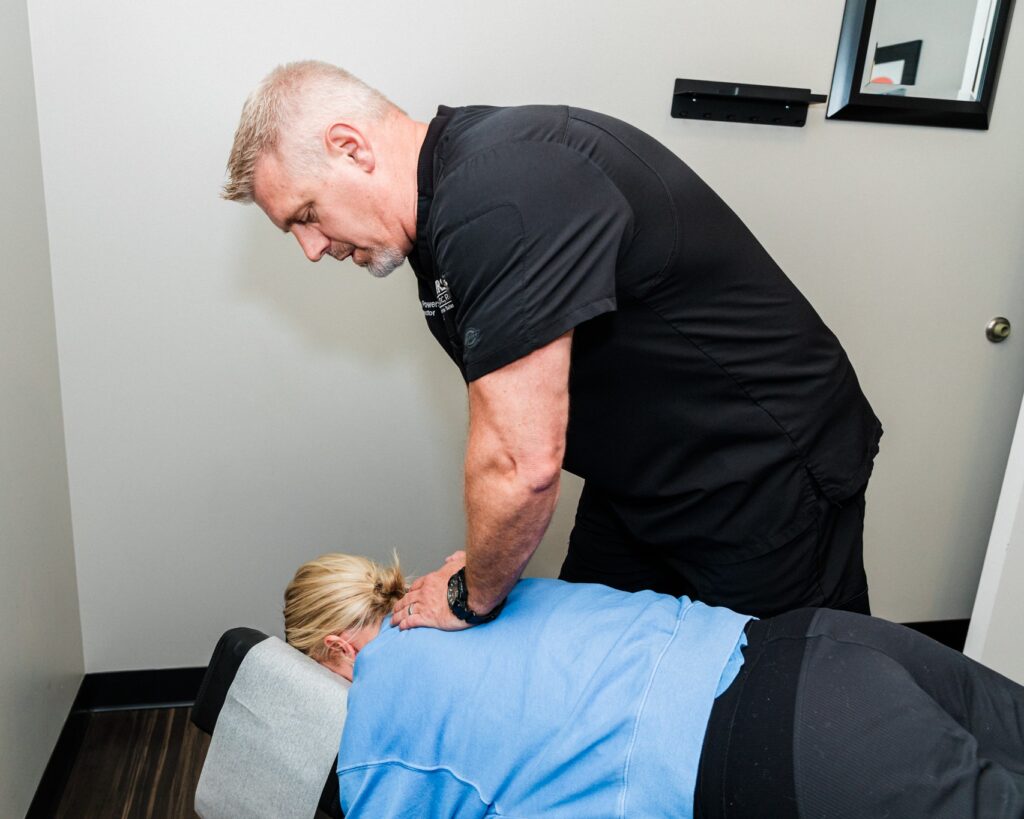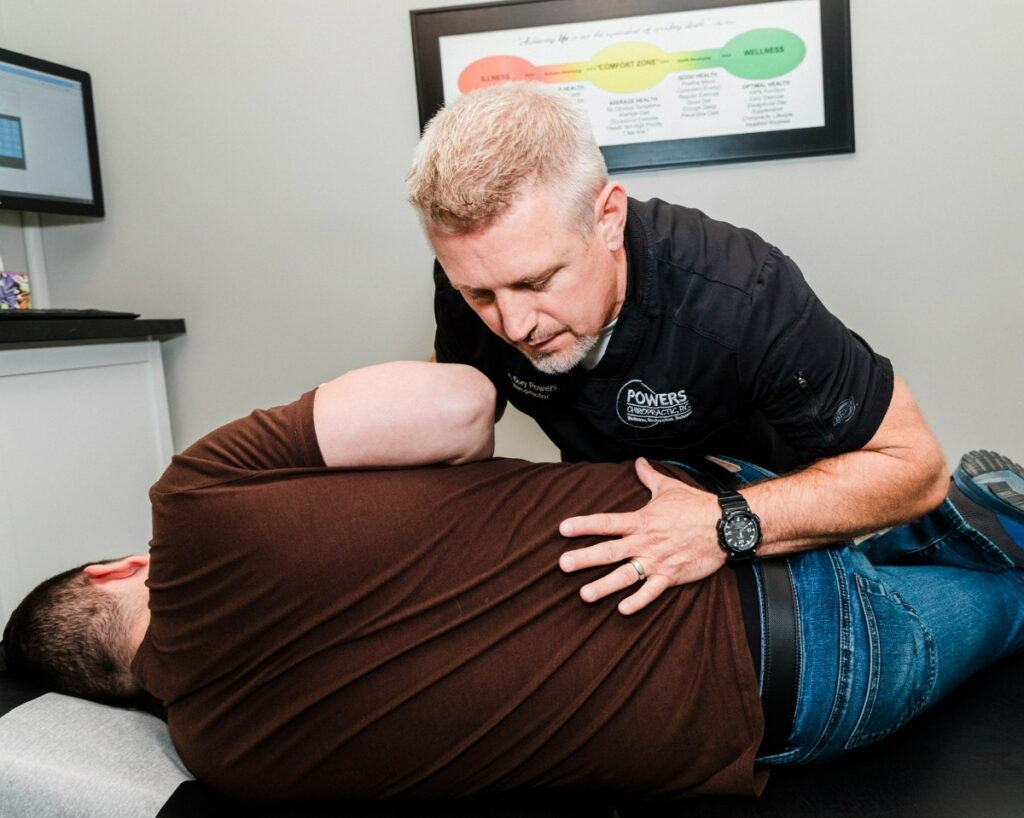

As a local chiropractor, I want to share some insights about how chiropractic adjustments can be a game-changer for those dealing with back pain. Many people are unaware that these precise interventions focus on realigning the spine, which can significantly enhance mobility and target the underlying causes of discomfort. When your spinal alignment improves, you may find that your posture also gets better, and muscle tension decreases.
But chiropractic care is just one piece of the puzzle. There are numerous other effective methods that can work alongside adjustments to support your journey towards relief. I encourage you to explore these options with me, as they can help you achieve a more holistic approach to your health and well-being. Together, we can create a comprehensive plan tailored to your needs.
Understanding the Causes of Back Pain
As a local chiropractor, I want to help you understand the common causes of back pain so you can take proactive steps toward managing it naturally.
Many people experience back pain due to factors like poor posture, muscle strain, or injury. Everyday activities, such as lifting heavy objects or sitting for extended periods, can put unnecessary stress on your back.
Certain medical conditions, like herniated discs or arthritis, can also contribute to discomfort. It’s important to identify your specific triggers to address the root cause of your pain.
For example, if you often bend awkwardly or perform repetitive motions, these habits may be the source of your suffering. Additionally, stress can lead to muscle tension, which often results in pain.
Understanding these factors is the first step in finding relief. Through chiropractic care, we can work together to improve your posture, strengthen your muscles, and alleviate tension, ultimately helping you achieve a healthier, pain-free back.
Importance of Ergonomic Furniture
As a chiropractor, I often see the effects of poor posture and inadequate support from furniture on my patients’ back health. If you’re someone who spends long hours sitting at a desk or working from home, it’s crucial to consider how the furniture you use impacts your body.
Investing in ergonomic furniture can be a game-changer for your spinal health. Ergonomic chairs and desks are specifically designed to support your body’s natural alignment, which helps to minimize strain on your muscles and spine. When you sit in an ergonomic chair, it promotes proper lumbar support, maintaining the natural curve of your lower back. This is essential for preventing discomfort and pain.
Additionally, using adjustable desks allows you to switch between sitting and standing throughout your day. This variation not only promotes better circulation but also helps combat fatigue. When your furniture aligns with your body’s needs, you’re less likely to adopt poor postures, like hunching or leaning awkwardly, which can lead to long-term issues.
By prioritizing ergonomic options in your workspace, you’re taking significant steps toward preventing back pain and enhancing your overall productivity.
The Role of Proper Posture
As a local chiropractor, I want to emphasize the significance of maintaining proper posture, particularly for those of you who spend long hours sitting.
Many individuals underestimate how crucial it’s for managing back pain. By incorporating ergonomic seating into your daily routine, you can significantly enhance your spinal alignment, which in turn can alleviate discomfort.
It’s important to understand that making simple adjustments to your workspace and sitting habits can lead to lasting relief from pain.
I’m here to guide you through these changes and help you discover the benefits of chiropractic care and natural healing.
Together, we can achieve a healthier spine and a more comfortable life.
Importance of Ergonomic Seating
As a local chiropractor, I want to shed some light on how your choice of seating can significantly affect your back health. Many may not realize the importance of ergonomic seating when it comes to maintaining proper posture and alleviating back pain.
When you select a chair specifically designed to support your body, you not only help align your spine but also distribute your weight evenly. This proactive approach can prevent discomfort and avert long-term damage to your back.
Here are some key benefits of ergonomic seating that I encourage you to consider:
- It promotes a neutral spine position, which is crucial for overall spinal health.
- It reduces pressure on your lower back, helping to alleviate pain.
- It encourages active sitting, which engages your muscles and keeps your body active, even when seated.
- It provides adjustable support tailored to your individual needs, ensuring you’re comfortable no matter your body type.
- It minimizes the risk of developing chronic pain, which can stem from poor seating choices over time.
Investing in ergonomic seating isn’t just about comfort; it’s a vital step towards enhancing your overall well-being.
Your back health is important, and making informed choices about where you sit can lead to a healthier, pain-free life. Let’s prioritize your spinal health together!
Impact on Spinal Alignment
As a local chiropractor, I want to emphasize that choosing the right seating is just the first step in caring for your spine. Maintaining good posture while seated is crucial for achieving proper spinal alignment. When you sit up straight, your spine can rest in a neutral position, which helps to alleviate unnecessary strain on your muscles and ligaments.
To support this alignment, make sure your feet are flat on the floor and your knees form a right angle. Your chair should fully support your back, allowing your shoulders to relax comfortably.
It’s important to avoid slumping or leaning forward, as these positions can lead to discomfort and potentially long-term issues.
I also encourage you to take regular breaks to stretch and adjust your seating position, as this can help prevent stiffness and promote overall well-being.
Stretching and Strengthening Exercises
As a local chiropractor, I often see patients who are unaware of the significant impact that stretching and strengthening exercises can have on managing back pain.
These activities play a vital role in improving flexibility and building core stability, which are crucial for overall spinal health. By incorporating these exercises into your daily routine, you can experience substantial relief from discomfort and enhance your overall well-being.
Here are some effective exercises I recommend for my patients:
- Cat-Cow Stretch: This gentle movement promotes spinal flexibility and can help alleviate tension in your back.
- Plank: A fantastic way to strengthen your core, which is essential for providing better support to your back.
- Child’s Pose: This restorative position relaxes the back muscles and helps to relieve built-up tension.
- Bridge: This exercise targets the glutes and lower back, fostering greater stability and support for your spine.
- Seated Forward Bend: This stretch increases hamstring flexibility, which can help reduce strain on your lower back.
Incorporating these exercises into your daily routine can lead to long-lasting relief from back pain.
Always pay attention to how your body feels during these movements, and I encourage you to consult with a healthcare professional, such as myself, before starting any new exercise program.
This ensures that you engage in safe and effective practices tailored to your individual needs.
Incorporating Movement Into Your Day
As a local chiropractor, I want to emphasize the importance of incorporating movement into your daily routine after you’ve started with stretching and strengthening exercises. Regular movement is crucial for reducing back pain and enhancing your overall health, and I’m here to guide you on how to make that happen.
One effective way to ensure you’re moving enough is to set reminders to stand up and stretch every hour, whether you’re at work or at home. This simple act can help alleviate tension and improve circulation.
I recommend engaging in straightforward activities such as taking short walks during breaks, opting for stairs instead of elevators, or tackling household chores. These small adjustments can significantly contribute to keeping your body active and flexible, which is vital for spinal health.
To make movement more enjoyable, consider incorporating fun activities into your routine—like dancing or gardening. These not only promote physical activity but also boost your mood.
If you find yourself sitting for long periods, think about using a standing desk or an exercise ball to encourage better posture and spinal alignment.
Remember, consistency is key. Always listen to your body and honor its needs. By prioritizing movement throughout your day, you’ll not only reduce back pain but also enhance your energy levels and overall well-being.
If you have any questions or need guidance on how to integrate these practices into your lifestyle, feel free to reach out. Your path to natural healing starts with the right movement!
The Benefits of Heat and Cold Therapy
As a local chiropractor, I want to share how heat and cold therapy can be incredibly beneficial for managing back pain.
These natural methods can significantly enhance your comfort and recovery.
Heat therapy is excellent for relaxing tight muscles and boosting circulation, which can help alleviate stiffness and promote healing.
On the other hand, cold therapy is effective at reducing inflammation and numbing sharp pain, making it a great option for acute injuries or flare-ups.
Understanding how to properly apply heat and cold can lead to substantial relief and support your overall healing journey.
If you’re unsure how to incorporate these therapies into your routine, feel free to ask during your next visit.
I’m here to help you navigate your path to wellness!
Heat Therapy Benefits
As a local chiropractor, I want to share with you how heat therapy can be a valuable tool in easing your back pain. Many of my patients have found significant relief through this simple yet effective method.
Heat therapy works by increasing blood flow to the affected areas, which helps relax tight muscles and reduce stiffness. Here are some of the key benefits of incorporating heat therapy into your pain management routine:
- Increases circulation: Improved blood flow brings essential nutrients to areas that may be injured or inflamed, aiding in recovery.
- Relaxes muscles: The soothing warmth helps to ease muscle tension, making everyday movements more comfortable.
- Reduces pain: Heat can effectively block pain signals to the brain, providing you with much-needed relief.
- Improves flexibility: By increasing the elasticity of your muscles and soft tissues, heat therapy can help you regain your range of motion.
- Promotes healing: The boost in circulation not only alleviates pain but also supports the natural healing process of your tissues.
I encourage you to consider incorporating heat therapy into your daily routine. It can significantly enhance your comfort and overall quality of life, complementing the chiropractic care you receive.
If you have any questions or would like to learn more, feel free to reach out!
Cold Therapy Advantages
As a local chiropractor, I want to share the benefits of cold therapy, especially for those of you managing back pain. While many are familiar with heat therapy for muscle relaxation and improved circulation, cold therapy has its own unique advantages that can be incredibly effective in your healing journey.
Cold therapy works by reducing inflammation and numbing sharp pain, making it particularly useful after you’ve experienced an acute injury. When you apply ice packs or cold compresses, the cold constricts blood vessels, which helps to ease swelling and alleviate discomfort.
This method can also soothe muscle spasms and tension, which many of my patients experience.
I recommend using cold therapy right after any physical activity or when you feel a flare-up of pain. It’s important to protect your skin, so always wrap the ice in a cloth and limit your applications to 15-20 minutes at a time.
Incorporating cold therapy into your routine, alongside other chiropractic treatments, can create a well-rounded approach to effectively managing your back pain.
If you have any questions about how to integrate this or other natural healing methods into your care plan, feel free to ask during your next visit!
Mindfulness and Stress Reduction Techniques
As a local chiropractor, I often see how stress can contribute to muscle tension and exacerbate back pain.
It’s essential to recognize that managing this tension can significantly improve your overall comfort and well-being. By incorporating mindfulness and stress reduction techniques into your daily routine, you can foster a more relaxed state, which aids in your body’s natural healing processes.
Here are some effective strategies you can try:
- Deep Breathing: Focus on your breath. This simple practice can calm your mind and help release physical tension, making it easier for your body to align and heal.
- Meditation: Taking just a few minutes each day to meditate can enhance your awareness and promote relaxation. This not only helps reduce stress but also prepares your mind for chiropractic adjustments.
- Yoga: Engaging in gentle yoga poses can stretch your back and alleviate tightness. It complements the adjustments I provide in the office and can enhance your flexibility and strength.
- Progressive Muscle Relaxation: This technique involves tensing and then relaxing muscle groups sequentially. It can help you identify areas of stress in your body and facilitate a deeper sense of relaxation.
- Visualization: Picture a serene scene that brings you joy. This practice can distract you from any pain and cultivate a peaceful mindset, which can be beneficial during your chiropractic care.
By embracing these techniques, you can create a supportive environment for your body to heal and thrive.
As your chiropractor, I’m here to guide you on this journey towards better health and a pain-free life.
The Impact of Sleep on Back Health
As a local chiropractor, I want to emphasize the crucial connection between sleep and back health. Quality sleep is vital for your body’s ability to repair and regenerate, and it significantly impacts your overall well-being. When you don’t get enough restorative sleep, it can lead to increased tension and pain in your back. Insufficient sleep is also linked to inflammation, which can worsen any existing discomfort.
Creating an optimal sleep environment is essential for supporting your back. Consider investing in a comfortable mattress and pillow that provide the right level of support for your spine. It can also be beneficial to try different sleep positions; for instance, sleeping on your side with a pillow between your knees can help maintain proper spinal alignment.
I recommend aiming for 7-9 hours of sleep each night. This not only promotes better back health but also enhances your mental and physical resilience, making it easier to handle daily activities without discomfort.
Establishing a soothing pre-bedtime routine—like dimming the lights or doing some gentle stretches—can help you wind down and improve the quality of your sleep.
Seeking Professional Help and Treatment Options
If you’re experiencing ongoing back pain, I encourage you to consider the benefits of chiropractic care as a vital step in your healing journey.
As a chiropractor, I specialize in diagnosing and treating musculoskeletal issues, and I can create a personalized treatment plan tailored to your specific concerns.
Here are some aspects of chiropractic care that you might find helpful:
- Spinal Adjustments: Through gentle adjustments, I can help realign your spine, which may alleviate pain and improve function.
- Customized Exercise Plans: I can guide you through specific exercises designed to strengthen your back muscles and enhance your flexibility, which is essential for long-term relief.
- Holistic Approach: Chiropractic care focuses on treating the whole person, not just the symptoms. This approach often includes lifestyle advice and nutrition tips to support your overall health.
- Complementary Therapies: In addition to adjustments, I may incorporate techniques such as massage therapy and stretching to further reduce muscle tension and promote relaxation.
- Collaborative Care: If necessary, I can work alongside other healthcare providers, including physical therapists and pain management specialists, to ensure you receive comprehensive care.
Don’t wait to take control of your pain.
Reaching out to a chiropractor can be the first step towards regaining your quality of life. The sooner you seek help, the quicker we can work together to find relief and restore your well-being.
Conclusion
As a local chiropractor, I want to share some effective strategies for addressing back pain that can greatly enhance your quality of life. First and foremost, it’s important to understand that back pain often stems from various causes, and taking a holistic approach is key.
Incorporating ergonomic furniture into your workspace can make a significant difference in how your spine feels throughout the day. Additionally, maintaining proper posture while sitting or standing is crucial for spinal health. Don’t forget the benefits of regular movement—getting up and stretching or walking around can help prevent stiffness and discomfort.
Heat therapy is another excellent tool for alleviating pain. Applying heat can improve blood flow and relax tense muscles. Furthermore, integrating stretching and mindfulness techniques into your daily routine can have a profound effect on both your mental well-being and physical health.
If you find that your pain persists despite these adjustments, I encourage you to seek professional help. Chiropractic adjustments are a natural and effective way to relieve pain, improve mobility, and promote overall wellness. By embracing these strategies and considering chiropractic care, you can take significant steps towards a more comfortable, pain-free life. Remember, your journey to better spinal health starts with understanding and making these changes.